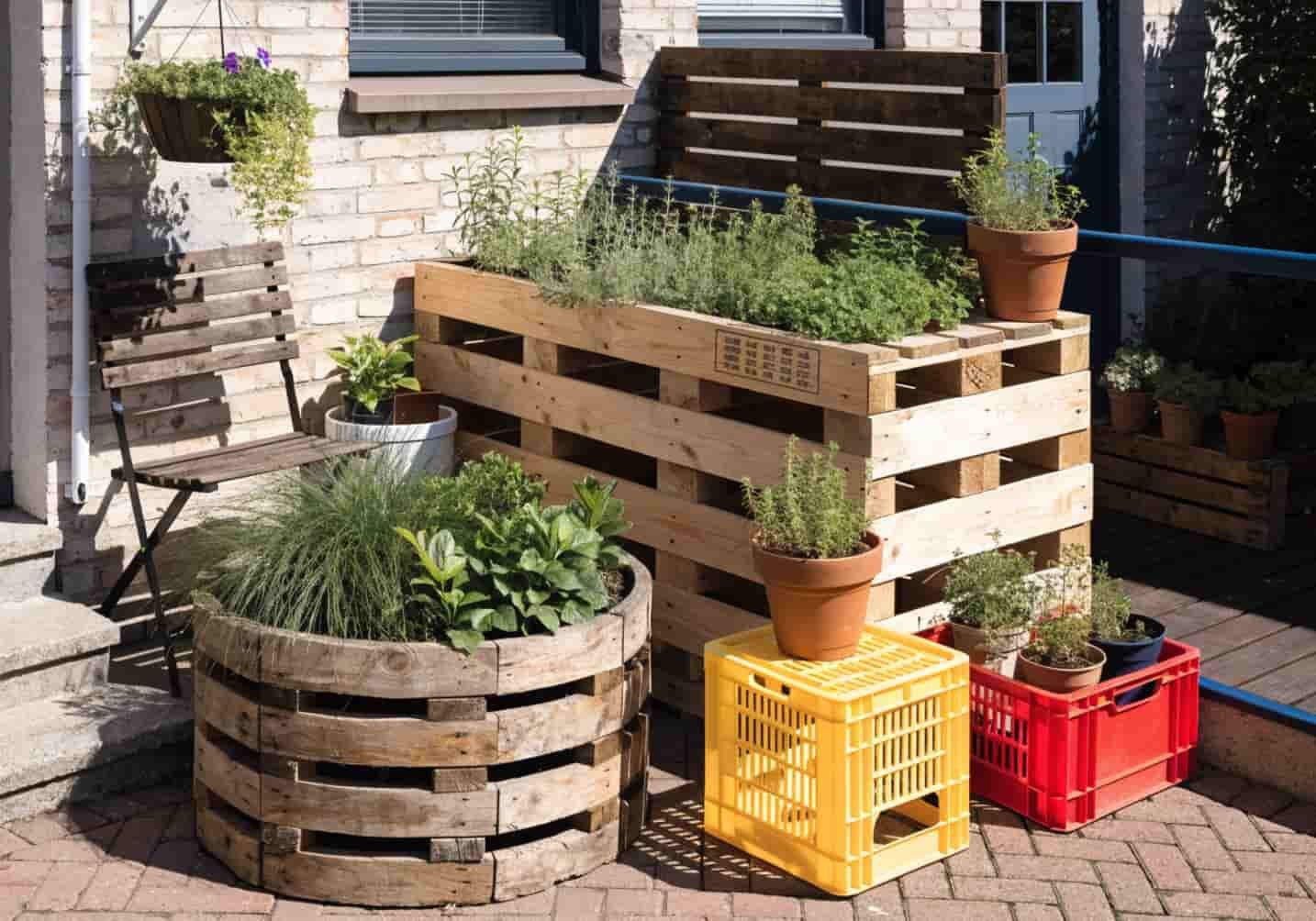
If you have ever stood on a tiny balcony wondering how anyone could grow a House Garden Ideas there, you are not alone. I remember helping my aunt set up her first balcony garden in a flat that barely had five feet of open space, and honestly, it looked impossible at first. But once we figured out a few tricks, that same cramped balcony turned into her favorite spot for morning tea. Small spaces come with real challenges like limited sunlight, no ground soil, weak walls for heavy pots, and just not enough room to move around. The good news is that none of these problems are impossible to solve. With a bit of planning and some creative thinking, even the smallest patch of space can turn into a green corner you actually look forward to visiting every day.
Vertical Gardening: More Greenery in Less Space
When floor space runs out, the walls become your best friend. Vertical gardening basically means growing plants upward instead of outward, using wall-mounted shelves, stacked planters, or trellises. I have seen a neighbor turn one blank wall into a jungle of pothos, ferns, and small flowering plants just by adding a few tiered shelves. It did not cost much, and it completely changed how the space felt. You can use old wooden crates, metal racks, or even repurposed pallets to build your own vertical setup. The trick is to place heavier pots at the bottom and lighter, trailing plants higher up so everything stays balanced and easy to water without much hassle.
Container Gardening Solutions for Tiny Spaces
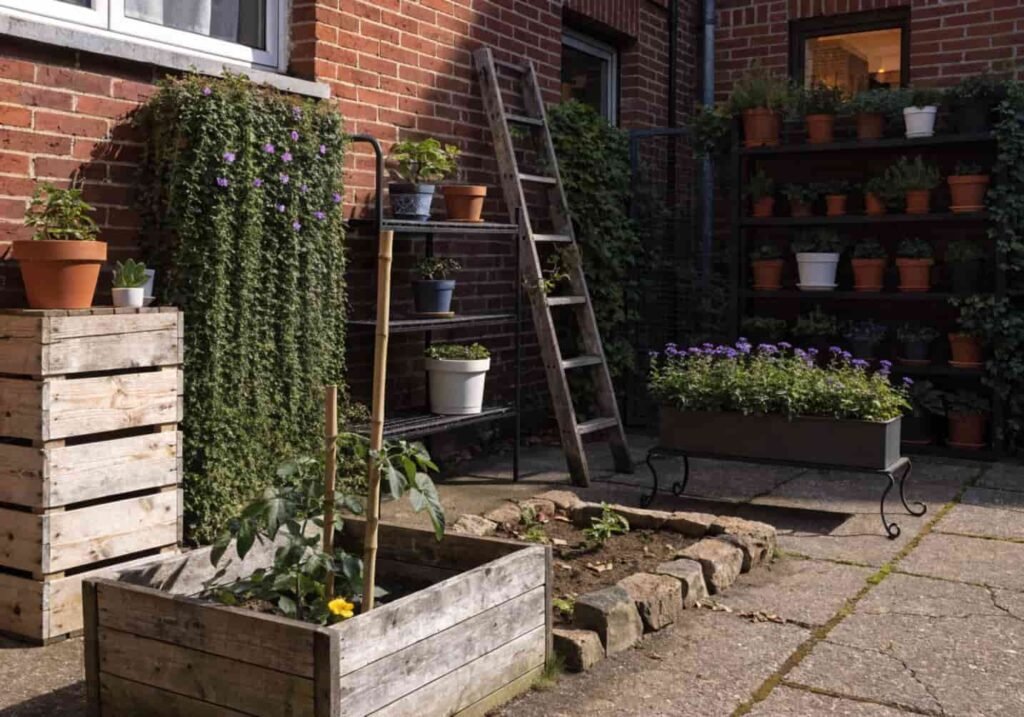
Not every small space needs a garden bed dug into the ground, and honestly, containers are often the smarter choice anyway. Pots, buckets, old tin cans, even broken teapots can become homes for herbs, flowers, or small vegetables. My cousin grows tomatoes in large paint buckets on her rooftop, and they do better than some plants grown in actual soil beds. The key with containers is drainage. Always poke a few holes at the bottom so water does not sit and rot the roots. Choose lightweight pots if your balcony has weight restrictions, and group similar plants together so watering becomes a quick, simple task instead of a daily chore that eats up your whole evening.
Balcony and Terrace Garden Ideas for Small Homes
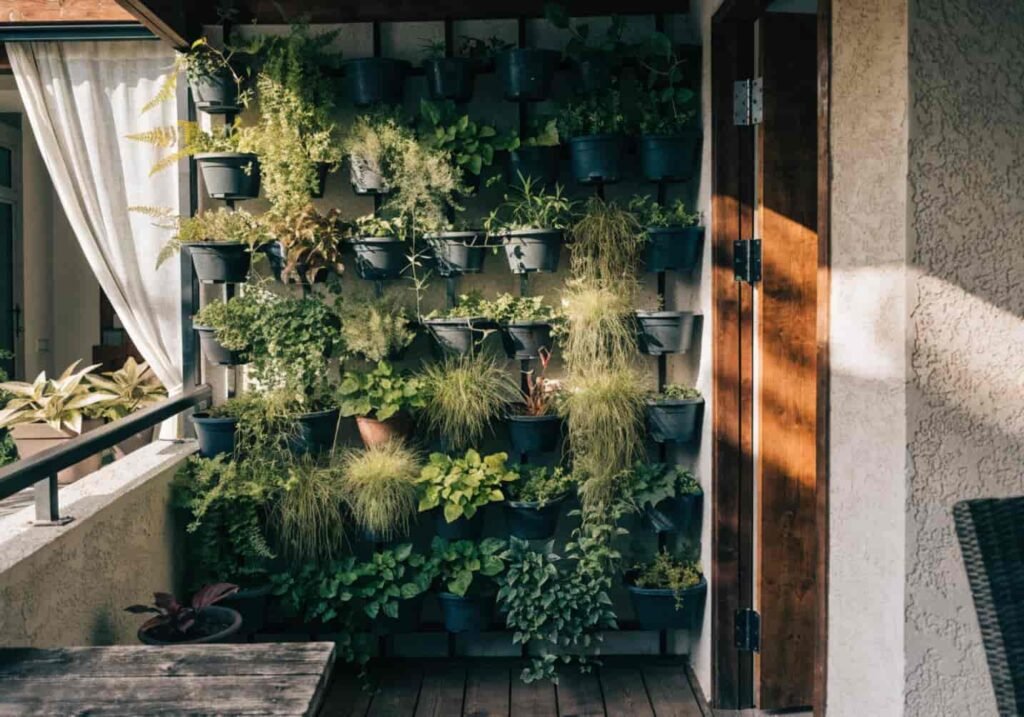
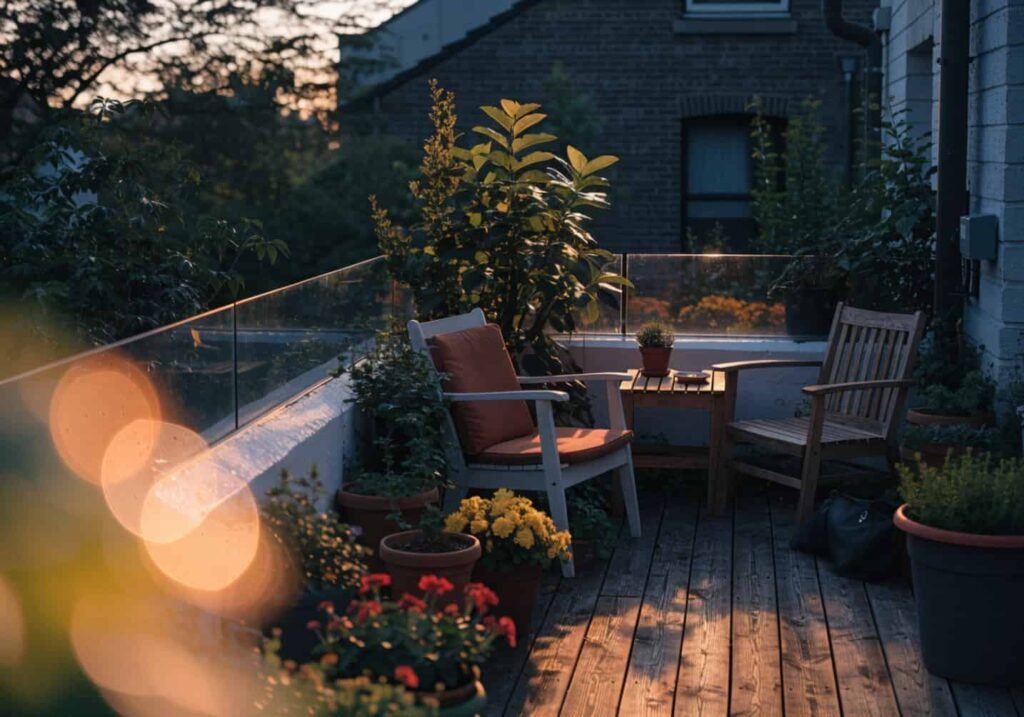
Balconies and terraces are basically gifts for city dwellers who miss having a garden. Even a narrow balcony can hold a surprising number of plants if you think in layers instead of rows. Hang some pots from the railing, place a few on the floor, and add a small shelf against the wall for extra height. My friend living in a small apartment turned her terrace into a mini retreat with just a few chairs, string lights, and pots of jasmine and money plant. It did not take a big budget, just some patience and a clear plan. Terraces get more sun exposure usually, so you can experiment with slightly bigger plants or even a small fruit tree in a large container.
Multi-Purpose Planters: A Space Saving Trick
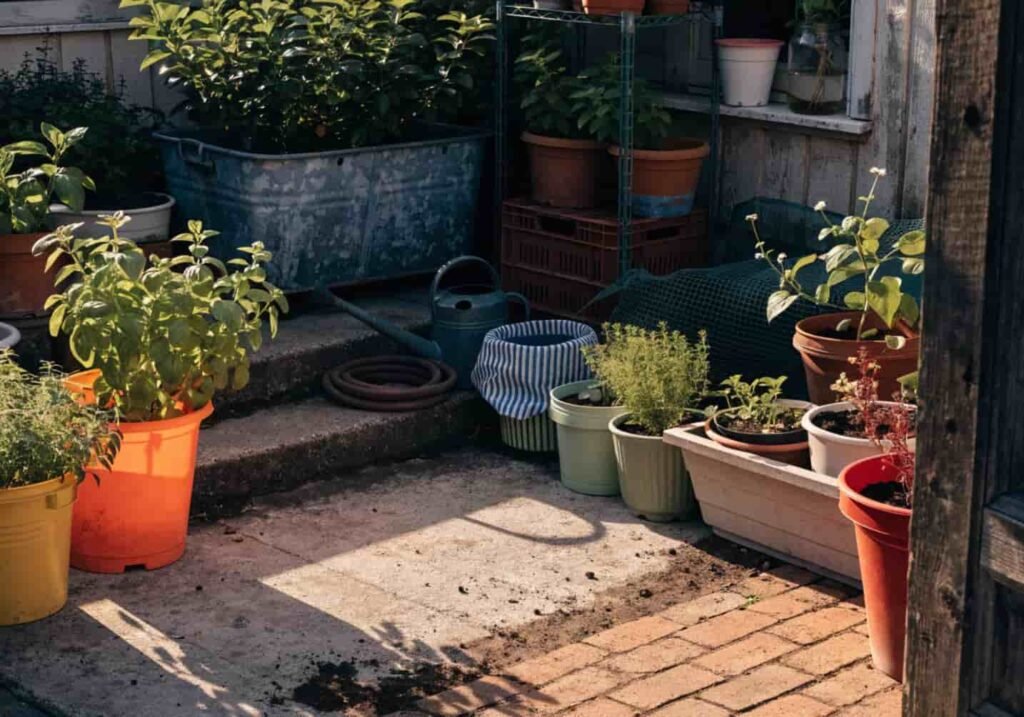
One thing I learned the hard way is that buying separate pots for every single plant eats up space fast. Multi-purpose planters solve this by letting you grow several plants in one container, or by doubling as seating, storage, or a room divider. Some planters come with built-in shelves or hooks so you can hang extra pots off the sides. Others are designed as benches, so you get a place to sit and a garden bed at the same time. This is especially useful for people renting small flats who cannot make permanent changes to their space. A well-chosen multi-purpose planter can honestly replace three or four separate pieces of furniture.
Sunlight Problem? Choosing Indirect Light Plants
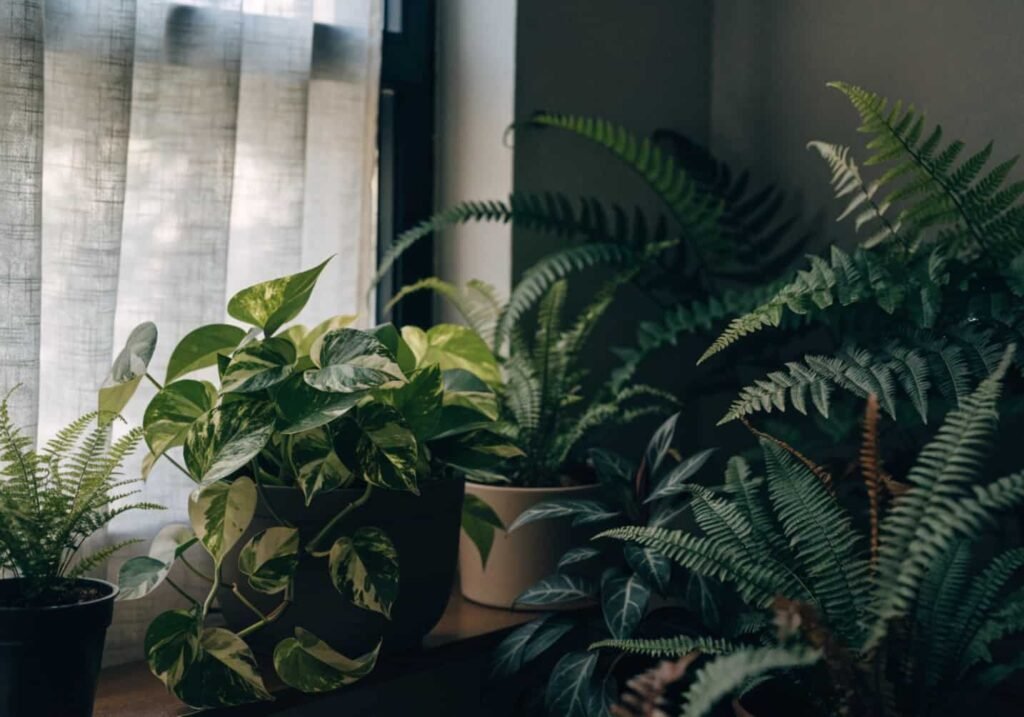
Not every small space gets the golden hours of direct sun, and that used to worry me a lot when I first started gardening in a north-facing flat. Turns out, plenty of plants actually prefer indirect light and do just fine, or even better, without harsh afternoon sun. Snake plants, pothos, peace lilies, and ferns are great choices for shady corners. If your space gets only an hour or two of soft light, stick to these rather than fighting nature with sun-loving flowers that will just wilt and disappoint you. Rotate your pots every couple of weeks so all sides of the plant get some light, keeping the growth even instead of lopsided and stretched toward one window.
Hanging Gardens: Smart Use of Wall Space
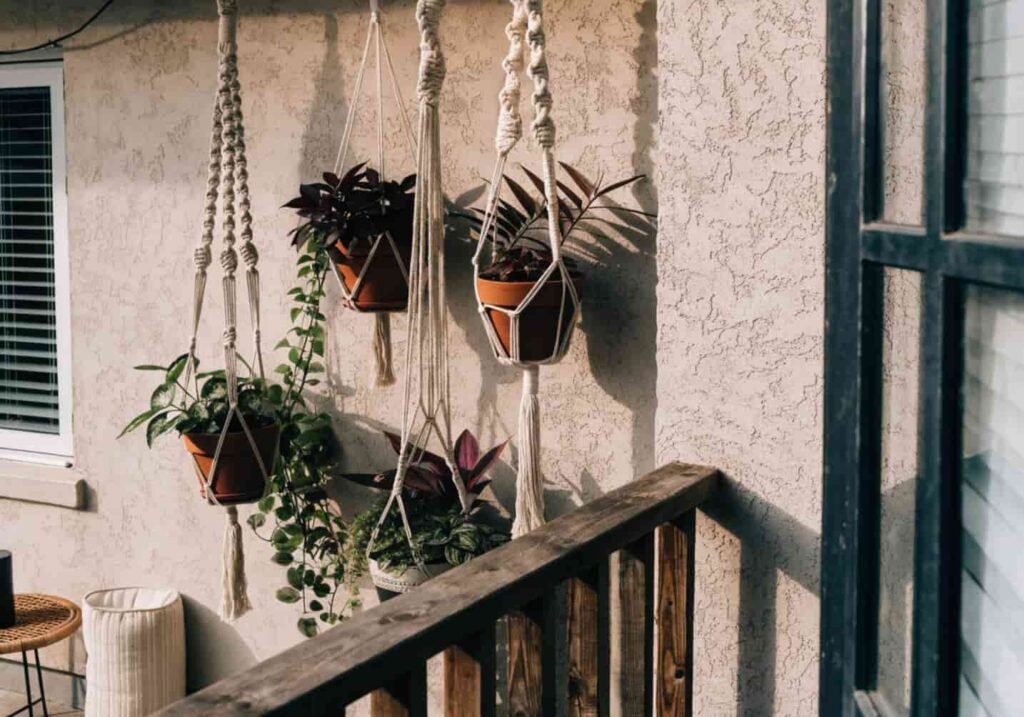
Hanging plants are one of my personal favorites because they add greenery at eye level without stealing an inch of floor space. Macrame hangers, simple hooks, or even repurposed baskets can hold trailing plants like pothos, string of pearls, or ivy. I once helped set up a hanging garden using nothing but old jute rope and clay pots, and it looked far better than anything store-bought. The trick is spacing them out so they do not tangle together as they grow, and choosing plants that can handle occasional dry spells since hanging pots tend to dry out faster than ground-level ones. This method works beautifully for balconies, porches, and even indoor corners near windows.
Compact Furniture Ideas for Small Garden Areas
Furniture in a small garden should never fight for space, it should work with it. Folding chairs, stackable stools, and small round tables are lifesavers here because you can tuck them away when not in use. My sister has a tiny fold-out table on her balcony that she sets up only for her morning coffee, then folds flat against the wall the rest of the day. Choose lightweight materials like rattan or metal wire instead of bulky wood so the space still feels open. Even a single well-placed bench that doubles as storage can make a small garden feel more like a proper outdoor room instead of a cramped afterthought.
Corner Garden Setup: Making Use of Unused Space
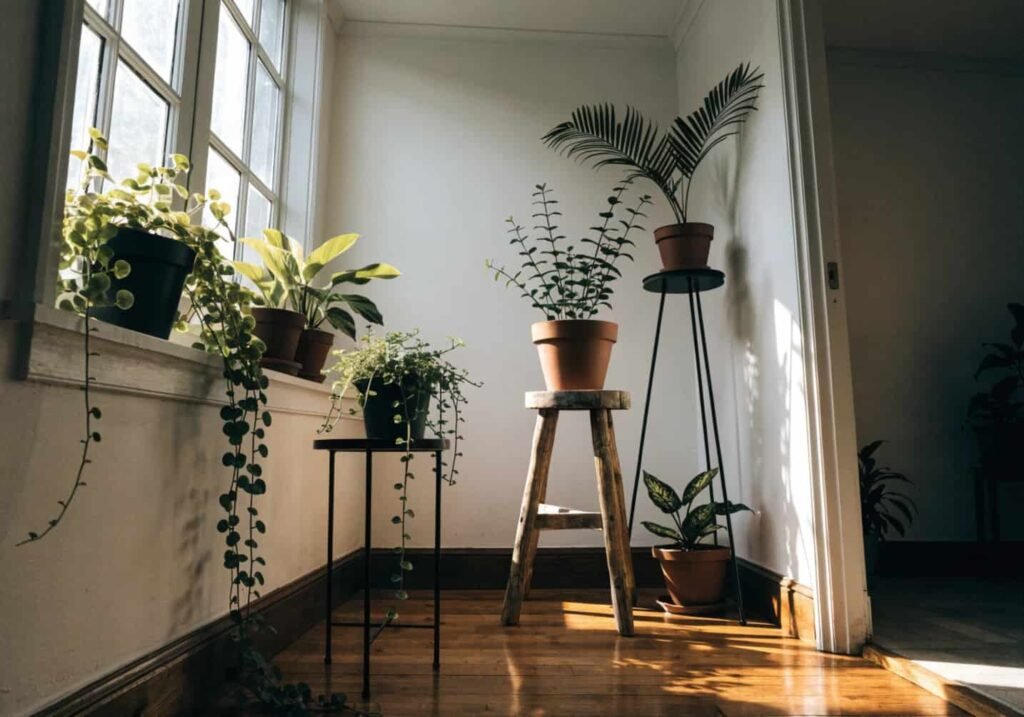
Corners are the most ignored part of any home, yet they often have the most potential. That awkward triangle behind a door or beside the stairs can easily hold a tall plant stand or a stack of pots. I turned a completely dead corner in my hallway into a tiny green nook using nothing but three different height plant stands and a couple of trailing plants. It instantly made the whole entrance feel warmer. Look around your home for these forgotten spots, near a window ledge, beside a gate, or under a staircase, and you will probably find at least one corner just waiting to be filled with a bit of green life.
How to Add a Water Feature in a Small Space
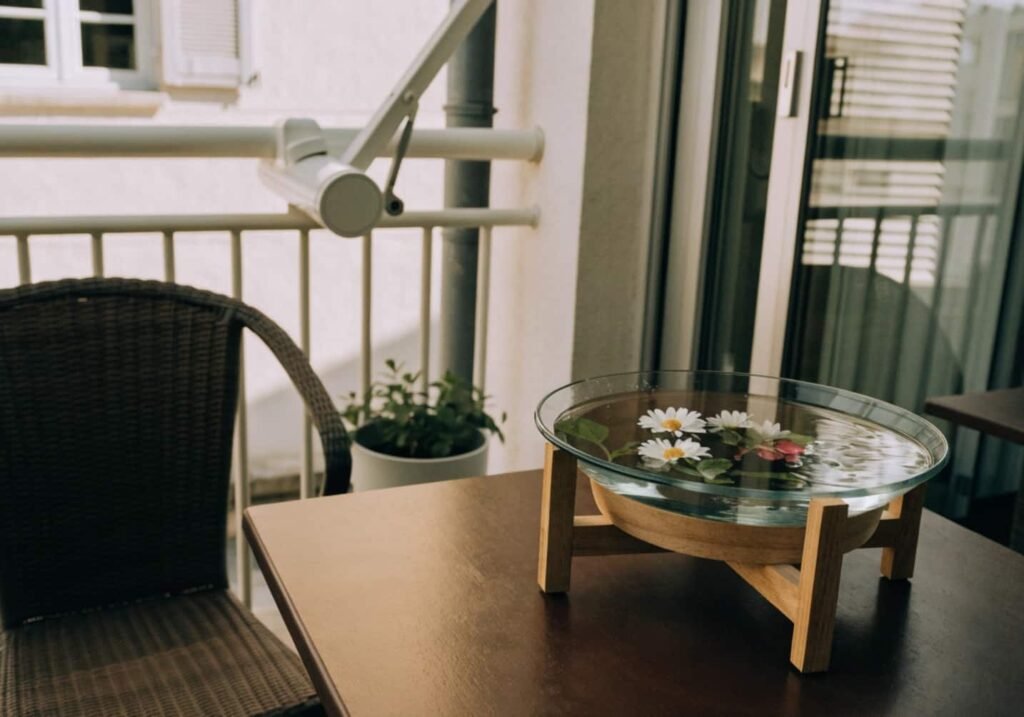
Adding water to a small garden might sound like a luxury only big homes can afford, but that is not really true. A small tabletop fountain or even a wide, shallow bowl with floating flowers can bring that same calming sound and feel. My neighbor uses an old ceramic pot, fills it with water, drops in a few water lilies, and places a small solar-powered pump inside. It barely takes any space but completely changes the mood of her balcony in the evenings. Just make sure to clean it regularly to avoid mosquitoes, and keep it away from direct harsh sun if you are growing delicate floating plants inside it.
Raised Beds: A Solution for Limited Ground Space
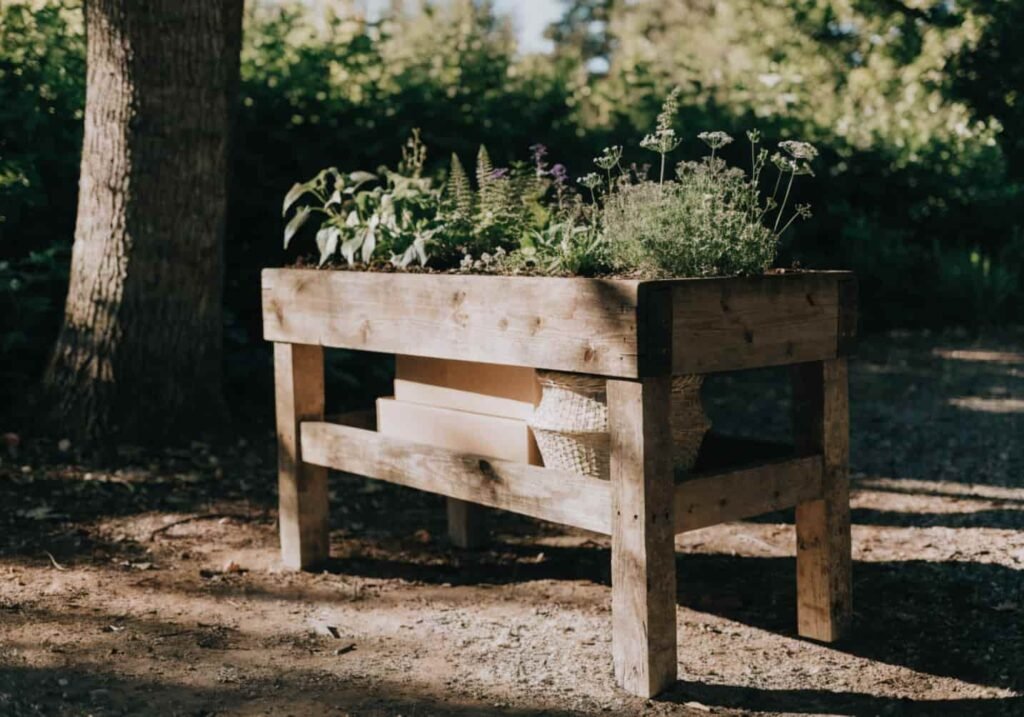
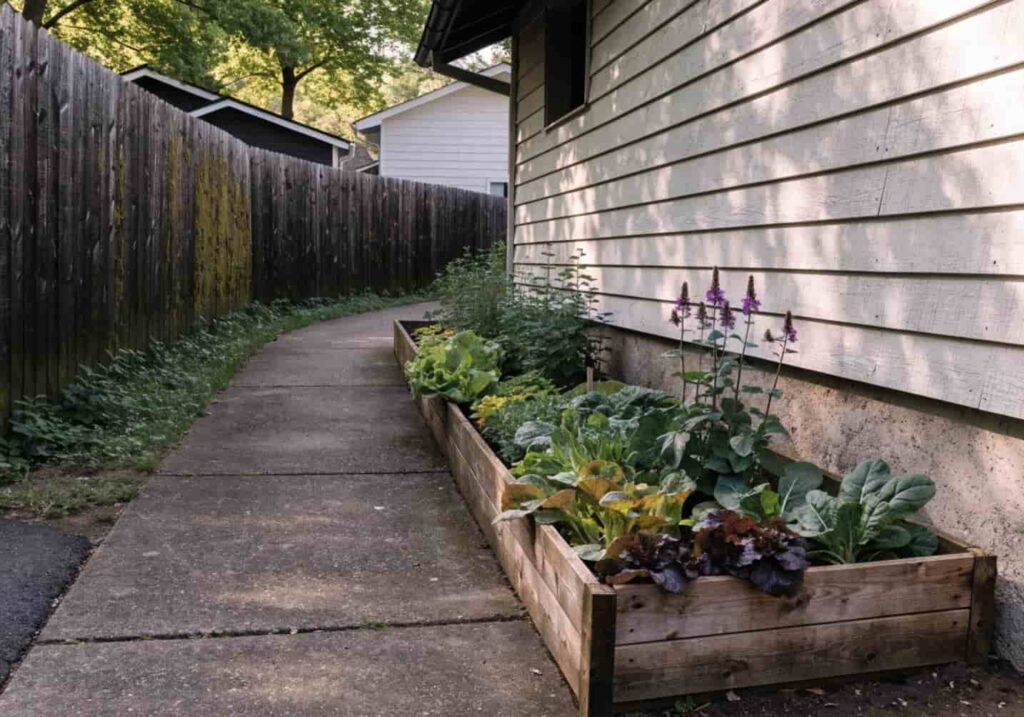
Raised beds are a fantastic option if you have a small patch of actual ground, even if it is just a strip along a wall. Building the bed higher than ground level gives roots more room without needing to dig deep or worry about poor soil quality underneath. My uncle built a raised bed out of old wooden planks along his narrow side yard, and it completely transformed a wasted strip of land into a thriving vegetable patch. Raised beds also make gardening easier on the back since you do not have to bend as low, and they drain better than flat ground, which matters a lot during heavy rains.
Herb and Vegetable Garden in Small Spaces
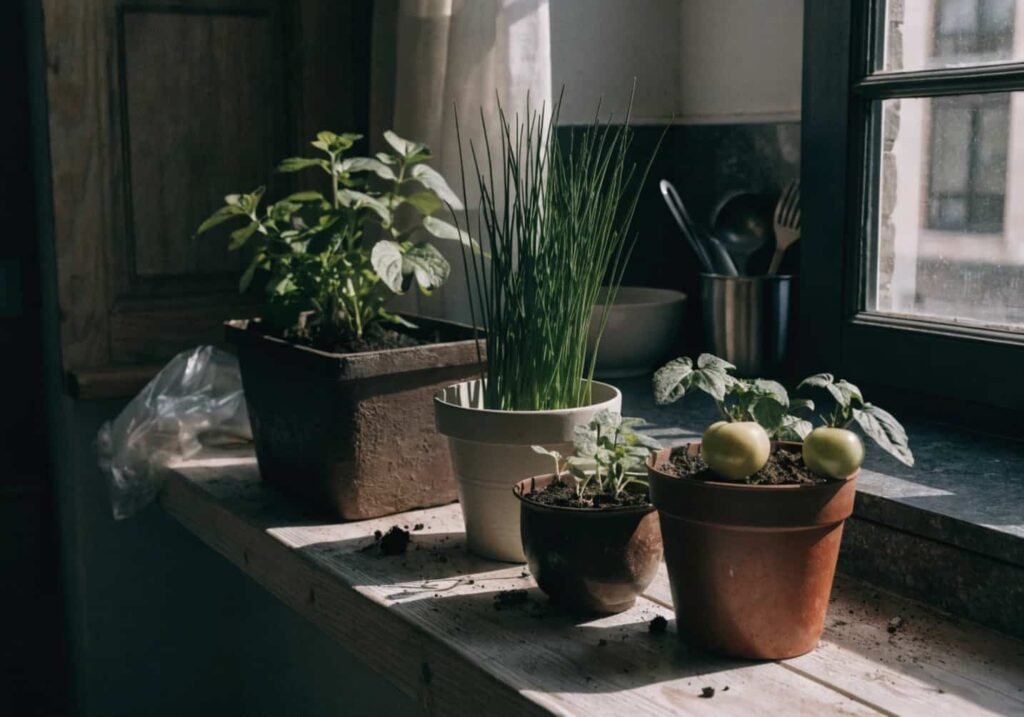
You really do not need acres of land to grow your own food, a windowsill or a small balcony rack is often enough. Herbs like mint, coriander, and basil grow happily in shallow containers and do not demand much space at all. My mother keeps a row of herb pots right outside the kitchen window, so she just steps out and snips fresh coriander whenever she is cooking. Vegetables like chillies, cherry tomatoes, and spinach also do well in small containers if given enough sun and regular watering. Growing your own herbs and vegetables, even in a tiny space, gives a satisfying sense of self-sufficiency that store-bought produce just cannot match.
Lighting Tricks to Make a Small Garden Look Bigger
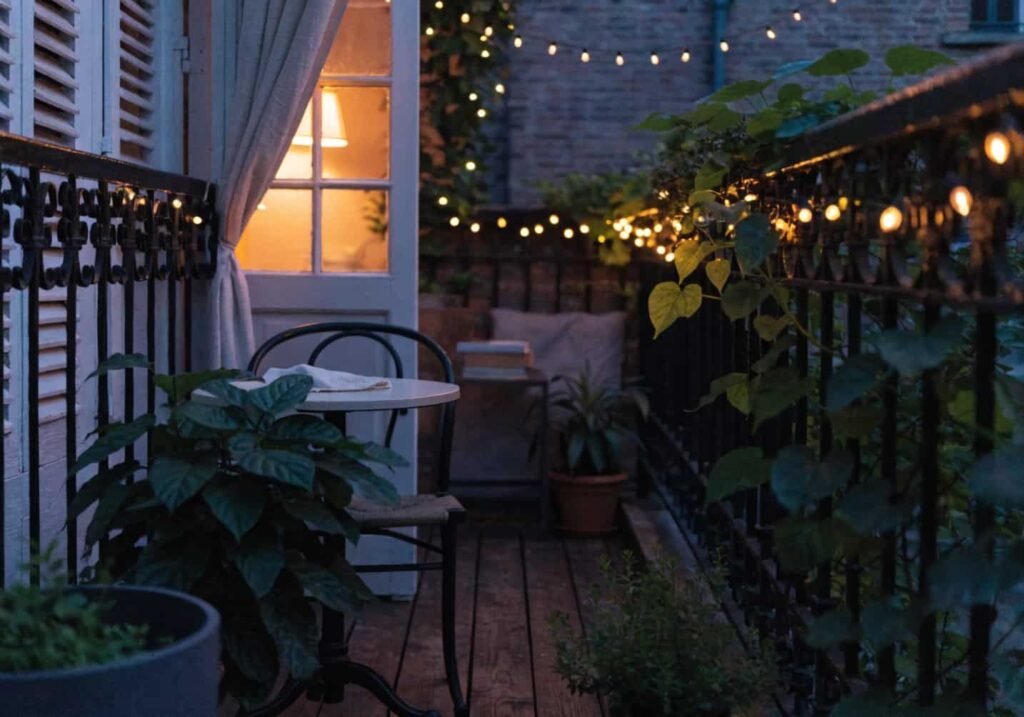
Good lighting can completely change how spacious a small garden feels once the sun goes down. String lights wrapped around railings, small lanterns tucked between plants, or even a single spotlight aimed at a tall plant can add depth and warmth to the area. I added a string of warm white fairy lights to my balcony last year, and it honestly made the whole space feel twice as big in the evenings. Avoid harsh white lights since they tend to flatten the space, and instead go for warm tones that create shadows and layers, tricking the eye into seeing more depth than what is actually there.
Budget-Friendly Small Garden Makeover Ideas
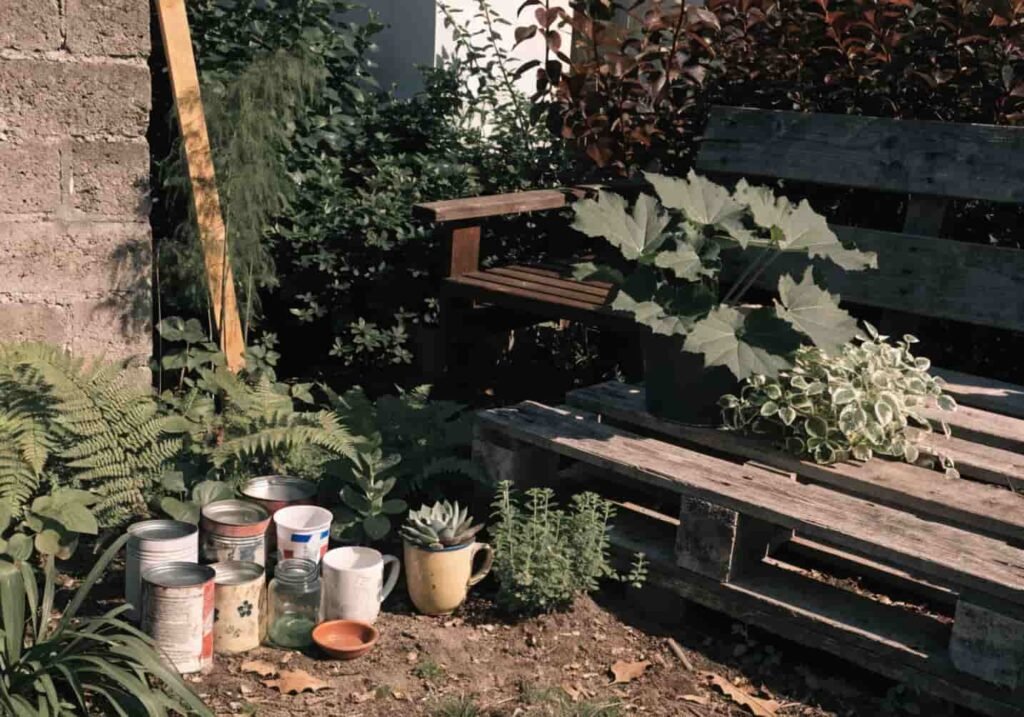
You really do not need a big budget to make your small garden look inviting. Old tin cans, broken furniture, and even leftover paint can be repurposed into planters and decor pieces. I once turned a set of chipped ceramic mugs into tiny succulent pots, and they became the most complimented thing on my balcony. Thrift stores, local nurseries, and even neighbors giving away extra plant cuttings are great places to save money while still building a full garden. Focus your spending on a few good quality basics like soil and drainage trays, and get creative with everything else. Small budgets often lead to the most personal and charming garden makeovers.
Conclusion: Maximize Your Small Garden Space
At the end of the day, a small garden is not about how much space you have, it is about how well you use it. From vertical shelves and hanging pots to smart lighting and multi-purpose furniture, there are countless ways to turn even the tiniest balcony or corner into a green escape you actually enjoy. I have seen friends and family transform the most unlikely spaces, a narrow hallway, a cramped rooftop, a single windowsill, into little pockets of nature just by applying a few of these ideas patiently. Start small, experiment with what works for your specific space, and do not be afraid to rearrange things until they feel right. Your small garden has more potential than you think.