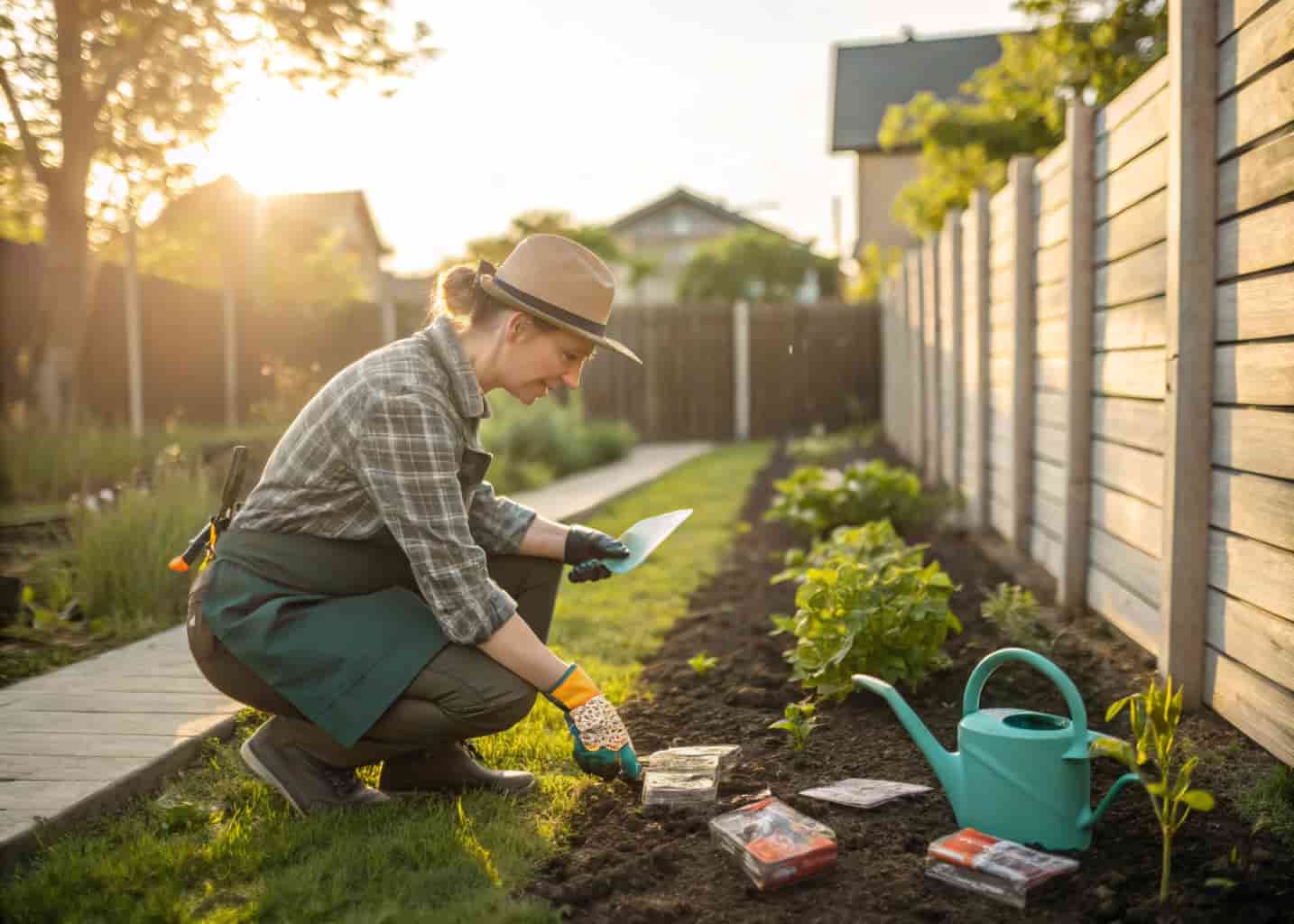
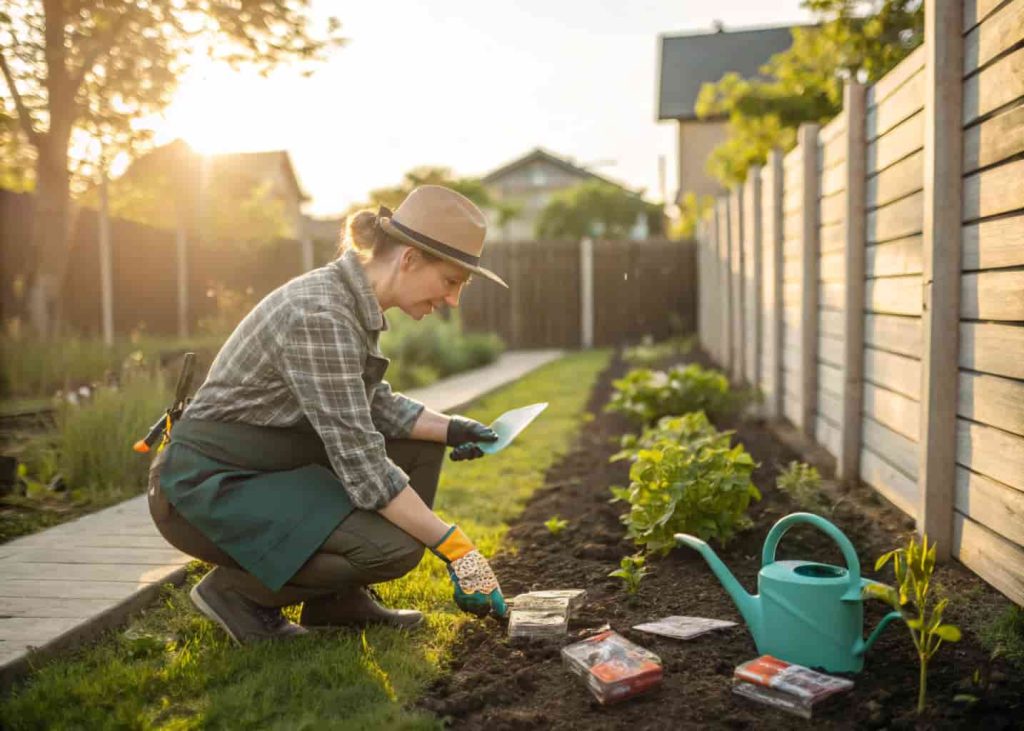
My first garden was a disaster, and I mean a real disaster. I bought way too many seed packets, planted everything too close together, and forgot to water for almost a week because I went on a trip and didn’t tell anyone. Half of it died. The other half grew into a tangled mess that I couldn’t even walk through. But that messy little plot taught me more about gardening than any book ever could. If you’re thinking about starting your own garden, I want to share the lessons I learned the hard way, so you can skip some of the frustration and get straight to the fun part. Gardening doesn’t have to be perfect to be successful, and honestly, some of my best growing seasons came after my worst mistakes.
Image prompt: A beginner gardener kneeling in a small backyard garden bed, wearing gloves and holding a trowel, with scattered seed packets and a watering can nearby, soft morning sunlight, real photograph style
Alt text: Beginner gardener kneeling in backyard garden bed with tools and seed packets
Start Small, Seriously Small
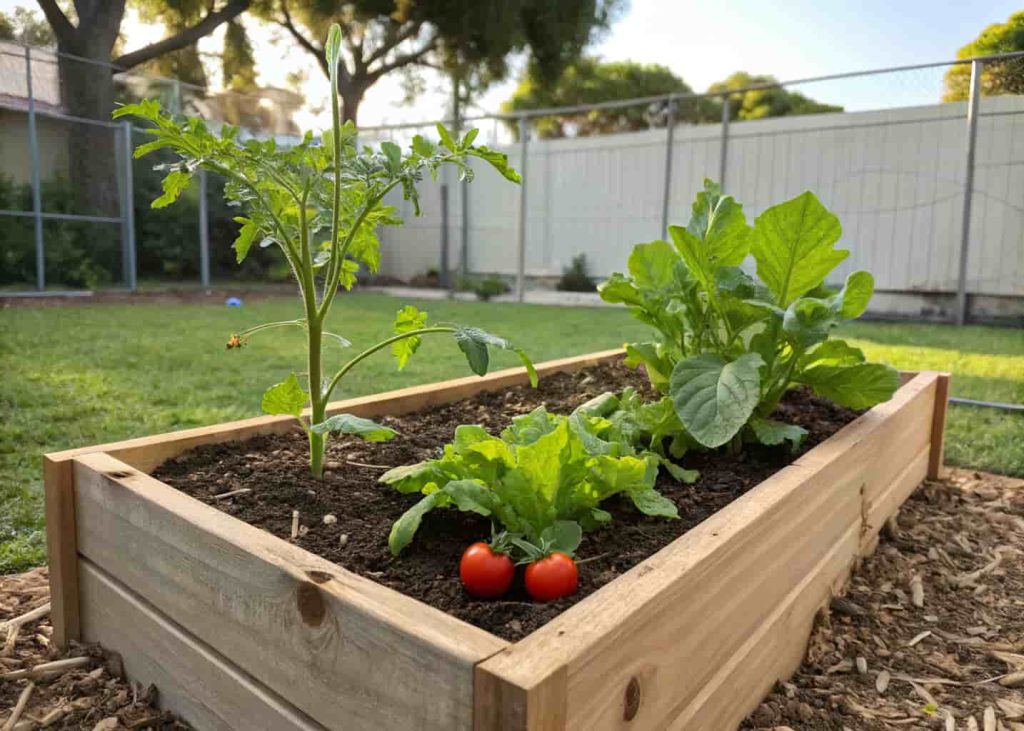
Every new gardener wants to plant everything at once. I get it. Walking through a garden center feels like walking through candy land, and you want one of every plant you see. But trust me, start with just a few things you actually like to eat or look at. A small raised bed or even a couple of containers on a patio is plenty for your first year. When I started, I had visions of feeding my whole neighborhood with vegetables, but I ended up overwhelmed, stressed, and unable to keep up with weeding, watering, and harvesting. Gardening should feel relaxing, not like a second job. Pick three or four plants that excite you, learn how to care for them well, and build from there. Small gardens are easier to manage, and they let you actually enjoy the process instead of feeling buried by it.
Sunlight Matters More Than You Think
I planted my first tomatoes in a spot that looked sunny when I bought the plants in spring. By midsummer, a giant tree had filled in with leaves and blocked most of the light. My tomatoes stayed small and never turned red. Before you plant anything, spend a few days watching how sunlight moves across your yard or balcony. Most vegetables and flowers need at least six hours of direct sun to really thrive. Shady spots aren’t useless, though. Leafy greens, herbs like mint, and certain shade-loving flowers can do just fine with less light. The key is matching the plant to the spot, not forcing a sun-lover into a shady corner and hoping for the best. Gardening becomes so much easier once you understand your space and work with it instead of against it.
Soil Is the Real Star of the Show
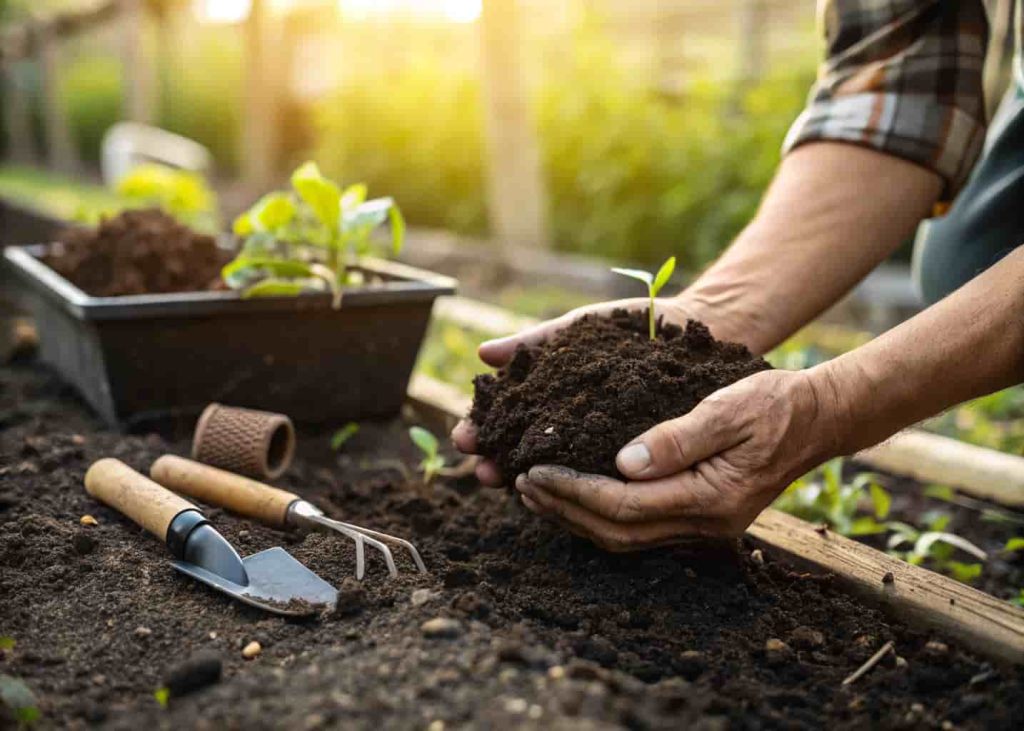
Nobody told me how important dirt actually is, and I mean that literally. I just dug a hole, plopped my plants in, and figured nature would handle the rest. Big mistake. The soil in my yard was hard, clay-heavy, and didn’t drain well at all. Plants sat in soggy roots and slowly rotted. Good soil is loose, crumbly, and full of organic matter like compost. If your soil feels more like a brick than a sponge, mix in compost or aged manure before planting anything. You can also do a simple soil test from a garden store to see what nutrients are missing. Healthy soil means healthy roots, and healthy roots mean stronger plants that can handle bugs, dry spells, and cold nights much better. Spend time on your soil before you spend money on plants, and your garden will thank you all season long.
Watering Is an Art, Not a Chore
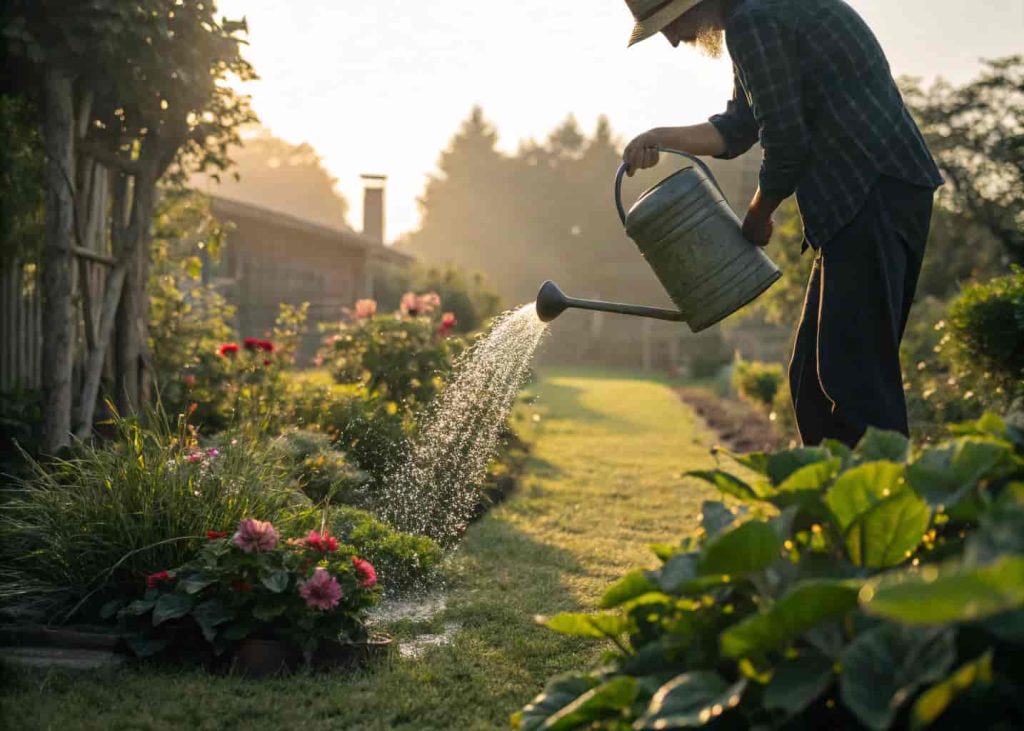
I used to think more water always meant happier plants. So I watered every single day, sometimes twice. My poor seedlings basically drowned. Overwatering is one of the most common beginner mistakes, and it’s just as harmful as not watering enough. Most garden plants like the top inch or two of soil to dry out a bit between waterings. Stick your finger in the dirt before grabbing the hose. If it feels damp, wait another day. Watering deeply but less often encourages roots to grow downward, which makes plants stronger and more drought-tolerant. Morning is usually the best time to water, since it gives leaves time to dry before evening, which helps prevent fungus and disease. Once I figured out a proper watering rhythm, my plants perked up almost overnight, and gardening suddenly felt a lot less like guesswork.
Weeds Will Show Up Whether You Invite Them or Not
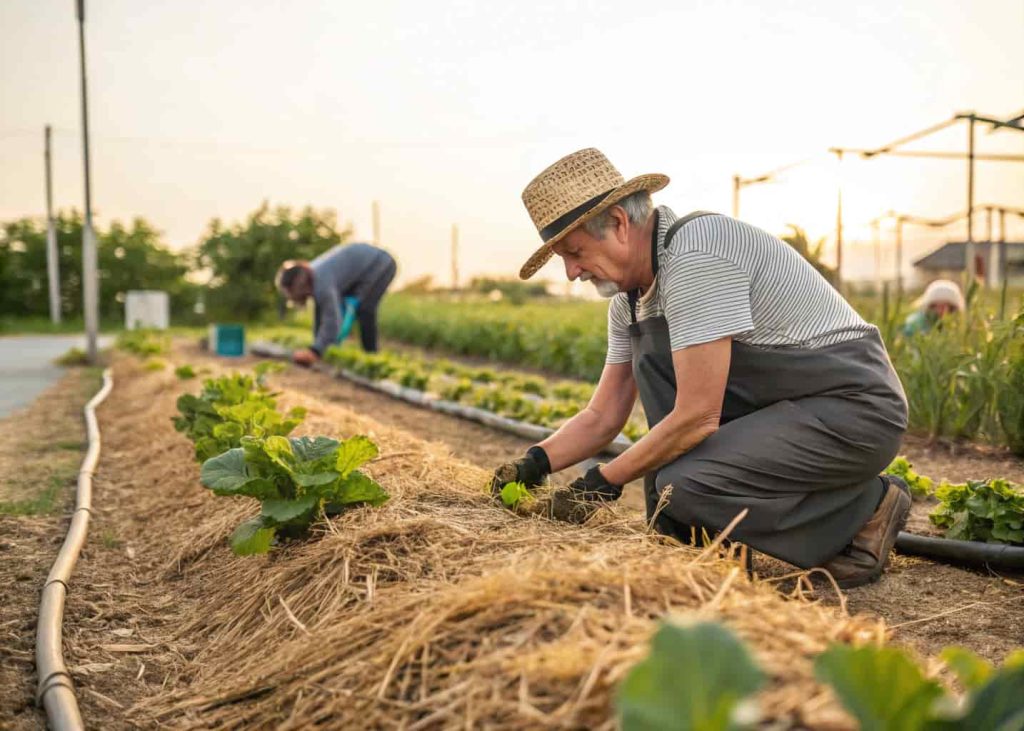
I used to think weeds were a sign that I was doing something wrong. Turns out, weeds show up in every garden, even the ones owned by people who have been gardening for decades. The trick is staying on top of them before they take over. A quick weeding session a couple times a week is so much easier than letting weeds grow huge and tangled with your plants’ roots. Mulch is your best friend here. A layer of straw, wood chips, or shredded leaves around your plants blocks sunlight from reaching weed seeds, which keeps them from sprouting in the first place. Mulch also helps the soil hold moisture, so you’ll water less often too. Pulling weeds by hand after a rain is much easier than fighting with dry, packed soil. Gardening with a little mulch and a little patience makes weed control feel manageable instead of endless.
Bugs Aren’t Always the Enemy
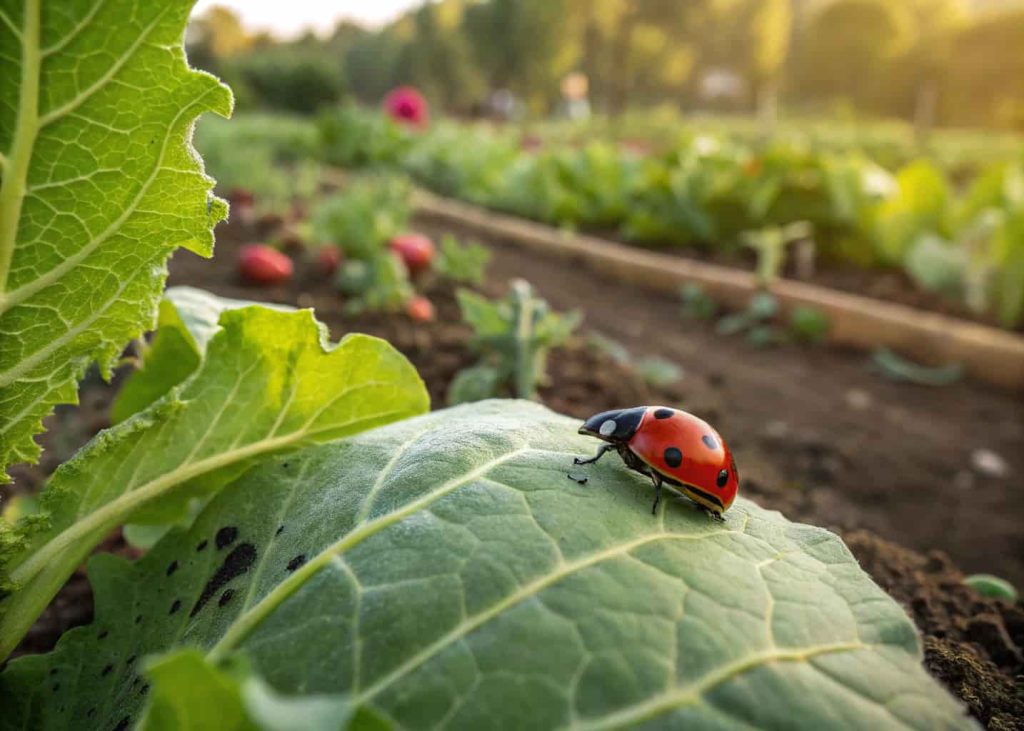
When I saw my first ladybug on a leaf, I panicked and almost sprayed it off. Then I learned that ladybugs actually eat the bad bugs, like aphids, that damage plants. Not every insect in your garden is out to ruin your hard work. Some are helpful pollinators, like bees and butterflies, and others are predators that keep harmful pests in check naturally. Before reaching for any spray, take a minute to figure out what kind of bug you’re actually dealing with. A quick photo and a search online can save a helpful bug’s life and your plant too. Planting flowers like marigolds, lavender, or zinnias near your vegetables can attract good bugs and add a pop of color at the same time. Gardening works best when you think of your yard as a little ecosystem, not a battlefield, and learning to tell friend from foe makes a huge difference.
Patience Is the Most Important Tool You Own
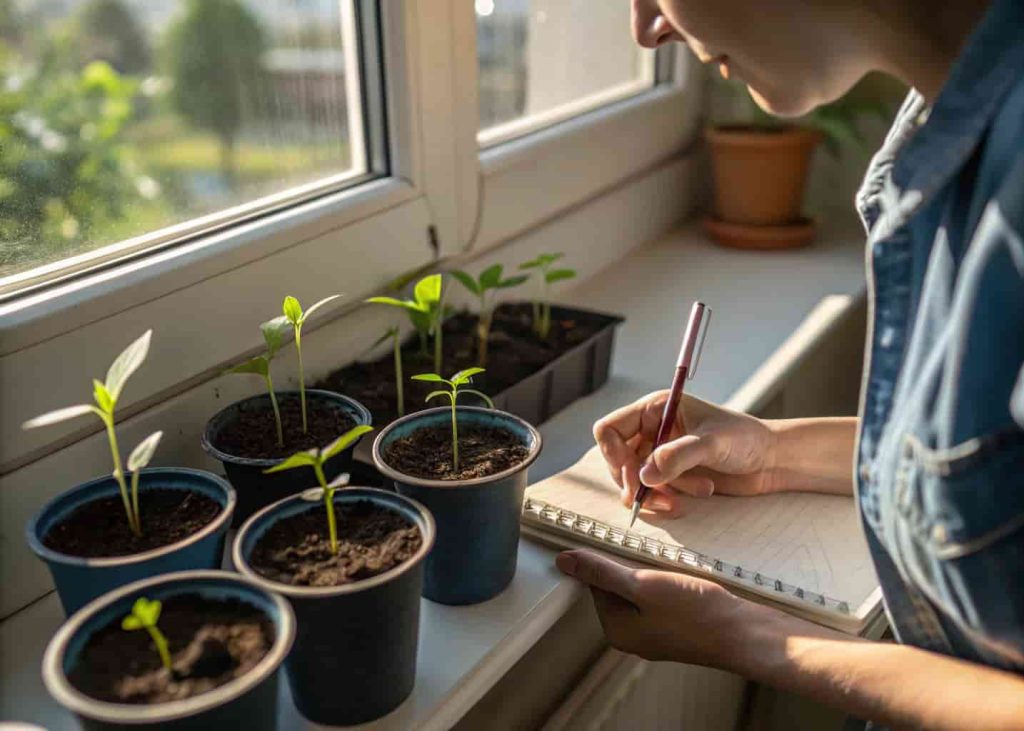
I’ll admit it, I checked my seedlings every single day, sometimes twice, waiting for them to magically double in size overnight. Plants grow on their own schedule, and rushing them doesn’t speed things up. Some seeds take two weeks just to poke through the soil, and that’s completely normal. Tomatoes might take two or three months before you see a single fruit. It can feel slow, especially when you’re excited and checking constantly. But that waiting time is part of the magic. Watching a tiny seed slowly turn into a plant that feeds you or brightens your yard is one of the most rewarding feelings out there. Keep a little garden journal or take weekly photos so you can actually see the progress, even on days when it feels like nothing is happening. Gardening teaches patience whether you’re ready for the lesson or not, and that’s honestly one of its best gifts.
Mistakes Are Part of the Process
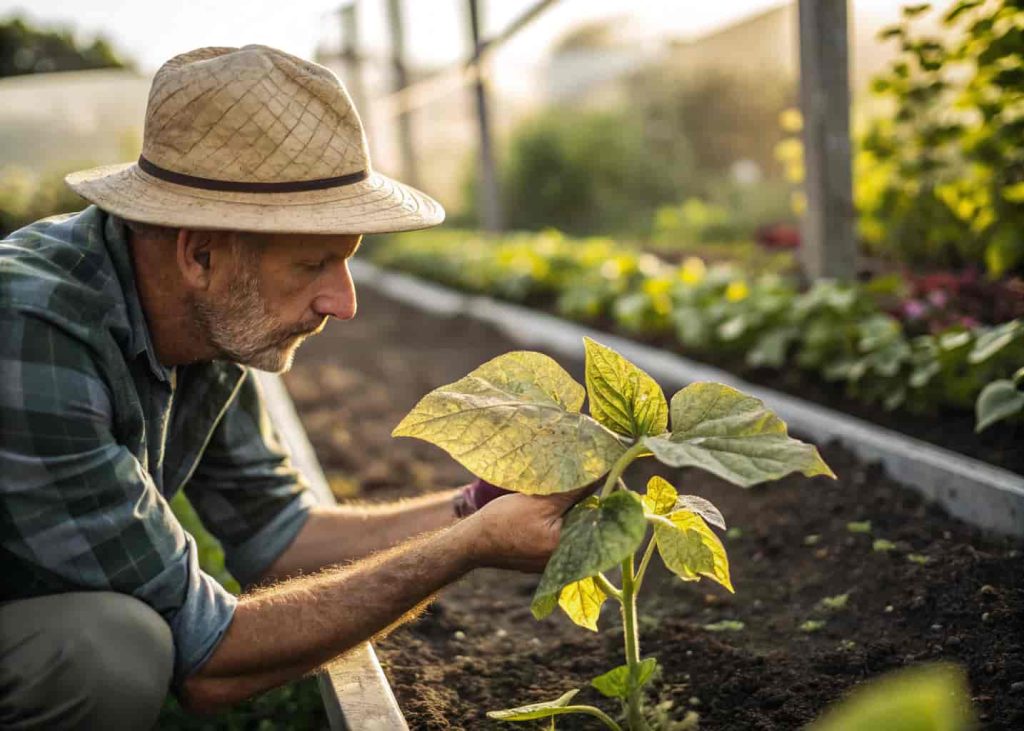
My tomato disaster, my overwatering phase, my weed jungle, all of it taught me something useful. If a plant dies, it’s not a failure, it’s information. Maybe it needed more sun, less water, or richer soil. Every gardener, even ones with decades of experience, loses plants sometimes. Frost sneaks up, pests show up uninvited, or a sudden heatwave wilts everything before you can react. The best thing you can do is notice what happened, think about why, and try something a little different next time. Gardening rewards curiosity way more than it rewards perfection. Some of the gardeners I admire most still experiment every single year, trying new plants, new layouts, new tricks they read about online. Give yourself permission to mess up, because honestly, that’s where most of the real learning happens.
Conclusion
Looking back, I wish someone had told me that gardening is less about getting everything right and more about showing up, paying attention, and trying again. You don’t need fancy tools, a huge yard, or years of experience to grow something you’re proud of. Start small, watch your sunlight, take care of your soil, water wisely, and don’t be afraid of a few weeds or bugs along the way. Most of all, give yourself grace when things don’t go perfectly, because they won’t, and that’s okay. Gardening has a way of teaching patience, rewarding curiosity, and turning even a tiny patch of dirt into something that brings you joy. If I can go from a tangled, half-dead garden to one that actually feeds my family, you absolutely can too. So grab a trowel, pick a sunny spot, and just start. Your future self, and your future garden, will thank you.