How to Plan Before Starting a House with Big Garden Landscaping
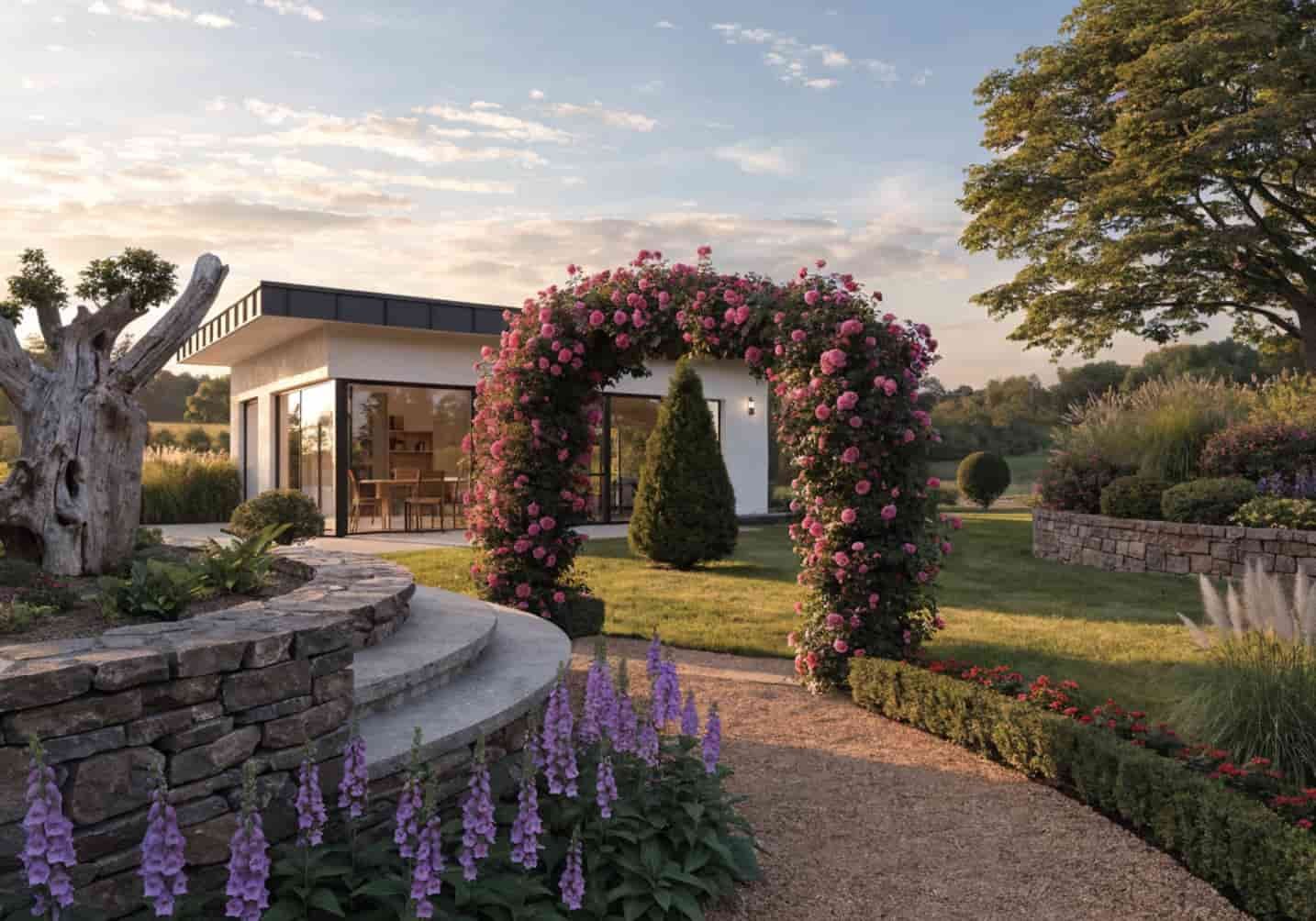
Before you touch a single spade, sit down with a cup of tea and actually think about what you want from your garden. I remember a neighbor of mine who jumped straight into planting trees without measuring anything, and two years later half of them had to be dug up because they blocked the driveway. Planning means walking around your space, noting where the sun hits in the morning versus evening, checking the soil type, and deciding which parts of the garden are for relaxing, which are for kids to play, and which are for growing your own tomatoes. A rough sketch on paper, even a messy one, saves you from costly mistakes later and gives your whole project a sense of direction.
Zoning Ideas – Dividing the Garden into Different Sections
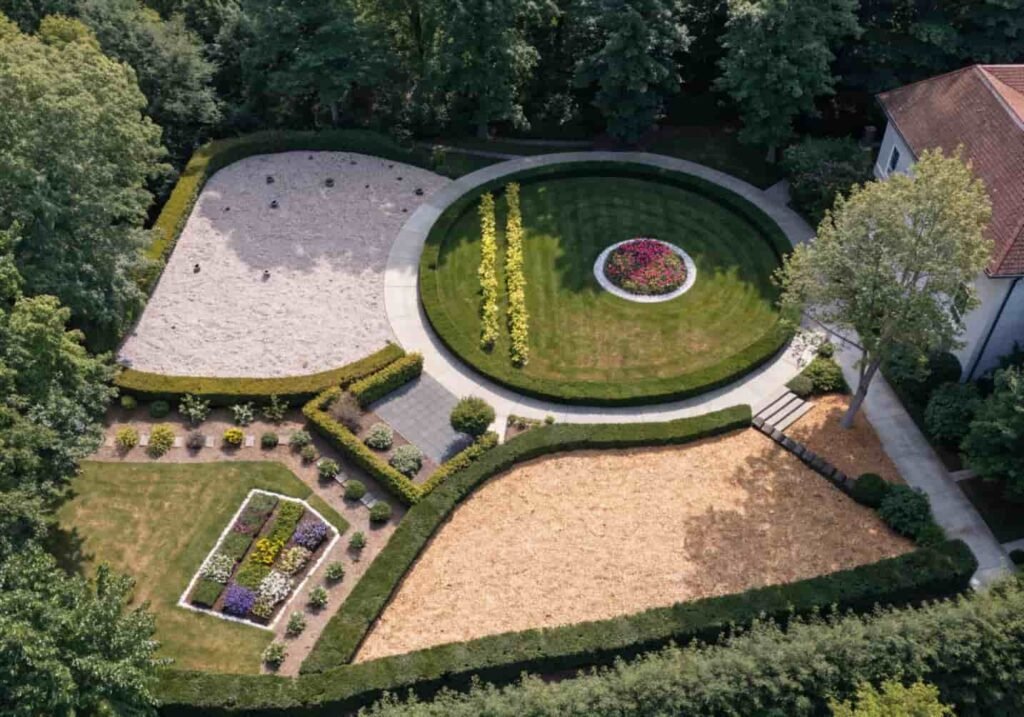
A big garden feels a lot more manageable once you break it into zones instead of treating it as one giant open space. Think of it like rooms in a house, except here the walls are made of hedges, gravel paths, or a change in ground level. One corner could be a quiet reading nook, another a play area for children, and a third dedicated to growing vegetables. This kind of division not only makes maintenance easier but also gives the eye something interesting to explore as you walk through. My cousin turned her sprawling backyard into four small zones last year, and honestly it now feels like four little gardens instead of one overwhelming patch of grass.
Lawn Design Tips for Large Gardens
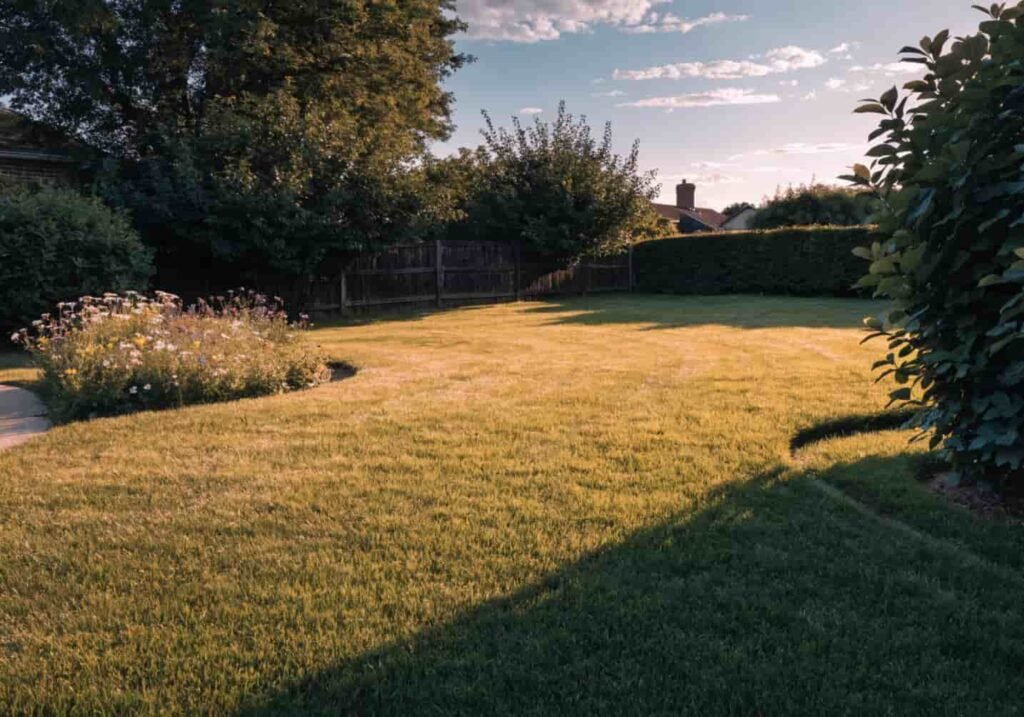
A wide open lawn can look stunning, but only if it is designed with a bit of thought rather than just being a flat green rectangle. Curved edges instead of straight lines often make a lawn feel more natural and less like a sports field. Mixing grass types that suit your local climate also matters a lot, since a lawn that struggles in extreme heat or heavy rain will just frustrate you every season. Adding a slight slope or gentle mounds can break the monotony too. I have seen gardens where the owner left a small wildflower patch at the edge of the lawn, and it instantly gave the whole area more personality and charm.
Flower Beds and Borders – Getting the Arrangement Right
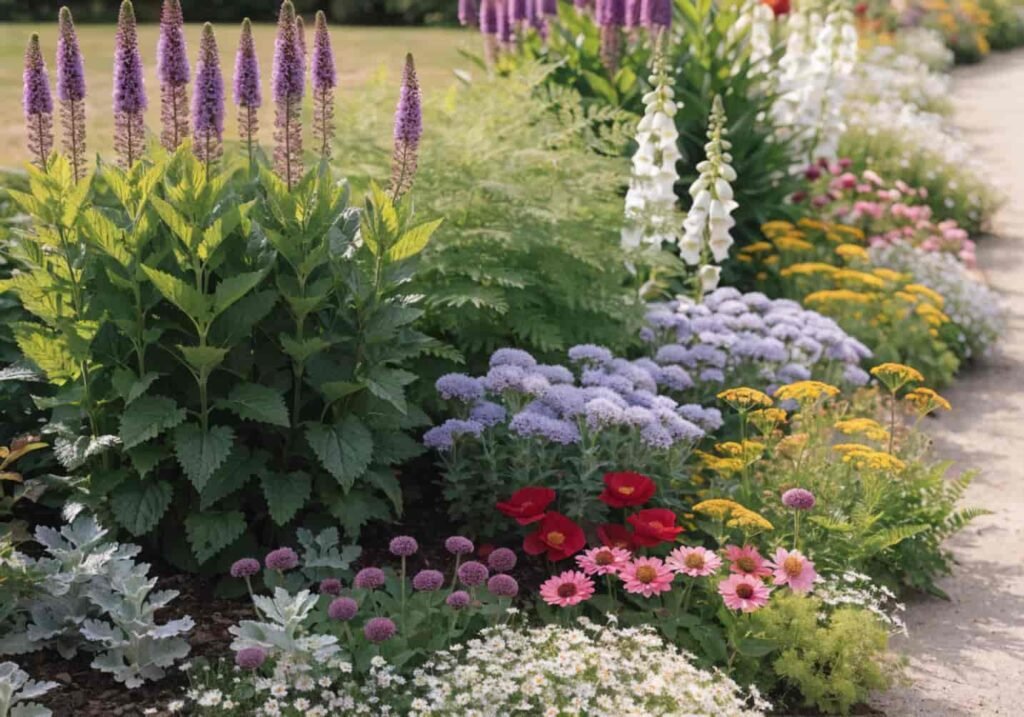
Flower beds are where a garden really gets its personality, and the trick is layering rather than scattering flowers randomly. Taller plants should generally sit at the back or center, with shorter, colorful ones lining the front so nothing hides behind another. Borders along pathways or fences work beautifully too, guiding the eye and adding softness to otherwise hard edges like walls or walkways. Choosing a mix of perennials and seasonal annuals means your beds never look empty, even in the off months. A friend of mine planted marigolds along her garden border purely to keep pests away, and it turned into the prettiest golden stripe running through her whole yard.
Creating Structure with Trees and Shrubs
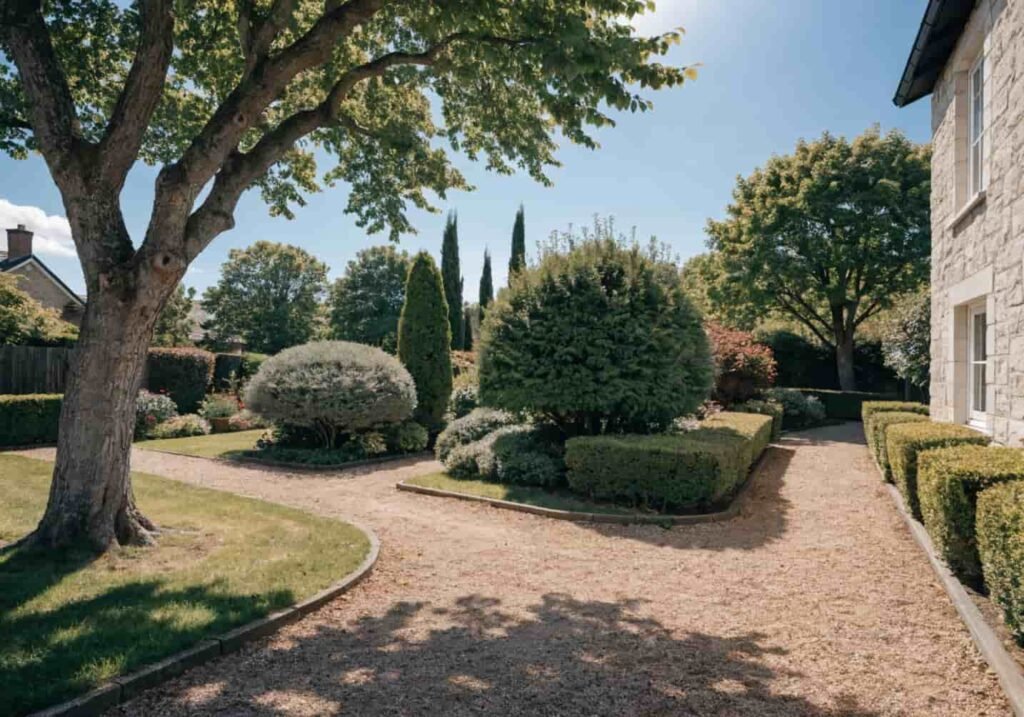
Trees and shrubs act like the bones of your garden, giving it height, shade, and a sense of permanence that flowers alone cannot provide. Planting a few statement trees at strategic points creates natural focal points, while shrubs can be used to form living walls or soften the edges of your property line. It is worth thinking long-term here, since a small sapling today could grow into a massive canopy in ten years, so spacing really matters. Evergreen shrubs keep the garden looking alive even in winter when other plants go dormant. When my uncle added three flowering shrubs along his back fence, it completely changed the feel of that corner from bare to inviting within a single season.
Adding a Vegetable and Herb Garden Section
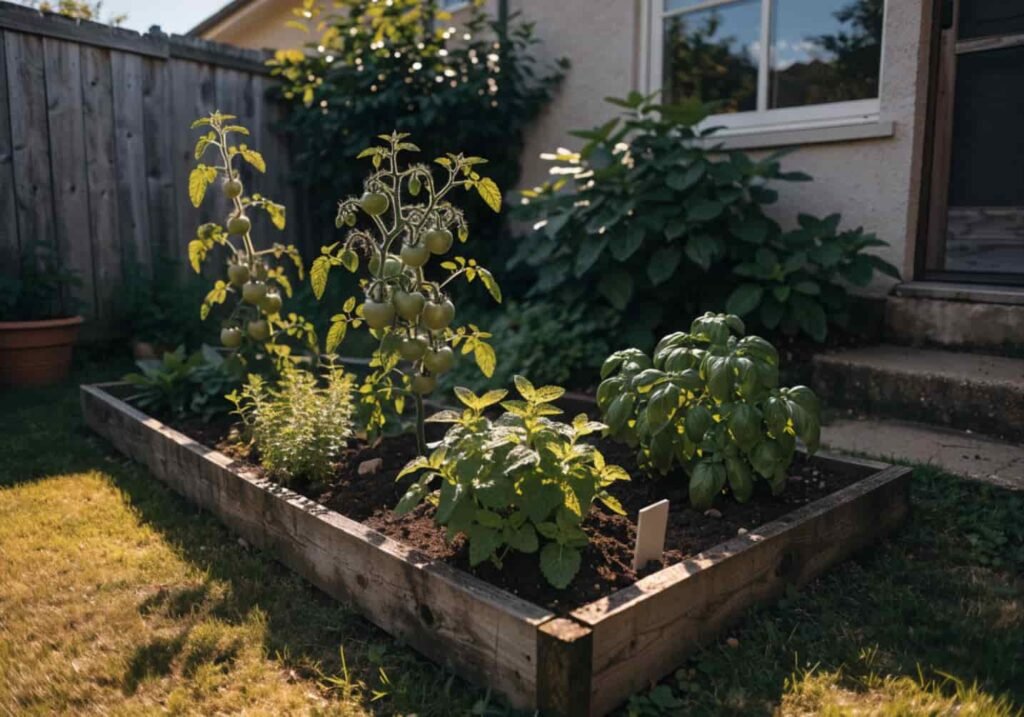
If you have the space, dedicating a corner to vegetables and herbs is one of the most rewarding landscaping choices you can make. There is something genuinely satisfying about walking outside to pick fresh mint or tomatoes for dinner instead of buying them from the market. Raised beds work particularly well because they keep soil quality controlled and make weeding much easier on your back. Herbs like basil, coriander, and mint can even double as fragrant border plants, adding both function and beauty. My own attempt at a herb patch started with just three pots on the patio, and within a year it had grown into a proper little kitchen garden that my whole family relies on.
Walkways and Pathways Design Ideas
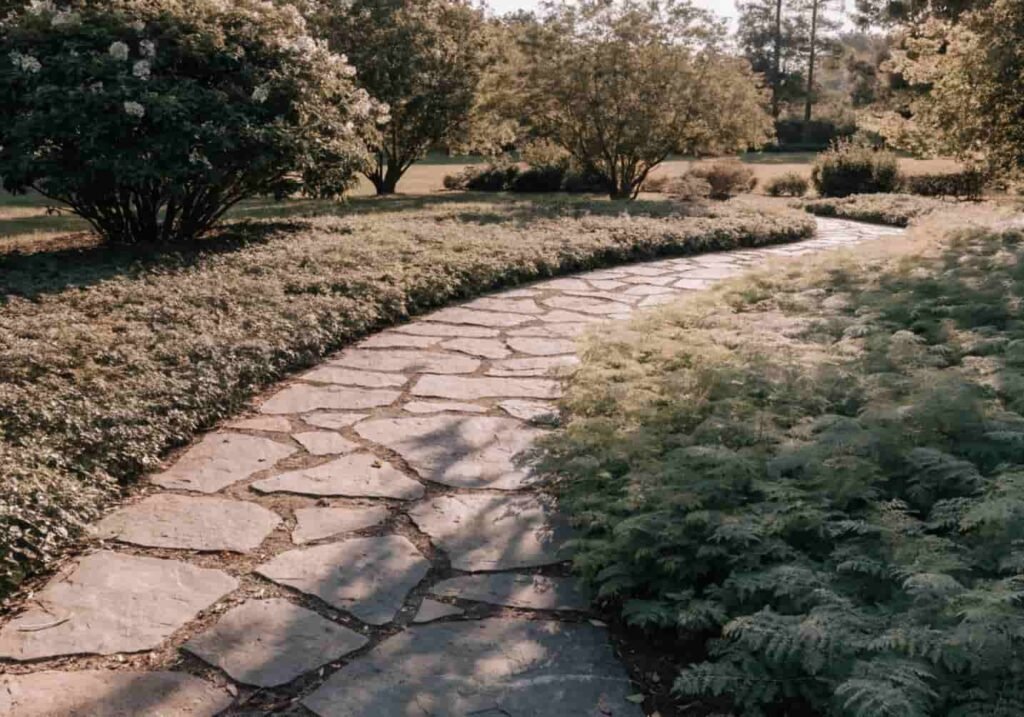
Pathways do more than just help you avoid muddy shoes, they actually shape how people move through and experience your garden. Materials like natural stone, gravel, or brick each give a different mood, so it is worth picking one that matches your home’s overall style. A winding path feels relaxed and encourages slow strolls, while a straight one feels more formal and purposeful. Lining the path with low plants or solar lights adds charm without much extra effort. I once visited a garden where the stone path curved gently around a large oak tree, and that single design choice made the whole walk feel like a little adventure rather than just a route from point A to B.
Water Features – Pond, Fountain, or Waterfall
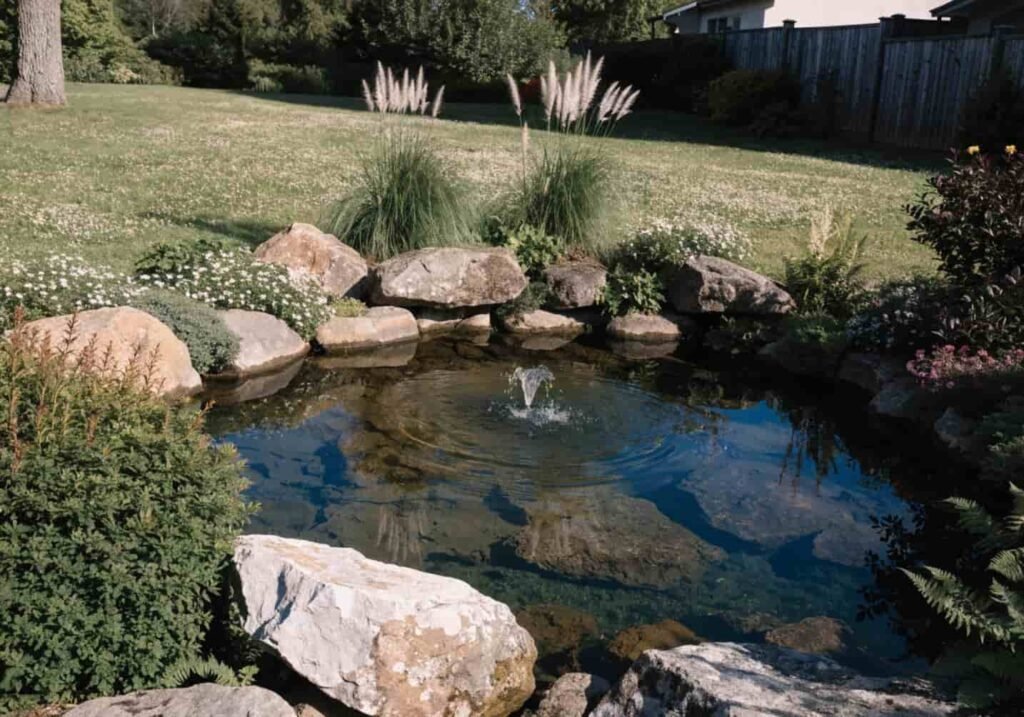
Nothing adds calm to a garden quite like the sound of moving water, and a big garden gives you plenty of room to experiment. A small pond with a few fish and water lilies can become the most peaceful corner of your entire property, while a fountain adds elegance near a seating area. For those who want something more dramatic, a small waterfall built into a rock feature can turn an ordinary slope into a striking focal point. These features also attract birds and butterflies, adding life to the space naturally. A relative of mine installed a modest fountain near her patio, and now that gentle trickling sound is the first thing guests comment on when they visit.
Seating Areas and Gazebo Placement Tips
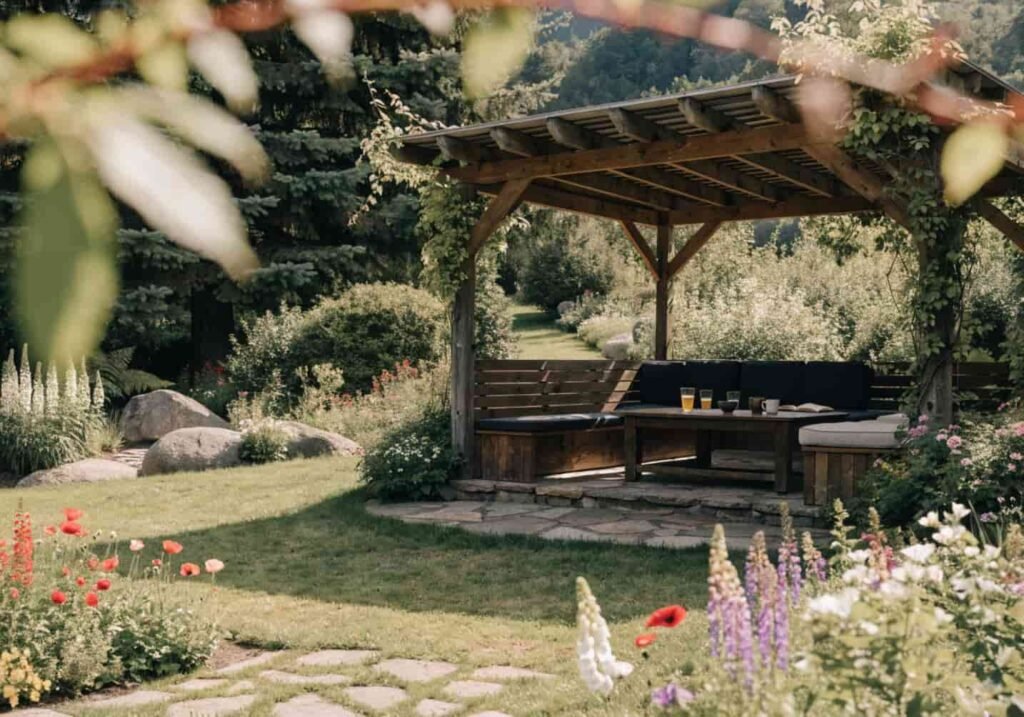
Every big garden needs at least one spot where you can just sit down and enjoy what you have built. A seating area tucked under a tree for shade, or a gazebo placed slightly away from the main house, gives the garden a destination rather than just being something you look at from the window. Comfortable outdoor furniture, a small table, and maybe some string lights turn this into a favorite evening spot for the whole family. Positioning matters too, since you want it facing the prettiest part of the garden, whether that is the flower beds or the water feature. My parents added a simple wooden gazebo years ago, and it has hosted more birthday teas and quiet evenings than any room inside the house.
Vertical Gardening for Extra Green Space
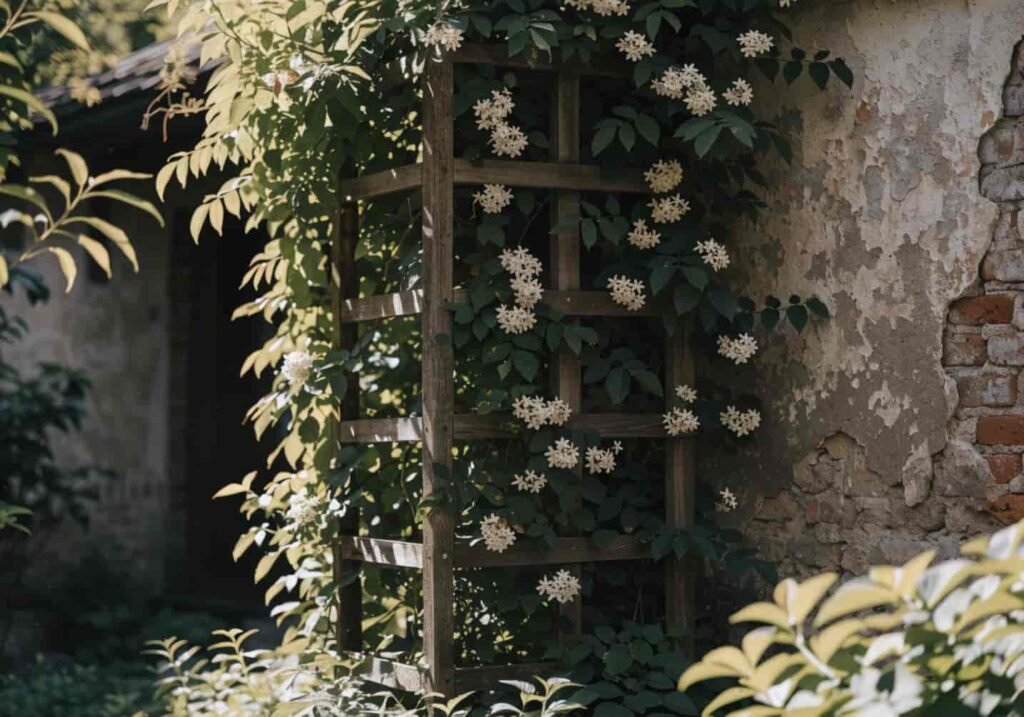
Even in a big garden, vertical gardening is worth including because it adds extra greenery without eating up ground space. Trellises covered in climbing roses or jasmine can turn a plain wall or fence into something beautiful, while vertical planters are perfect for herbs if you want them within arm’s reach of the kitchen. This technique also works well for hiding less attractive features like a utility shed or boundary wall. It adds height and layers to the overall design, making the garden feel fuller and more dynamic. When I added a simple trellis with climbing jasmine near my patio, the fragrance in the evening became one of the best parts of sitting outside.
Seasonal Plants – Keeping the Garden Colorful All Year
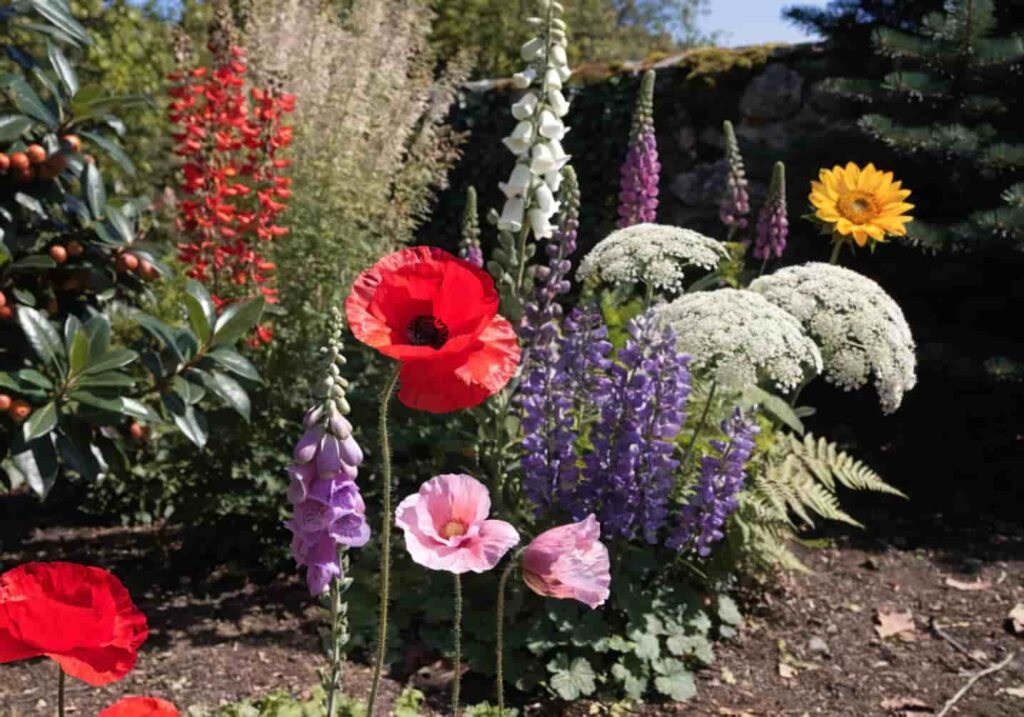
A garden that only looks good in spring can feel disappointing the rest of the year, so choosing seasonal plants keeps things colorful all twelve months. Tulips and daffodils can open up spring, sunflowers and zinnias can carry you through summer, chrysanthemums work beautifully in autumn, and winter pansies keep a bit of color alive even in the cold months. Rotating plants like this does take a little more effort and planning, but the payoff is a garden that never feels static or boring. I started keeping a simple seasonal planting calendar on my fridge, and it has genuinely made caring for the garden feel less like guesswork and more like a fun yearly routine.
Lighting Ideas to Highlight Big Garden Features
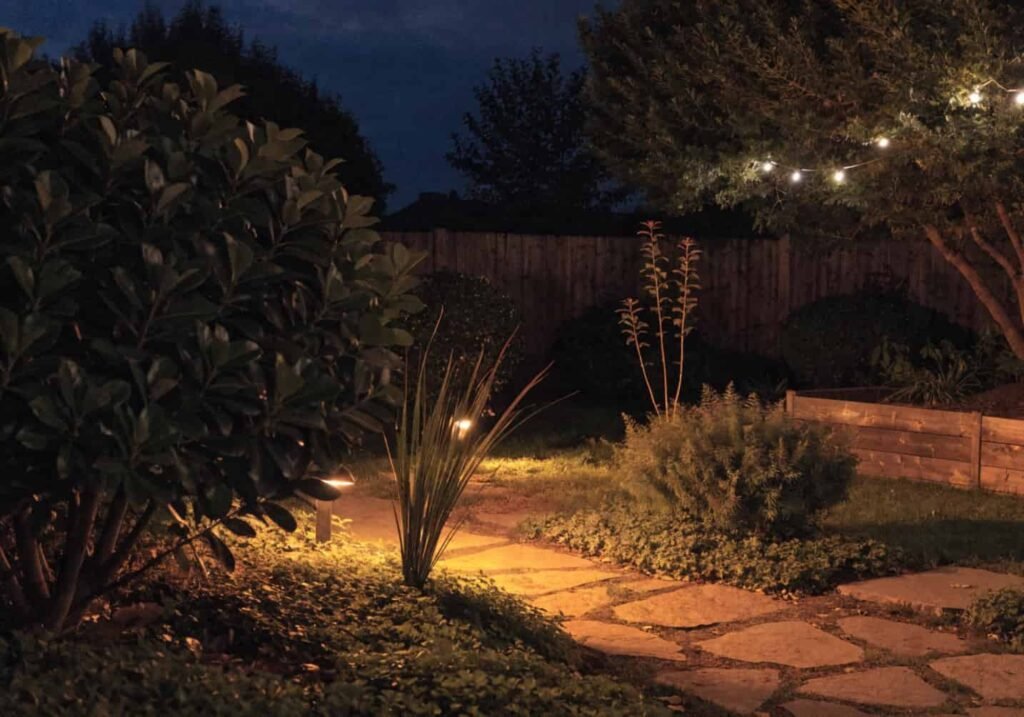
Good lighting can completely transform how a garden feels once the sun goes down, turning it from an unused space into an extension of your home’s evening life. Soft string lights over a seating area create a warm, welcoming glow, while spotlights aimed up into trees add drama and depth after dark. Solar-powered lights along pathways are both practical and low maintenance, guiding footsteps without needing extra wiring. Highlighting a water feature or a special tree with focused lighting draws attention to your garden’s best assets even at night. After installing a few simple solar lights along our path, evening walks in the garden became something the whole family actually looks forward to now.
Fencing and Boundary Landscaping Options
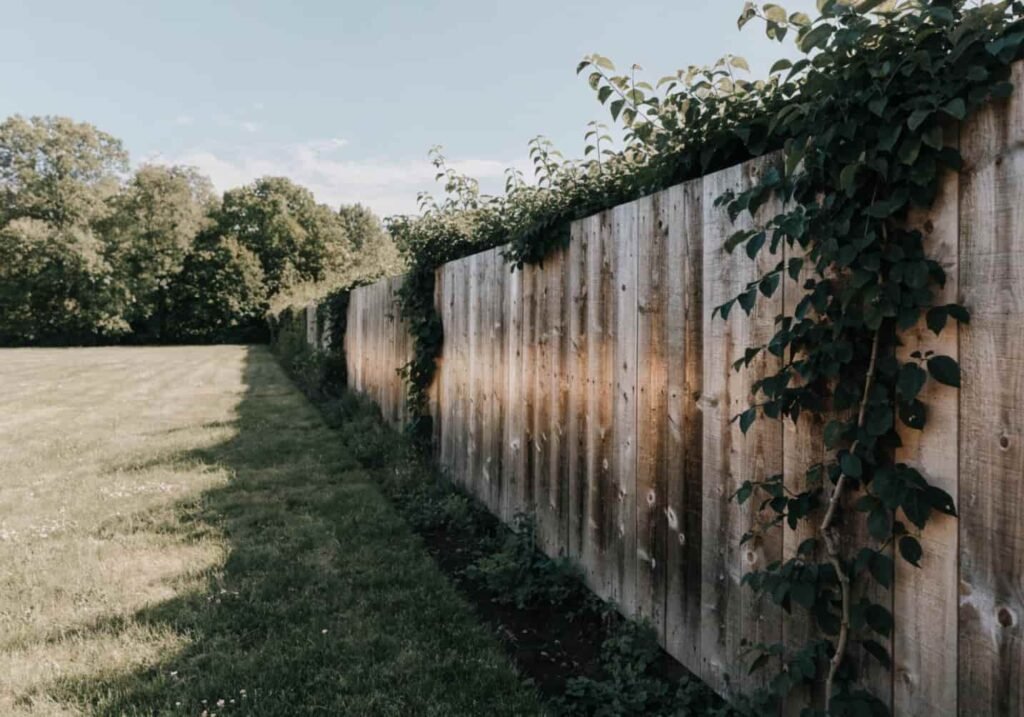
The boundary of your garden does not have to be a plain, boring wall or fence, it can actually become part of the overall design. Wooden fences painted in earthy tones blend naturally with greenery, while hedges planted along the boundary offer privacy with a softer, living look compared to concrete. Mixing fencing with climbing plants or flowering shrubs along the edge softens hard lines and makes the whole property feel more enclosed and cozy rather than fenced off. Choosing the right height also matters, since too tall can feel like a prison wall while too short offers no privacy at all. When we replaced our plain metal fence with a wooden one covered in creepers, it felt like the entire garden got a warmer personality overnight.
Low-Maintenance Landscaping Tips for Busy Homeowners
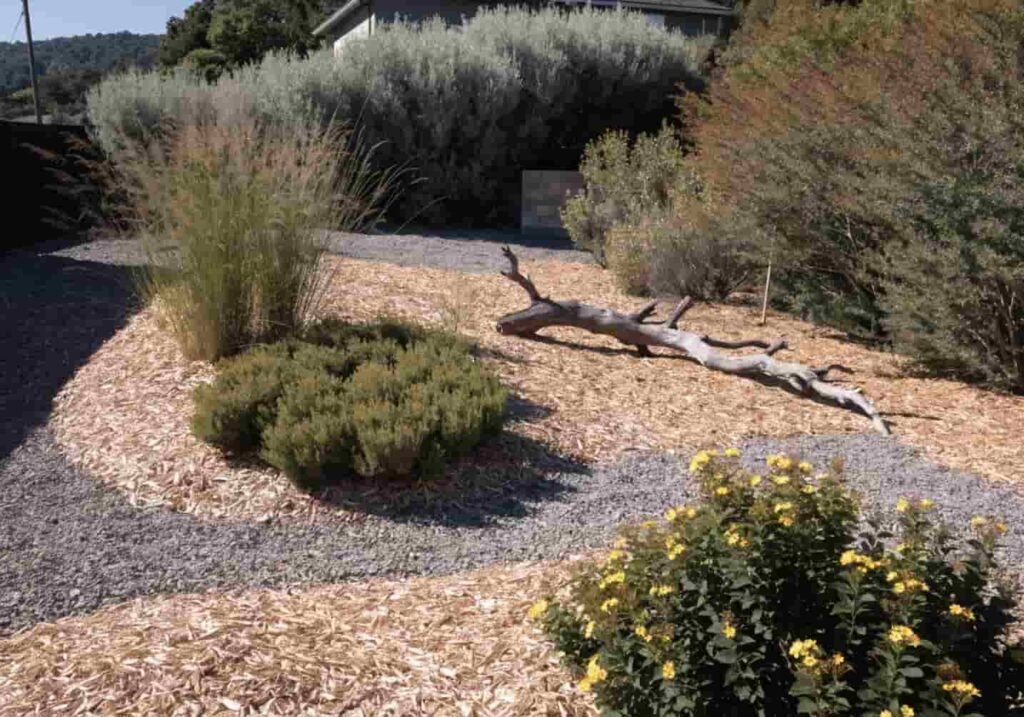
Not everyone has hours to spend pruning and watering every weekend, and that is perfectly fine, since a big garden can still look great with smart low-maintenance choices. Native plants that are already suited to your local climate need far less watering and care than exotic imports. Mulching flower beds cuts down on weeding and helps soil retain moisture longer between waterings. Grouping plants with similar watering needs together also saves time, since you are not running around the garden with different schedules in your head. A working mother I know redesigned her garden around drought-tolerant plants and gravel patches, and she says it now takes her half the time to maintain while still looking just as lovely as before.
Conclusion – Start Your Big Garden Landscaping Project
Turning a big empty garden into something you actually love does not happen overnight, and that is completely okay. Start small, maybe with one zone or one flower bed, and let the rest of the plan grow naturally as you see what works for your space and your lifestyle. Every idea mentioned here, from pathways to lighting to a simple herb patch, can be added gradually without overwhelming your budget or your weekends. The most important thing is to actually begin, even if your first attempt is far from perfect. Gardens are forgiving that way, they grow and change with you, and a few years down the line you will likely look back and be amazed at how far your simple weekend project has come.