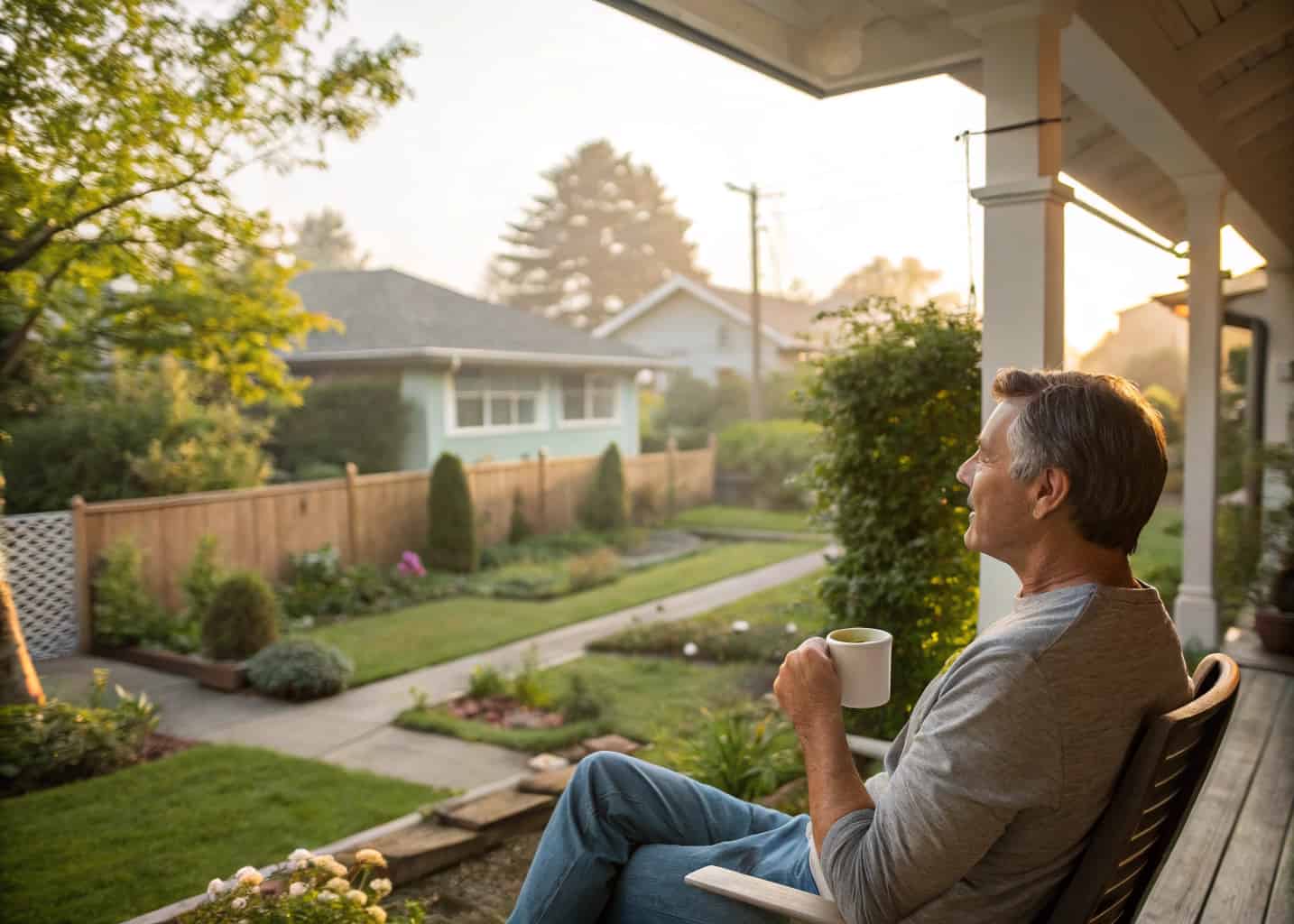
If your weekends are packed and your Garden Ideas keeps getting pushed to the bottom of your to-do list, you are not alone. Most of us want a yard that looks nice without demanding hours of weeding, watering, and trimming every single week. The good news is that a beautiful garden does not have to mean constant work. With a few smart choices, you can create outdoor space that practically takes care of itself. Below are some easy, practical ideas that busy people actually use, things you can try this season without spending every weekend on your knees in the dirt.
Choose Native Plants for Your Region
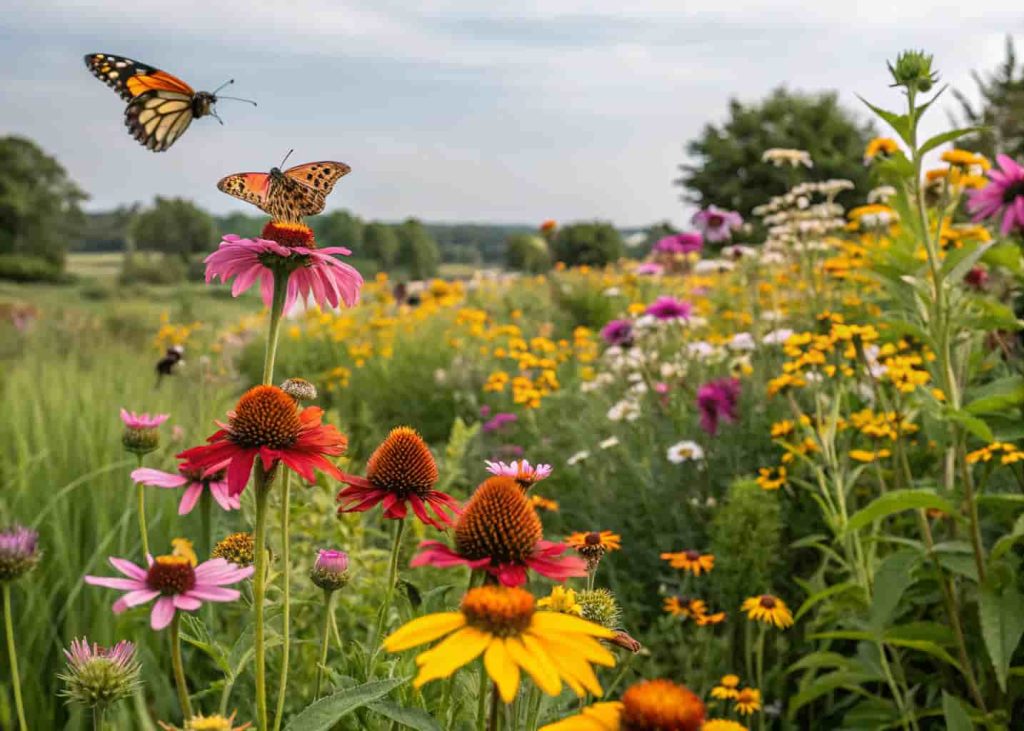
Native plants are basically the cheat code of gardening. They have adapted to your local climate, soil, and rainfall over hundreds of years, so they do not need constant babying. A friend of mine switched her flower beds to native wildflowers a couple of years ago, and now she barely waters them even during dry summer stretches. These plants also attract local bees and butterflies, which makes the garden feel alive without extra effort. Visit a local nursery and ask what grows naturally in your area. You will save money on fertilizer, pesticides, and water bills while still getting color all season long.
Add Mulch to Cut Down on Weeding
Mulch is one of those things that feels boring until you realize how much time it saves. A thick layer of mulch around your plants blocks sunlight from reaching weed seeds, so fewer weeds sprout in the first place. It also holds moisture in the soil, meaning you water less often. I started using shredded bark mulch around my tomato plants last summer, and weeding went from a weekly chore to maybe once a month. Wood chips, straw, or even dried leaves work well too. Just spread a couple of inches around your plants, leaving a small gap near the stems, and let it do the work.
Install a Simple Drip Irrigation System
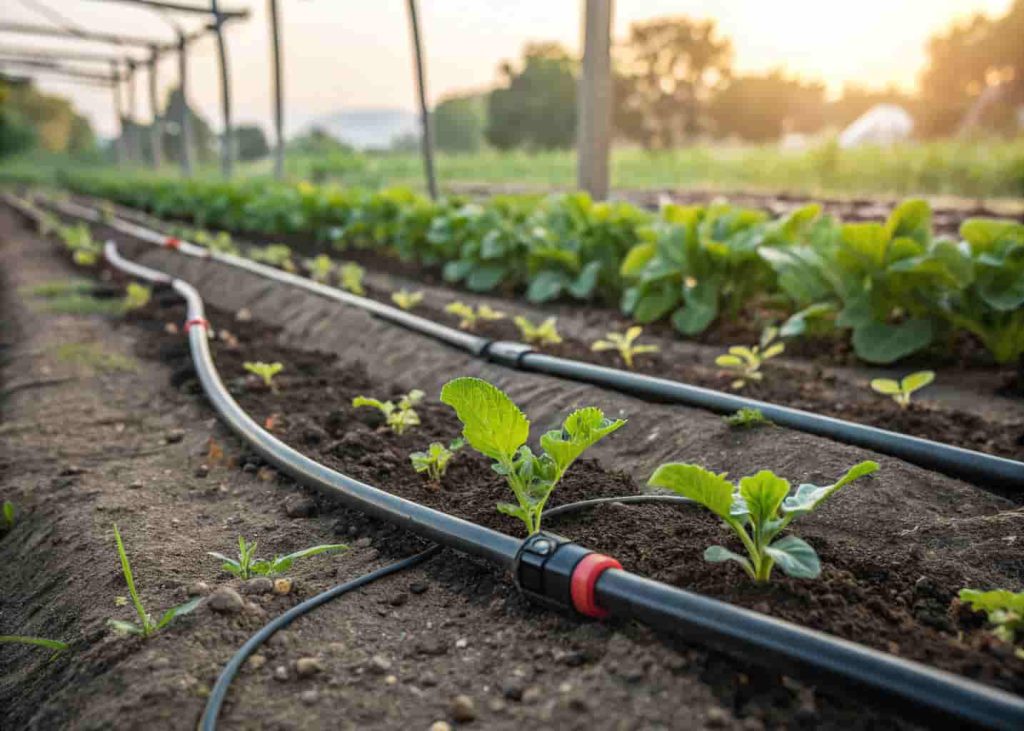
Hauling a hose around the yard every evening gets old fast, especially during hot weeks when plants need water daily. A drip irrigation system solves this by slowly releasing water right at the roots, where plants actually need it. You can buy basic kits at any hardware store, and most are simple enough to set up in an afternoon without hiring anyone. My neighbor put one on a timer, and now her garden gets watered early every morning while she is still asleep. Less water gets wasted through evaporation too, so your water bill might even drop a little.
Plant Perennials Instead of Annuals
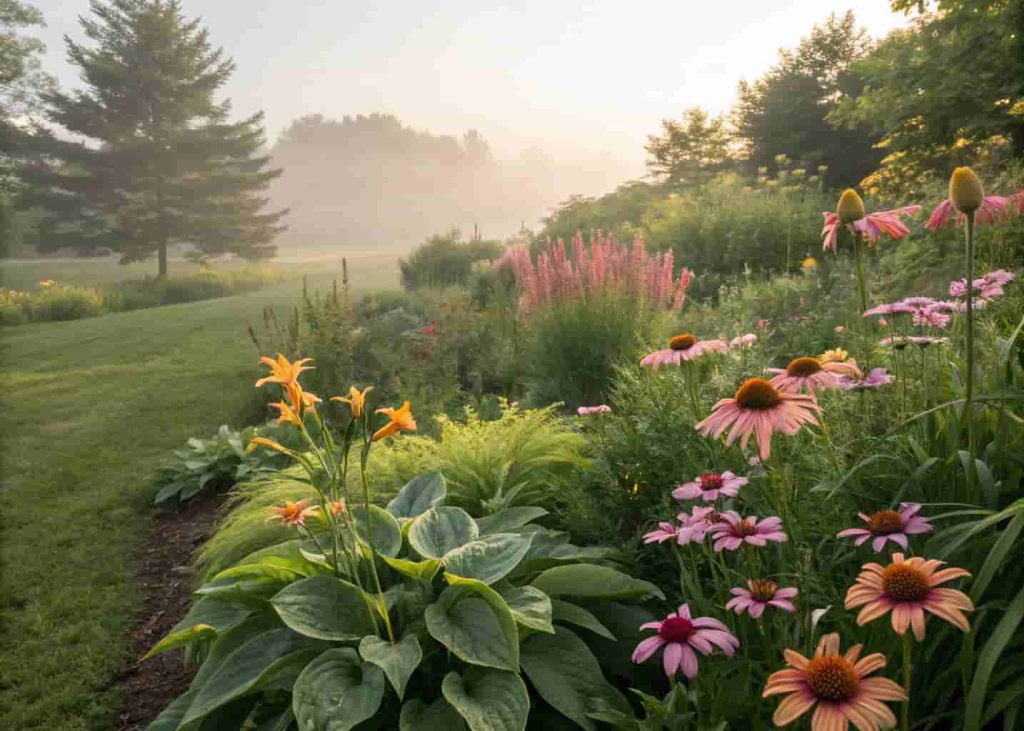
Annual flowers look gorgeous, but they die at the end of the season, which means replanting everything year after year. Perennials, on the other hand, come back on their own, often getting fuller and more impressive each year. Things like daylilies, hostas, and coneflowers are popular choices because they are tough and forgiving. When I switched most of my front yard to perennials, I noticed I was spending way less money at the garden center every spring. Yes, the upfront cost might be a bit higher, but over a few years it balances out, and your garden practically plants itself.
Use Ground Cover Plants to Replace Grass
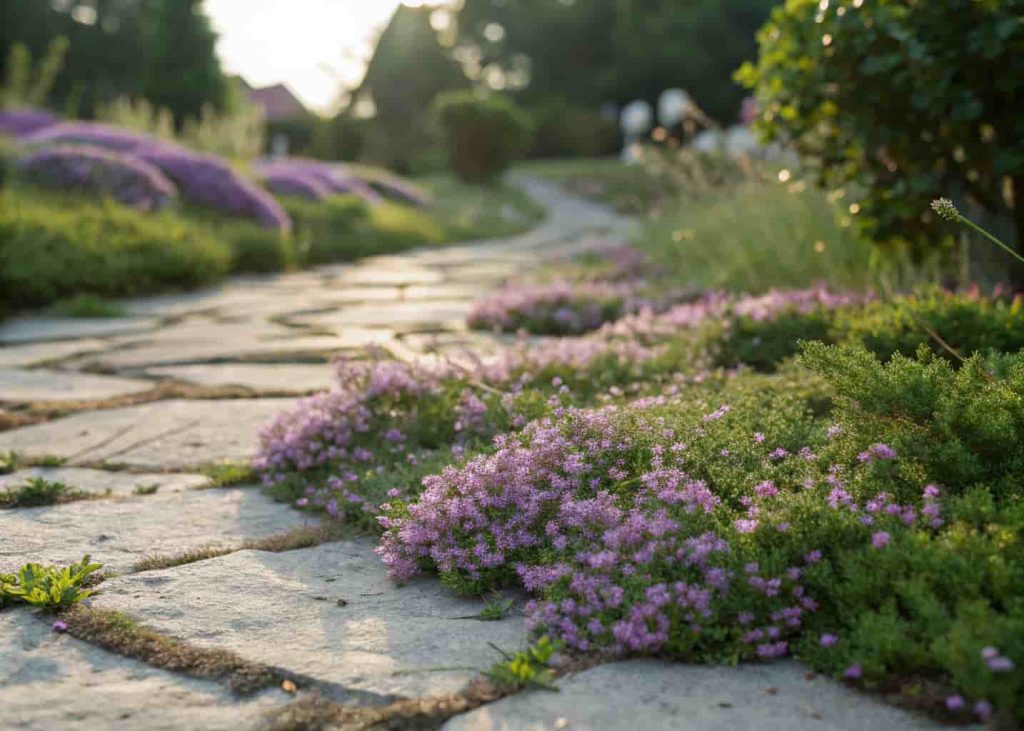
Lawns are notorious time-eaters between mowing, edging, and fertilizing. Ground cover plants like creeping thyme, clover, or sedum can replace patches of grass, especially in spots that get awkward sun or shade. These plants spread low and dense, choking out weeds naturally while needing almost no mowing. A coworker of mine replaced a steep, hard-to-mow slope with creeping thyme, and now it looks like a soft green carpet that smells amazing when you walk on it. Ground covers also help prevent soil erosion on slopes, which is a nice bonus if your yard has any uneven areas.
Build Raised Garden Beds
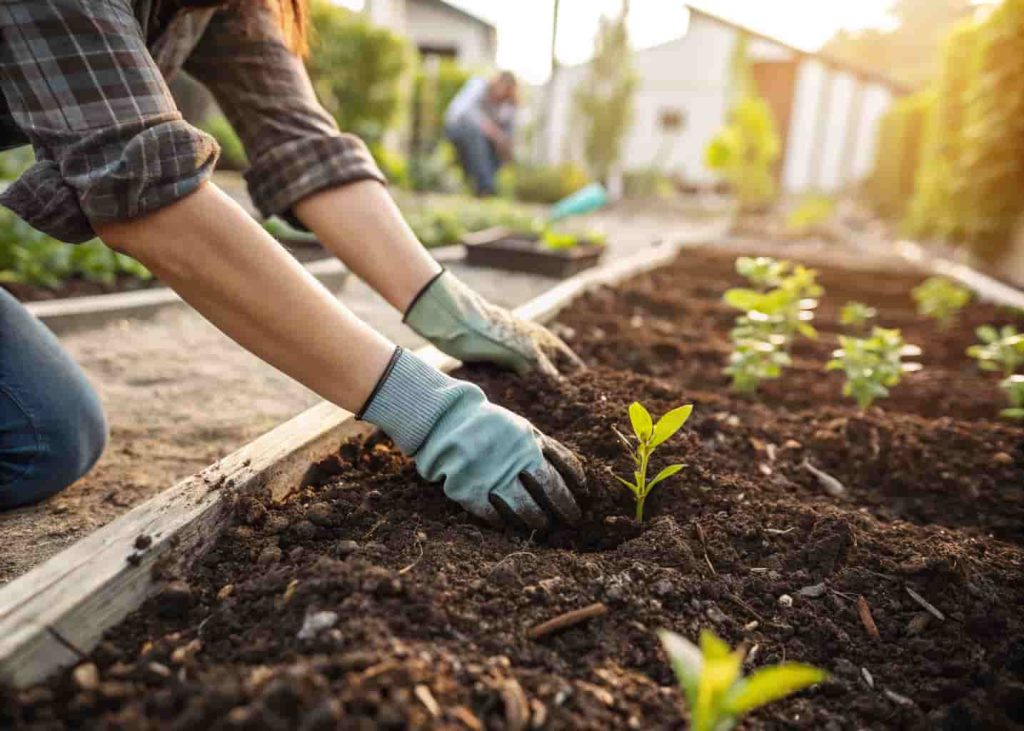
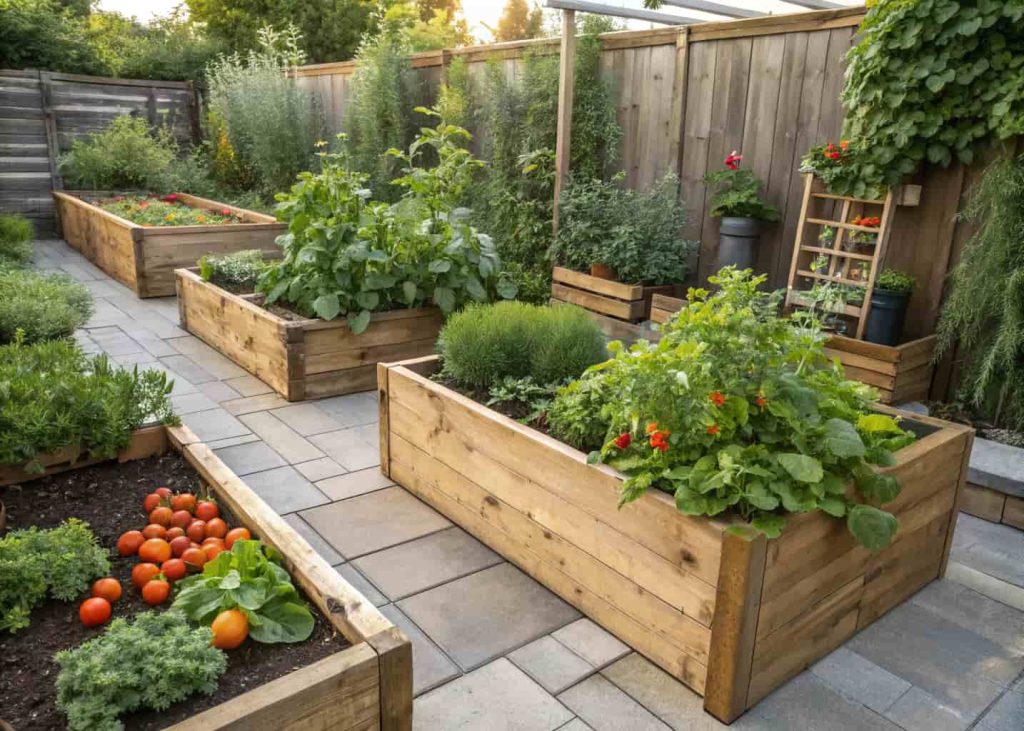
Raised beds might sound like extra work upfront, but they actually cut down on long-term maintenance in a big way. Because the soil is contained and elevated, weeds have a harder time creeping in, and you get better drainage so plants stay healthier. Bending and kneeling becomes easier too, which is a relief if your back complains after an hour of yard work. My dad built two raised beds last spring using simple wood boards, and he says harvesting vegetables now feels almost effortless compared to his old in-ground plot. Fill them with good soil once, and they keep performing for years.
Group Plants by Watering Needs
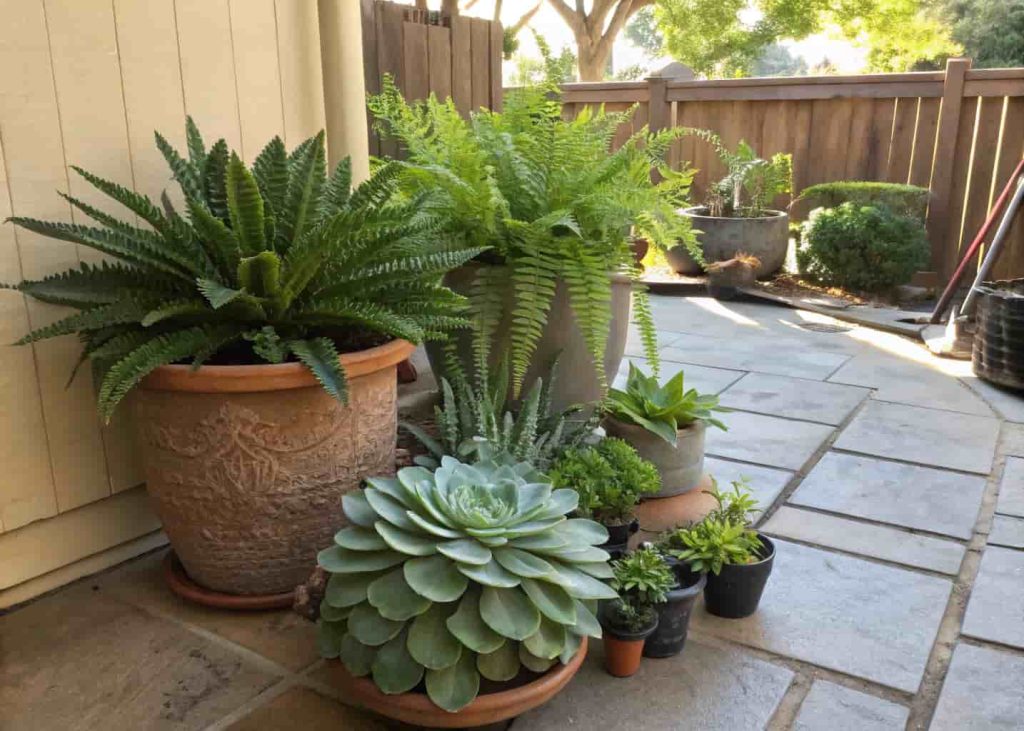
One sneaky reason gardens become high-maintenance is mixing plants with totally different water needs in the same bed. Succulents next to ferns means you are either drowning one or starving the other. Grouping plants by how thirsty they are, a practice sometimes called hydrozoning, means you can water entire sections at once instead of running around with a watering can checking each plant individually. When I rearranged my patio pots this way, watering went from a daily task to twice a week. It also helps plants thrive better since they are getting exactly what they need, not a compromise.
Choose Slow-Growing Shrubs and Trees
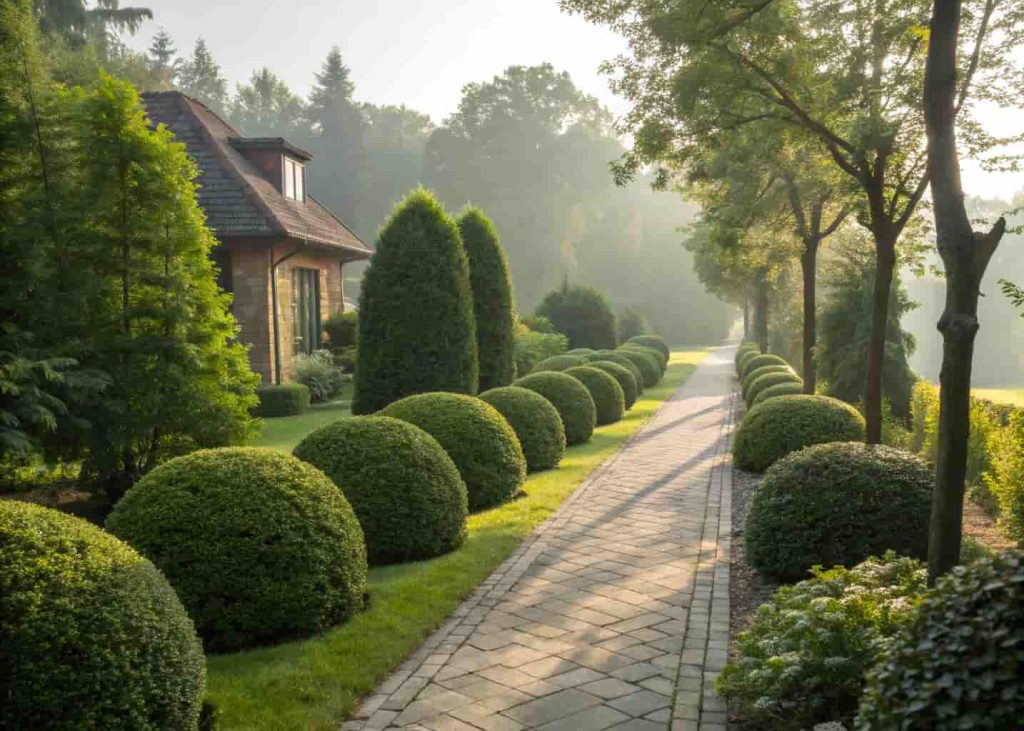
Fast-growing shrubs might fill space quickly, but they also demand frequent pruning to keep them in check, sometimes multiple times a season. Slow-growing varieties like boxwood, dwarf conifers, or Japanese maple keep their shape for much longer without needing constant trimming. They might cost a bit more or take longer to fill out, but the payoff is fewer hours spent with pruning shears. A friend who hates yard work specifically chose dwarf shrubs for her front yard, and she says she trims them maybe once a year. That kind of trade-off is worth it if your time is limited.
Add Gravel or Stone Pathways
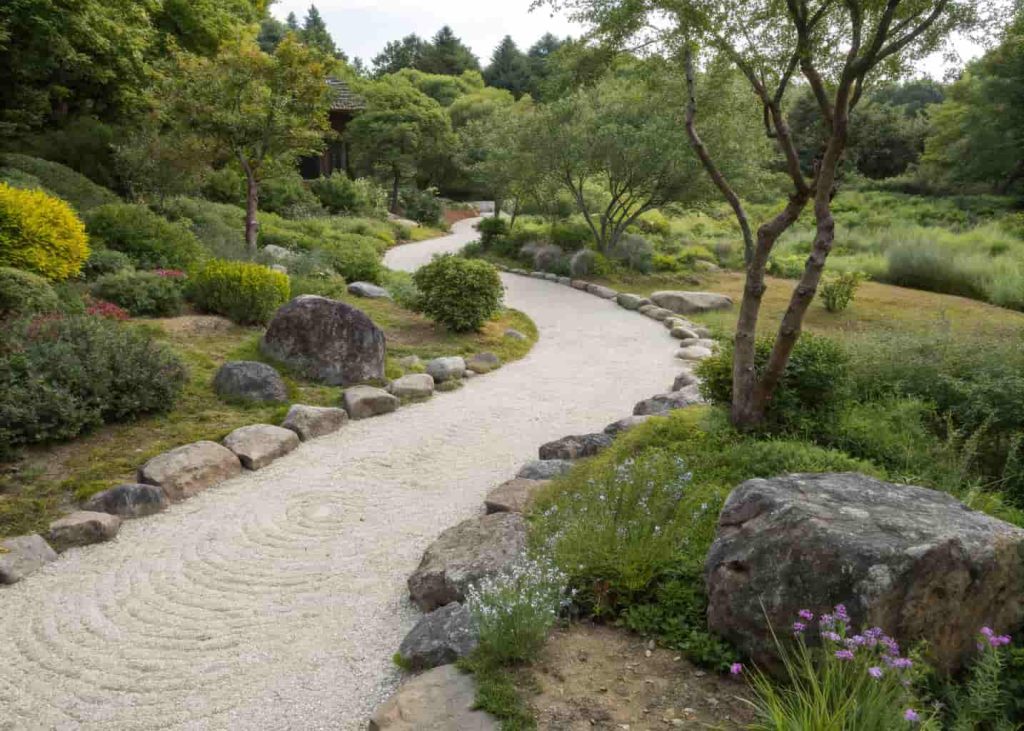
Pathways made of gravel, pebbles, or flat stones do double duty in a low-maintenance garden. They look intentional and tidy, and they replace areas that would otherwise need mowing or weeding. Gravel paths also help with drainage during rainy seasons, so you are not stuck with muddy footprints all over the lawn. When I added a small gravel path through my side yard, it instantly made the space feel more finished, and I never have to do anything to it except occasionally rake fallen leaves off in autumn. It is one of those upgrades that quietly saves effort for years.
Set Up a Self-Sustaining Compost Bin
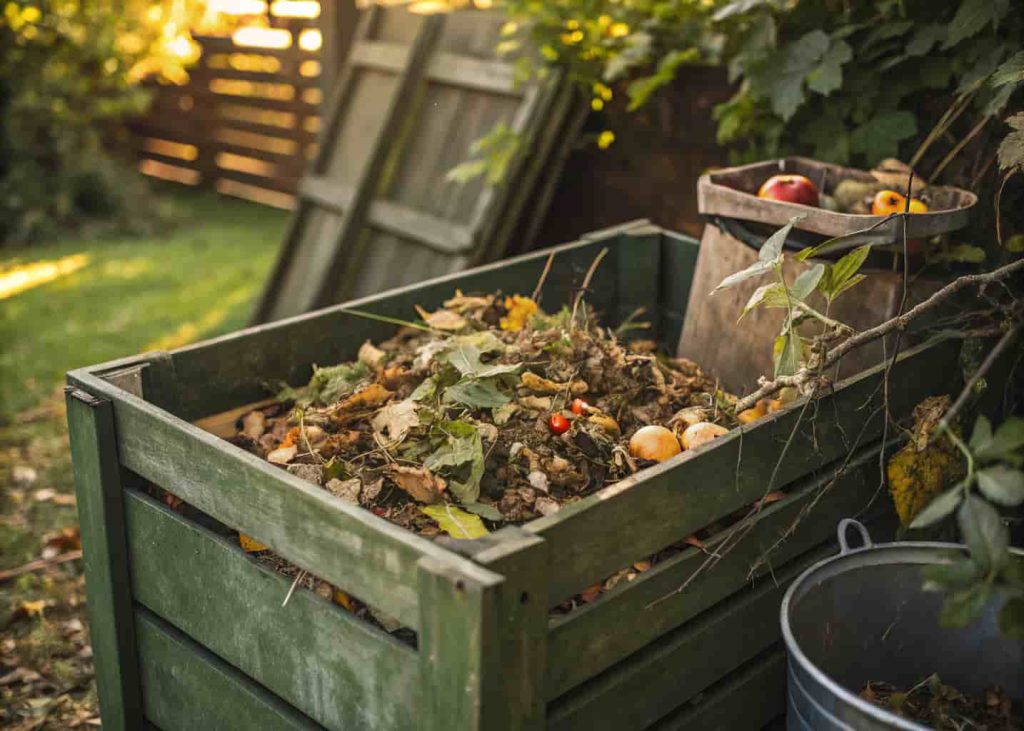
A compost bin sounds like one more chore, but it actually reduces work over time while improving your soil for free. Instead of bagging up kitchen scraps and yard waste, you toss them into the bin and let nature do the rest. Within a few months, you get rich compost that you can spread on garden beds without buying fertilizer. My family started a simple bin in the corner of the yard, and within a year our soil noticeably improved, meaning plants needed less feeding and watering. It also cuts down on household trash, which is a nice side benefit nobody talks about enough.
Use Container Gardening for Flexibility
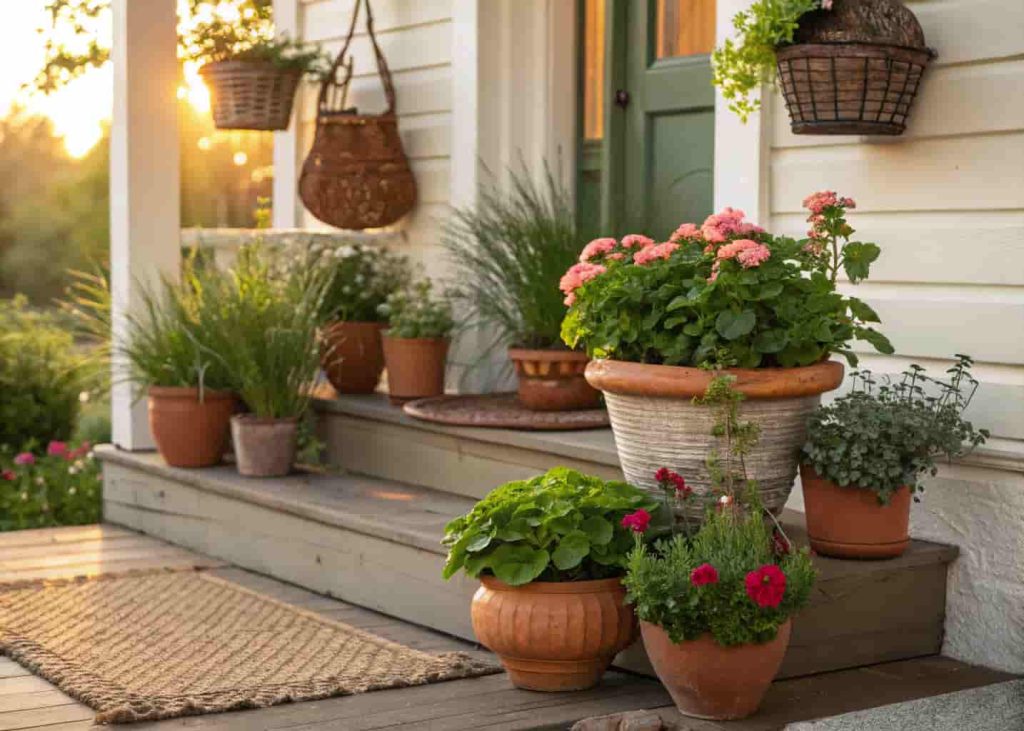
Containers are perfect for people who want a garden but do not have much time, space, or even a permanent yard. Pots can be moved around to chase sunlight, grouped together for easy watering, and swapped out seasonally without disturbing anything else. Herbs, small vegetables, and compact flowers all do well in containers, and they take up way less weeding time since there is barely any open soil for weeds to grow in. I keep a row of herb pots right outside my kitchen door, and watering them takes about two minutes every couple of days. It is gardening on easy mode, honestly.
Install Artificial Turf in Small Areas
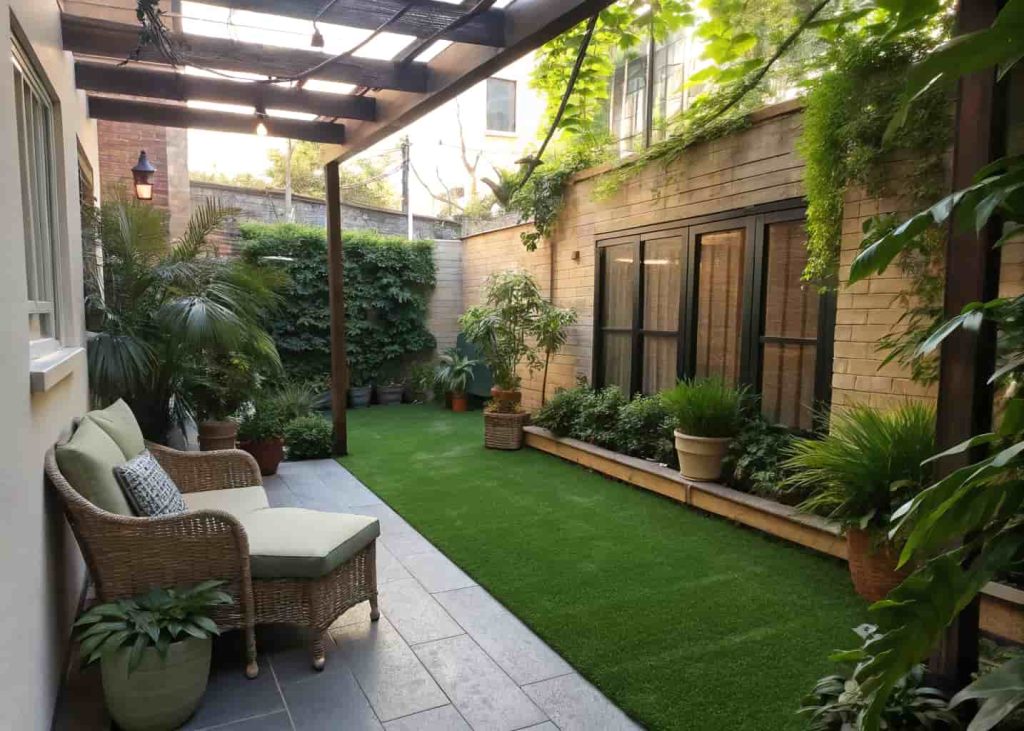
This idea is not for everyone, but for small, awkward patches of yard where grass struggles anyway, artificial turf can be a game changer. It stays green all year, never needs mowing, and handles foot traffic from kids or pets without turning into a muddy mess. Many newer versions look surprisingly realistic and feel soft underfoot. A neighbor with a tiny shaded backyard where grass kept dying installed artificial turf, and now that spot is the most used part of their yard because it always looks neat. It is a bigger upfront investment, but the long-term maintenance savings are real.
Plant a Mini Herb Spiral
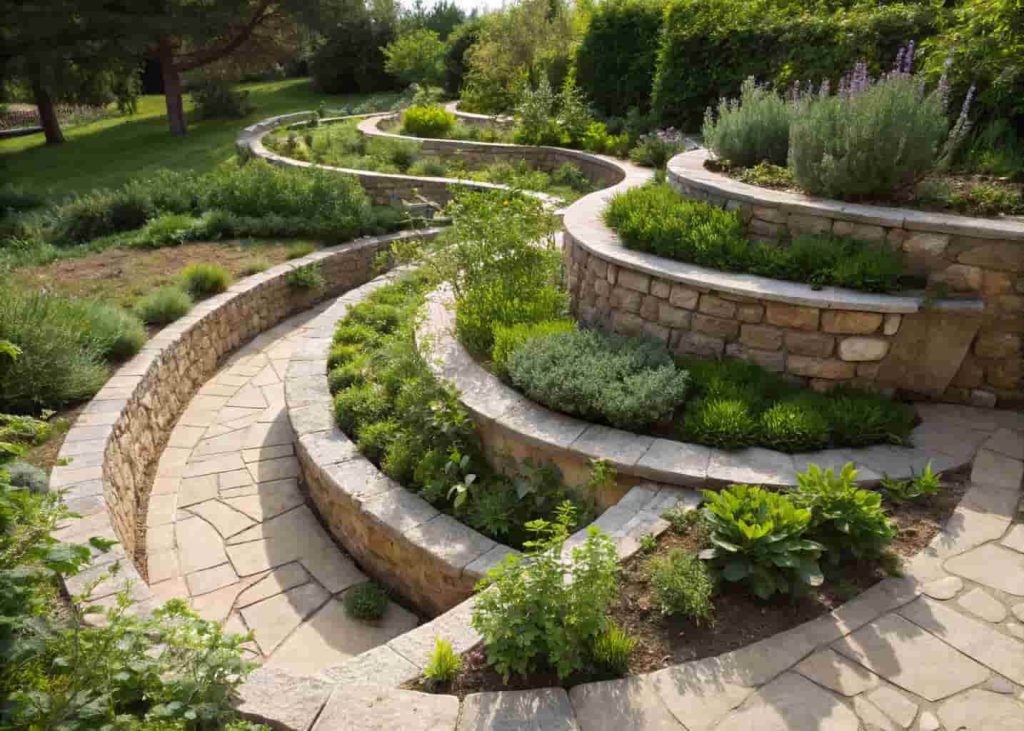
A herb spiral is a small raised structure, usually built with stone or brick, that winds upward in a spiral shape, creating different microclimates for different herbs. The top dries out faster and gets more sun, perfect for rosemary or thyme, while the bottom stays moist, ideal for mint or parsley. Once built, it is incredibly compact and easy to maintain, since everything is within arm’s reach and drainage is built into the design. A gardening enthusiast I follow online built one in a weekend, and now harvests fresh herbs for cooking without stepping more than a few feet from her back door.
Wrapping It Up
Creating a garden that fits a busy lifestyle is really about working smarter, not harder. Small changes like switching to native plants, adding mulch, or grouping plants by their needs can save you hours every month without sacrificing how your yard looks. You do not have to do all thirteen of these at once. Pick one or two that match your space and budget, try them out this season, and build from there. Over time, these little adjustments add up to a garden that looks great, supports local wildlife, and leaves you with more time to actually enjoy sitting in it instead of constantly working on it.