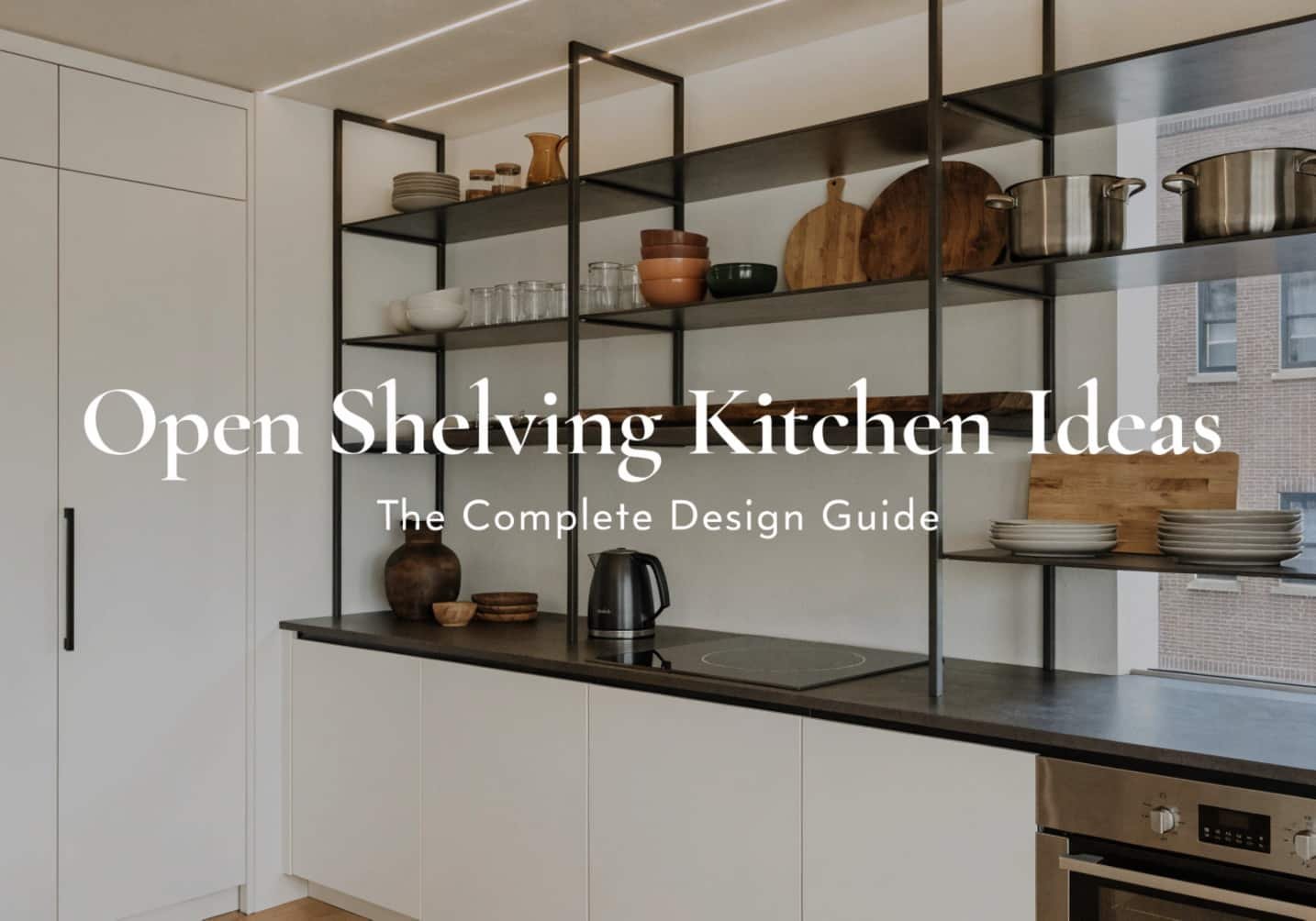
Walk into any kitchen renovation show or scroll through a home design feed for more than five minutes, and you’ll spot it — Open Shelving Kitchen Ideas. It’s not just a trend that popped up overnight. It’s a shift in how people want their kitchens to feel: lighter, more personal, and less like a storage unit. I remember helping a friend redo her tiny apartment kitchen last year, and the moment we pulled off two upper cabinet doors and left the shelves bare, the whole room felt bigger. That’s the magic of open shelving. This guide walks you through everything, from picking materials to avoiding rookie mistakes, so you can decide if it’s right for your own space.
Why Open Shelving Is Making a Comeback in 2026
Open shelving isn’t new, but it’s having a real moment again in 2026. Part of it comes down to how people live now. Smaller kitchens, more remote cooking and baking, and a general desire to slow down and enjoy the space we’re in. Closed cabinets can feel heavy, almost like they’re hiding the kitchen’s personality. Open shelves flip that. They let your dishes, mugs, and favorite cookbooks become part of the room’s character instead of something tucked away. Designers are also leaning into warmer, more lived-in aesthetics this year, and open shelving fits that mood perfectly. It feels honest, a little imperfect, and very human.
Is Open Shelving Right for Your Kitchen? (Pros & Cons)
Before you start pulling off cabinet doors, it’s worth being honest with yourself about how you actually live. Open shelving looks stunning in photos, but it does come with trade-offs. On the plus side, it makes small kitchens feel more open, gives you easy access to everyday items, and turns your dishware into decor. On the downside, everything is visible all the time, which means dust collects faster and clutter shows up immediately. If you’re someone who washes dishes right after using them and likes things tidy, open shelving could suit you well. If your kitchen tends to get messy fast, you might want to mix open shelves with a few closed cabinets instead.
Choosing the Right Material: Wood, Metal, or Glass Shelves
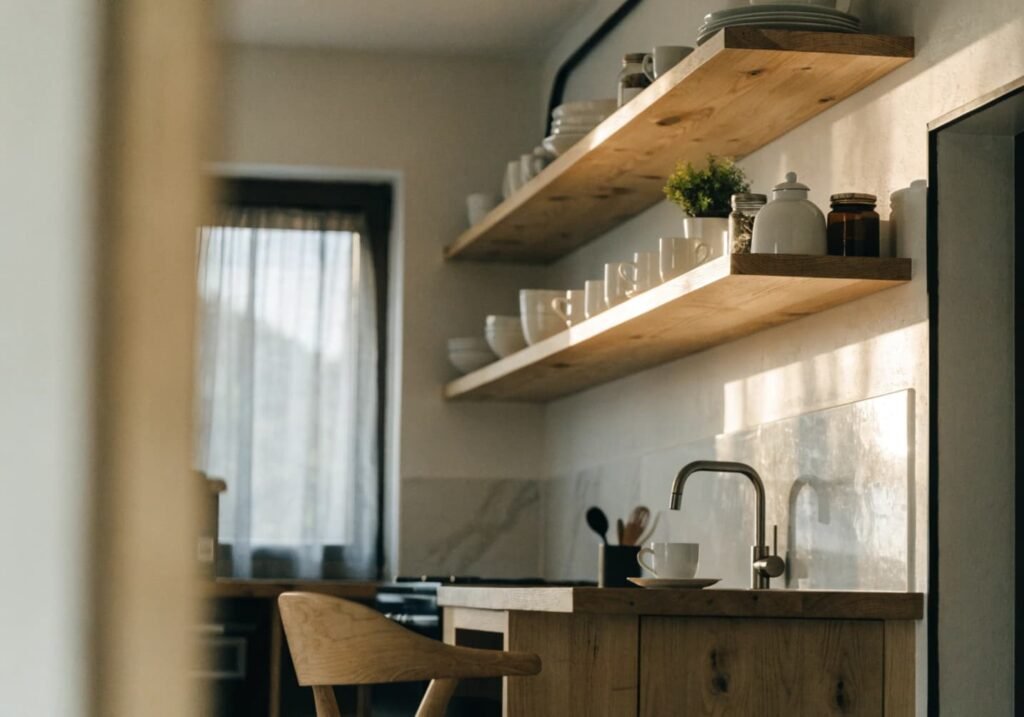
The material you choose for your shelves changes the entire mood of the kitchen. Wood shelves bring warmth and a cozy, farmhouse feel, and they pair beautifully with both modern and rustic kitchens. Metal shelves, especially black iron or brushed steel, give off an industrial, café-style vibe that works great in loft-style homes. Glass shelves are the most minimal option, almost disappearing into the wall while still holding your items securely. When my sister redid her kitchen, she went with light oak shelves because her cabinets were already white, and the wood added just enough contrast without overwhelming the space. Think about your existing colors and textures before deciding.
Open Shelving for Small Kitchens: Space-Saving Tricks
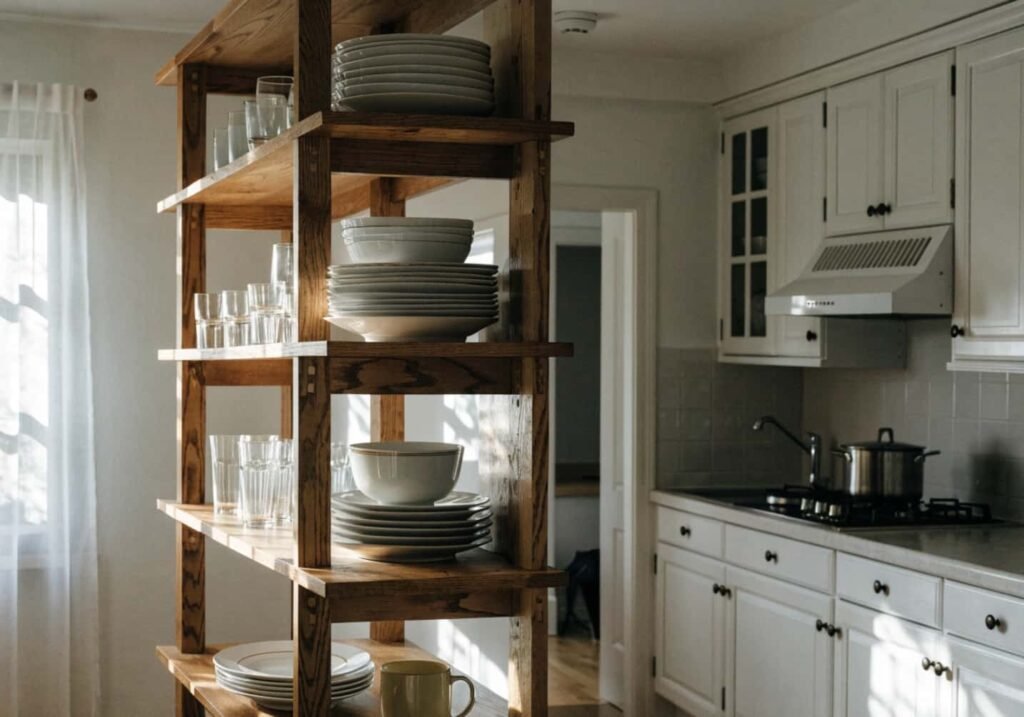
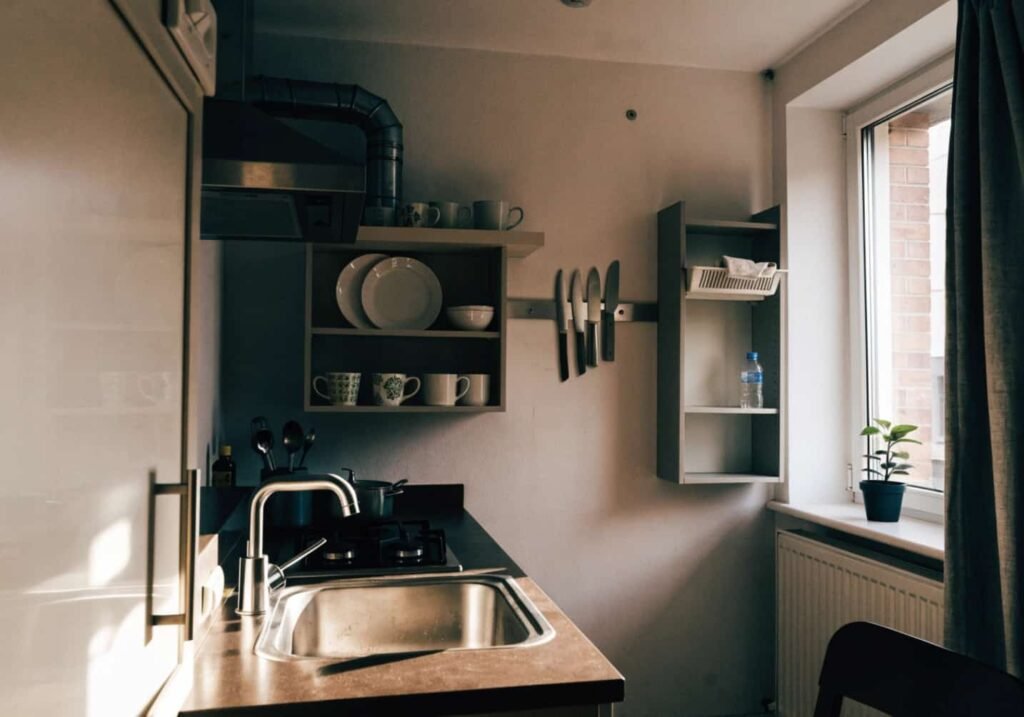
Small kitchens benefit the most from open shelving, honestly. Bulky cabinet doors take up visual space and make a tight room feel even tighter. Swap them for open shelves, and suddenly the walls breathe a little more. A good trick is to keep the shelves shallow, around eight to ten inches deep, so they don’t stick out too far into your walking space. Stick to light colors for the wall behind the shelves too, since darker backgrounds can make a small kitchen feel boxed in. Corner shelving is another smart move, using awkward corner space that cabinets usually waste. It’s a simple change that makes a real difference in how roomy your kitchen feels.
Farmhouse Style Open Shelves That Feel Cozy, Not Cluttered
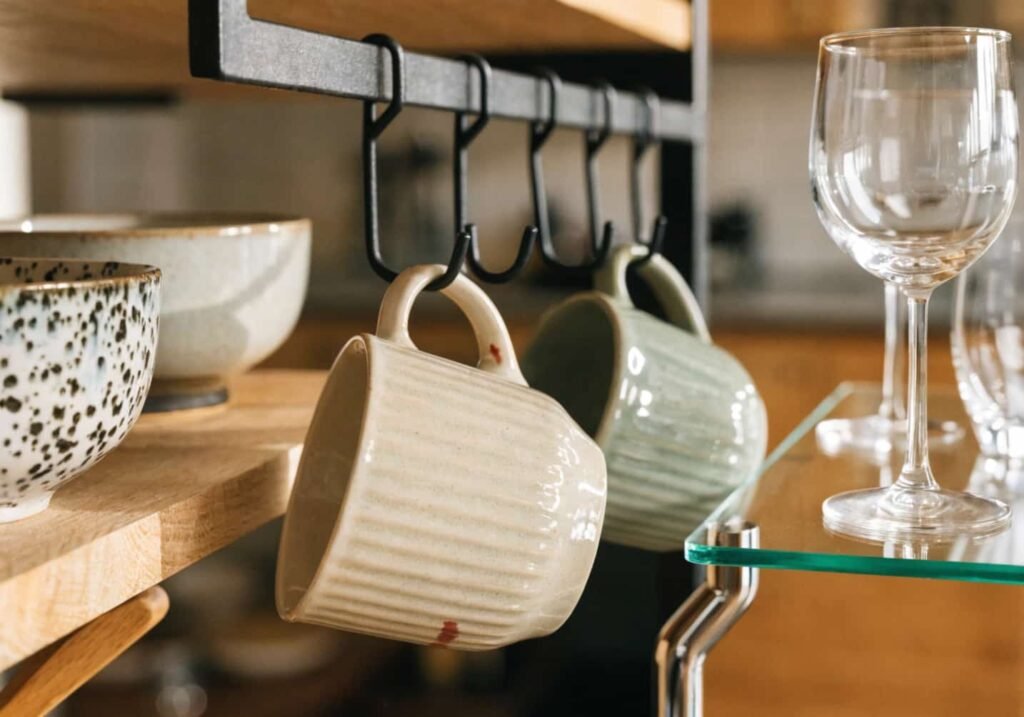
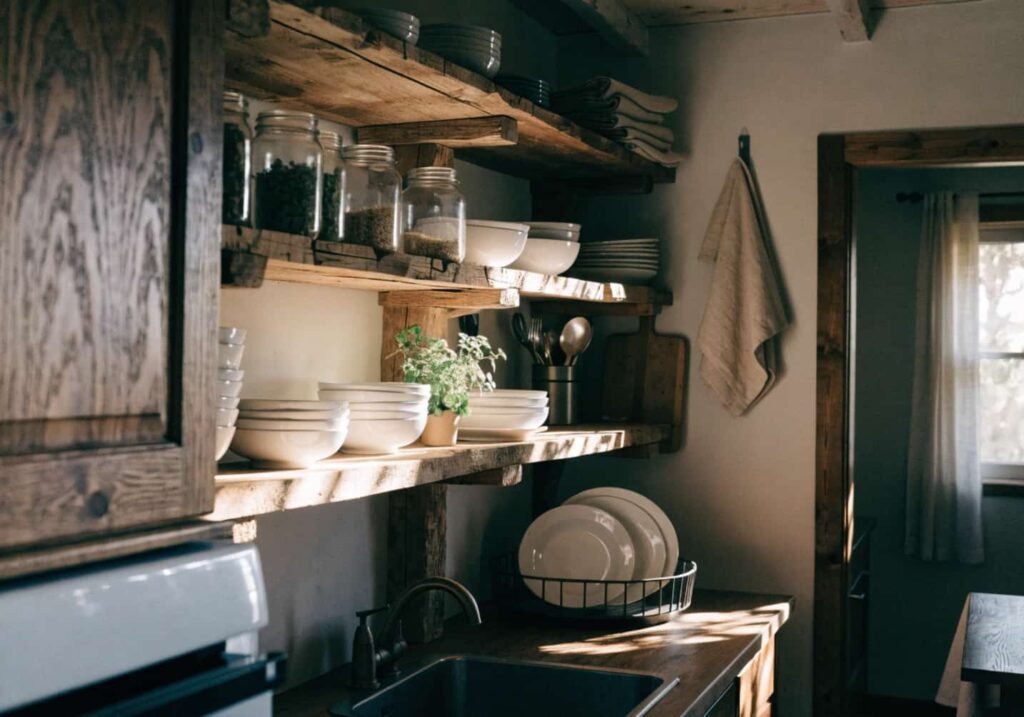
Farmhouse kitchens and open shelving go together like coffee and a Sunday morning. The look leans on natural wood, chipped ceramic bowls, woven baskets, and a slightly worn, lived-in feel. But there’s a fine line between cozy and cluttered. The trick is to leave breathing room between items instead of packing every inch of shelf space. Group similar items together, like all your white dishes on one shelf and mason jars on another. Adding a small herb plant or a stack of linen napkins gives it that homey touch without looking messy. A farmhouse kitchen should feel warm and welcoming, not like a display case trying too hard to impress anyone.
Modern Minimalist Open Shelving: Less Is More
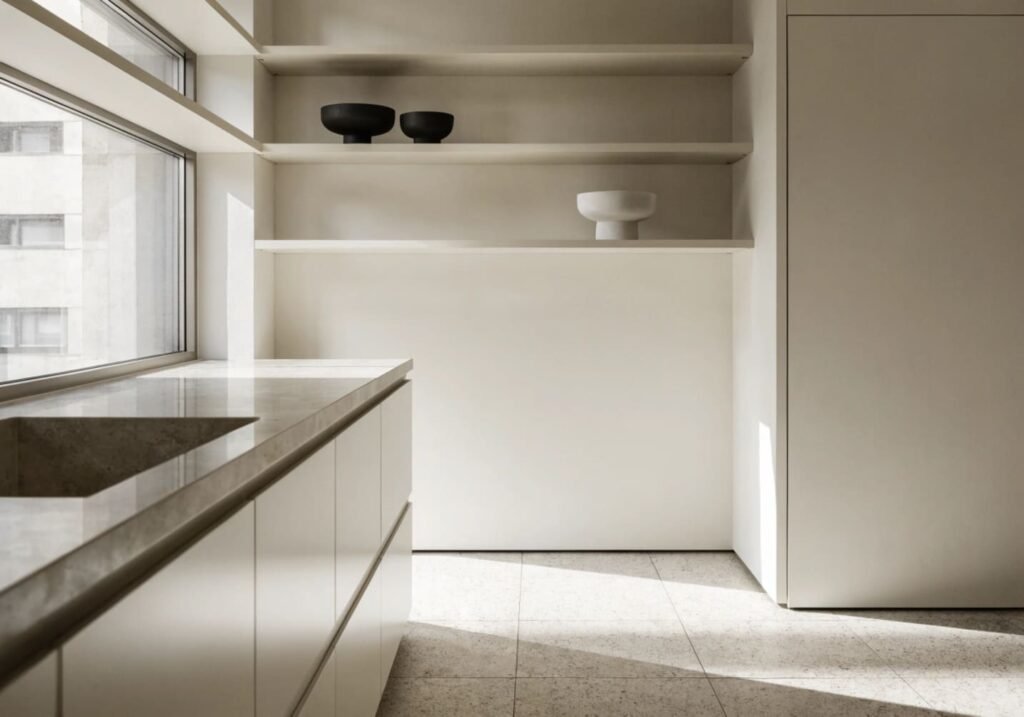
If farmhouse style is about warmth and texture, modern minimalist shelving is about restraint. This look uses clean lines, neutral colors, and very few items on display. Think three or four carefully chosen pieces per shelf, matte black or white ceramics, and simple floating shelves with no visible brackets. The goal here isn’t to show off everything you own, it’s to create calm. Every item on the shelf should feel intentional, almost like it was placed by a stylist. This works especially well in kitchens with sleek cabinetry and a monochrome color palette. Less clutter on the shelves also means less visual noise, which makes the whole kitchen feel more spacious and peaceful.
How to Style Open Shelves Without Making Them Look Messy
Styling open shelves is honestly more art than science, but there are a few rules that always help. Start by grouping items by height, tallest pieces toward the back or sides, shorter ones in front. Leave some empty space on every shelf instead of filling it edge to edge, since crowded shelves read as cluttered no matter how nice the items are. Mix textures too, pair smooth ceramics with woven baskets or wooden boards for visual interest. And don’t be afraid to rearrange things every few weeks. I like to swap my shelf items around based on the season, adding a pumpkin in fall or fresh flowers in spring. It keeps the space feeling fresh and personal.
Dishes, Plants, and Jars: What to Actually Put on Open Shelves
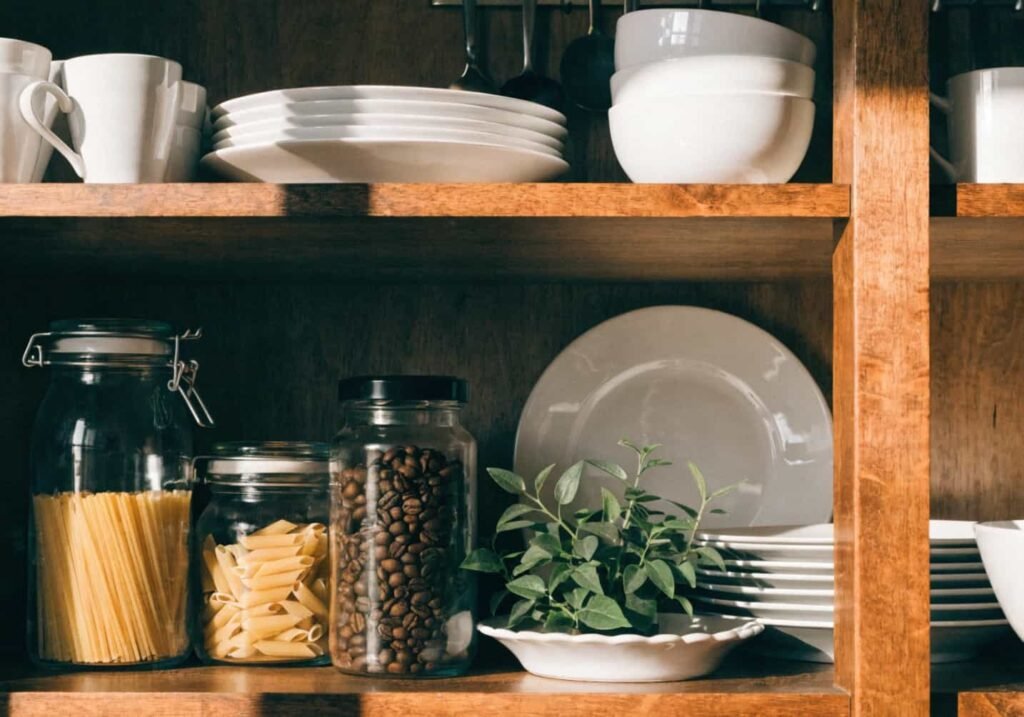
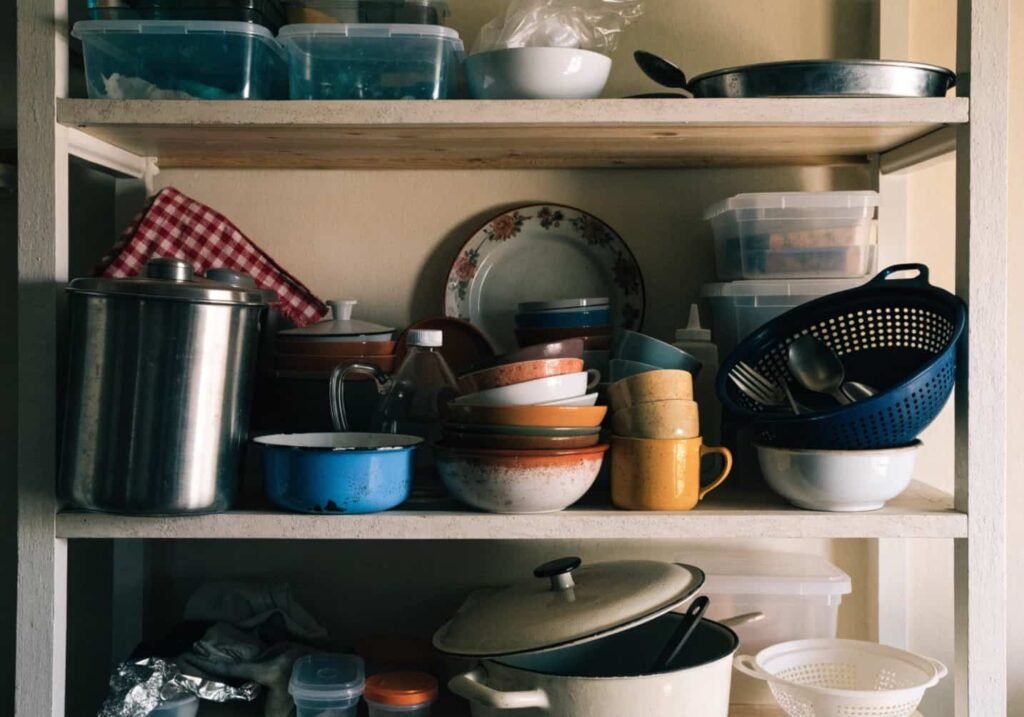
This is the part people get stuck on the most. What actually belongs on an open shelf? The simple answer is anything you use often and anything that looks good sitting out. Everyday dishes, mugs, glasses, and bowls are the obvious choices since you’ll be reaching for them constantly anyway. Glass jars filled with pasta, rice, or coffee beans add color and texture while staying functional. A small plant or two brings life to the space without adding clutter. Skip things like pots with sticky residue, mismatched plastic containers, or anything you’re a little embarrassed by. If you wouldn’t want a guest to see it, it probably shouldn’t be on an open shelf.
Open Shelving vs Closed Cabinets: Which One Wins?
There’s no single right answer here, and honestly, most kitchens do best with a mix of both. Open shelving wins on style, visual space, and easy access. Closed cabinets win on hiding clutter and keeping things dust-free. A common approach designers use is keeping upper cabinets closed near the stove, where grease and smoke build up fast, and using open shelves in areas away from cooking splatter, like near a coffee station or dining nook. If you love the open shelving look but worry about maintenance, start small. Convert just one or two cabinets first and see how it fits your daily routine before committing to a full kitchen overhaul.
Lighting Ideas That Make Open Shelves Pop
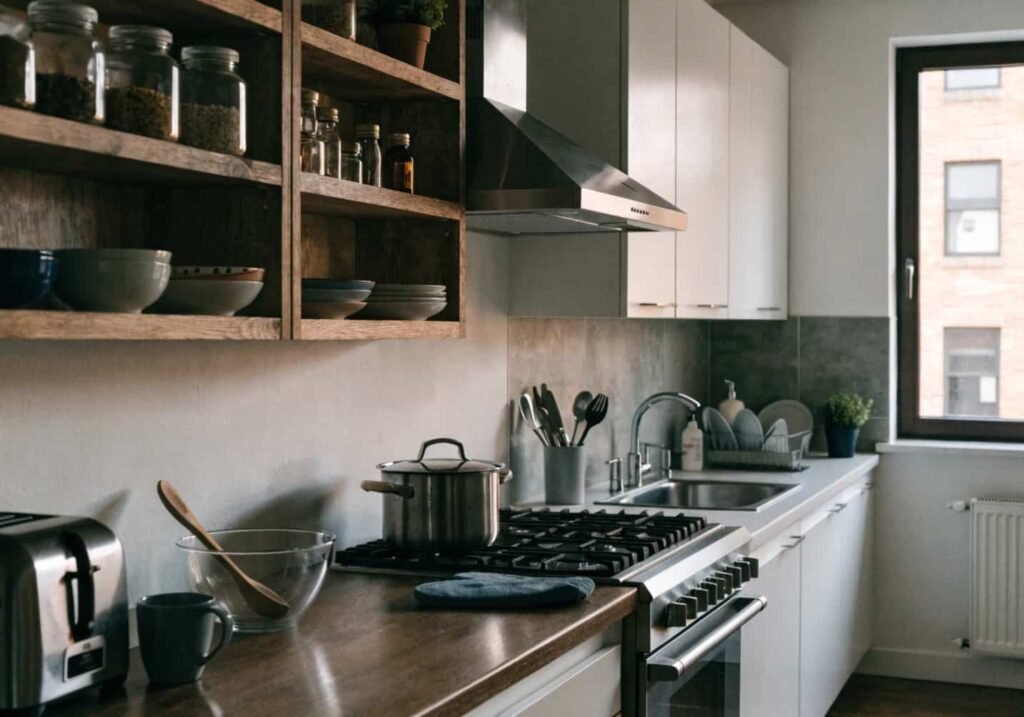
Good lighting can turn a plain open shelf into the focal point of the kitchen. Under-shelf LED strip lights are one of the easiest upgrades, casting a soft glow on the items below and making even simple dishes look intentional at night. Warm white bulbs, around 2700 to 3000 Kelvin, give that cozy café feeling rather than a harsh clinical look. If you have a window nearby, positioning shelves to catch natural morning light works beautifully too, especially for glass or ceramic pieces that catch and reflect it. Small battery-operated puck lights are a great no-wiring option if you’re renting and can’t install anything permanent. Lighting really does change everything.
Common Mistakes to Avoid With Open Shelving
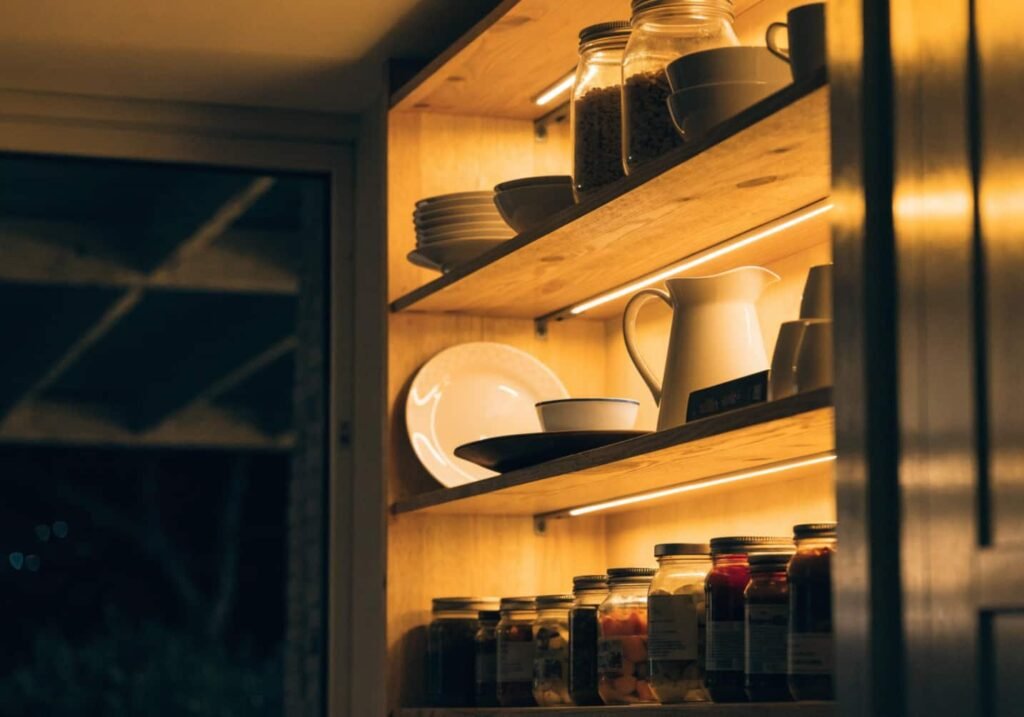
The biggest mistake people make is overloading the shelves the same way they would a closed cabinet. Open shelving needs breathing room, and packing it full defeats the whole purpose. Another common slip is ignoring the wall color behind the shelves, a busy or dark wall can make even well-styled items look chaotic. Mismatched shelf brackets or uneven spacing also throw off the whole look, so measure twice before drilling. And don’t forget maintenance, open shelves need wiping down more often since dust and kitchen grease settle on everything visible. Finally, avoid putting your least-used items on display just because they look pretty. Function should always come before pure aesthetics.
Budget-Friendly Open Shelving Ideas You Can DIY This Weekend
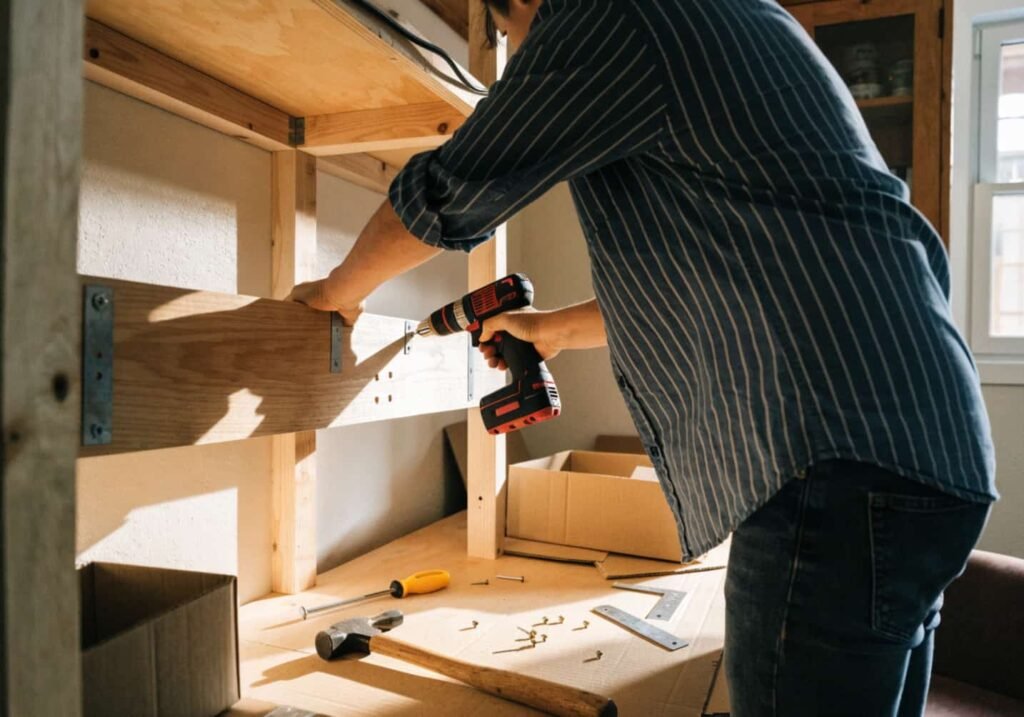
You don’t need a big renovation budget to try open shelving. A simple weekend project involves buying a few wooden planks from a hardware store, sanding and staining them yourself, and mounting them with basic L-brackets. Reclaimed wood works great too, and it often costs next to nothing if you know someone tearing out old flooring or fencing. Thrifted brackets and secondhand dishware can cut costs even further while adding character. When I did this in my own kitchen, the entire project cost under fifty dollars and took one Saturday afternoon. It’s proof that you don’t need a full remodel to get that open, airy kitchen feeling everyone’s talking about.
Conclusion
Open shelving isn’t just a passing design fad, it’s a genuine shift toward kitchens that feel warmer, lighter, and more like an extension of who lives there. Whether you go full farmhouse with mason jars and worn wood, or keep things sleek and minimal, the key is styling with intention and being realistic about your own habits. Start small if you’re unsure, try one shelf before committing to a full wall. And remember, the best open shelving kitchen isn’t the one that looks perfect in a photo, it’s the one that actually works for how you cook, eat, and live every day.