Why Beginners Should Try Embroidery
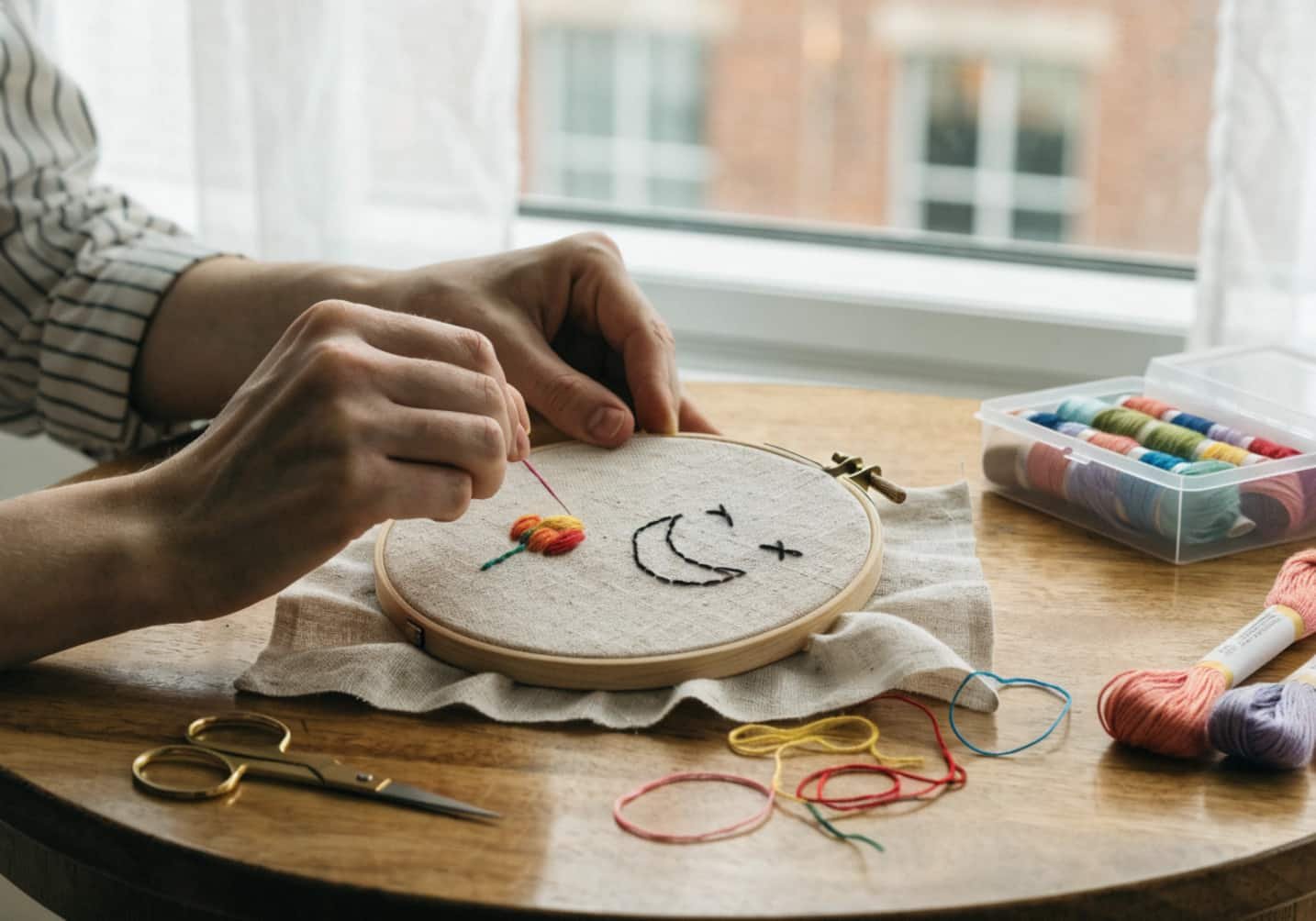
Something is calming about pulling a needle through fabric and watching a picture slowly take shape under your hands. Embroidery projects are not just a craft; it is a little escape from your phone screen and daily noise. I remember picking up a needle for the first time after a stressful week at work, and within twenty minutes my mind felt lighter, almost like I had taken a short nap. You do not need to be artistic or have steady hands from day one. Embroidery teaches patience naturally, stitch by stitch, and it rewards you with something real you can hold, gift, or hang on your wall. For beginners, it is also budget-friendly since you only need a few basic supplies to get started, and the learning curve feels gentle rather than overwhelming.
Choosing the Right Fabric to Start
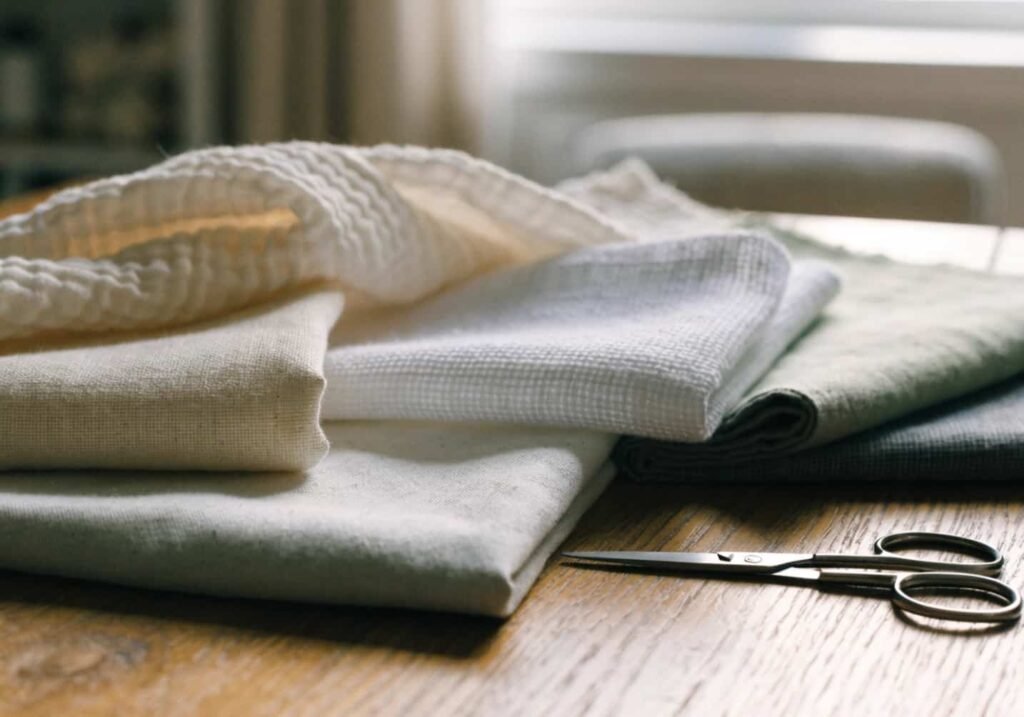
Picking the right fabric can make or break your early embroidery experience, so it is worth slowing down here. Cotton fabric, especially something called quilting cotton or plain muslin, is the friendliest choice for beginners because it holds stitches well without stretching too much. Avoid slippery fabrics like satin or silk in the beginning, since they shift under the needle and make your stitches uneven, which can be frustrating when you are still learning basic control. Aida cloth is another good option if you want to try cross stitch specifically, thanks to its visible grid pattern that guides your needle. When I started, I made the mistake of using an old t-shirt, and the stretchy fabric puckered so badly that I nearly gave up. Stick to something with a bit of structure, and your first few projects will look far neater than you expect.
How to Begin With Minimal Tools
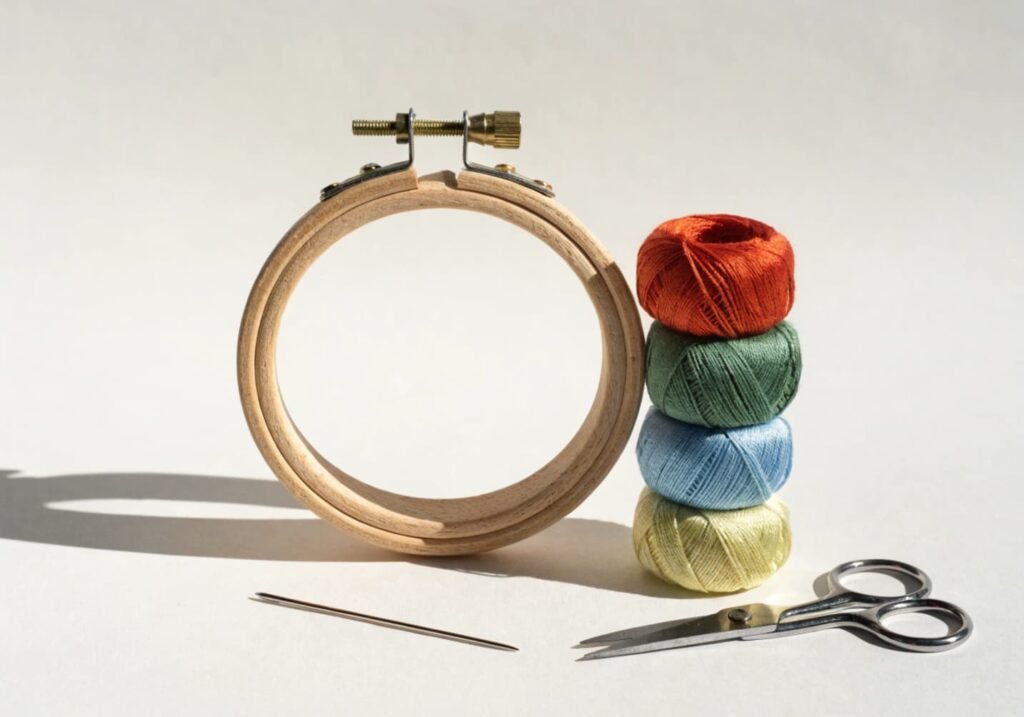
You really do not need a huge craft kit to start embroidering, and honestly, having too many tools at once can feel overwhelming for a beginner. A simple embroidery hoop, a packet of embroidery floss in a few colors, a needle with a slightly larger eye, and small fabric scissors are enough to get going. Some people also like a water soluble fabric marker to sketch designs before stitching, but even that is optional at first. I still remember buying a huge thirty piece kit early on and using maybe five items from it for months. Start small, learn what you actually enjoy using, and slowly build your collection based on real experience rather than guesswork. This approach saves money and also helps you understand your own working style before investing in fancier tools.
Keep Your First Project Small and Simple
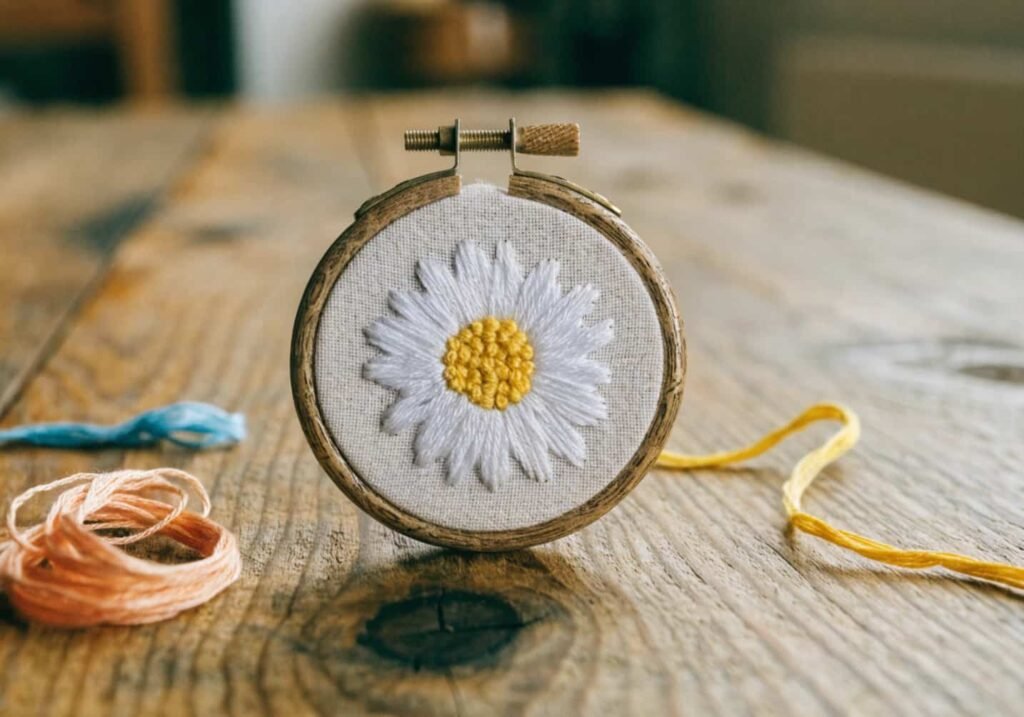
One of the biggest traps beginners fall into is choosing an ambitious design right away, something with dozens of colors and tiny intricate details. This almost always leads to frustration and half-finished hoops sitting in a drawer somewhere. Instead, pick something small like a single flower, a simple leaf, or even just your initials in a basic stitch. A three by three inch design is a perfect starting point because you can finish it in one or two sitting sessions and actually feel that sense of accomplishment. When I made my first tiny daisy pattern, it took less than an hour, but seeing it complete gave me the confidence to try something slightly bigger the next week. Small wins build real skill and motivation far better than big projects that drag on for weeks and eventually get abandoned.
Mistakes Beginners Often Make
Almost every beginner stitcher makes the same handful of mistakes, and knowing them ahead of time can save you a lot of frustration. Pulling the thread too tight is a common one, which causes the fabric to pucker and the design to look uneven once removed from the hoop. Another mistake is using floss strands that are too long, leading to constant tangling and knots that eat up your patience. Many beginners also skip securing their hoop tension properly, so the fabric feels loose and stitches come out sloppy. I personally struggled with knotting my thread incorrectly for weeks until someone showed me the waste knot method, and it completely changed my experience. Learning from these common slip ups early on means you spend less time frustrated and more time actually enjoying the process of creating something beautiful with your hands.
Five Easy Design Ideas for Practice
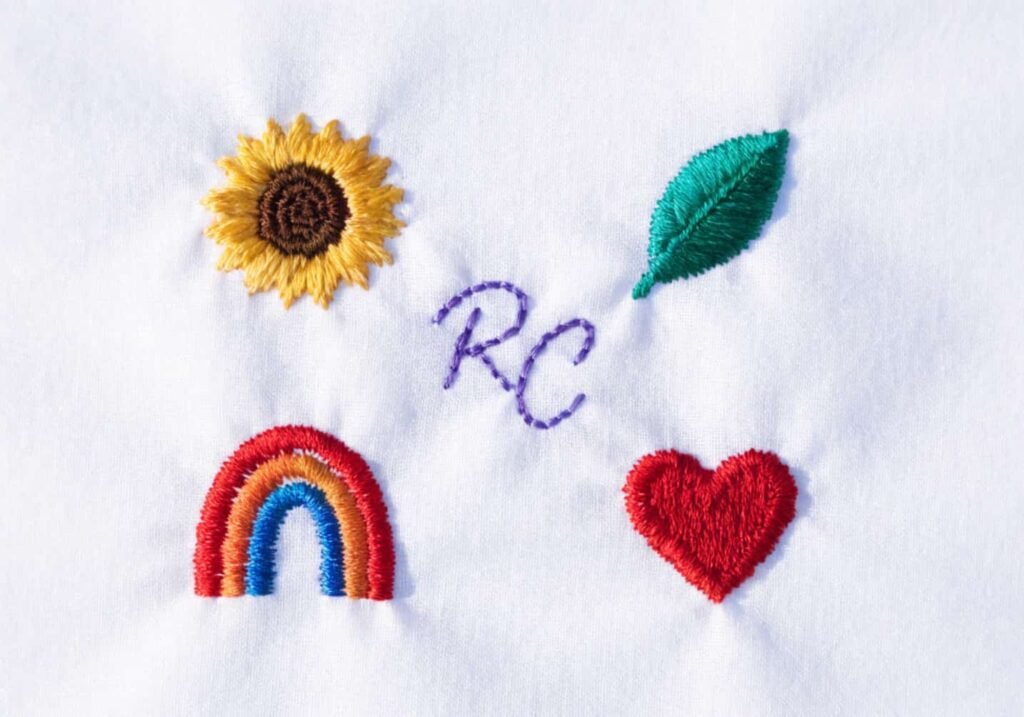
If you are unsure what to stitch first, a few classic beginner friendly designs work wonderfully for building confidence. A simple sunflower using satin stitch petals and french knots for the center is forgiving and looks impressive despite being easy. Basic leaf patterns using stem stitch help you practice smooth curved lines. Your initials or a short word in backstitch teach letter spacing and steady hand control. A tiny rainbow using straight lines across a hoop introduces color blending in a low pressure way. Lastly, a simple heart outline using split stitch is great for practicing consistent stitch length. When I worked through these five designs one by one over a couple of weeks, I noticed real improvement in my stitch consistency each time, and honestly it felt like a fun personal challenge rather than boring practice.
How to Manage Time and Patience
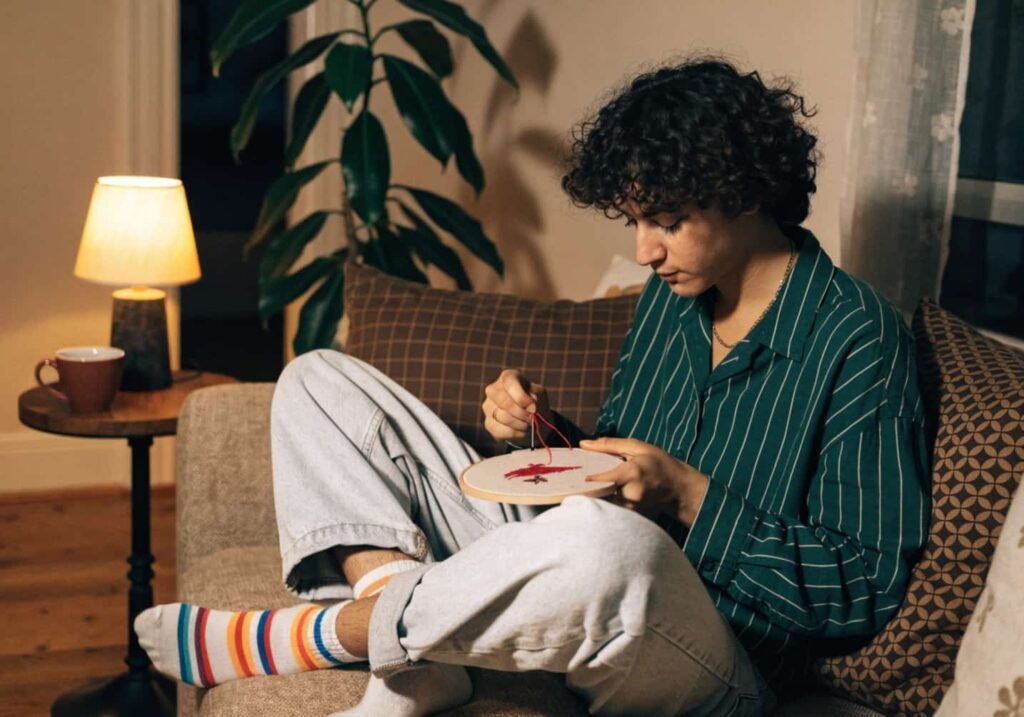
Embroidery is genuinely a slow craft, and rushing through it usually leads to messy results and unnecessary frustration. It helps to set realistic expectations from the start, maybe stitching for twenty to thirty minutes at a time instead of forcing yourself through a marathon session. Some evenings I only manage a few rows before my eyes get tired, and that is perfectly fine because embroidery is not a race against anyone. Treat it like a relaxing hobby rather than a task on your to-do list, and the patience will come naturally as you get absorbed in the rhythm of stitching. Playing a podcast or soft music in the background can also make longer sessions feel enjoyable instead of tedious. Over time, your hands get faster and more confident, but that only happens when you allow yourself the grace to go slow in the beginning.
Where to Find Free Patterns
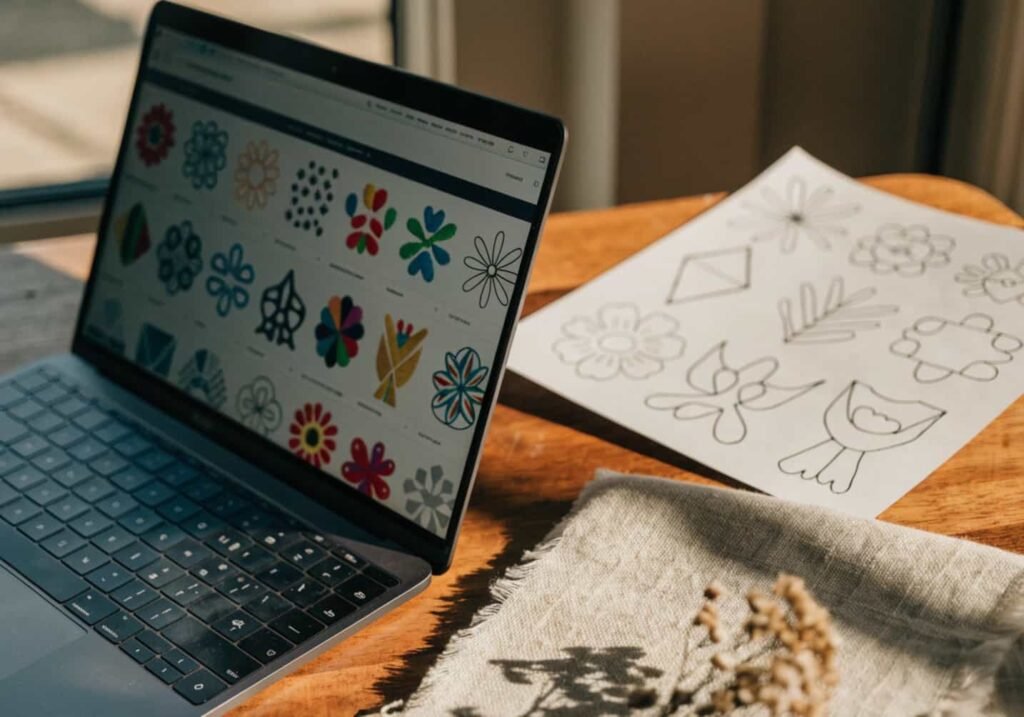
You do not need to spend money on patterns when you are just starting out, since there are plenty of free resources available online. Pinterest is a great place to search for beginner embroidery patterns, and many creators share printable PDF templates for free. YouTube tutorials often include downloadable outlines you can trace directly onto fabric using a lightbox or even a sunny window. Craft blogs run by hobbyist stitchers frequently post seasonal or simple nature themed designs at no cost. I found my very first proper flower pattern through a small blogger’s website, and it turned out to be one of my favorite pieces even months later. Once you feel more confident, you can also try sketching your own simple shapes freehand, which adds a personal touch that a store bought pattern simply cannot replicate.
Tips to Complete Your First Project
Finishing your very first embroidery project matters more than making it perfect, so keep that in mind whenever frustration creeps in. Break your work into small sessions rather than expecting to complete it in one sitting, since fatigue often leads to sloppy stitches near the end. Keep your thread length manageable, roughly the length of your forearm, to avoid excessive tangling as you work. If a stitch looks uneven, resist the urge to unpick everything and start over, because embroidery has a charming handmade quality that does not need to be flawless. I still remember almost giving up halfway through my first bookmark project because a few stitches looked crooked, but finishing it anyway taught me more than restarting ever would have. Celebrate that first completed piece, no matter how small or imperfect, because it marks the real beginning of your embroidery journey.
The Journey From Beginner to Confident Stitcher
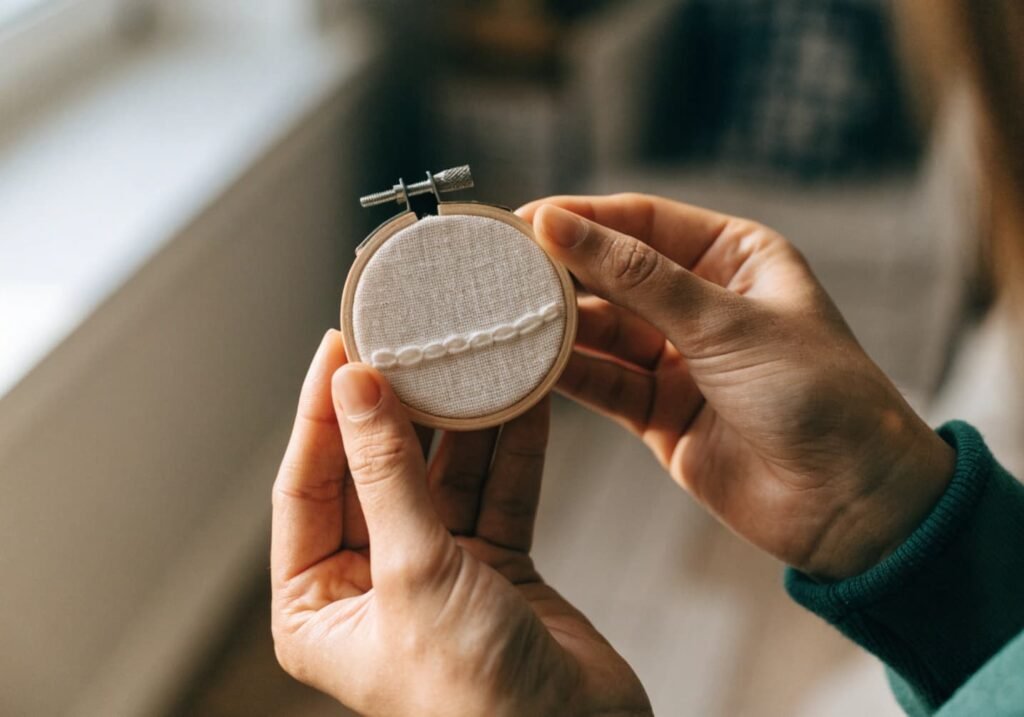
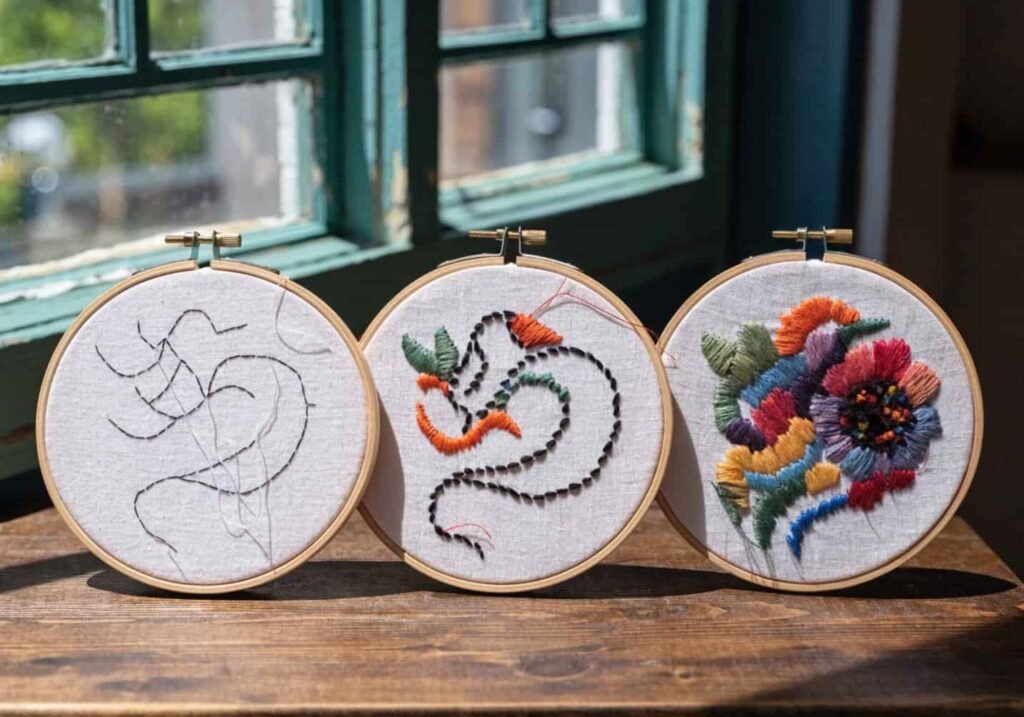
Every confident embroidery artist you admire online started exactly where you are now, fumbling with knots and uneven stitches. The transformation from beginner to confident stitcher does not happen overnight, it happens through dozens of small hoops finished over weeks and months. Each project teaches you something new, whether it is better tension control, smoother curves, or simply more patience with yourself. Looking back at my early pieces now, I can clearly see how far my stitching has improved, and honestly those wobbly first attempts still hold a special place in my heart. Do not compare your beginning to someone else’s years of practice, because that comparison only steals the joy from your own progress. Keep stitching consistently, try new patterns when you feel ready, and trust that confidence will build quietly with every single project you complete.
Conclusion
Embroidery is one of those crafts that rewards patience more than talent, and every beginner has the ability to grow into a confident stitcher with time and practice. Start small, choose the right fabric, keep your tools simple, and do not be too hard on yourself when early stitches look imperfect. Every crooked stitch and tangled thread is part of the learning process, and honestly, those small struggles make the finished pieces feel even more rewarding. Pick up a hoop, try one of the easy designs mentioned above, and give yourself permission to enjoy the slow, meditative rhythm of stitching. Before you know it, you will look back at your first project the same way many stitchers do, with a smile and a little pride at how far you have come.