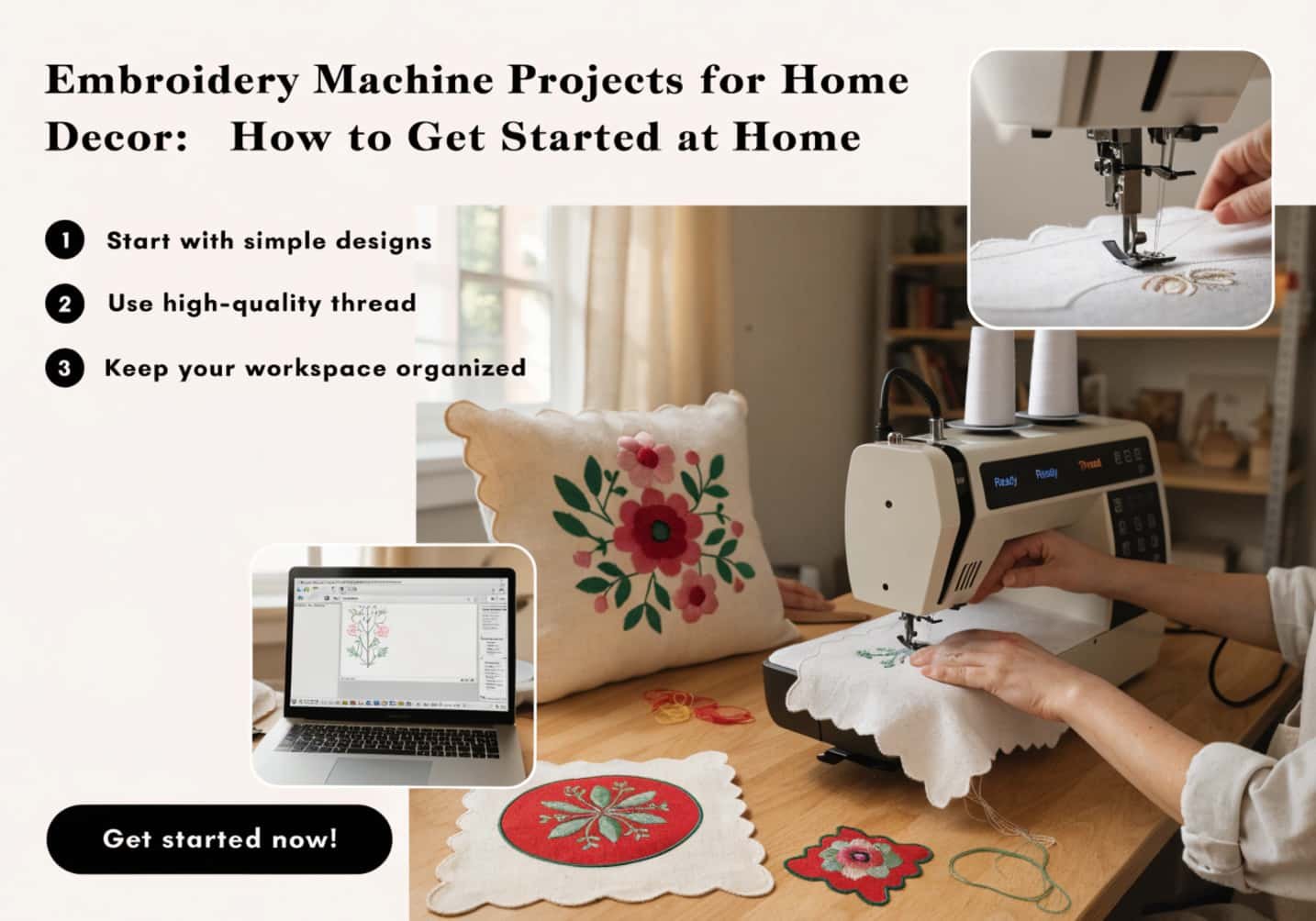
If you have ever looked at a plain cushion cover or a boring kitchen towel and thought “this needs something more,” then you already understand why so many people are falling in love with home embroidery machines. It is not just about stitching pretty patterns anymore. It is about turning ordinary household items into something that actually feels like yours. I remember the first time I ran a simple floral design on an old pillowcase in my living room, and honestly, the difference it made to the whole corner of the room surprised me. This article walks you through practical, doable embroidery machine projects for home decor, one section at a time, so you can start small and build confidence as you go.
Choosing the Right Fabric for Home Decor
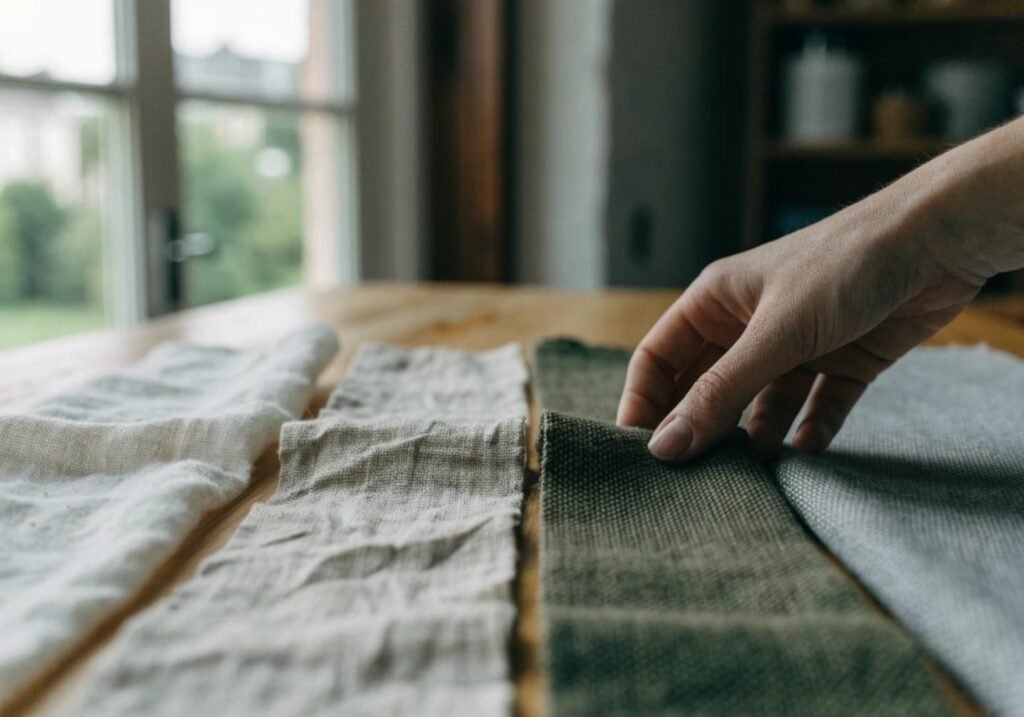
Choosing the right fabric is honestly where most beginners either set themselves up for success or end up frustrated within the first ten minutes. Cotton and linen blends are usually the safest bet for home decor projects because they hold stitches well without puckering too much. If you are working on something like curtains or table linens, medium-weight fabrics behave much better under the needle than thin, slippery materials. I learned this the hard way when I tried stitching on a silky fabric for a cushion cover and ended up with uneven, bunched-up stitches that took forever to fix. Always test a small scrap piece first before committing to the actual project. A good stabilizer underneath also makes a huge difference, especially on fabrics that stretch or shift easily during stitching.
Machine Embroidery Designs on Cushion Covers
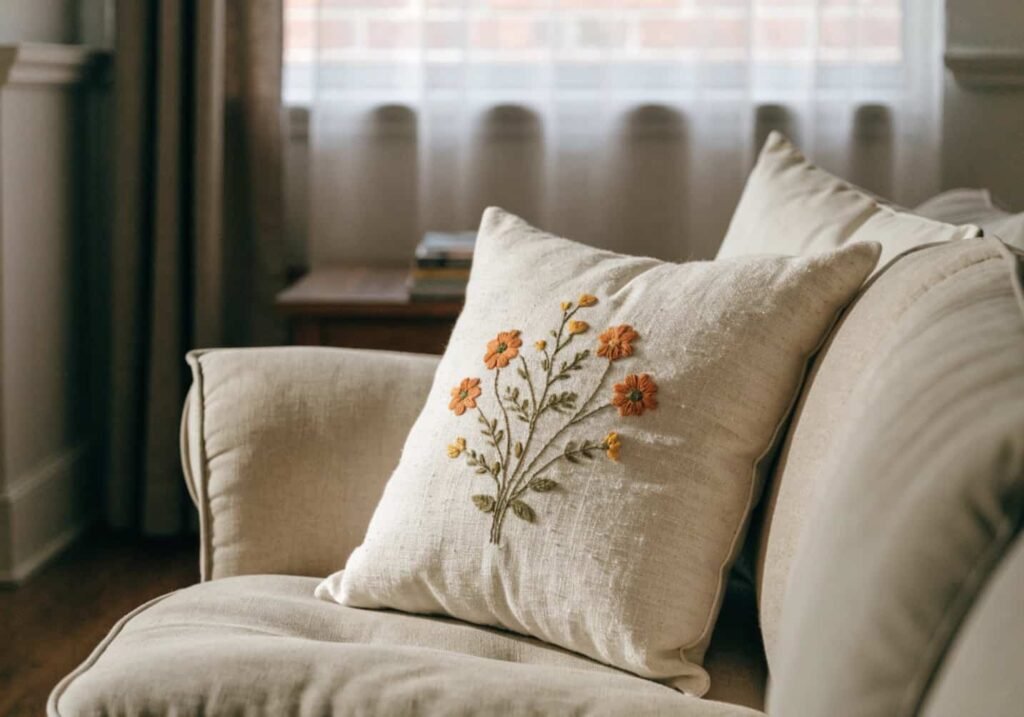
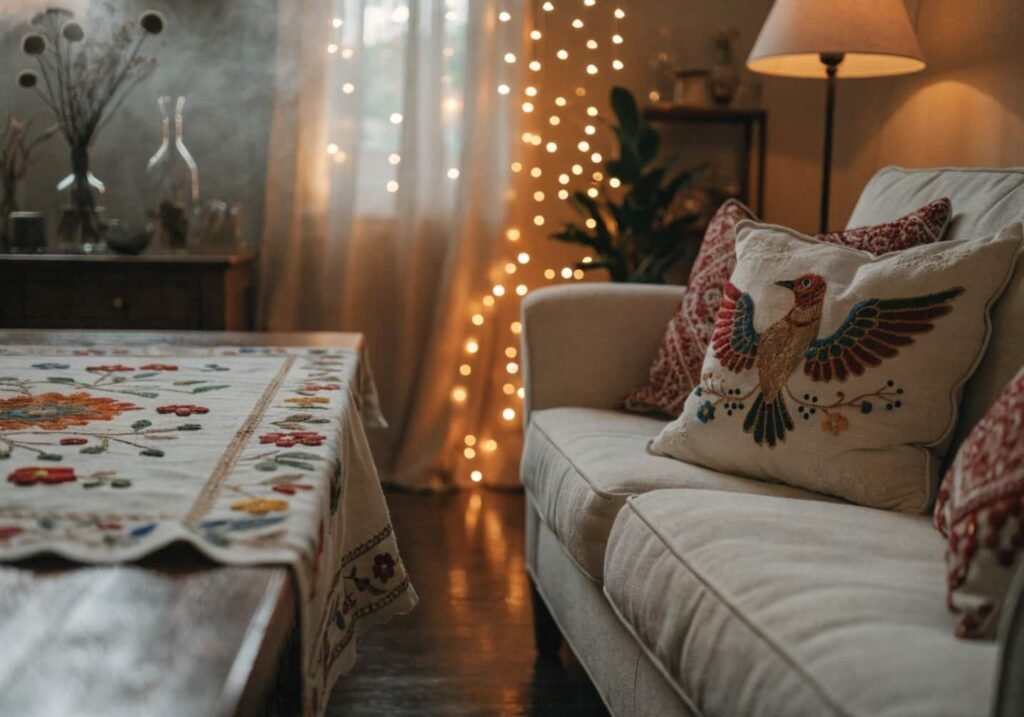
Cushion covers are probably the easiest and most satisfying place to start your embroidery journey. They are small, forgiving, and you get to see the finished result fairly quickly compared to bigger projects. A simple monogram in the corner, a small floral bunch, or even a geometric pattern can completely change how a plain cushion looks on your sofa. What I really like about cushion covers is that you can experiment with bold colors and playful designs without worrying too much about matching the rest of your room’s theme, since cushions are meant to be changed around anyway. If you are just starting out, stick to smaller, simpler motifs before attempting anything too detailed, because dense stitching on cushion fabric can sometimes make it feel stiff.
Ideas for Table Runners and Placemats
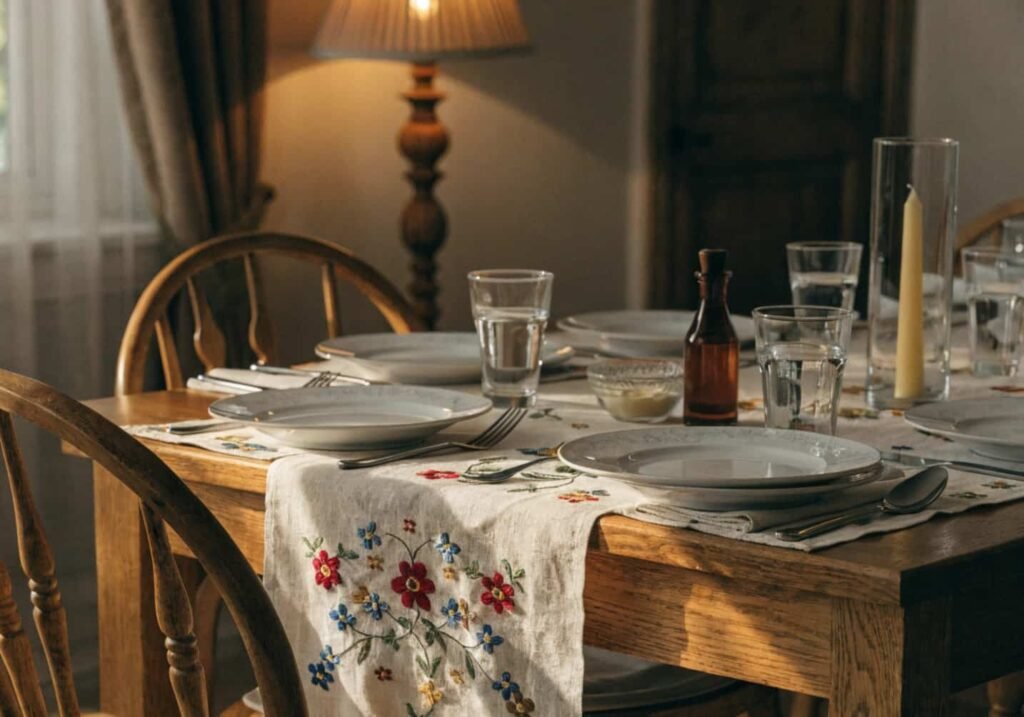
Table runners and placemats give you a lot more room to play with borders and repeated patterns compared to smaller items. This is where machine embroidery really starts to shine, because you can run the same motif along the edges to create a cohesive, put-together look for your dining table. I once made a set of placemats with a simple leaf border for a family dinner, and the compliments I got made me realize how much a small detail like that can elevate an everyday table setting. Linen or cotton blends work best here since they hold their shape and drape nicely once placed on the table. Keep your color palette consistent with your dinnerware or table cloth so everything feels intentional rather than random.
Machine Embroidery Work on Curtain Borders
Curtains take a bit more patience because of their size, but the payoff is worth it. Instead of embroidering the entire curtain, which can be time-consuming and heavy on the fabric, focus on the borders and hems. A delicate vine pattern or a simple scalloped edge along the bottom of the curtain adds just enough detail without overwhelming the room. I tried this on a plain white curtain in my bedroom, adding a thin border along the edge, and it genuinely looked like something from a home decor store rather than a DIY project. Make sure your embroidery hoop can accommodate the fabric width you are working with, and always support the extra fabric weight while stitching so it does not pull and distort your design.
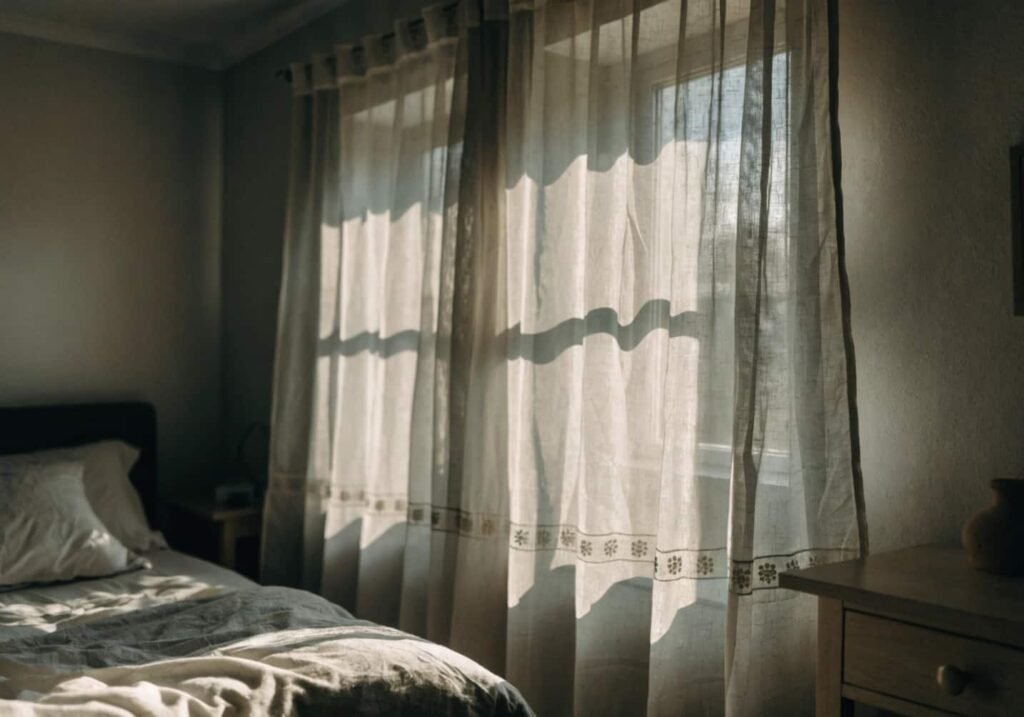
Wall Hanging and Tapestry Projects
Wall hangings and small tapestries are a fun way to use your embroidery machine for something more artistic rather than purely functional. You get complete creative freedom here since there is no worrying about washing durability or daily wear and tear like with cushions or towels. I made a small embroidered piece with a simple mandala design and framed it in an embroidery hoop itself, which saved me the trouble of buying a separate frame. This kind of project also makes a wonderful handmade gift, something people genuinely appreciate more than store-bought decor. Try mixing different thread textures, like matte and slightly shiny threads, within the same piece to add depth and make the design feel more layered and interesting.
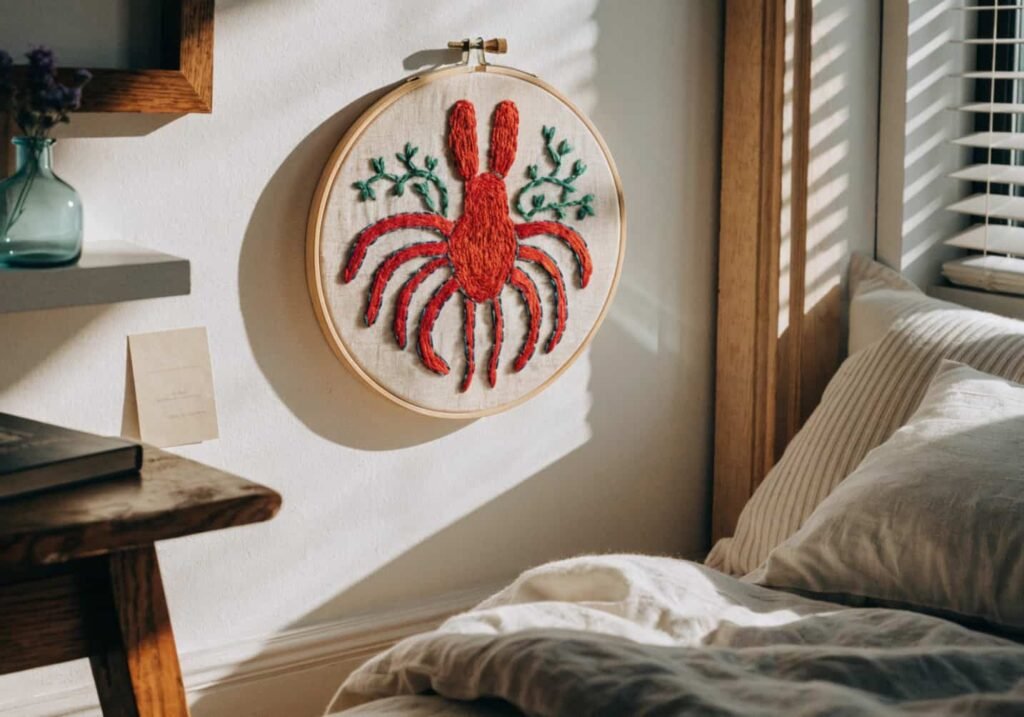
Personalizing Bedsheets and Pillowcases
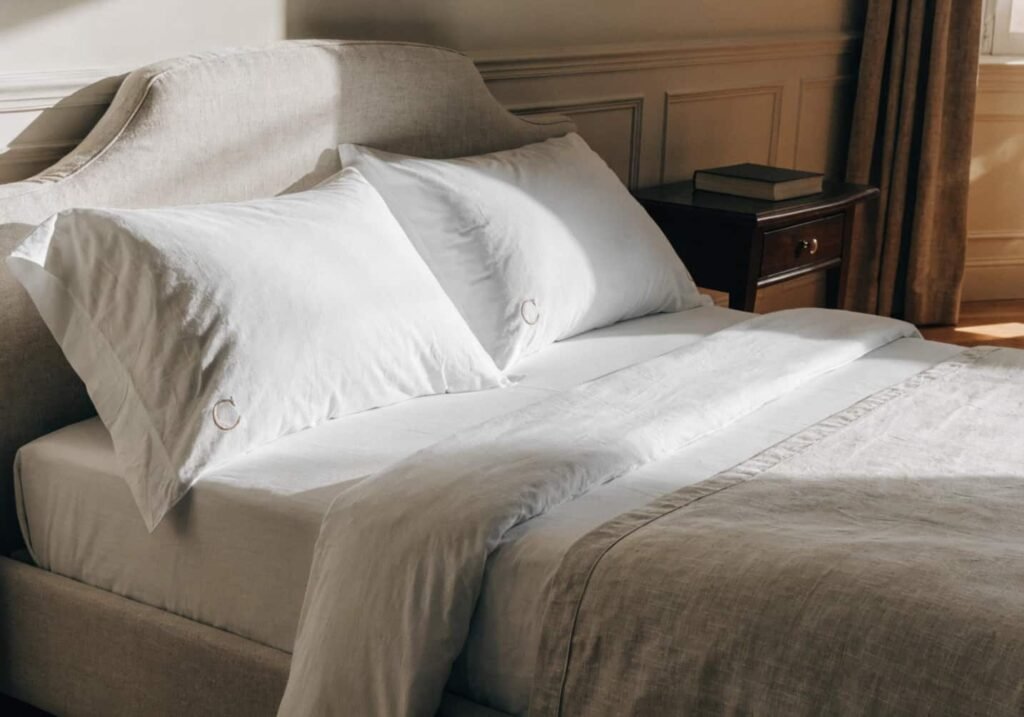
Personalizing bedsheets and pillowcases is one of those projects that feels small but makes a surprisingly big difference to how your bedroom feels every single day. A monogrammed initial on the corner of a pillowcase or a subtle pattern along the edge of a bedsheet gives it a boutique-hotel kind of feel without spending boutique-hotel money. I did this for my parents’ anniversary, adding both their initials on a set of pillowcases, and it turned out to be one of the more meaningful gifts I have given. Since bedsheets go through frequent washing, use good quality thread that will not fade or fray quickly. Keep the design placement away from areas that get the most friction, like where your head rests, so the stitching lasts longer.
Cute Machine Embroidery on Kitchen Towels
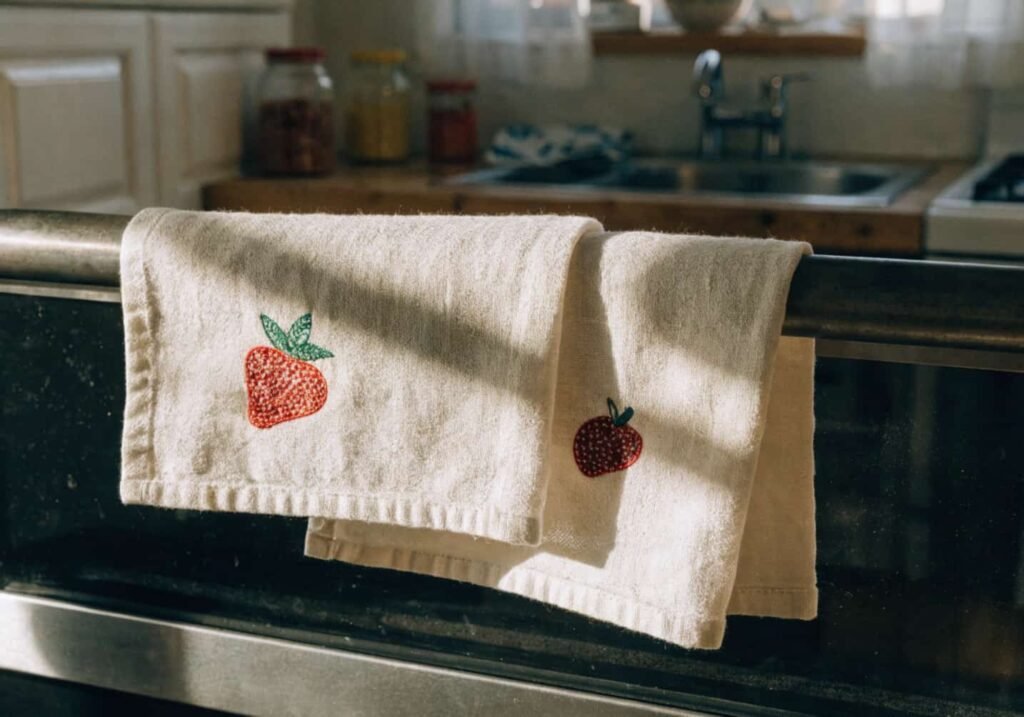
Kitchen towels are such an underrated project because they are practical, quick to make, and honestly just fun to design. Little food-themed motifs, cute quotes, or simple fruit patterns work great here since kitchen decor tends to be more playful compared to other parts of the house. I made a set of towels with tiny coffee cup designs for my own kitchen, and now every time I use one, it just makes the morning routine feel a little more cheerful. Because kitchen towels get used and washed constantly, go with cotton fabric and durable thread that can handle frequent laundering. These also make great little gifts for housewarmings since they are affordable to make but still feel thoughtful and personal.
Seasonal Home Decor – Festive Embroidery Designs
One of the best parts of owning an embroidery machine is being able to switch up your home decor with the seasons without spending a fortune every time. Small festive motifs on cushion covers, table runners, or wall hangings can instantly bring a seasonal mood into your home. During the festive season last year, I switched out my regular cushion covers for ones with simple lantern and floral motifs, and it completely changed the mood of the living room without a full decor overhaul. You do not need to make entirely new items every season either. Removable embroidered patches or covers that slip over your existing decor items are a smart, budget-friendly way to rotate your look throughout the year.
Giving Your Home Decor a Professional Touch with Machine Embroidery
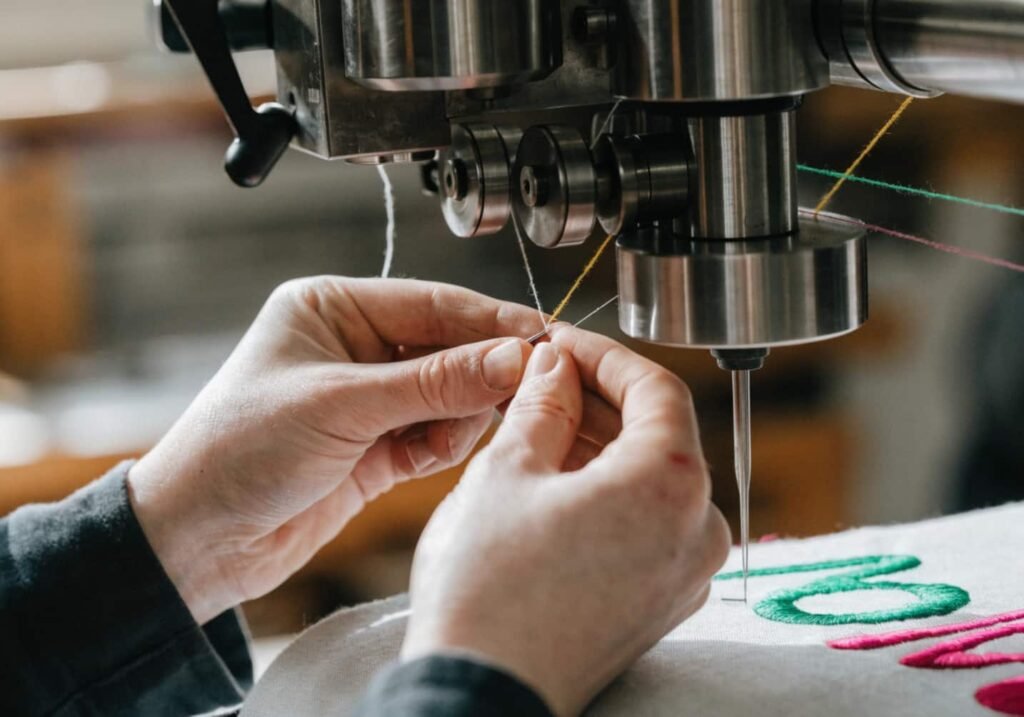
Getting that polished, professional look in your embroidery work really comes down to small details that most beginners overlook at first. Consistent tension settings, proper hooping so the fabric does not shift, and choosing the right needle for your fabric type all play a bigger role than people expect. I noticed a huge jump in the quality of my own projects once I started paying attention to thread weight and matching it properly to the fabric I was using. Ironing your finished piece carefully from the back side also helps the stitches sit flatter and look more refined. Little habits like these are really what separate a homemade-looking project from one that could pass for something bought from a proper home decor store.
Conclusion
Starting with machine embroidery for your home does not need to be complicated or expensive. Pick one small project, maybe a cushion cover or a single kitchen towel, and just get your hands moving. Every stitch you practice teaches you something new about tension, fabric behavior, and design placement. Before you know it, your home will be filled with little handmade touches that no store-bought item could ever replace, and honestly, that feeling of walking into a room and seeing something you made yourself is worth every mistake along the way.