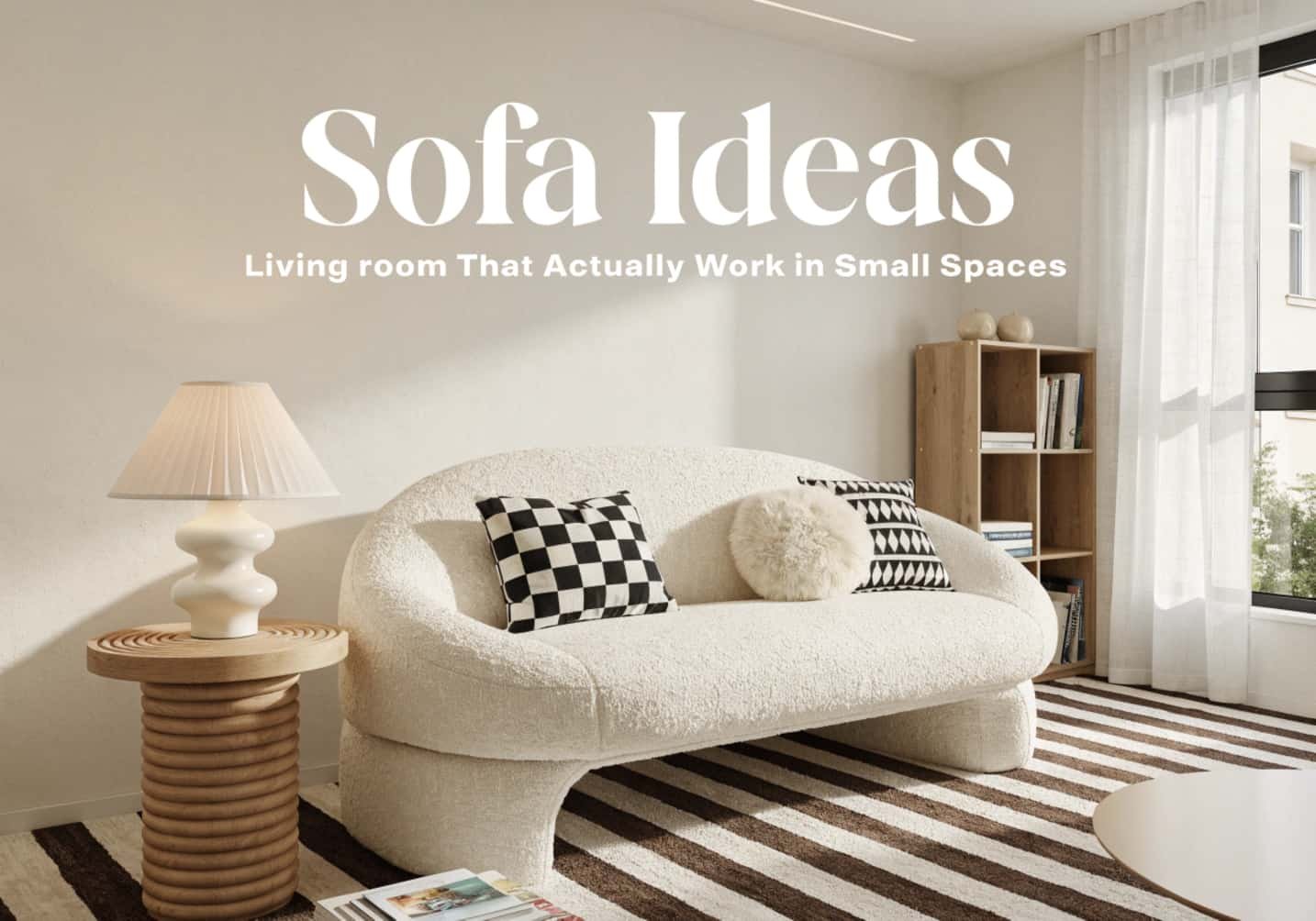
Fitting a Sofa Ideas Living room can feel like solving a puzzle where none of the pieces quite match. You measure the wall, you measure the sofa, and somehow it still looks like it’s going to swallow the whole room. If you’ve ever stood in a furniture store convinced that every sofa was built for a mansion, you’re not alone. Small apartments, studio units, and rental homes need furniture that works with the space instead of against it. This guide walks through practical, real-world sofa choices that save floor space without making your living room feel like a waiting room. No fluff, just the stuff that actually matters when your square footage is limited.
Why a Loveseat Might Be Smarter Than a Full Sofa
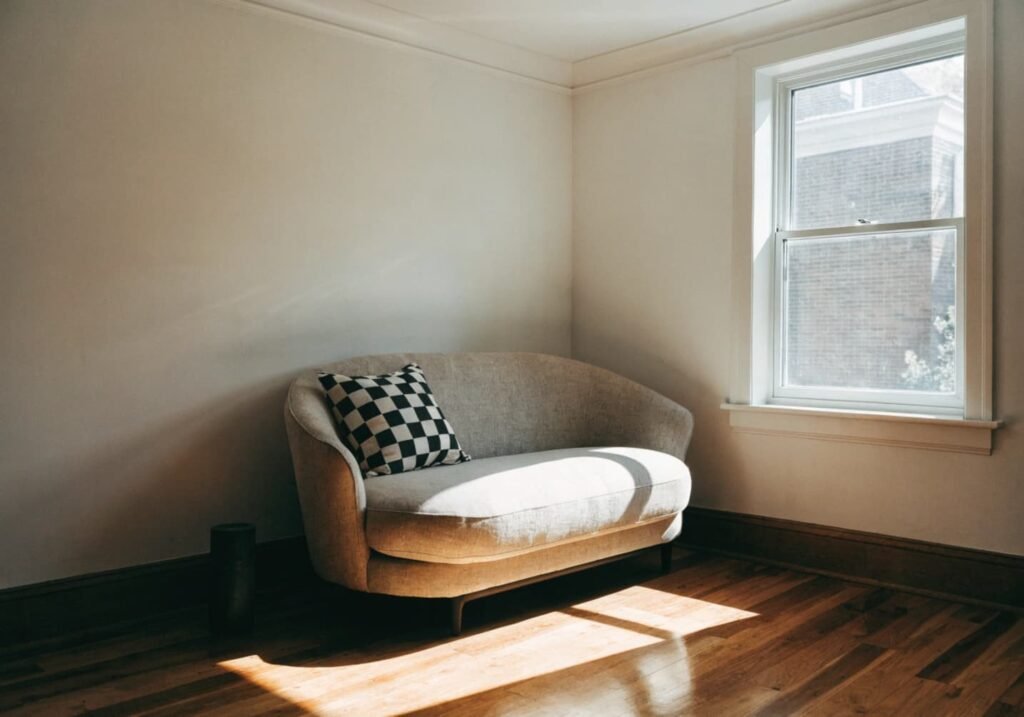
A loveseat gets overlooked a lot, mostly because people assume bigger always means comfier. That’s not really true once you live with a giant sofa crammed into a small room. A loveseat usually seats two comfortably, sometimes three in a pinch, and it frees up walking space that a full-size sofa would eat alive. Think about a studio apartment where the sofa doubles as your movie night spot and your coffee spot. A loveseat lets you keep a side table, a lamp, maybe even a small bookshelf nearby without everything feeling stacked on top of each other. Honestly, once you sit on a good loveseat, you stop missing the extra cushions. It’s less about giving something up and more about gaining breathing room back.
Sleeper Sofas That Don’t Eat Up Your Living Room
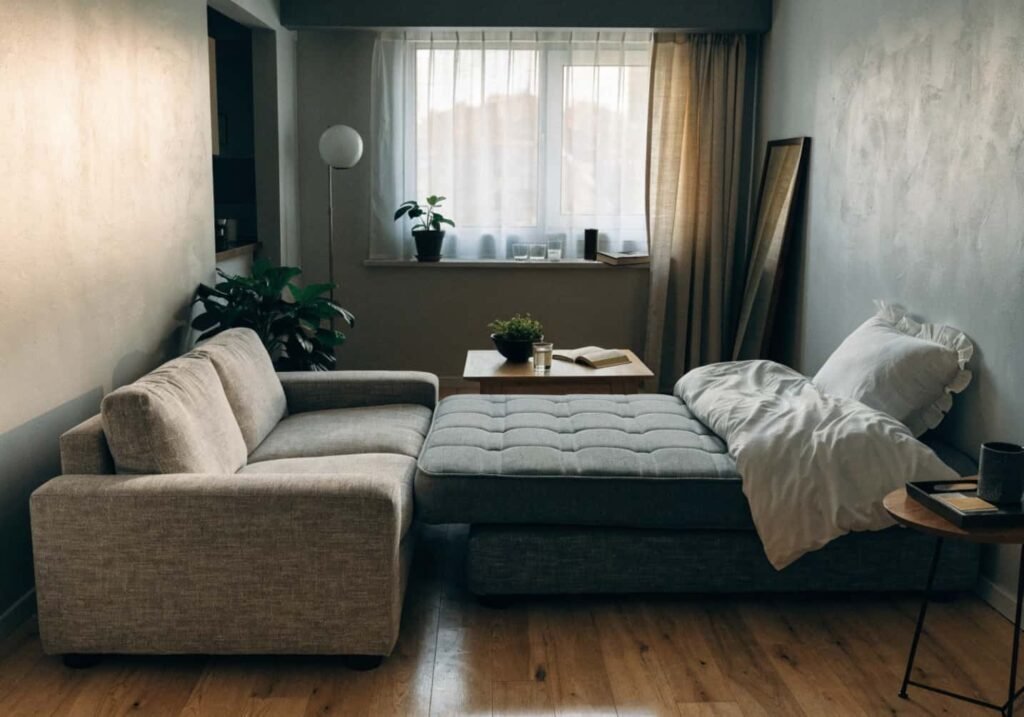
Sleeper sofas used to have a bad reputation for being bulky and awkward, the kind that turned your living room into a furniture showroom. That’s changed a lot. Newer designs fold flat, tuck in cleanly, and don’t leave a huge metal frame sticking out when they’re closed up. If you host guests occasionally or you’re working with a studio setup where the living room is also the bedroom, a slim sleeper sofa solves two problems at once. Look for ones with a low profile and legs instead of a boxy base, since that alone makes the piece feel less heavy in the room. A good sleeper sofa should look like a regular sofa most days and only reveal its second job when you actually need it.
Slim-Arm Sofas for Narrow Rooms
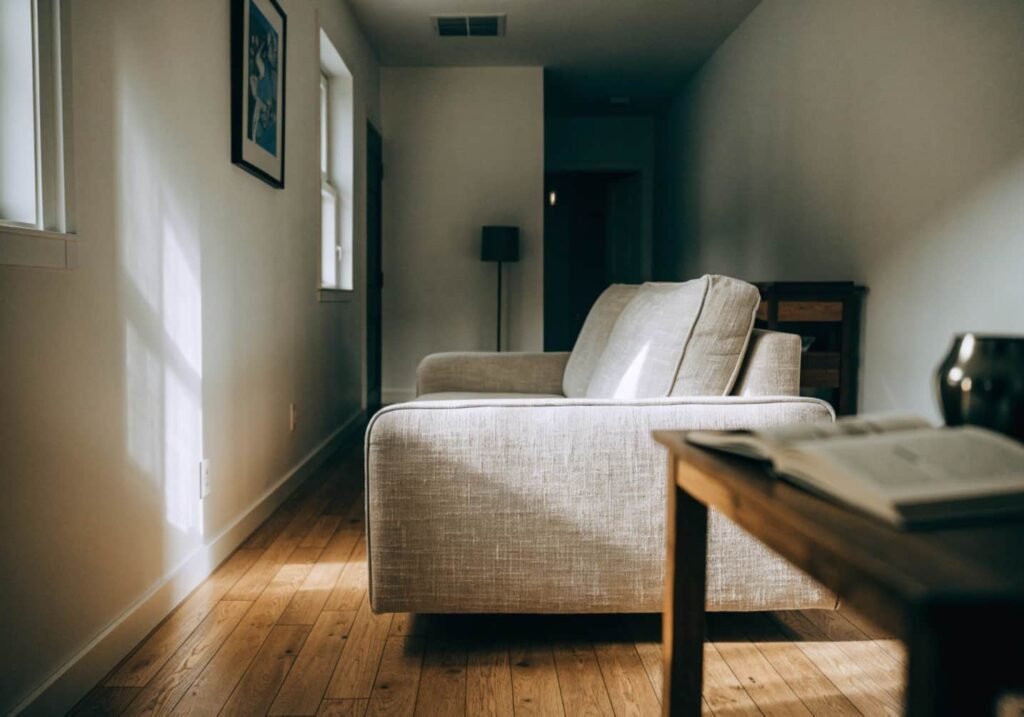
Narrow rooms are their own kind of headache. You’ve got length but almost no width, and a sofa with chunky arms just steals inches you can’t spare. Slim-arm sofas trim down that wasted bulk without shrinking the actual seat depth, so you’re not sacrificing comfort just to fit through the doorway. This is one of those small design choices that makes a bigger difference than people expect. A few extra inches on each side might not sound like much, but in a narrow living room, that’s the difference between walking past comfortably and squeezing by sideways. If your room is long and skinny, like a lot of railroad-style apartments, this is one detail worth checking before anything else.
How to Pick a Sofa When Your Room Is Under 150 Sq Ft
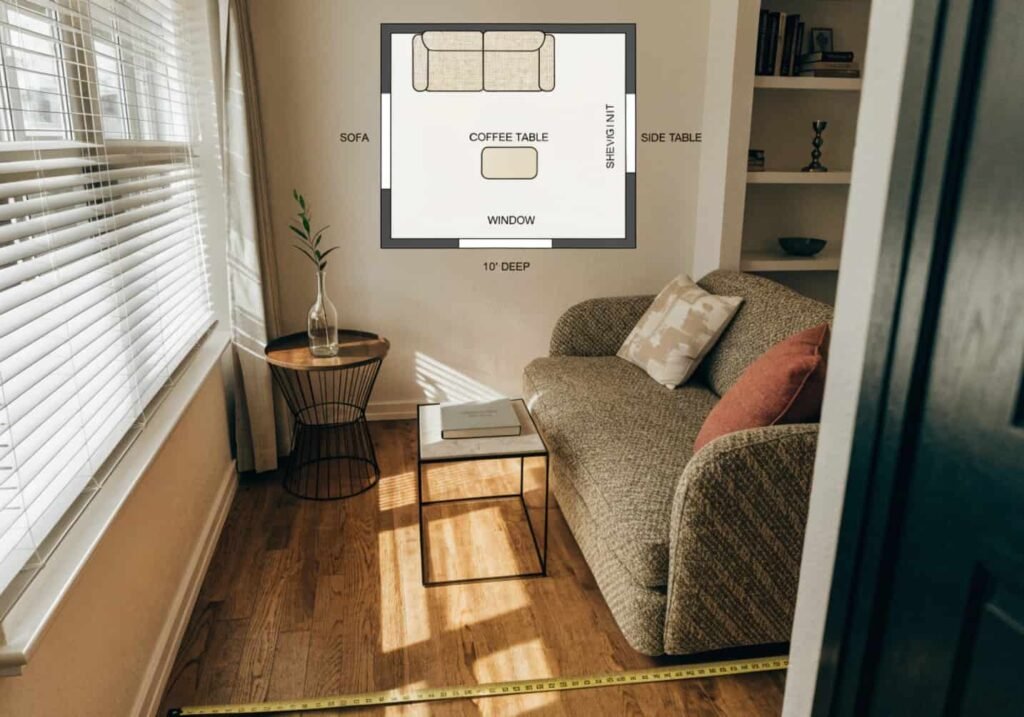
Once your living room drops under 150 square feet, every single piece of furniture has to earn its spot. Before buying anything, measure the room’s actual walking paths, not just the empty floor space. A sofa that technically fits against the wall can still block the natural flow between your kitchen and your seating area. As a rough guide, try to keep the sofa under a third of your room’s total width, and leave at least two feet of clearance for walking. Rooms this size also do better with lighter frames and legs rather than skirted bases that touch the floor, since that visual gap underneath makes the whole room read as more open. Would this fit your space? Measure twice before you buy, because returns on furniture are rarely fun.
Sofas on Legs: Why Raised Furniture Makes Rooms Feel Bigger
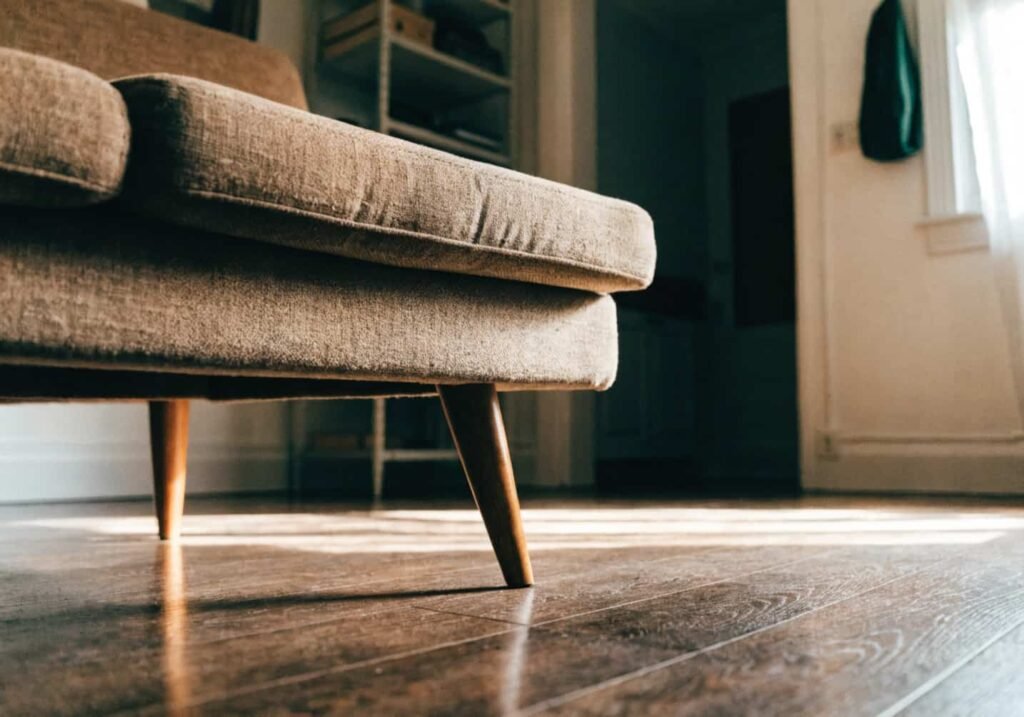
Here’s a trick that gets overlooked constantly: the space under your sofa matters just as much as the sofa itself. A skirted sofa that touches the floor all around blocks your eye from seeing the actual floor, which makes the whole room feel more cramped than it really is. Swap that for a sofa with visible wooden or metal legs, and suddenly there’s a gap of open floor peeking through underneath. That little sliver of visible flooring tricks your brain into reading the room as larger. Trust me, this one trick alone can change how big your room feels, even without moving a single other piece of furniture. It’s a small design detail, but it does a lot of quiet work.
Corner Sofas vs. Straight Sofas: Which Fits Small Rooms Better
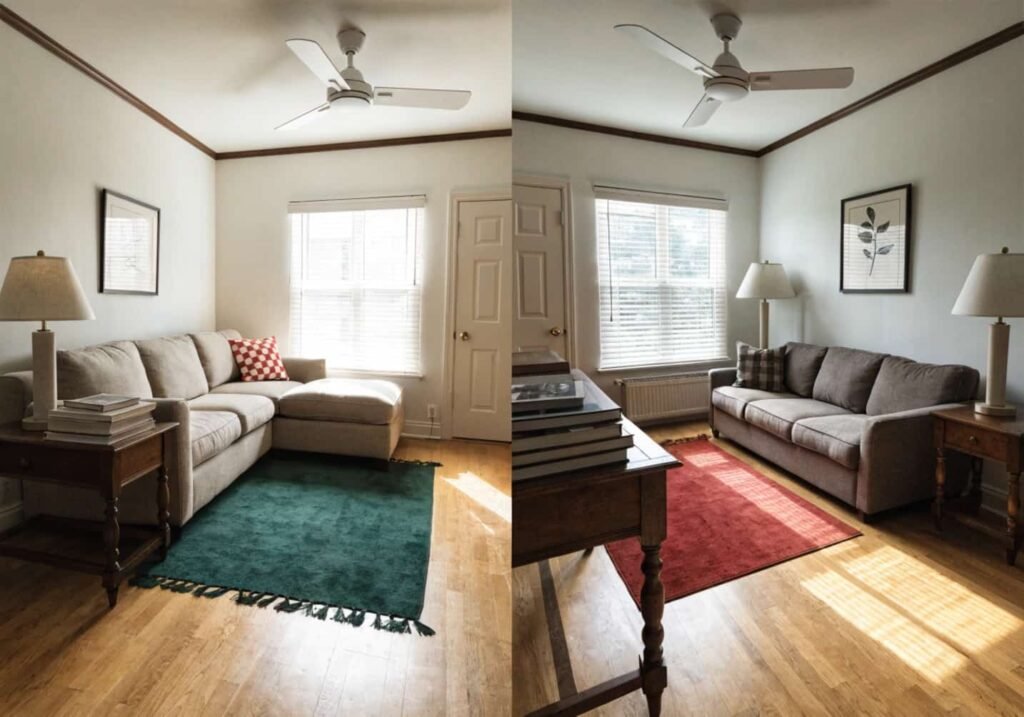
This one comes up constantly, and honestly, the answer depends on your room’s shape more than its size. Corner sofas, sometimes called sectionals, tuck into an unused corner and free up the center of the room, which works great if your living room is more square than rectangular. Straight sofas, on the other hand, hug one wall and leave the rest of the room open in a single sweep, which tends to work better in narrow or rectangular rooms. A lot of people assume corner sofas automatically save more space, but that’s not always true, especially if your corner was already dead space you weren’t using anyway. Walk your room, picture both layouts, and pick the one that leaves your main walking path the clearest.
Fold-Out and Nesting Sofas for Studio Apartments
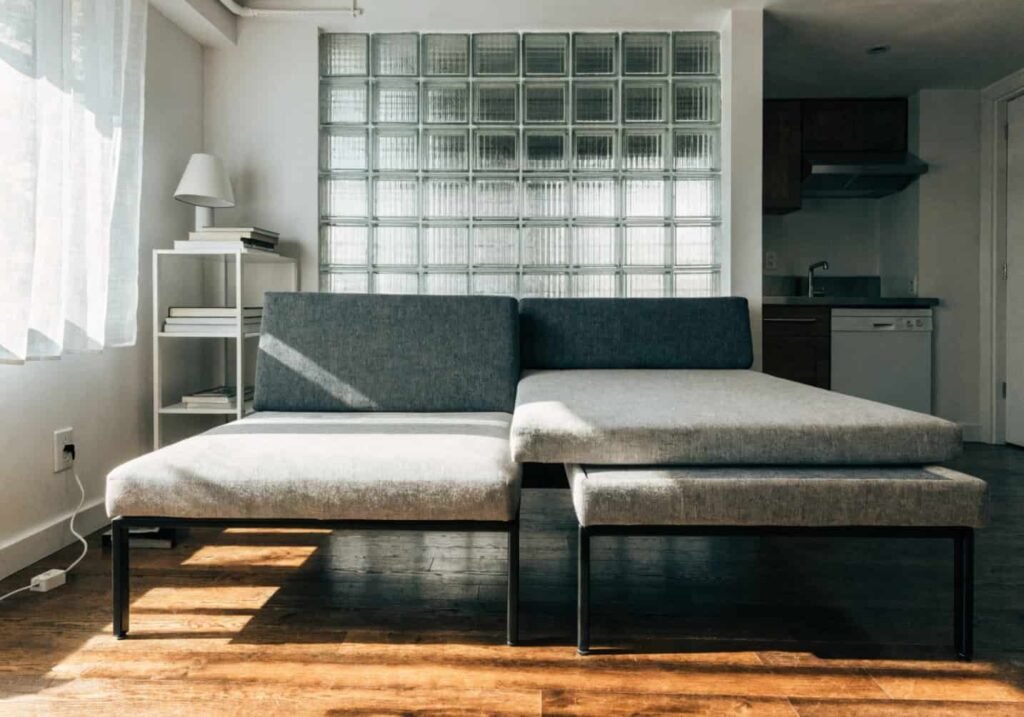
Studio apartments are basically the final boss of small-space furniture shopping. Everything has to multitask, and your sofa is no exception. Fold-out sofas that expand into daybeds or nesting sofa sets with modular pieces that tuck together give you flexibility without permanently committing floor space to one fixed layout. Some nesting designs even let you separate the pieces for movie night with friends, then push them back together the next morning. If you’re in a studio, think about how often your living area needs to shift roles during the day. A fold-out or nesting sofa handles that shift without you needing to drag furniture across the room every single time your needs change.
Light-Colored Sofas That Make a Small Room Feel Open
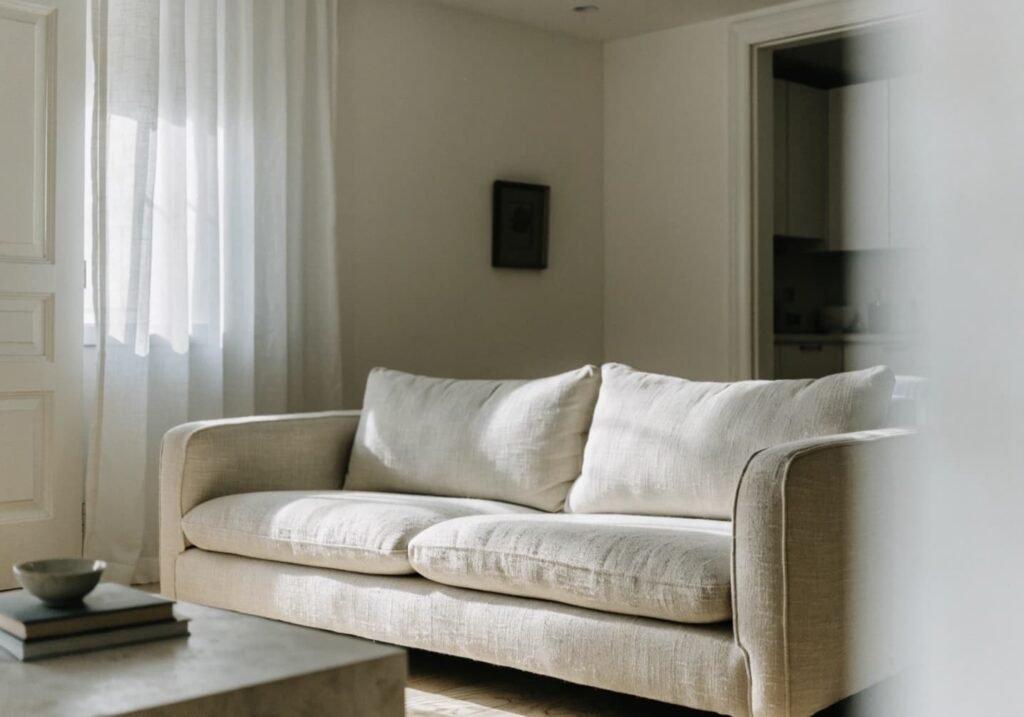
Color does more heavy lifting than most people give it credit for. A dark, heavy sofa in a small room tends to visually shrink the space, pulling attention and making the walls feel closer than they are. Lighter tones like cream, soft gray, or pale sand blend into the walls instead of standing out as a big block of furniture. This doesn’t mean your sofa has to be boring or plain. Add texture through a woven throw or a couple of patterned cushions, and you still get personality without losing that open, airy feeling. If your living room already leans dark because of the flooring or wall color, a lighter sofa can genuinely change how spacious the whole room feels the moment you walk in.
Apartment-Size Sofas Under 70 Inches Wide
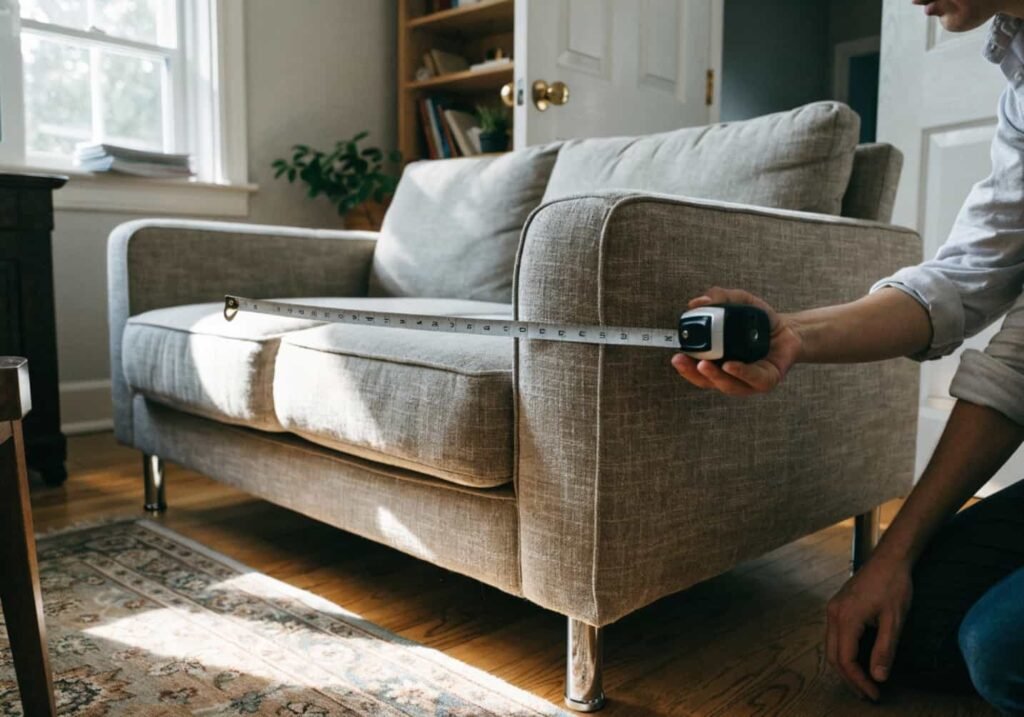
Standard sofas often run anywhere from 84 to 96 inches wide, which sounds fine until you actually try to walk it through a narrow apartment hallway. Apartment-size sofas, generally under 70 inches wide, are built specifically for tighter entryways and smaller rooms. To put that in everyday terms, that’s roughly the length of a queen mattress laid on its side, which gives you a clearer picture than just staring at a number. These smaller-scale sofas still seat two to three people comfortably, they just don’t demand as much real estate to do it. Before you fall in love with a sofa online, check both the room width and your doorway width, because a sofa that won’t fit through the door is a problem no measuring tape can fix after delivery day.
Placing Your Sofa Wrong Could Be Shrinking Your Room
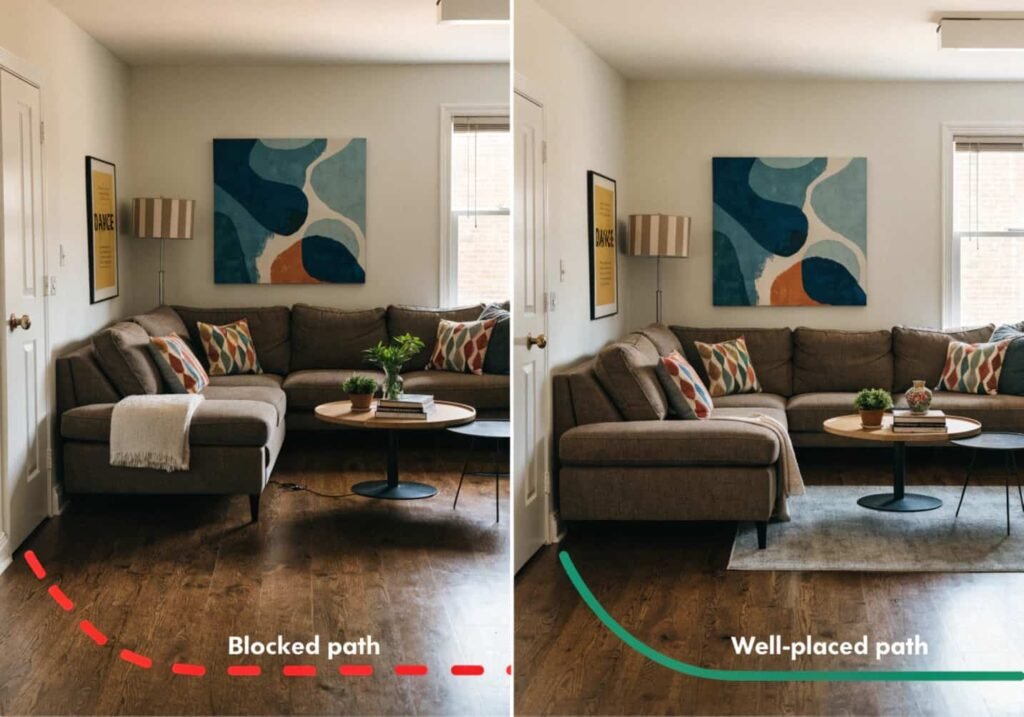
Sometimes the sofa itself isn’t the problem, it’s where you put it. Pushing a sofa dead center against the main wall might seem like the obvious choice, but it can actually block natural pathways and make the room feel more chopped up than it needs to be. Try floating the sofa slightly away from the wall if you have the depth, or angling it toward a window instead of the television. Blocking a window with a bulky sofa back cuts off natural light, which makes any room feel smaller no matter its actual size. Even shifting a sofa by a foot in either direction can open up a walking path that changes how the whole room functions. Placement mistakes are common, and thankfully, they’re also free to fix.
One Sofa, Many Uses: Multi-Purpose Picks for Tiny Living Rooms
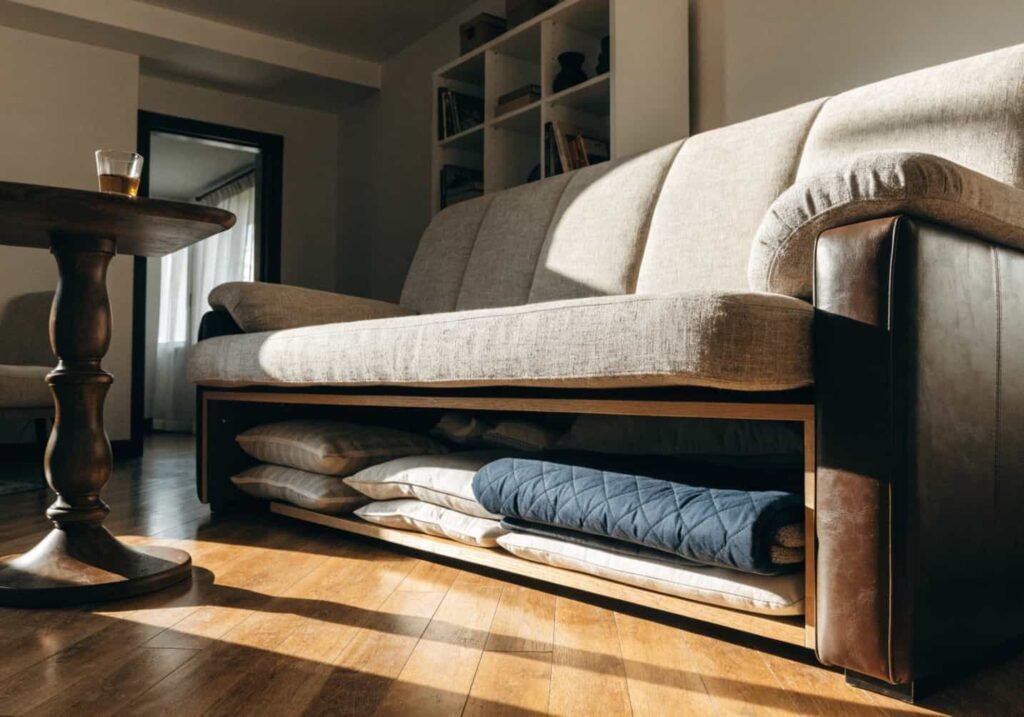
The best sofa for a tiny living room usually isn’t just a sofa. Look for pieces with built-in storage under the seat cushions, sofas that convert into daybeds, or modular sets where the ottoman doubles as extra seating or a coffee table. In a small apartment, every piece of furniture should be doing at least two jobs, otherwise it’s just taking up space you don’t have to spare. A storage sofa can hold extra blankets or off-season clothes, which frees up closet space elsewhere in the home. Multi-purpose furniture isn’t a compromise, it’s actually the smarter long-term choice once you start living with it day to day. Small rooms reward furniture that works harder, not furniture that just looks nice sitting there.
Conclusion
Choosing a sofa for a small space isn’t about settling for less, it’s about being smarter with what you have. Whether it’s swapping a bulky full sofa for a sleek loveseat, picking legs over a skirted base, or simply moving your current sofa a foot to the left, small changes add up fast. Bigger doesn’t automatically mean better, especially when that extra bulk is stealing the walking space you actually need every day. Measure your room honestly, think about how you really use the space, and pick furniture that pulls double duty whenever possible. A small living room can still feel open, comfortable, and welcoming, it just takes a little more thought before you hit buy.