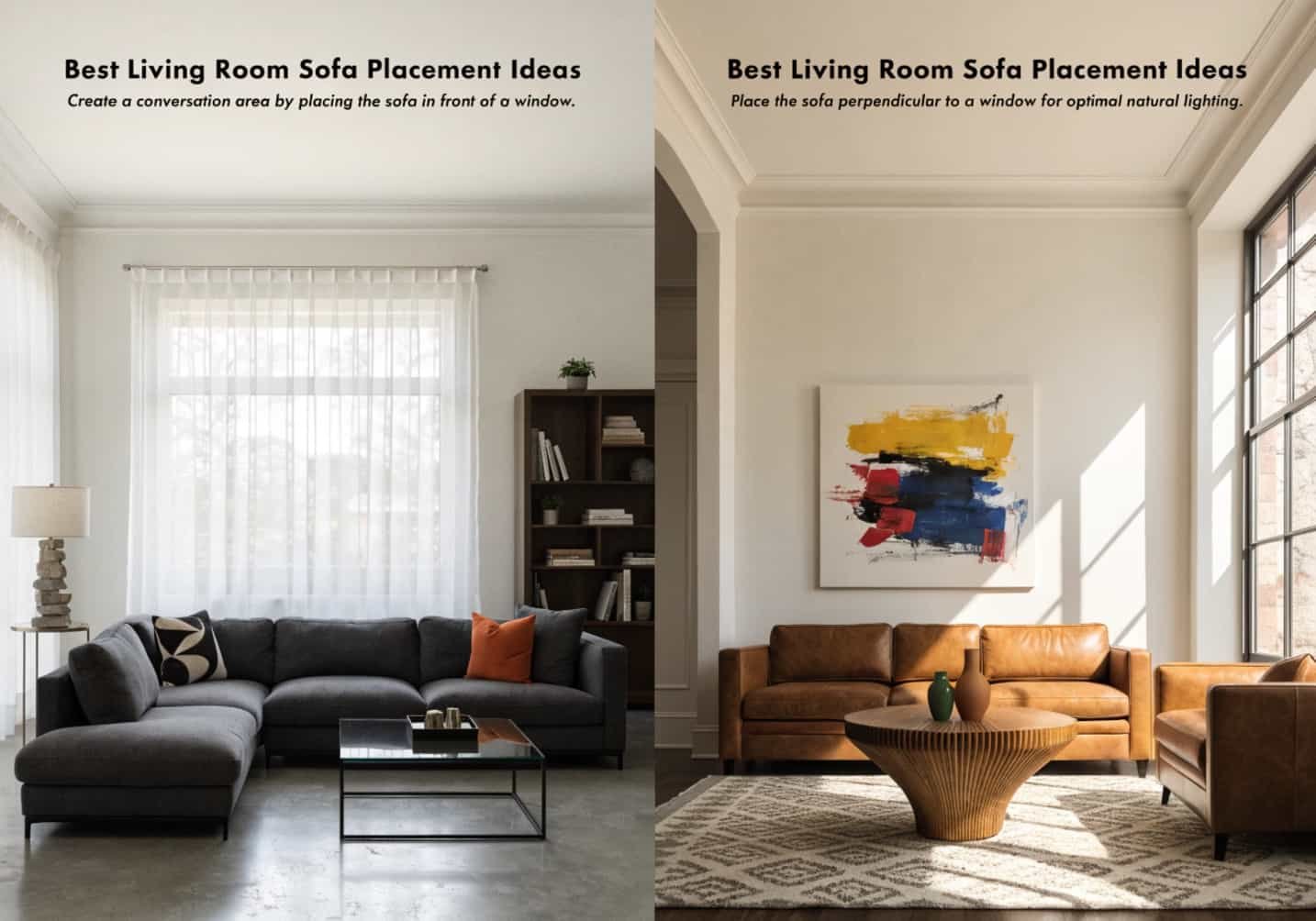
I moved apartments three times in the last five years, and every single time, the Living Room Sofa was the thing that gave me a headache. You’d think it’s just a couch, right? Push it against a wall, and you’re done. But no. Where you put your sofa changes how your whole room feels, how people talk to each other when they visit, and honestly, how much you enjoy just sitting there with your coffee in the morning. So I dug into what’s actually working for living rooms in 2026, tested a few of these myself, and I’m sharing what held up and what didn’t.
1. Corner Placement — Best Option for Small Rooms
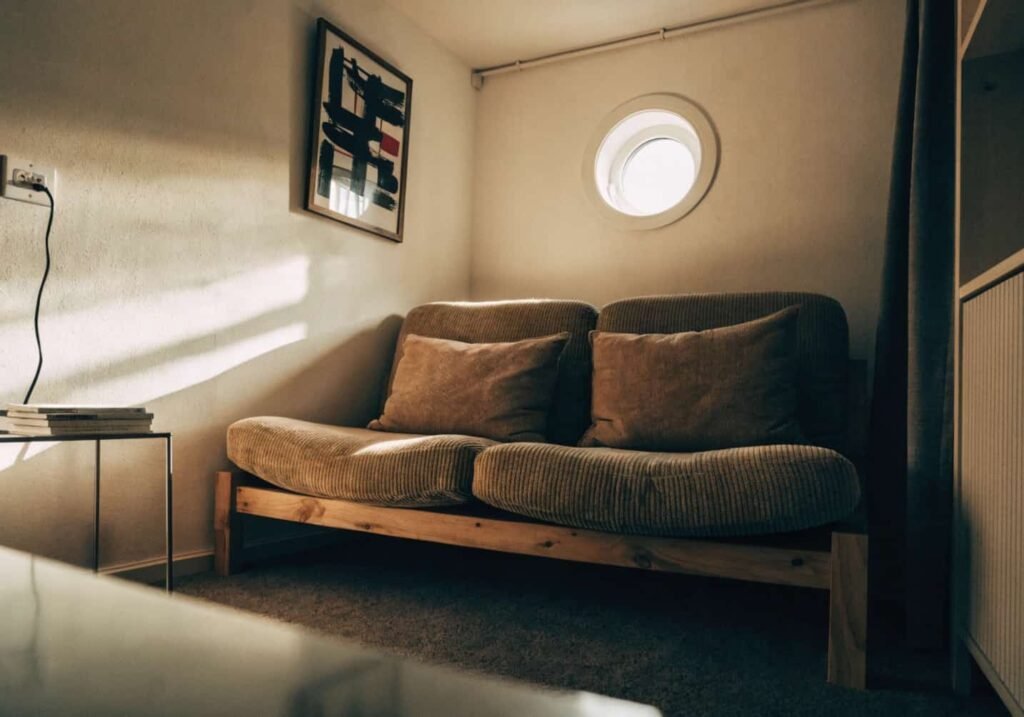
If your living room is on the smaller side, tucking the sofa into a corner is probably your best friend. It frees up the center of the room and makes the whole space breathe a little easier. I did this in my last apartment, which was barely 11 by 12 feet, and it genuinely opened things up more than I expected. You still get a comfortable seat, but you’re not blocking pathways or making people squeeze past furniture to reach the kitchen. Pair the corner sofa with a small side table and a floor lamp, and you’ve got a cozy reading nook without spending extra on furniture you don’t need.
2. Floating Sofa Layout — Moving Away From the Wall
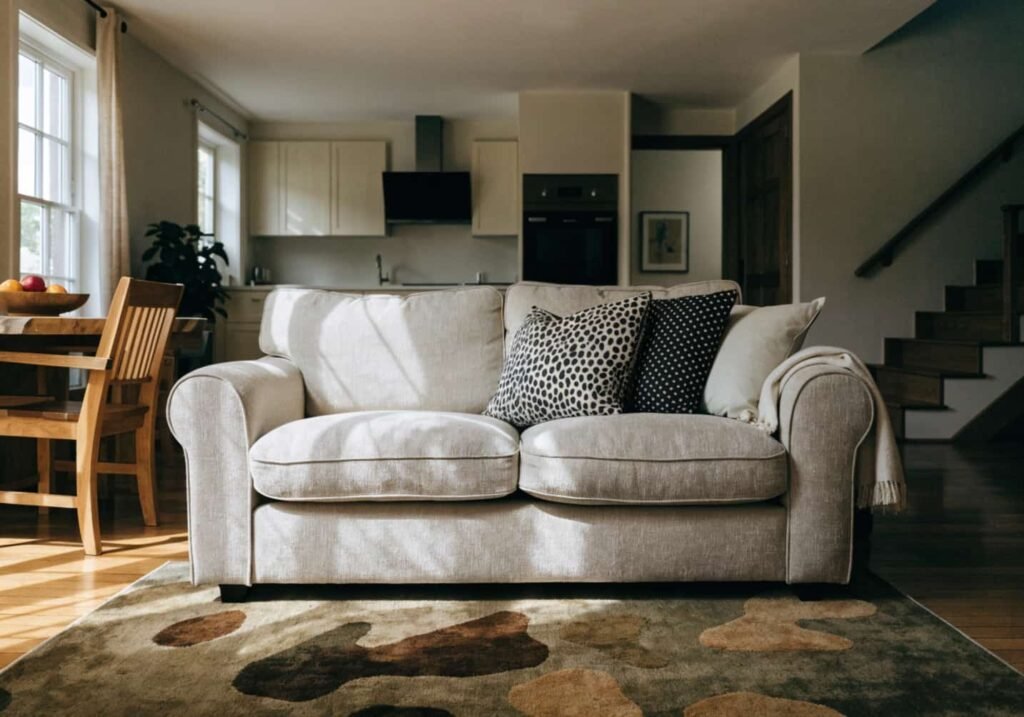
Here’s a trend that surprised me. People are pulling their sofas away from the wall now, letting them “float” in the middle of the room instead. My first reaction was, isn’t that a waste of space? But once I tried it in a friend’s apartment, it made total sense — the sofa became a divider between the living area and the dining space without needing an actual wall. It works especially well in open-plan homes where one room does three jobs at once. Just make sure you leave at least three feet behind the sofa so people can actually walk around it comfortably.
3. Sofa Facing the Focal Point
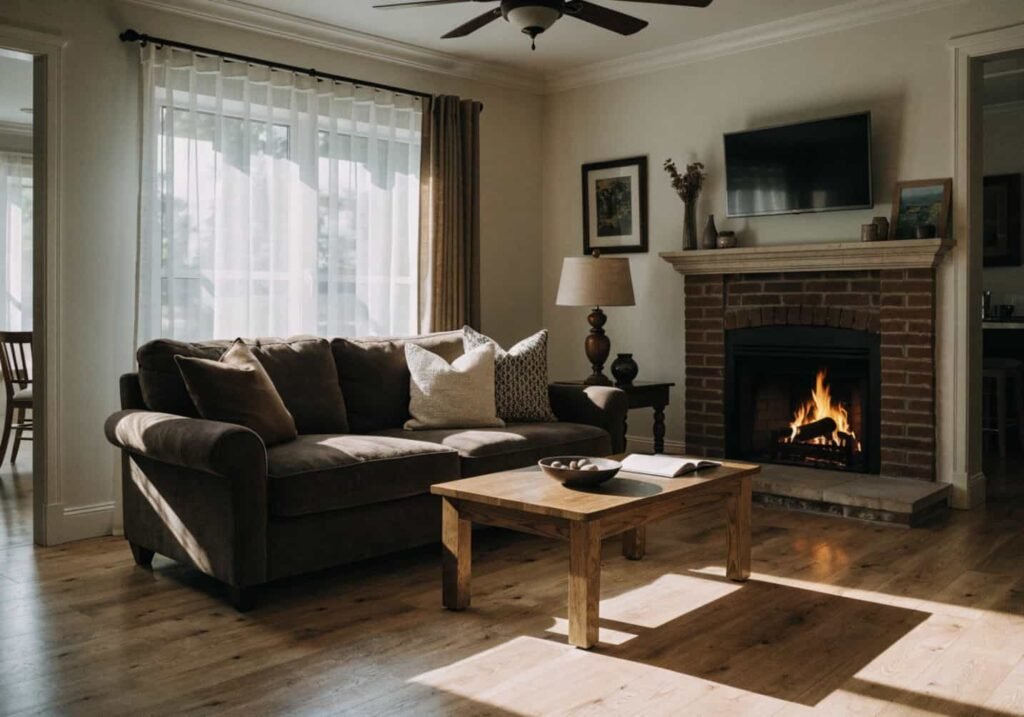
Every living room has one thing that pulls attention — a TV, a fireplace, sometimes even a big window with a nice view. Your sofa should face that thing, plain and simple. I know it sounds obvious, but you’d be shocked how many rooms I’ve walked into where the sofa is angled away from the TV or stuck sideways to the fireplace for no real reason. When the seating faces the focal point, conversations flow better and movie nights actually feel comfortable instead of everyone craning their necks. It’s a small fix, but it changes the whole feel of the room instantly.
4. Symmetrical Sofa Placement for a Balanced Look
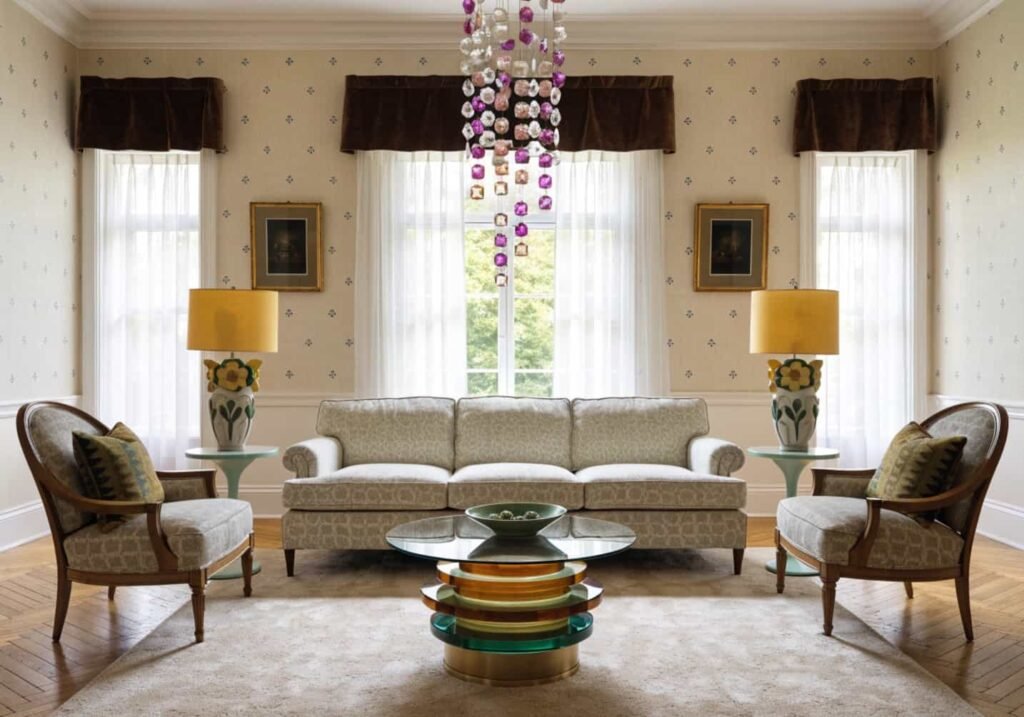
There’s something calming about a symmetrical room. Two matching chairs on either side of the sofa, or a sofa centered perfectly between two windows — it just feels put together without trying too hard. My mother-in-law swears by this style, and honestly, walking into her living room does feel different, almost more settled somehow. This layout works best in rectangular rooms where you have a clear center point to build around. It’s not for everyone, especially if your space is oddly shaped, but if you’ve got a traditional layout, symmetry might be the easiest way to make your room look intentional.
5. Sofa Positioning Tips for L-Shaped Rooms
L-shaped rooms are tricky. You’ve basically got two zones fighting for attention, and figuring out where the sofa goes can take a while. What worked for me was placing an L-shaped sectional right at the bend of the room, which naturally filled the awkward corner and created two separate zones — one for lounging, one for maybe a small work desk or reading chair. Don’t fight the shape of your room; use it. If you try to force a straight sofa layout into an L-shaped space, you’ll end up with wasted corners and a room that never quite feels right.
6. Sofa and Window Placement — Making the Most of Natural Light
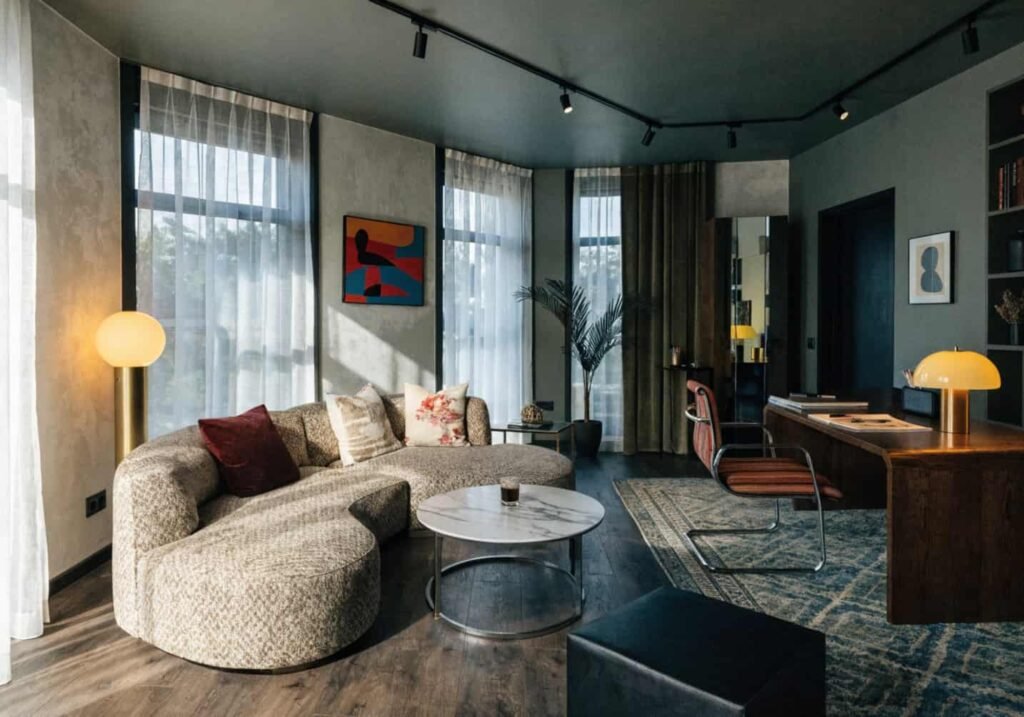
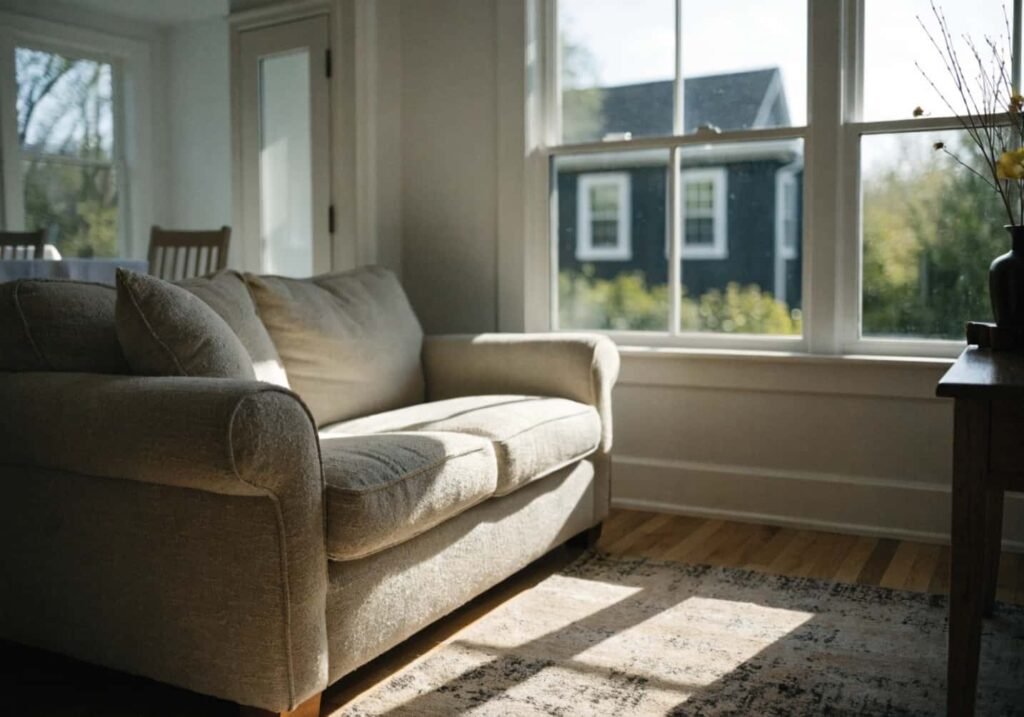
Placing your sofa near a window sounds simple, but there’s a right and wrong way to do it. You don’t want the sofa blocking the window completely, and you definitely don’t want direct sunlight hitting the fabric all day — trust me, I learned that one the hard way when my old sofa’s color faded unevenly within a year. Instead, place the sofa perpendicular to the window or slightly angled so you get the light without the damage. Aapka living room bhi bright rehta hai but the furniture stays protected too. It’s a small adjustment that saves you money down the line.
7. Open-Concept Living Room Sofa Arrangement
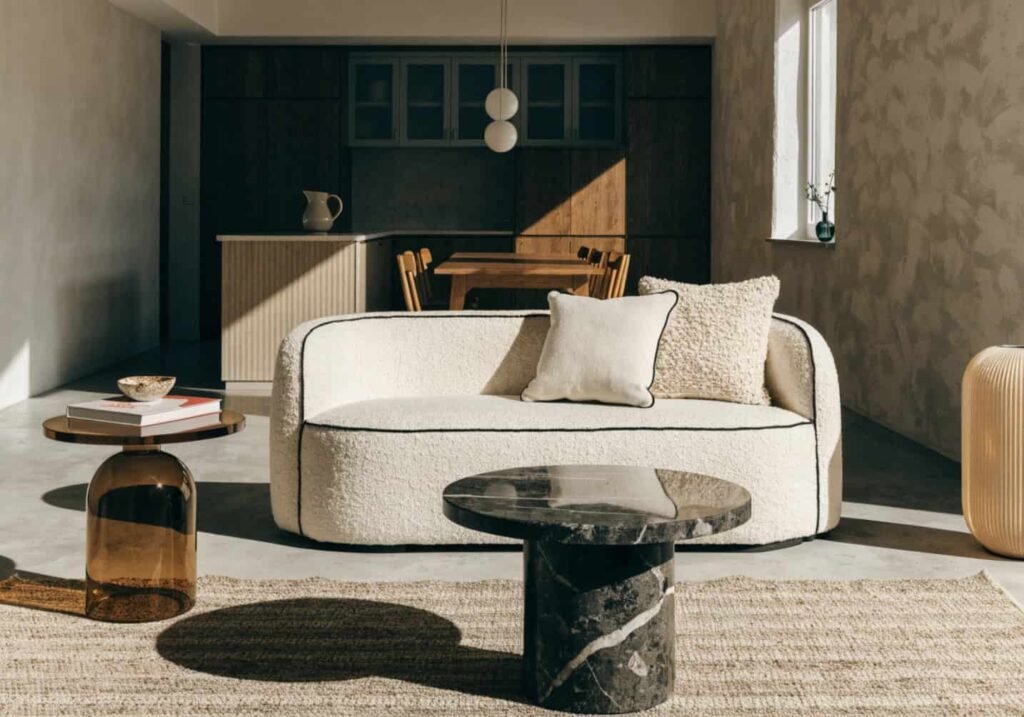
Open-concept homes are everywhere now, and they come with their own set of placement puzzles. Since there are no walls to lean on, the sofa has to do double duty — defining the living space while still keeping the flow between rooms open. A low-backed sofa works great here because it doesn’t block sightlines into the kitchen or dining area. I’ve noticed that using a rug under the sofa really helps too, since it visually “grounds” the seating area and tells people, this is the living room zone, without needing an actual boundary. It’s a subtle trick but it works surprisingly well.
8. Two-Sofa Layout for Conversation-Friendly Spaces
If your living room is big enough, two sofas facing each other beat one giant sofa every time. This layout is basically built for conversation — nobody has to twist their neck or shout across the room to be heard. I saw this setup at my cousin’s place during a family gathering, and honestly, it made the whole evening feel warmer, more like everyone was actually part of one conversation instead of split into little groups. Add a coffee table in the middle and you’ve got a proper sitting area that feels like it belongs in a cafe, not just a random living room.
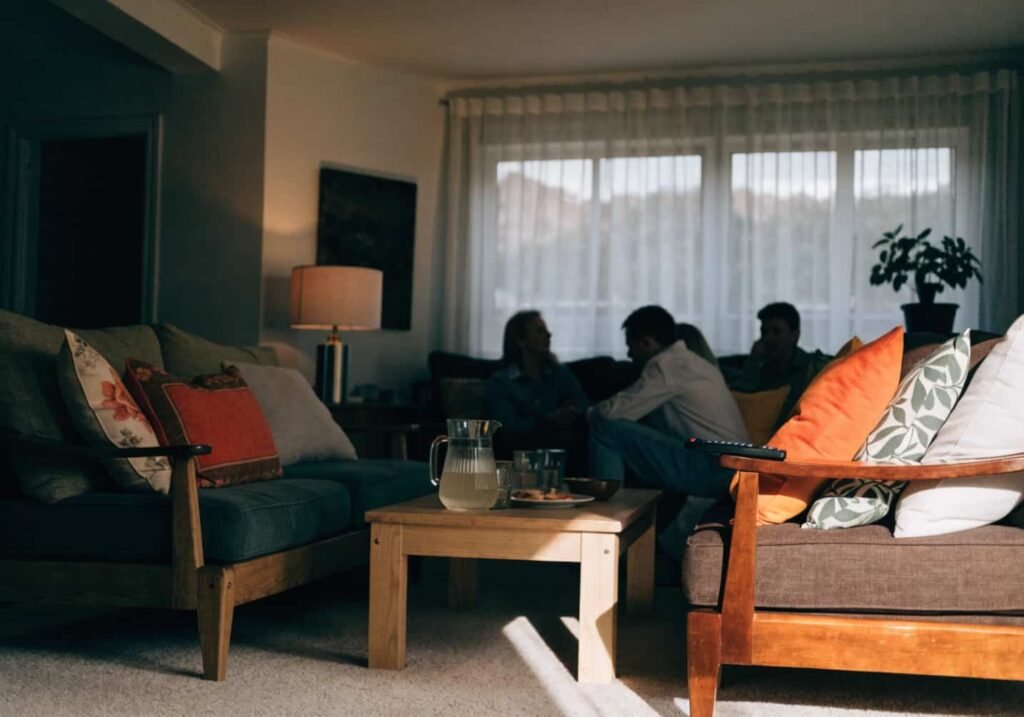
9. Sofa Placement Away From High-Traffic Areas
Nothing ruins a living room faster than a sofa stuck right in the walking path. If people have to squeeze past the armrest every time they walk from the front door to the kitchen, something’s wrong with the layout. I made this mistake once — placed my sofa a little too close to the hallway entrance, and within a week I was tired of bumping my knee on it constantly. Map out where people actually walk in your home before deciding on placement. Leave at least two to three feet of clear walking space around the sofa so the room feels functional, not like an obstacle course.
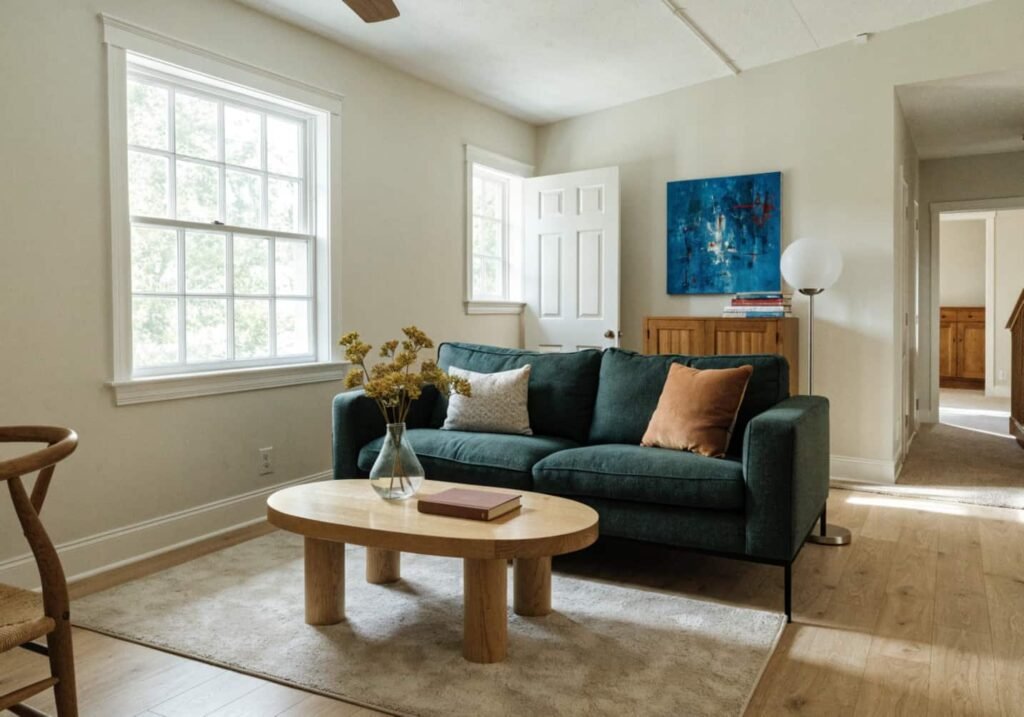
10. Small Apartment Sofa Placement Hacks
Small apartments need clever thinking, not just smaller furniture. One trick that actually worked for me was choosing a sofa with exposed legs instead of a boxy base — it makes the floor visible underneath, which tricks the eye into thinking the room is bigger than it is. Another hack? Skip the coffee table if space is really tight, and use a small ottoman instead that can double as extra seating when guests come over. Aapka apartment bhi chhota hai toh yeh tricks definitely try karein. Multi-purpose furniture and lighter-colored sofas both help a cramped room feel more open and less cluttered.
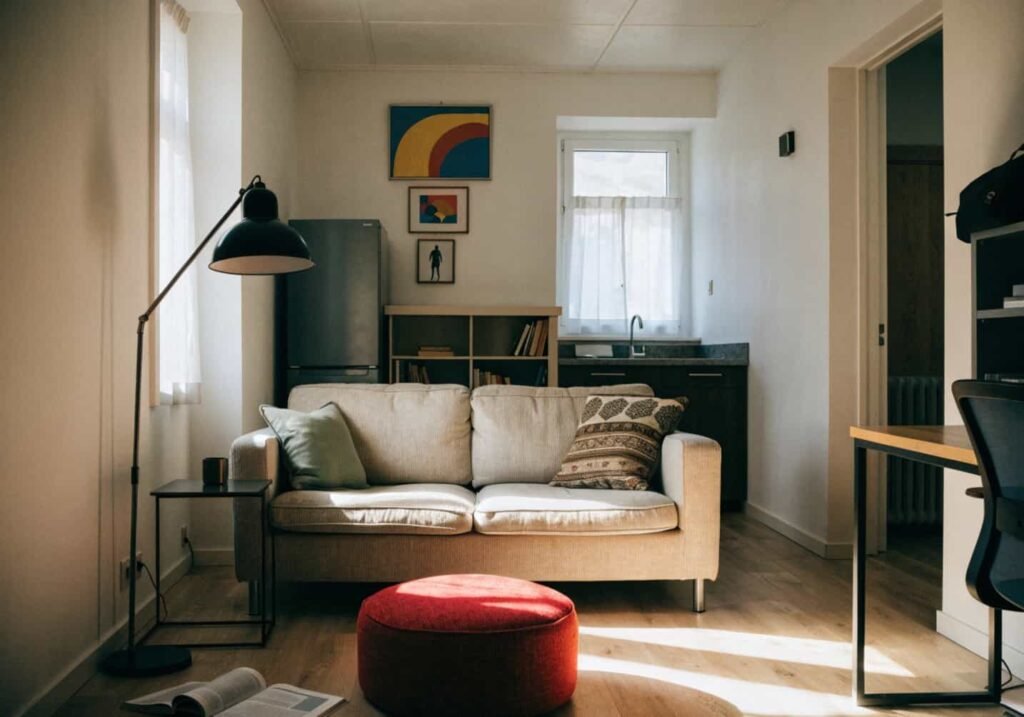
11. Sofa and Rug Alignment — Getting the Proportions Right
This one trips up more people than you’d think. A rug that’s too small under the sofa makes the whole room look off-balance, like the furniture is floating on an island. The general rule I follow now is that the front legs of the sofa should sit on the rug, while the back legs can be off it — this keeps things anchored without needing a rug the size of the entire room. It’s kind of like wearing shoes one size too small; nobody says anything, but something just feels wrong. Getting this proportion right instantly makes a living room look more finished and considered.
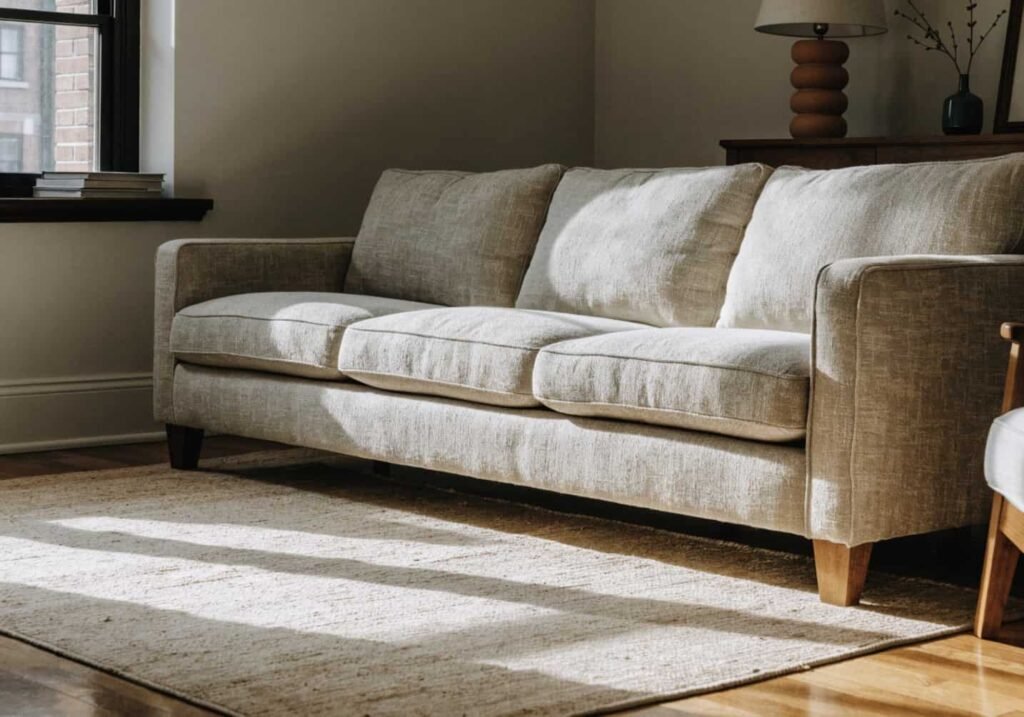
12. Multi-Functional Sofa Placement for Guests and Daily Use
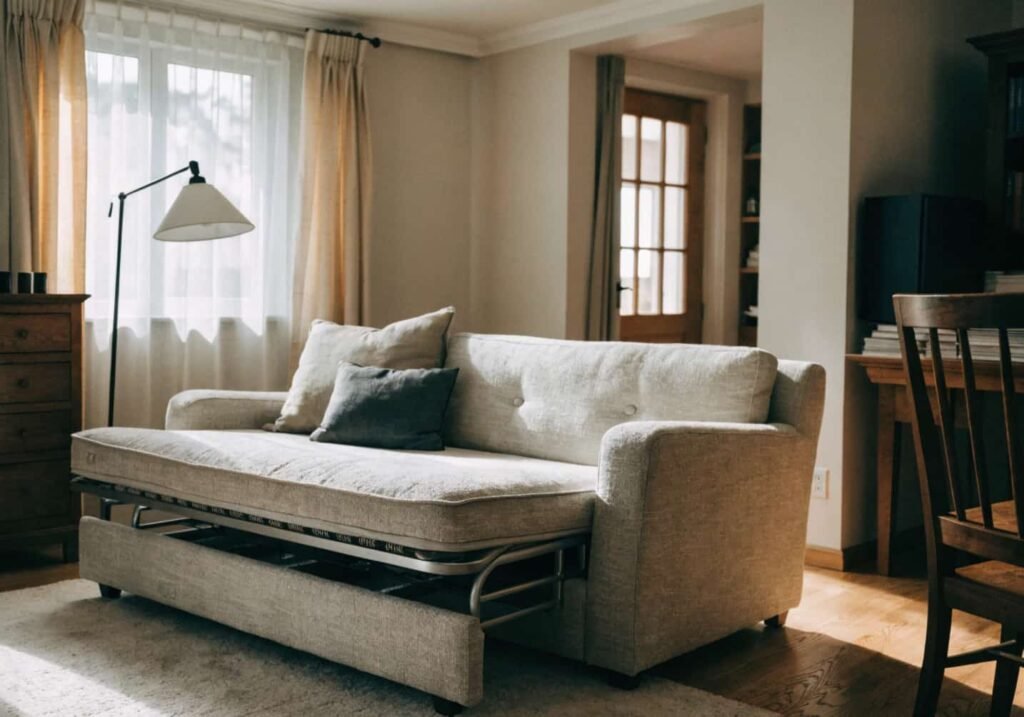
Not everyone has a separate guest room, and honestly, most of us don’t need one. Positioning your sofa so it can pull double duty — daily lounging plus overnight guest sleeping — makes a huge difference if you host family often. A sleeper sofa placed against a wall with easy access on both sides works best here, since you need room to pull it out into a bed when needed. I’ve hosted my sister on my pull-out more times than I can count, and having it positioned with enough clearance around it saved me from rearranging the whole room every single time she visited.
13. Budget-Friendly Sofa Placement Ideas for 2026
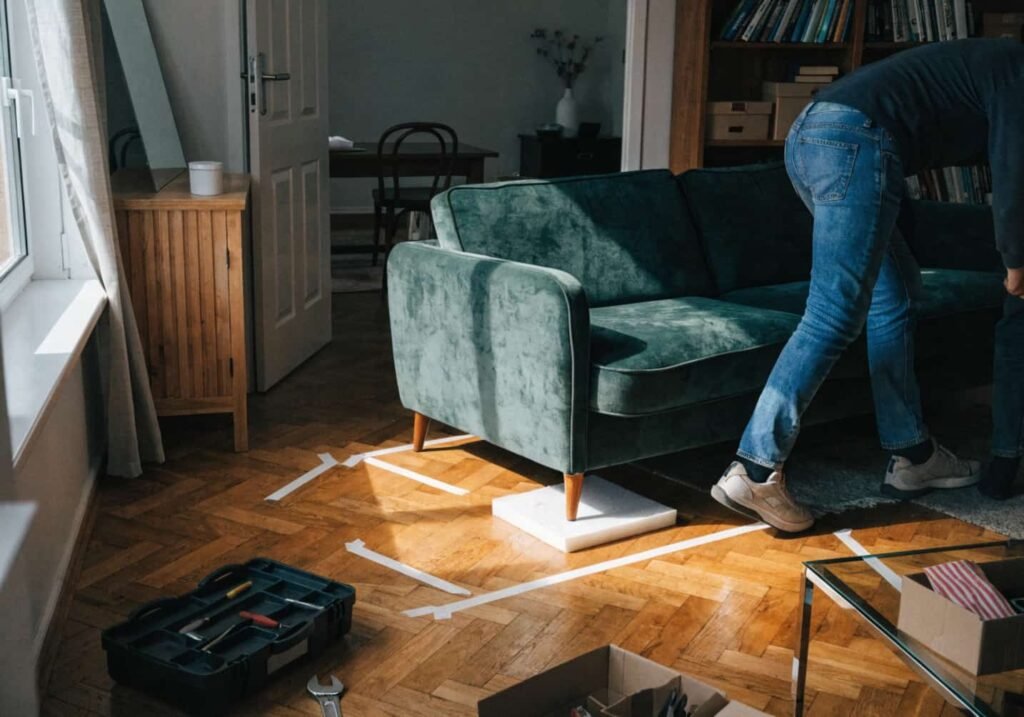
You don’t need to buy new furniture to fix a bad sofa layout. Sometimes just rotating the sofa ninety degrees, or swapping its spot with a bookshelf, completely changes how the room feels — and it costs nothing. I rearranged my own living room three times last year before landing on a layout I actually liked, and not once did I spend a rupee doing it. Try using masking tape on the floor to map out different layouts before committing to moving heavy furniture around. It saves your back, and it lets you experiment without any risk. Sometimes the best fix really is completely free.
Final Thoughts
At the end of the day, there’s no single “correct” way to place a sofa. What works in my apartment might look completely wrong in yours, and that’s fine. The best approach is to actually live in the space for a bit, notice where you naturally want to sit, where the light falls, and where people tend to gather — then let the sofa follow that instinct instead of forcing it into whatever layout looks good online. I’ve rearranged mine more times than I’d like to admit, and every single time, I learned something new about how the room actually wanted to be used. Trust your own space over any trend list, including this one.