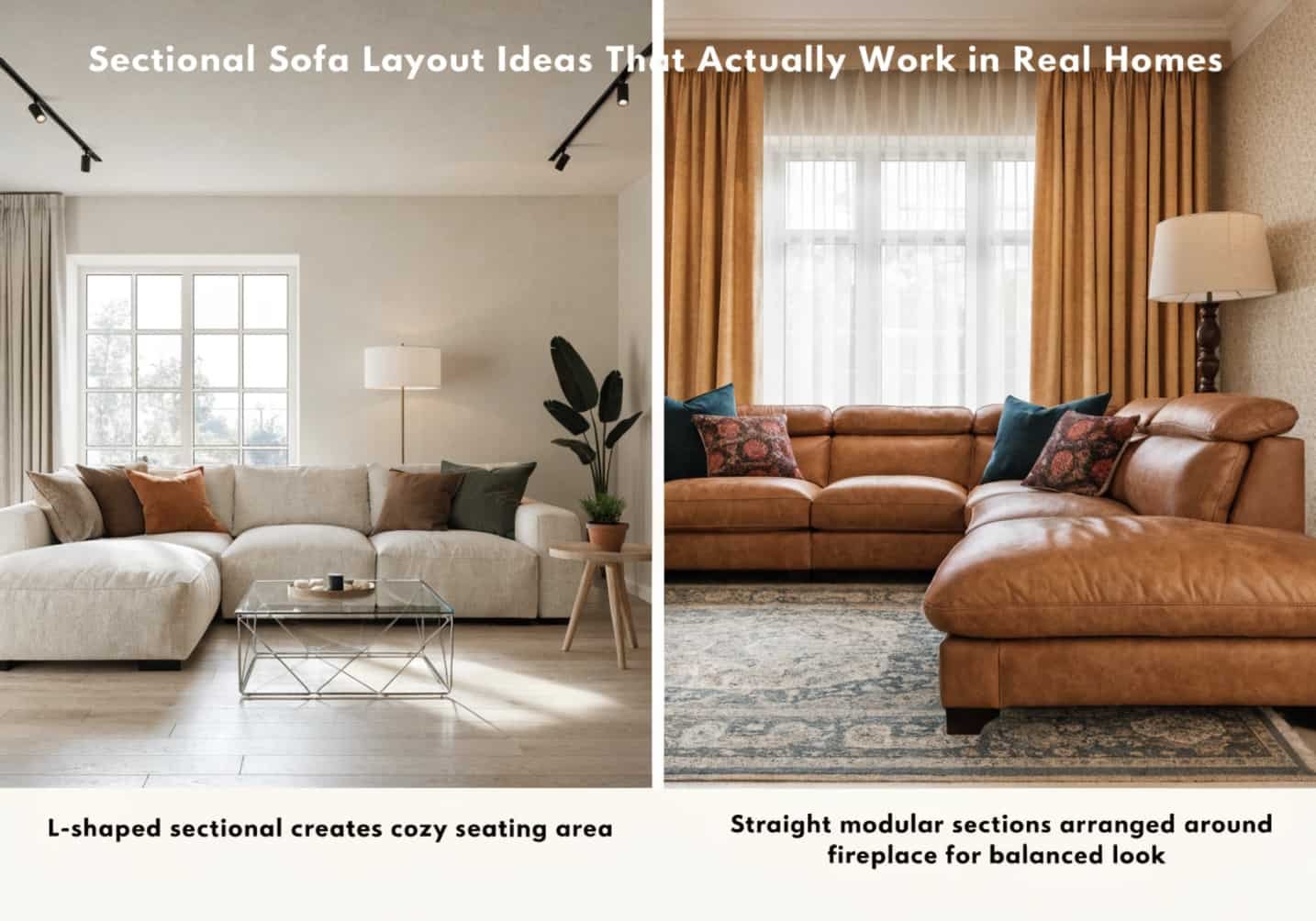
So you’ve got a Sectional Sofa Layout, or you’re thinking about getting one, and now you’re stuck staring at your living room, wondering where on earth it’s supposed to go. I get it. I went through the exact same thing a couple of years back when I moved into a slightly awkward L-shaped apartment and my old sectional just refused to fit anywhere nice. After a lot of trial, error, and a few scraped walls, I picked up some layout tricks that genuinely make a difference. Here are fifteen ideas that go beyond the usual “just push it against the wall” advice.
1. L-Shaped Sectional for Corner Spaces
If your living room has an awkward corner that never seems to get used, an L-shaped sectional is basically made for it. Tuck the long side against your main wall and let the shorter chaise end hug the corner. This instantly opens up the center of the room for walking or a coffee table. I did this in my first apartment and it turned a dead corner into the coziest reading spot in the house. The trick is measuring the corner depth first, because even a few inches off can make the piece look squeezed in rather than snug.
2. U-Shaped Sectional for Big Family Gatherings
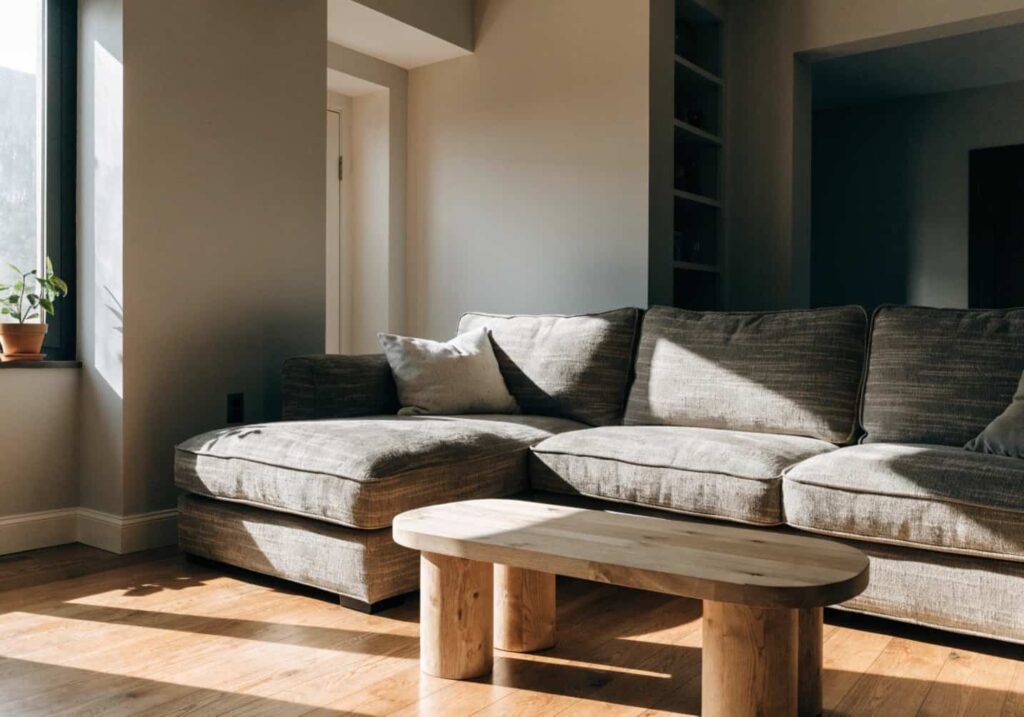
When you’ve got a big family or you host often, a U-shaped sectional changes the whole game. It wraps around three sides, giving everyone a spot without dragging extra chairs from the dining room. My aunt has one of these in her house and every holiday, twelve people somehow fit comfortably around it while still facing each other for conversation. Just know it eats up floor space fast, so this really only works in living rooms that are at least fourteen feet wide. Anything smaller and it starts to feel like a maze.
3. Chaise Lounge Sectional as a Relaxation Zone
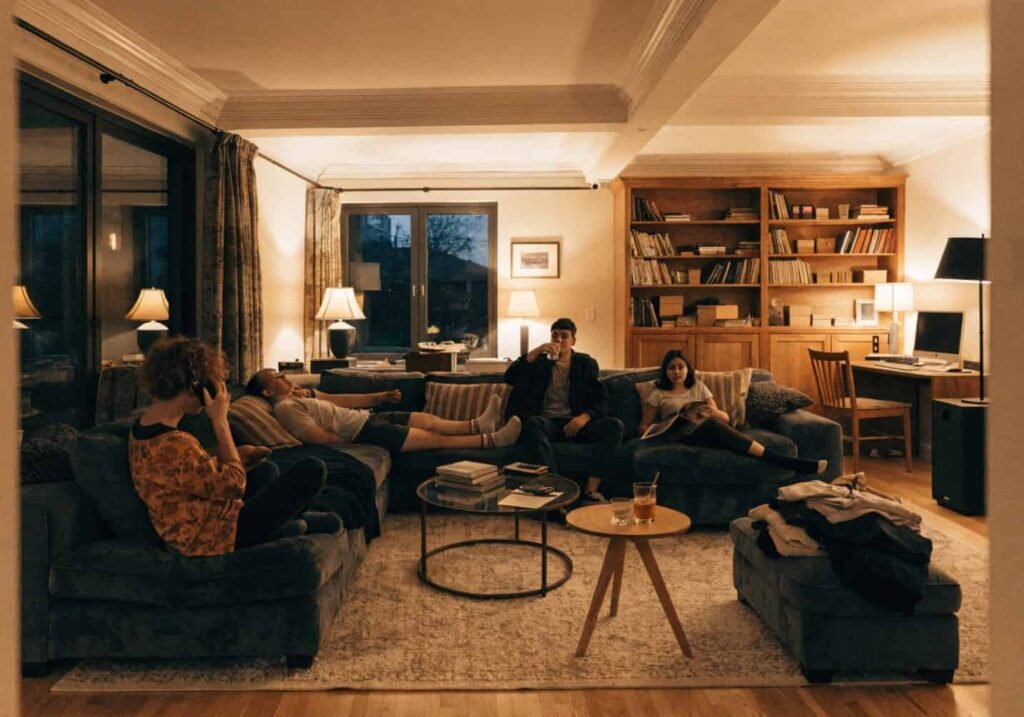
Sometimes you don’t want the whole sectional facing the TV. A chaise lounge sectional lets you carve out a separate little relaxation zone, maybe near a window or a bookshelf. I added a small side table and a floor lamp next to mine and now that corner is basically my Sunday afternoon nap spot. It doesn’t need to match the rest of your seating arrangement perfectly either, which honestly makes the room feel more layered instead of showroom-flat.
4. Compact Sectional Layout for Small Living Rooms
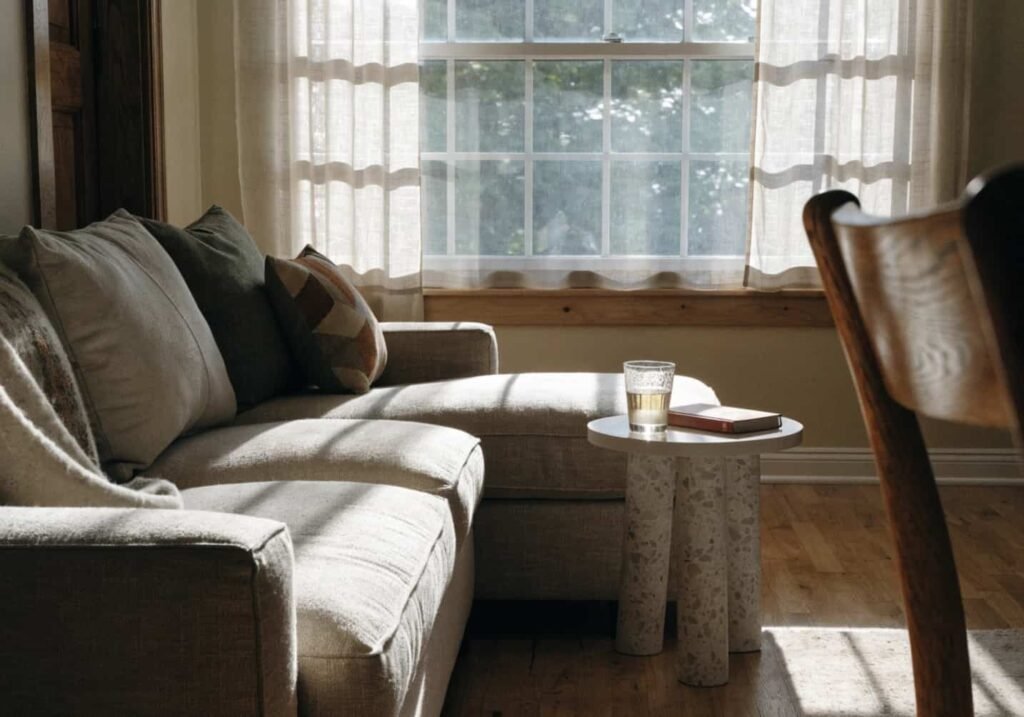
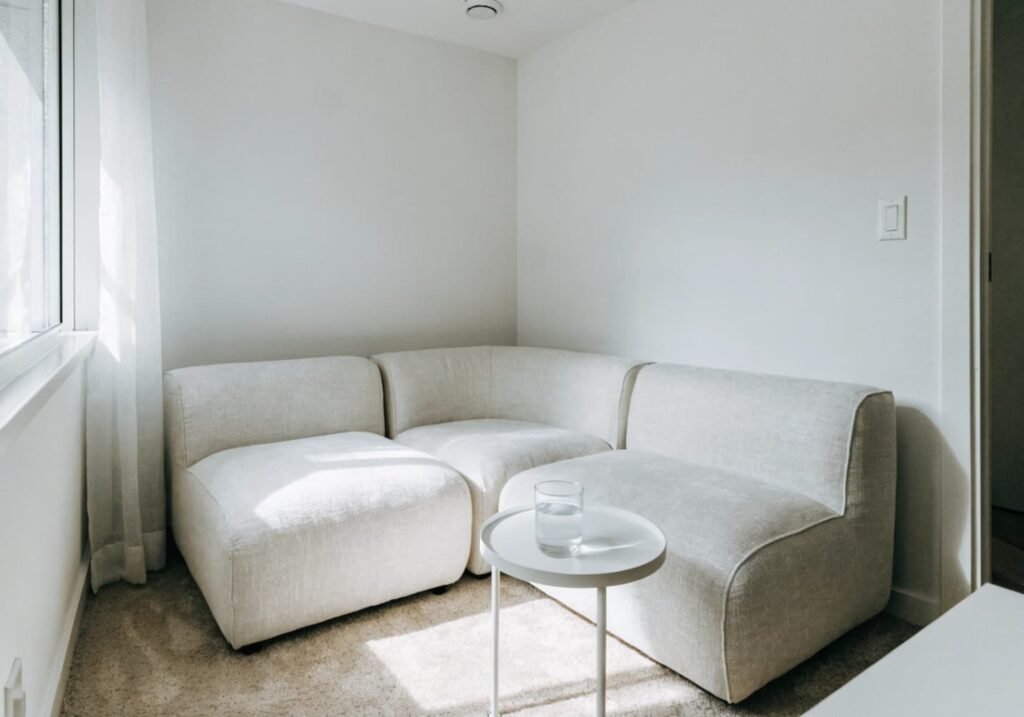
Small living room, big sectional dreams? It’s possible. Go for an apartment-sized sectional and angle it slightly away from the wall instead of pushing it flush. This tiny shift creates depth and tricks the eye into thinking the room’s bigger than it is. When I redid my studio apartment, I swapped a bulky three-seater for a compact sectional and paired it with a slim console table behind it. Suddenly the room felt like it had a proper living zone instead of just furniture crammed into a box.
5. Sectional Placement in an Open Floor Plan
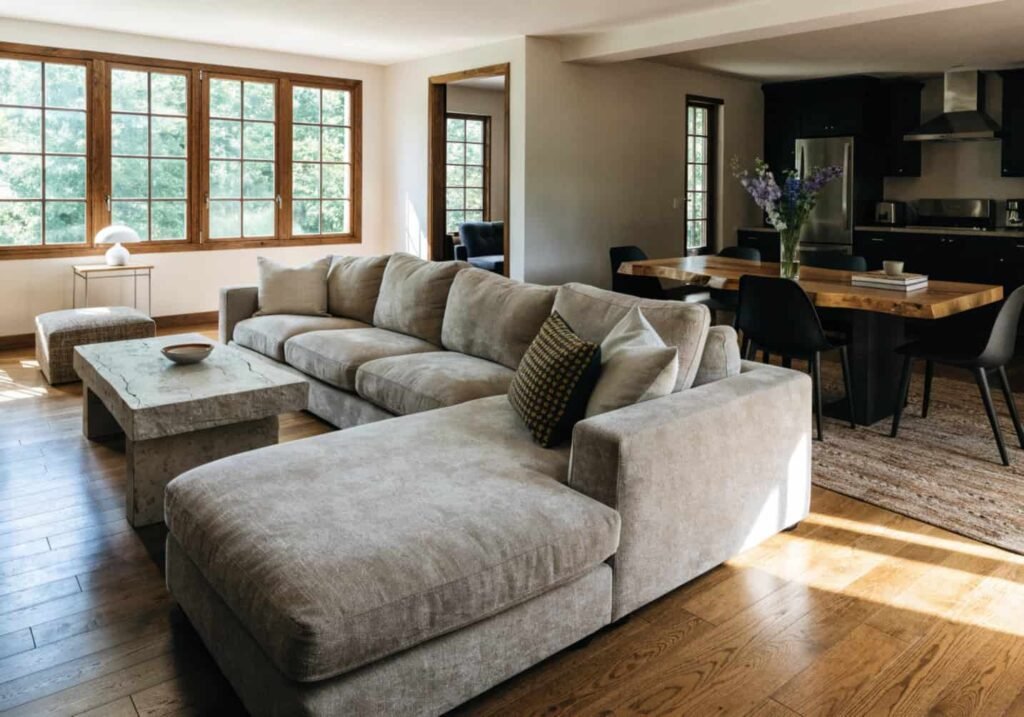
Open floor plans are great until you realize there’s no wall to lean anything against. A sectional actually works well here because it can act as a divider between the living and dining zones without needing an actual wall. Face the back of the sectional toward the dining area and the seating side toward your TV or fireplace. This creates two distinct “rooms” out of one big open space, which is honestly one of the smartest tricks I’ve picked up from interior design forums.
6. Sectional and TV Wall Combo
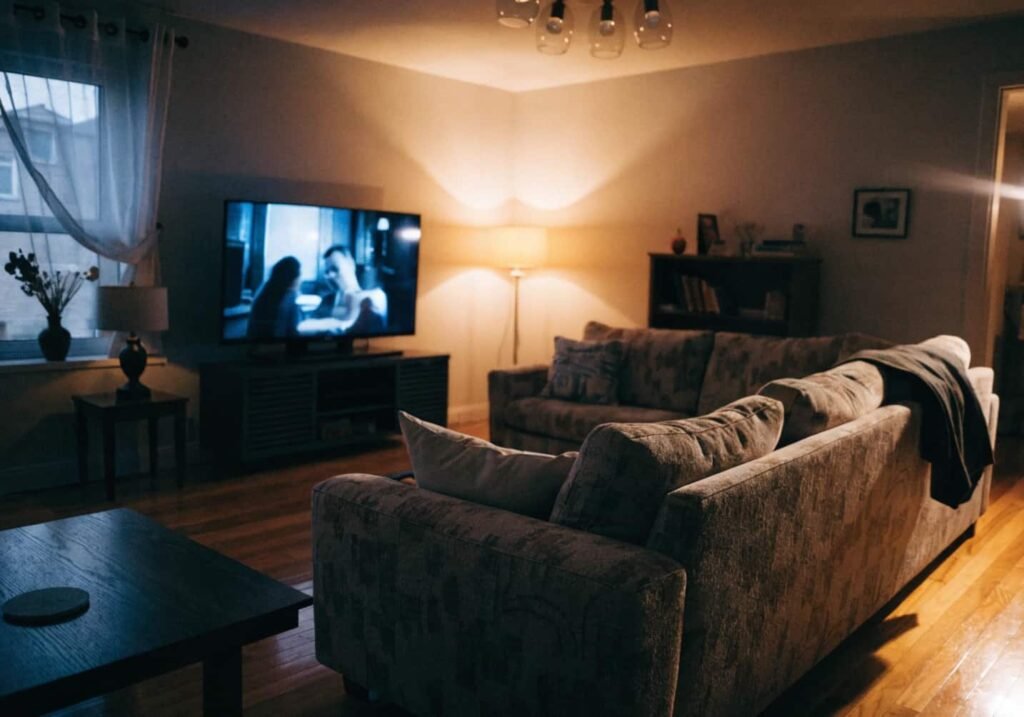
This one’s the classic setup, but there’s a right way and a wrong way to do it. Keep the longest side of your sectional facing the TV wall, and leave at least seven feet of distance for comfortable viewing. Too close and everyone’s craning their necks; too far and it feels disconnected. My brother made the mistake of putting his TV too high above the fireplace with the sectional too close, and now everyone in his house watches movies with their heads tilted back. Don’t be like my brother.
7. Modular Sectional for Everyday Flexibility
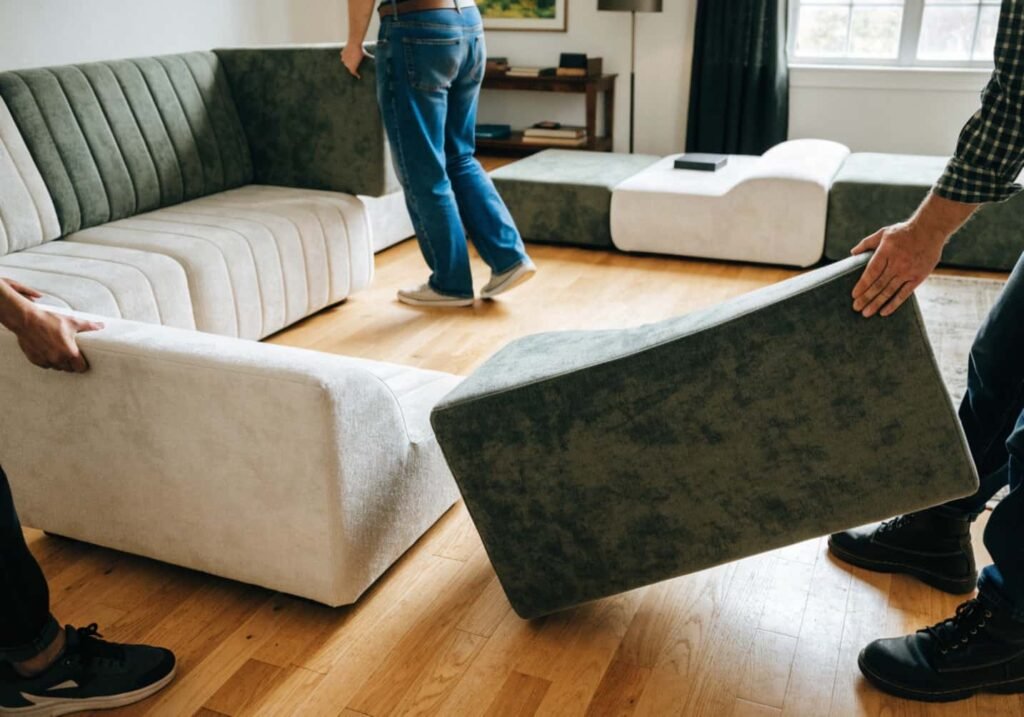
Modular sectionals are honestly underrated. You can rearrange the individual pieces depending on the day, whether it’s movie night, a game night with friends, or just you wanting to nap diagonally across three cushions (no judgment). I got one specifically because I move apartments a lot, and being able to reconfigure it instead of buying new furniture every time has saved me so much money. If you’re someone who likes to switch things up seasonally, this layout type gives you that freedom without extra cost.
8. Balancing a Sectional With the Right Coffee Table
People forget the coffee table is basically the anchor of the whole sectional layout. Go too small and it looks lost; go too big and you can’t walk around it. A general rule I follow is leaving about eighteen inches of space between the table edge and the sofa. For an L-shaped sectional, a round or oval table actually works better than a square one because it softens all those sharp corners in the room. Small change, but it makes a real difference in how open the space feels.
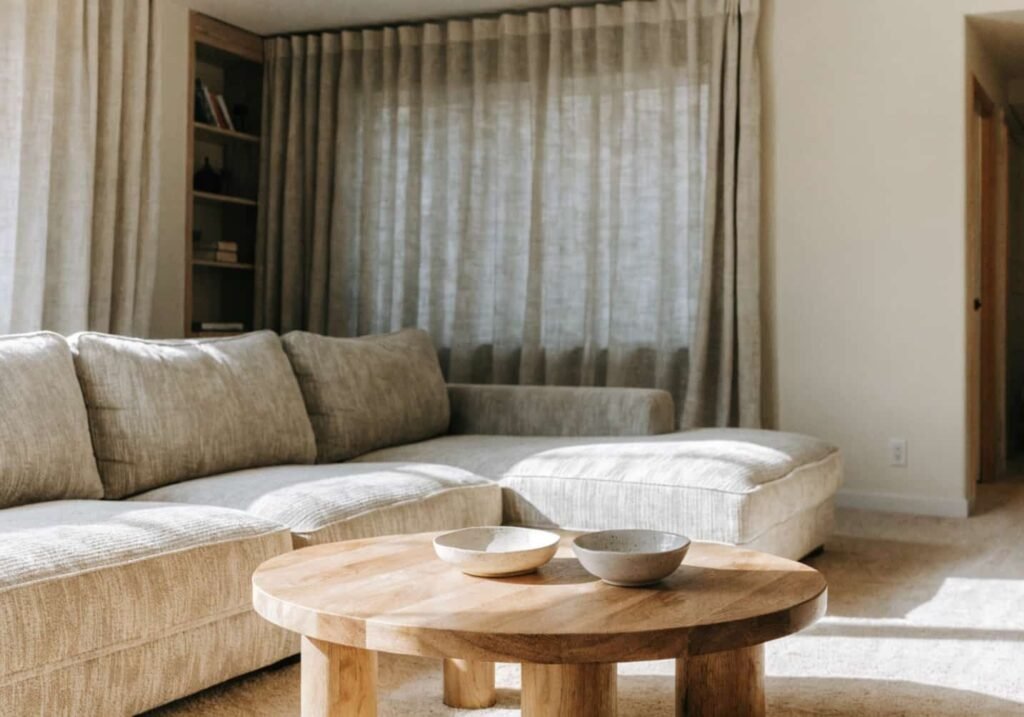
9. Dual-Purpose Sectional That Doubles as a Guest Bed
If you’ve got limited space and frequent guests, look for a sectional with a pull-out or convertible chaise. My cousin has one in her one-bedroom flat and it’s saved her more times than she can count when friends visit from out of town. Place it away from any decor that would get in the way when it folds out, like tall floor lamps or side tables that are too close. It’s not the most glamorous furniture decision, but practicality wins sometimes.
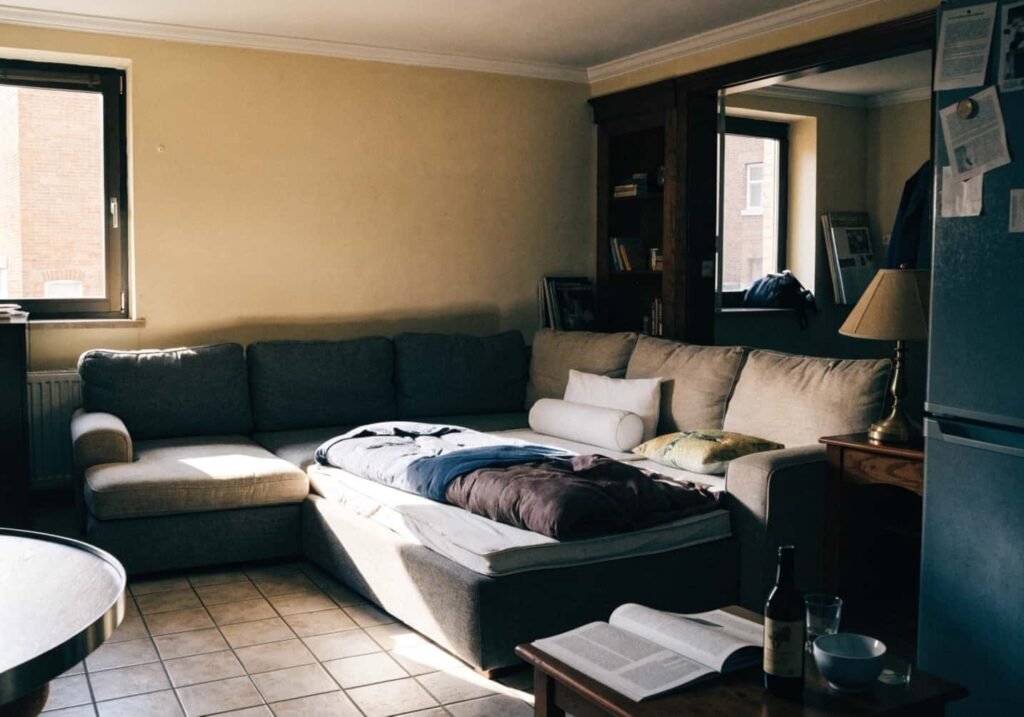
10. Neutral Tone Sectional Layout Ideas
Neutral sectionals in beige, grey, or off-white are popular for a reason, they blend with almost any decor style and don’t scream for attention. But the trick to making a neutral sectional not look boring is layering textures around it: a chunky knit throw, a couple of patterned cushions, maybe a jute rug underneath. When I switched my old dark leather couch for a neutral fabric one, the whole room instantly felt calmer and bigger, even though nothing else changed.
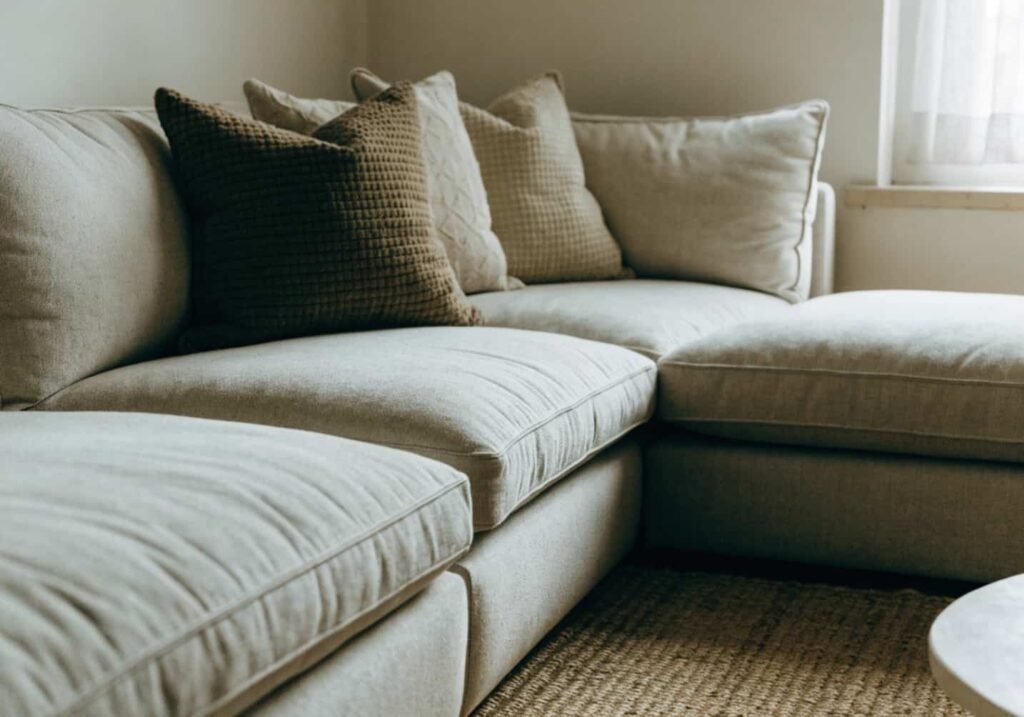
11. Bold Color Sectional as a Statement Piece
On the flip side, sometimes you just want the sectional to be the star of the room. A deep emerald green, mustard yellow, or even a rich burgundy sectional can completely transform a plain space. Keep the walls and flooring neutral if you go this route, otherwise it starts competing for attention. A friend of mine did a burnt orange sectional in an all-white apartment and honestly, it’s the first thing everyone comments on when they walk in.
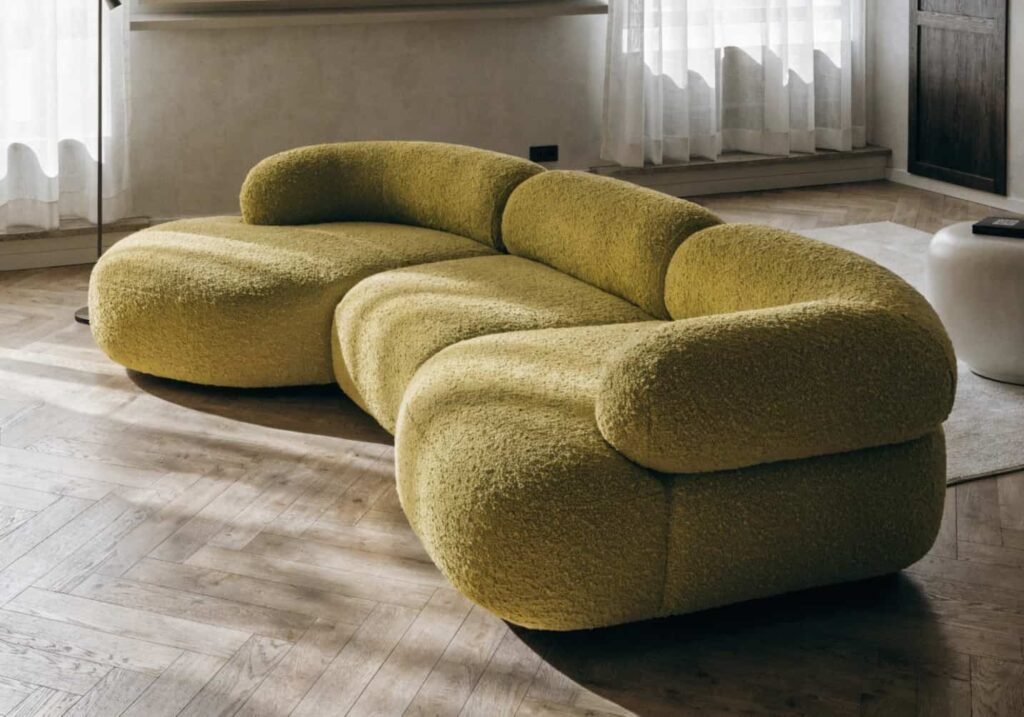
12. Floating Sectional Layout Away From Walls
This one feels counterintuitive at first, pulling your sectional away from the wall entirely, but it works surprisingly well in larger rooms. A floating layout creates natural walkways around the furniture and makes the space feel more intentional, almost like a hotel lounge. Add a console table behind the sectional to fill the gap and give yourself a spot to drop keys or a lamp. It takes some getting used to visually, but once it clicks, going back to wall-hugging furniture feels flat.
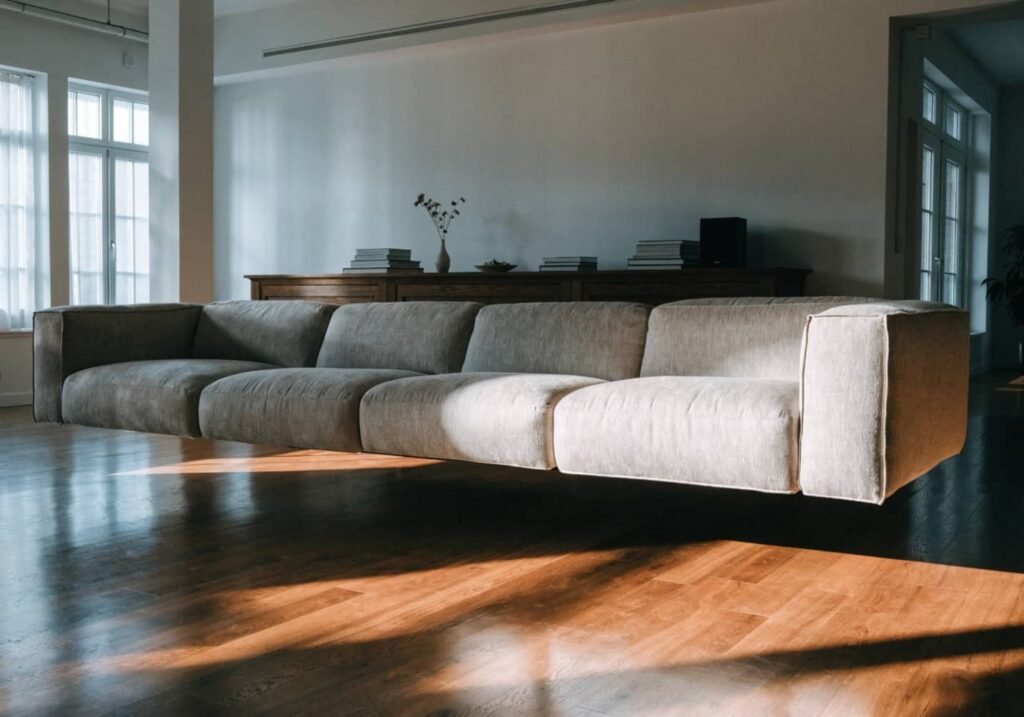
13. Pairing a Sectional With the Right Area Rug
A common mistake is choosing a rug that’s too small for the sectional, which makes the whole setup look like it’s floating on an island. The front legs of your sectional should sit on the rug, not just the back ones. For an L-shaped piece, a rug that’s at least eight by ten feet usually does the trick in a medium living room. I learned this the hard way after buying a rug that only fit under the coffee table and nothing else, it looked disconnected until I sized up.
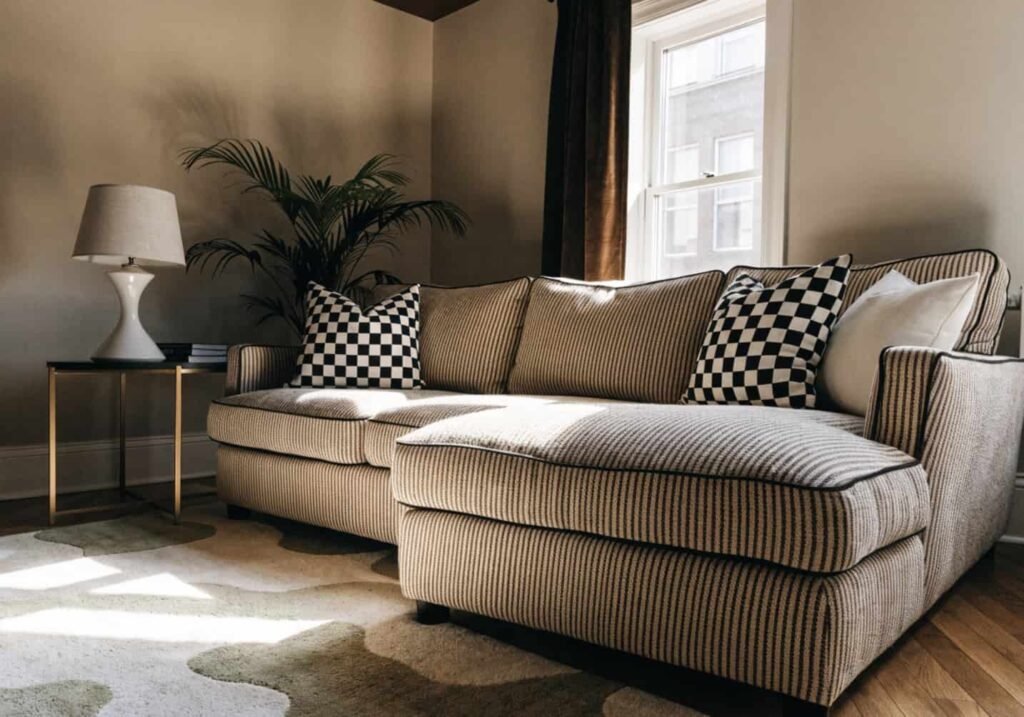
14. Pet-Friendly Sectional Layout Tips
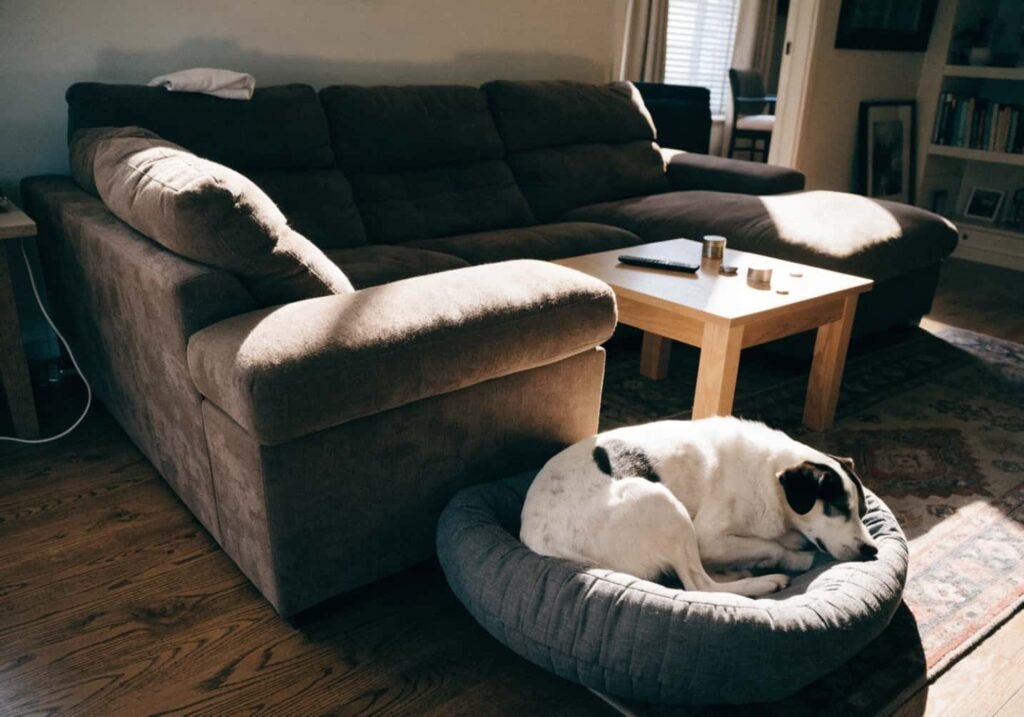
If you’ve got dogs or cats, your layout needs to think about them too. Leave a little open floor space near the sectional for a pet bed, and consider positioning the sectional so it’s not blocking their usual path to windows or doors. Fabric choice matters here as much as placement, a tightly woven or performance fabric handles claws and shedding way better than delicate linen. My dog has claimed one entire chaise end as hers, so now I just plan the whole layout around her favorite spot, honestly.
15. Budget-Friendly Sectional Layout Hacks for 2026
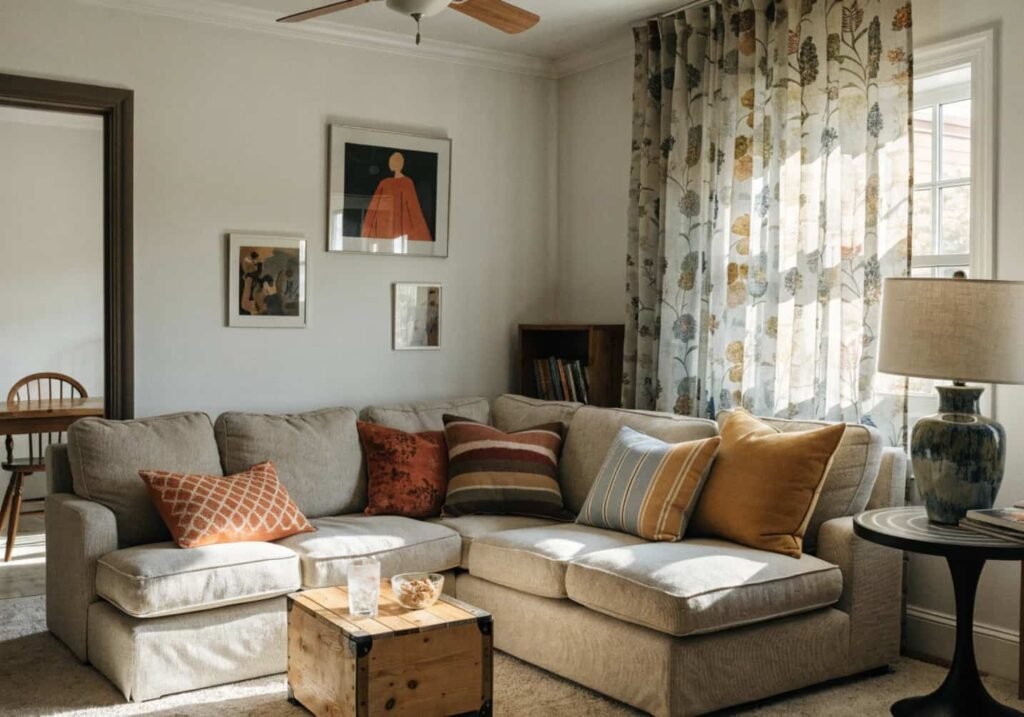
You don’t need to spend a fortune to make a sectional look intentional. Simple hacks like adding removable furniture sliders to reposition it easily, using peel-and-stick rugs under it, or even repositioning existing lamps can completely change how the space feels without buying anything new. I redid my entire layout last year using furniture I already owned, just moved things around and added a couple of cheap throw pillows, and it looked like a whole new room for under thirty dollars.
Wrapping It Up
At the end of the day, there’s no single “correct” way to lay out a sectional. It really comes down to your room’s shape, how you actually use the space, and honestly, a bit of trial and error like I went through myself. Start with one or two of these ideas, live with the layout for a week or so, and adjust from there. Furniture placement isn’t permanent, so don’t stress over getting it perfect on the first try. Sometimes the best layouts come from just moving things around on a random Sunday afternoon and seeing what feels right.