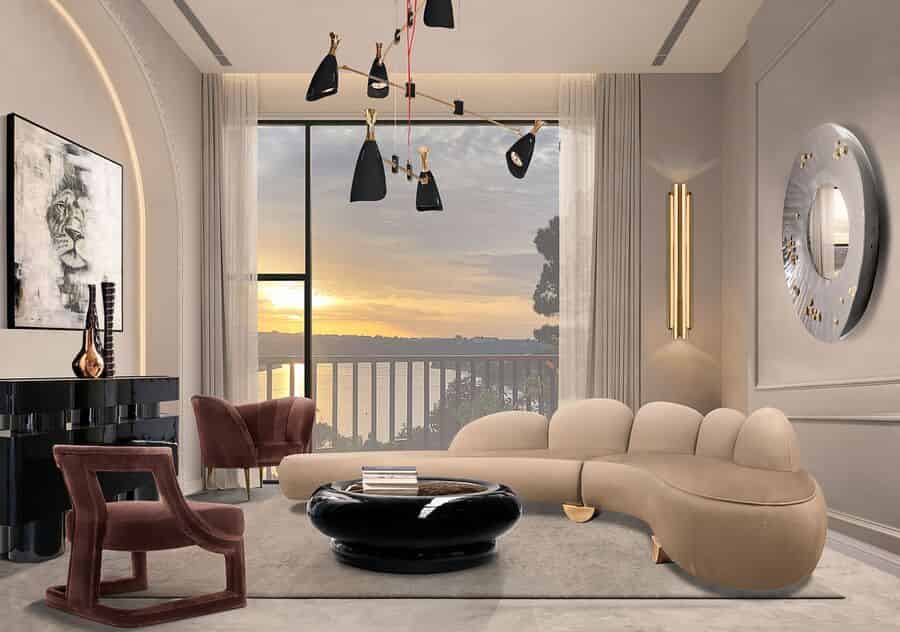
If you’ve been staring at your living room thinking “something feels off,” you’re not alone. A lot of us have been there — sitting on a couch that doesn’t quite fit, surrounded by stuff that somehow makes the room feel smaller. The good news? You don’t need a massive budget or an interior designer on speed dial. In 2026, Modern Home Design is all about smart choices, clean spaces, and pieces that actually mean something to you. I’ve pulled together ten ideas that real people are using right now to transform their homes without losing their minds (or their savings).
Embrace Neutral Tones With a Warm Twist
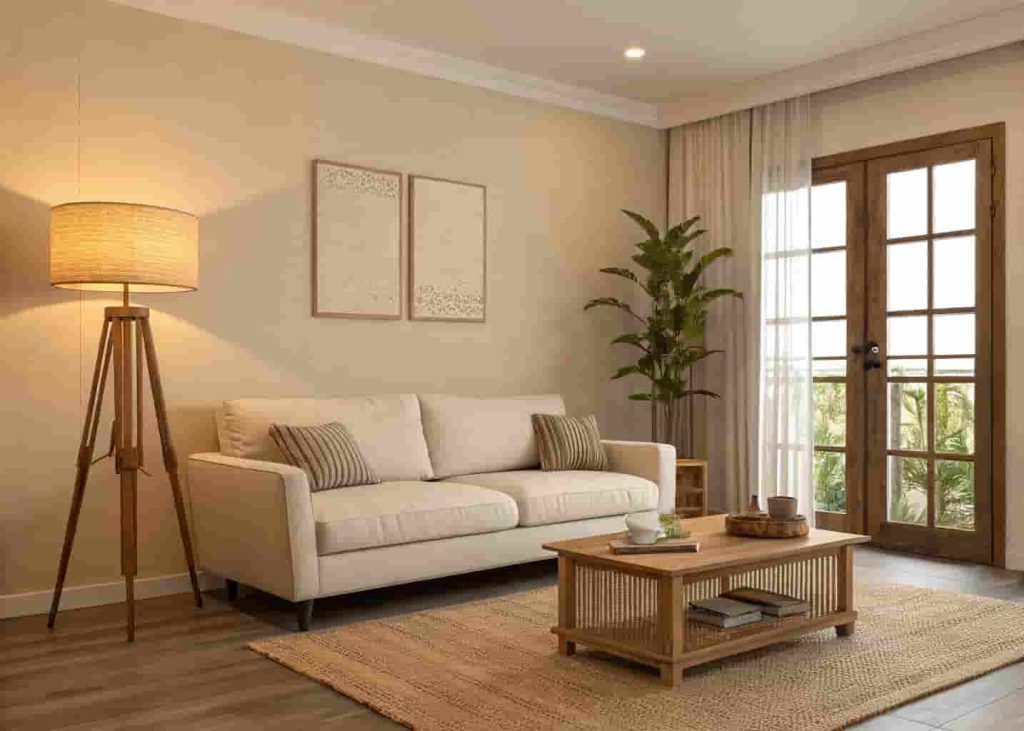
Gone are the days of cold, sterile white walls that make your living room feel like a hospital waiting area. In 2026, the move is warm neutrals — think sandy beige, soft terracotta, and creamy off-whites. These tones make a room feel instantly cozy without adding visual clutter. My neighbor repainted her living room last spring in a warm greige (that’s grey and beige mixed), and the difference was honestly shocking. The same furniture, the same layout — but suddenly the room had soul. Pair warm walls with natural wood furniture and you’ve got a space that feels both modern and lived-in at the same time. It’s a small change that hits harder than you’d expect.
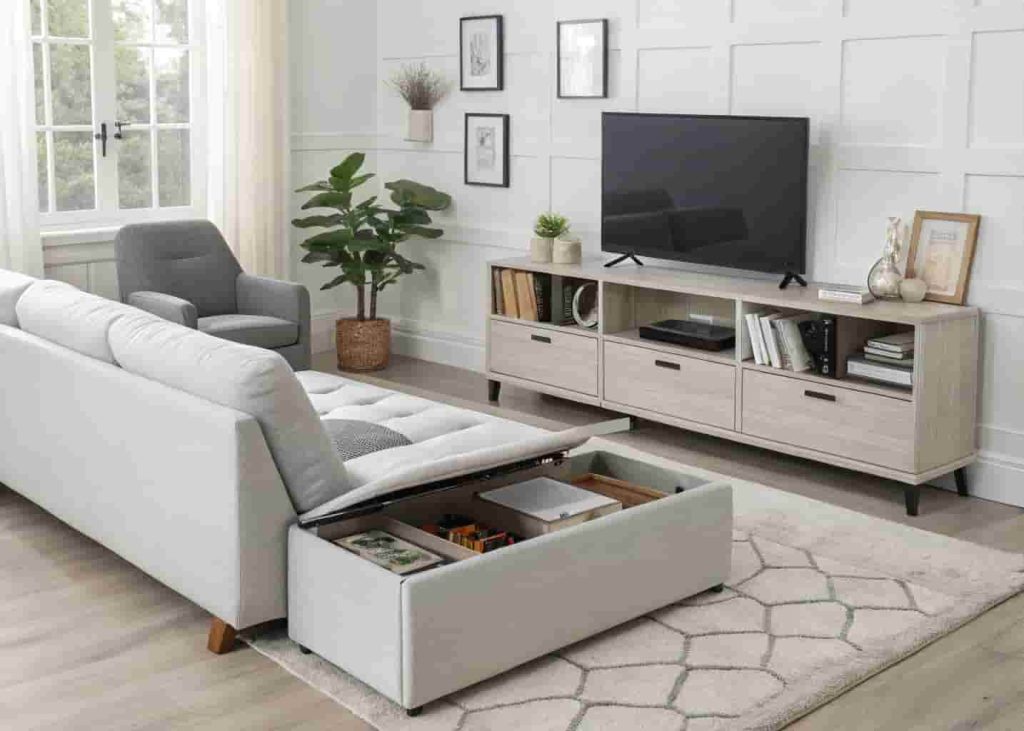
Use Multi-Functional Furniture
Every piece of furniture should earn its place in a minimalist home. A coffee table that opens up for storage, a bench that holds blankets, a TV unit with hidden shelves — this is what separates a cluttered room from a clean one. In smaller homes especially, multi-functional furniture is a total game changer. I personally swapped my old bulky bookshelf for a sleek wall-mounted floating unit, and suddenly I had floor space I didn’t even know I was missing. Less stuff on the floor means the room breathes better. And that breathing room is exactly what minimalist design is all about in 2026. Smart storage doesn’t have to look boring either.
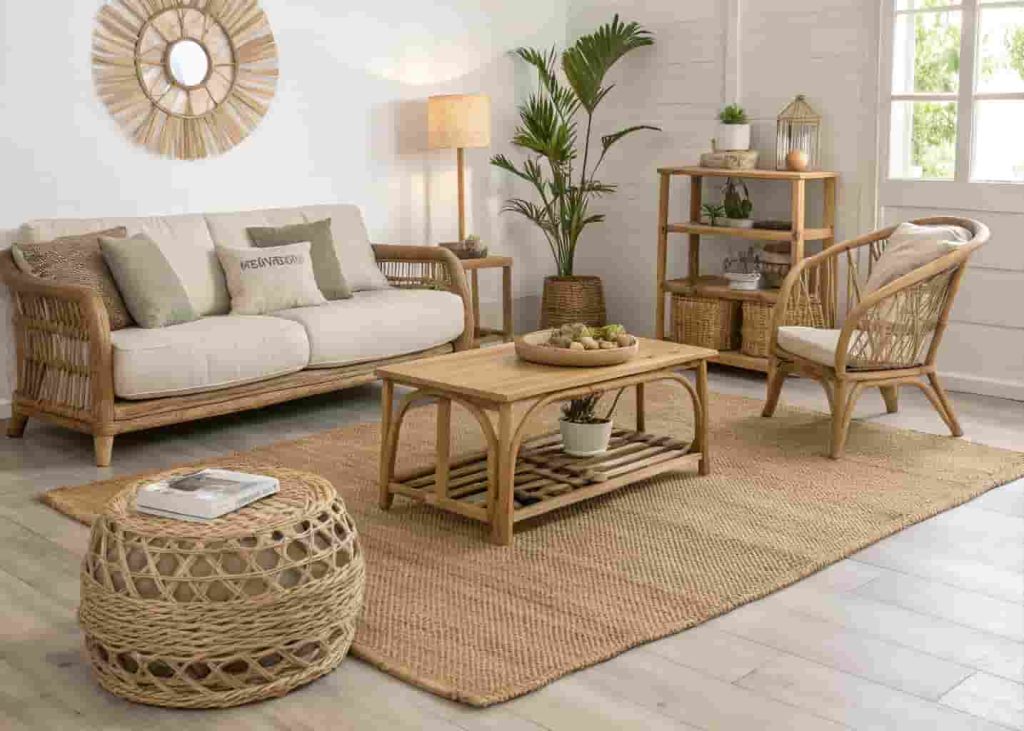
Bring in Natural Materials
Concrete, steel, and plastic had their moment — but in 2026, natural materials are leading the way. Rattan, jute, linen, raw wood, and stone bring texture and warmth into a minimalist space without making it feel busy. The trick is mixing two or three materials max. A jute rug under a raw wood coffee table with a linen sofa? That combo works every single time. I added a small rattan side table to my living room corner last year, and people always comment on it. It’s not expensive, it’s not flashy — it just feels right. Natural materials have a way of making a space feel intentional rather than thrown together.
Keep Your Color Palette to Three Colors Max
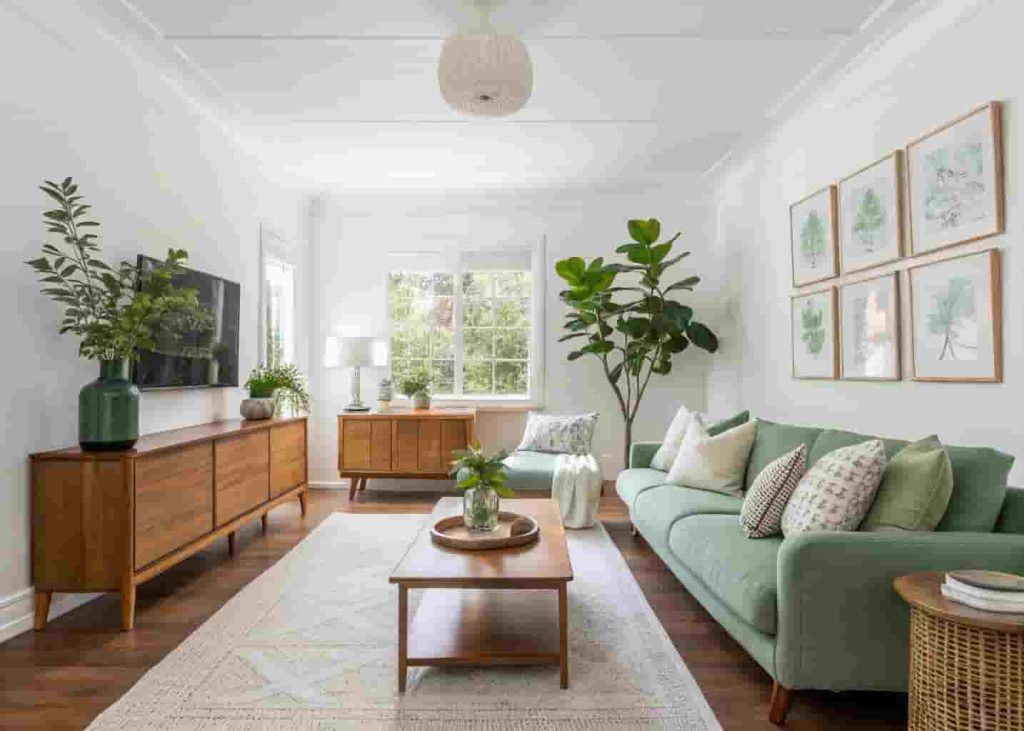
One of the biggest mistakes people make when decorating is using too many colors at once. It creates visual noise even when the furniture itself is simple. The three-color rule is something interior designers swear by — pick one dominant color (usually your walls or sofa), one secondary color (rugs, curtains), and one accent color (cushions, vases, artwork). Stick to that and your room will always look put together. A friend of mine went with white, warm wood tones, and dusty sage green — and her living room looks like it came straight out of a design magazine. It’s genuinely that simple once you commit to it.
Add Indoor Plants for Life and Color
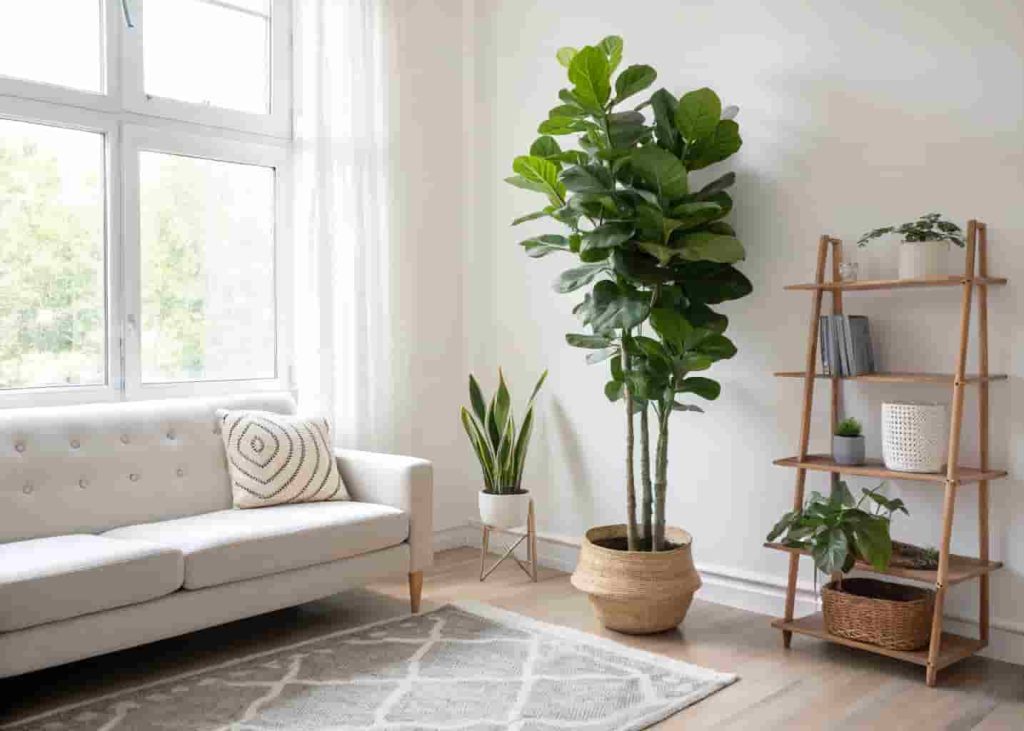
Plants are probably the easiest and cheapest way to make any room feel more alive. In a minimalist living room, one or two well-placed plants do more than a shelf full of decorative objects. A tall fiddle leaf fig in the corner, a small pothos trailing from a shelf, or a snake plant beside the sofa — these bring color, texture, and a sense of calm all at once. And honestly, taking care of plants gives you a small daily routine that feels grounding. I started with one small monstera two years ago. Now I have six plants in my living room and zero regrets. The room feels like it’s breathing.
Focus on Statement Lighting
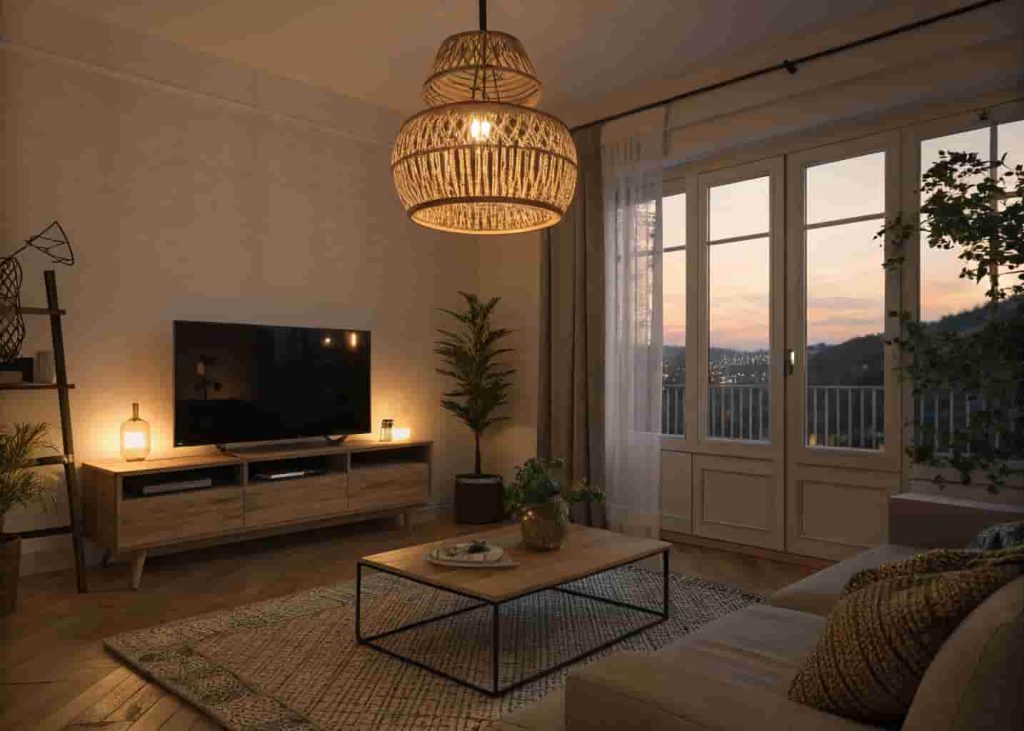
Lighting is the one thing that can completely change the mood of a room without moving a single piece of furniture. In 2026, statement pendant lights, warm Edison bulb floor lamps, and LED strip lighting behind TV units are everywhere — and for good reason. Harsh overhead lighting kills the vibe of even the most beautifully decorated room. Switch to warm-toned bulbs (2700K to 3000K is the sweet spot), add a floor lamp in a reading corner, and consider a pendant above your coffee table. My living room used to feel cold and flat at night. Two warm floor lamps later, it’s the most relaxing room in the house. Lighting really is everything.
Declutter and Use Negative Space
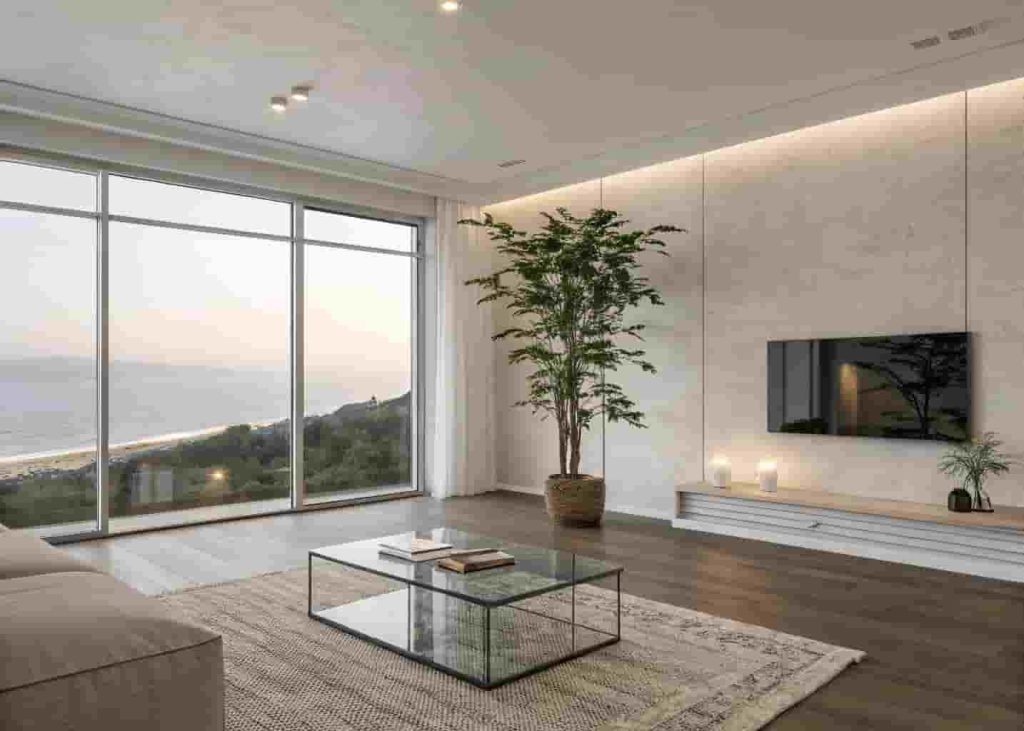
Minimalism isn’t about having nothing — it’s about keeping only what matters. Negative space (the empty areas in a room) is just as important as the furniture and decor you choose. Leaving a wall bare, keeping your coffee table clear, or having an open corner with just one plant creates visual rest for the eye. It sounds simple but it’s surprisingly hard to do when you’re used to filling every surface. Start small — clear one shelf completely. Live with it for a week. You’ll probably never fill it back up again. The moment a room has room to breathe, the whole energy shifts. Less is genuinely more here.
Layer Textures Through Rugs and Cushions
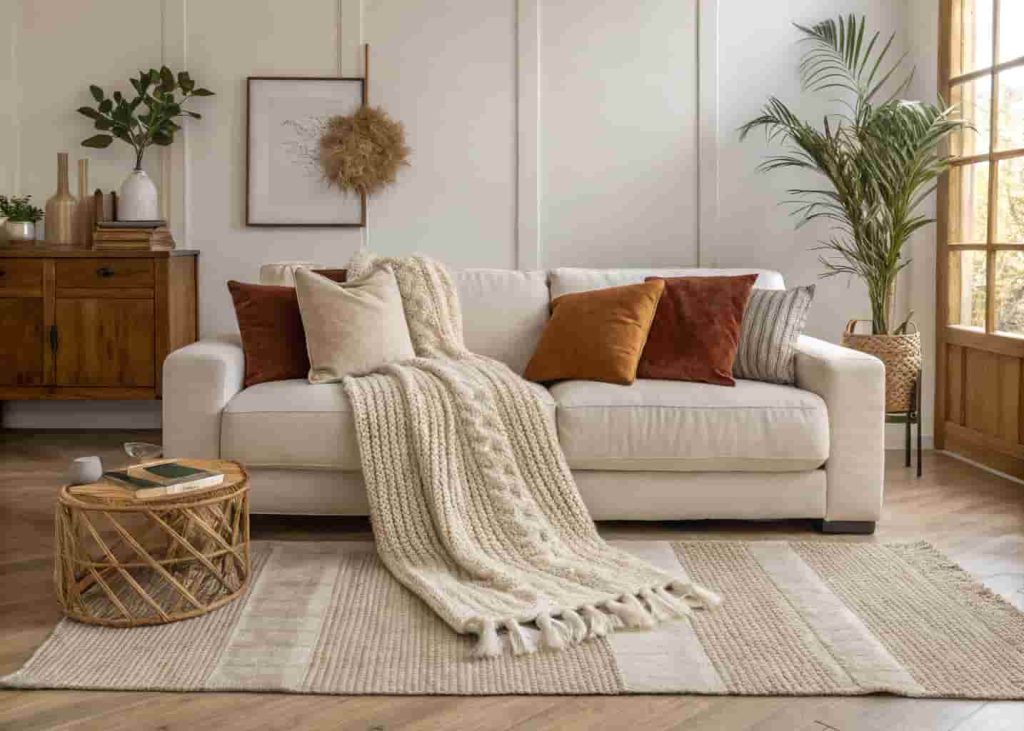
When your color palette is simple, texture is what keeps a room from feeling boring. Layering different textures — a chunky knit throw, velvet cushions, a woven wool rug — adds depth and interest without adding color chaos. The key is keeping the tones similar while mixing the materials. Imagine a cream boucle sofa with a soft grey wool rug, a chunky knit throw draped over one armrest, and two velvet cushions in warm sand tones. That combination is rich and layered but completely calm at the same time. I did exactly this in my reading corner last winter and it became everyone’s favorite spot in the house. Texture sells comfort.
Go Vertical With Shelving and Artwork
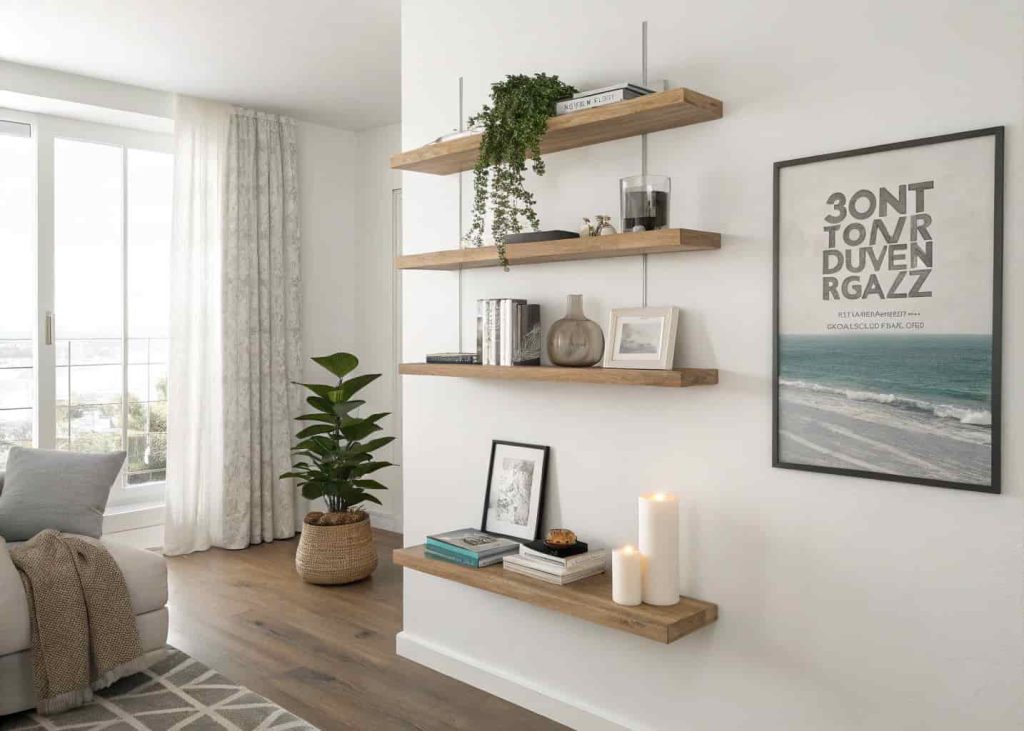
When floor space is limited, look up. Vertical shelving draws the eye upward and makes ceilings feel higher, which automatically makes a room feel bigger. Floating wall shelves with a few carefully chosen objects — a small plant, one framed photo, a candle, a book — look intentional and stylish without cluttering the floor. Same goes for artwork. One large statement piece on a wall does more for a room than six small frames scattered around. I replaced a gallery wall I had (which I loved but which was visually exhausting) with one oversized abstract print, and the room instantly felt calmer and more grown-up. Go vertical, stay minimal.
Mix Old and New for a Personal Touch
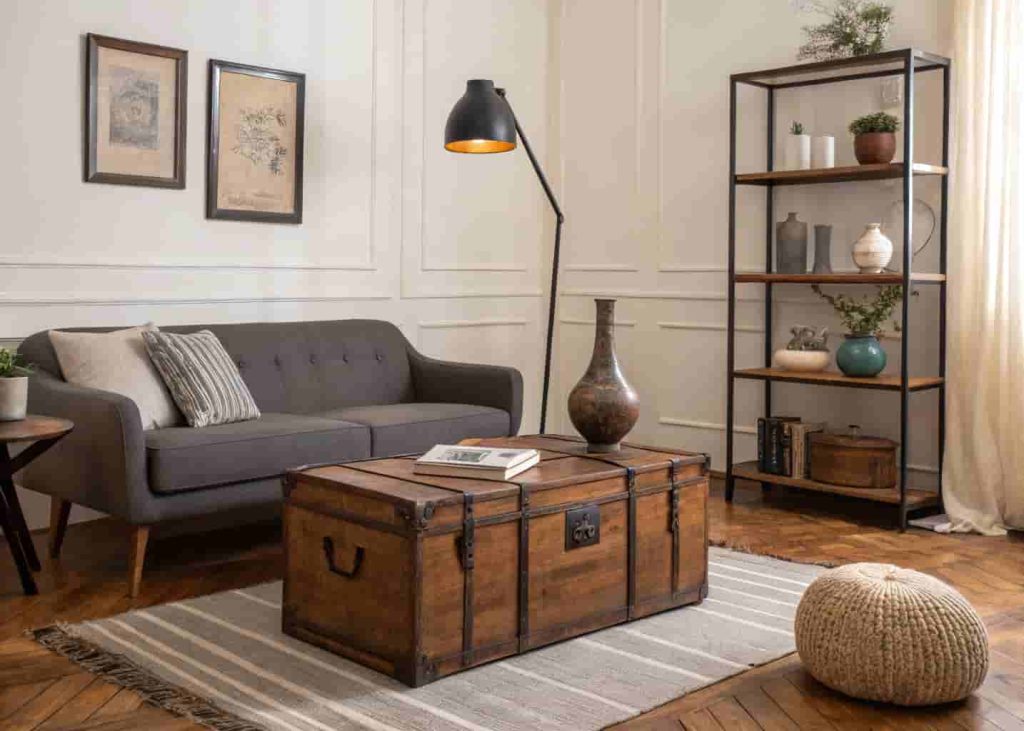
A truly great minimalist room doesn’t look like a showroom. It looks like someone actually lives there. Mixing one or two vintage or antique pieces with modern furniture gives a space personality and stops it from feeling too sterile. A mid-century modern lamp on a sleek contemporary side table, an old wooden trunk used as a coffee table in a modern white room, or your grandmother’s ceramic vase on a floating shelf — these personal touches are what make a home feel yours. In 2026, the design world is fully embracing this mix-and-match approach. Don’t throw out the old to make room for the new. Sometimes the old piece is exactly what the room needs.
Conclusion
Decorating a minimalist living room in 2026 is less about following rules and more about being intentional. Every color, every piece of furniture, every plant — it should be there because it adds something real to the space. You don’t need to redecorate everything at once. Start with one idea from this list. Maybe it’s swapping your lighting, clearing a shelf, or adding one plant to an empty corner. Small changes stack up faster than you think, and before long your living room will feel like the calm, beautiful space you’ve always wanted. Minimalism isn’t a style — it’s a feeling. And once your home has it, you’ll never want to go back.