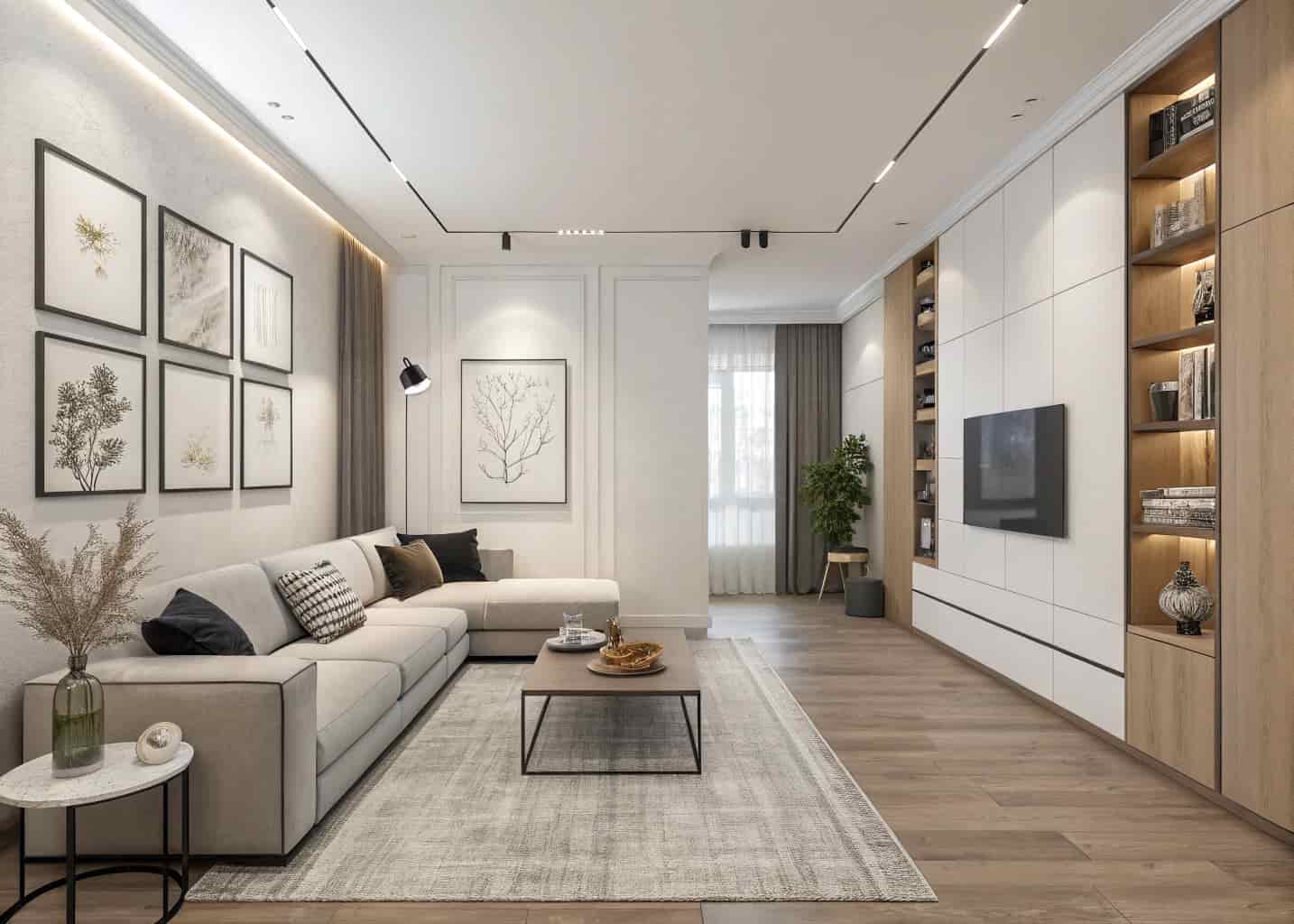
There’s something about a clean, uncluttered room that just feels right. Not cold or boring — just calm. Like you can finally breathe. I remember the first time I walked into a properly Minimalist Living Room Decor at a friend’s place. No random shelves overloaded with stuff, no mismatched cushions, just a few well-chosen pieces and loads of natural light. I stood there thinking — I want this feeling at home.
Minimalism isn’t about owning less for the sake of it. It’s about being intentional. Every piece earns its spot. And the best part? These trends don’t go out of style. The things that make a minimalist living room beautiful this year will still look great a decade from now. Here are 14 of them.
1. Neutral Color Palettes That Breathe
Neutral doesn’t mean boring — it means smart. Shades like warm white, soft cream, greige, and sand have been the backbone of minimalist design for decades. They make spaces feel larger, work with almost any furniture, and don’t scream for attention. When I repainted my own living room from a bold terracotta to a simple warm white, the room felt double the size overnight. Neutrals also let the textures and materials in your space do the talking — which is exactly where minimalism gets interesting. Go warm with your whites rather than cold and stark. Warm tones feel inviting instead of clinical, and that difference matters more than most people realize when you’re actually living in the space every single day.

2. Natural Materials — Wood, Stone, Linen
Natural materials bring warmth and texture without adding visual clutter. A light oak coffee table, a linen sofa, a stone lamp base, or a jute rug — these things connect your room to something real and grounding. This trend will never fade because it’s rooted in something humans genuinely respond to: nature. A friend of mine replaced her glossy plastic side table with a solid mango wood one. The whole corner of the room started feeling more grounded instantly. Natural materials also age beautifully — they develop character over time instead of looking tired and worn out. That’s value you simply don’t get from flat-pack furniture with a two-year lifespan sitting in your living room.

3. Statement Furniture With Clean Lines
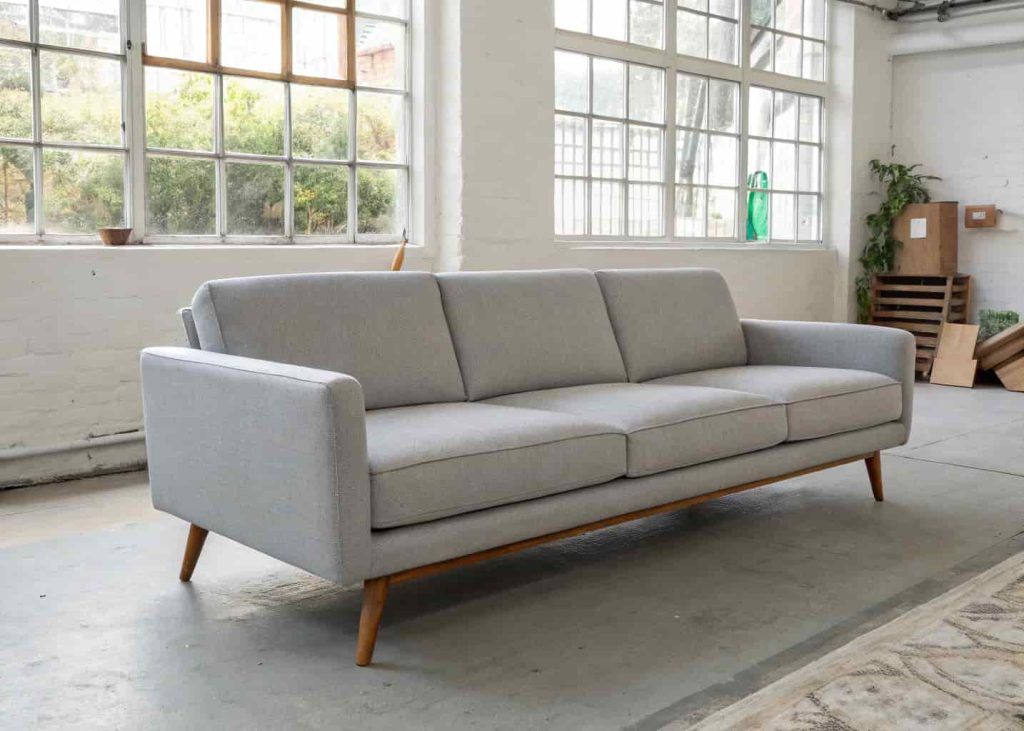
In a minimalist room, your furniture has to pull its weight — because there isn’t much of it. That means choosing pieces with real presence. Think a low-profile sofa with slim wooden legs, a simple yet bold armchair, or a beautifully made coffee table with a strong silhouette. The key phrase here is clean lines. No elaborate carvings, no fussy detailing, no overly ornate frames. The shape itself becomes the design. Mid-century modern pieces are a classic example — they’ve been around since the 1950s and still look sharp in living rooms today. When you invest in one or two great furniture pieces with timeless shapes, you never need to chase trends again. The furniture speaks for itself, quietly and confidently, year after year.
4. Purposeful Empty Space
This might be the hardest concept for people to embrace — leaving space empty on purpose. We’re wired to fill gaps. Empty shelf? Put something on it. Bare wall? Hang a picture. But in minimalist design, empty space is the feature. It’s called negative space, and it gives the eye somewhere to rest. It makes the pieces you do have look more intentional and important. I once cleared half the furniture out of a cluttered study and was stunned — the room immediately looked more elegant with fewer things in it. Think of empty floor space as breathing room, not waste. A wall left bare isn’t unfinished — it’s confident. Let your room exhale a little and you’ll be amazed at the transformation.

5. Layered Textures in a Single Color Family
Here’s where minimalism gets its depth without the clutter. Instead of mixing lots of different colors, you stay within one color family — say, all creams and tans — but vary the textures dramatically. A chunky knit throw on a smooth linen sofa next to a velvet cushion, sitting above a rough-woven rug. Each surface feels different but they’re all singing in the same key. The result is a room that looks incredibly rich and layered without feeling busy or overwhelming. This approach works brilliantly in neutral living rooms where bold colors would break the calm. Texture becomes your pattern. It’s a subtle skill, but once you see it working in a real room, you can’t unsee it — and you’ll start doing it instinctively everywhere you go.

6. One Large Artwork as a Focal Point
Gallery walls with fifteen frames are out. One oversized piece of art on a clean wall — that’s where the real power is. When you choose a single large artwork, it becomes the room’s focal point and carries all the personality the space needs. Nothing else competes with it. It could be an abstract canvas, a black and white photograph, a bold line drawing — the subject matters less than the scale and intention behind it. I have one simple botanical print in my own living room, about a meter tall, and people always comment on it first. It anchors the whole room. Go bigger than you think you need to, leave breathing space around it, and watch it completely transform the feel of the wall behind your sofa.

7. Hidden and Functional Storage
Minimalism and real life have to coexist — you have remote controls, books, charging cables, maybe kids’ toys. The secret is hiding it all cleverly. Ottomans with storage inside, closed sideboards instead of open shelving, built-in cabinetry with flat-front doors — these keep your floors and surfaces clear while your stuff is right there when you need it. Visible clutter is the enemy of any calm space, minimalist or otherwise. The best minimalist living rooms feel effortless because the storage is completely invisible — it’s doing all its work quietly behind closed doors. When you design storage into your room from the start, you don’t need willpower to keep it tidy. The system does it for you automatically, and that’s the real genius of good minimalist design.

8. Plants as the Only Decoration You Need
A single large plant — a fiddle leaf fig, a monstera, a tall snake plant — can do more for a minimalist room than almost any piece of decor you could buy. Plants bring life, a natural green pop of color, and organic shape that softens all the clean lines without adding clutter. They’re also one of the few decorative elements that actually improve with time as they grow bigger and fuller. In a minimalist space, resist the urge to fill every corner with small pots. One or two well-chosen, well-sized specimens are far more impactful than a crowded collection of tiny plants. A large floor plant in a beautiful simple ceramic planter can completely anchor a corner and make the whole room feel designed and alive with something real and living in it.

9. Warm, Layered Lighting
Lighting might be the single most underrated element in any living room. Harsh overhead lights make even the most beautiful space feel like a waiting room. Minimalist rooms rely on layered, warm ambient lighting — a floor lamp in one corner, a table lamp on a side table, maybe a simple pendant over a reading chair. These create pools of warm light that make the room feel intimate and human. I switched my living room to warm-toned bulbs and added a couple of lamps a few years ago. The transformation was dramatic. The room looked more expensive, more intentional, and ten times more relaxing — all without changing a single piece of furniture. Good lighting is the invisible hand that makes everything in your room look better. Never skip it or treat it as an afterthought in your decorating decisions.

10. A Monochrome or Two-Tone Color Scheme
A well-executed monochrome or two-tone living room never looks dated because the restraint itself becomes the style. Choose one color and work it across multiple shades, or pick two complementary tones and stick to them completely. An all-white room with warm wood accents. A soft grey scheme with natural black elements. A warm beige palette accented with deep chocolate brown. When you limit your palette this strictly, you eliminate the single biggest design mistake most people make — buying pieces that almost-but-not-quite work together. Everything coordinates effortlessly when you’re playing within tight rules. Commit to your two tones, resist the urge to add a third, and the result will always look like it was put together by a professional stylist who knew exactly what they were doing from the very start.

11. Low-Profile Furniture for an Airy Feel
Japanese and Scandinavian interiors figured this out long ago — keeping furniture low to the ground makes a room feel taller and more spacious. A low sofa, a low coffee table, floor cushions — these all keep the visual weight of the room down, freeing up wall space above. That visible wall space reads as height. In smaller homes and apartments, this trick can make a real difference. There’s also something grounding and calm about low furniture. It connects the space to the floor, makes it feel intimate and relaxed. When you pair low-profile pieces with tall ceilings, the contrast is particularly beautiful and dramatic. It’s an old trick used in traditional Japanese homes for centuries, but it works every single time regardless of the decade or design trend happening around it.
12. A Statement Rug That Anchors the Room
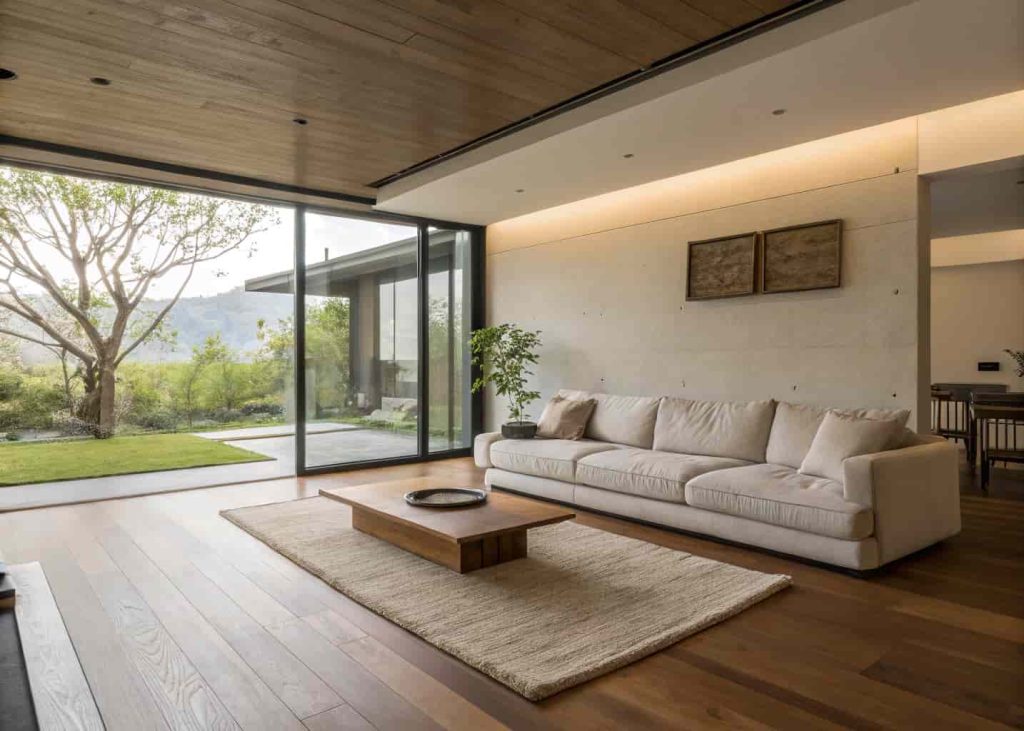
In a room with minimal furniture, a rug is doing serious design work. It defines the seating area, adds warmth underfoot, brings in texture, and gives the whole arrangement a sense of purpose and center. The golden rule for minimalist rugs — go bigger than feels comfortable. Most people buy rugs that are too small, which makes the room look disjointed and unfinished. Your sofa’s front legs should sit on the rug at minimum. A solid-tone rug or one with a very subtle texture or weave pattern works best — anything too busy or patterned fights with the calm you’re trying to build. Think of the rug as the foundation everything else sits on, not just a decorative accessory you throw in as an afterthought before guests arrive at your home.

13. Simple, Uncluttered Shelving
Open shelving is a double-edged sword in minimalist design. Done wrong, it becomes a clutter magnet. Done right, it’s one of the most beautiful features a room can have. The secret is brutal editing. Each shelf should have no more than three to five objects on it, with plenty of breathing space between them. A stack of books, one small plant, one simple object — and then nothing else. Grouping items in odd numbers (three or five) looks more natural and intentional than even groupings. When I styled my own bookshelf this way, removing about 70 percent of what was on it, I was honestly a little shocked at how much better the remaining items looked. Less really is more on open shelving. The empty shelf space isn’t wasted — it’s what makes the displayed items feel special and worth looking at.

14. Consistent Metals and Finishes Throughout
This last one sounds small but makes a surprisingly big difference. In a minimalist room, your hardware, light fixtures, table legs, and decorative objects should all share the same metal finish. Matte black throughout. Brushed brass throughout. Satin nickel throughout. When you mix metals — chrome lamp, gold picture frame, black curtain rod — the eye keeps jumping between them and the room feels restless and unresolved without you necessarily knowing why. Keeping one consistent metal finish across the whole room creates a quiet visual thread that ties everything together. It’s one of those details that you don’t consciously notice when it’s done right, but you absolutely feel it. The room just looks more put-together, more deliberate, more expensive — because every detail is speaking the same design language from corner to corner.

Conclusion
Minimalist design is not a trend that comes and goes with the seasons. It’s a way of thinking about your space — intentionally, calmly, and with a clear sense of what actually matters in your home. You don’t need to do all 14 of these things at once. Start with one. Clear a shelf. Swap a synthetic cushion for a linen one. Turn off the overhead light and use a lamp instead tonight.
Small shifts compound. Over time, your living room becomes a place that genuinely reflects you — not the noise of every trend, but the quiet confidence of knowing exactly what you love and what belongs in your space. That feeling never goes out of style.