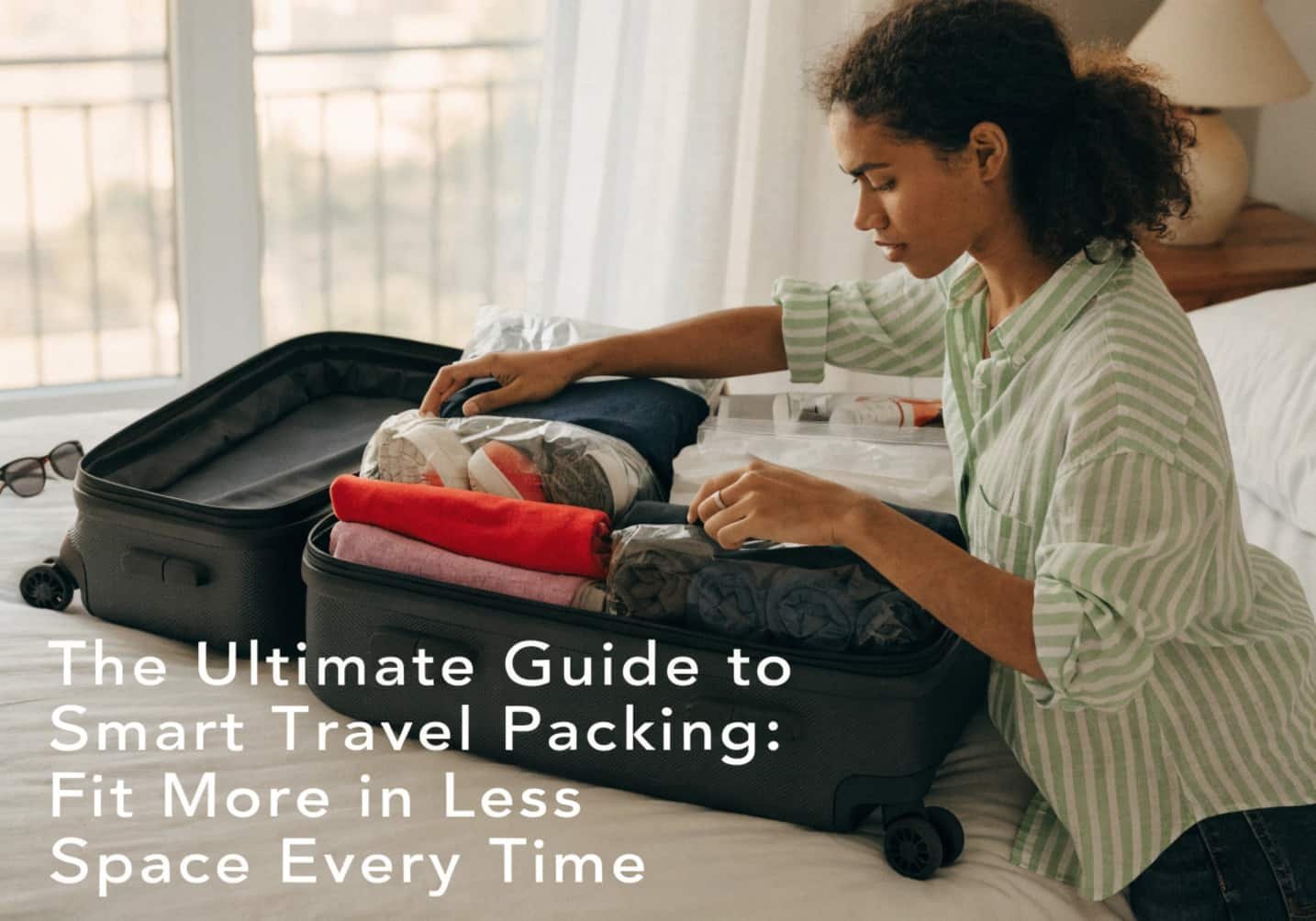
Travel Packing a suitcase feels simple until you actually try to zip it shut and realize you’ve somehow brought three pairs of shoes for a two-day trip. I’ve been there more times than I’d like to admit. Smart packing isn’t about owning fancy gear or being naturally organized. It’s about learning a handful of tricks that actually work, then using them every single time you travel. This guide walks you through everything I’ve learned from years of overpacking, underpacking, and finally figuring out the sweet spot. By the end, you’ll know exactly how to fit more into less space without leaving your favorite jacket behind.
Why Smart Packing Matters (Beyond Just Saving Space)
Most people think packing smart just means squeezing in more stuff, but it goes way deeper than that. When your bag is organized, you spend less time digging through it at security or in a hotel room at midnight looking for your charger. It also protects your clothes from wrinkling and your fragile items from breaking. I once shoved everything into a bag last minute before a work trip, and I spent the first morning ironing a shirt in a hotel bathroom because it looked like a crumpled napkin. Good packing habits save time, reduce stress, and honestly make the whole trip start off on a better note.

Choosing the Right Luggage: Suitcase vs Backpack vs Duffel
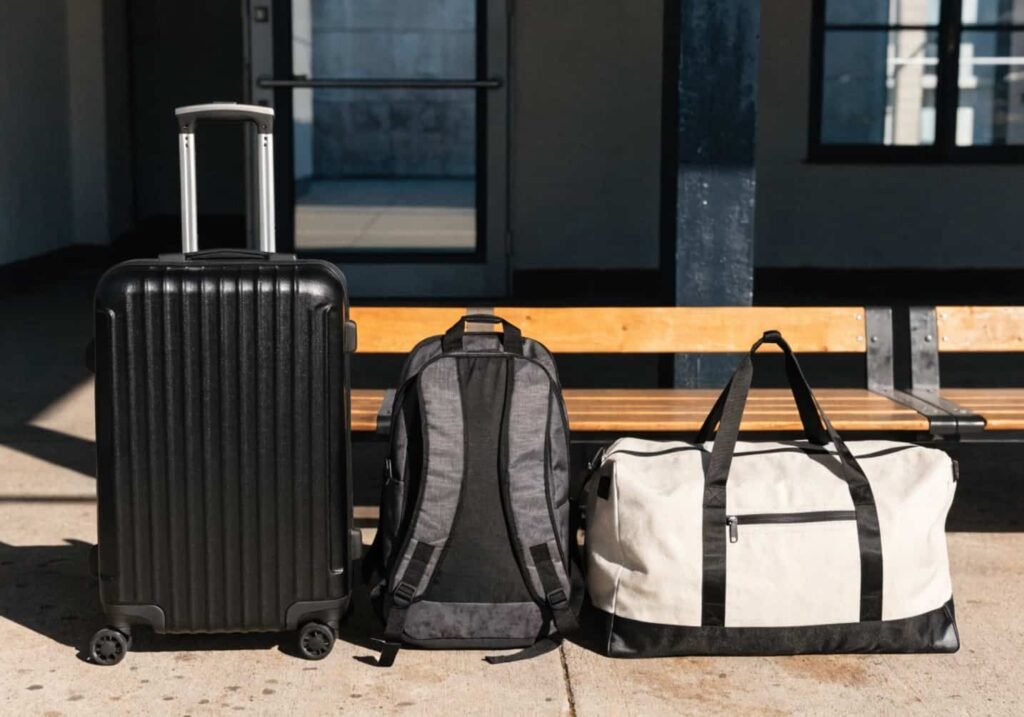
Before you even think about folding a shirt, you need the right bag for the job. A hard-shell suitcase is great for protecting fragile items and works well with packing cubes, but it can be heavy on its own. A backpack is the best choice if you’re moving around a lot, hopping between trains, or dealing with cobblestone streets where wheels are useless. Duffel bags are lightweight and flexible, perfect for short trips or as an extra bag for shoes and dirty laundry. Think about your trip style first. A weekend beach trip needs something different than a two-week backpacking adventure through Europe.
The Pre-Packing Checklist: Plan Before You Pack
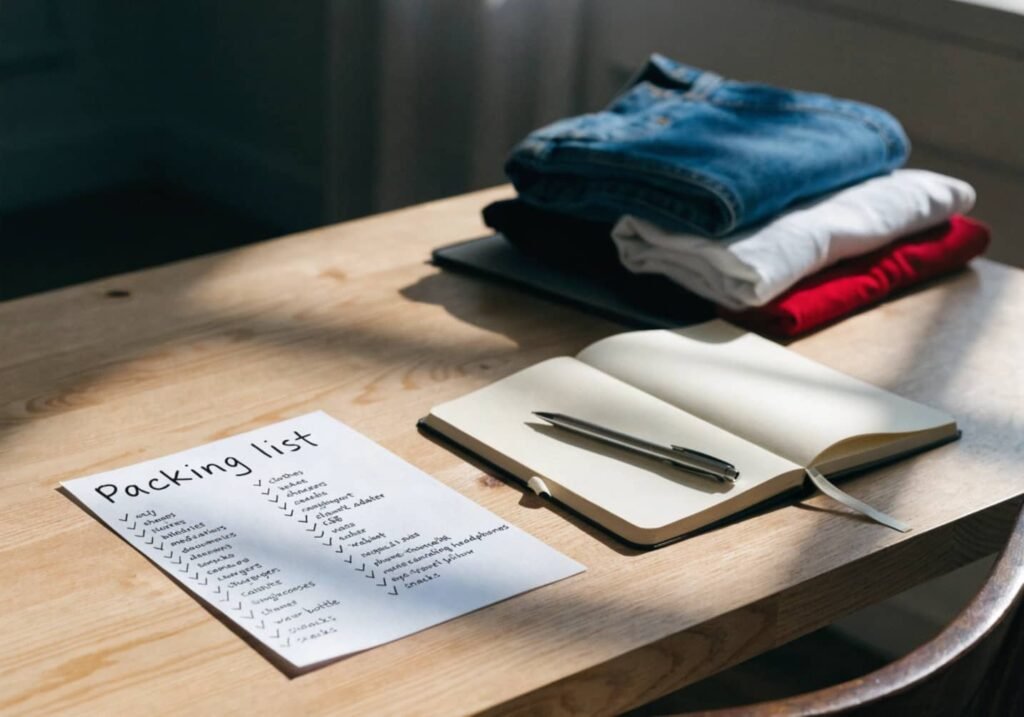
The biggest mistake I used to make was packing without a plan. I’d just grab clothes randomly and hope for the best, which almost always meant forgetting something important like a swimsuit or extra socks. Now I always start with a simple checklist a few days before any trip. I write down the weather, the number of days, and any special activities like hiking or a fancy dinner. Then I lay everything out on the bed before it goes into the bag. This one habit alone has cut my packing time in half and stopped me from overpacking things I never actually wear.
Rolling vs Folding: Which Method Actually Saves More Space?
This debate comes up in every packing conversation, and honestly, the answer depends on the fabric. Rolling works best for casual items like t-shirts, jeans, and workout clothes because it compresses them without creating deep creases. Folding is better for structured items like dress shirts, blazers, and anything with buttons, since rolling those can leave odd wrinkle lines. In my own tests packing the same carry-on twice, rolling saved noticeably more room for cotton clothing, while folding kept my formal shirts looking sharp for a work trip. The table below breaks down when to use each method so you’re not guessing every time.
| Fabric/Item Type | Rolling Result | Folding Result | Best Method |
|---|---|---|---|
| Cotton t-shirts | Saves up to 30% space, minimal creases | Bulkier, some fold lines | Rolling |
| Denim jeans | Compact, easy to stack | Takes up more room | Rolling |
| Dress shirts | Wrinkles at collar and sleeves | Stays crisp with tissue paper | Folding |
| Blazers/jackets | Not recommended | Fold with lining out to prevent creases | Folding |
| Activewear | Very compact, dries faster if damp | Bulkier, less airflow | Rolling |
| Sweaters | Can stretch fabric slightly | Keeps shape better | Folding |
How to Use Packing Cubes the Right Way
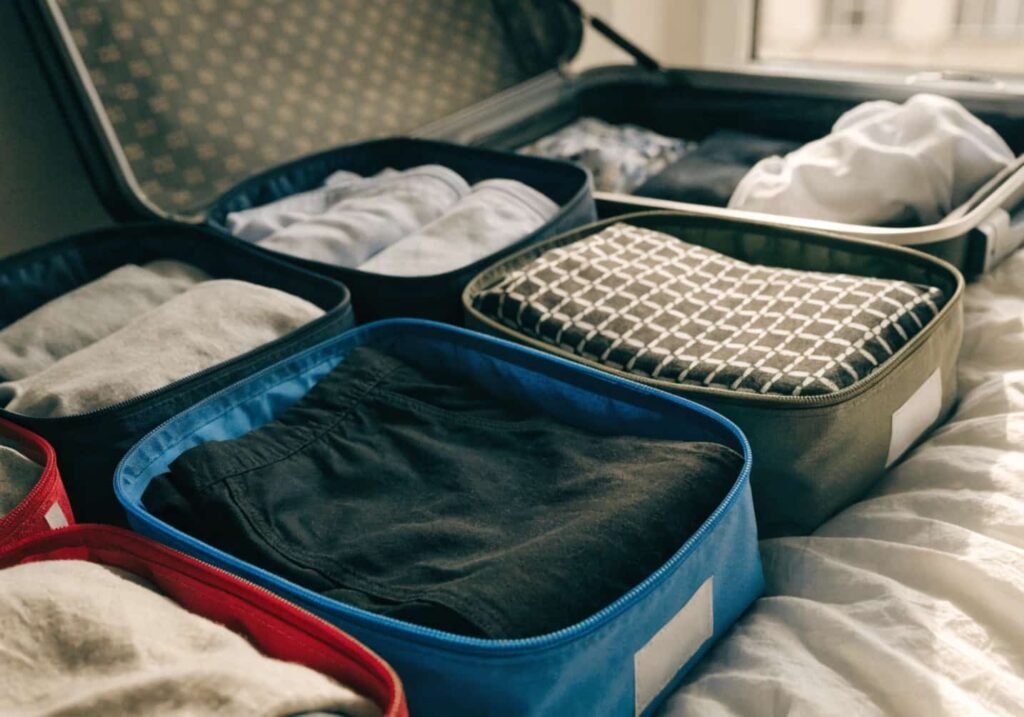
Packing cubes changed the way I travel completely, but only after I figured out how to actually use them properly. At first, I just tossed random items into each cube without any system, which defeated the whole purpose. Now I sort by category: one cube for tops, one for bottoms, one for underwear and socks, and a separate one for anything electronic like cables and chargers. This makes unpacking at a hotel almost instant because you just pull out the cube you need instead of digging through a messy pile. Compression cubes with a zipper that flattens them are even better if you’re tight on space.
Vacuum Bags vs Compression Bags: Pros, Cons & When to Use Each
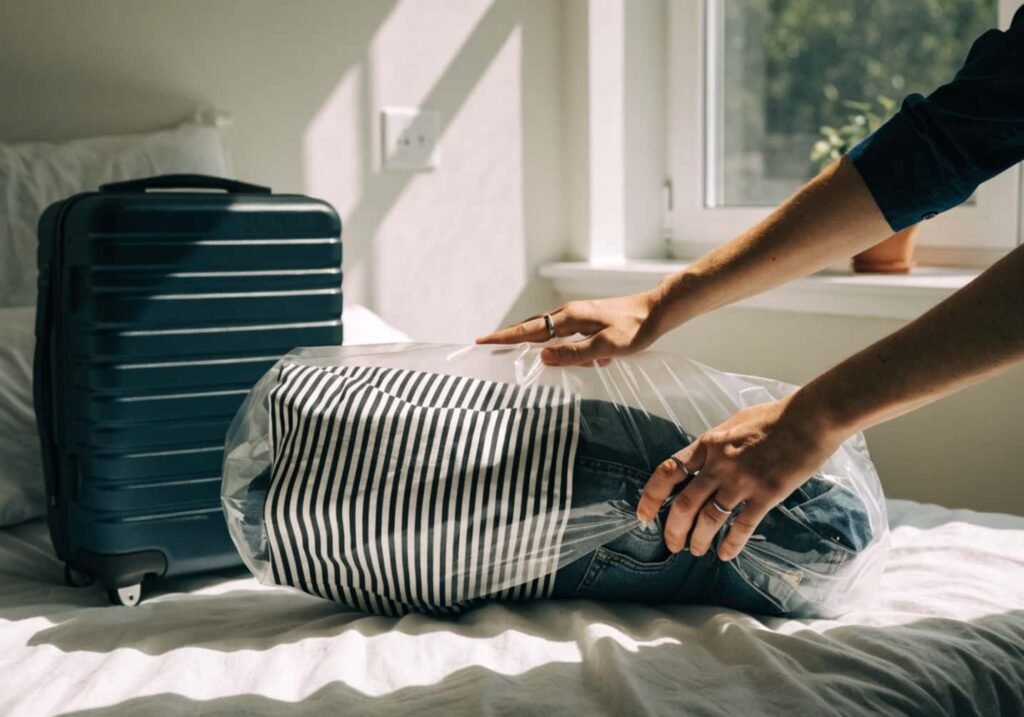
Vacuum bags and compression bags both squeeze air out of your clothes, but they work a bit differently and suit different situations. Vacuum bags need a pump or vacuum cleaner to remove air, making them great for bulky items like winter coats or bedding you’re transporting, though they’re not practical mid-trip without access to a vacuum. Compression bags use a roll-and-seal method instead, so you can use them anywhere without electricity, which makes them more travel-friendly for everyday packing. I personally keep a couple of compression bags in my carry-on for dirty laundry on the way back, since they keep smells contained and save space at the same time.
The Layering Trick: Wear Your Bulkiest Items on Travel Day
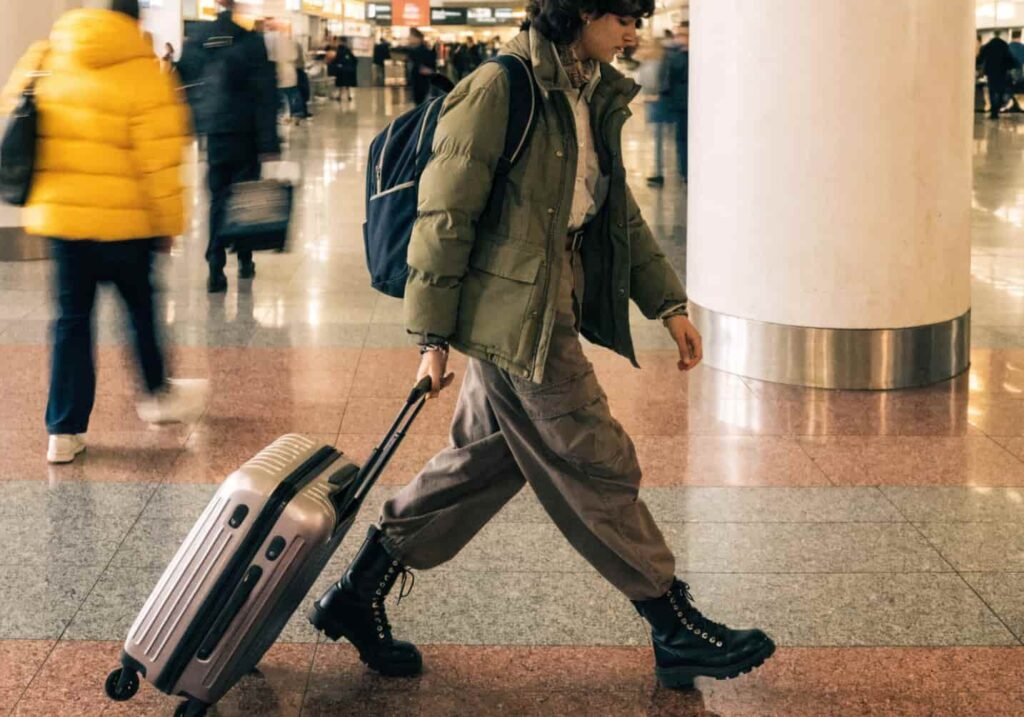
If you’re traveling somewhere cold or packing bulky items like a heavy jacket or boots, the smartest move is to just wear them instead of packing them. I learned this the hard way on a winter trip when my puffer jacket alone took up nearly a quarter of my suitcase space. Now I always wear my heaviest coat, my bulkiest shoes, and even layer a sweater on the plane if needed. It might feel a little warm walking through the airport, but the moment you land, you can take layers off and stuff them in your bag if there’s room, or just carry them over your arm.
Smart Packing for Different Trip Types (Business, Beach, Winter, Family)
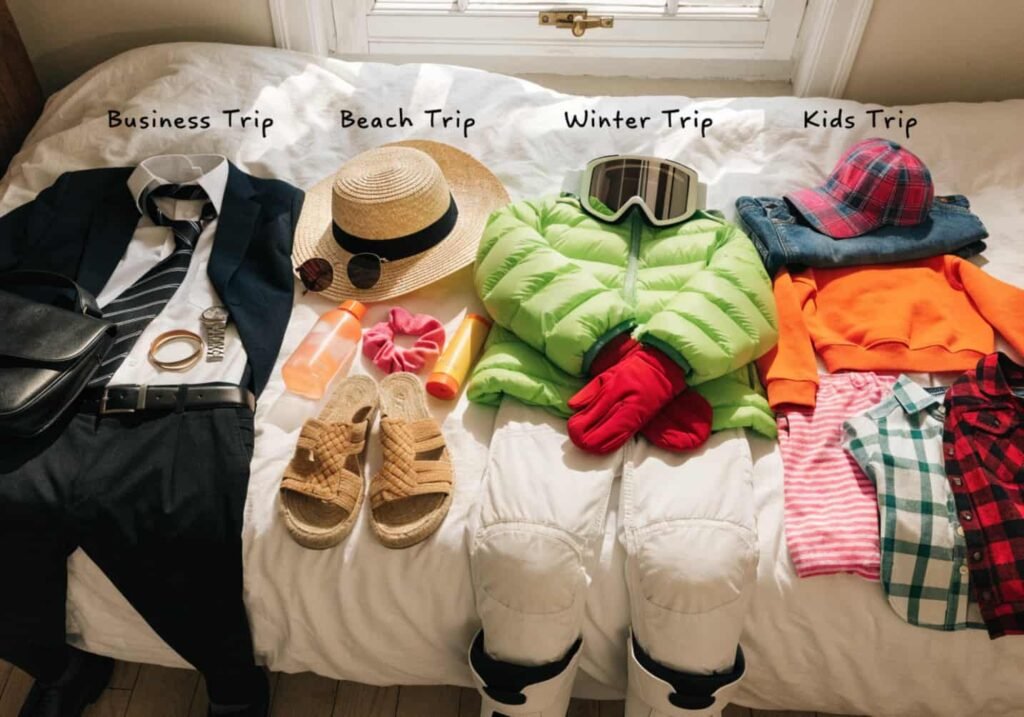
Every trip type needs a slightly different packing approach, and treating them all the same is where most people go wrong. For business trips, focus on wrinkle-resistant fabrics, one extra outfit for surprises, and a separate bag for your laptop and chargers. Beach trips need swimwear, a light cover-up, and reef-safe sunscreen, plus a waterproof bag for wet items on the way home. Winter trips demand thermal layers and waterproof boots, where the layering trick becomes essential. Family trips with kids are the trickiest, since you’re often packing for multiple people at once, so I always give each child their own small cube to keep things from mixing up.
Common Packing Mistakes That Waste Space
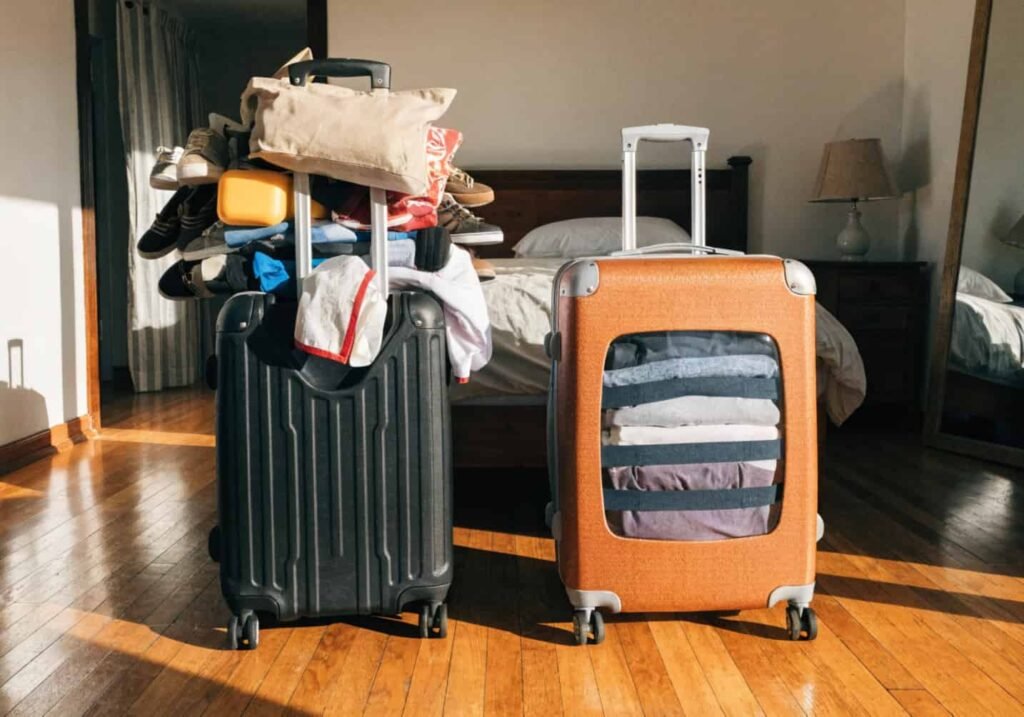
Even seasoned travelers fall into these traps, and I’ve made almost every one of them myself. Packing too many shoes is probably the biggest space waster, since shoes are bulky and rarely all get worn. Bringing full-size toiletries instead of travel bottles is another common mistake that eats up serious room. Not using the empty space inside shoes for socks or small items is a missed opportunity too. And packing “just in case” outfits that never actually get worn is something almost everyone is guilty of. Once I started being honest about what I’d actually wear, my suitcase suddenly had way more breathing room.
Final Pre-Flight Checklist: Double-Check Before You Zip
Before you zip that bag shut for the last time, it’s worth running through a quick final check. Make sure your travel documents, chargers, and any medications are in your carry-on, not buried in checked luggage. Weigh your bag if you’re worried about airline limits, since overweight fees can ruin the budget-friendly trip you planned. Double-check the weather forecast for your destination one more time in case plans changed. And take a second to make sure nothing sharp or liquid-heavy is sitting on top of soft items that could get crushed. This last check has saved me from more than one travel-day disaster.
Frequently Asked Questions
How do I pack a week’s clothes in a carry-on? Focus on a small color palette so everything mixes and matches, roll casual items to save space, and plan to rewear pants or jeans at least twice. Stick to one pair of versatile shoes and use packing cubes to keep things compressed and organized.
Is rolling clothes really better than folding? For casual, stretchy fabrics like cotton and denim, rolling usually saves more space and causes fewer visible creases. For structured clothing like blazers or dress shirts, folding keeps the shape intact and prevents awkward wrinkle lines.
Do packing cubes actually make a difference? Yes, they help compress clothes, keep your bag organized by category, and make unpacking much faster. They’re especially useful for family trips where multiple people are sharing one suitcase.
What’s the biggest packing mistake people make? Packing too many “just in case” items, especially extra shoes and outfits that never actually get worn during the trip.
Conclusion
Smart packing really comes down to planning ahead, choosing the right tools, and being honest with yourself about what you’ll actually use. It’s not about being a minimalist or owning expensive gear. It’s about small habits that add up, like rolling the right fabrics, using packing cubes with a system, and wearing your bulkiest items instead of stuffing them in your bag. Every trip I take now feels lighter and less stressful because I stopped guessing and started following a routine. Try even two or three of these tips on your next trip, and you’ll likely notice the difference the moment you zip your bag shut with room to spare.