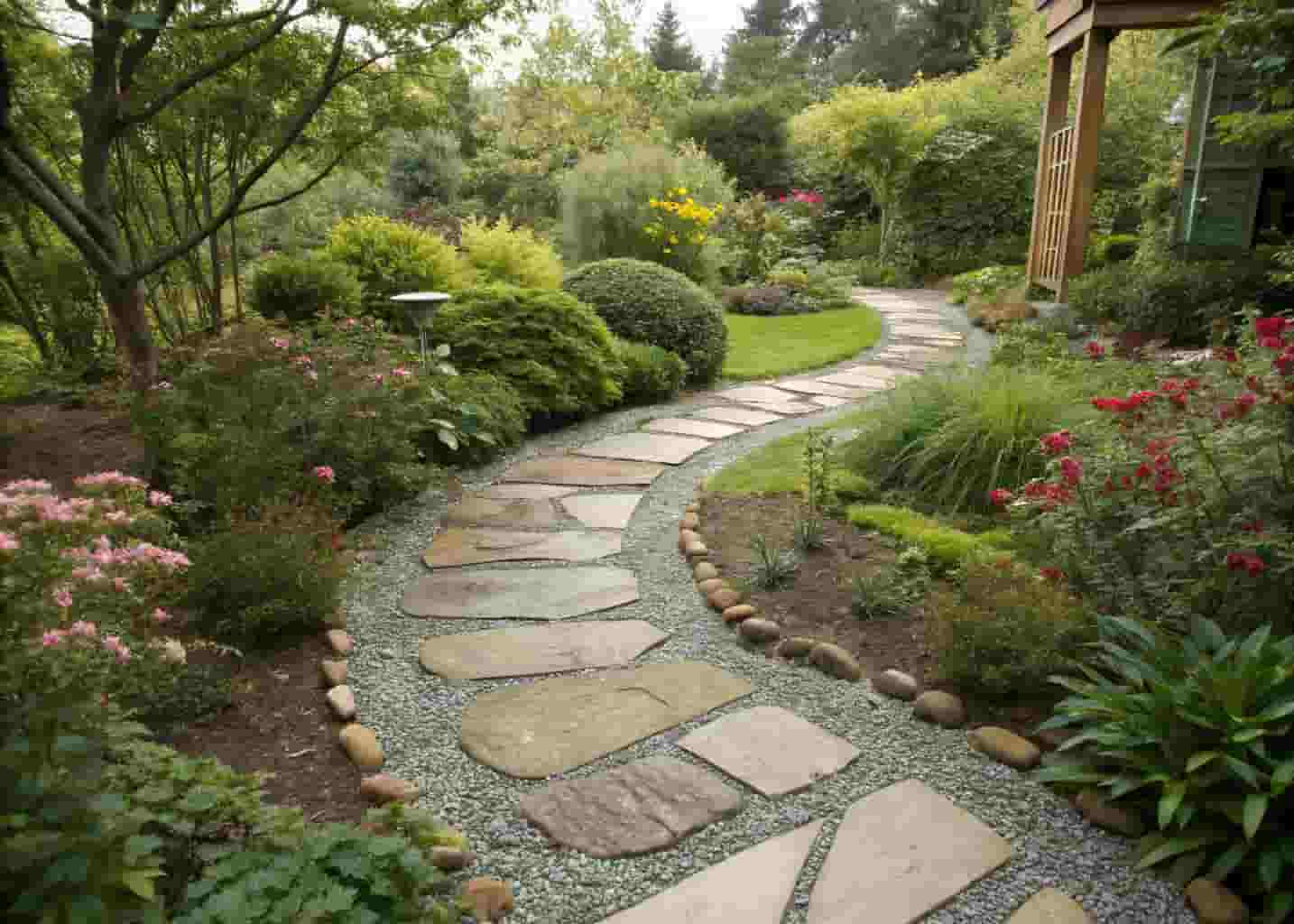
Walkway Paths through a beautiful garden feels so much better when there’s a clear, charming path guiding your steps. But here’s the thing — you don’t need to spend a fortune to create one. Some of the prettiest garden walkways I’ve ever seen were made with leftover materials, second-hand finds, or simple supplies from a local hardware store. Whether your garden is large or tiny, there’s always a path style that fits your space and your wallet. Let’s explore twelve ideas that are genuinely affordable and easy to pull off.
Gravel and Pea Stone Paths
Gravel is one of the most budget-friendly walkway options out there, and honestly, it never goes out of style. You can pick up a bag of pea gravel for just a few dollars, and it goes a long way. What I love most about gravel paths is how low-maintenance they are — just rake them smooth every now and then and you’re good to go. They also drain really well, which means no muddy puddles after rain. You can edge them with simple wooden boards or bricks to keep everything tidy. It’s a classic look that works in cottage gardens, modern spaces, and everything in between.
Stepping Stone Paths
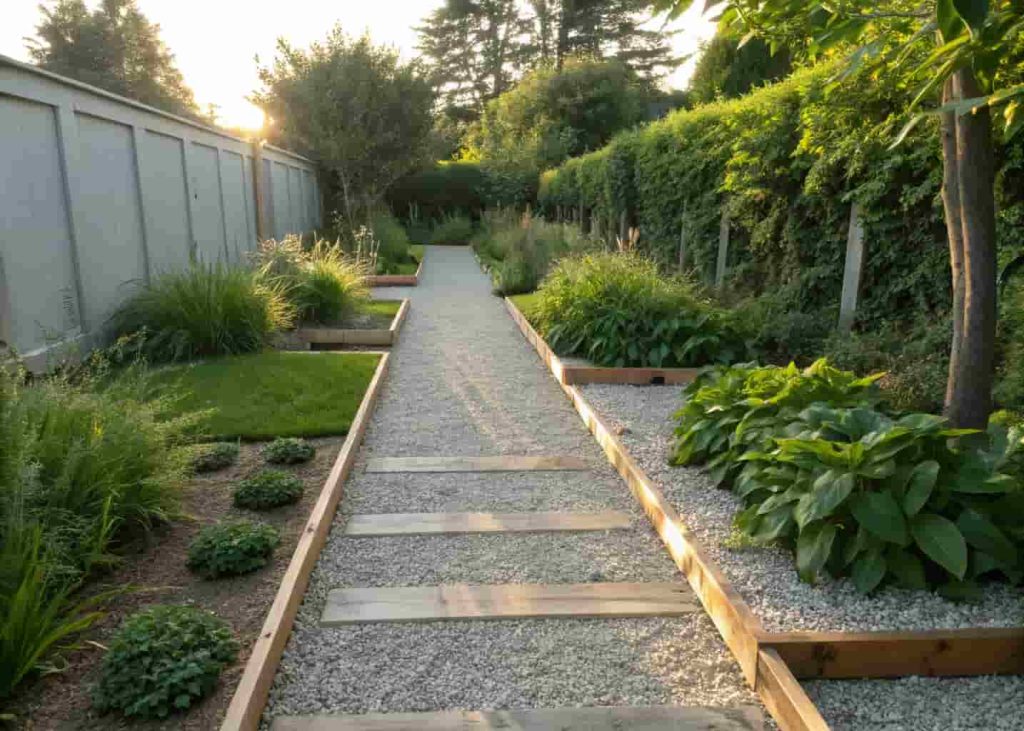
Stepping stones are probably the most popular DIY walkway choice for a reason. They’re simple, charming, and you can space them however you like. You can buy basic concrete stepping stones at most garden centers for under two dollars each, or you can make your own using molds and a bag of quick-set concrete. I once made a set with my kids using leaf impressions on the surface — they turned out beautifully and cost almost nothing. Lay them in a straight line, a curve, or even a gentle zigzag through your flower beds. Add some creeping thyme or moss between them for extra character.
Mulch and Wood Chip Walkways
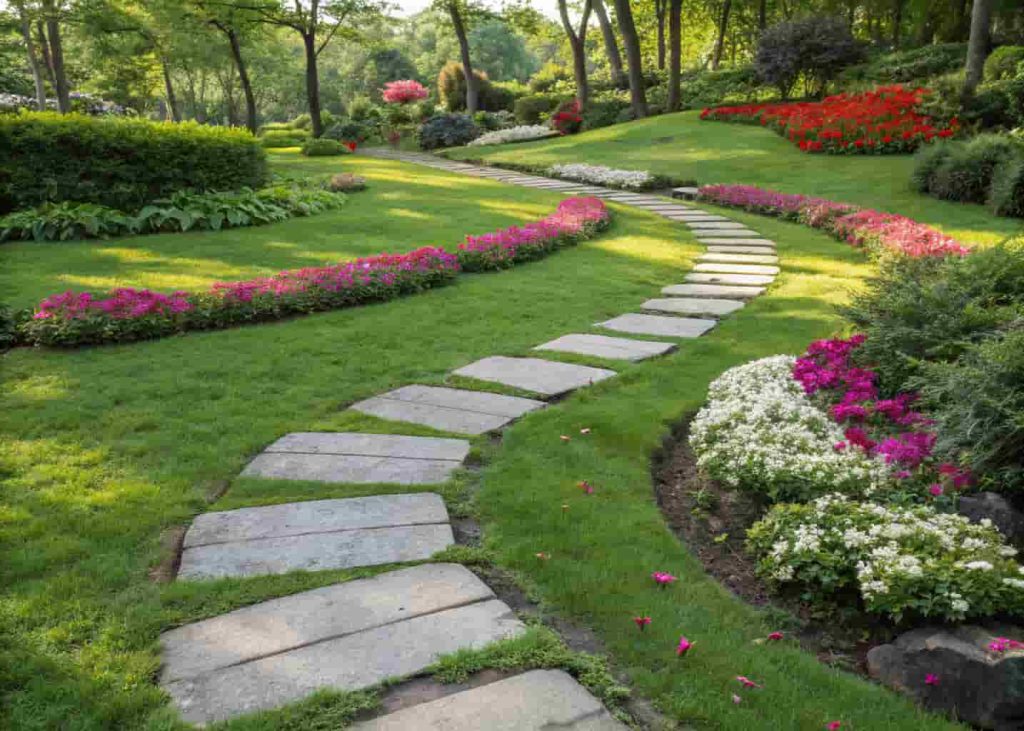
If you want something soft underfoot and super affordable, a mulch or wood chip path might be your best bet. Many tree trimming companies will drop off a truckload of wood chips for free — seriously, just ask. Spread them a few inches thick over a path lined with landscape fabric, and you’ve got a natural-looking walkway that also keeps weeds down. It has a very relaxed, woodland feel that suits cottage or wildflower gardens perfectly. The only thing to keep in mind is that you’ll need to top it up every year or two as the chips break down. Still, for the cost, it’s hard to beat.
Brick Pathway Ideas
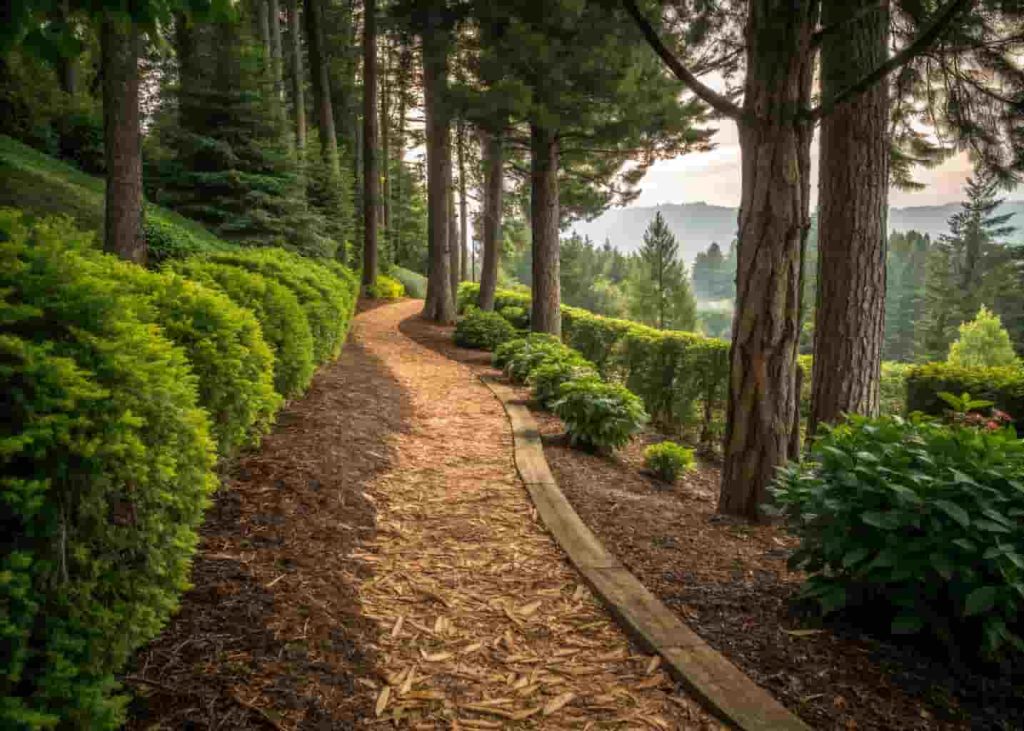
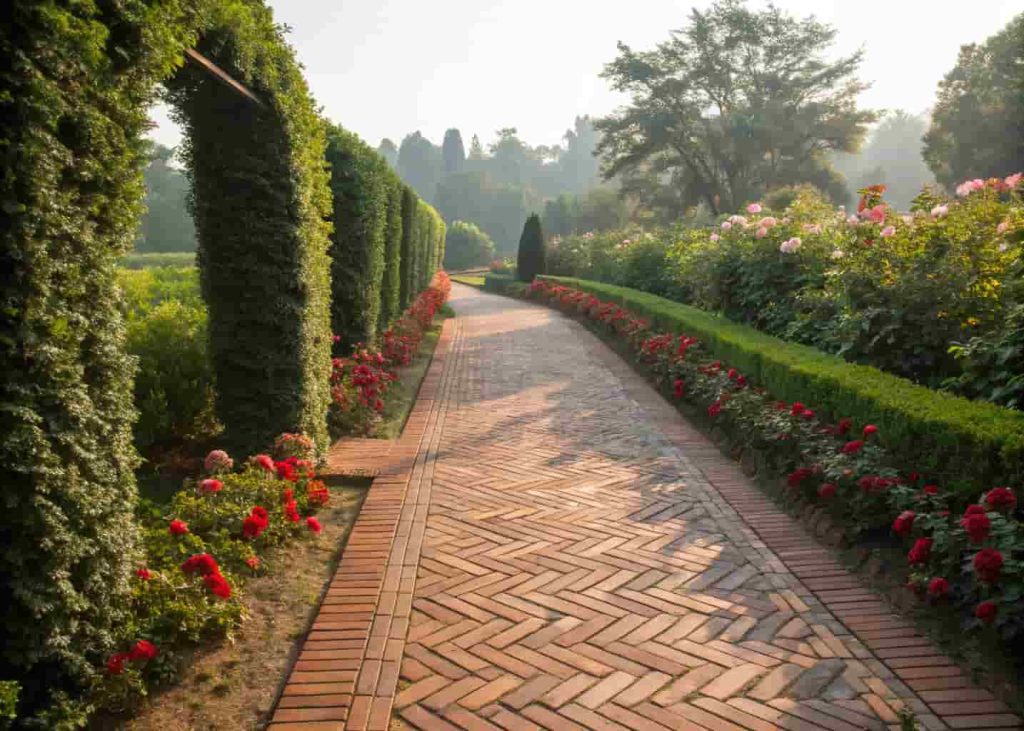
Bricks give a garden such a timeless, elegant look, and they’re more affordable than most people think. You can often find used or reclaimed bricks at salvage yards, Facebook Marketplace, or even free on local community boards. Lay them directly on a bed of sand without any mortar, and you’ve got a flexible, easy-to-repair path. The herringbone pattern is my personal favorite — it looks so put-together even without professional help. Bricks also age really gracefully, getting a lovely worn look over the years. They work especially well in traditional English-style gardens or alongside raised vegetable beds.
Flagstone and Flat Rock Paths
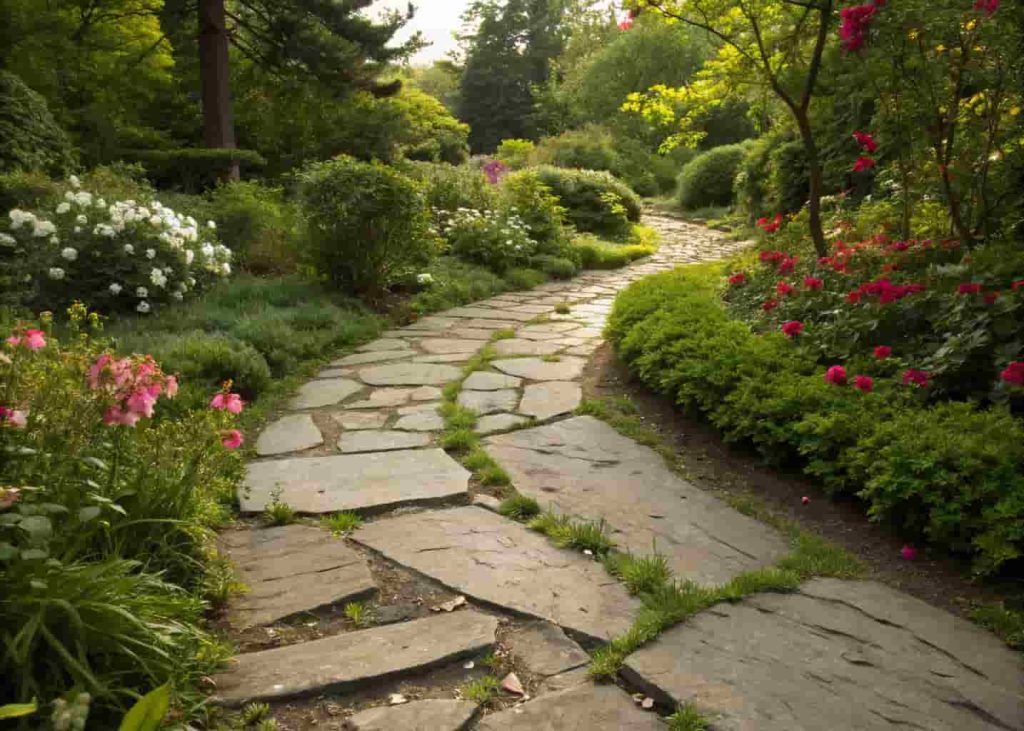
Flagstone paths look like they belong in a magazine, but they don’t have to cost magazine prices. Local stone yards often sell irregular flagstone pieces at lower prices than the perfectly cut ones. You can also find flat rocks in natural settings or at landscaping supply stores. Set them in sand or soil, leaving small gaps between them for ground cover plants to grow through. The result is a natural, organic-looking path that blends beautifully into almost any garden style. I used irregular limestone pieces in my backyard once and the whole path cost less than fifty dollars. It looked like I’d spent ten times that.
Concrete Pavers on a Budget
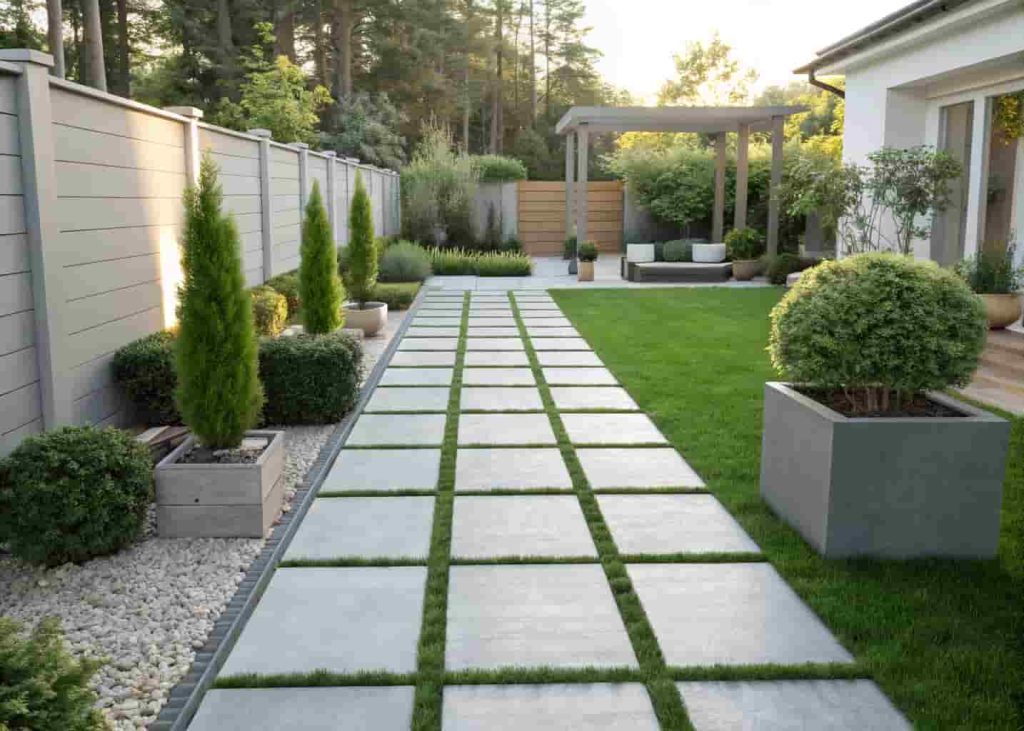
Concrete pavers are durable, clean-looking, and incredibly affordable when you shop smart. Big box stores sell basic square or rectangular pavers for well under a dollar each during sales. You don’t need to hire anyone — just level the ground, add a thin layer of sand, and set them in place. They’re perfect for modern or minimalist garden styles where clean lines matter. You can also mix sizes or colors to create patterns without spending much more. A simple alternating large-and-small layout can look really designer without costing designer prices. They’re also very practical for high-traffic areas near patios or garden doors.
Recycled Pallet Wood Paths
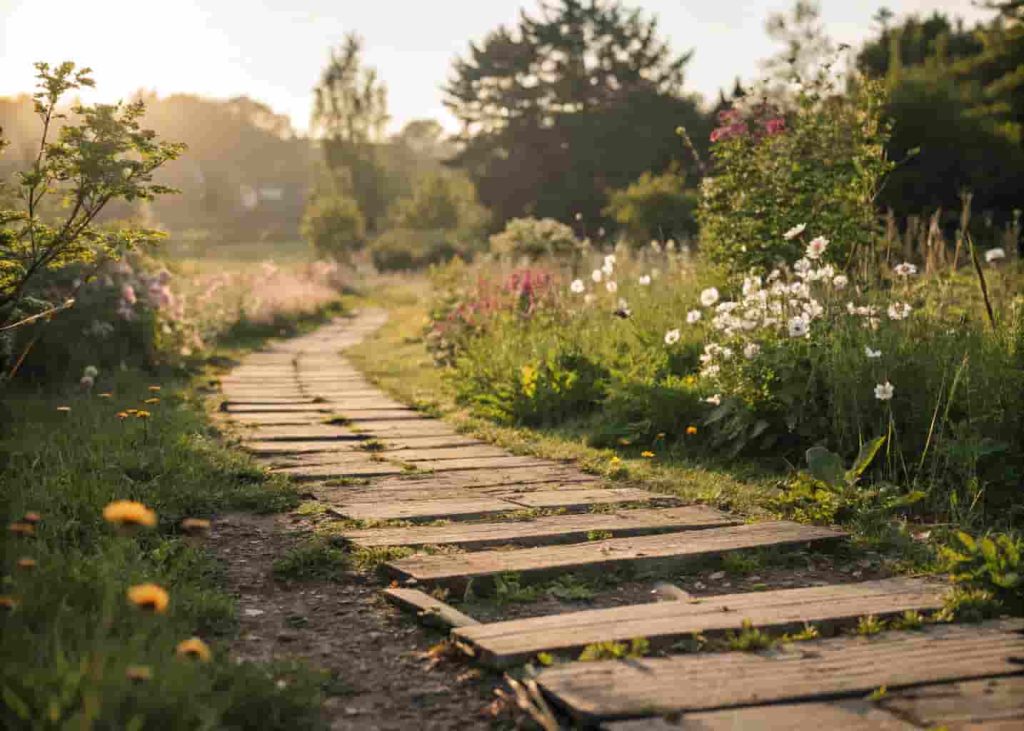
Old wooden pallets are one of the most creative and wallet-friendly materials you can use in a garden. Many businesses give them away for free — hardware stores, furniture shops, and warehouses are great places to ask. Disassemble the pallets and lay the planks side by side to create a rustic boardwalk-style path. Sand down any rough edges and treat the wood with an outdoor sealant to help it last longer. This style works really well in bohemian, farmhouse, or eclectic gardens. It gives the space a cozy, laid-back vibe that feels very personal and creative. Just check that the pallets are heat-treated rather than chemically treated before using them outdoors.
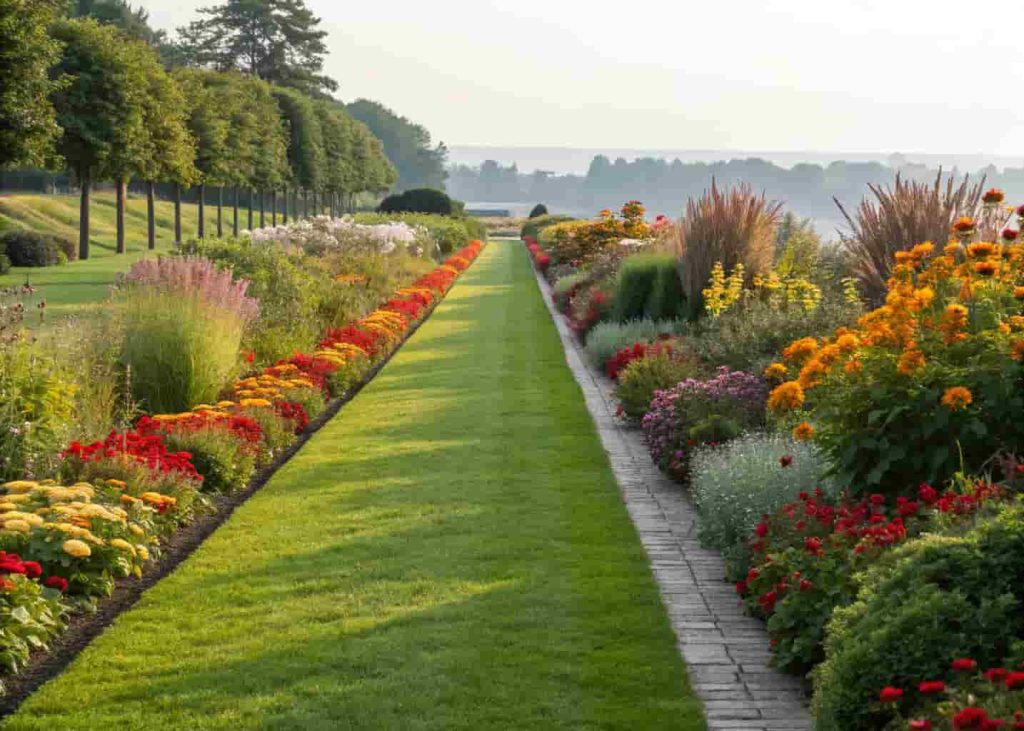
Grass Strip Walkways
Sometimes the simplest solution is also the most beautiful. A grass strip walkway is literally just strips of neatly mowed lawn used as a path between garden beds or features. It costs almost nothing if you already have grass growing, and it creates a lush, green corridor that looks totally intentional and designed. Keep the edges clean with a half-moon edging tool or a spade for a crisp, professional finish. Grass paths feel soft underfoot and look especially lovely in formal gardens or between rows of vegetables. The main upside? Your path basically takes care of itself as part of your normal lawn routine. No materials, no installation, just smart mowing.
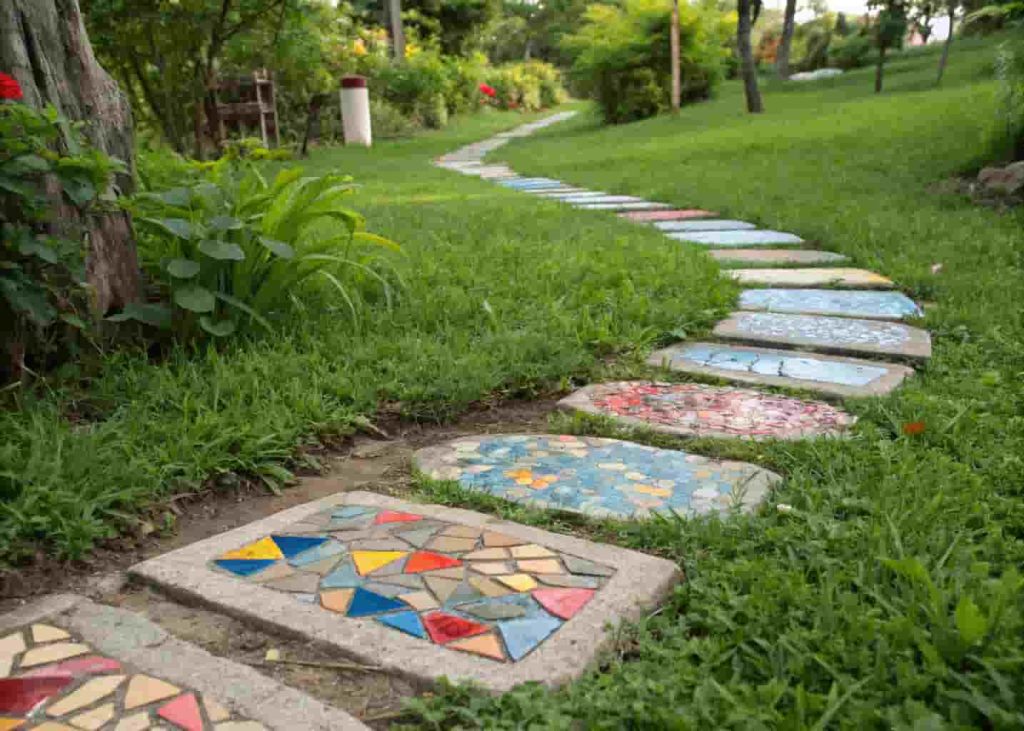
Mosaic Tile Stepping Paths
Mosaic tile paths look incredibly artsy and unique, but you can keep costs low by using broken tiles, old dishes, or leftover ceramic pieces. This is a genuinely fun weekend project that produces something truly one-of-a-kind. Set your mosaic pieces into stepping stone molds using concrete mix, press them in while it’s still wet, and let them cure. Each stone ends up looking like a little piece of art. I’ve seen garden paths made from smashed coffee mugs, blue ceramic tiles from a kitchen remodel, and even colorful glass gems from dollar stores. The total cost can be nearly nothing if you work with what you already have around the house.
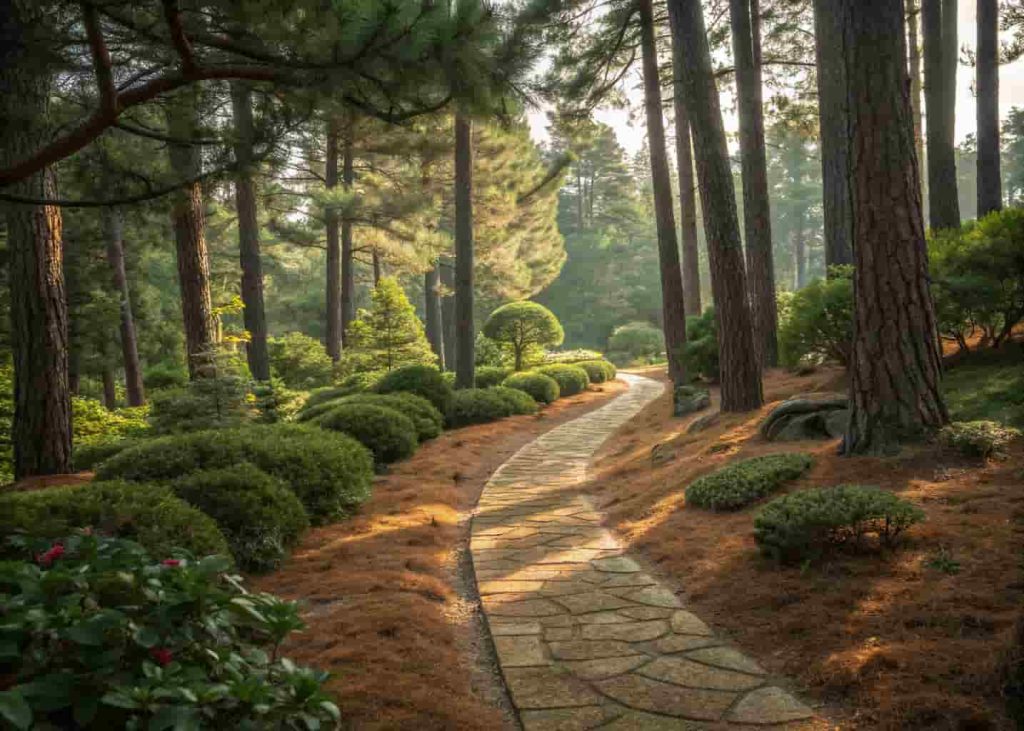
Pine Needle and Natural Fiber Paths
Pine needle paths — sometimes called pine straw paths — are a Southern garden favorite, but they work beautifully anywhere you have a shaded or woodland-style space. Pine needles are lightweight, smell wonderful, and form a natural mat when packed together. They’re incredibly cheap and often free if you have pine trees nearby or can find them at a local nursery. Lay them a few inches thick over a stretch of bare earth and they’ll stay in place surprisingly well. They also break down slowly, enriching the soil underneath over time. This type of path looks especially magical under tall trees where light filters through and the needles glow golden in the afternoon sun.
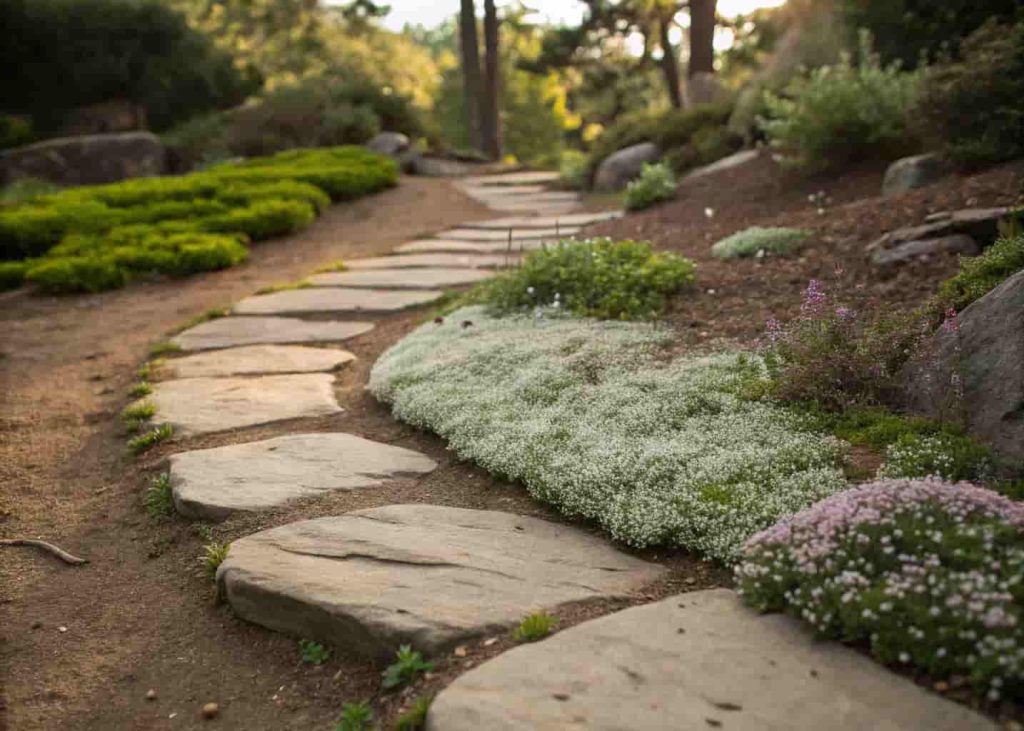
Edged Dirt Paths with Ground Cover
Don’t underestimate a simple, well-edged dirt path planted with low-growing ground cover between edging stones or boards. Creeping thyme, clover, or chamomile planted along a packed earth path creates a fragrant, soft walkway that looks completely intentional and beautiful. The plants spread on their own over time, filling in gaps and making the whole thing feel lush without much effort. Dig out a path shape, edge it with whatever you have — stones, metal strips, old timber — then plant your ground cover. Within one growing season, it’ll look established and lovely. This is probably the most garden-forward path on this whole list, and it costs very little to create.
Repurposed Log Slice Paths
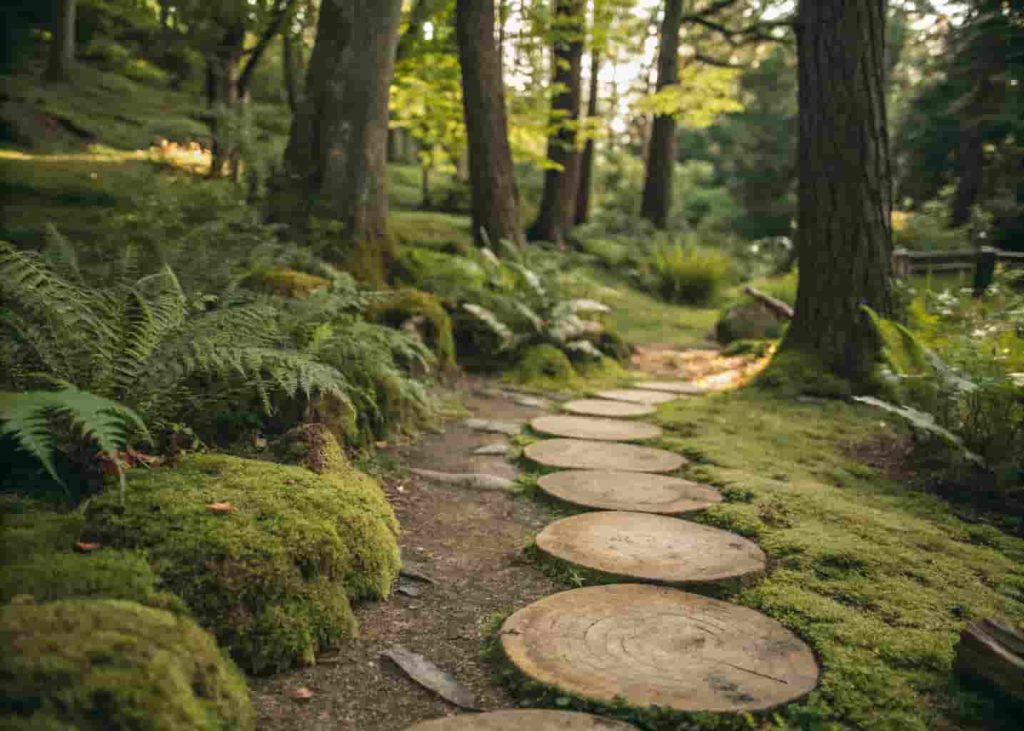
Log slice paths have such a warm, fairy-tale feel to them — and they can be completely free if you have access to fallen trees or cut logs. Ask a neighbor, a local tree service, or check community listings. Slice the logs into thick rounds and set them into the ground like stepping stones. They look absolutely stunning in woodland gardens, shaded backyards, or anywhere with a rustic or natural aesthetic. Treat them with a wood preservative to extend their life, though they will naturally weather and take on moss over time, which only makes them more beautiful. This is one of those paths that guests always stop to comment on, and it costs almost nothing to make.
Conclusion
A beautiful garden walkway really doesn’t have to break the bank. As you’ve seen across all twelve of these ideas, the most charming paths are often the ones made with creativity, a little elbow grease, and materials that didn’t cost much at all. Whether you go with classic gravel, handmade mosaic stones, or free wood chips from a tree company, the result is a garden that feels more complete, more inviting, and more like yours. Start with one section, see how you like it, and build from there. Your garden will thank you — and so will everyone who walks through it.