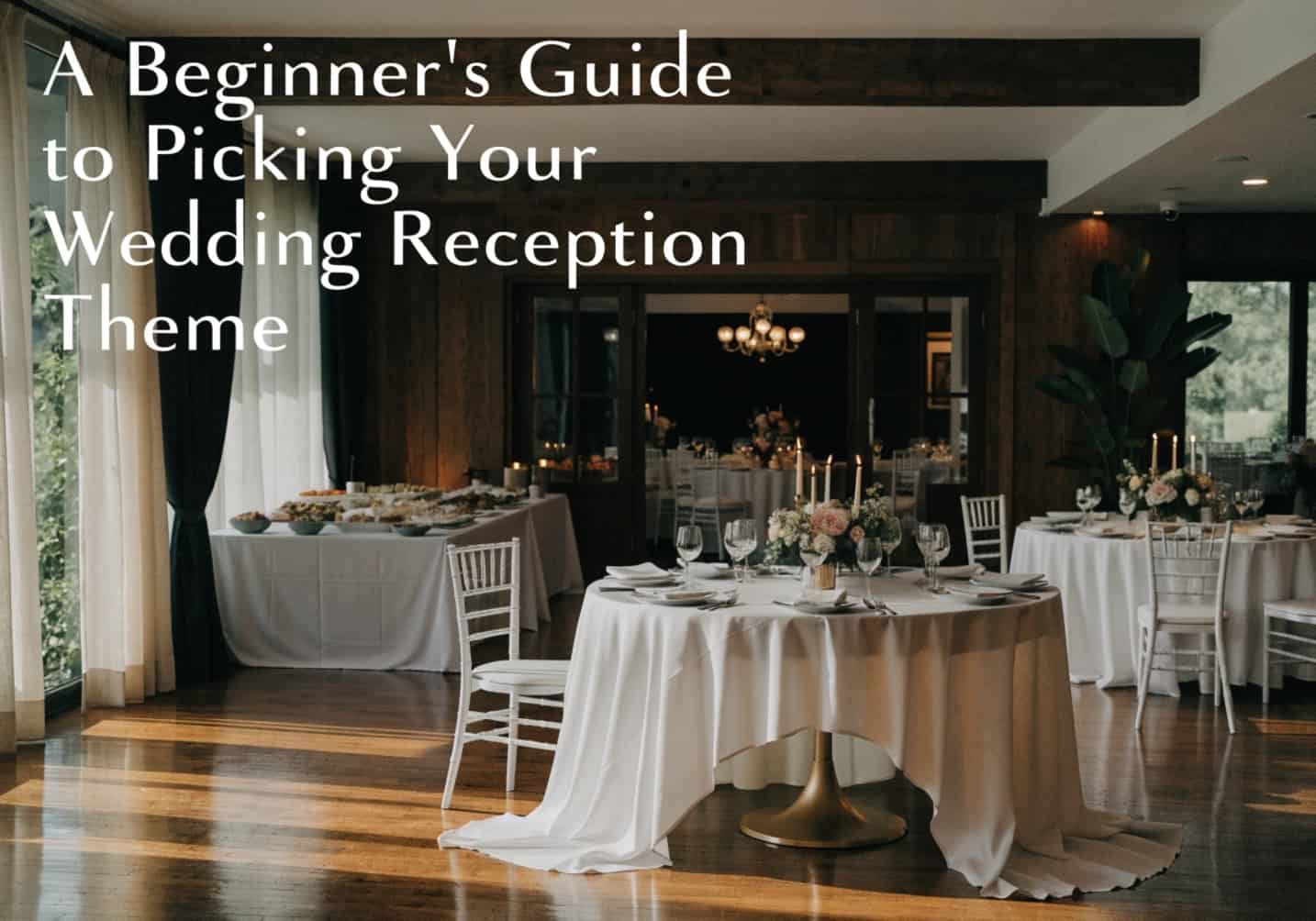
If you’ve spent hours scrolling through Pinterest and you’re still confused about what your reception should look like, you’re not alone. Almost every couple hits this exact wall when they start planning. There are so many ideas, so many colors, so many “trending” themes that it’s easy to feel your brain shut down. We’ve noticed that most people get overwhelmed at this stage and end up making random decisions they regret later. This guide exists to fix that confusion. We’ll walk you through what a theme actually is, whether you even need one, and how to figure out what fits you best without losing your mind over it. Take a breath — this is nowhere near as complicated as it feels right now.
What Exactly Is a “Wedding Reception Theme”?
In plain terms, a wedding reception theme is the overall feeling that defines your party. It’s not just about colors — it’s the mood guests sense the moment they walk into the room. Think of it like a movie set, where every detail — lighting, music, table setup, even how the food is served — tells one consistent story. A wedding theme works the same way. It decides whether your reception feels like a rustic garden party or a glamorous ballroom event. Beginners often assume picking a theme means signing up for complicated planning, but really, it just sets a direction so every other decision becomes easier. Once you have a clear theme in mind, everything from décor to invitations tends to fall into place naturally instead of feeling like a hundred separate choices.
Theme vs Décor Style: What’s the Difference
People mix these two up all the time, but they’re not the same thing. The theme is your overall concept — something like “vintage romance” or “tropical destination vibe.” Décor style is how you actually bring that theme to life through colors, furniture, lighting, and table linens. You can pair one theme with several different décor styles. For example, if your theme is “rustic elegance,” your décor might include wooden accents, soft fairy lights, and warm neutral tones. It’s worth understanding that the theme comes first, and décor follows it. If you do it backwards — picking décor pieces before deciding on a theme — you’ll just end up more confused than when you started. Always start with the bigger picture, then move into the smaller details once that’s settled.
Do You Even Need a Theme? (Honest Answer)
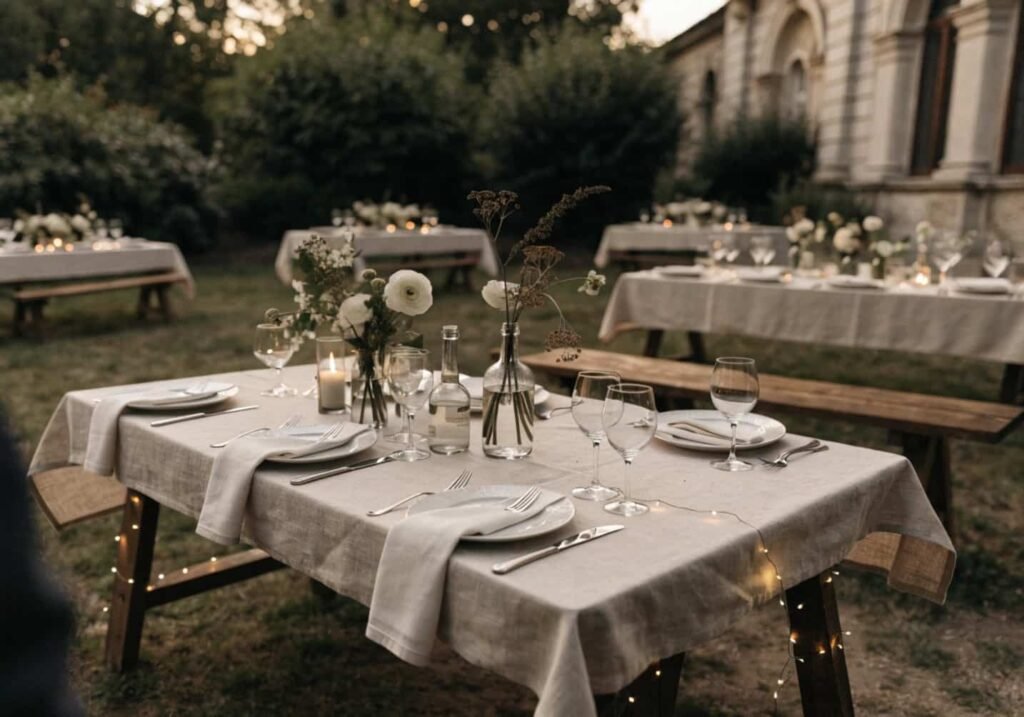
Honestly, not every wedding needs a formal “theme.” Plenty of couples put together stunning, cohesive receptions without ever naming a theme — they just stick to a color palette or a general mood. If you’re naturally more minimalist or you want to avoid decision fatigue, sticking to two or three consistent elements, like a signature color and one type of flower, works just as well. That’s really a theme too, just without the label. On the other hand, if you like structure and want everything to follow one clear vision, a theme can genuinely make your life easier. The bottom line is that a theme isn’t a rule you have to follow — it’s a tool you can use if it helps you plan more smoothly.
When a Theme Helps vs When It’s Unnecessary Pressure
A theme is helpful when you’re genuinely unsure where to start. Having a clear direction makes it easier to filter decisions — you can ask yourself, “does this invitation match our theme?” and get a quick answer. But when a theme starts feeling like pressure, when you start believing everything has to look Pinterest-perfect, that’s when it becomes stress instead of help. No decision is permanent until you actually finalize it — try to relax about that. If choosing a theme is starting to feel like a burden, that’s usually a sign you’re chasing perfection harder than you need to. Guests mostly remember whether an event felt warm and joyful, not whether every single detail matched exactly.
The Basics: Types of Reception Themes for Beginners
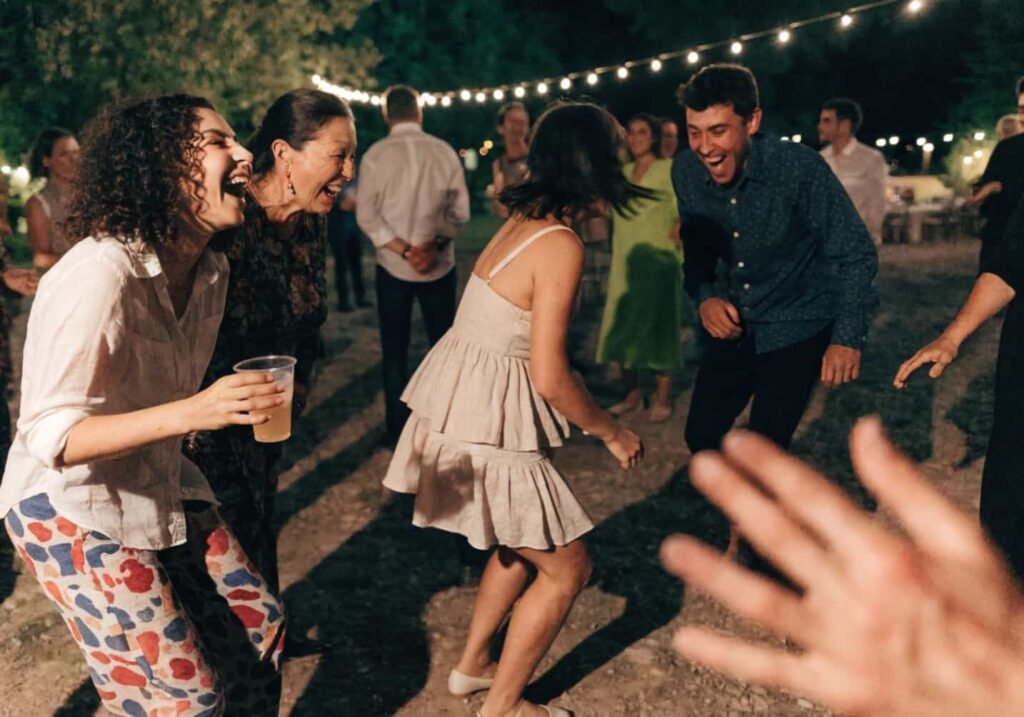
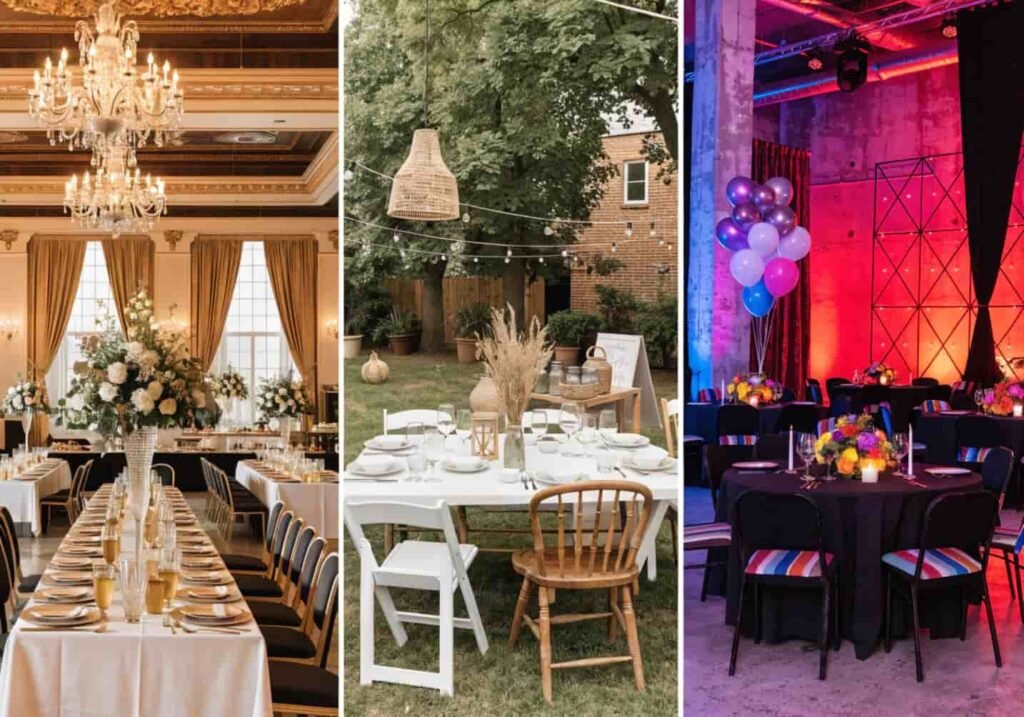
Once you’ve decided you do want a theme, the first step is understanding the basic categories. Most wedding themes fall into three broad groups — classic, casual, and bold. Each one carries its own mood and energy. Classic themes feel timeless and elegant, casual themes feel relaxed and friendly, and bold themes make a statement and stand out. For beginners, the best approach is to understand these three categories first, then figure out which one matches your personality, your partner’s personality, and the general vibe of your guest list. None of these categories is “right” or “wrong” — they’re all valid, it just depends on the kind of experience you want to create.
Classic & Traditional Options
Classic themes are the ones that never go out of style — think ivory and gold palettes, ballroom settings, or traditional cultural themes that honor family values. These work well for couples who want timeless elegance and who care about honoring family traditions. A classic theme usually includes rich fabrics, formal seating, and structured décor. If your family elders are involved in the planning, a classic theme tends to feel comfortable and familiar to them too. It’s also a smart choice if you don’t want to look back at your wedding photos years later and think they feel outdated — classic designs simply age well, no matter how many years go by.
Casual & Relaxed Styles
If formal setups aren’t really your thing, casual themes are the way to go. These work beautifully for garden parties, beach setups, or simple backyard celebrations. A casual reception usually means relaxed seating, buffet-style food, and informal music. This style is especially great for couples who want real connection with their guests rather than a stiff, formal event. Escort cards? They just tell guests which table to sit at — in casual setups, these often get replaced with something simple like handwritten notes or a chalkboard sign. Casual themes also tend to cost less since you don’t need elaborate décor. It’s a great fit for beginners who want stress-free planning without sacrificing a beautiful atmosphere.
Bold & Statement-Making Choices
Bold themes are for couples who want to fully express their personality. These might revolve around bright colors, unconventional venues, or a unique cultural fusion. Think neon lights for a modern party feel, or dramatic dark tones for a moody, romantic setup. Going bold can feel a little risky for beginners, but when it’s executed well, it creates the most memorable receptions by far. Every detail in this theme needs to feel purposeful — random bold choices can quickly turn messy instead of striking. If you’re leaning bold, it’s worth consulting a professional decorator so the final look feels intentional and polished rather than chaotic.
Where to Start If You Have No Idea What You Want
If you genuinely have no idea what you want, don’t worry — that’s completely normal. Most couples get stuck right here because there are simply too many options to sort through on their own. The best approach is starting with small exercises that help you discover your natural preferences instead of trying to decide everything at once. You don’t need to nail down an entire theme immediately — just start noticing what you’re drawn to. Whenever a restaurant, a movie scene, or even someone’s home décor makes you go “wow,” that reaction is telling you something real about your taste, more than anything trending on social media ever could.
Simple Exercises to Discover Your Style
One helpful exercise is sitting down with your partner and building three separate mood boards, without any pressure, just images you genuinely like. Then look for patterns — which colors, textures, or settings keep showing up. Another exercise is thinking back to past events you loved — what did that space actually look like? A third is checking your own closet — the colors and styles you wear regularly often reflect your wedding preferences more than you’d expect. These small exercises give you clarity without costing you anything. (Trust me, this step saves the most time later on.)
Using Pinterest the Smart Way (Without Getting Overwhelmed)
Pinterest is a great tool, but used the wrong way, it becomes the biggest source of overwhelm. A common beginner mistake is pinning everything randomly with no limits at all. A better approach is creating one dedicated board and capping yourself at around 20 to 25 pins. Before adding a new pin, ask yourself, “would this realistically fit our budget and venue?” If the answer is no, skip it. That one simple filter saves you from a lot of unnecessary confusion. Pinterest is fantastic for inspiration, but your final decisions should always come from your own reality — budget, venue, and guest list — not just whatever’s trending right now.

Beginner Mistakes to Avoid From the Start
Every new planner makes a few common mistakes, and knowing them ahead of time can save you a lot of trouble. The biggest one is trying to copy someone else’s wedding without considering that their venue, budget, and guest list are completely different from yours. The second common mistake is blindly following trends, even when they don’t actually match your personal style. Catching these mistakes early can save you a lot of time and money. Remember, your wedding isn’t meant to look like anyone else’s — it should be your own story, one that feels meaningful to you and your partner specifically.
Copying a Theme That Doesn’t Fit Your Venue
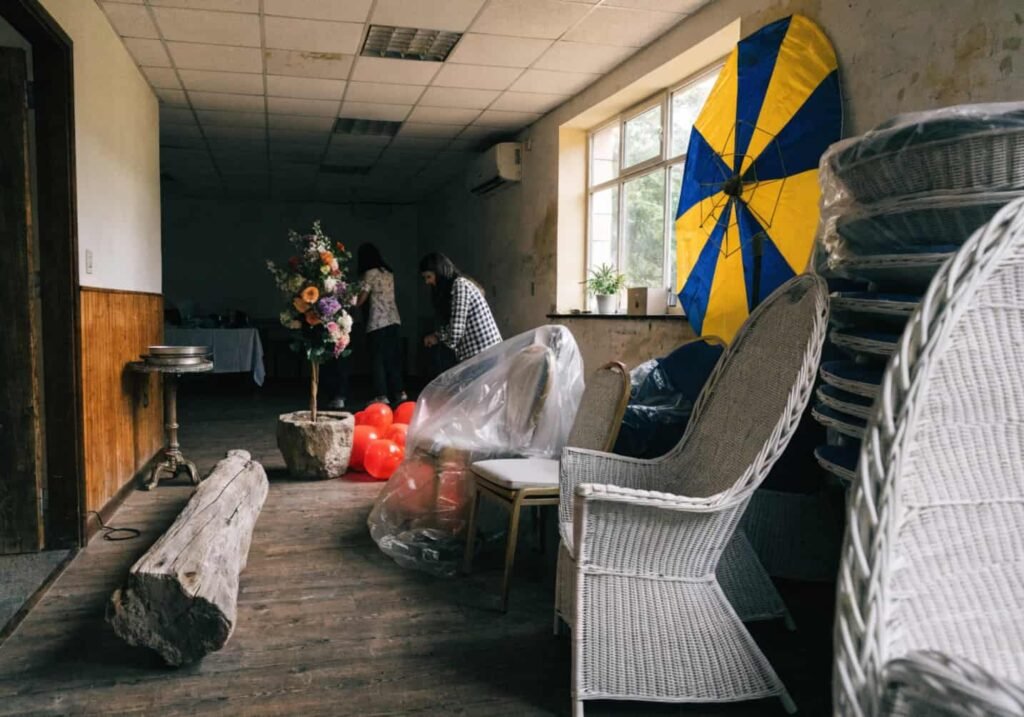
Many couples see a dreamy theme on Pinterest and try to apply it directly to their venue without thinking about whether it actually suits the space. For example, if your venue is a small indoor hall, a grand outdoor garden theme just won’t feel realistic there. Every venue has its own character — some have high ceilings that create drama, others feel cozy and intimate by design. When choosing a theme, always think about your venue’s strengths first. If your space already has beautiful architecture, minimal décor might be all you need. Fighting against your venue usually just adds extra cost and stress, while working with it feels natural and far more affordable.
Choosing Based on Trends Alone
Trends come and go, but your wedding photos are forever. If you’re choosing a theme purely because it’s trending right now, there’s a good chance it’ll feel dated a few years down the line. A common beginner mistake is ignoring personal taste and focusing only on what’s currently popular. A better approach is treating trends as inspiration, not rules. If something trendy genuinely resonates with your personality, go ahead and include it. But if you’re only choosing it because of pressure, pause and ask yourself — will this actually make me happy, or does it just look good on social media right now?
How Much Does a Themed Reception Actually Cost?
Cost is usually what worries beginners the most. The truth is, a theme itself isn’t what’s expensive — it’s how you choose to execute it. Even a simple color-based theme can get pricey if you go all-in on premium flowers and imported décor. On the flip side, even an elaborate-looking theme can stay affordable if you lean on DIY elements and local vendors. Cost mostly comes down to guest count, venue type, and how much customization you actually want. The smartest move for beginners is fixing your total budget first, then figuring out which theme realistically fits within it. This keeps you out of financial stress and makes the rest of your planning far more focused.
Budget-Friendly Theme Ideas for First-Time Planners
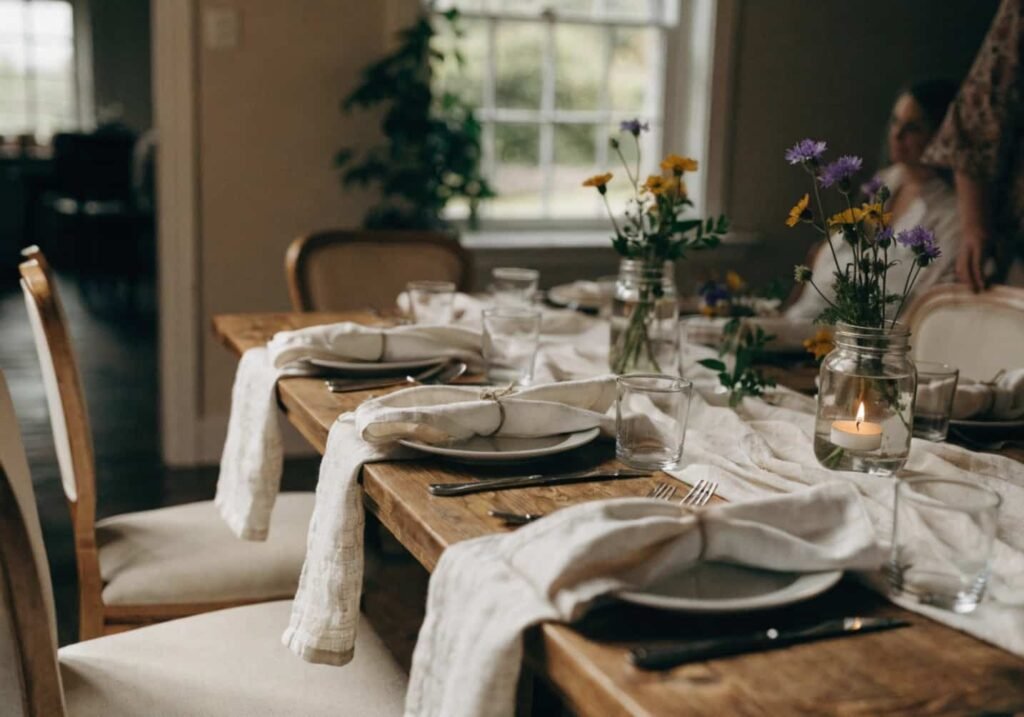
If your budget is tight, don’t stress — plenty of beautiful themes can be pulled off without spending a fortune. A simple monochromatic color palette is one of the most affordable options since it cuts down on buying multiple types of décor. Seasonal flowers also help lower costs since they’re cheaper than imported blooms. DIY centerpieces, like mason jars with candles, look elegant without costing much at all. Renting furniture instead of buying custom pieces is another smart move. It’s worth remembering that looking expensive and being expensive are two different things — the right lighting and thoughtful arrangement can make even a simple setup feel luxurious without a big budget behind it.
A Simple Framework to Narrow Your Choices
When you’re staring down too many options, a simple framework can make decision-making feel a lot lighter. Choosing a theme is a bit like planning an outfit — you pick the base first, then figure out the accessories. In the same way, start by deciding your overall mood — formal or relaxed, bright or soft. Only after that should you dive into smaller details like specific colors or décor pieces. This framework helps you make decisions step by step instead of trying to figure everything out all at once. For beginners, a structured approach almost always beats random brainstorming, simply because it cuts down confusion and gives you actual clarity to work with.
Three Questions That Make Deciding Easier
Three simple questions can make your decision-making significantly easier. First: “How do we want our guests to feel — relaxed, elegant, or excited?” Second: “What does our venue naturally support — indoor formal or outdoor casual?” Third: “What can our budget realistically handle without added stress?” Once you’ve answered these three, you’ll have a clear direction that automatically rules out a lot of options for you. This approach is especially useful for beginners because it turns emotional overwhelm into practical, manageable steps. Once you’re clear on these three basics, the smaller decisions tend to fall into place on their own.

Beginner-Approved Theme Ideas to Get You Inspired
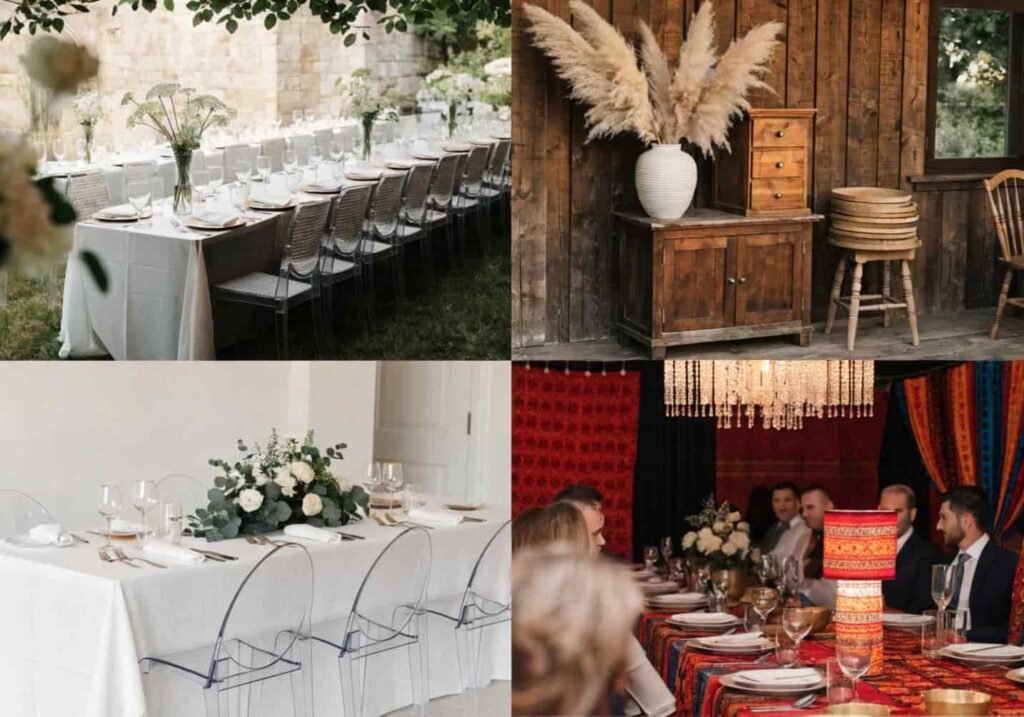
Now that you understand the basics, here are a few beginner-friendly theme ideas that are genuinely achievable. A soft neutral garden theme, using beige, sage green, and ivory tones, always feels safe and elegant. A warm rustic theme with wooden elements and fairy lights feels cozy while staying budget-friendly. A modern minimalist theme, built around clean lines and one or two accent colors, is perfect for couples who love simplicity. A vibrant cultural fusion theme also looks beautiful when traditional elements are blended with a modern touch. What makes all of these great is their flexibility — you can easily adjust any of them to fit your budget and venue, making them low-stress starting points for beginners.
FAQs for First-Time Wedding Planners
Do I need to stick to one theme for my entire wedding? Not at all. You can have different moods for mehendi, baraat, and reception. Staying consistent just for the reception is more than enough.
What if my partner and I have completely different tastes? Combining both your favorite elements is usually the best solution. Let one element be your pick and another be your partner’s — it keeps you both feeling included.
Do I need to hire a professional to figure out our theme? Not necessarily, but if your budget allows it, a decorator can cut down a lot of early confusion, especially for bolder themes.
If our budget is small, should we just skip having a theme? Definitely not. A simple, consistent color palette is a theme in itself, and it can look beautifully put-together even on a small budget.
Image Prompt: A real photograph of a bride and groom smiling while flipping through a small notebook with handwritten wedding planning notes and questions, natural indoor lighting, casual and warm setting, authentic and unposed. Alt Text: Common questions first-time wedding planners ask about reception themes
Final Thoughts: You Don’t Have to Get It Perfect
Your theme doesn’t need to be 100% Pinterest-perfect, and that’s completely fine. The most important part of wedding planning isn’t making every single detail look flawless — it’s actually enjoying the day with the person you’re marrying. People assume a theme means everything has to match perfectly, but in reality, two or three consistent elements are more than enough. Whether you go classic, casual, or bold, as long as the choice makes you happy, it’s the right one. There’s no shame in being a beginner — every couple starts out as one. Give yourself time, trust your own taste, and remember that a perfect wedding isn’t the one that looks best on Instagram — it’s the one that brings you and the people you love the most joy.