What Is Gray Boho Style, Exactly?
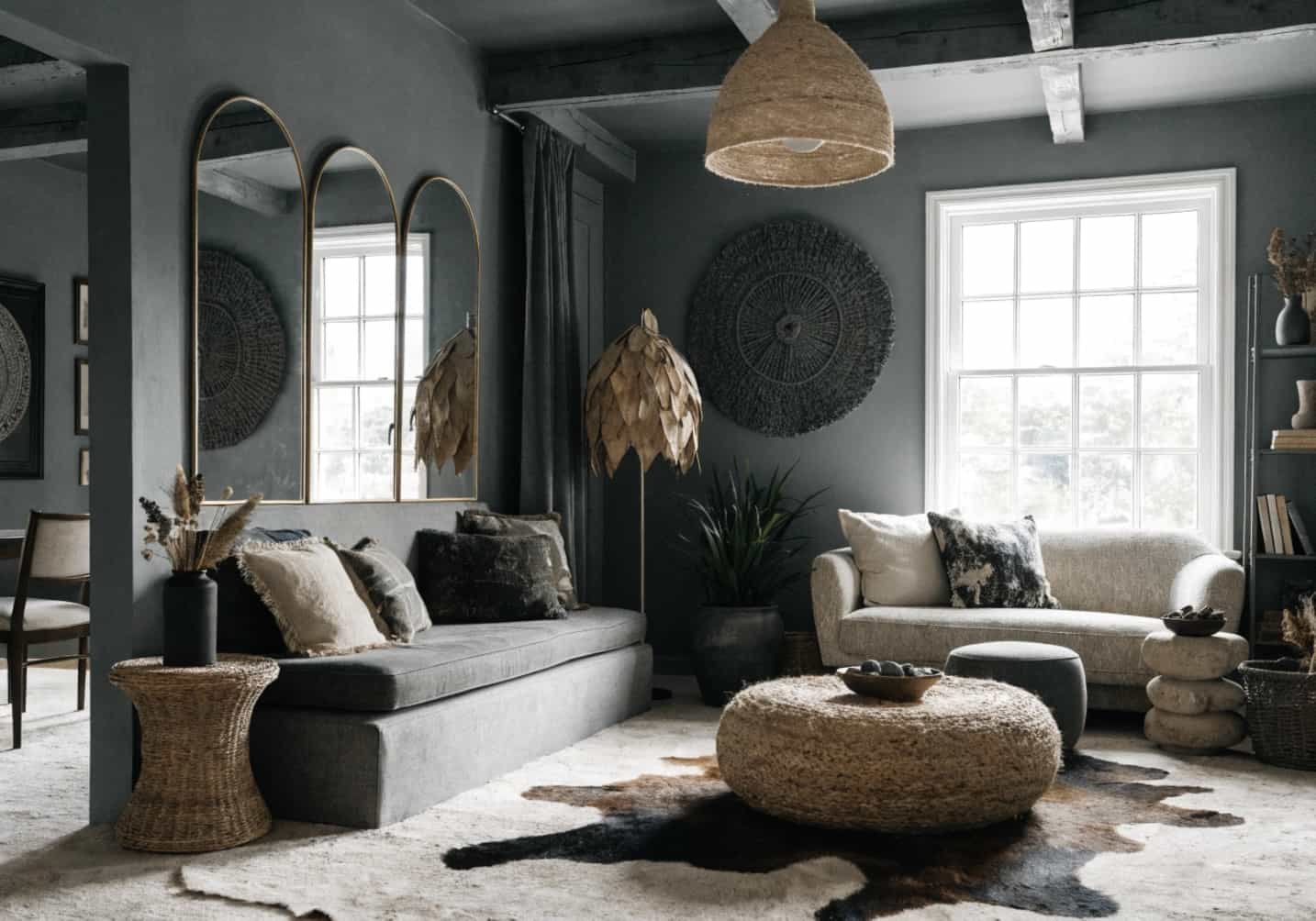
Gray boho is what happens when a laid-back, free-spirited look meets a calmer, more grown-up color story. Think of classic bohemian decor — layered textiles, natural materials, a little bit of clutter that feels intentional — but instead of the usual rust, mustard, and burnt orange, the whole thing gets dressed in soft grays. I’ve always found gray gets a bad reputation for being cold, almost clinical, until you pair it right. Put it next to a woven basket or a chunky knit throw, and suddenly it feels warm instead of sterile. This style works because it keeps the wandering, collected spirit of boho decor while giving it a quieter, more restful backdrop. It’s boho for people who still want their space to feel calm.
Where Gray Boho Comes From: A Style Rooted in Warmth and Ease
Bohemian style has roots that go back to nomadic and artisan traditions — think Moroccan textiles, Turkish rugs, and the kind of layered, well-traveled look that comes from mixing pieces collected over years, not bought all at once. Traditional boho leaned into rich, earthy color because those were the natural dyes available in the regions the style borrowed from. Gray boho is a newer branch that grew out of the Scandinavian obsession with neutral, muted palettes meeting that same collected, textural boho spirit. It’s really a blend of two design philosophies: one rooted in warmth and wandering, the other in restraint and calm. That mix is exactly why gray boho feels different from both its parents — it’s cozy but never cluttered, relaxed but still considered.
The Core Elements of Gray Boho Decor
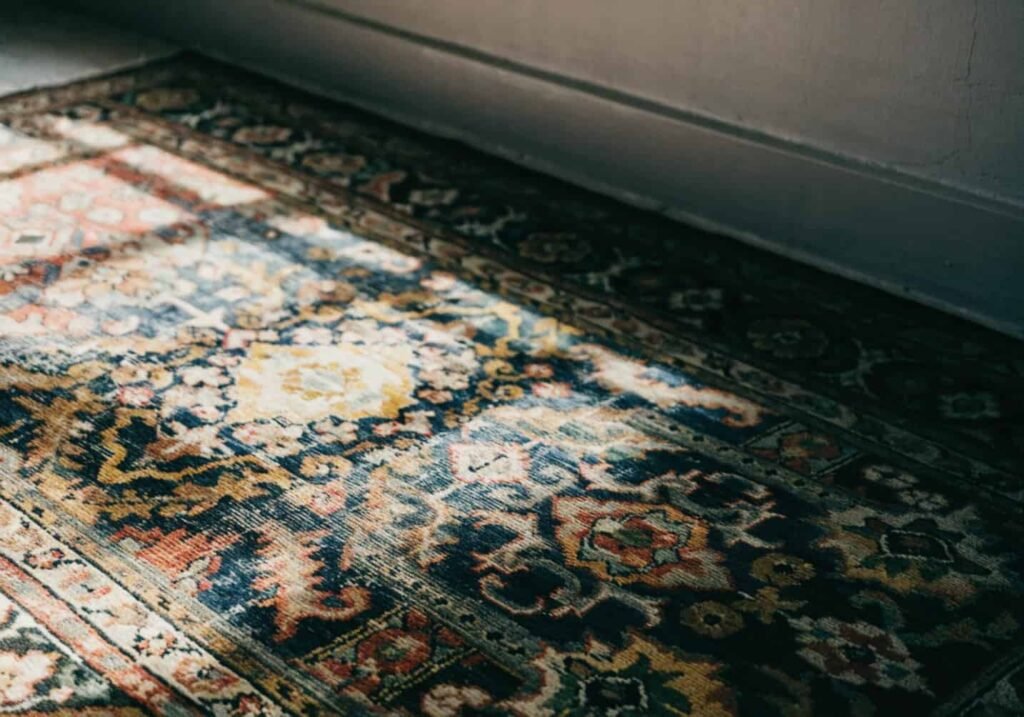
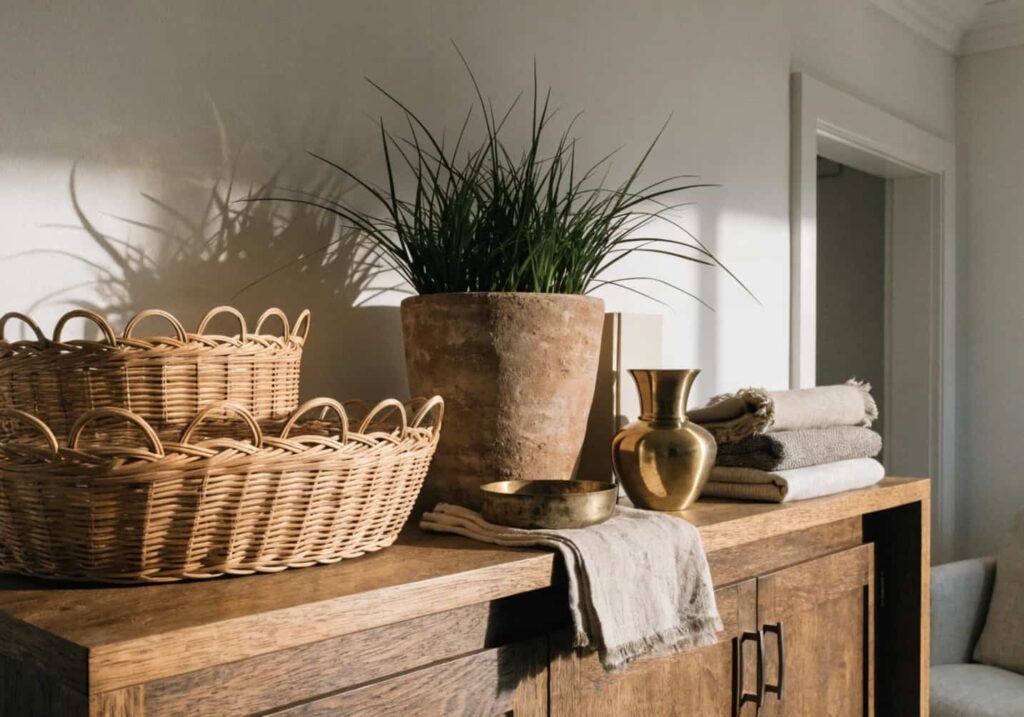
Every gray boho room shares a handful of ingredients, even if the final look varies a lot from house to house. You’ll almost always find a neutral gray base — walls, a sofa, or bedding — paired with natural textures like rattan, jute, and raw wood. Layering is non-negotiable here. A single rug never sits alone; it’s stacked over a bigger jute rug, or paired with a smaller patterned one on top. Plants show up constantly, usually in unglazed terracotta or woven planters rather than sleek modern pots. Metal accents tend to lean warm, so brass or aged gold instead of chrome. And there’s almost always one collected, well-loved piece — a vintage mirror, an old ladder, a hand-thrown vase — that keeps the room from feeling like it was bought as a set.
Choosing the Right Gray: Warm Tones vs. Cool Tones
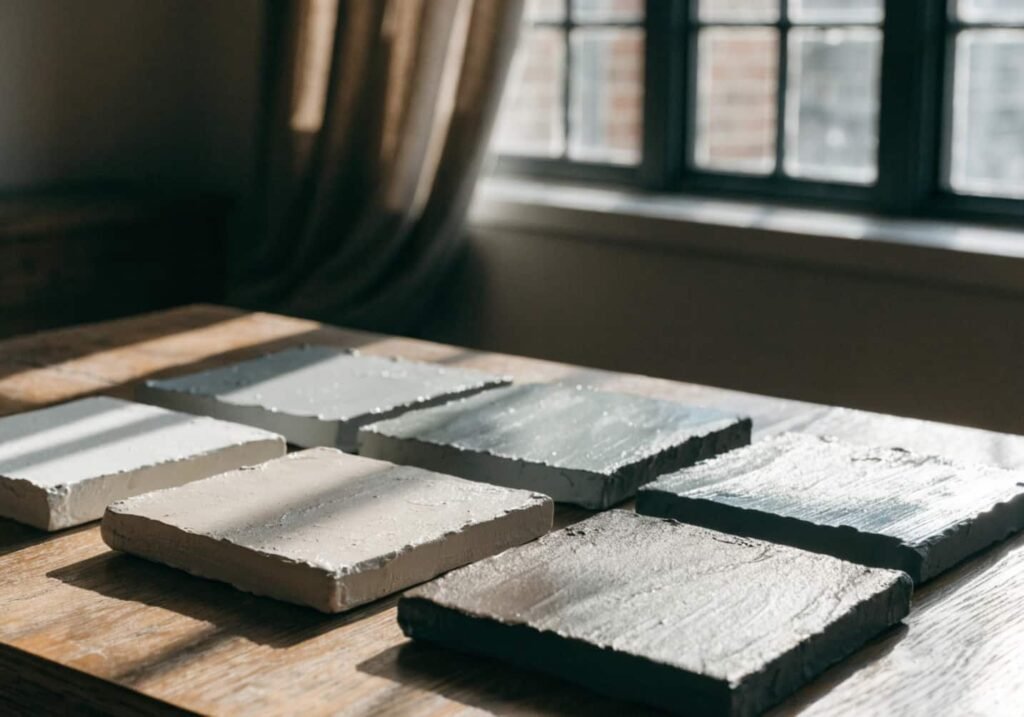
Here’s the thing about gray — it’s not one color, it’s a whole family, and picking the wrong branch of that family can throw off your entire room. Warm grays lean slightly beige or greige, and they’re the ones that play nicest with boho’s earthy textures. Cool grays have a blue or even purple undertone, and while they can look striking, they tend to fight against the warmth that makes boho feel inviting. If you’re not sure which you’re looking at, hold your paint swatch next to a plain white sheet of paper in daylight. If it looks a little blue or icy, that’s cool gray. If it looks a little tan or soft, that’s warm gray — and warm gray is almost always the safer bet for this style.
Building a Gray Boho Color Palette
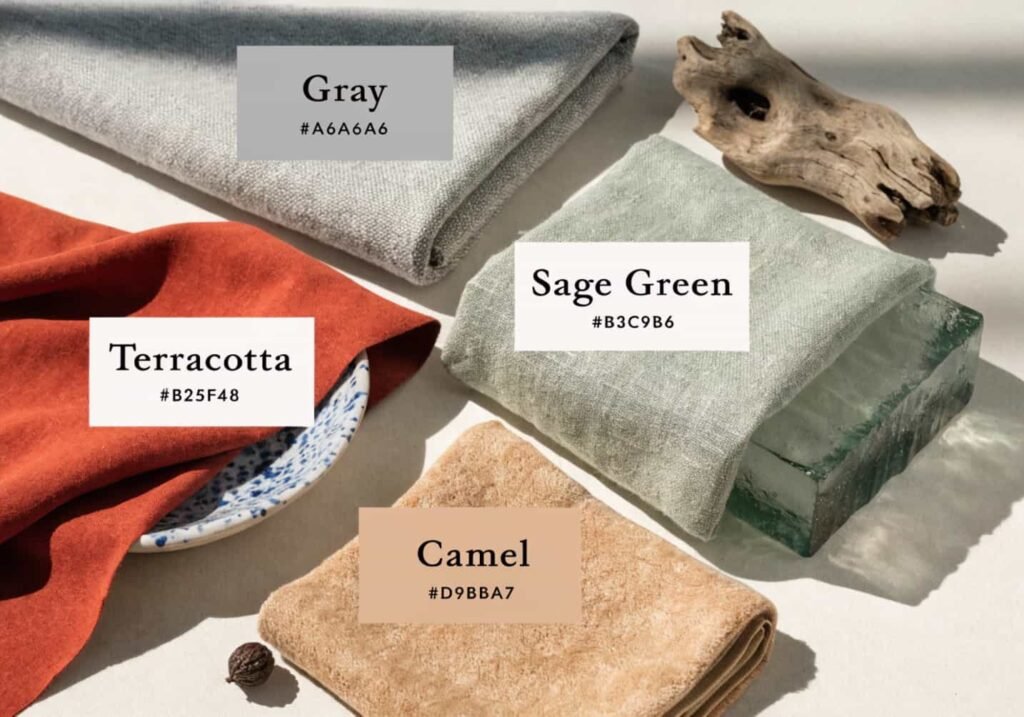
Gray should never be the whole story in a boho room — it’s the canvas, not the painting. Once you’ve settled on a warm gray base, bring in two or three supporting colors that keep things from feeling flat. Terracotta, dusty rose, sage green, and soft camel all work beautifully against gray without clashing with its calm energy. A good rule of thumb is the 60-30-10 split: sixty percent gray as your base, thirty percent a natural wood or textile tone, and ten percent a punch of color through pillows, art, or a throw blanket. Sounds simple? It is — once you know the basics. The trick is resisting the urge to add too many accent colors at once. Gray boho stays grounded because it edits itself.
Furniture Choices That Define the Gray Boho Look
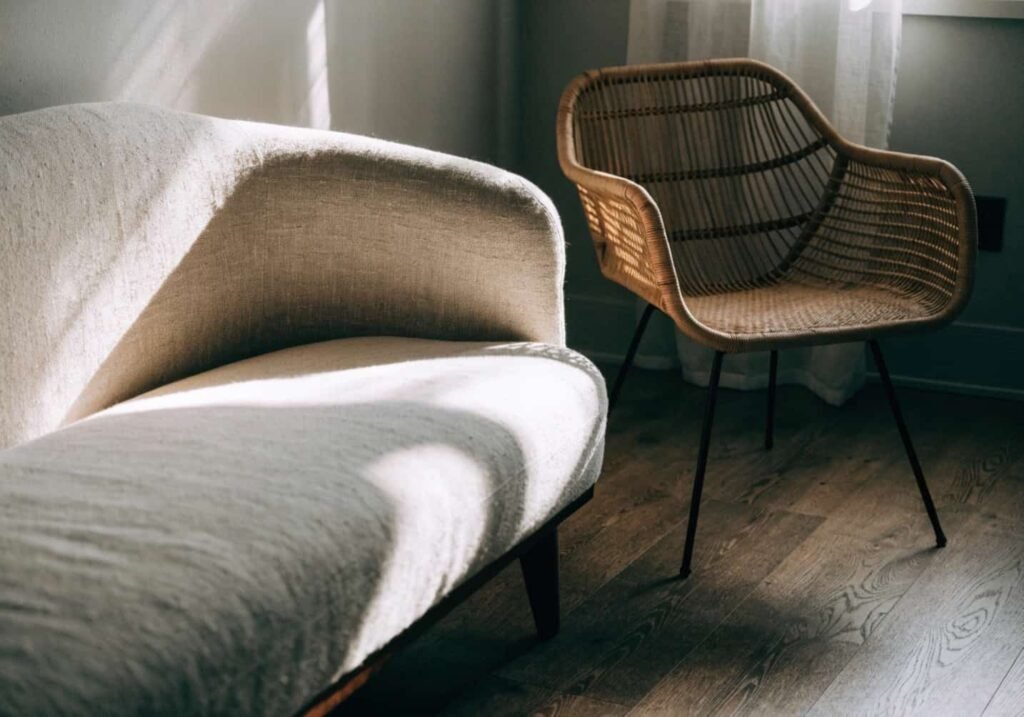
Furniture in a gray boho space tends to have a relaxed, low-slung feel rather than sharp lines or high shine. A slouchy linen sofa in a warm gray tone is often the anchor piece, and it works because linen has that slightly rumpled, lived-in texture boho decor thrives on. Wood tones matter just as much as upholstery — look for pieces in reclaimed oak, teak, or rattan rather than dark cherry or glossy lacquer. A low-slung rattan chair tucked into a reading corner does more for the vibe than almost anything else you could buy. Vintage or vintage-inspired furniture also fits naturally here, since boho has always celebrated pieces with a little history. Avoid anything too matched or showroom-perfect; a slight mismatch between pieces is part of the charm.
Textures That Make Gray Boho Feel Lived-In
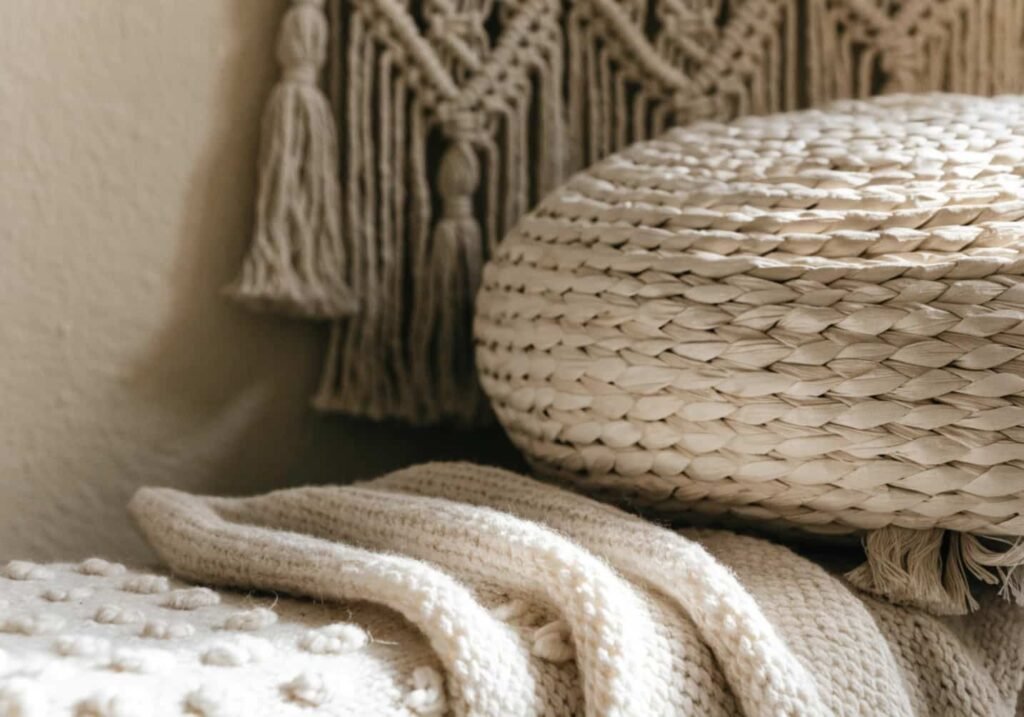
Texture is doing most of the emotional work in a gray boho room, honestly more than color is. Because the palette stays fairly quiet, your eye needs something to catch on, and that’s where texture comes in. A chunky knit throw draped over the arm of a sofa, a nubby wool pouf, a fringed macrame wall hanging — these small details are what stop a gray room from reading as plain or unfinished. Mix rough and smooth deliberately: pair a sleek ceramic vase with a rough linen table runner, or a smooth wood floor with a shaggy sheepskin rug. I’ve noticed the rooms that feel the coziest are almost never the ones with the most stuff — they’re the ones with the most contrast in texture.
Layering Rugs, Throws, and Pillows the Boho Way
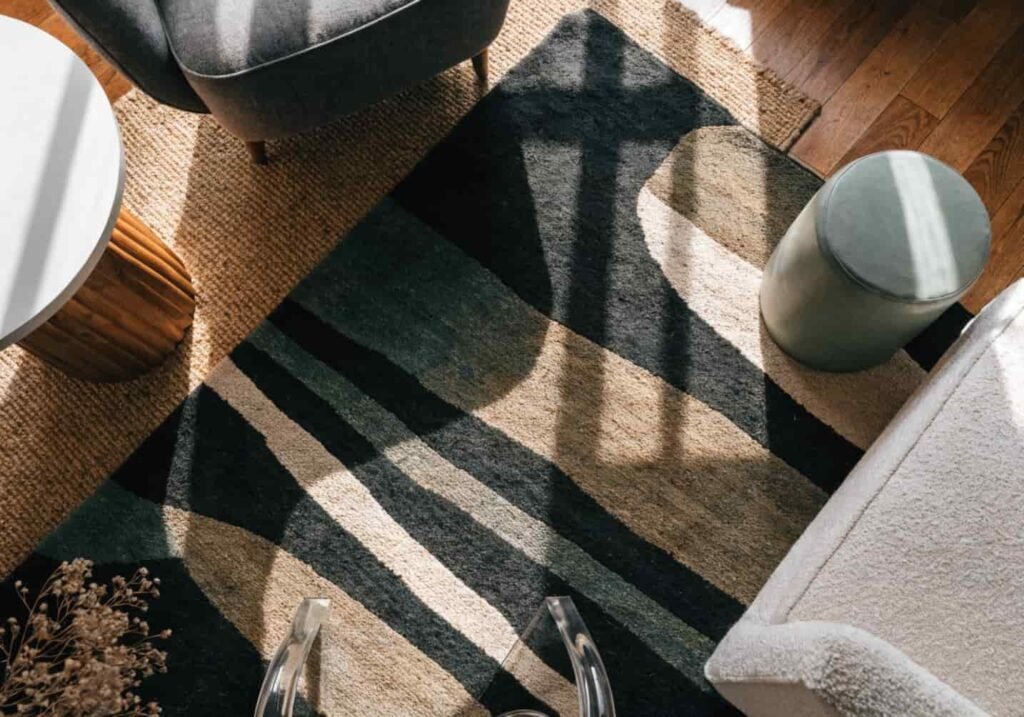
Layering is one of those boho habits that feels intimidating until you actually try it, and then it becomes second nature. Start with a large, flat-weave jute or wool rug as your base — this grounds the room and adds warmth underfoot. Then layer a smaller, more patterned rug on top, slightly off-center, the way you’d toss a scarf over a chair rather than fold it neatly. Pillows follow the same logic: mix sizes, mix textures, and never buy a matching set. A mohair pillow next to a mudcloth-patterned one next to a plain linen square looks more collected than three pillows that came in the same package. Throws get draped, not folded — over the back of a chair or the corner of a bed, left a little loose.
Bringing in Natural Materials: Wood, Rattan, and Woven Details
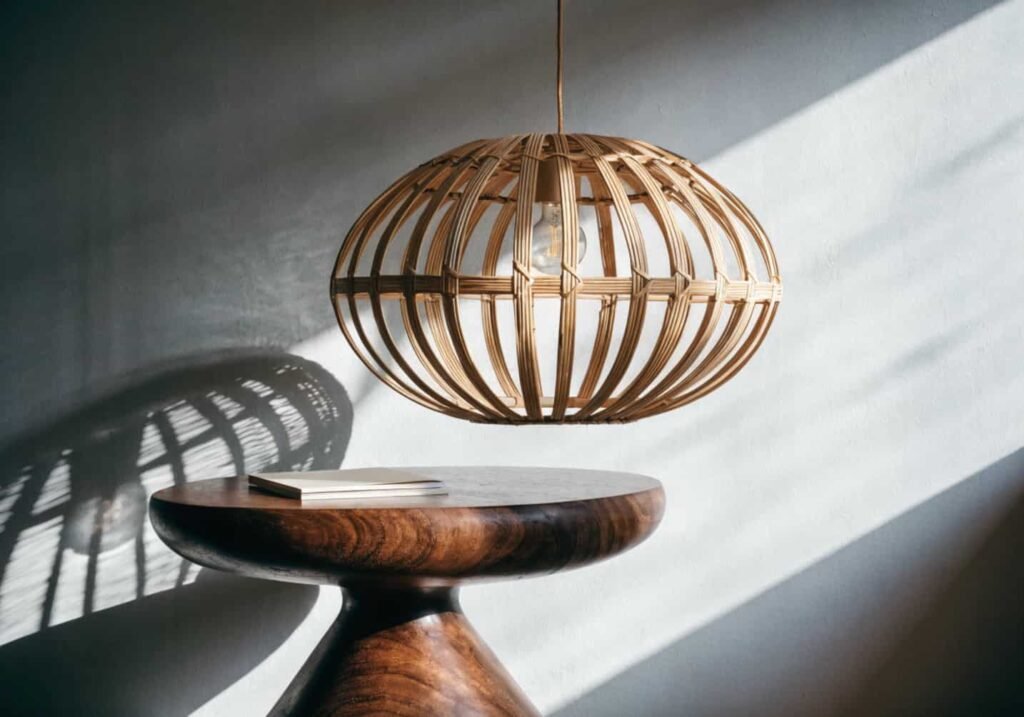
Natural materials are what keep gray boho from tipping into something that feels too polished or too modern. Rattan shows up everywhere in this style — pendant lights, headboards, mirror frames, even small trays on a coffee table. Wood should feel a little raw, with visible grain rather than a painted or heavily lacquered finish. Woven details, whether it’s a seagrass basket or a jute plant hanger, add that handmade quality that boho decor has always leaned on. These materials also do something practical: they warm up a room that could otherwise feel a bit flat with too much gray. That brings us to a simple test — if a piece looks like it could have been made by hand from something grown or gathered, it probably belongs in a gray boho room.
Gray Boho in the Living Room
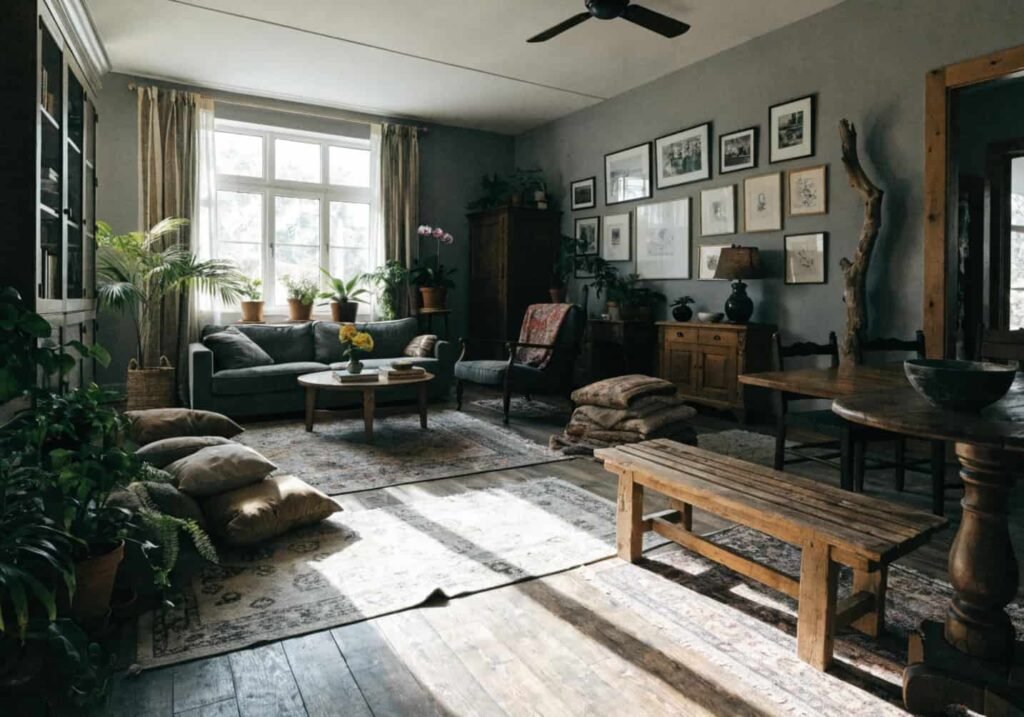
The living room is usually where gray boho gets to stretch out the most, since it’s the space with the most furniture and the most room to layer. A warm gray sofa anchors things, but the personality comes from what surrounds it — a gallery wall of mismatched frames, a low wooden coffee table topped with a woven tray, plants tucked into corners at different heights. This is the room where you can be a little more adventurous with pattern, since there’s more square footage to absorb it without feeling busy. A large statement piece, like an oversized woven wall hanging or a vintage rug with real character, tends to work best here because the living room is where guests spend the most time looking around.
Gray Boho in the Bedroom
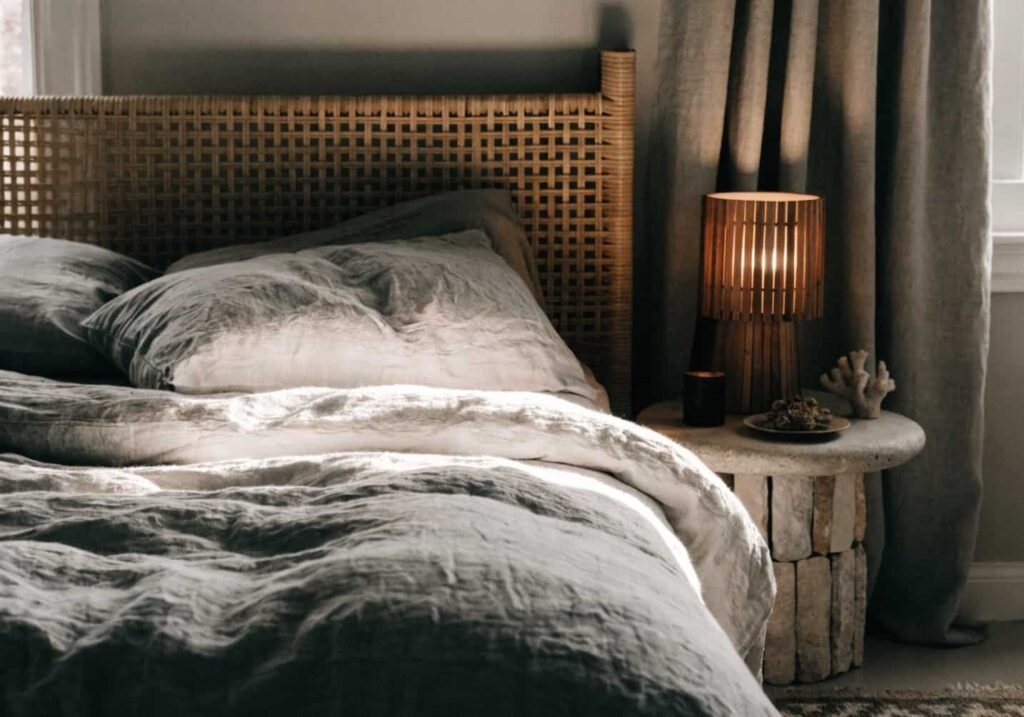
The bedroom asks for a slightly softer, quieter version of gray boho, since it’s meant for winding down rather than entertaining. Gray bedding in a soft linen or waffle-weave fabric sets the tone, and it pairs beautifully with a rattan or upholstered headboard. Keep the color palette even more restrained here than in the living room — one or two accent colors through pillows or a throw is usually enough. Lighting matters more in this room too; a woven pendant or a pair of warm-toned bedside lamps does a lot to keep the space feeling soft rather than sterile. A few plants on the nightstand or dresser, plus one meaningful textile like a vintage kilim runner at the foot of the bed, finishes the look without overwhelming a room that’s supposed to feel restful.
Common Gray Boho Mistakes to Avoid
I’ve made this mistake myself — going too cool with the gray and ending up with a room that felt more like a hospital waiting area than a cozy home. That’s the biggest trap: picking a cool-toned gray and wondering why nothing feels warm no matter how many plants you add. Another common misstep is skipping the layering step and stopping at one rug, one throw, one pillow — boho needs that repetition to feel intentional rather than sparse. Overbuying matching furniture sets is another one; a perfectly matched sofa, chair, and ottoman looks more like a showroom than a collected home. And don’t forget texture — an all-smooth room, even in a great gray, will feel flat no matter how good the color choice was.
How to Start Your Gray Boho Makeover Today
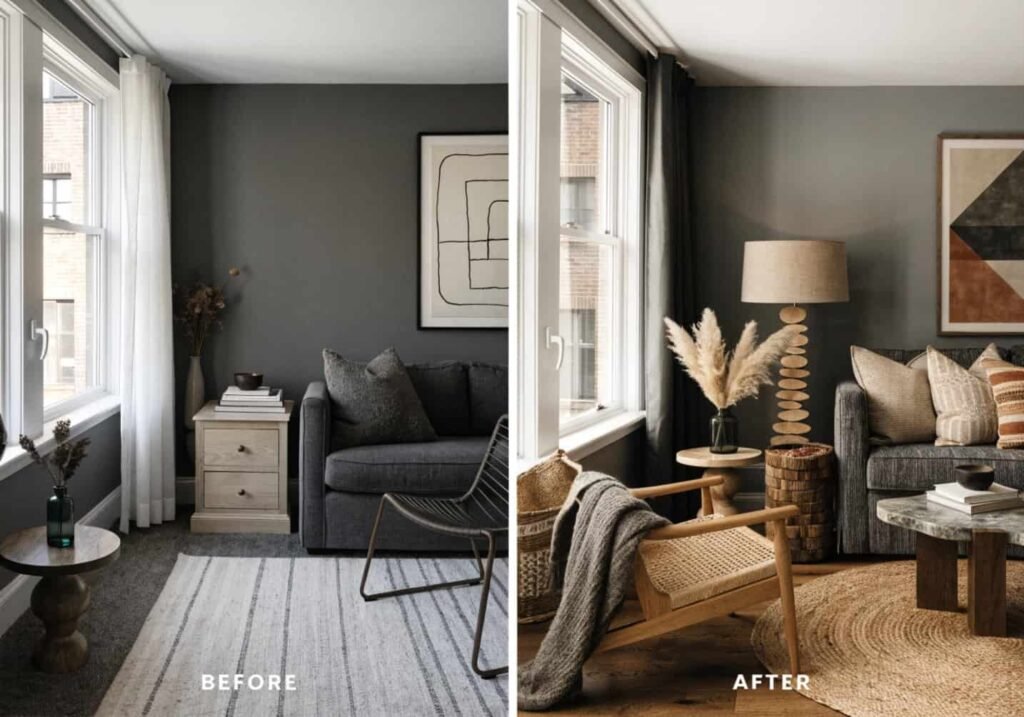
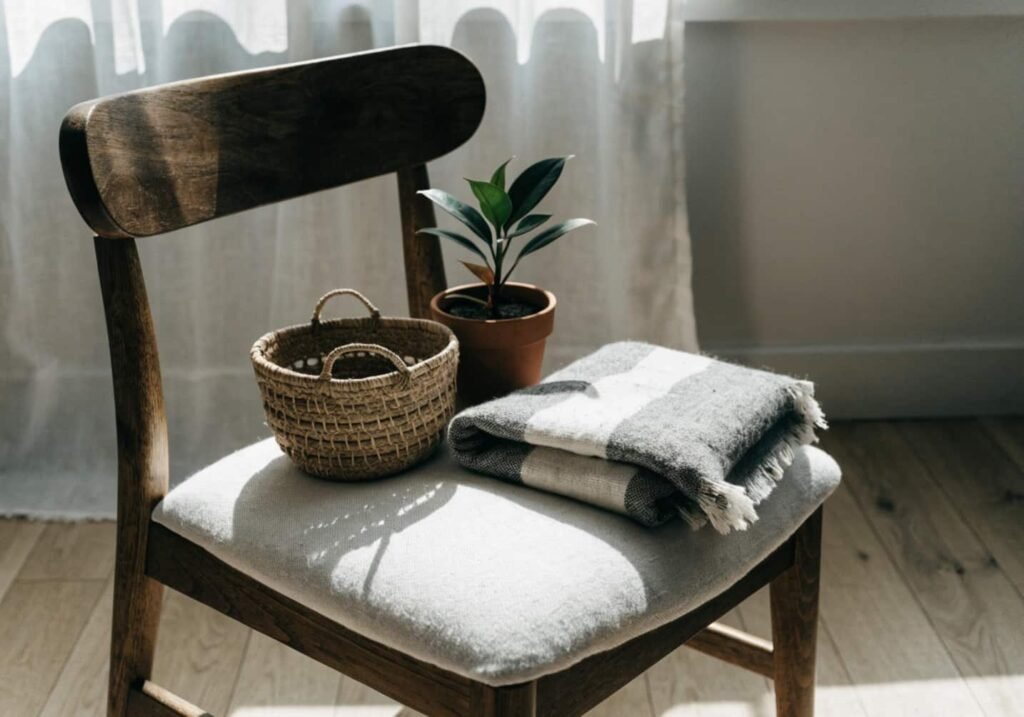
You don’t need to overhaul a whole room in one weekend to start seeing the gray boho look come together. Start small: swap out a couple of throw pillows, add a woven basket for plant storage, or drape a chunky knit throw somewhere it didn’t exist before. Paint is the biggest commitment, so if you’re not ready for that, test the palette first through textiles and accessories. Try this in your space — pick one corner, layer in two textures and one natural material, and see how it feels before expanding further. Gray boho rewards patience because it’s meant to look collected over time, not assembled in a single shopping trip. Give it a few weeks, add pieces as you find them, and the room will start to feel like it grew naturally rather than came from a catalog.
Conclusion
Gray boho isn’t really about following a strict formula — it’s about finding a balance between calm and collected, quiet and warm. Once you understand the difference between warm and cool gray, get comfortable layering textures, and lean into natural materials like rattan and wood, the rest starts to fall into place on its own. Start with one room, or even one corner, and let the style build from there. It’s the kind of decor that gets better with time, not worse, because it’s meant to feel like it was gathered rather than purchased all at once. See what works for your room — gray boho has enough flexibility to feel like yours.