
1. The Neutral Color Palette That Actually Works
Most people think neutral means boring. But let me tell you — when you walk into a room that’s all soft beiges, warm whites, and sandy tones, something in your body just relaxes. I painted my Cozy Minimalist bedroom walls a warm greige two years ago, and I genuinely started sleeping better within a week. It sounds too simple to be true, but color has a real effect on your nervous system. Bright, busy colors keep your brain alert. Soft neutrals tell your brain it’s safe to wind down. You don’t need to repaint everything at once. Start with your bedding. Swap out that dark duvet for something in oatmeal or soft white and see how the whole room feels lighter, quieter, and easier to be in.

2. Low Platform Beds That Ground the Room
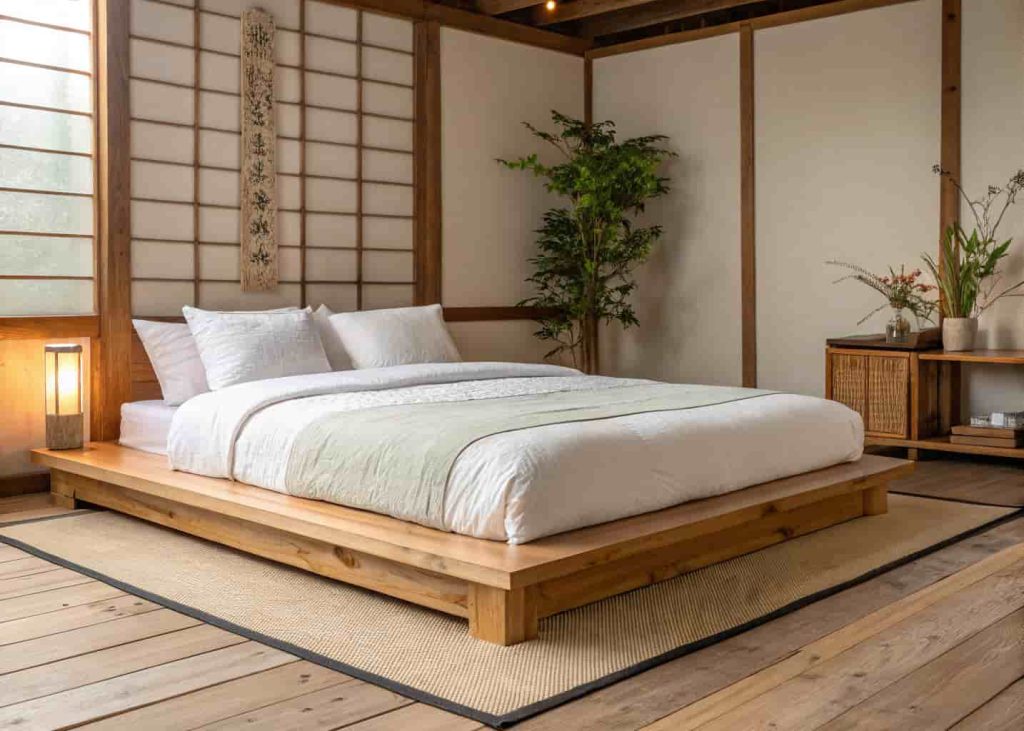
A low bed changes everything about how a bedroom feels. When your mattress sits close to the floor, the whole room feels more grounded, calmer, and honestly more intentional. There’s something almost meditative about it. I switched from a bulky bed frame to a simple low platform bed, and the room instantly looked twice as big. You stop feeling like you’re climbing into bed and start feeling like you’re sinking into rest. Low beds also work really well in smaller rooms because they don’t compete with the ceiling. Pair it with simple linen sheets and one or two good pillows — not eight decorative ones that you throw on the floor every night — and you’ve got a setup that’s both beautiful and actually functional.
3. One Statement Plant, Not a Jungle
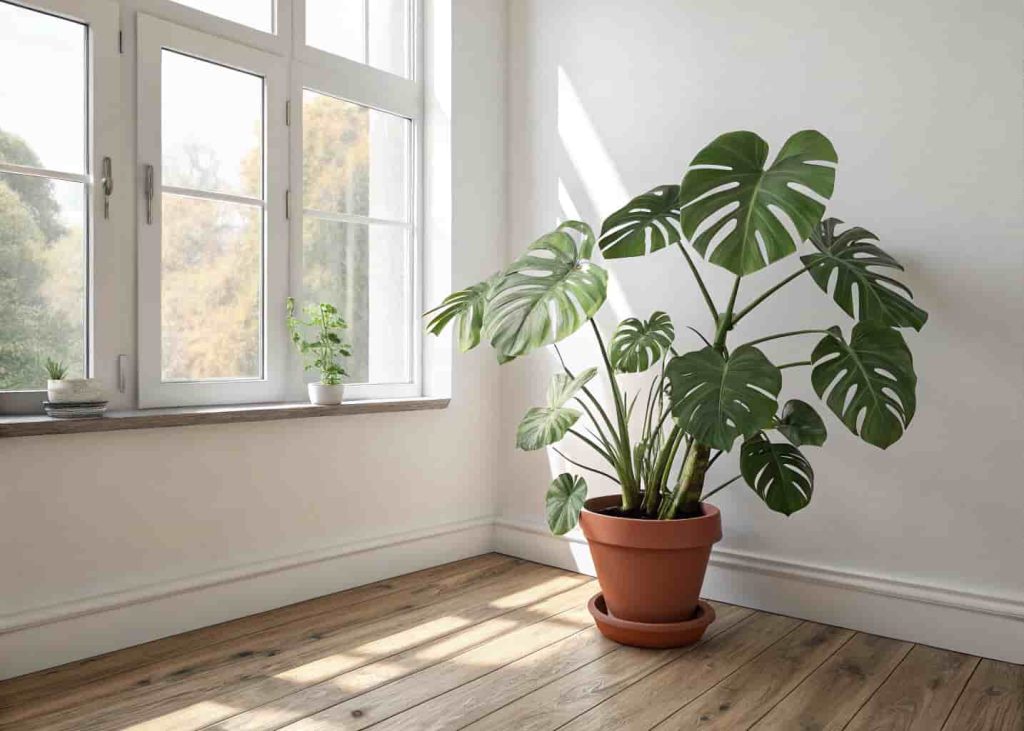
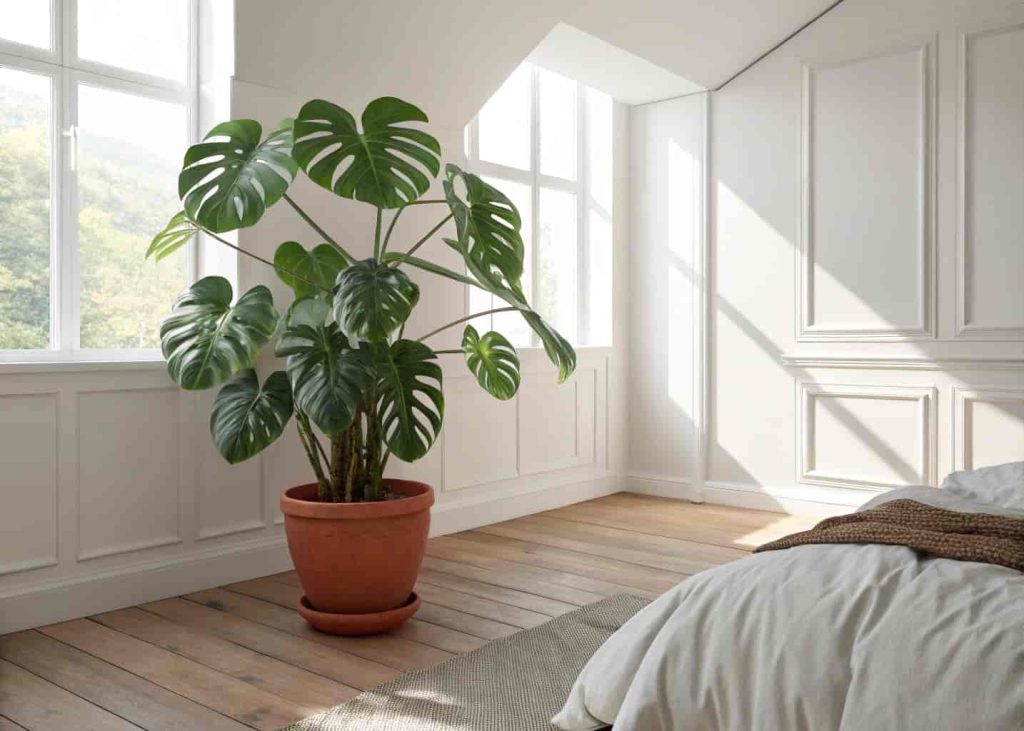
Plants in a bedroom feel cozy. But there’s a line between one beautiful plant that adds life to the room and fifteen pots that make your bedroom look like a greenhouse. One large plant — a monstera, a fiddle leaf fig, or even a simple snake plant — placed in a corner or beside the window is all you need. It brings in color without noise. It softens the hard edges of furniture. And it gives the room a quiet, living energy that no candle or throw pillow can replicate. My snake plant has been sitting in the corner of my bedroom for three years. It needs almost no water, it looks great, and every morning when I open my eyes it just makes the room feel a little more alive. One good plant beats ten mediocre ones every single time.
4. Linen Bedding — The Fabric That Feels Like a Hug
If you’ve never slept under real linen, you’re missing out. I know it looks a little wrinkled and casual compared to crisp cotton, but that’s exactly the point. Linen has this relaxed, lived-in quality that makes your bed look like you belong in a European countryside cottage. More importantly, it feels incredible. It’s breathable in summer, warm in winter, and it gets softer every single time you wash it. Cotton bedding can feel stiff and clinical. Linen feels like someone already broke it in for you. Go for natural, undyed tones — oatmeal, dusty sage, soft terracotta. These colors work in almost any bedroom and they photograph beautifully if that matters to you. But even if it doesn’t, you’ll just feel better sleeping in them.
5. Warm Lighting Instead of Harsh Overhead Lights
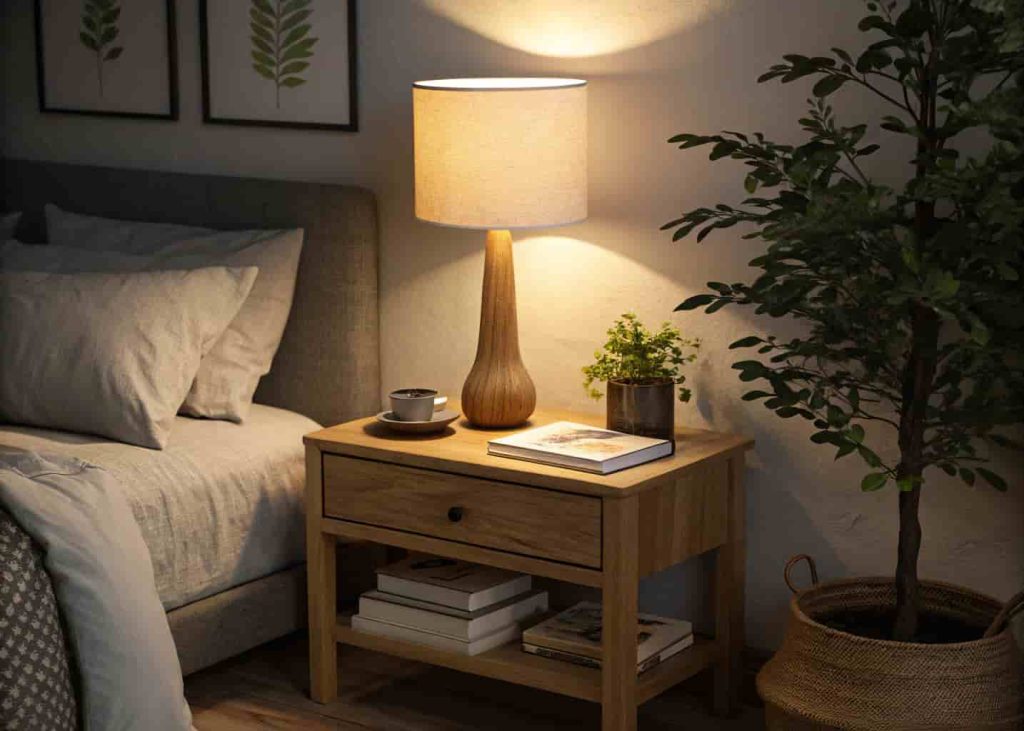
This is the one change that makes the biggest difference and costs the least money. Harsh overhead lighting is the enemy of a cozy bedroom. It’s fine for getting dressed but terrible for winding down. The fix is simple — add a warm lamp. A small table lamp on your nightstand with a bulb in the 2700K range (that warm amber glow) completely transforms how a room feels after dark. Your body responds to light temperature. Cool, bright light signals daytime and keeps you alert. Warm, dim light signals evening and helps your brain start producing melatonin. I replaced my overhead light with a bedside lamp four years ago and I fall asleep faster almost every night. You don’t need smart bulbs or expensive fixtures. A basic lamp from any home store works perfectly fine.
6. Floating Shelves Done Right
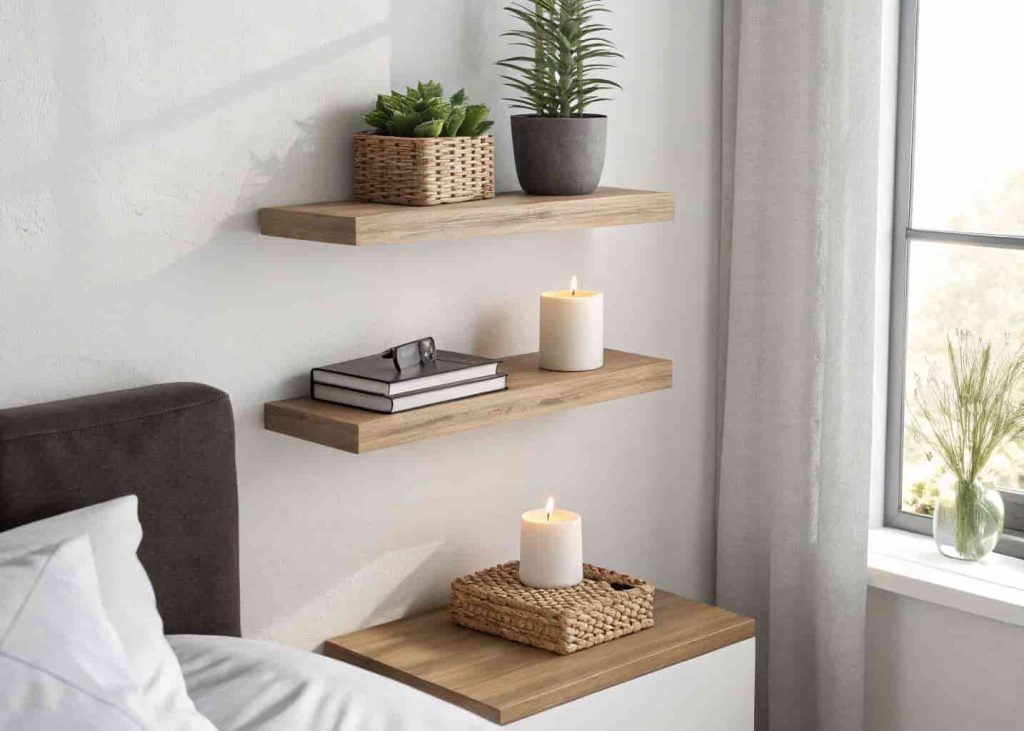
Floating shelves in a bedroom can look stunning or they can look like a cluttered mess. The difference is restraint. Put three things on a shelf, not thirty. A small plant, one meaningful object, and maybe a single book or candle. That’s it. When shelves are overcrowded, they create visual noise — and your brain picks up on that even when you’re trying to sleep. I used to load my shelves with books, picture frames, trinkets, and random things I didn’t know where to put. Then I cleared everything off and only put back what I genuinely loved looking at. The room felt instantly calmer. Floating shelves also keep your floor clear, which makes the room feel bigger and easier to move around in. Less on the floor means less chaos, and less chaos means better sleep.
7. The Power of a Single Piece of Art
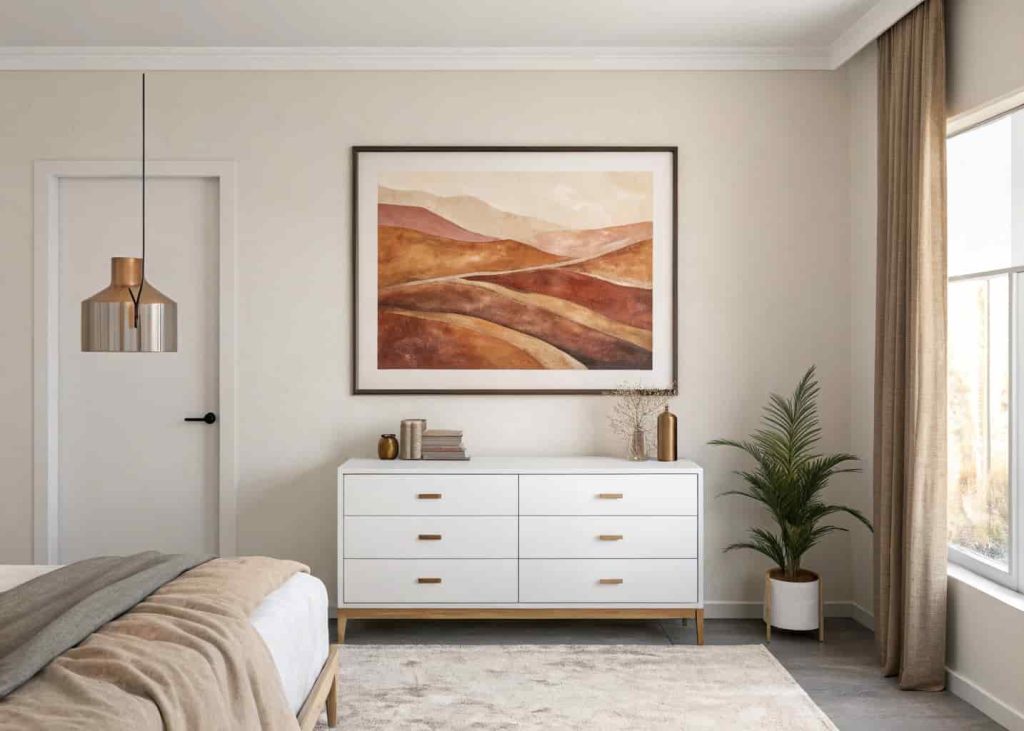
A bedroom doesn’t need to be a gallery. One good piece of art — hung properly, at the right height — does more for a room than a dozen small frames scattered around. And it doesn’t have to be expensive. A large print from an independent artist, a simple abstract painting, or even a beautiful photograph you took yourself can anchor the whole room. The key is size and placement. Too small and it looks like an afterthought. Too many and it becomes noise. One piece, hung at eye level above a dresser or leaning against the wall behind your bed, creates a focal point that gives the room personality without adding clutter. My bedroom has one large abstract print in warm earth tones. People always comment on it first when they walk in. It cost me less than a nice dinner out.
8. Decluttered Nightstands With Only the Essentials
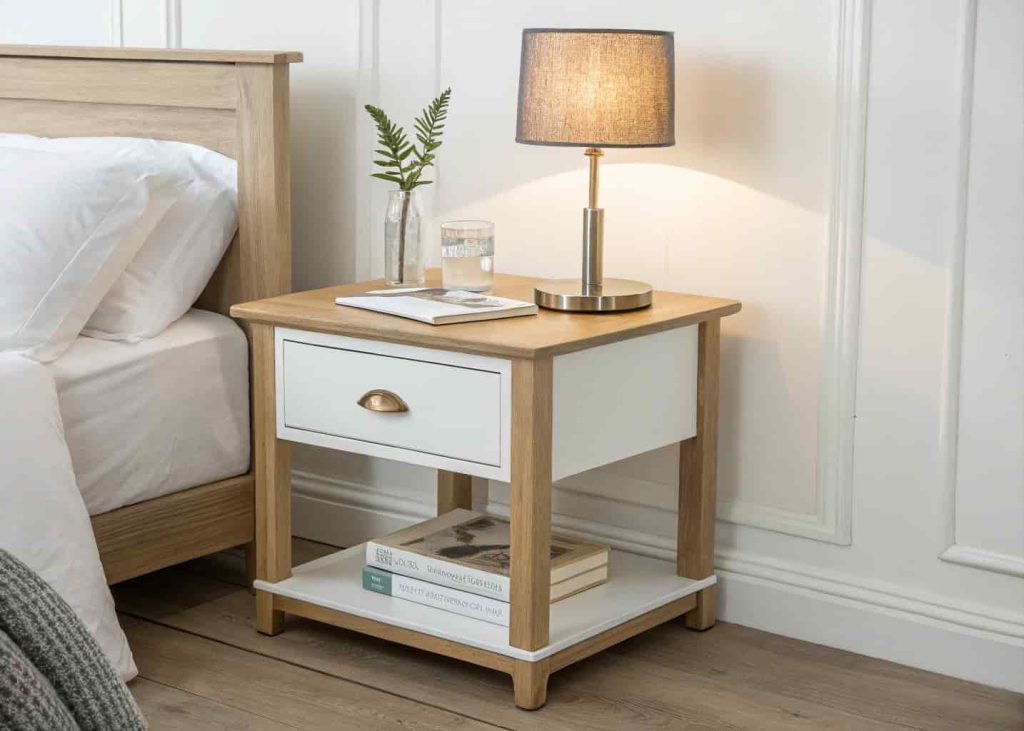
Your nightstand is the last thing you see before you sleep and the first thing you see when you wake up. What’s on it matters more than people realize. A cluttered nightstand — phone chargers tangled everywhere, half-empty water glasses, books you’ve been meaning to read for six months, random receipts — creates low-level stress you don’t even notice consciously. Simplify it. Keep only what you actually use every night. A lamp, a glass of water, and maybe one book. That’s genuinely all you need. If you charge your phone, use a cable that tucks away neatly or better yet charge it outside the bedroom entirely. A clear nightstand signals to your brain that bedtime is a calm, intentional ritual — not just crashing into chaos at the end of a long day.
9. Textured Throws and Chunky Knit Blankets
Here’s where you get to add warmth without adding clutter. A single chunky knit throw draped casually over the corner of your bed or folded at the foot does two things — it looks inviting and it actually is inviting. Texture is what separates a cold minimalist bedroom from a cozy minimalist one. Smooth linen sheets, a soft cotton duvet, and then one textured throw is the combination that works. You’re layering comfort without layering chaos. Chunky knits in cream, oatmeal, or warm grey are the most versatile. They work in winter obviously, but even in warmer months they add that lived-in, come-sit-here quality that makes a bedroom feel like a retreat rather than just a place to sleep. Don’t underestimate how much a good throw changes the whole energy of a bed.

10. Curtains That Reach the Floor
Curtains that hang from ceiling to floor make a room look taller, more elegant, and more put-together instantly. It’s one of those tricks interior designers use all the time that most people don’t know about. If your curtains stop at the windowsill or hover awkwardly in the middle of the wall, the room looks cut off and smaller than it is. Floor-length curtains — especially in light linen or soft cotton — completely transform the proportions of a space. Go for light, airy fabrics in white, cream, or soft grey. They let in diffused morning light without being harsh, and they create that soft, dreamy quality you see in bedroom photos you save to Pinterest. Hang the rod as close to the ceiling as possible, even if your window doesn’t go that high. It’s a simple trick and the difference is dramatic.

11. Under-Bed Storage That Keeps the Room Clear
A minimalist bedroom doesn’t mean you have nowhere to put things. It means the things have smart homes so they’re not visible and creating visual stress. Under-bed storage is one of the best tools for this. Flat storage boxes in neutral tones — linen, cotton, or simple cardboard — slide under a platform bed perfectly and hold extra blankets, out-of-season clothes, or anything else that doesn’t need to live out in the open. The floor stays clear, the room looks intentional, and you still have all your stuff right where you need it. The key is to actually organize what goes under there. If it becomes a dumping ground, you’ll feel that energy in the room. Labeled boxes, folded neatly, with only what belongs there — that’s the version that actually helps you feel calmer in your space.

12. A Reading Nook That Makes Staying Off Your Phone Easier
One of the best things you can do for your sleep is to give yourself a reason to not scroll through your phone before bed. A small reading nook in your bedroom does exactly that. It doesn’t need to be elaborate. A comfortable chair, a floor lamp, and a small side table is all it takes. Tuck it into a corner near a window or beside a bookshelf. Make it feel intentional — a small plant beside it, a soft throw over the arm of the chair, a few books you’re actually excited to read. When getting into bed with a book feels more appealing than doomscrolling, you’ll actually do it. And reading before bed — real reading, not reading tweets — is one of the most consistently proven ways to fall asleep faster and wake up feeling more rested.

13. Scent — The Most Underrated Part of a Calming Bedroom
You’ve sorted the visuals. Now do something for your other senses. Scent is incredibly powerful for sleep and stress, and most people completely ignore it in their bedroom setup. A simple reed diffuser or a good candle in a calming scent — lavender, sandalwood, cedarwood, or chamomile — adds a layer to your bedroom that no amount of styling can replicate. Your brain associates smells with feelings and memories incredibly fast. If you use the same calming scent every night before bed, your brain starts to recognize it as a sleep signal. Within a few weeks, just smelling it begins to make you feel drowsy. It becomes part of your wind-down routine without you even thinking about it. Don’t buy something overpowering. Subtle is better. A light, natural scent that you barely notice but somehow always miss when it’s gone — that’s the one.

Conclusion
A cozy minimalist bedroom isn’t about spending a lot of money or throwing everything out and starting over. It’s about being more intentional with what you keep, what you see, and how the space makes you feel. Start with one thing — maybe your nightstand, maybe your lighting, maybe just swapping your bedding. Small changes stack up. And the payoff isn’t just a prettier room. It’s actually sleeping better, waking up less stressed, and having a space that genuinely feels like yours. That’s worth more than any trending aesthetic on social media.