Why Gray Sets the Tone for a Calmer Living Room
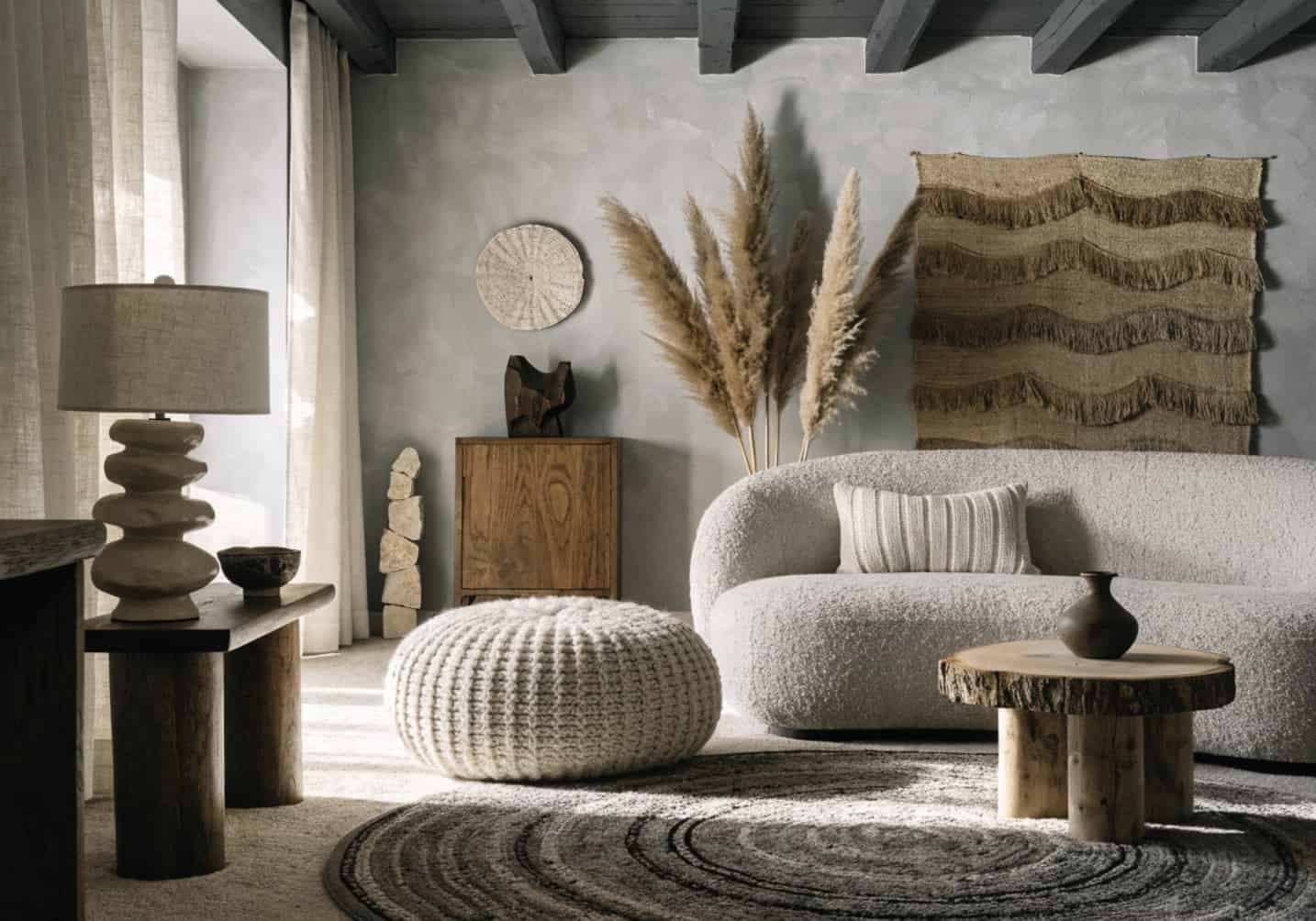
A gray boho living room has this quiet way of settling a room down. It doesn’t shout; it doesn’t compete with anything else you bring in; it just sits there and lets everything else breathe. If your living room feels chaotic right now, start here. A soft gray base takes the visual noise out of the equation, so your eyes aren’t jumping from one bright thing to another. I always tell people that calm isn’t about adding more; it’s about giving your space permission to slow down. Unlike a busy boho look that leans on bold color and pattern, calm boho leans on repetition, not variety. That’s the trick. Gray gives you a steady backdrop, and everything else you add feels a little more peaceful on top of it.
Start with a Soft, Warm Gray Palette
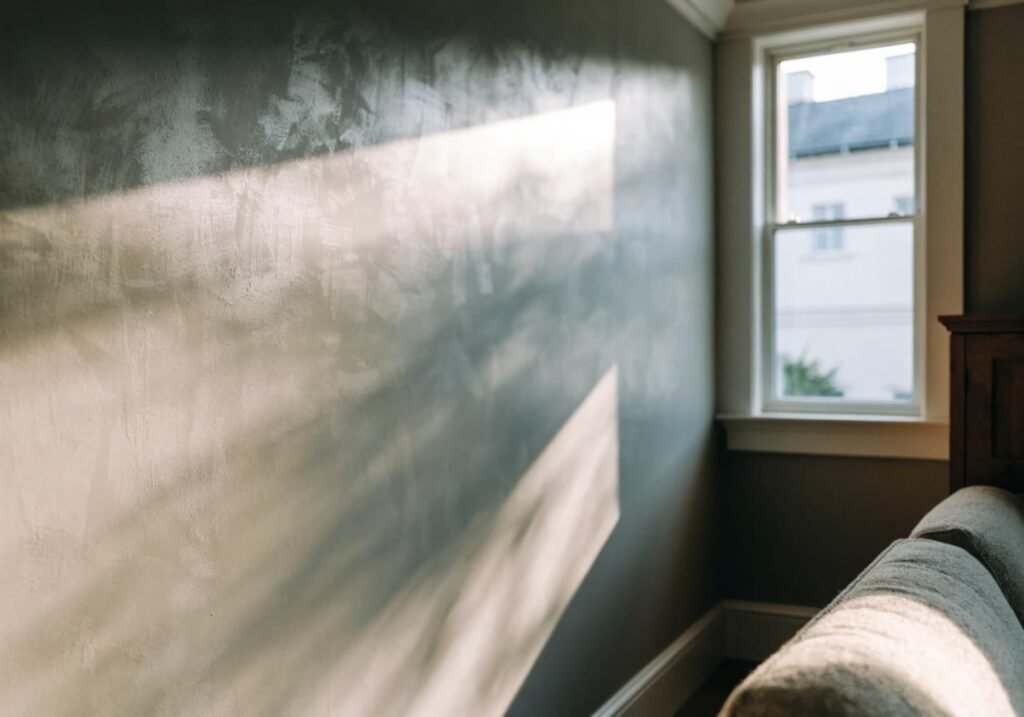
Not every gray works the same way, and this is where a lot of people trip up. Cool grays can feel a bit clinical, almost like an office waiting room, which isn’t what you want here. Warm grays, the ones with a hint of beige or greige underneath, feel more like a hug than a hallway. Paint one wall first if you’re not sure, and live with it for a few days before you commit the whole room. One thing I’ve learned when styling calm spaces is that lighting changes everything, so check the color in the morning and at night before you decide. Pair that warm gray with cream trim or a slightly darker gray rug, and you’ll already have the bones of a calm boho room without touching a single accessory yet.
Layer in Natural Textures for Boho Softness
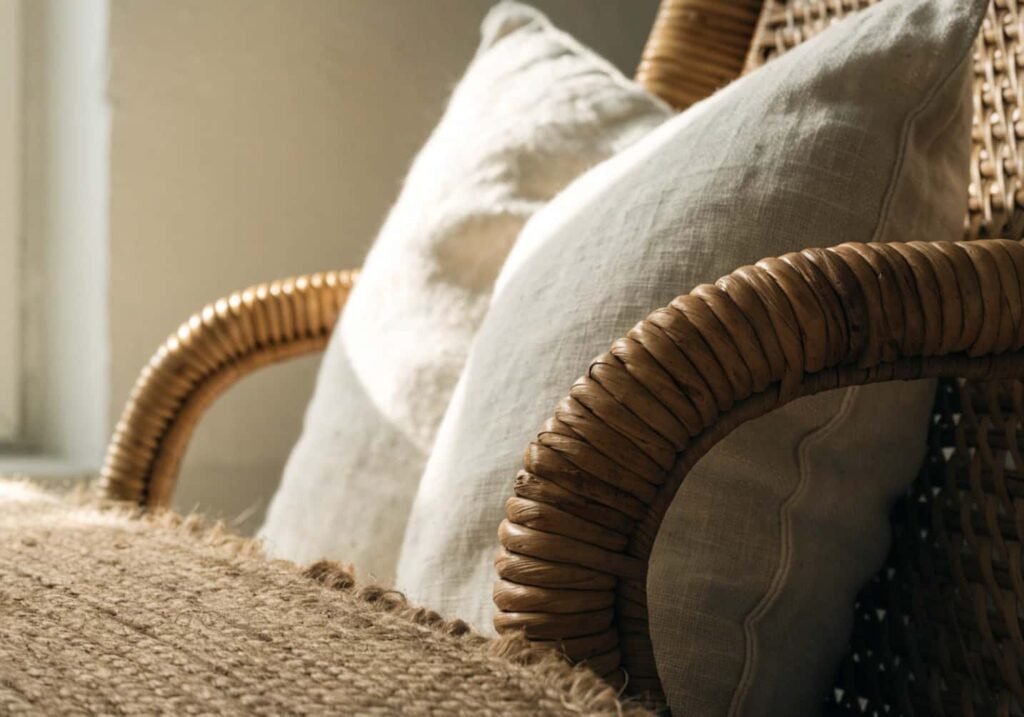
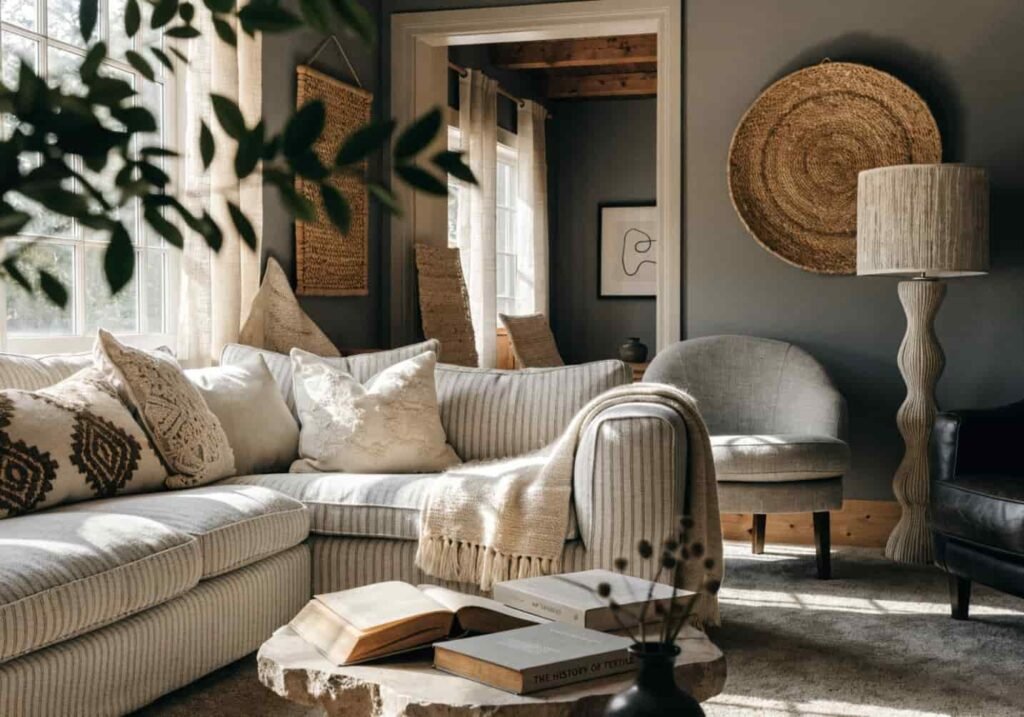
Here’s where texture comes in, and honestly, this is my favorite part of a calm boho room. A flat gray wall on its own can feel a little empty, but the second you add a jute rug, a rattan chair, or a woven wall hanging, the whole room gets warmer without adding a single new color. Boho style has always loved raw, natural materials, and gray is the perfect stage for them because it doesn’t fight for attention. Think of texture as the thing your hand wants to touch, not just what your eyes see. Mix a few materials together, like linen cushions next to a wicker basket, and keep the color story quiet so the textures get to do the talking instead of clashing with loud patterns.
Keep Clutter Low for a Peaceful Feel
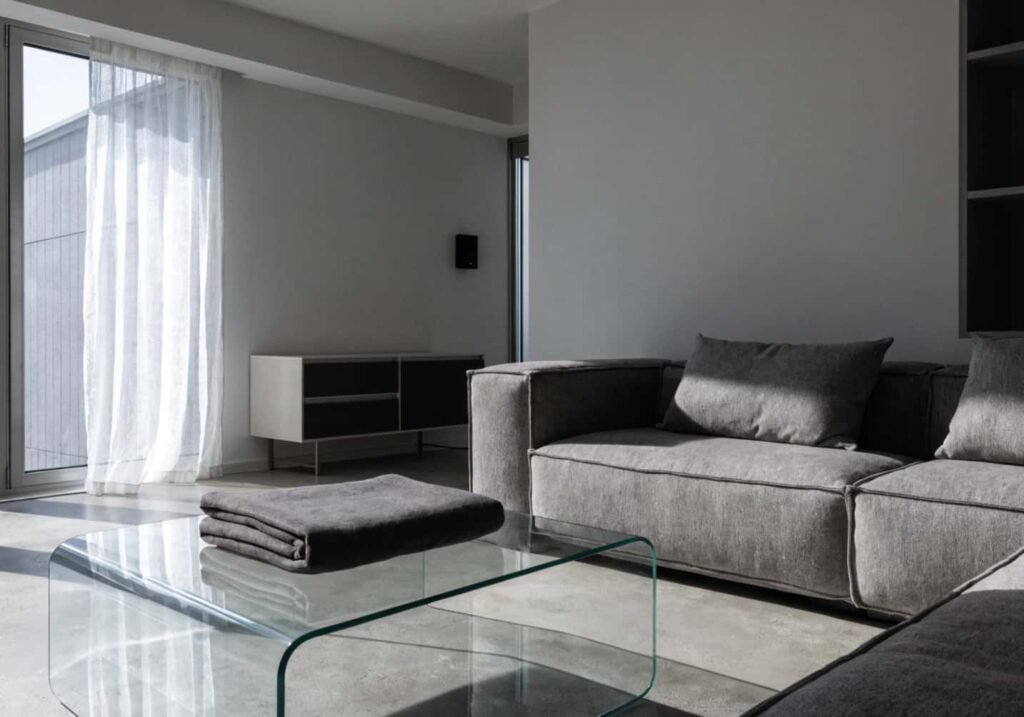
Clutter pulls your eye in too many directions, which works against the calm you’re going for, no matter how nice your gray walls look. This one sounds obvious, but it’s the step most people skip because it’s less fun than shopping for a new throw pillow. Simple, right? Walk through your living room and ask yourself what’s actually earning its spot there. A stack of mail on the coffee table, three remote controls nobody uses, a pile of blankets that never gets folded, all of it adds low-level stress even if you don’t notice it consciously. Give everything a home, even if that home is just a woven basket tucked by the sofa. A calm room isn’t empty, it’s just intentional about what stays out in the open.
Add Greenery to Bring Life into the Space
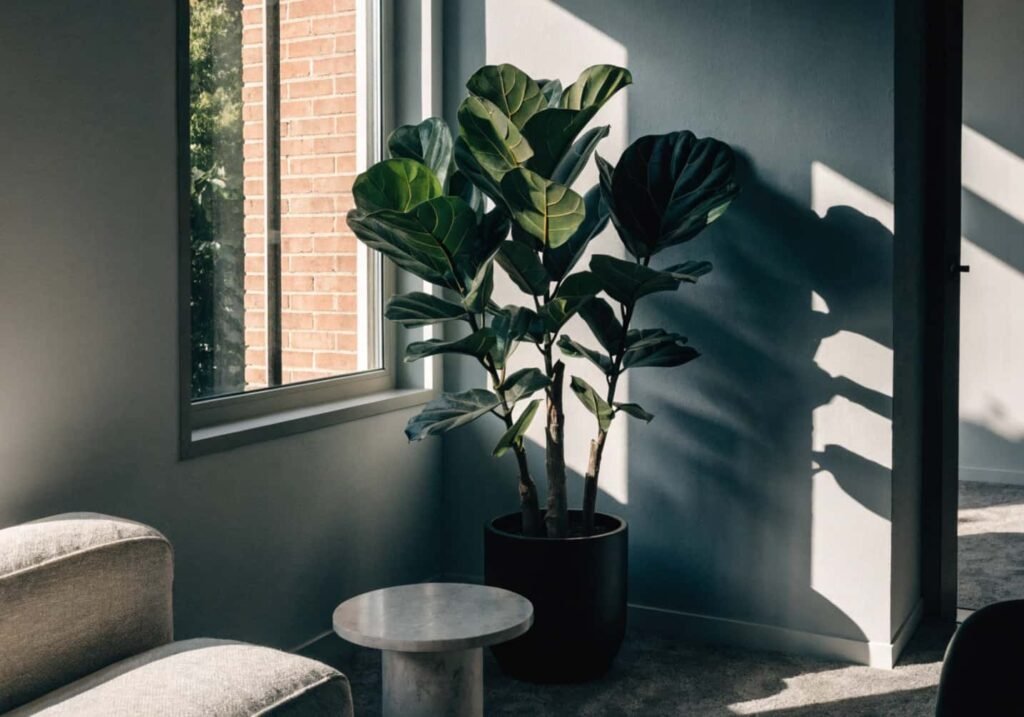
A room can look perfectly styled and still feel a little flat if there’s nothing alive in it. That’s where plants come in, and you don’t need a jungle to get the effect. One tall fiddle leaf fig in the corner or a trailing pothos on a shelf does more for the mood of a room than most decor pieces twice its price. Green against gray is one of those pairings that just works, almost like the plant was made to sit there. If you’re not great with plants, and a lot of us aren’t, start with something forgiving like a snake plant or ZZ plant. They’ll survive some neglect and still make the room feel like it’s breathing.
Choose Calming Accent Colors That Don’t Compete
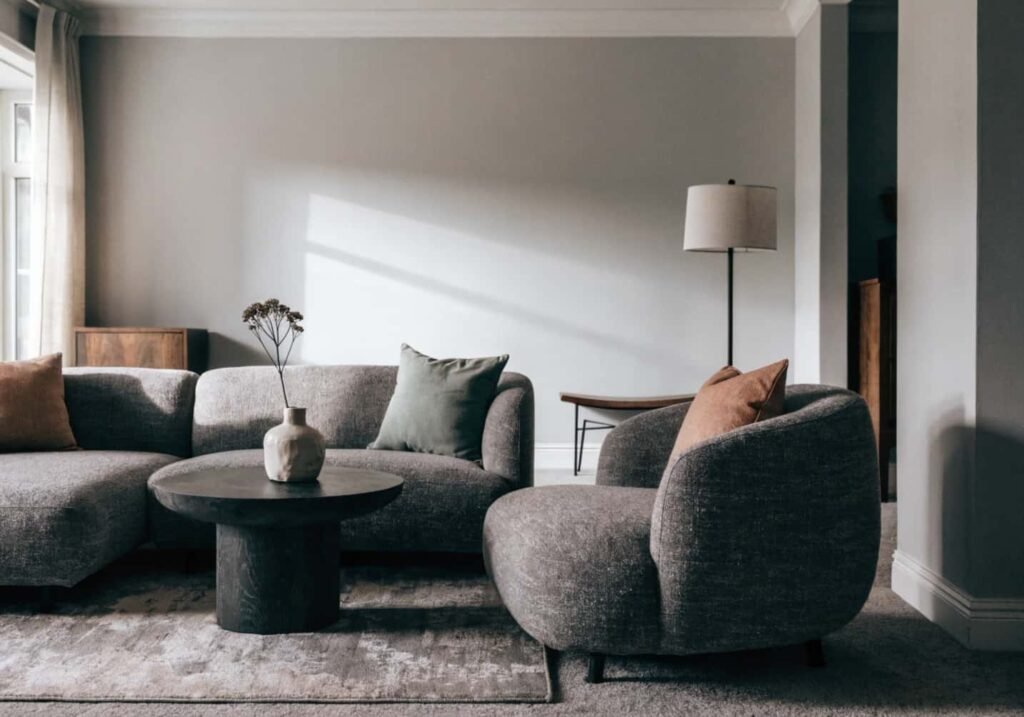
Gray gives you a blank canvas, but it still needs a little color, otherwise the room can feel cold instead of calm. The key is picking colors that support the mood rather than pulling attention away from it. Soft terracotta, muted sage, dusty blush, and warm cream all sit comfortably next to gray without turning the room busy. Skip anything too saturated or neon, since that kind of color demands attention the moment you walk in, which is the opposite of what a calm boho space is trying to do. Pick one or two accent colors and repeat them in small doses, a cushion here, a vase there, rather than scattering five different shades around the room. Restraint is what makes the palette feel put together instead of random.
Use Soft Lighting to Enhance the Mood
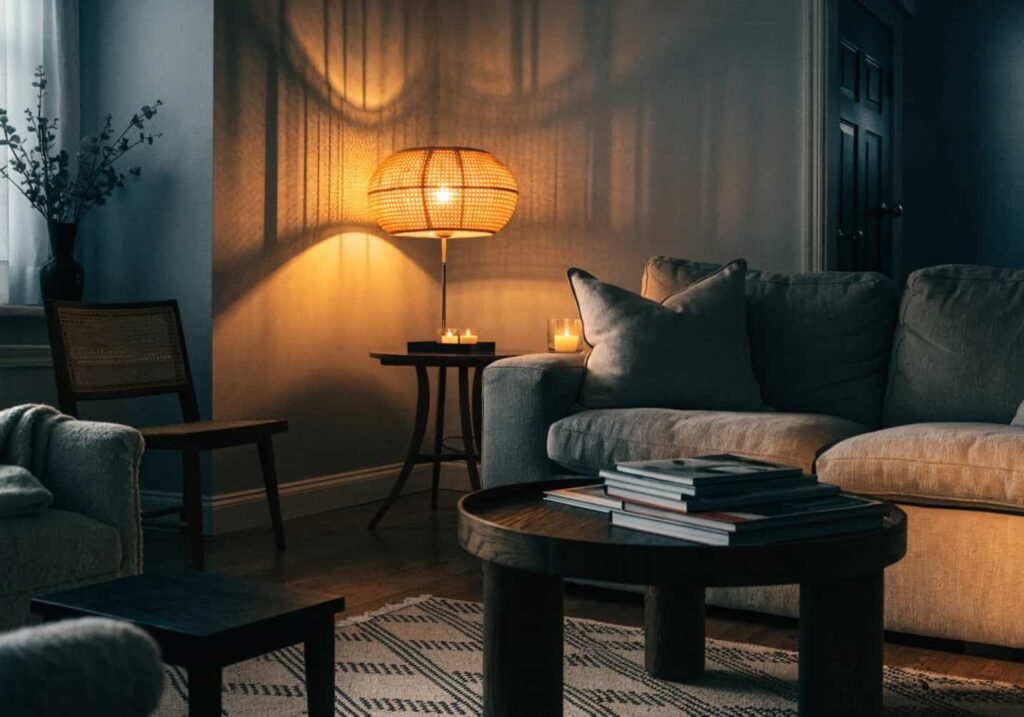
Overhead lighting can make even the calmest room feel a bit sterile, almost like you’re standing in a store instead of your own home. Swap that harsh top light for a few lamps placed around the room instead, and you’ll notice the whole mood shift within minutes. There’s something about a warm amber glow that makes evenings feel slower, like the day is finally allowed to wind down. A woven rattan lamp shade fits the boho theme perfectly and softens the light even further before it hits the room. Add a candle or two on the coffee table for evenings when you want the space to feel especially quiet. Light this soft doesn’t just look nice in photos, it genuinely changes how relaxed you feel sitting in the room.
Mix Textiles Without Overwhelming the Space
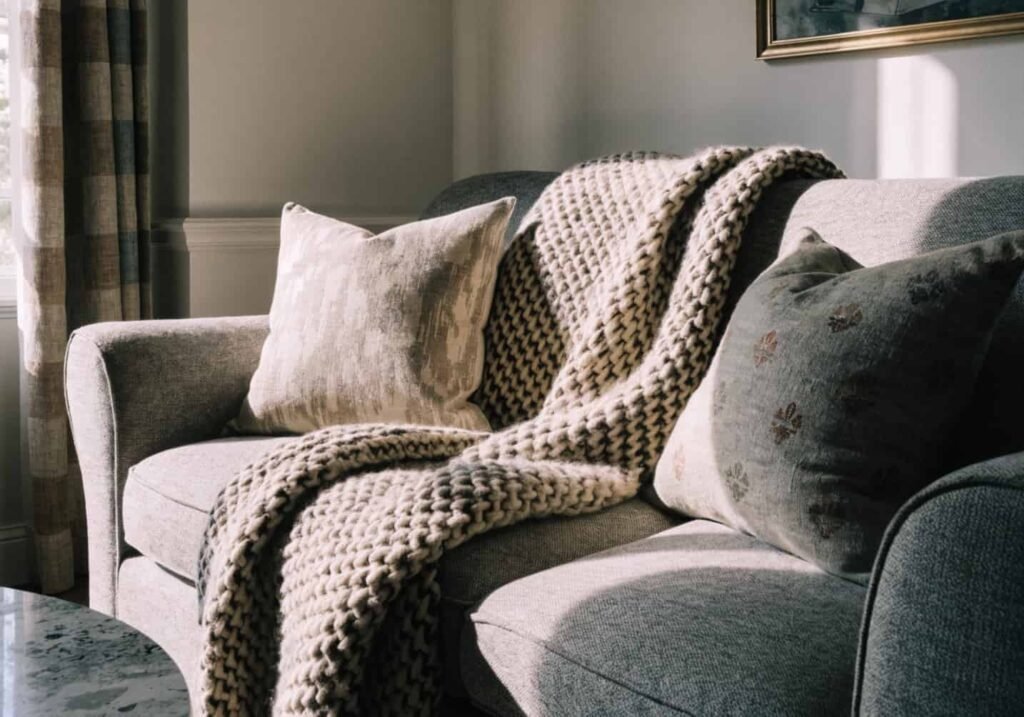
Boho rooms are known for their layered textiles, but there’s a fine line between cozy and cluttered, and gray is what helps you stay on the right side of it. Throw a chunky knit blanket over the arm of the sofa, add a couple of patterned cushions in muted tones, and maybe a woven pouf near the coffee table. That’s usually enough. The mistake people make is treating every textile as its own separate statement piece, when really they should feel like they belong to the same quiet family. Stick to two or three patterns at most, and keep the color palette tied back to your grays and warm neutrals. This way the layers feel intentional and soft, not busy or mismatched.
Create a Cozy Reading or Meditation Corner
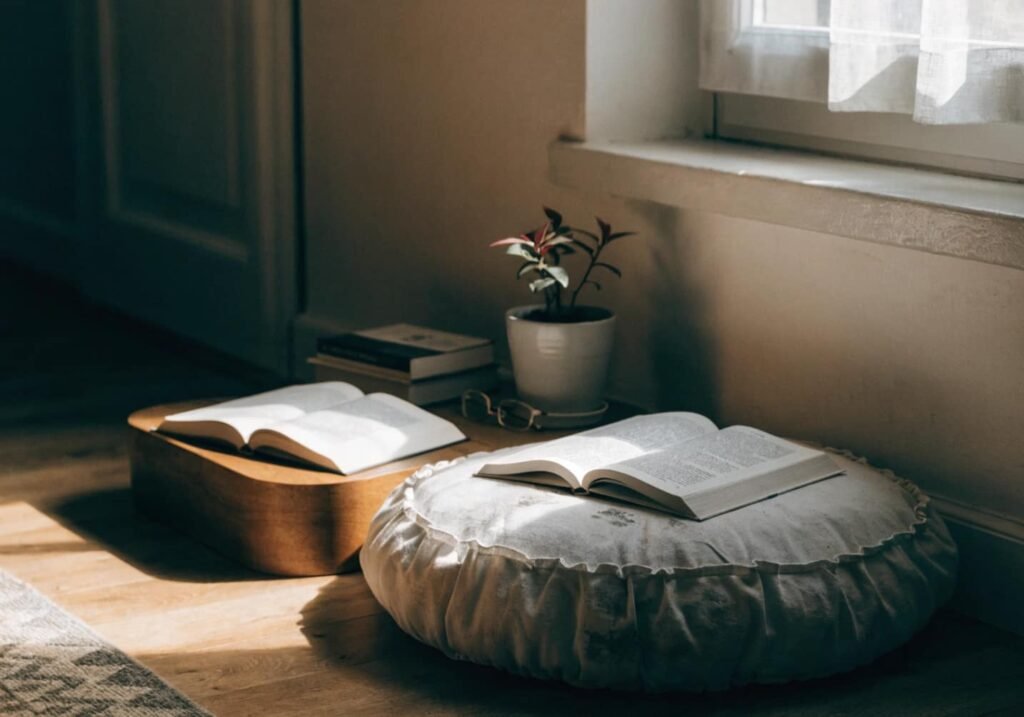
Every calm living room deserves one spot that’s just for slowing down, even if it’s a small corner nobody else in the house claims. A floor cushion, a low side table, and a small plant are really all you need to start. I’ve set up corners like this in tiny apartments and it still works the same way, the size of the space doesn’t matter nearly as much as the intention behind it. Keep this corner free of screens and clutter so it stays reserved for reading, journaling, or just sitting quietly with your tea. Over time, your mind starts to associate that spot with rest, almost like a small ritual builds itself without you trying.
Final Touches That Tie the Calm Boho Look Together
Once the big pieces are in place, it’s the small final touches that make the room feel finished instead of half-done. A woven wall hanging behind the sofa, a stack of neutral-toned books on the coffee table, or a simple ceramic bowl for keys near the entryway all add character without adding noise. Step back and look at the room as a whole rather than piece by piece. Does it still feel calm, or has something slowly crept in that doesn’t belong? Trust that instinct, because it’s usually right. A calm boho living room isn’t about following every trend at once, it’s about choosing pieces that genuinely make you feel like you can exhale when you walk in.
Conclusion
A calm gray boho living room isn’t built in one weekend, and honestly, it shouldn’t be. It comes together slowly, one warm texture, one soft light, one uncluttered corner at a time. The goal was never to impress anyone who walks through the door, it was to give yourself a room that feels like a deep breath after a long day. Start with the gray, layer in the textures, keep the clutter low, and let the rest follow naturally. That’s really all a calm space needs.