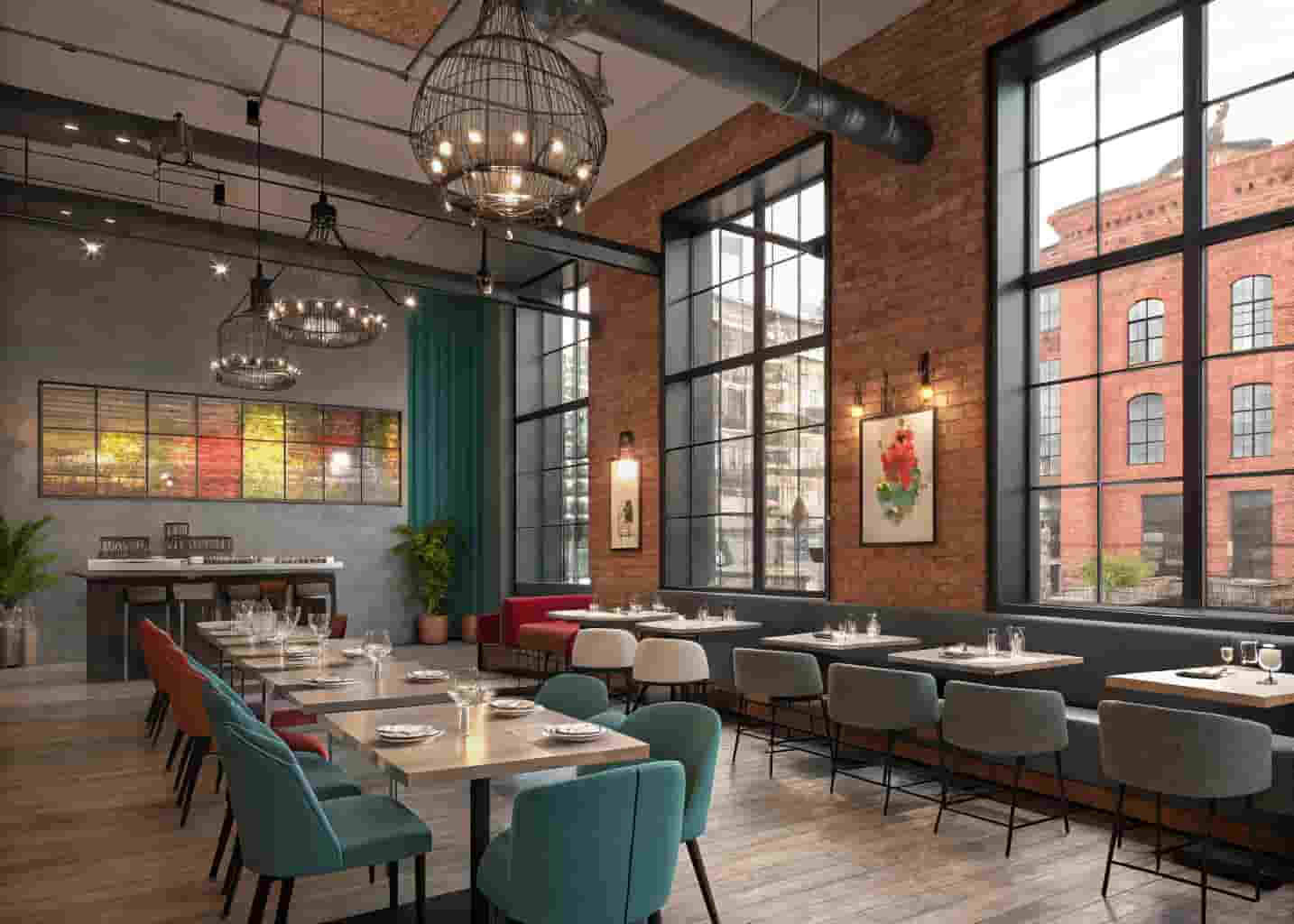
Walk into a great restaurant and something just feels right before you even look at the menu. The lighting, the sounds, the way the chairs are arranged — it all works together. That feeling isn’t an accident. It’s design. In 2026, restaurant design has gone way beyond picking a paint color or buying nice tables. Owners are now thinking about every single detail — from the ceiling to the floor, from the entrance door to the bathroom tiles. And the restaurants that get it right? They’re packed every single night. Let’s dig into 14 modern restaurant design ideas that are actually working right now.
Biophilic Design — Bringing the Outdoors Inside
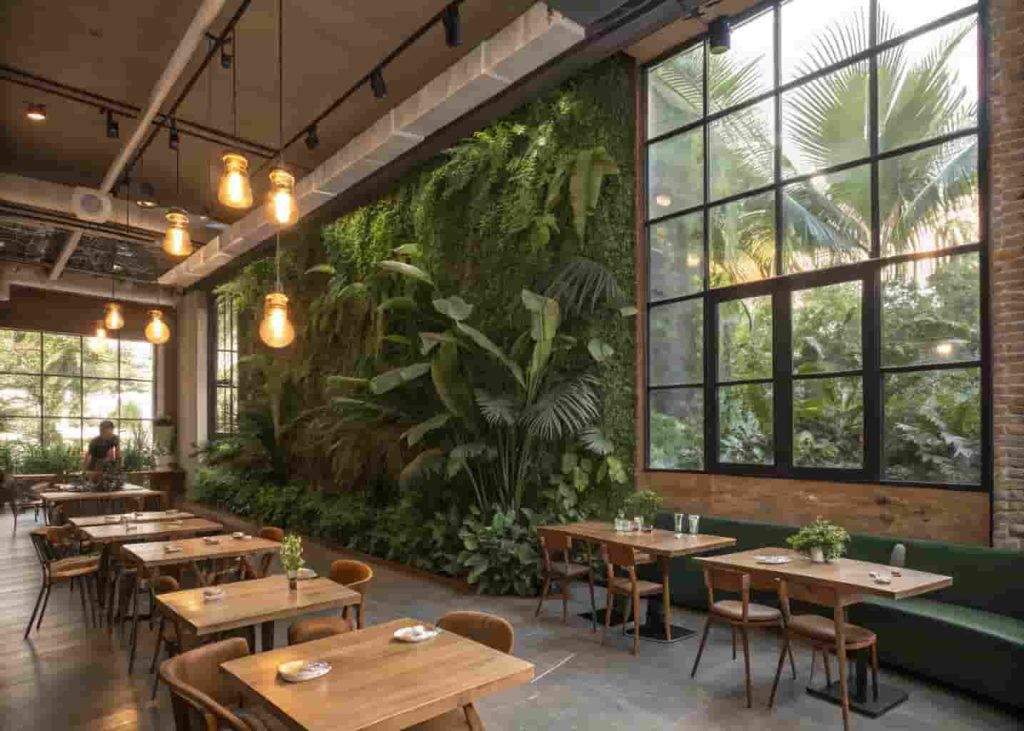
If you haven’t heard the word “biophilic” yet, you’re going to start hearing it everywhere. It basically means designing spaces with nature woven into them — living walls, hanging plants, natural wood, stone surfaces, and even water features. Restaurants using this approach feel calm and fresh the moment you walk in. People are tired of cold, sterile spaces. They want warmth. They want to feel connected to something real. A restaurant in London called Sketch has been doing this beautifully for years, and smaller spots are now catching on. Adding even a few real plants near windows can completely change how a space feels to your guests.
Open Kitchen Concept — Let Guests See the Magic
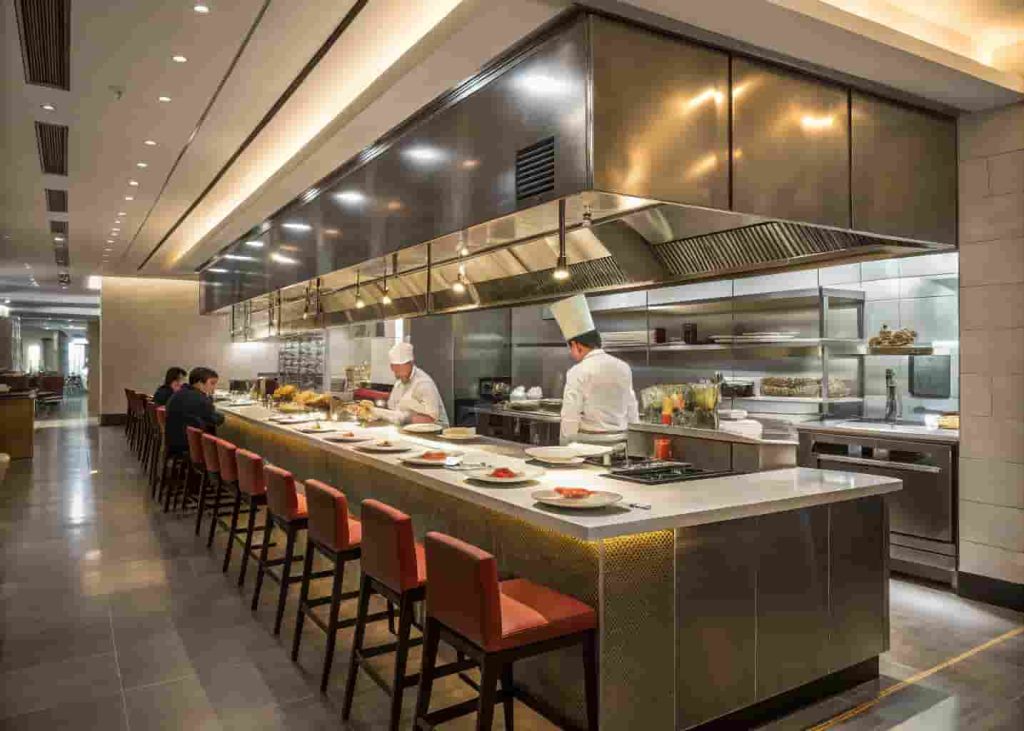
There’s something incredibly exciting about watching your food being made. Open kitchens have been trending for a while, but in 2026 they’ve become a real design statement. Restaurants are now framing the kitchen like a stage — with proper lighting, clean stainless steel, and chefs who are trained to be as much performers as cooks. It builds trust too. When guests can see the cleanliness and the skill happening right in front of them, they feel better about everything on the plate. Nobu restaurants have mastered this worldwide. Even small neighborhood spots are knocking down walls to let guests peek inside. It makes a meal feel like an experience, not just food.
Warm Minimalism — Less Clutter, More Feeling
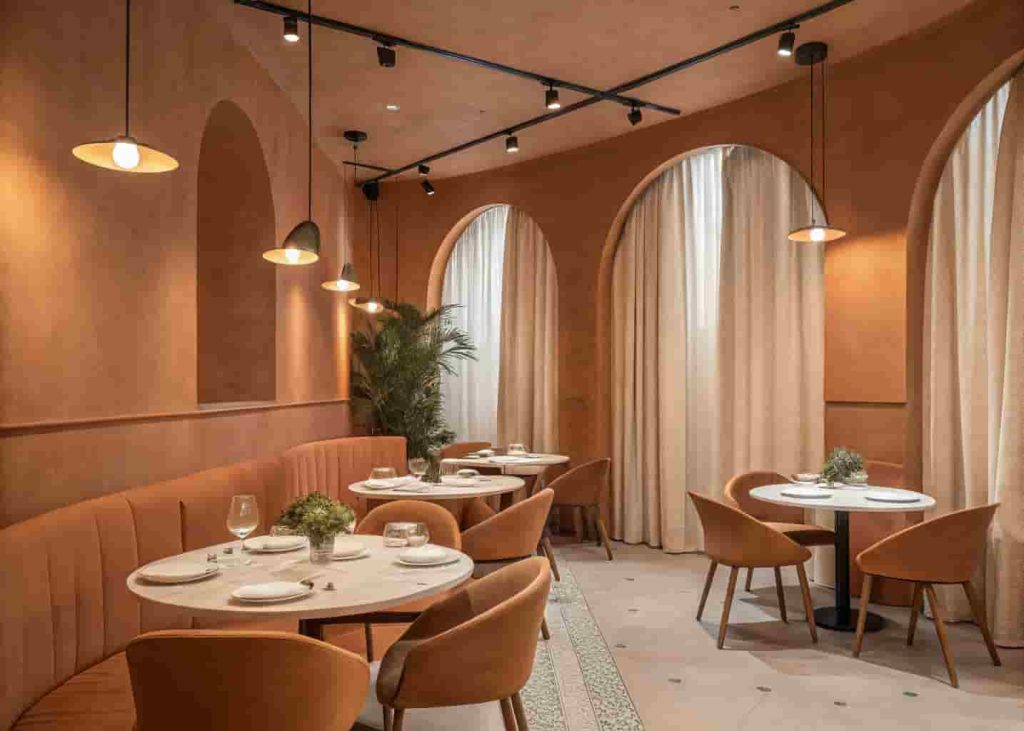
Gone are the days when minimalism meant cold and boring. In 2026, warm minimalism is the move — clean lines, simple layouts, but with textures, earthy tones, and soft fabrics that make you want to stay for hours. Think terracotta walls, curved wooden chairs, linen curtains, and nothing extra on the walls. Japanese design philosophy has always understood this balance, and now restaurants across the US, Europe, and Asia are following that lead. The beauty of warm minimalism is that your food becomes the star. Nothing on the walls or ceiling competes with what’s on the plate. It’s a smart, elegant choice for any restaurant that wants to feel upscale without screaming for attention.
Statement Lighting — The Mood Maker
Lighting might be the single most powerful design tool in any restaurant, and most owners still underestimate it. A statement light fixture — whether it’s a massive hand-blown glass chandelier, a cluster of exposed industrial bulbs, or custom rattan pendant lamps — sets the entire emotional tone of the room. Dim, warm light says romantic and intimate. Bright cool light says energetic and casual. In 2026, restaurants are treating lighting like art. Some are using programmable LED systems that shift from bright lunch settings to moody dinner ambiance automatically. If you’ve been to a place like Carbone in New York, you already know how lighting can make a room feel cinematic. It’s worth every penny.
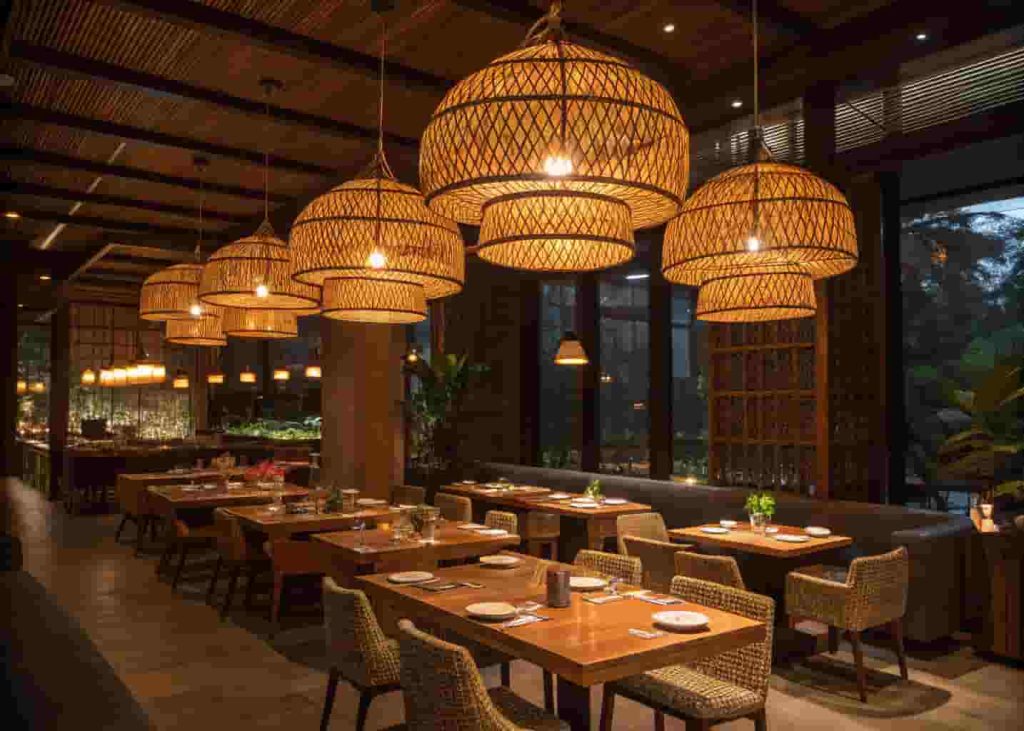
Curved Architecture and Soft Edges
Sharp corners and boxy rooms are slowly disappearing from modern restaurant design. Curved walls, arched doorways, rounded booths, and barrel-shaped ceilings are taking over — and honestly, they feel so much better to sit inside. There’s real psychology behind this. Humans naturally feel more relaxed in spaces without harsh angles. It reminds us of natural forms — caves, hills, organic shapes found in nature. Restaurants like Sketch in Paris and many new spots in Dubai and Tokyo have fully committed to curved architecture, and the results look absolutely stunning in photos too. In 2026, if you’re building or renovating, rounding your edges isn’t just a trend — it’s smart design.
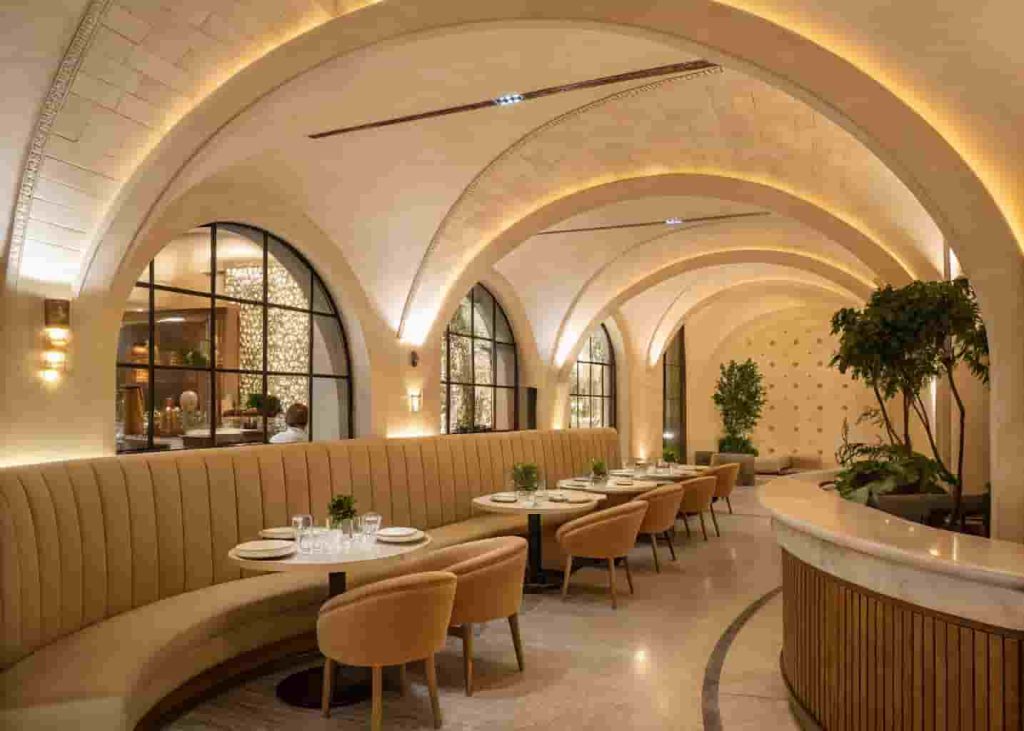
Textured Walls — Beyond Plain Paint
A plain painted wall in a restaurant is a missed opportunity. In 2026, textured walls are everywhere — exposed brick, raw plaster, handmade ceramic tiles, reclaimed wood panels, and even woven grass wallcoverings. Texture adds depth and character that no flat color can match. It also photographs beautifully, which matters a lot when your guests are constantly sharing images on Instagram and TikTok. A restaurant in Melbourne called Tipo 00 uses raw plaster walls alongside marble and timber, and the combination feels rich without being overdone. You don’t need to cover every wall — sometimes one strong textured feature wall behind the bar or along the main dining area is all it takes to completely transform a space.
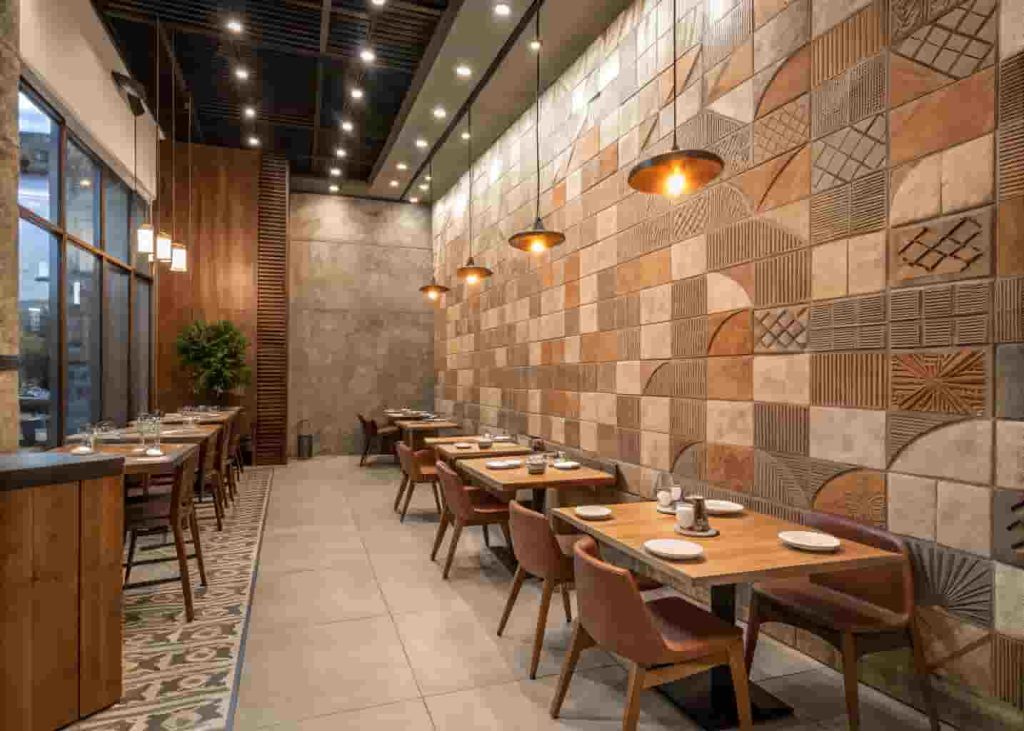
Flexible Seating Layouts — Designed for Every Group
Not every table should look the same. Modern restaurants in 2026 are designing for variety — intimate two-seater nooks for couples, long communal tables for groups, high bar stools for solo diners, and comfortable banquette seating along the walls for families. This flexible approach means more guests feel comfortable, and the restaurant can serve more types of bookings without awkward rearranging. It also makes a space look dynamic and interesting rather than like a school cafeteria with identical rows of tables. Think about the last time you walked into a restaurant and immediately knew exactly where you wanted to sit — that instinct comes from well-designed seating variety. It makes guests feel like the space was built with them in mind.
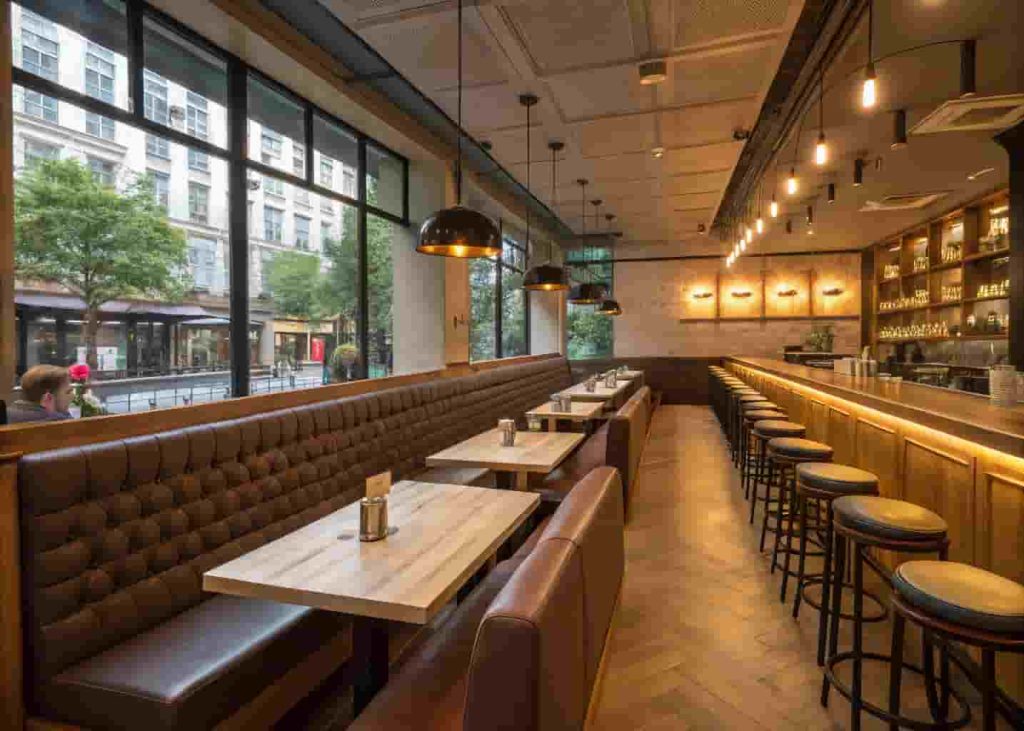
Outdoor and Semi-Outdoor Dining Spaces
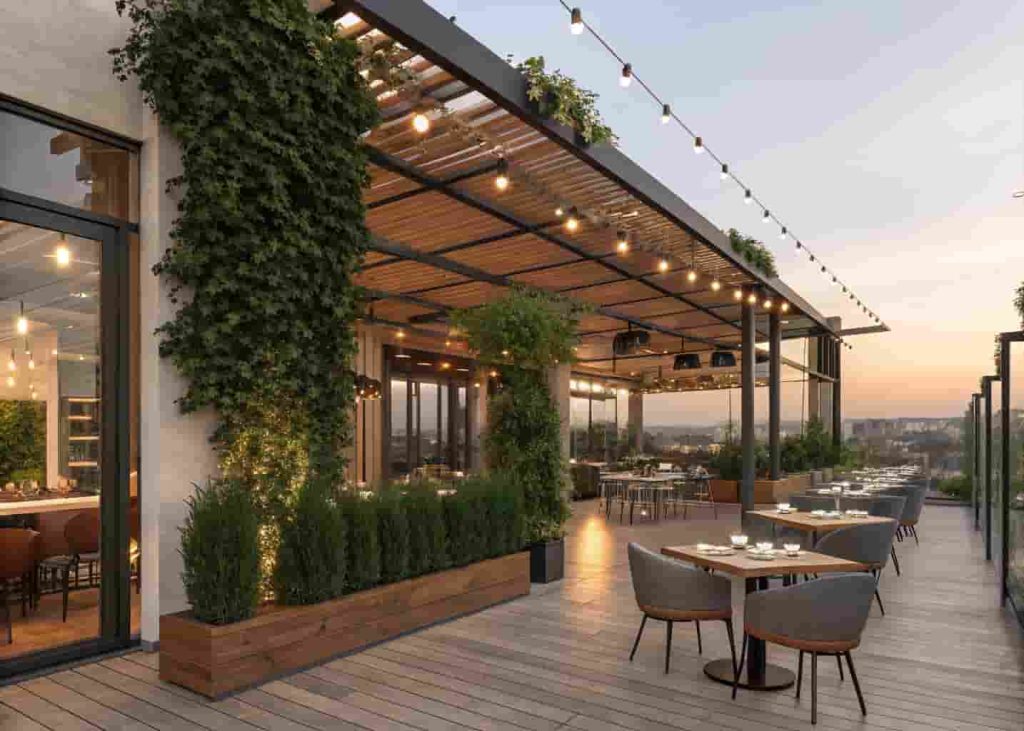
After everything the world went through in the early 2020s, people genuinely love eating outside now. Fresh air, open sky, natural sounds — it just hits differently. Smart restaurant owners in 2026 are investing heavily in beautiful outdoor dining areas. And it goes beyond just throwing some tables on a sidewalk. We’re talking retractable glass walls, overhead pergolas with climbing plants, heated floors for cooler months, and proper outdoor lighting that creates the same mood as inside. Restaurants in places like Bali, Barcelona, and even Chicago are proving that outdoor dining doesn’t have to be seasonal or second-rate. Done right, it becomes the most requested seating in the whole restaurant, often booked out weeks in advance.
Bold Color Accents — Personality in the Details
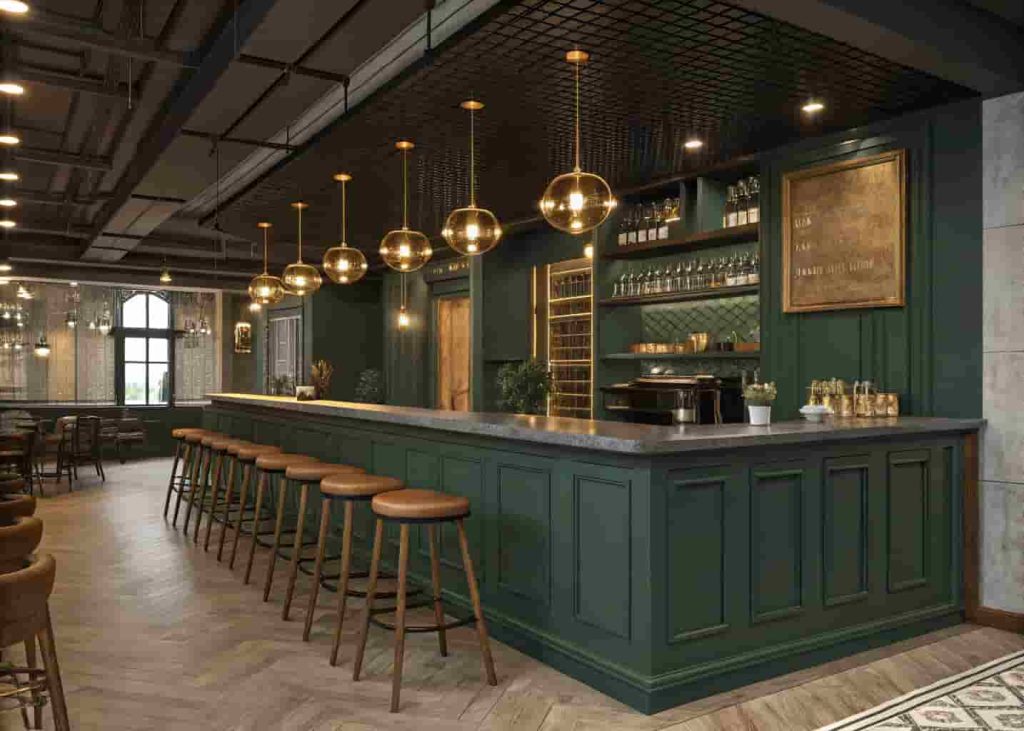
An all-neutral restaurant is safe, but safe doesn’t always make people stop and stare. In 2026, smart designers are adding bold color through accents — a deep forest green bar front, cobalt blue tiled walls in the bathroom, dusty pink velvet chairs, or a burnt orange ceiling above the main dining area. These pops of color give a restaurant personality and make it instantly recognizable. Color also affects how people feel while they eat. Warm reds and oranges stimulate appetite. Cool blues and greens make people linger longer. Understanding color psychology and using it intentionally is something the best restaurant designers always do. Even one bold color choice, done confidently, can become the signature that guests remember and talk about.
Acoustic Design — Making Noise Work For You
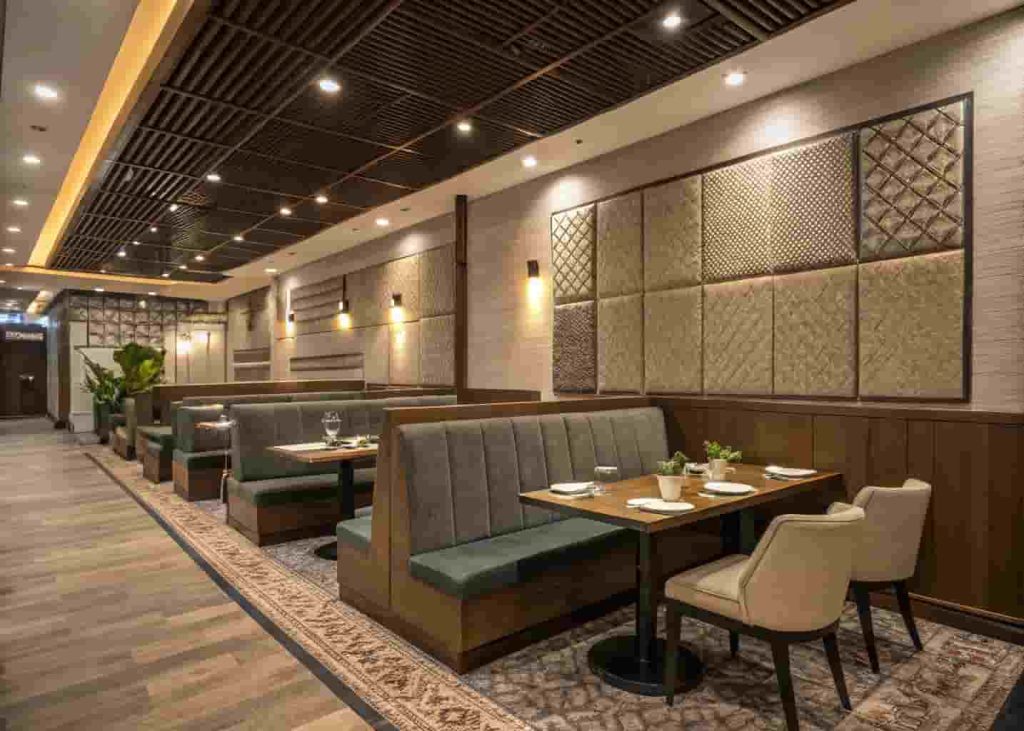
Here’s one nobody thinks about until it’s too late. You can have the most beautiful restaurant in the city, but if it sounds like a construction site inside, people won’t come back. Bad acoustics ruin the dining experience completely. In 2026, serious restaurant designers are treating sound as a core element of the design process from day one. Soft materials like upholstered seating, fabric wall panels, rugs, and acoustic ceiling tiles all absorb sound and keep conversations at a comfortable level. Some restaurants are even working with acoustic engineers to map out how sound moves through the space before building begins. The goal is a room that feels lively and social but where two people can still have a real conversation without shouting across the table.
Locally Inspired Interiors — Tell a Story
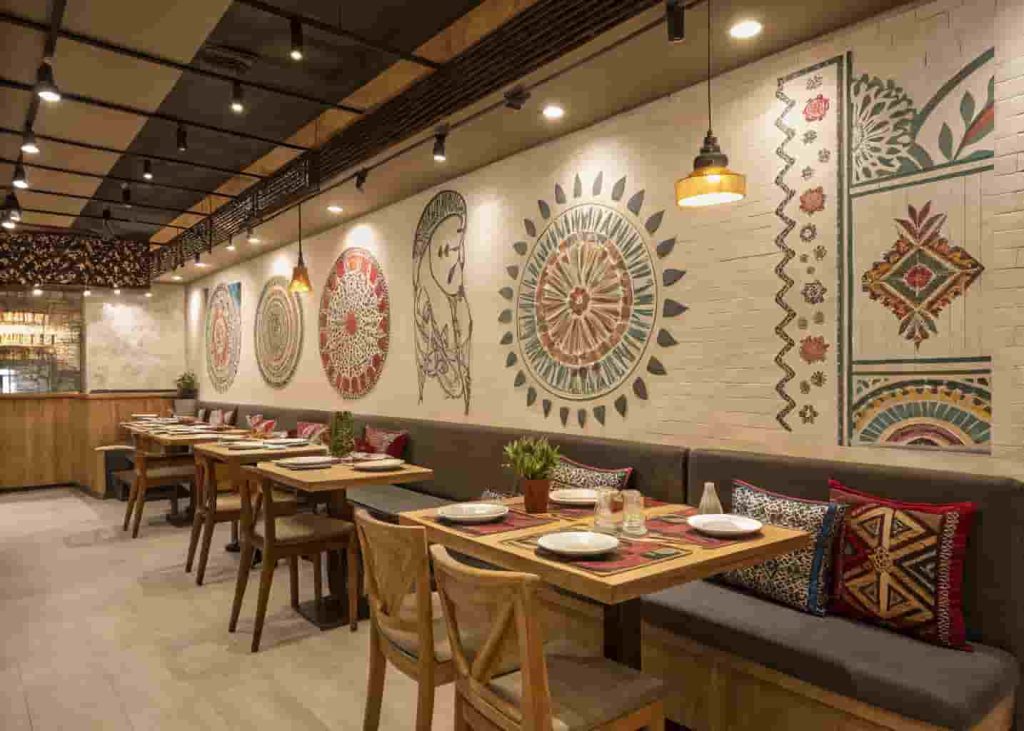
The best restaurant designs tell you exactly where you are. They pull from local history, local materials, local art, and local culture to create something that could only exist in that specific place. A restaurant in New Orleans might feature wrought iron details and jazz-era photography. One in Tokyo might use traditional shoji screens and hand-painted ceramics. This local storytelling approach gives guests something they can’t find anywhere else, and that feeling of “this place is unique” is incredibly powerful for loyalty and word-of-mouth. In 2026, travelers especially seek out restaurants that feel rooted in their location rather than generic global designs that look the same whether you’re in Dubai or Denver.
Instagram-Worthy Entry Points — First Impressions Count
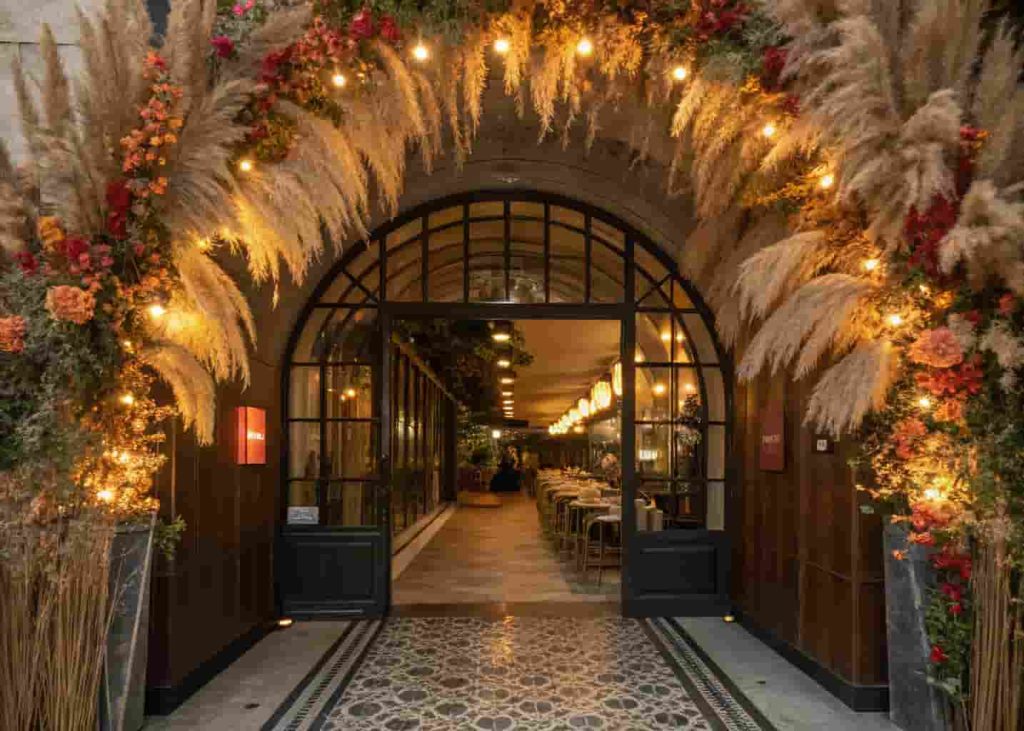
Before guests even sit down, they’re forming an opinion. The entrance, the host stand, the first wall they see — all of it sets expectations. In 2026, savvy restaurant owners are designing entrance moments that stop people in their tracks and make them reach for their phones immediately. A tunnel of hanging dried flowers, a mosaic tile floor with the restaurant’s logo, a neon sign against exposed brick, a giant sculptural art installation — these are the kinds of entrance statements that generate free marketing every single day. When a guest posts that photo before they’ve even ordered a drink, you’ve already won. The entry point is now as important as any other part of the restaurant, and the most successful spots treat it that way.
Sustainable Materials — Green Design That Looks Great
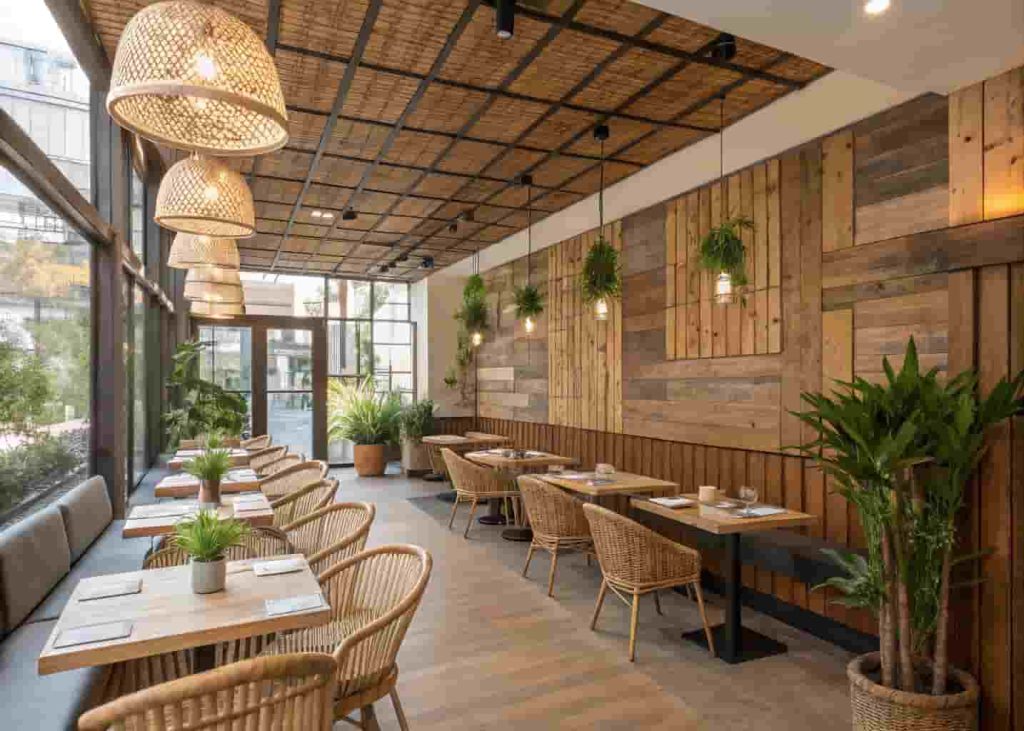
Sustainability used to mean sacrificing style. Not anymore. In 2026, restaurants are building with reclaimed wood, recycled glass, natural rattan, bamboo, cork, and even materials made from agricultural waste — and these spaces look absolutely incredible. Guests notice and appreciate this too. A growing number of diners actively choose restaurants that align with their values, and sustainable design sends a clear message without saying a word. The Ivy Collection in the UK has been a great example of how beautiful sustainable interiors can be. Beyond the materials themselves, sustainable design also includes energy-efficient lighting, water-saving fixtures, and smart HVAC systems. The look doesn’t suffer. In fact, natural and reclaimed materials often add more warmth and character than anything brand new could.
Private Dining Rooms — The Premium Experience
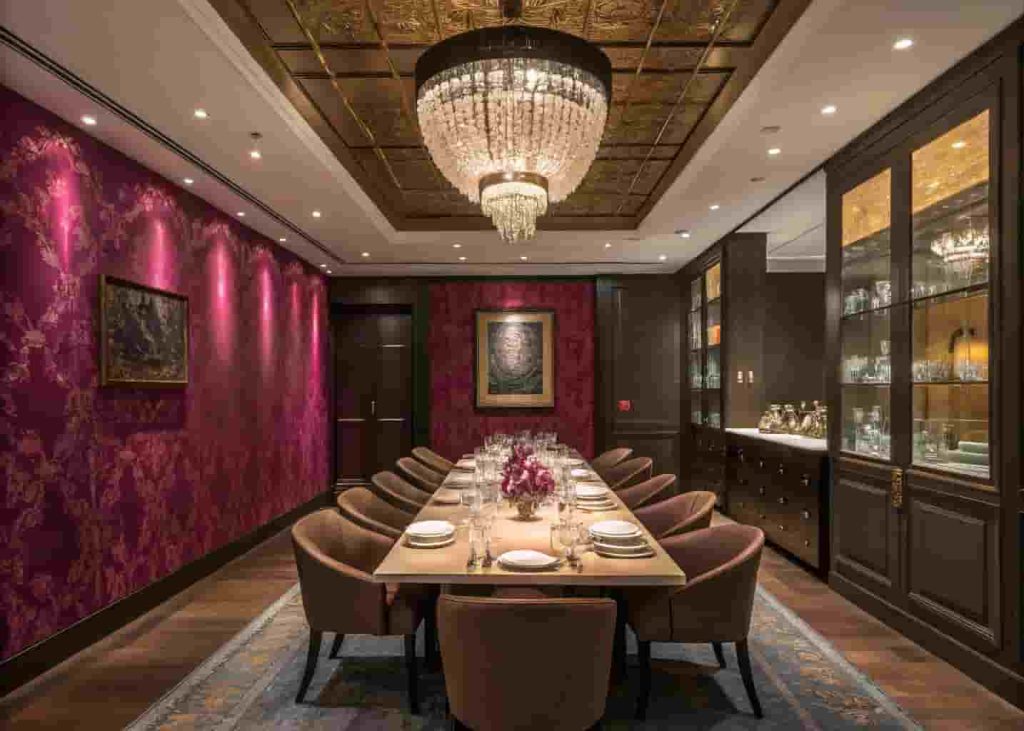
More restaurants in 2026 are carving out dedicated private dining rooms, and the demand is real. People want spaces for celebrations, business dinners, and intimate gatherings where they have privacy, personalized service, and a curated atmosphere. These rooms are often where restaurants truly let their design creativity loose — bold wallpapers, custom furniture, dramatic lighting, bespoke tableware, and art pieces that wouldn’t fit in the main dining room. A well-designed private dining room also becomes a serious revenue generator through room hire fees and fixed menus. Some London restaurants like Brat and Core by Clare Smyth have private rooms that are booked out months ahead. It’s a design investment that pays back quickly when done right.
Conclusion
Restaurant design in 2026 is more thoughtful, more layered, and more intentional than ever before. The places that stand out aren’t just serving good food — they’re creating full experiences that guests remember, talk about, and come back for. Whether it’s a living green wall, a curved plaster ceiling, a bold color choice, or a perfectly designed entrance moment, every detail adds up. You don’t have to do all 14 of these ideas at once. Pick two or three that fit your concept and your budget, execute them really well, and you’ll already be ahead of most of the competition. Great design isn’t about spending the most money. It’s about making every choice on purpose.