Create a Warm Welcome From the Very First Second
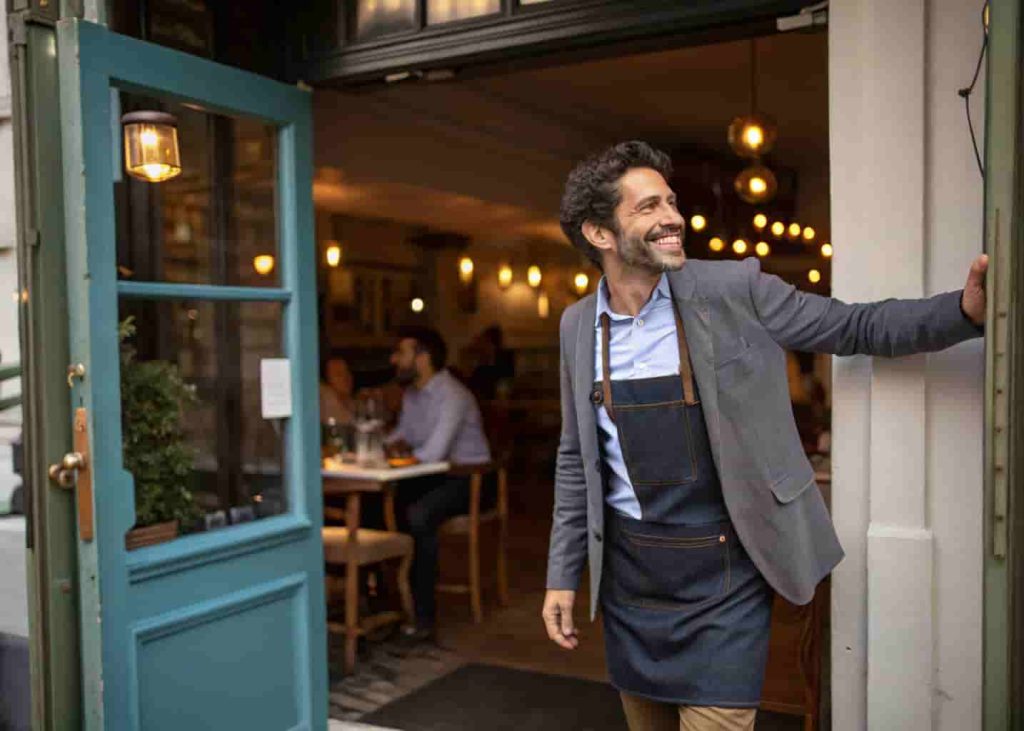
The moment a customer walks through your door, the clock starts ticking. You have about 30 seconds to make them feel like they belong there. Train your staff to look up, smile, and greet every single person who walks in — not just the ones they recognize. A simple “Hey, welcome in! Sit anywhere you like” goes a long way. I’ve walked into Restaurant Ideas where nobody looked up for two whole minutes, and honestly? I almost turned around. That first impression sticks. It shapes how customers feel about the food, the service, everything. Put effort into that greeting. It costs nothing, but it’s worth everything.
Offer a Simple, Easy-to-Read Menu
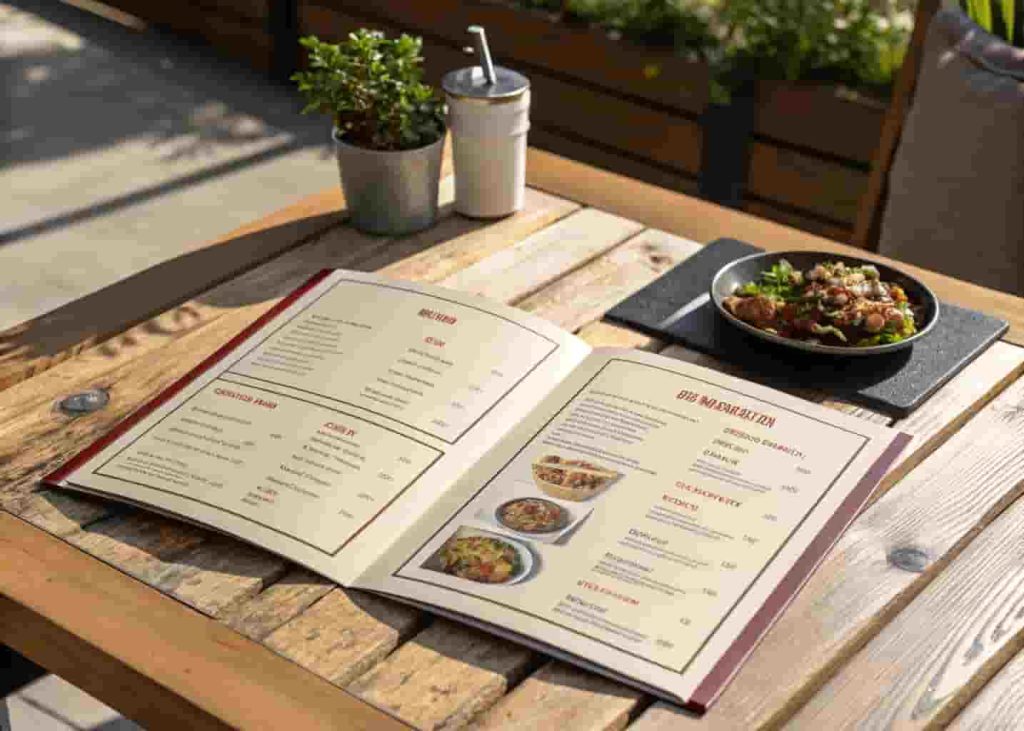
Too many choices stress people out. It’s called decision fatigue, and it’s real. If your menu looks like a textbook, customers will feel overwhelmed before the food even arrives. Keep it clean. Group items clearly. Use plain language that actually describes the dish. Instead of “Pan-seared Atlantic salmon with a citrus beurre blanc reduction,” try “Grilled salmon with lemon butter sauce.” See the difference? One sounds like a food journal, the other sounds delicious. A restaurant in Lahore I visited recently had a one-page menu with photos. We ordered faster and enjoyed it way more because we weren’t stressed choosing.
Train Staff to Actually Listen to Customers
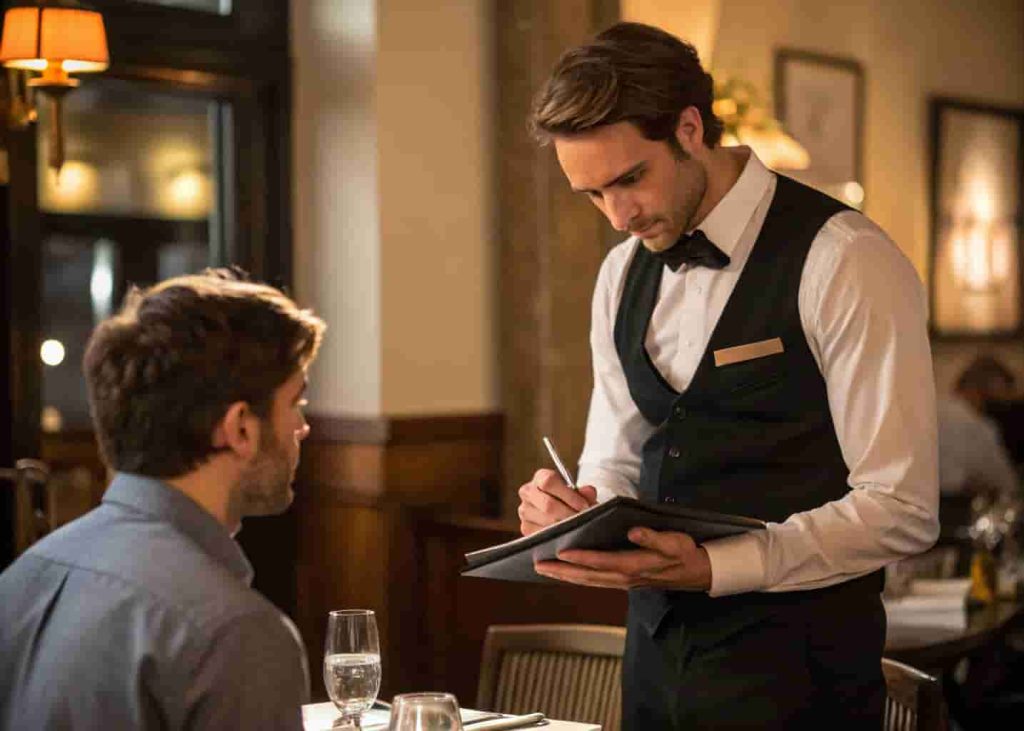
Good service isn’t just about being polite. It’s about listening. When a customer says “I’m allergic to nuts,” the waiter should write it down, repeat it back, and flag it to the kitchen. When someone says “I’m celebrating my birthday,” a good server remembers that and maybe brings a small dessert. These little moments matter. I once had a waiter who remembered I asked for extra sauce last time I visited. That blew my mind. It made me feel like a regular even on my second visit. Listening is a skill. Train for it, reward it, and watch your customer satisfaction scores climb.
Keep the Restaurant Clean at All Times
This one is non-negotiable. A dirty restaurant kills the experience no matter how great the food is. Customers notice everything — sticky menus, crumbs on seats, smudged glasses, and dusty shelves. These things quietly tell your brain “this place doesn’t care.” Clean tables should be wiped down immediately after guests leave. Bathrooms need to be checked every hour, not just once a night. The kitchen should be spotless. Cleanliness builds trust. When customers see a clean space, they automatically trust that the food is prepared well too. It’s a psychological link people make without even thinking about it.
Speed Up the Service Without Rushing Customers
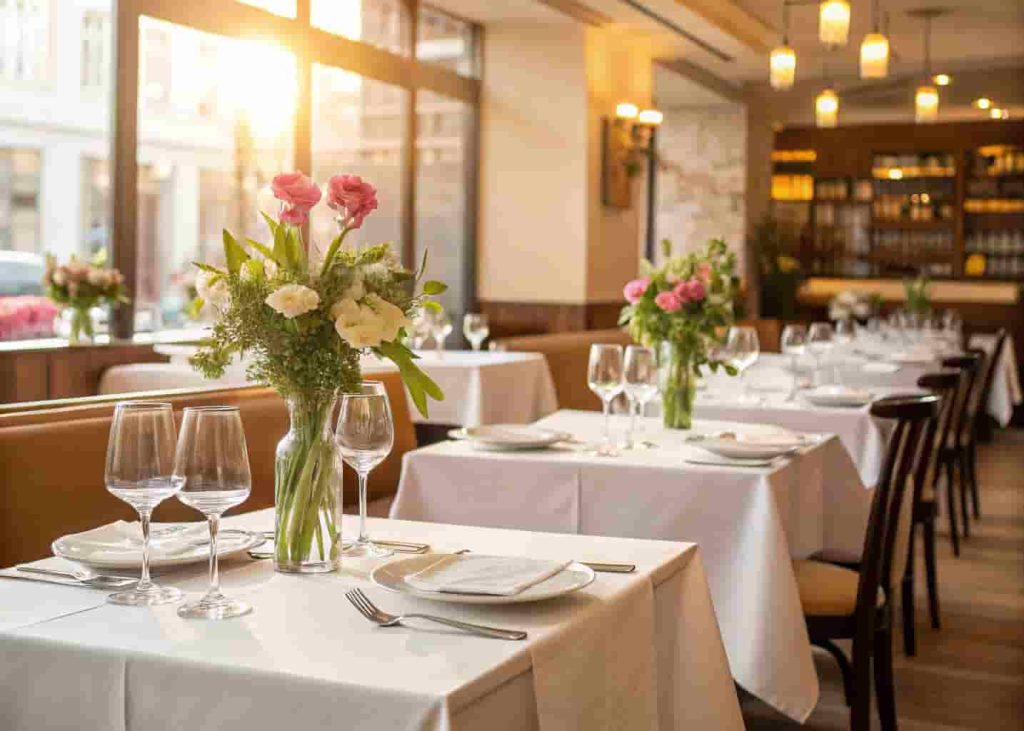
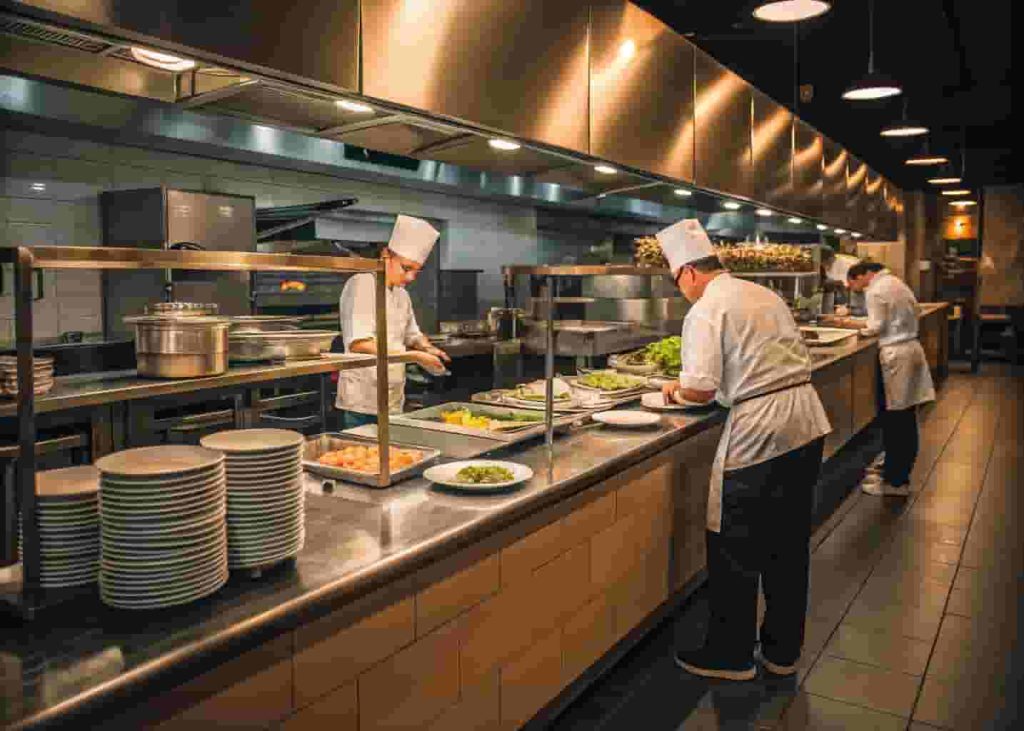
Nobody likes waiting 40 minutes for a burger. But nobody likes feeling rushed either. The trick is to be efficient behind the scenes without making guests feel like they’re on a timer. Use a kitchen display system so orders don’t get lost. Have drinks out within three minutes of seating. Check in on tables without hovering. Time your courses so there’s never a 20-minute gap between appetizers and mains. A restaurant in Karachi I went to had their food out in 12 minutes flat and still felt relaxed and unhurried. That’s the sweet spot. Speed in the kitchen, calm in the dining room.
Personalize the Dining Experience
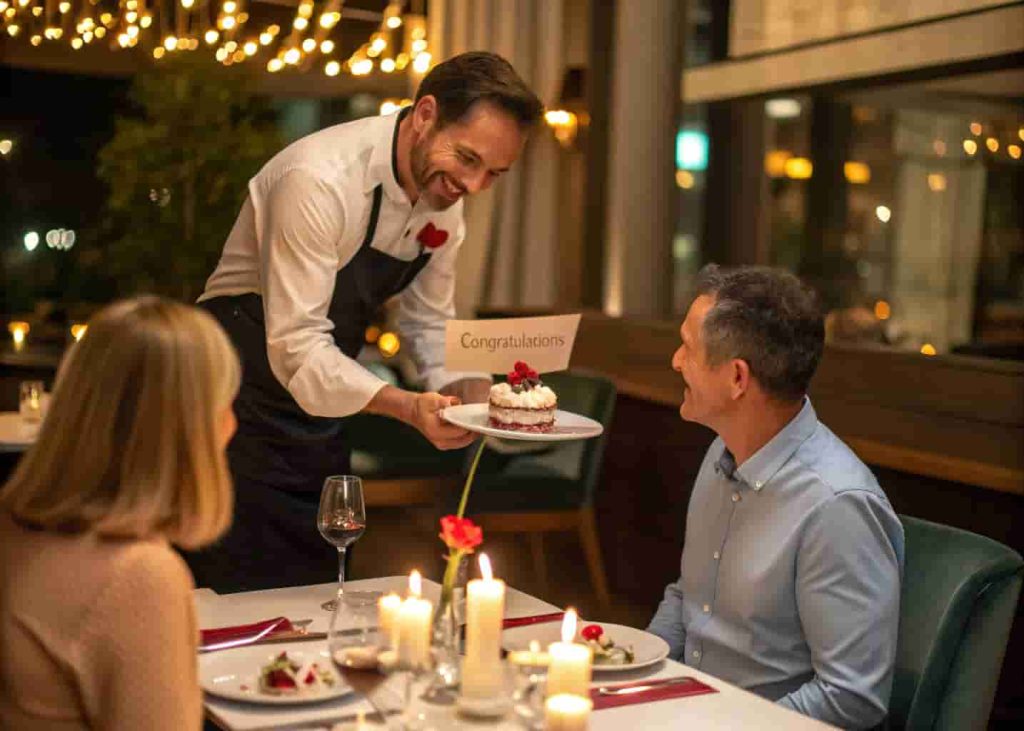
People love feeling special. And the best part is, personalizing an experience doesn’t have to cost extra. Ask a returning customer “the usual?” Use their name if you know it. If someone mentions it’s their anniversary, put a little note on the dessert plate. If a family comes in with a toddler, bring a booster seat before they have to ask. Small gestures like this make customers feel seen. It turns a regular meal into a memory. And memories bring people back. Use a simple POS system to track customer preferences and order history. That data is gold for building loyal regulars who come back again and again.
Use Technology to Improve Ordering and Payments
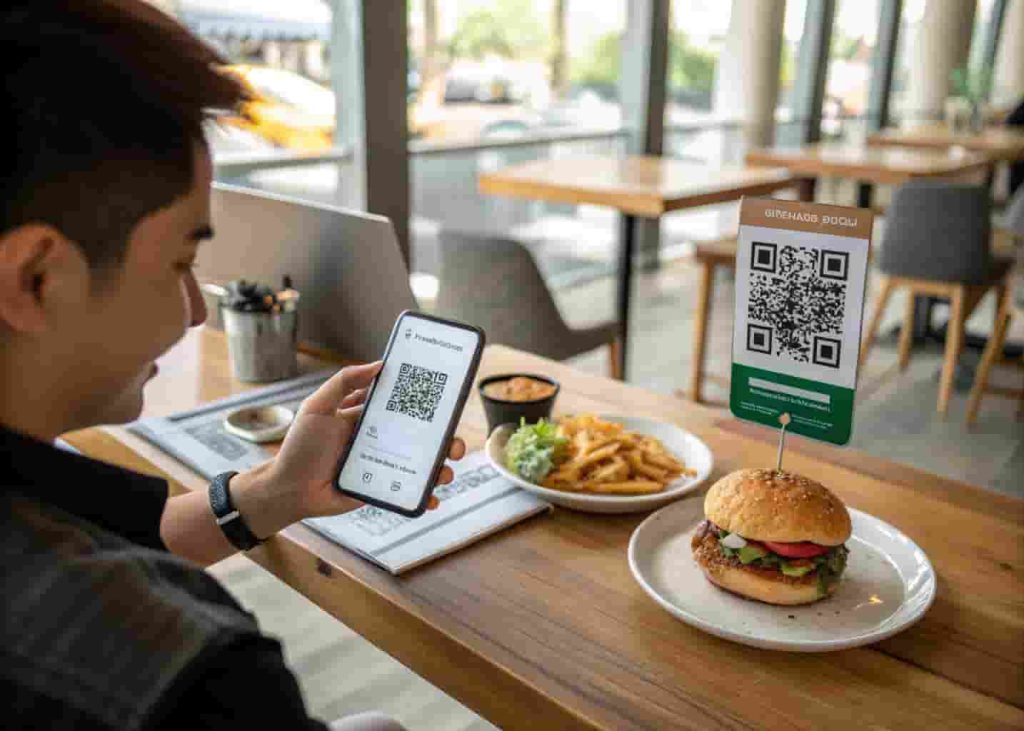
Long waits at the end of a meal are frustrating. Nobody wants to sit there waving at a server for 10 minutes just to pay the bill. Simple tech upgrades fix this fast. QR code menus let customers browse at their own pace. Tableside tablets make it easy to reorder without flagging someone down. Pay-at-table devices cut closing time significantly. A friend of mine who runs a small café in Islamabad introduced a QR code ordering system and his average table turnover time dropped by 15 minutes. Customers rated the experience higher even though the food hadn’t changed at all. Technology doesn’t replace warmth. It removes friction.
Design a Comfortable and Inviting Atmosphere
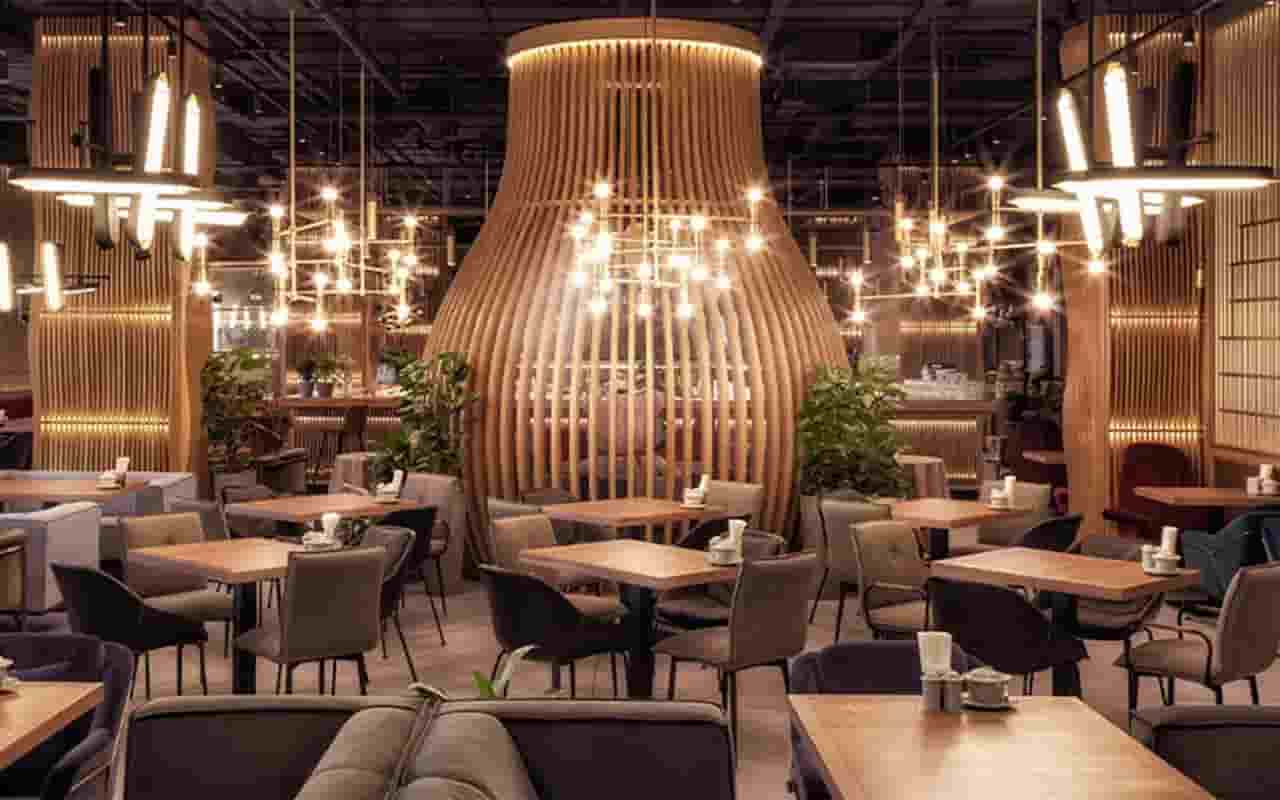
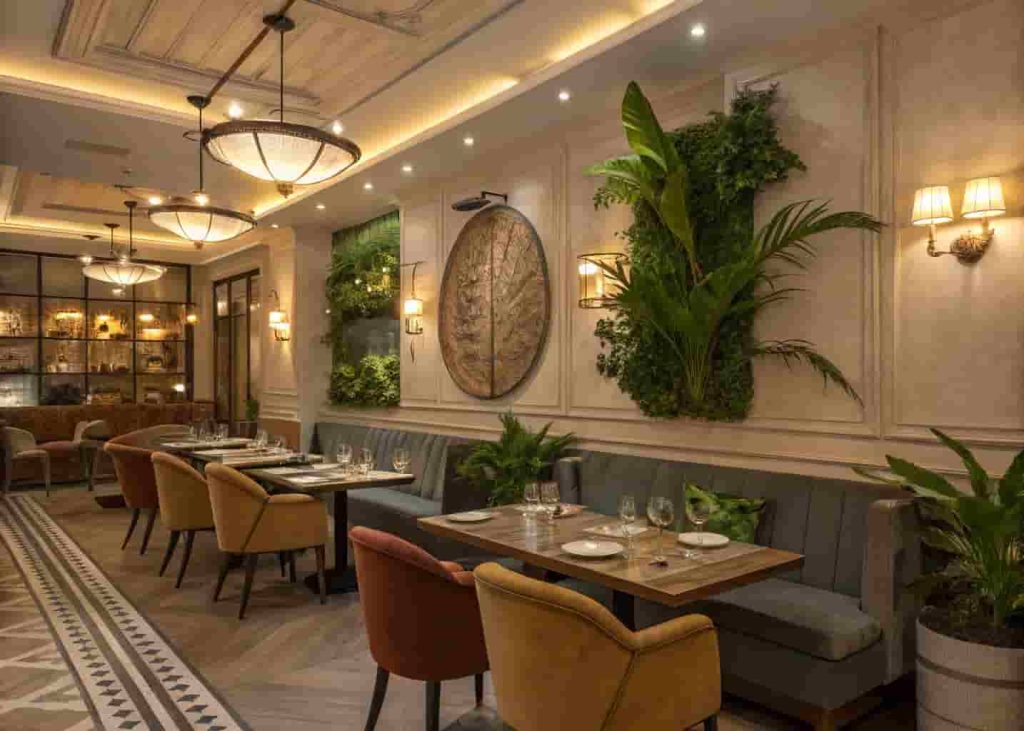
Food is only part of the reason people go out to eat. The atmosphere matters just as much. Think about the lighting — too bright feels like a hospital, too dark feels like a cave. Music should be at a volume where you can actually hold a conversation. Seating should be comfortable enough to sit for an hour without your back aching. Plants, artwork, and clean decor make people feel relaxed. Air conditioning should work properly. Everything in your restaurant sends a message about who you are. A well-designed space makes customers linger longer, order more, and most importantly — want to come back.
Handle Complaints Gracefully and Quickly
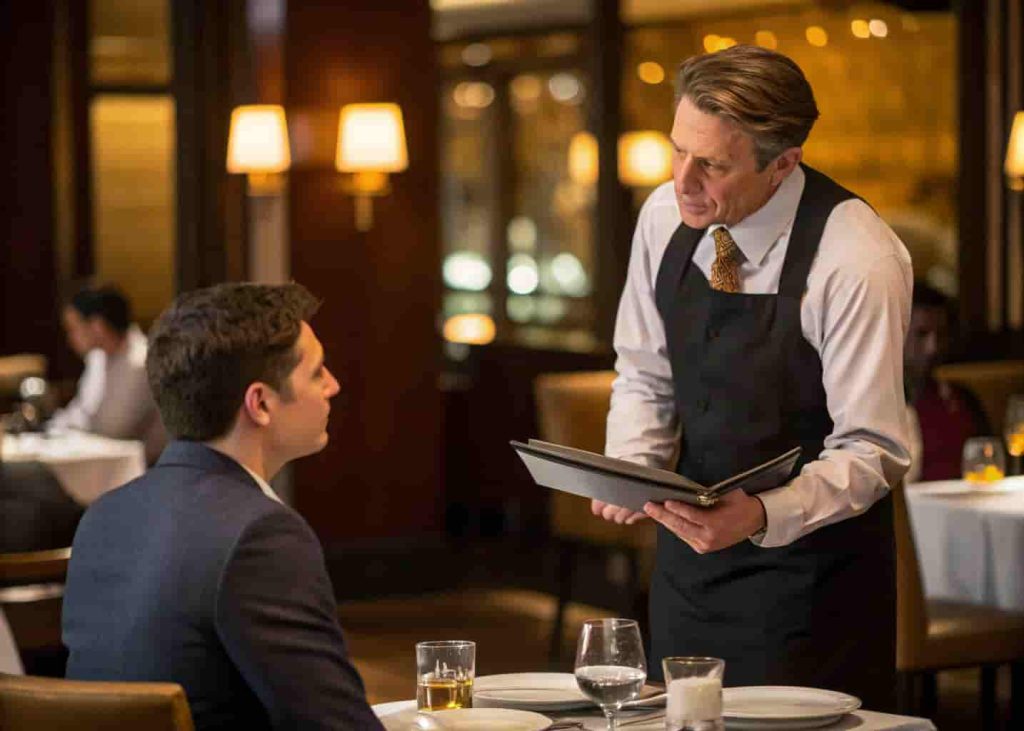
Something will go wrong. Orders get mixed up. Food comes out cold. A waiter has a bad day. What separates great restaurants from average ones is how they respond when things go sideways. Never argue with a customer. Never make them feel like their complaint is annoying. Instead, apologize sincerely, fix the issue fast, and offer something small as a goodwill gesture. A complimentary dessert or a discount on the next visit costs you almost nothing but earns incredible loyalty. I’ve seen people leave five-star reviews specifically about how well a restaurant handled a mistake. The recovery matters more than the mistake.
Introduce a Loyalty Program That Rewards Regulars
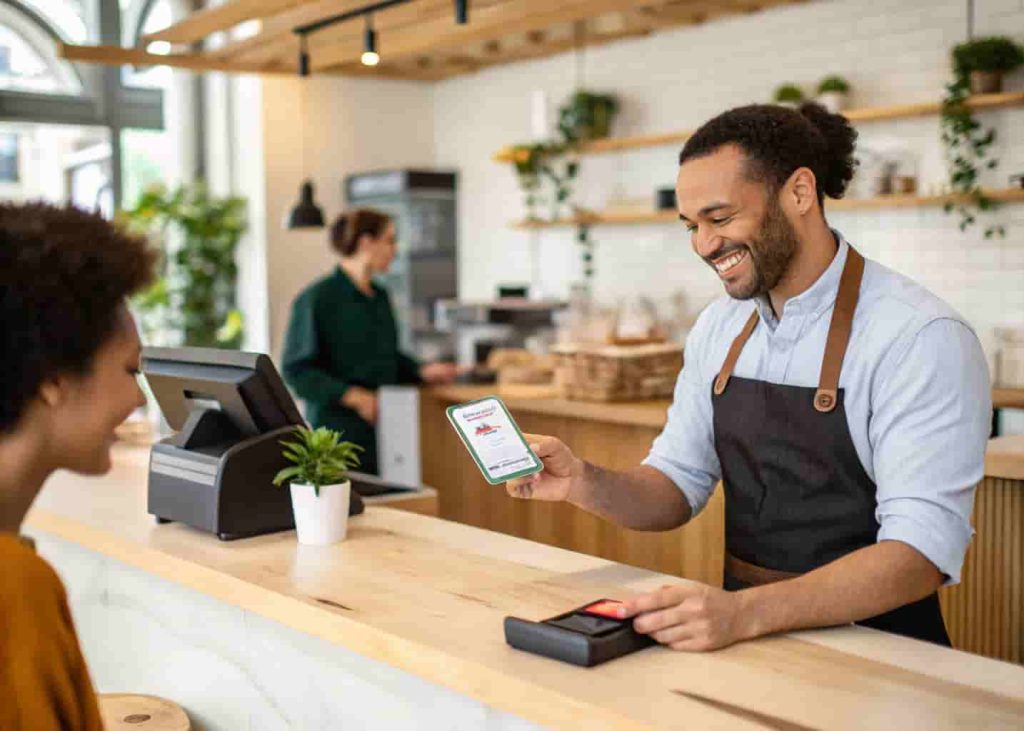
Give people a reason to come back. Loyalty programs work incredibly well in the restaurant industry because people love earning rewards for something they’re already doing. It doesn’t have to be complicated. A simple punch card — “buy 9 coffees, get the 10th free” — is enough to keep customers choosing you over the place next door. Digital loyalty apps take it up a notch. You can send birthday rewards, track points automatically, and even push notifications for slow days. The key is making it feel like a genuine thank-you, not a marketing gimmick. When customers feel appreciated, they stick around.
Offer Thoughtful Menu Options for Dietary Needs
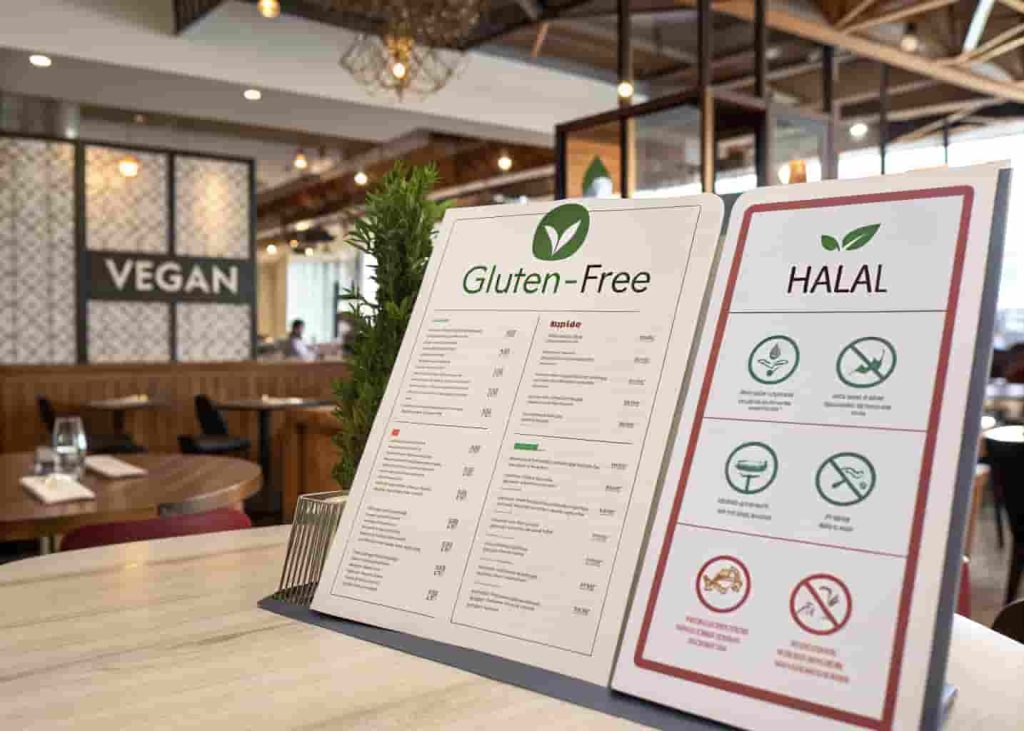
Dietary restrictions are everywhere now. Gluten-free, vegan, halal, dairy-free, low-carb — your customers have real needs and they notice when a restaurant actually thinks about them. You don’t have to overhaul your entire menu. Even clearly labeling which dishes are vegetarian or which can be made gluten-free makes a massive difference. Train your staff to know what’s in each dish so they can answer questions confidently. A customer with a food allergy who feels safe at your restaurant will become one of your most loyal guests. They don’t have many options and when they find a place that genuinely caters to them, they tell every single person they know.
Ask for Feedback and Actually Use It
Most restaurants put a feedback card on the table and never read them. Don’t be that restaurant. Actively ask customers how their experience was — and mean it. Follow up on online reviews, both good and bad. When someone takes time to leave a Google review, reply to it. When a customer mentions the pasta was a bit salty, talk to your chef. Feedback is free consulting from the people whose opinion matters most. One restaurant owner I know checks reviews every morning before opening. She’s made three major changes based on customer input alone and her rating went from 3.8 to 4.6 stars in under a year.
Conclusion
Running a restaurant that customers love isn’t about having the fanciest décor or the most expensive ingredients. It’s about the small things done consistently well — a warm greeting, a clean space, a staff that listens, and a genuine effort to make every guest feel valued. Start with two or three of these ideas and build from there. Real change happens gradually. But when you put the customer experience at the center of every decision you make, the results speak for themselves. Happy customers come back. They bring friends. They leave reviews. And they become the best marketing your restaurant will ever have.