1. Start With Wildflowers From Your Garden
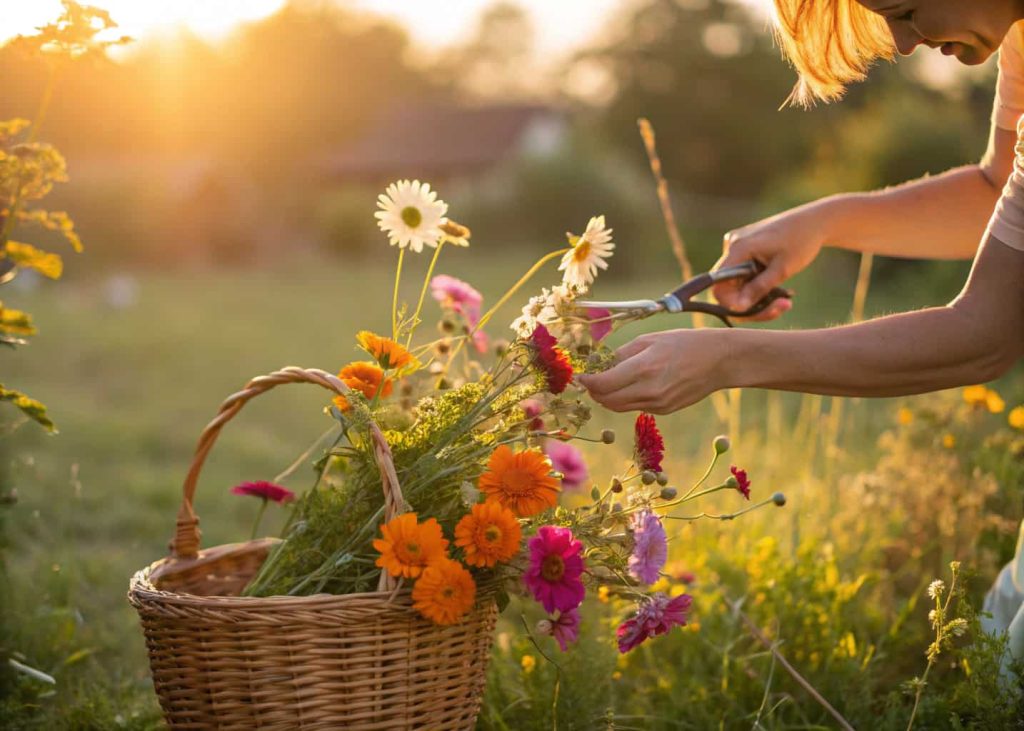
If you have any wildflowers growing in your backyard or garden, they are honestly your best and most free resource when it comes to Make a Flower Bouquet on a budget. Flowers like daisies, marigolds, cosmos, and black-eyed Susans grow without much effort and cost you absolutely nothing to cut and use. The best time to harvest them is early in the morning when the stems are full of water and the blooms are still fresh and perky. A mix of different wildflowers in different sizes and colors creates a natural, effortless look that honestly feels more charming than an expensive florist arrangement. Do not overthink it — just grab what is growing and start arranging.
2. Use Grocery Store Flowers Smartly
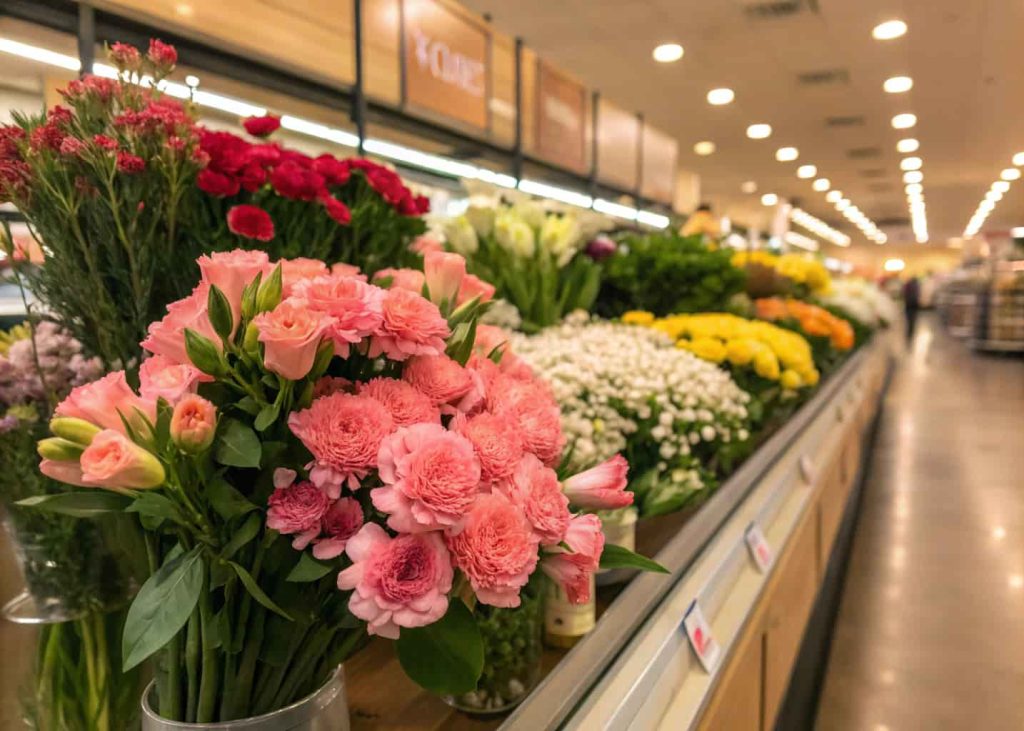
Most people walk past the flower section at their local grocery store without realizing it is one of the best budget-friendly options out there. Grocery store flowers like alstroemeria, carnations, and spray roses are usually priced very low per bunch and they last surprisingly long when cared for properly. The trick is to not buy them in a rush — take your time to pick bunches that still have mostly closed buds, because those will open beautifully over the next few days. Mix two or three different types together rather than buying one expensive bunch, and you will end up with a full, gorgeous arrangement that looks like it cost three times more than it actually did.
3. Add Greenery From Around the House
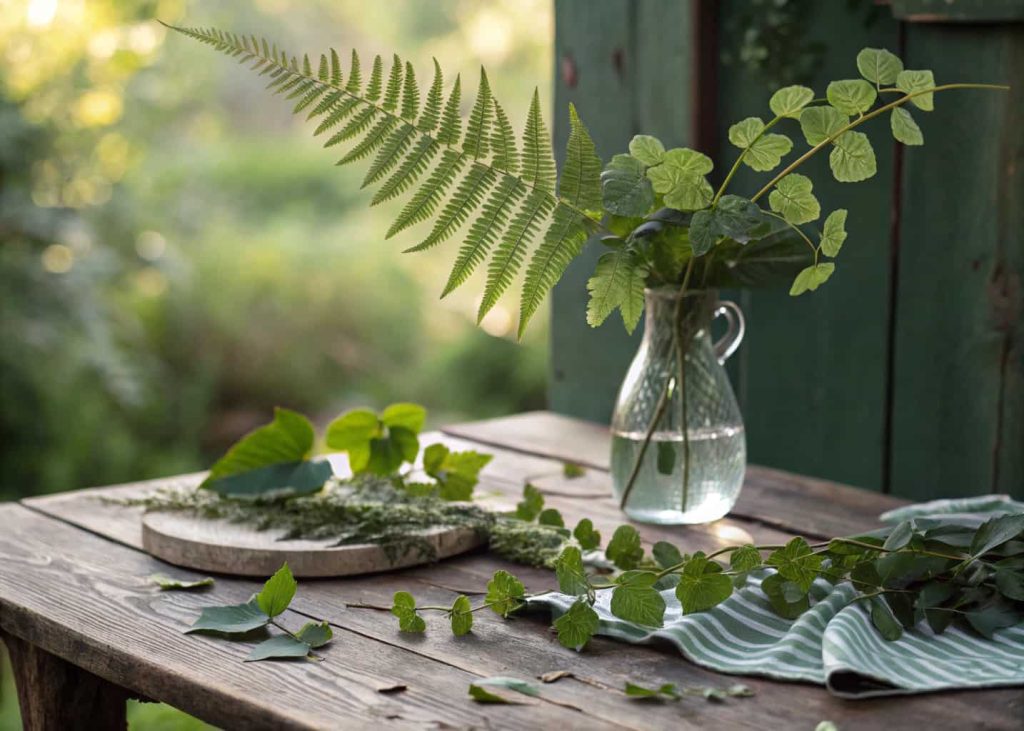
One thing people constantly forget is that greenery and foliage are just as important as the flowers themselves in a bouquet. And the best part is that greenery is almost always free if you know where to look. Eucalyptus branches, fern leaves, ivy vines, lemon leaves, and even simple herb stems like rosemary or mint can add incredible texture and fullness to your arrangement without spending a single dollar. Walk around your neighborhood or backyard and you will be surprised by how many different types of leaves and greenery are just sitting there waiting to be used. Greenery also helps the flowers last longer by reducing water competition in the vase.
4. Try the “Market Bunch” Method
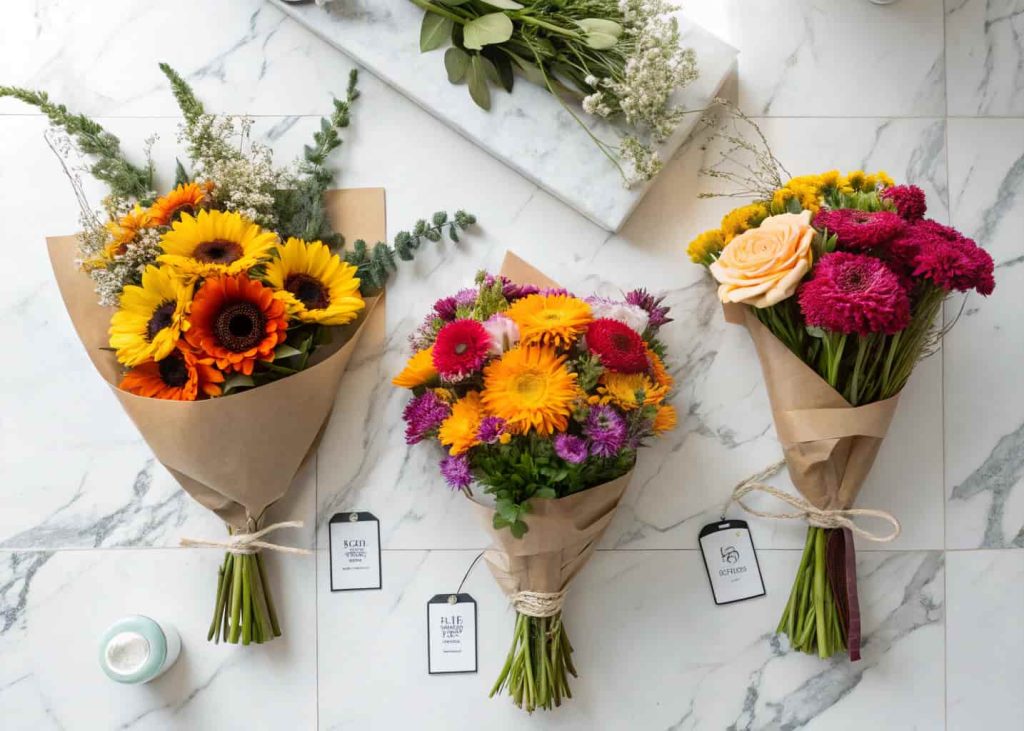
Here is a simple trick that professional florists use but rarely talk about — buying market bunches instead of single stem flowers. A market bunch is just a bundle of the same flower sold together in bulk, and they are almost always significantly cheaper per stem than buying individual flowers. Sunflowers, chrysanthemums, and statice are perfect examples of flowers that come in affordable market bunches. Once you have two or three different market bunches, you can split them up and rearrange the stems yourself into something that looks completely custom and thoughtfully designed. This method gives you maximum volume and variety for a very small amount of money, which is exactly what you want when working on a budget.
5. Use Baby’s Breath as a Filler
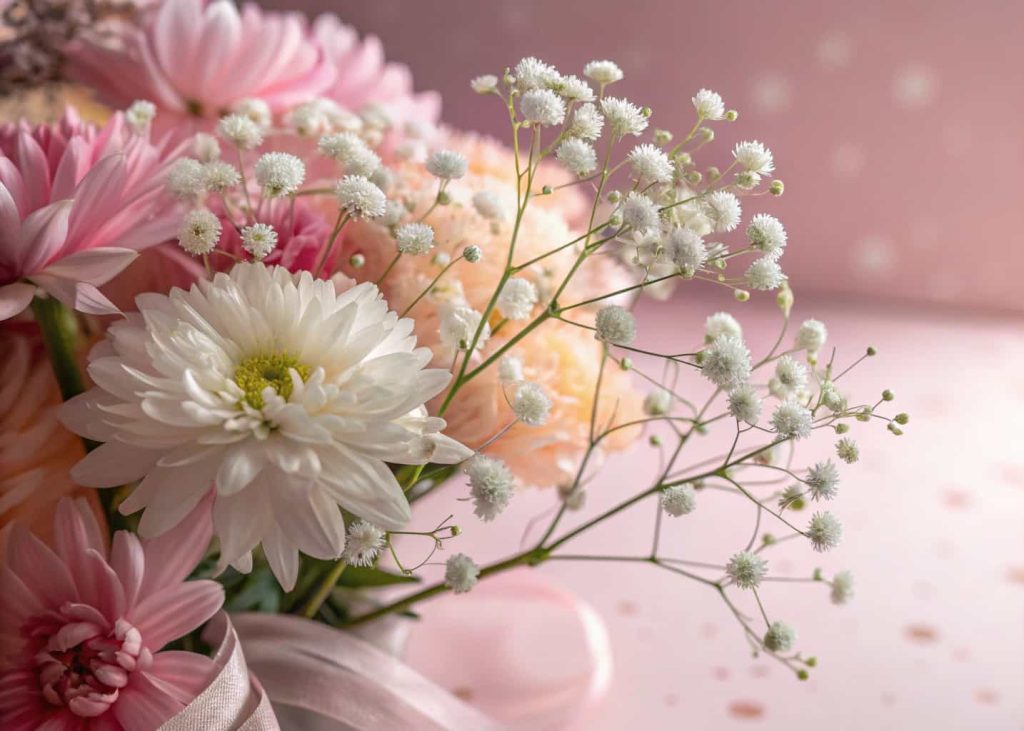
Baby’s breath is one of the most underrated and affordable flowers you can add to any bouquet, and yet it transforms the entire arrangement in a way that very few other flowers can. A single bunch of baby’s breath is extremely cheap — sometimes less than two or three dollars — and it goes an incredibly long way because the tiny white blooms spread out and fill every gap in your bouquet beautifully. It gives the whole arrangement a soft, dreamy, romantic look that people associate with high-end florist bouquets. Baby’s breath works with literally every color combination, so no matter what other flowers you choose, this little filler will tie everything together effortlessly and make the bouquet look twice as full.
6. Repurpose Flowers From a Previous Bouquet
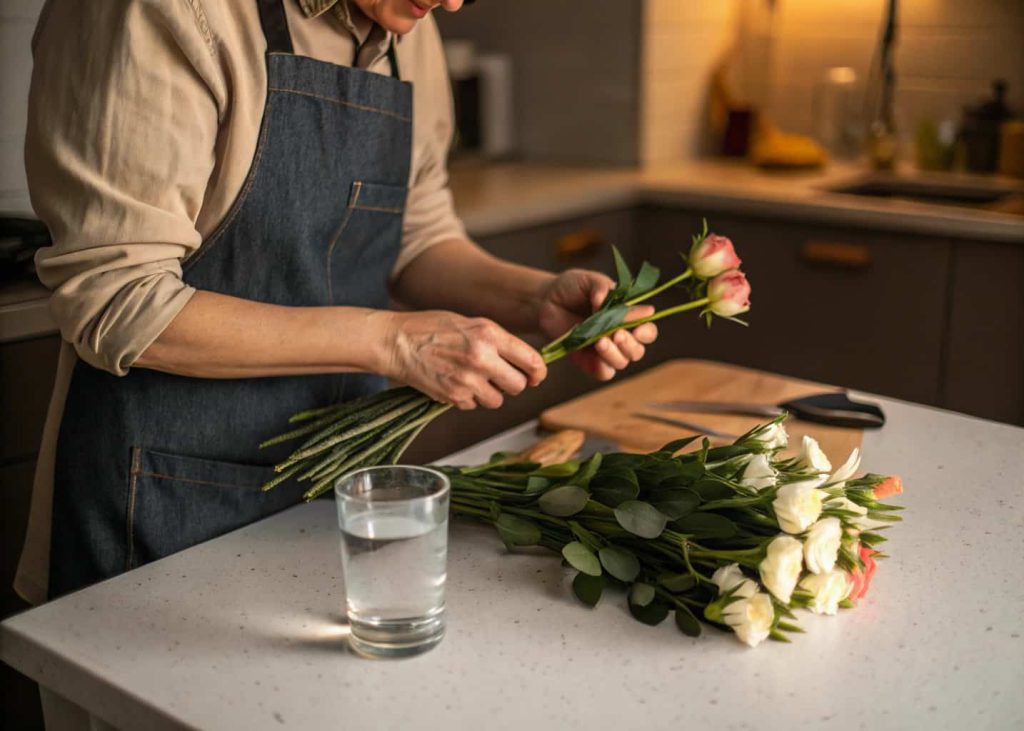
Before you throw out a bouquet that is starting to look a little tired, take a close look at each stem and see what can be saved and repurposed. Usually there are several blooms that are still in perfect condition but get discarded simply because the overall bunch has started to wilt. Trim the stems at a sharp angle, remove all the leaves below the waterline, and place the saved stems in fresh cool water for a few hours. You will often find that they perk back up beautifully. Combine these rescued flowers with a few fresh stems and some greenery and you have a brand new budget arrangement without spending anything extra. This approach is both economical and surprisingly satisfying.
7. Shop at Farmers Markets Near Closing Time
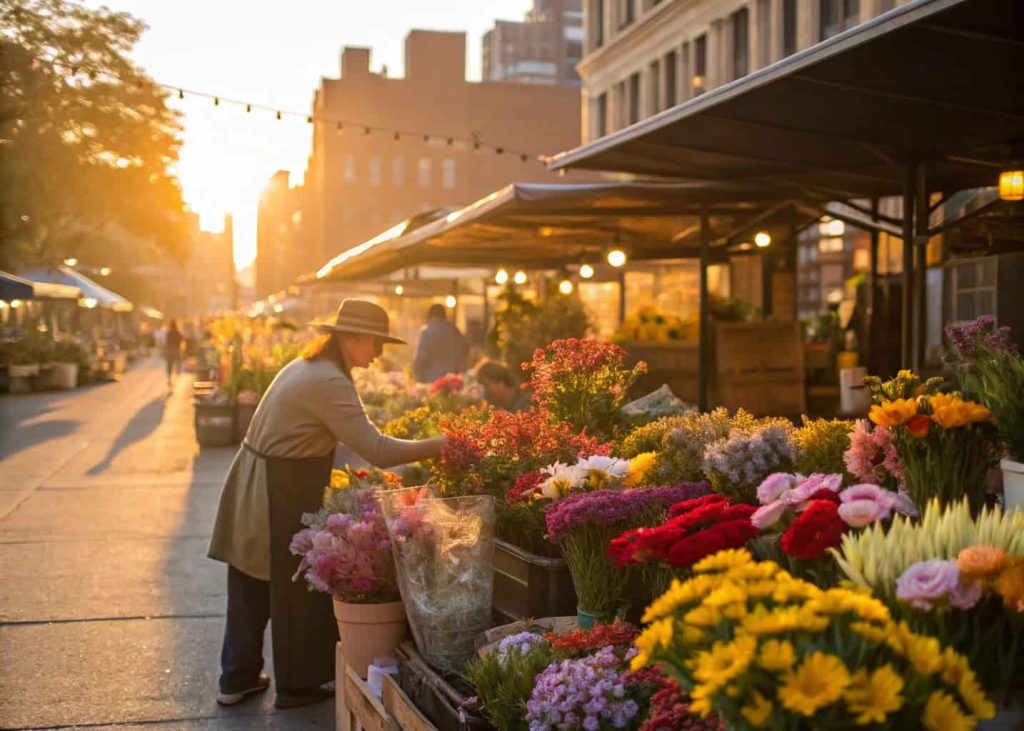
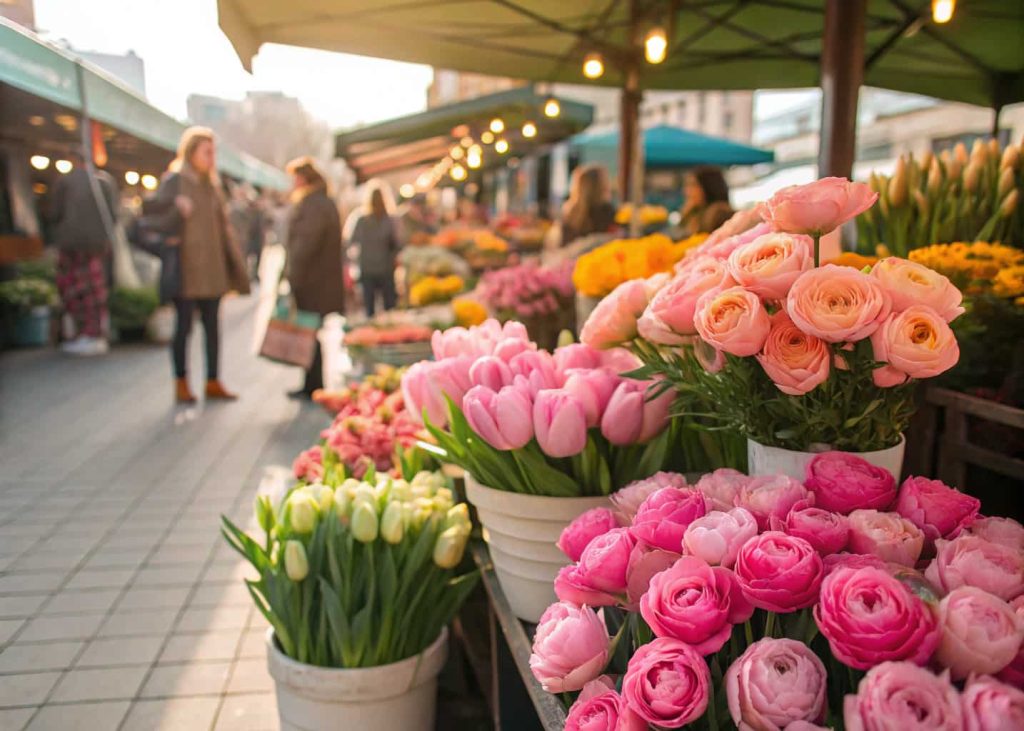
This is one of the best-kept secrets among budget flower lovers — showing up at your local farmers market in the last thirty minutes before it closes. Vendors do not want to pack up and transport unsold flowers back home, so they often sell remaining bunches at heavily discounted prices, sometimes up to fifty or seventy percent off. You get incredibly fresh, locally grown flowers at a fraction of the usual cost. The selection might be more limited at that point, but that actually forces you to be more creative with what you have, which usually leads to some of the most unique and beautiful bouquets. Make it a weekly habit and you will always have fresh flowers at home for almost nothing.
8. Embrace Dried Flowers
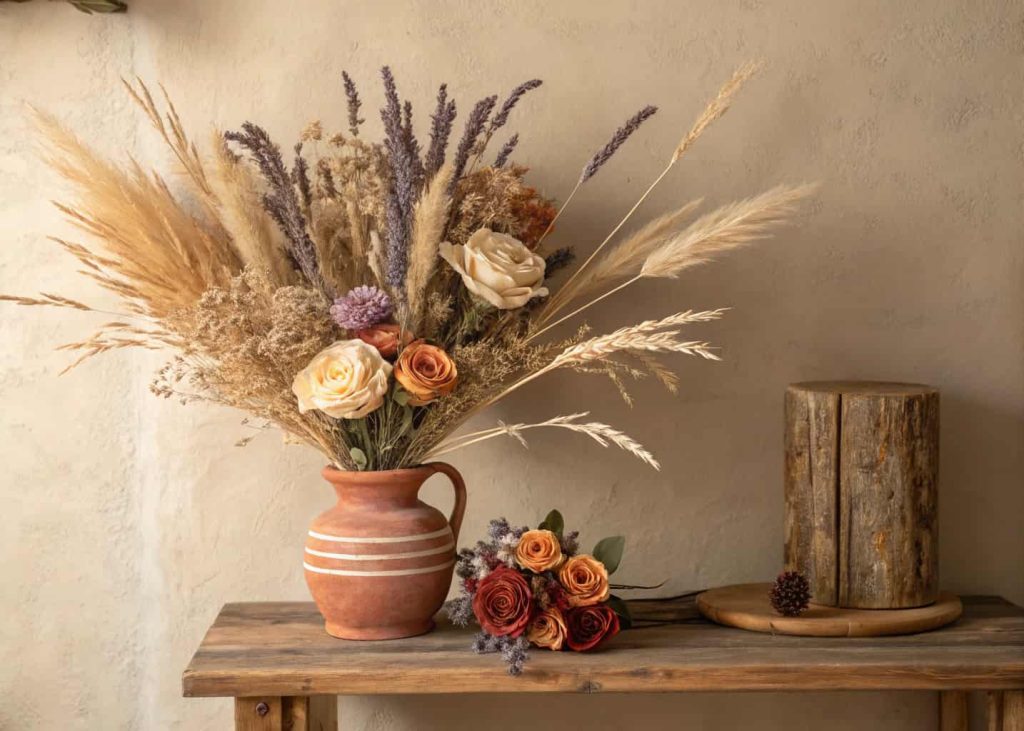
Dried flowers have made a massive comeback in recent years, and for good reason — they are incredibly affordable, they last for months or even years, and they look absolutely stunning in a bouquet. Pampas grass, dried lavender, dried roses, and wheat stalks are all very budget-friendly options that you can either buy cheaply or dry at home yourself by simply hanging fresh flowers upside down in a warm dry room for two to three weeks. The texture and earthy tones of dried flowers add a boho-chic quality to any arrangement that fresh flowers simply cannot replicate. Once you have invested in a dried flower collection, you can rearrange and reuse them again and again, making them the most cost-effective bouquet option by far.
9. Pick From Public Spaces (Where Allowed)
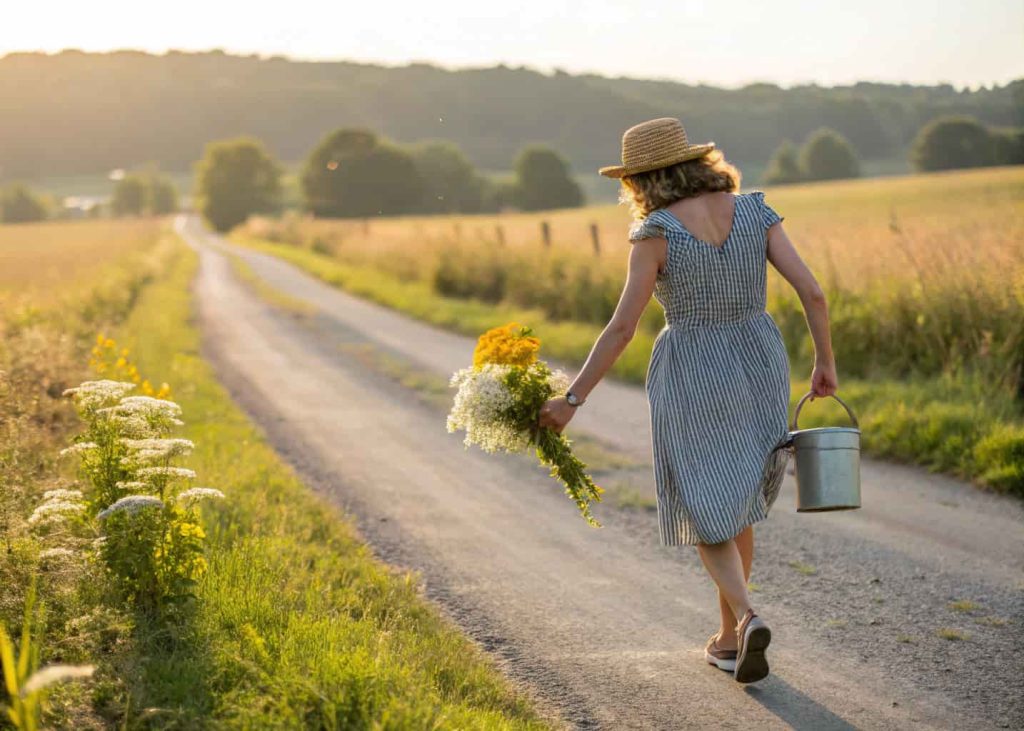
In many neighborhoods and communities, there are parks, roadsides, and public gardens where wildflowers and flowering shrubs grow freely and picking a small amount for personal use is perfectly acceptable. Always check local rules first, but in many places you are allowed to gather modest amounts of non-protected flowers. Queen Anne’s lace, clover, chicory, and goldenrod are all gorgeous wildflowers that grow along roadsides and in fields during spring and summer. These free blooms mixed together create some of the most naturally beautiful bouquets you will ever see — the kind that look like they belong in an editorial magazine spread. Just bring a pair of scissors and a small bucket of water to keep them fresh on the way home.
10. Use Paper or Fabric Flowers for Longevity
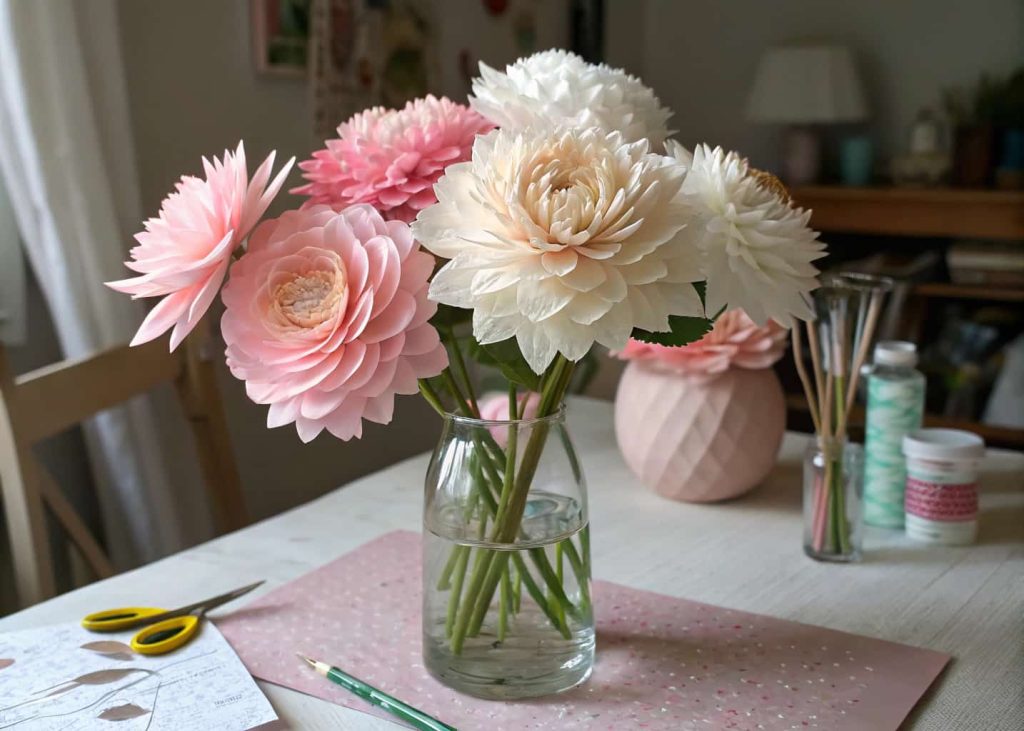
If your goal is a bouquet that lasts forever — for a gift, a decoration, or a special keepsake — then handmade paper or fabric flowers are an excellent and very budget-friendly choice. Crepe paper, tissue paper, and even old fabric scraps can be transformed into incredibly realistic and beautiful flowers with just a few basic folding and cutting techniques that you can find for free on YouTube. Paper peonies, tissue dahlias, and fabric roses are especially popular right now and they genuinely look stunning in a vase. The material cost is minimal, the process is enjoyable and therapeutic, and the end result is a bouquet that someone can keep and treasure for years without it ever wilting or dying.
11. Grow a Cut Flower Garden
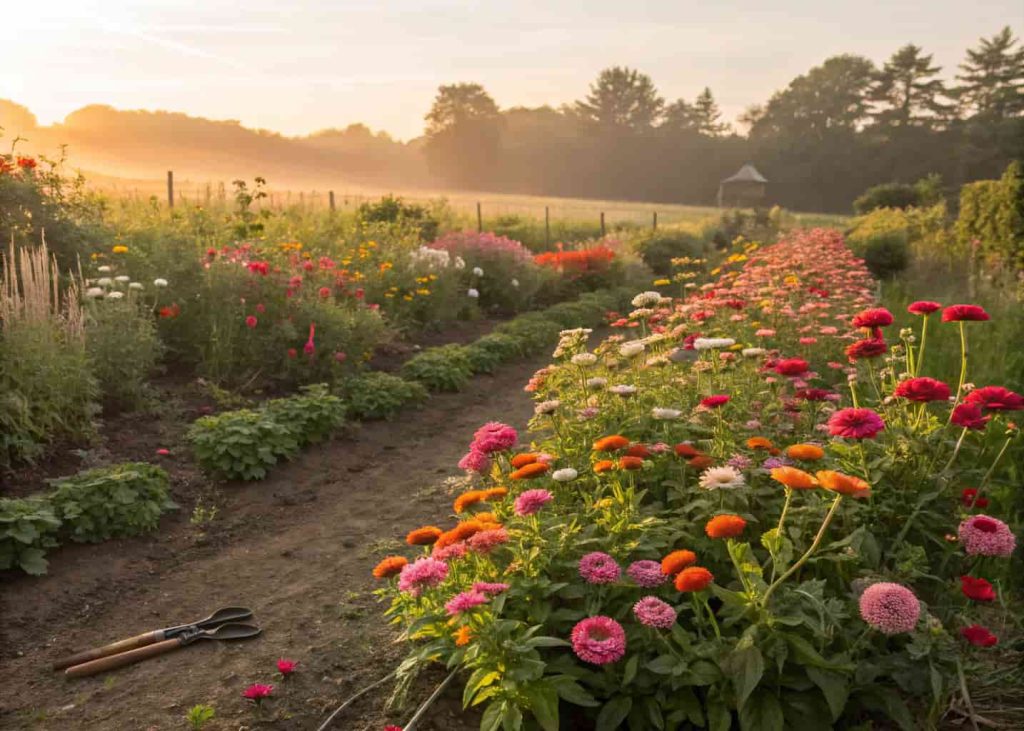
One of the smartest long-term investments a budget-conscious flower lover can make is starting a small cut flower garden at home. Seeds are extremely affordable — often just a couple of dollars for a packet that will produce dozens and dozens of flowers throughout an entire season. Zinnia, cosmos, sweet peas, and snapdragons are all excellent choices for beginners because they grow fast, bloom abundantly, and make exceptional cut flowers. Once your garden is established, you will have a continuous supply of fresh flowers all season long without spending anything more than a bit of water and time. The initial setup takes a little effort, but the return on investment is extraordinary — fresh bouquets every week for almost free.
12. Combine Herbs With Flowers
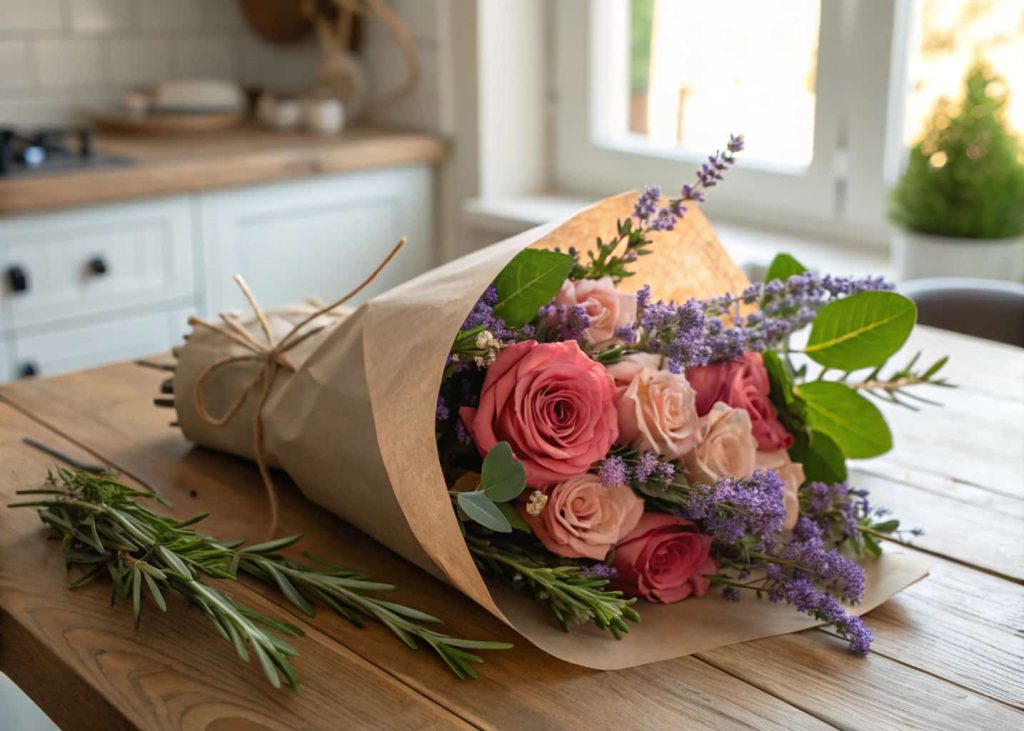
Fresh culinary herbs are something most people already have in their kitchen or garden, and they actually make exceptional additions to flower bouquets. Rosemary, lavender, mint, basil, thyme, and sage all have beautiful textures and incredible fragrances that elevate a simple bouquet into something truly sensory and special. The deep green of fresh basil or the silvery color of rosemary adds visual depth that plain greenery often lacks. Herb stems are also extremely sturdy and help support more delicate flower heads in the arrangement. The added bonus is that your bouquet will smell absolutely amazing — a combination of floral and herbal scents that is really quite unique and impressive. This is one of those ideas that costs practically nothing but looks and smells like it was professionally designed.
13. Buy Flowers in Bulk With Friends
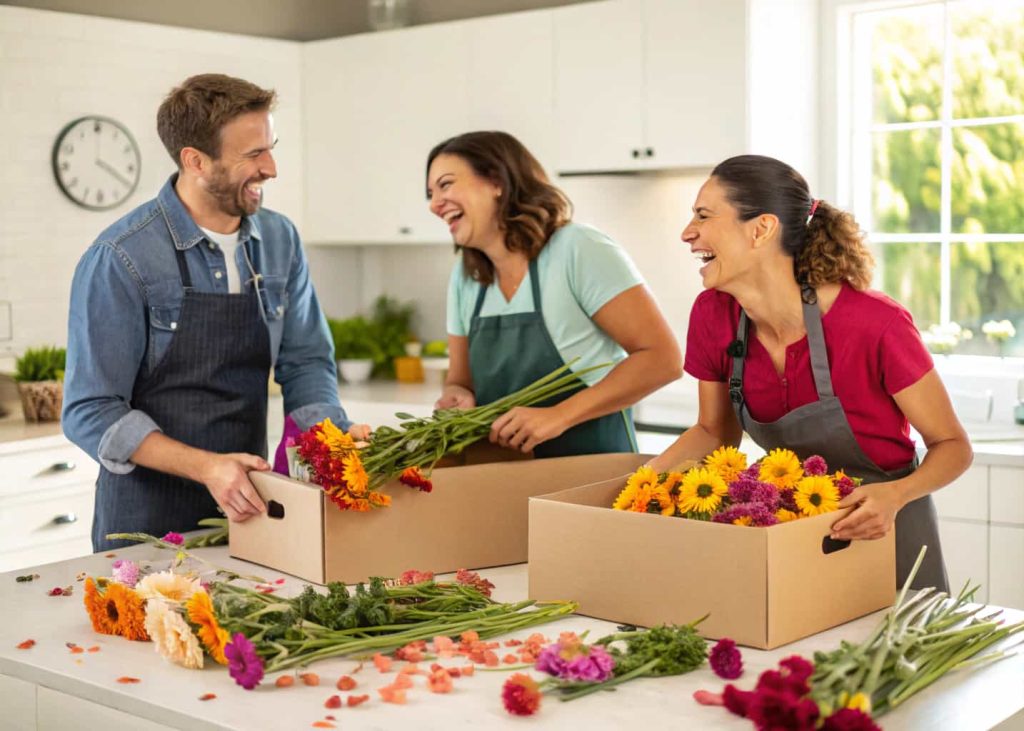
Buying flowers in bulk is almost always dramatically cheaper per stem than purchasing small retail bunches, but the problem is that most people do not need fifty roses all at once. The smart solution is to team up with friends, family, or neighbors and split a bulk order between everyone. Wholesale flower websites and flower markets often sell by the box at very low prices, but require minimum orders that are too large for one household. If you coordinate with just two or three other people, you can all get beautiful fresh flowers at wholesale prices, which can sometimes be less than twenty percent of what you would pay at a florist. It is a fun and social way to keep everyone in fresh flowers affordably.
14. Use Seasonal Flowers Only
One of the simplest and most effective ways to save money on flowers is to only buy what is currently in season in your local area. Seasonal flowers are always the most abundant, the freshest, and the cheapest because they do not need to be imported from far away or grown in expensive controlled greenhouses. In spring, tulips and peonies are at their most affordable. Summer brings abundant sunflowers, zinnias, and dahlias. Autumn offers gorgeous chrysanthemums and marigolds. Winter gives you options like amaryllis and holly. When you align your bouquet-making with the natural seasonal cycle, you automatically get the best quality flowers at the lowest prices, and your arrangements will always feel timely and fresh.
15. Wrap It Simply With What You Have
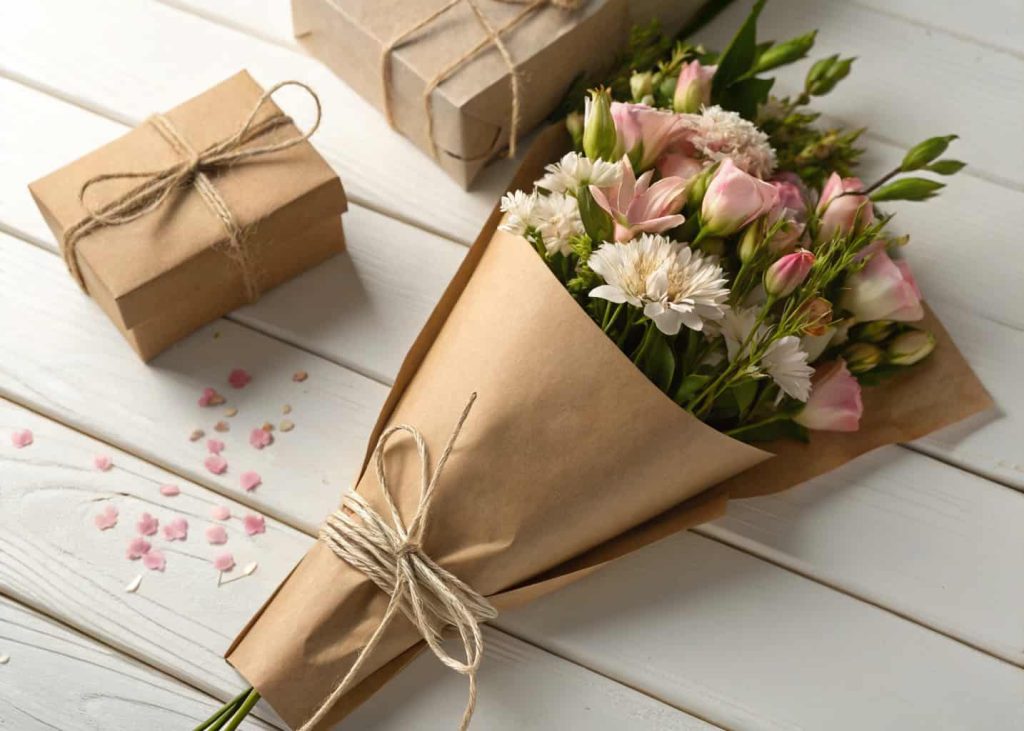
A beautiful bouquet does not need expensive ribbon or fancy wrapping to look polished and professional — in fact, simple wrapping often looks far more elegant and intentional. Brown kraft paper, old newspaper pages, burlap fabric, twine, or even pages from a vintage book can all make stunning and unique bouquet wraps that cost almost nothing. The key is to keep the wrapping clean and tight at the base while allowing the flowers to fan out naturally at the top. A simple knot of baker’s twine or a piece of raffia tied around the stems finishes the look perfectly. This kind of rustic, thoughtful wrapping actually increases the perceived value of the bouquet because it looks handmade and personal rather than generic and store-bought.
16. Learn Basic Spiral Technique
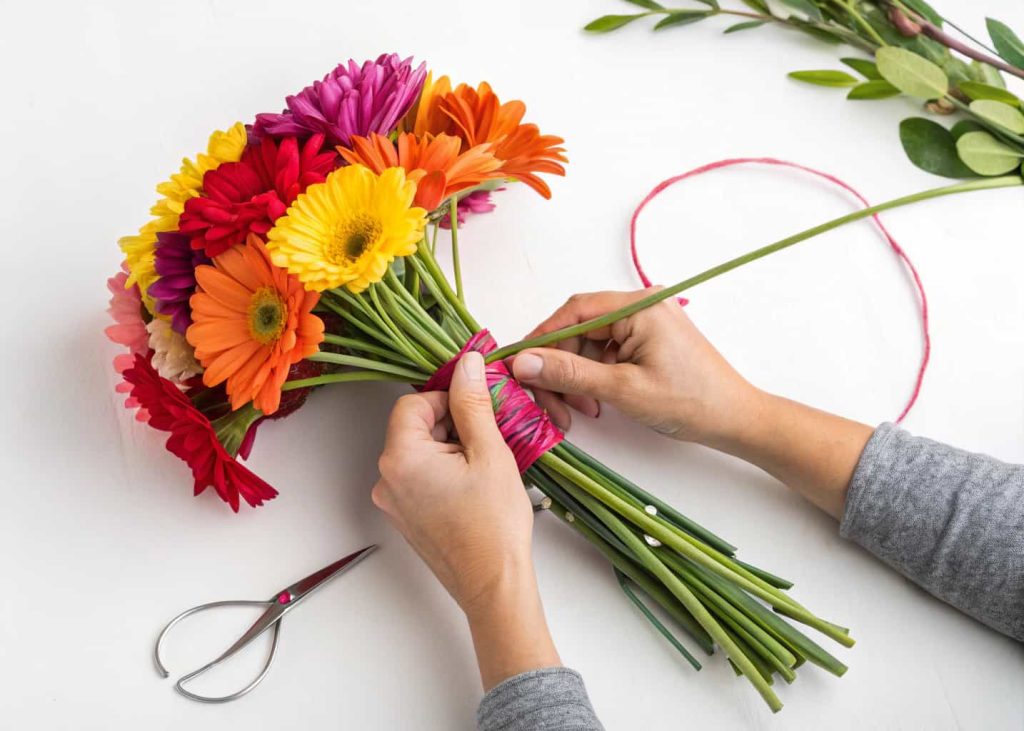
The spiral technique is the professional florist method for hand-tying a bouquet, and once you learn it, your arrangements will look dramatically more polished and full without needing any extra flowers or materials. The basic idea is to add each stem at the same diagonal angle, spiraling around a central stem, so that all the flower heads fan out evenly in all directions. This technique prevents the bouquet from going flat on one side, keeps all the stems organized and sturdy, and creates that classic round dome shape that you see in professional bouquets. You can find free tutorials on YouTube that teach this in under ten minutes. Mastering this one skill will make every budget bouquet you create look like it came straight from an expensive florist.
17. Add Fruit, Berries, or Seed Pods
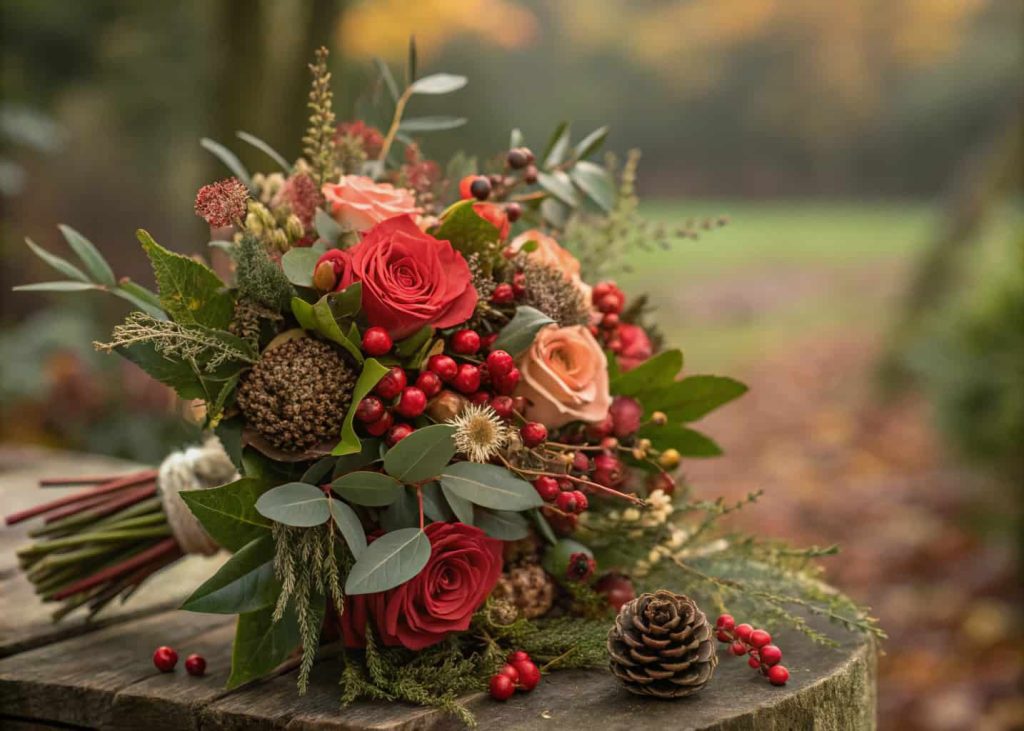
One of the most creative and completely free or nearly free ways to add texture, color, and visual interest to your bouquet is by incorporating natural elements like berries, small fruits, seed pods, or branches with interesting shapes. Hypericum berries, rosehips, privet berries, and even tiny crabapples add gorgeous pops of color and a very luxurious, editorial quality to any arrangement. Seed pods from nigella, lotus, or poppy are another excellent option — they add architectural structure that flowers alone cannot provide. You can find many of these elements growing wild or in your own garden, making them completely free. Professional florists charge a premium for these kinds of specialty additions, but nature offers them to you at no cost at all.
Conclusion
Making a beautiful flower bouquet on a budget is truly one of those skills that rewards creativity and a little bit of planning far more than it rewards spending money. As you have seen through these seventeen ideas, the most stunning arrangements rarely come from the most expensive flowers — they come from thoughtful combinations, good technique, and an eye for what works together. Whether you are growing your own blooms, shopping smart at the farmers market, repurposing what you already have, or mixing herbs and wildflowers in unexpected ways, the possibilities are genuinely endless. The best part is that every bouquet you make will be completely unique and personal, carrying far more meaning than anything picked off a shelf. Start with one or two of these ideas today and see just how beautiful budget flower arranging can truly be.