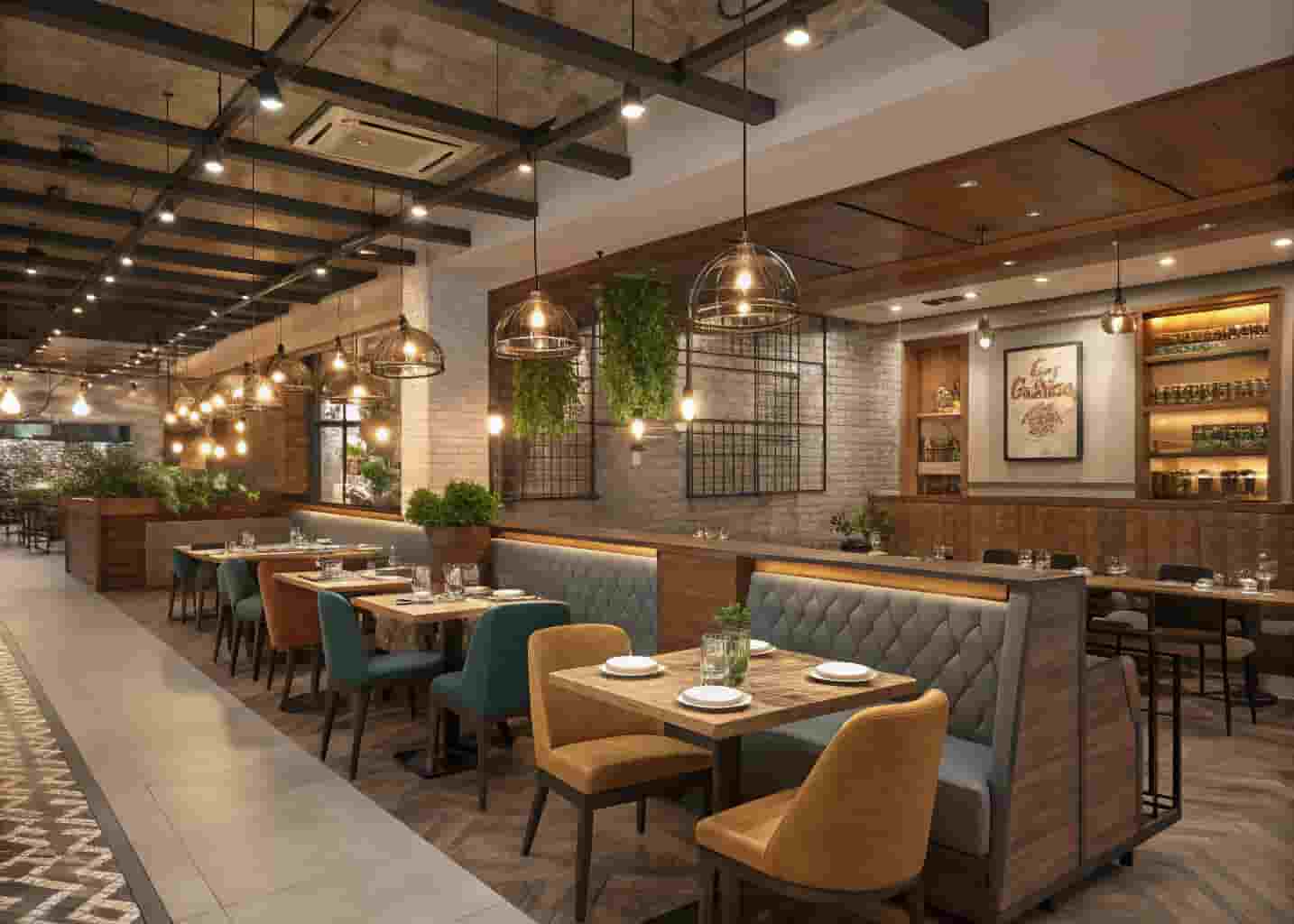
Think about the last time you walked into a restaurant and instantly felt at home. You probably sat down, looked around, and thought — yeah, I like this place. That feeling didn’t come from the menu. It came from the walls, the lights, the chairs, the smell of the space. Restaurant interiors do a lot of the heavy lifting before a single plate of food is even served. A well-designed dining space makes people stay longer, tip better, and most importantly — come back. Whether you’re opening a new place or refreshing an old one, these ideas will help you build a space that customers genuinely love.
Warm Lighting That Sets the Mood
Lighting is one of those things most people don’t notice until it’s wrong. Harsh white lights make a restaurant feel like a hospital break room. Warm, dim lighting — think soft amber tones around 2700K — makes food look better and people feel more relaxed. Many successful restaurants use layered lighting with overhead fixtures, table candles, and wall sconces all working together. A rooftop bar in Lahore that I know of switched from LED downlights to warm Edison bulbs and saw their average table time increase by almost 20 minutes. Customers just didn’t want to leave. That’s the power of getting your lighting right from the start.
Exposed Brick and Raw Materials
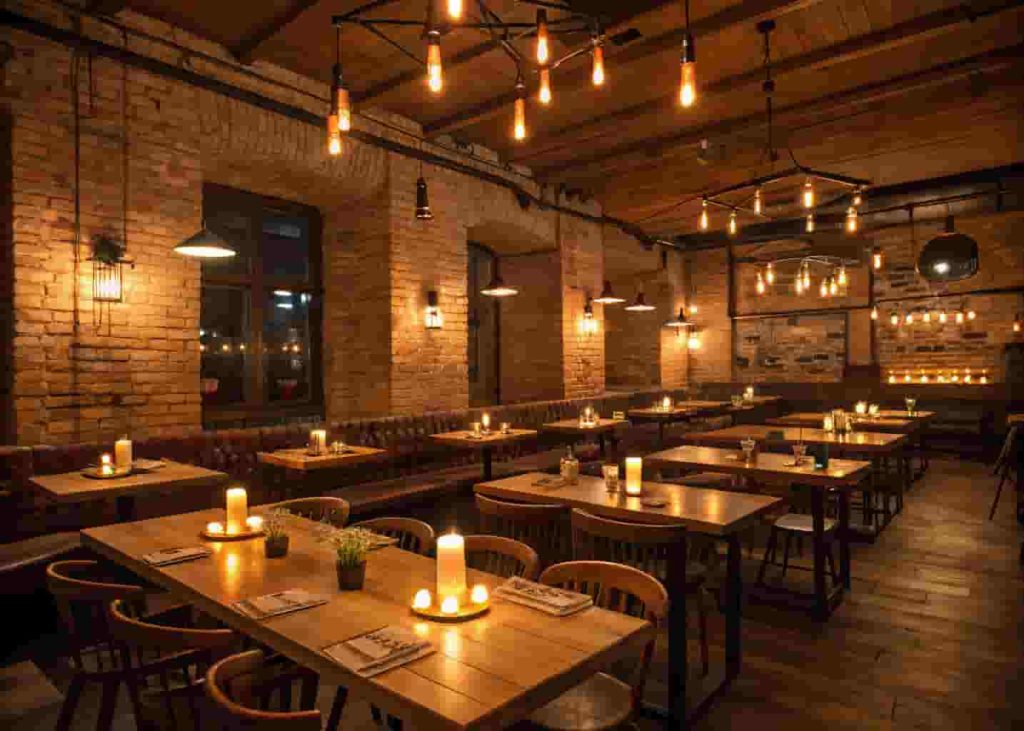
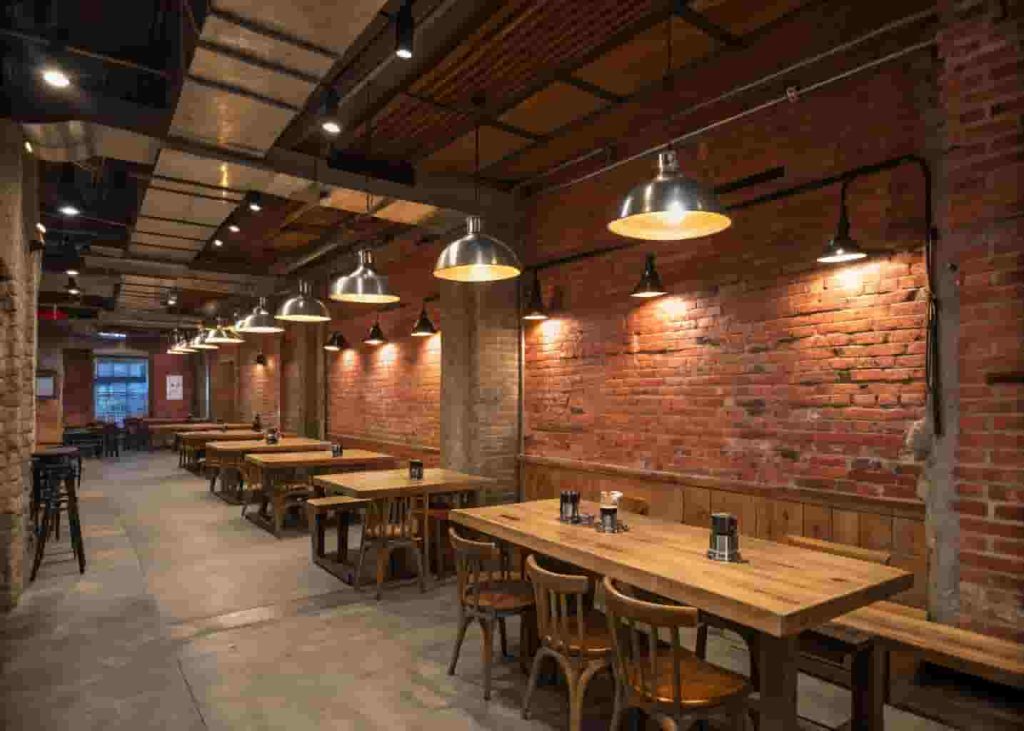
There’s something timeless about a exposed brick wall. It adds texture, warmth, and that raw, honest character that modern restaurants chase with a lot of money but can’t always fake. Concrete floors, reclaimed wood shelves, and bare metal pipes — when used together thoughtfully, they create a space that feels lived-in and real. Customers connect with spaces that don’t try too hard. A small Italian trattoria in Karachi has rough stone walls and ceramic tile floors that look like they’ve been there for decades (they haven’t), and people book tables weeks in advance just to sit in that atmosphere. The rawness is the point. Don’t over-polish everything.
Comfortable Seating That Makes People Stay
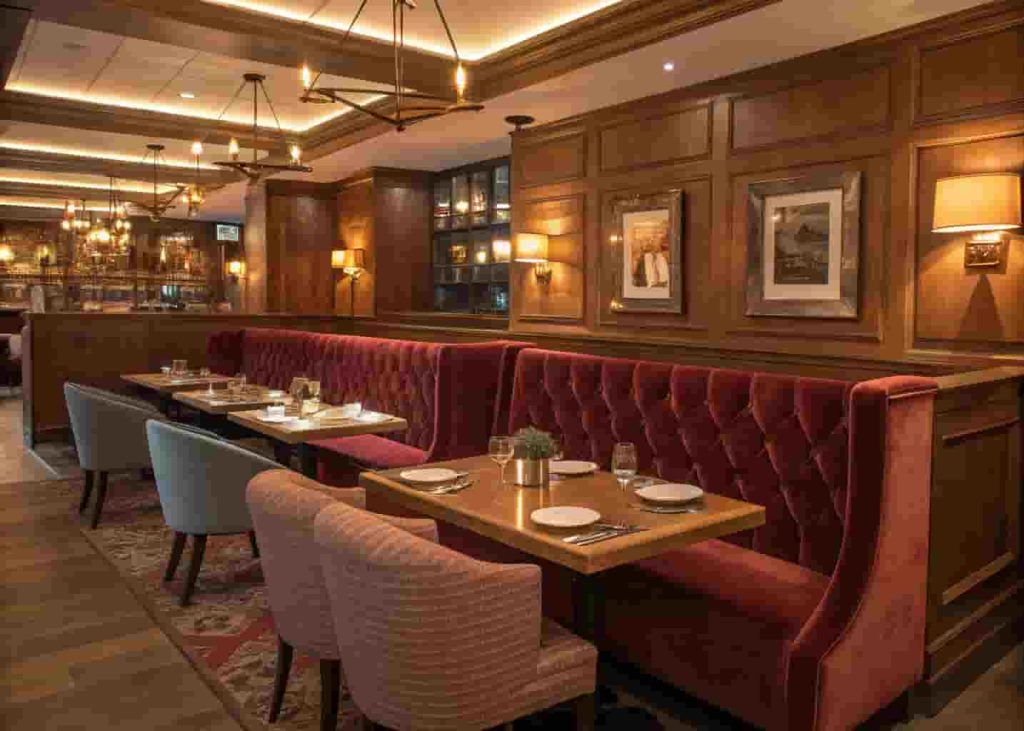
Uncomfortable chairs are a silent killer of customer loyalty. If someone’s back hurts after 30 minutes, they won’t order dessert and they definitely won’t come back. Booth seating, in particular, is a game changer — people feel contained, private, and comfortable. Mix in some cushioned chairs, upholstered benches, and even bar stools for variety. A good restaurant in Islamabad I visited recently had deep velvet booths against one wall, and every single table near them was taken first. The rest of the room — with basic wooden chairs — filled up later. Seating comfort communicates how much you value your guests’ time. Invest in it.
Indoor Plants and Greenery
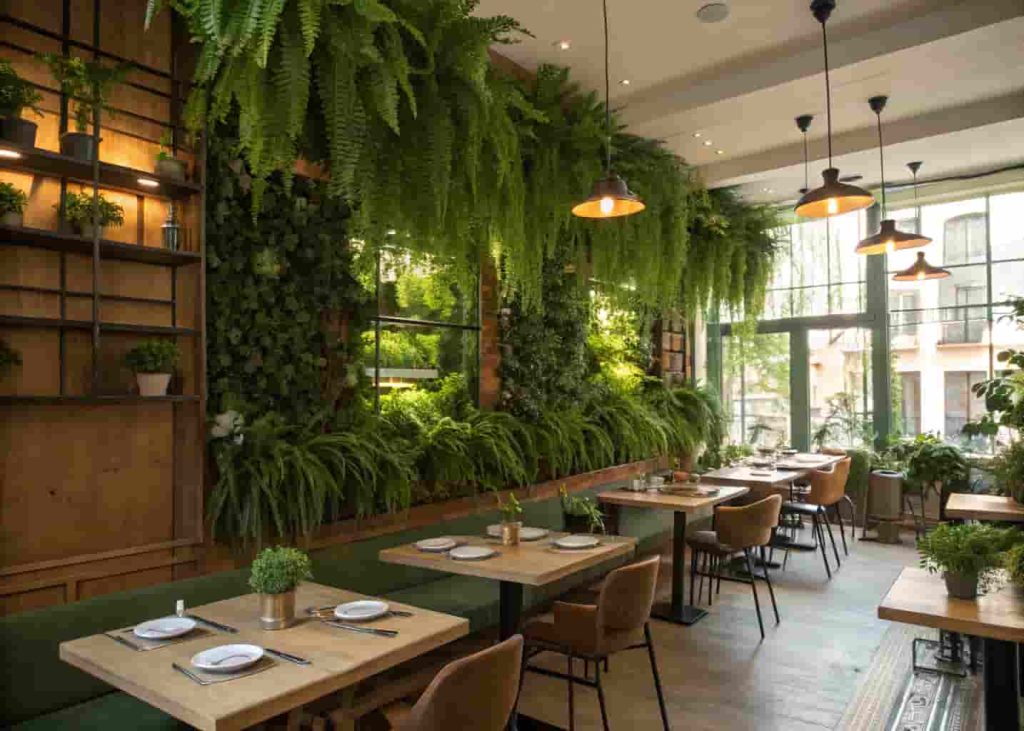
Plants breathe life into a space — literally and visually. A wall of trailing pothos, a row of fiddle-leaf figs near the windows, or even small succulents on each table changes the entire mood of a restaurant. Greenery makes people feel calm, reduces visual noise, and adds a sense of freshness that’s hard to fake with decor alone. Restaurants that lean into biophilic design — the idea of bringing nature indoors — see higher customer satisfaction scores, according to several hospitality studies. One café in Lahore covered an entire wall with live moss and hanging ferns and their Instagram photos went viral. The plants didn’t just look good — they brought new customers in by the hundreds.
An Open Kitchen That Builds Trust
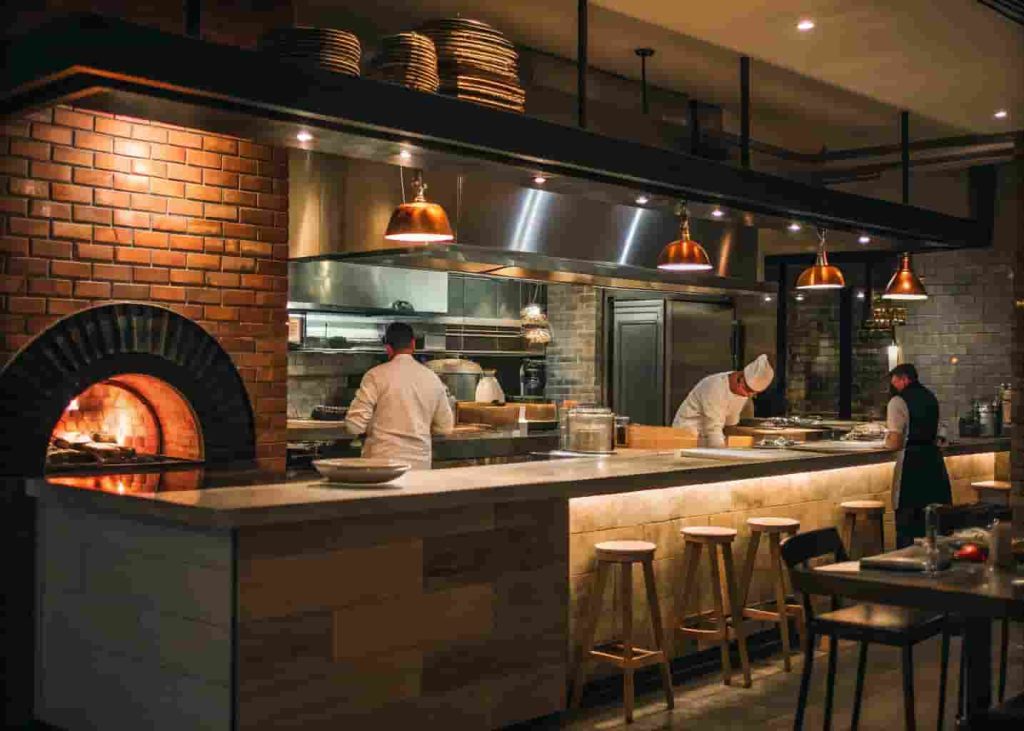
Letting customers see where their food is made does something interesting to their psychology — it builds trust. An open kitchen removes the mystery and the worry. Diners can see the clean workspace, the fresh ingredients, the cooks in action. It turns food preparation into entertainment. Sushi bars have known this for decades. Wood-fired pizza restaurants use it brilliantly too. The flames, the tossing of dough, the sound of sizzling pans — it all becomes part of the dining experience. If your kitchen is clean and your team is skilled, showing it off is one of the smartest design moves you can make. It turns skeptics into believers and believers into regulars.
A Strong Color Palette and Brand Identity
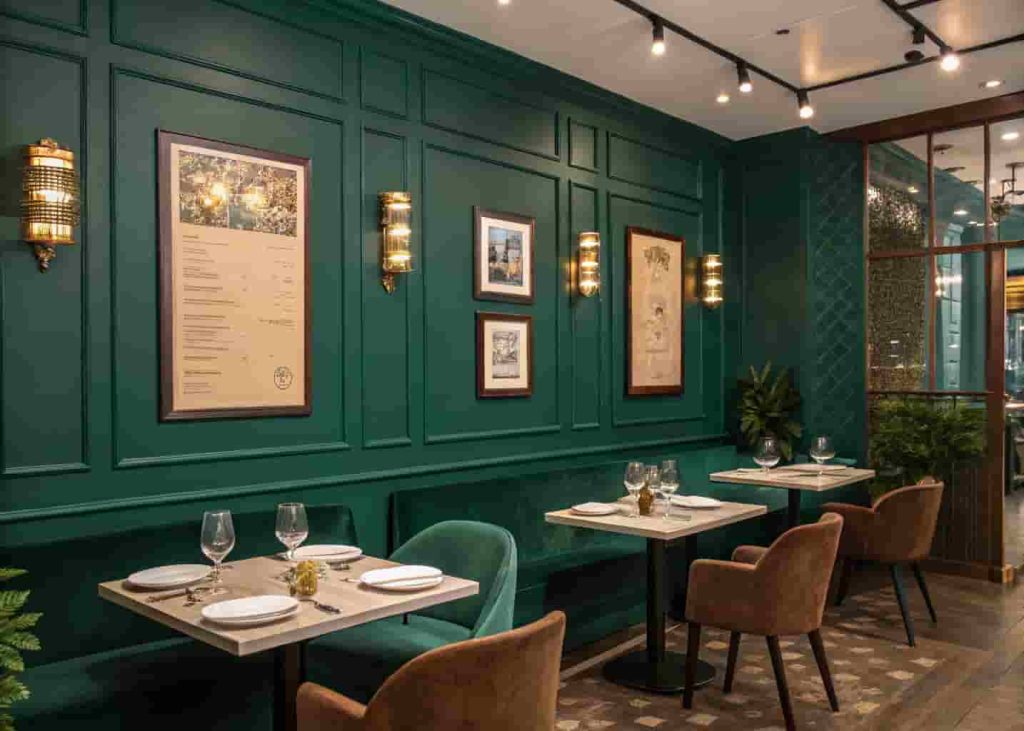
Color tells a story before anyone reads a single word on your menu. Deep forest greens say natural and organic. Rich burgundy says luxury and intimacy. Bright yellows and reds say fast, fun, and energetic. The key is to pick two or three colors and stick to them — walls, menus, staff uniforms, even the napkins. Consistency builds brand identity, and brand identity builds loyalty. Think about how Starbucks uses green so consistently that you almost smell coffee when you see the color. Small restaurants can do the same thing on a smaller scale. Choose colors that match your food story and your target customer. Then commit to them everywhere in the space.
Statement Art and Local Culture
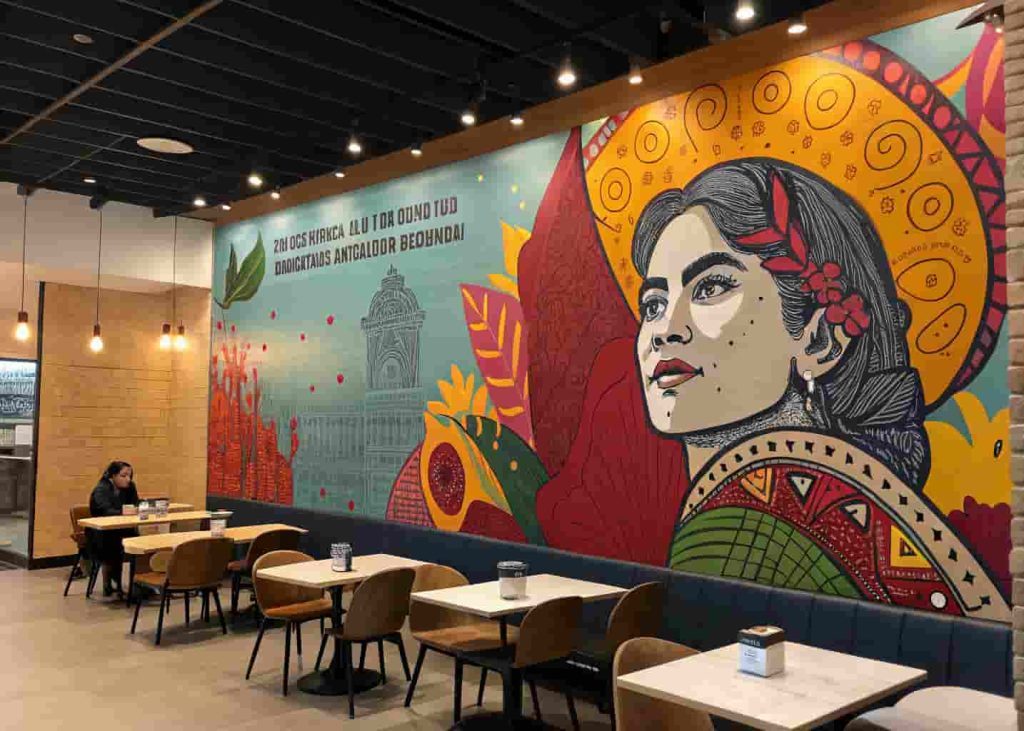
Blank walls are a missed opportunity. A single large-scale artwork, a mural by a local artist, or a curated gallery wall can transform a restaurant into a destination. Art gives customers something to talk about and look at between bites. It also signals that the owners care about more than just making money — they want to create an experience. Restaurants in cities like Lahore and Karachi are doing this really well by featuring murals from local street artists. Diners come in for the food and leave talking about the wall. When your space tells a story about your city, your culture, or your community, customers feel a deeper connection to it — and to you.
Smart Table Spacing for Privacy
Nobody likes sitting so close to the next table that they can hear every word of a stranger’s conversation. Table spacing matters more than most restaurant owners realize. Too tight, and customers feel rushed, stressed, and watched. Too spread out with no dividers, and the space feels cold and impersonal. The sweet spot is giving each table a sense of its own territory — maybe with low partitions, hanging plants, a half-wall, or simply enough distance to feel private. Some restaurants use banquettes along walls specifically because they create natural separation. Families, couples on dates, and business meetings all have different privacy needs. A smart layout serves all of them.
Natural Light and Window Seating
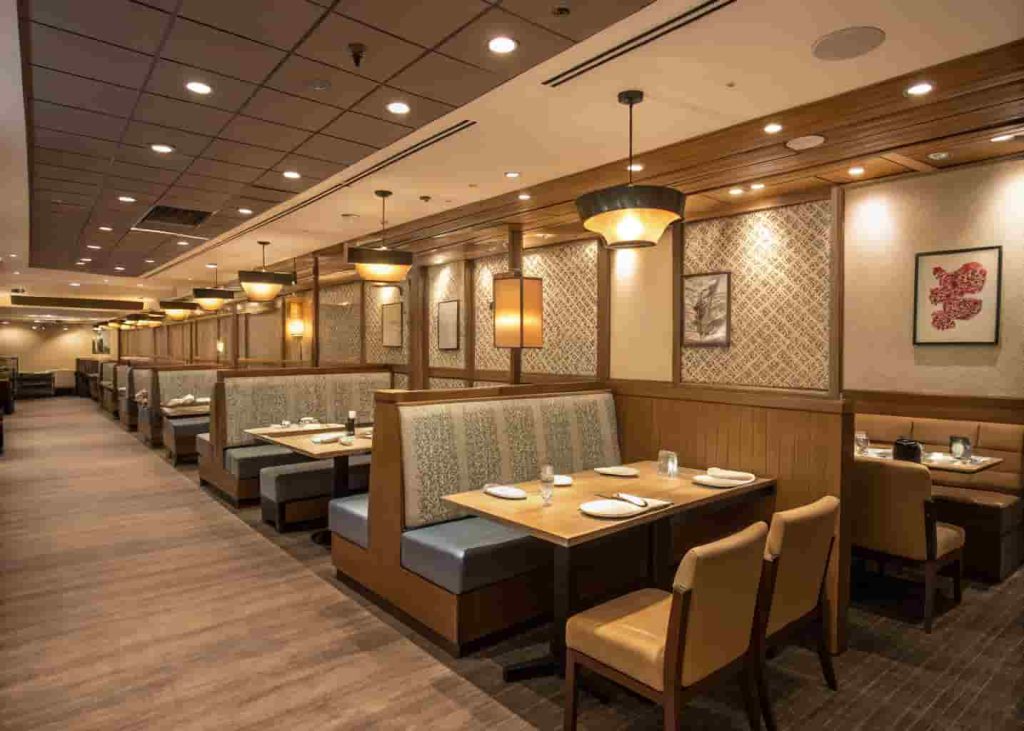
Natural light is free, beautiful, and incredibly powerful in a dining space. Tables near windows are almost always booked first — people love to eat while watching the street, the garden, or even a quiet parking lot if the light is nice. Large windows, skylights, or even glass doors that open to an outdoor area completely change how a restaurant feels during the day. Sheer curtains let light in while softening it. Mirrored walls near windows can bounce light deeper into a dim space. If your restaurant has natural light potential and isn’t using it, you’re leaving one of your best design assets untouched. Daytime dining in a well-lit room is one of life’s small pleasures.
A Well-Designed Bar or Counter Area
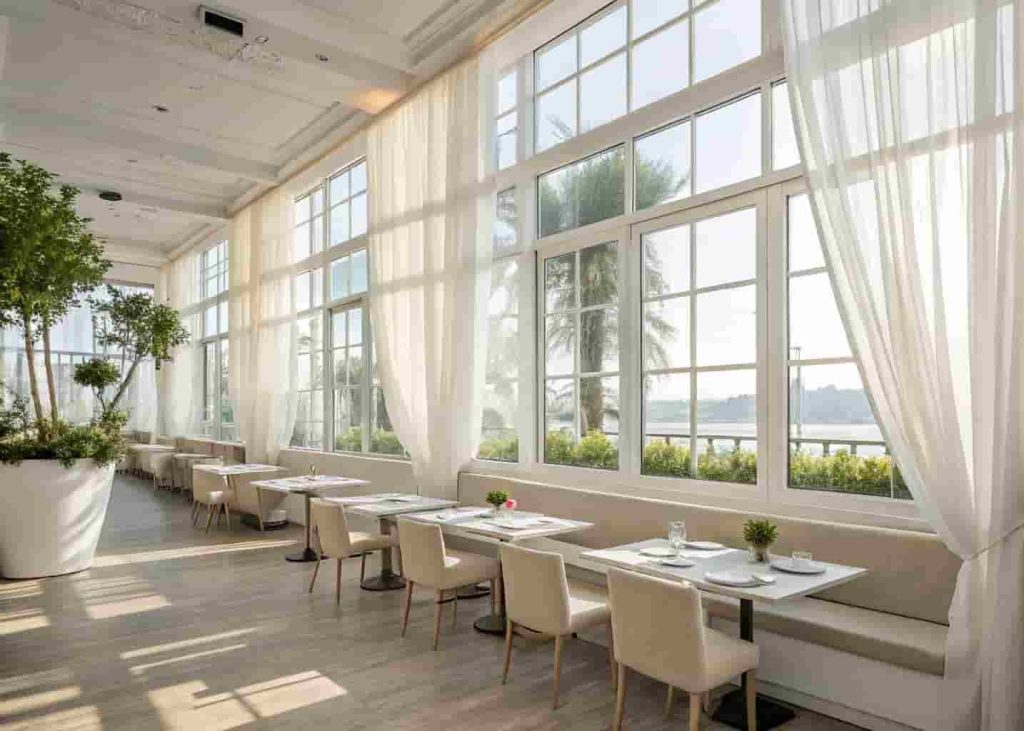
Even if your restaurant isn’t primarily a bar, having a well-designed counter or bar area adds energy to the space. Solo diners love sitting at a counter — it feels less lonely and more social. Counter seating also helps on busy nights when the main floor is packed. Behind the bar, your bottle display, your espresso machine, or your juice station becomes part of the decor. A clean, organized, beautiful counter tells customers that everything in this restaurant is taken care of. Think of the bar area as your restaurant’s handshake — it’s often the first thing people see when they walk in, and first impressions are everything in this business.
Acoustic Design for a Comfortable Noise Level
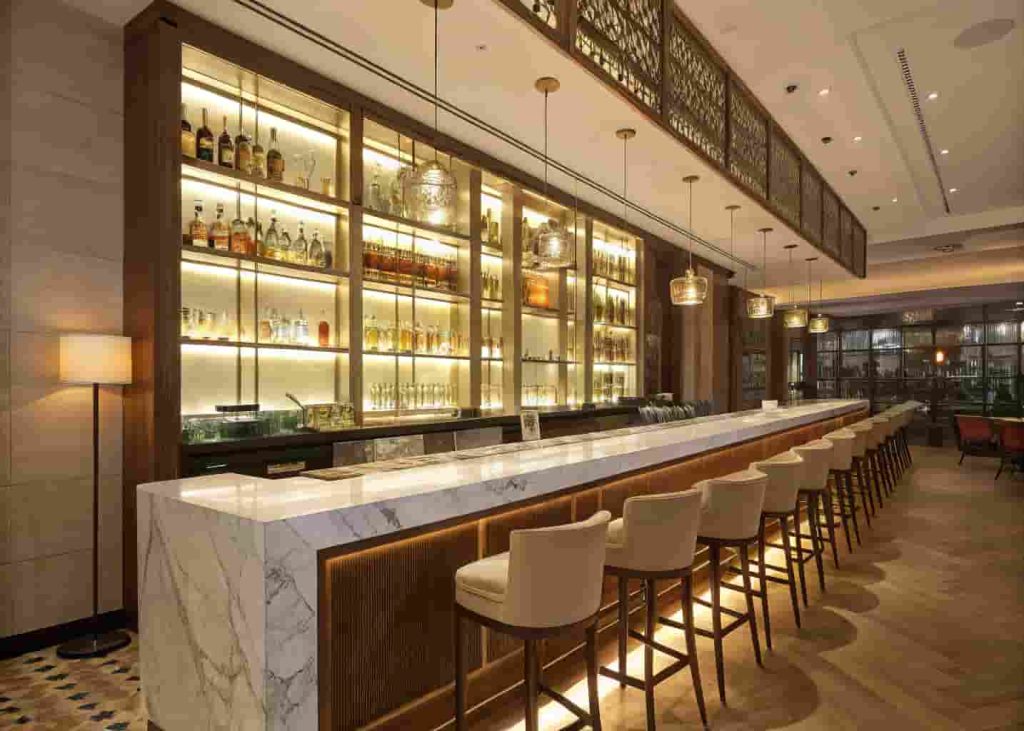
Ever left a restaurant not because the food was bad, but because it was so loud you couldn’t hear the person across from you? Sound is one of the most overlooked parts of restaurant design. Hard floors, high ceilings, and bare walls bounce sound everywhere and create a stressful dining experience. Adding acoustic panels, upholstered furniture, thick curtains, rugs, and even wooden ceiling baffles can dramatically reduce noise. Some modern restaurants disguise acoustic panels as art or decorative wall features. You don’t have to make your restaurant silent — a gentle buzz of conversation is actually inviting — but you want customers to be able to talk comfortably without raising their voices.
Outdoor Seating That Extends the Experience
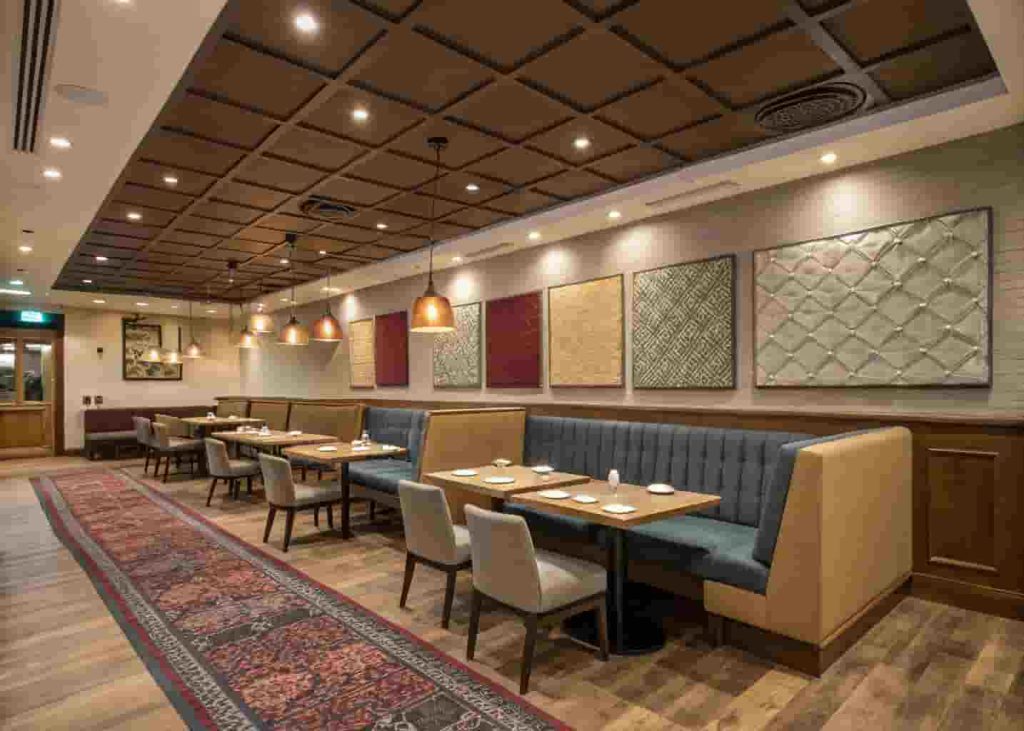
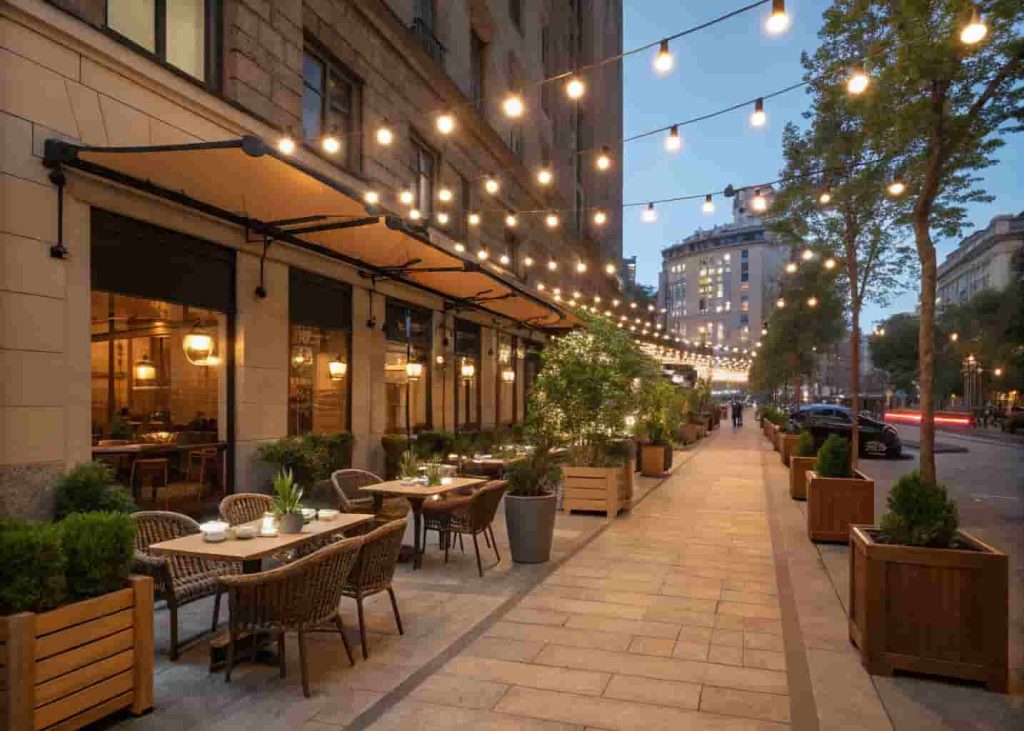
A nice outdoor seating area can double your capacity and triple your curb appeal. People are drawn to al fresco dining — there’s something about eating outside that feels special, whether it’s a rooftop terrace, a sidewalk patio, or a garden courtyard. String lights overhead, comfortable weather-proof furniture, and some potted greenery are all you really need to create an outdoor space people fight to book. In Pakistan, where evenings from October through March are perfect for outdoor dining, restaurants with a good outdoor setup are packed every night. Even a few folding tables on a well-lit sidewalk can work if the vibe is right. Outside seating also photographs beautifully — great for social media.
Unique Focal Points and Instagram Moments
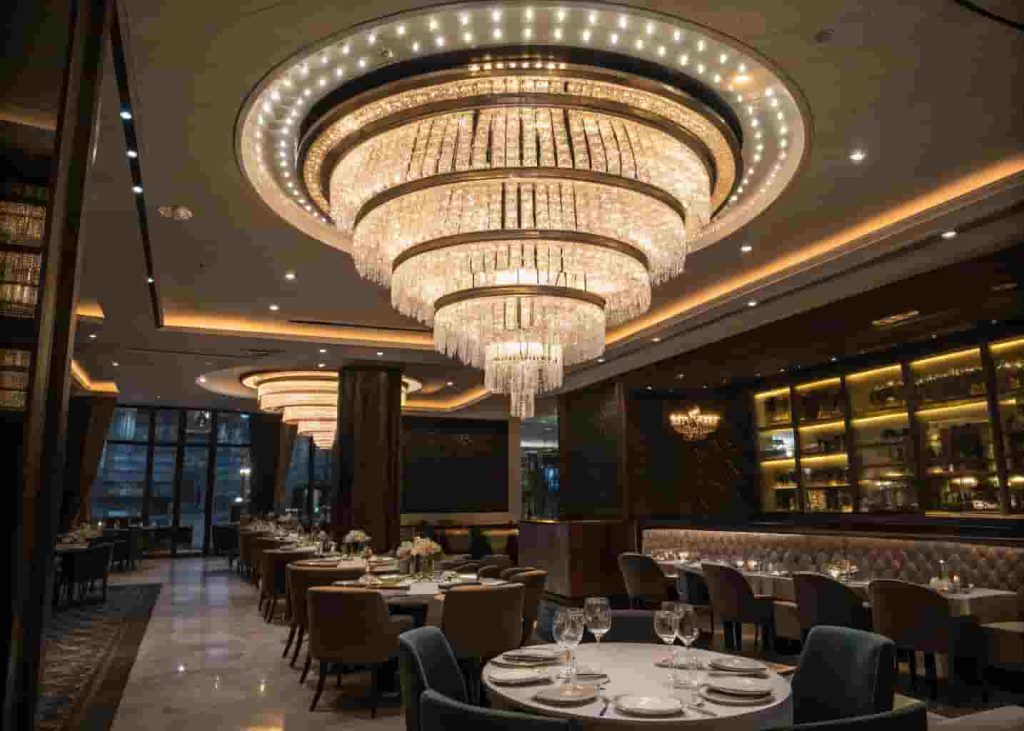
Every successful modern restaurant has at least one spot that customers want to photograph. It might be a neon sign with a clever quote, a ceiling covered in hanging flowers, a wall of vintage tiles, or a dramatic chandelier. These focal points serve two purposes — they give the space personality, and they generate free marketing every time someone posts a photo. A restaurant in Lahore lined one wall with hundreds of antique brass plates and diners lined up to take photos there every weekend. That wall alone brought in new customers who’d seen it on Instagram. You don’t need to design the whole restaurant around social media, but one strong, photogenic moment is worth every rupee you spend on it.
Thoughtful Tabletop Design
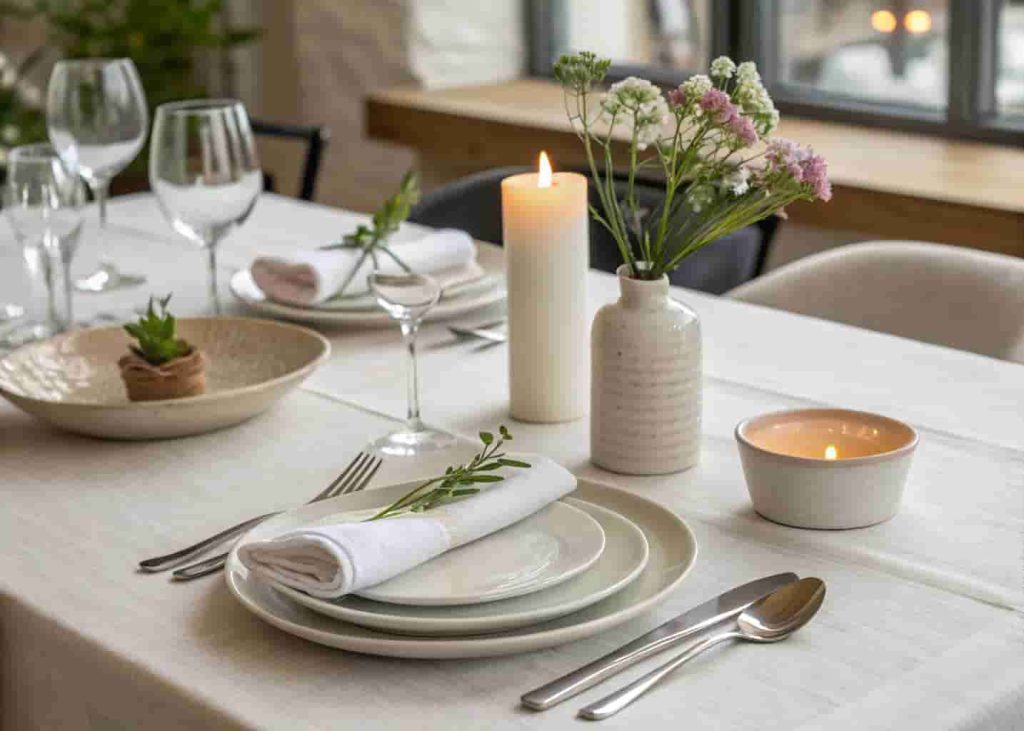
The tabletop is the closest thing to the customer — literally. How your table looks and feels affects the dining experience more than most owners realize. A clean linen napkin, a small bud vase with a single stem, well-chosen cutlery, and a simple candle can elevate even a casual meal. It doesn’t have to be fancy. It has to be intentional. One diner I know says she judges a restaurant first by its tables before she even looks at the menu. Scratched, wobbly tables with cheap paper napkins signal carelessness. A clean, thoughtfully arranged table says: we thought about you before you arrived. That kind of attention builds the kind of loyalty that no amount of advertising can buy.
A Clear, Welcoming Entrance
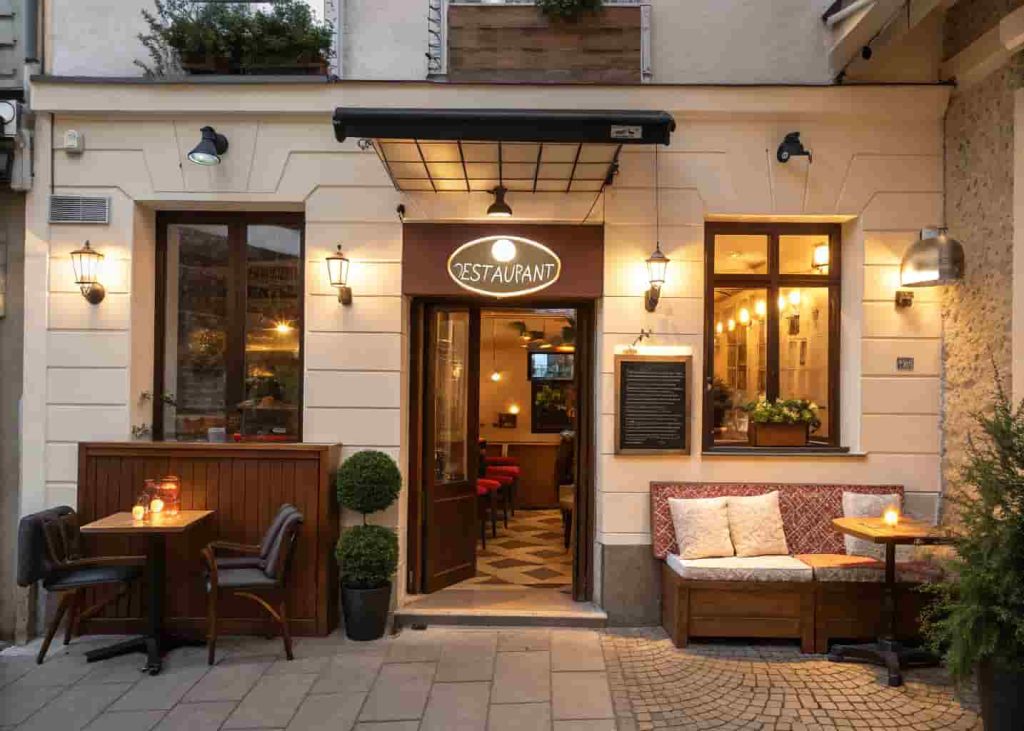
The entrance to your restaurant is the first and last thing customers experience. If the door is hard to find, the hostess stand is hidden, or the entryway feels cluttered and dark — people start their meal already slightly stressed. A good entrance is clear, welcoming, and visually interesting enough to build excitement. A small waiting area with comfortable chairs, a branded sign above the door, warm lighting at eye level, and maybe a chalkboard with today’s specials — these small details make a huge difference. When someone walks through your door and immediately feels welcomed, they’re already primed to enjoy everything that follows. Make your entrance work as hard as your kitchen.
Final Thoughts
Great restaurant design isn’t about spending the most money — it’s about making deliberate choices that tell a story and make customers feel something. From the moment someone walks through the door to the moment they leave, every element of your interior is communicating something. Warm lighting says: slow down, stay a while. A thoughtfully set table says: you matter here. A plant wall or a piece of local art says: we care about beauty. When all of these things work together, customers don’t just come back for the food. They come back for the feeling. And that’s the real goal of any great restaurant interior.