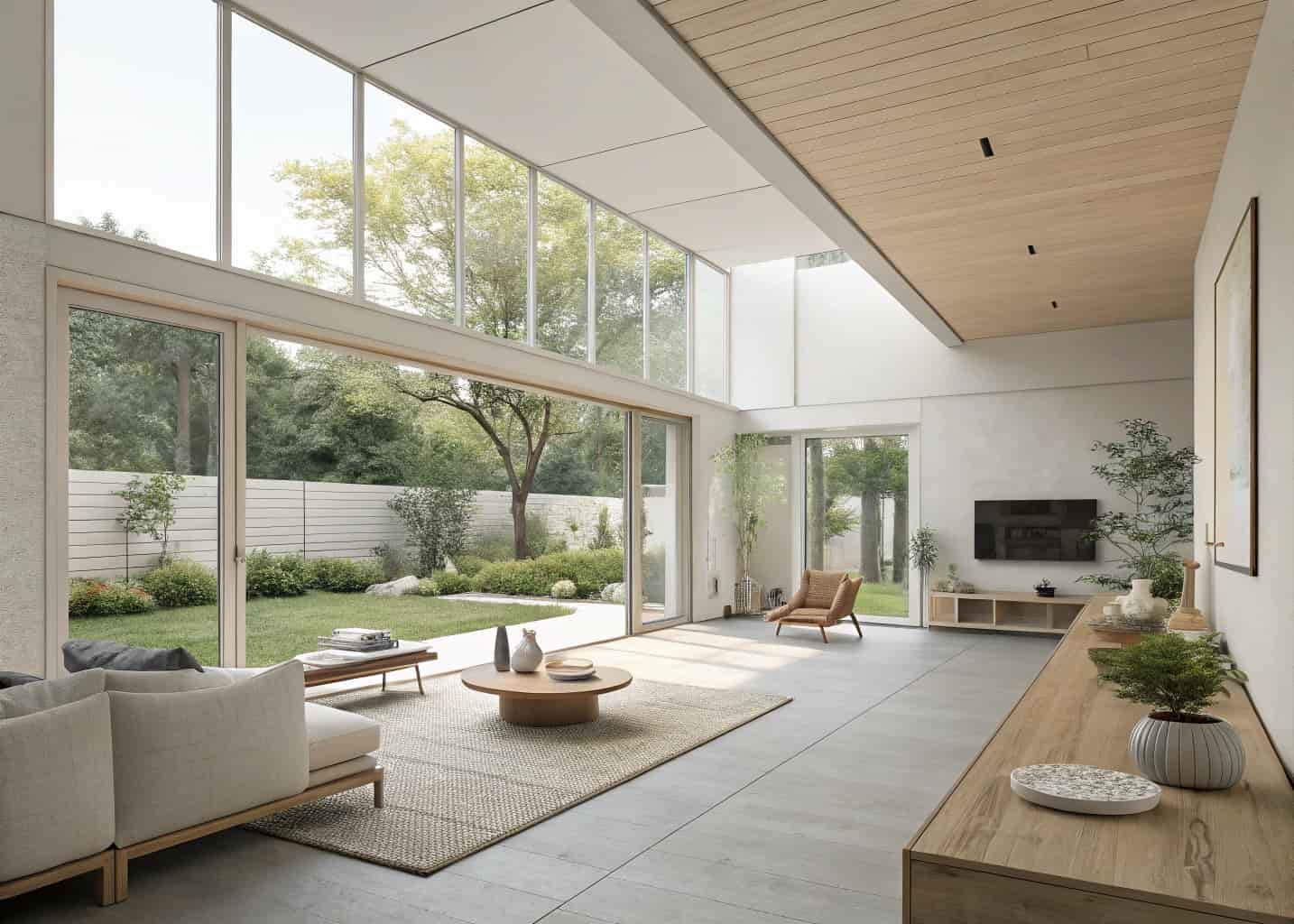
1. The World Got Tired of Too Much Stuff
Walk into any Minimalist Home from five years ago, and you’ll probably see shelves packed with decor, walls covered in art, and counters full of things nobody really uses. It looked busy. It felt heavy. People started to notice that all that stuff wasn’t making them happy — it was actually stressing them out. That’s exactly why minimalist home design exploded in 2026. Families across the world, from small apartments in Karachi to big houses in California, started clearing things out and breathing easier. Less clutter means less mental noise. And honestly? That’s something everyone needs right now.
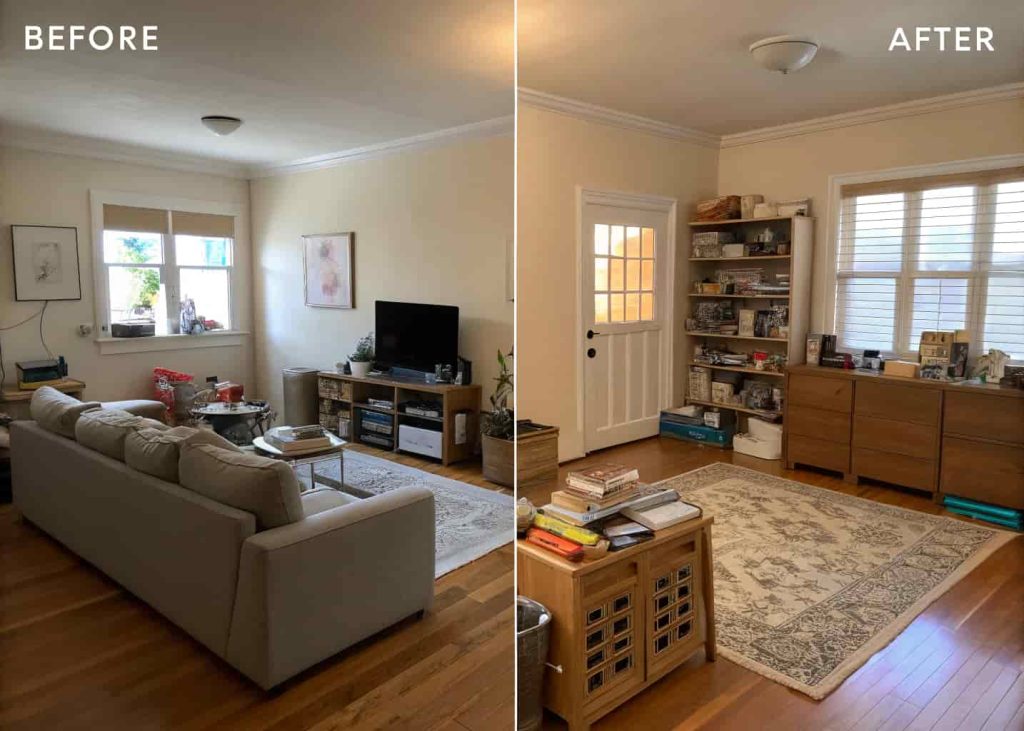
2. What Minimalist Design Actually Means
A lot of people think minimalism means your house looks empty or cold, like a hospital room. That’s not it at all. Minimalist design is about keeping only what you love and what you actually use. It means choosing quality over quantity. One beautiful wooden coffee table instead of three mismatched ones. Neutral walls that feel calm instead of ten different paint colors fighting each other. My neighbor redid her lounge last year — removed half the furniture, painted everything soft white, added one big plant — and suddenly her place felt twice as big. That’s the magic of minimalism done right.
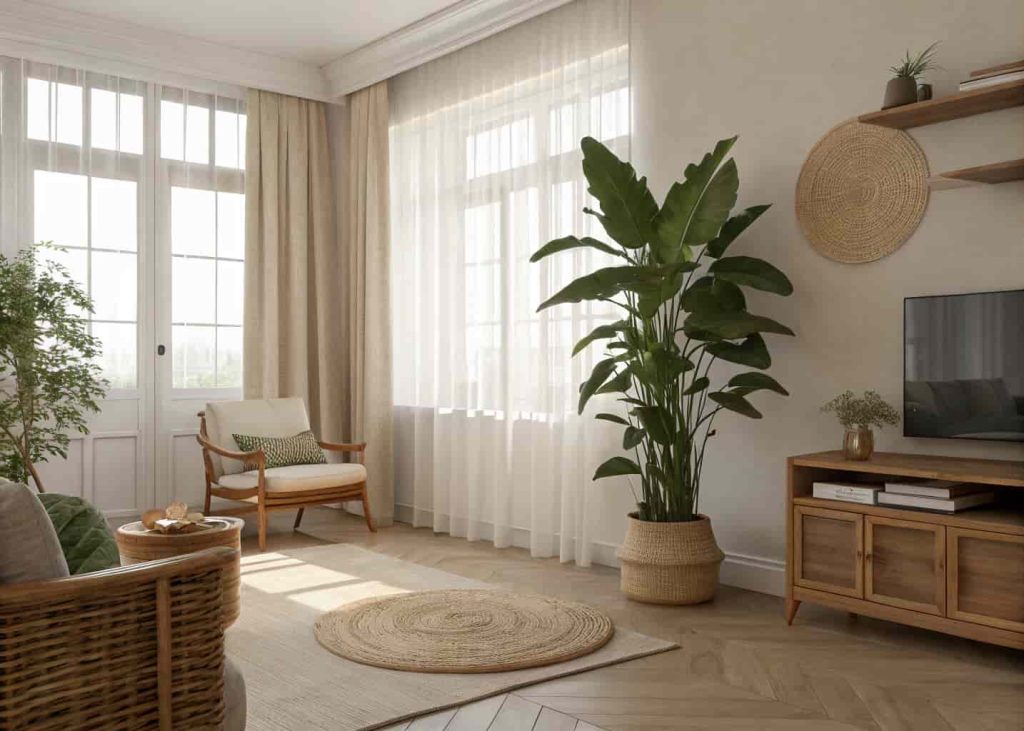
3. Why 2026 Is Different From Before
Minimalism isn’t new — designers have been talking about it for decades. But 2026 is different because people actually need it now. After years of uncertainty, rising costs, and smaller living spaces in cities, people don’t want more. They want better. Tiny apartments in places like Tokyo and London literally can’t hold much furniture. Remote work made people realize their home needs to feel like a peaceful place, not a storage unit. Social media also shifted — people started appreciating clean, calm home photos over loud, overdone interiors. The timing just clicked, and minimalism became the answer most people were already looking for.
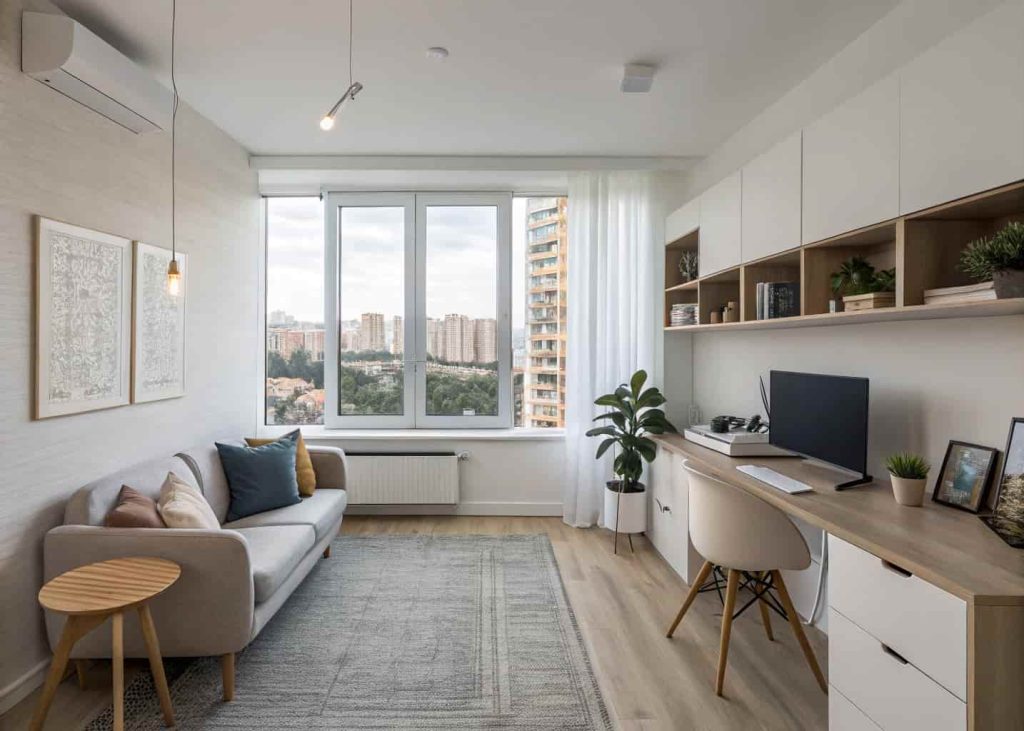
4. The Role of Natural Materials
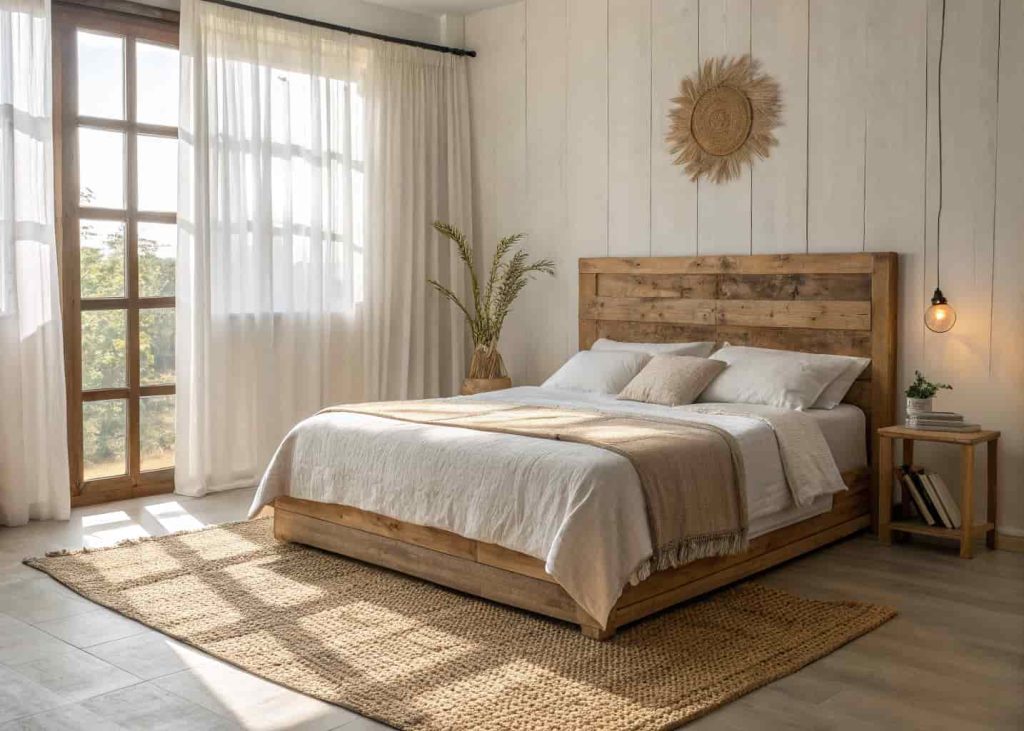
One big reason minimalist homes feel so good in 2026 is the use of natural materials. Wood, stone, linen, cotton, rattan — these textures bring warmth into a space that might otherwise feel too plain. A simple bedroom with a raw wood headboard, linen sheets, and a jute rug feels cozy and expensive at the same time. You don’t need a hundred decorative pillows when the materials themselves do all the work. I visited a friend’s newly renovated home recently, and she’d used stone tiles in the kitchen with open wooden shelves. Zero clutter. Just beautiful materials. It felt like a boutique hotel, and it cost less than her previous over-decorated kitchen.
5. Neutral Colors Are Running the Show
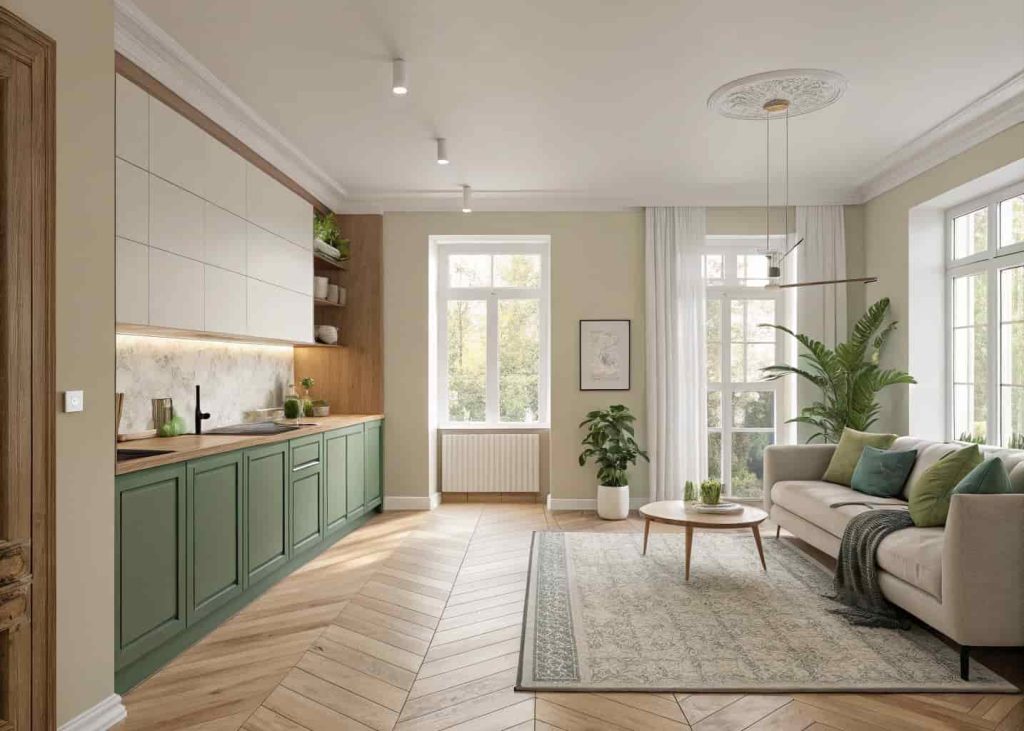
If you scroll through home design accounts in 2026, you’ll notice something right away — everyone is going neutral. Beige, warm white, soft taupe, greige (that’s gray mixed with beige), sage green, and dusty terracotta are everywhere. These colors don’t fight for attention. They work together. They make a room feel larger, lighter, and more relaxing. Bold accent walls and busy wallpapers are fading fast. Instead, people are choosing one or two calm shades and sticking with them throughout the whole home. It creates flow. Every room feels connected. And honestly, neutral doesn’t mean boring — it means the space itself becomes the statement.
6. Smart Storage Is the Secret Weapon
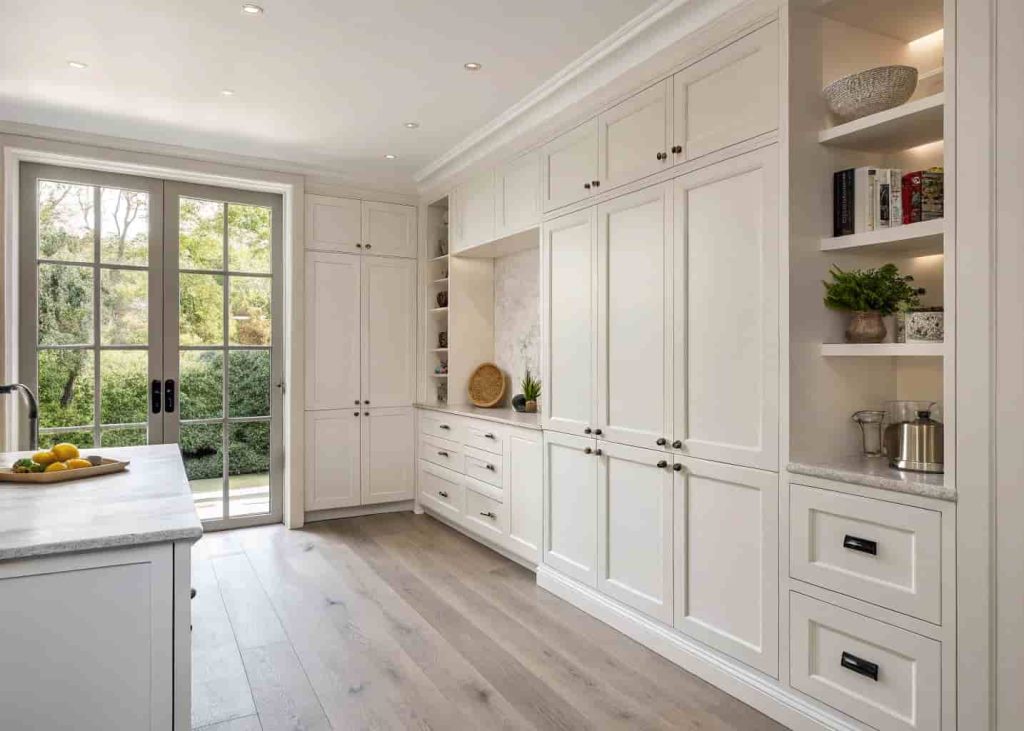
Here’s the truth about minimalist homes — they don’t actually have less stuff. They just hide it better. Smart storage is everything. Built-in cabinets that go floor to ceiling. Beds with drawers underneath. Kitchen islands with hidden compartments. Floating shelves with only a few carefully chosen items. The goal is to have a place for everything so nothing sits out unless it’s meant to be seen. I used to think minimalism was for people who just owned less. Then I realized it’s really for people who are smarter about where they put things. Once you solve storage, the rest of the design falls into place naturally and easily.
7. Minimalism and Mental Health Go Hand in Hand
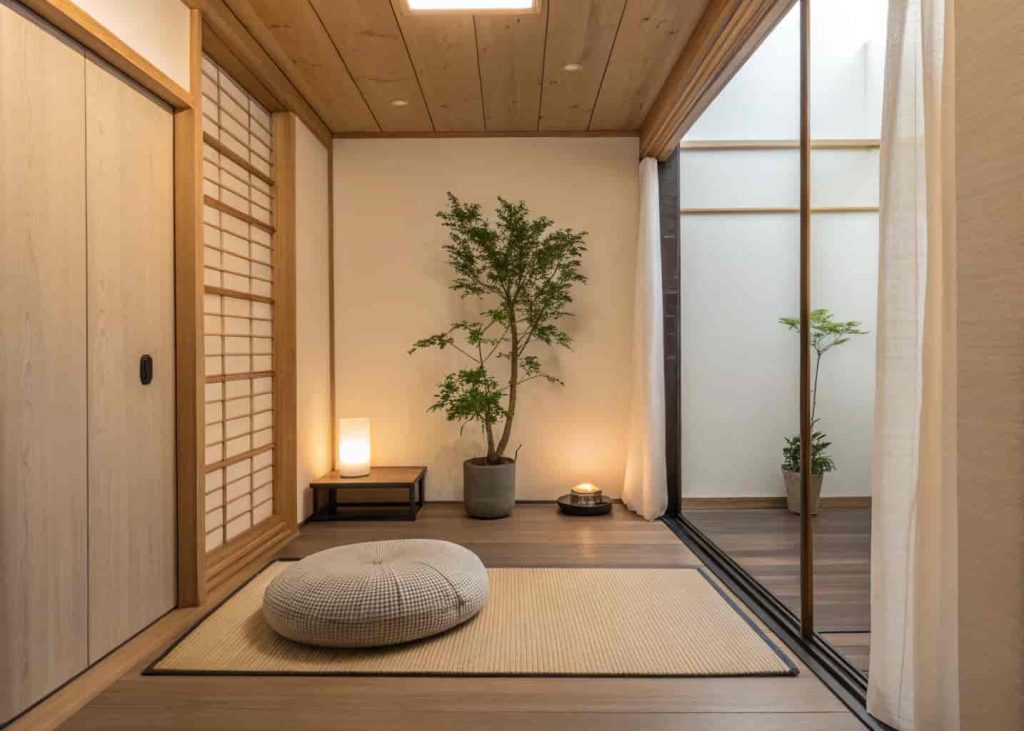
This one is huge and more people are talking about it openly in 2026. Research keeps showing that a cluttered environment creates a cluttered mind. When you come home to a messy, overstuffed space, your brain never really gets to rest. But a clean, open, calm home actually helps you decompress. It’s not just a design trend — it’s a wellness choice. Therapists and interior designers are now collaborating more than ever, creating spaces that support mental health. People dealing with anxiety are particularly drawn to minimalist interiors because the visual calm translates directly into emotional calm. Your home should be a place that heals you, not one that adds to your daily stress.
8. Minimalist Kitchens Are Changing How We Cook
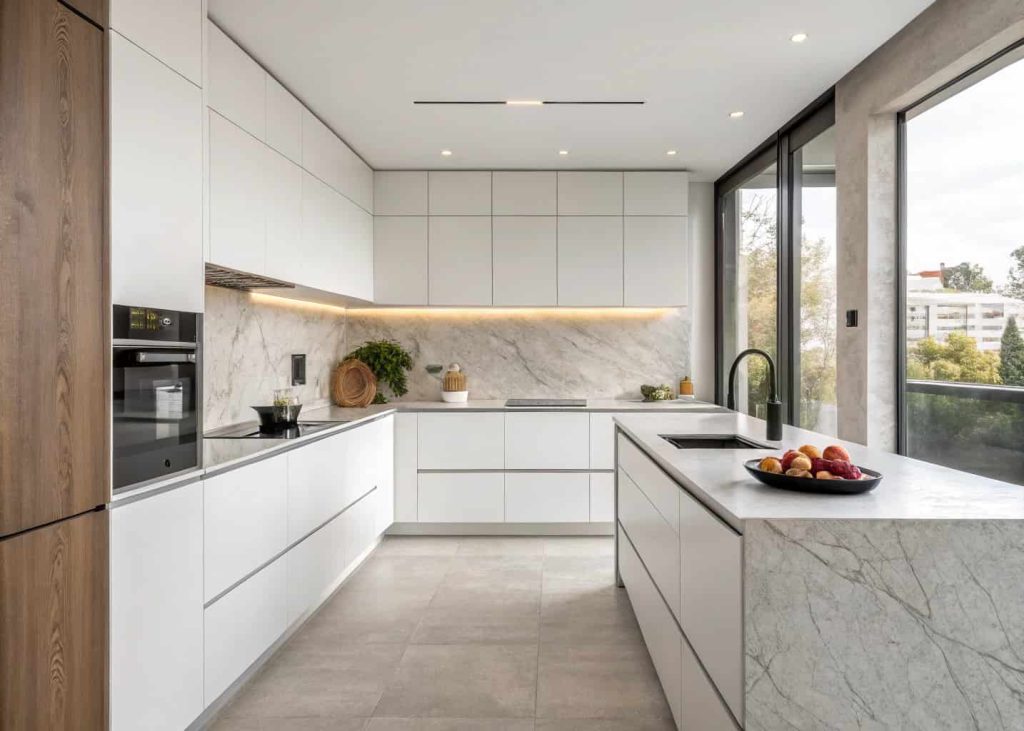
The kitchen used to be the most chaotic room in the house — gadgets on every counter, mismatched containers, random magnets on the fridge, cookbooks piled up everywhere. Not anymore. Minimalist kitchens in 2026 are sleek, calm, and actually more functional. Hidden appliances behind cabinet doors. Only the three or four tools you use every day sitting out. A single bowl of fruit as decor. Clean stone counters with nothing on them. My cousin renovated her kitchen this way last year and told me cooking feels different now — less rushed, more enjoyable. When the space is clear, your mind is clear too. You focus on the food, not the mess around you.
9. Outdoor Spaces Are Getting the Minimalist Treatment Too
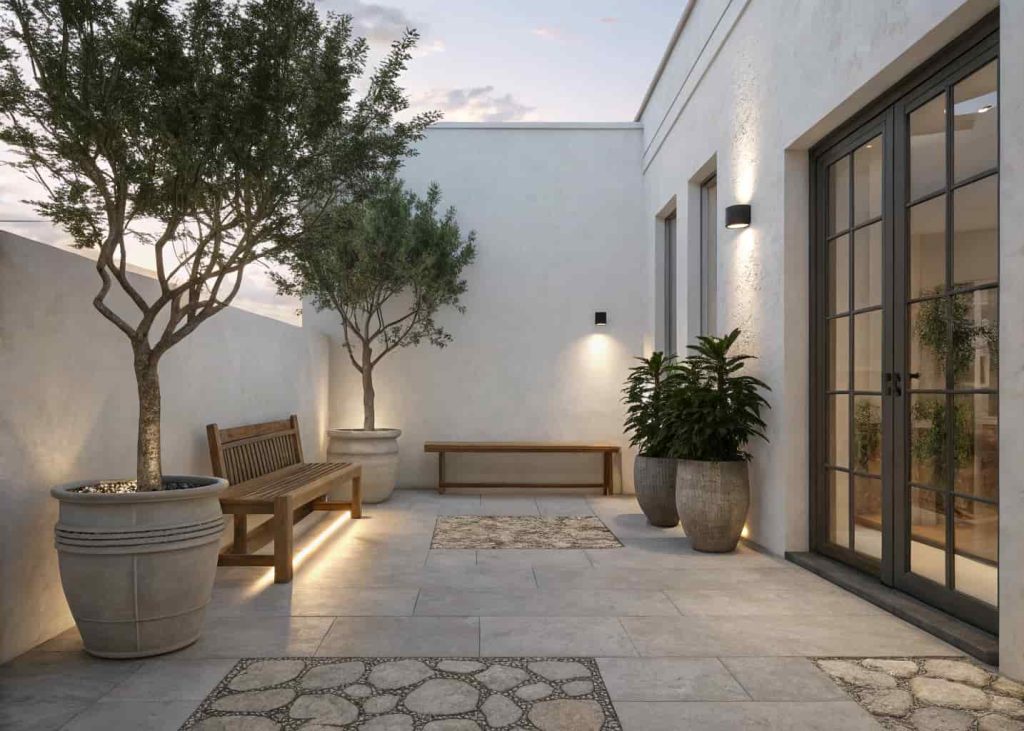
It’s not just indoors anymore. Patios, balconies, and gardens are all going minimal in 2026. Instead of cramming an outdoor space with plastic chairs, string lights, wind chimes, and a dozen potted plants in random colors, people are choosing one good quality outdoor sofa, two or three large plants, and clean paving. The outdoor space becomes an extension of the calm inside. Even small balconies in city apartments are being transformed — a single wooden bench, a tall bamboo plant, one lantern. Done. It feels intentional and peaceful rather than thrown together. Outdoor minimalism is especially popular in hot climates where simplicity and shade matter more than decoration.
10. It’s Actually More Affordable Than You Think
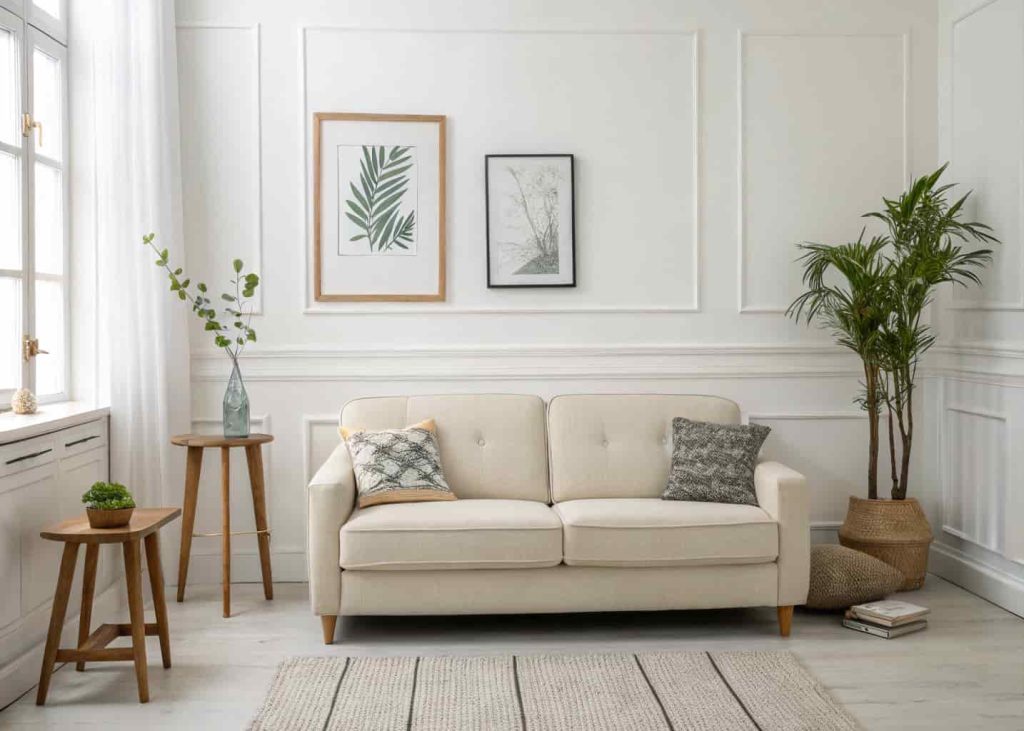
People assume minimalist design means spending a lot of money on fancy, expensive things. That’s a myth. Yes, you might buy one really good sofa instead of three cheap ones. But overall, minimalist living often saves money. You buy less. You stop filling spaces just to fill them. You stop replacing low-quality stuff every two years. You invest in a few pieces that last a long time. A clean white wall with good lighting is free. Decluttering costs nothing except your time. Many people doing minimalist redesigns in 2026 are doing it on tight budgets and still getting incredible results. Less really does cost less — when you approach it the right way.
11. Where Minimalism Is Headed Next
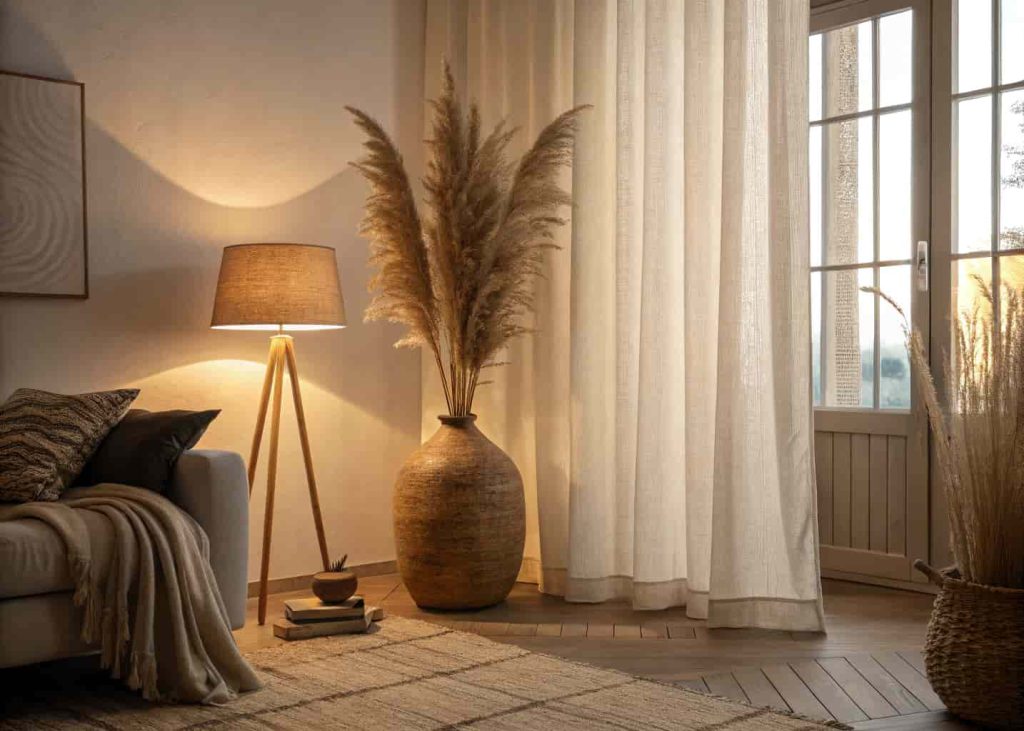
Minimalist design isn’t going away anytime soon. If anything, it’s evolving. In late 2026, designers are mixing minimalism with what they call “warm minimalism” — spaces that are clean and uncluttered but full of texture, soft lighting, and natural elements so they never feel cold. Think: linen curtains pooling on the floor, a curved clay lamp, a single bunch of dried pampas grass. The lines are soft. The mood is gentle. It’s minimalism with a heartbeat. As cities get more crowded and life gets faster, people will keep turning to their homes as a place to slow down. And minimalist design, done with warmth and intention, is the best way to create exactly that feeling.
Conclusion
Minimalist home design became the biggest trend in 2026 for one simple reason — people needed it. Not just as a style, but as a way to feel better in their own homes. Whether you live in a big house or a small apartment, whether you have a big budget or a small one, minimalism is something you can start today. Clear one shelf. Paint one wall white. Remove one piece of furniture that’s just taking up space. Start small and see how it feels. My guess? Once you experience the calm of a cleaner, more intentional home, you won’t want to go back. Less really is more — and in 2026, the whole world is finally starting to believe it.