Why Minimalism Works for Every Room
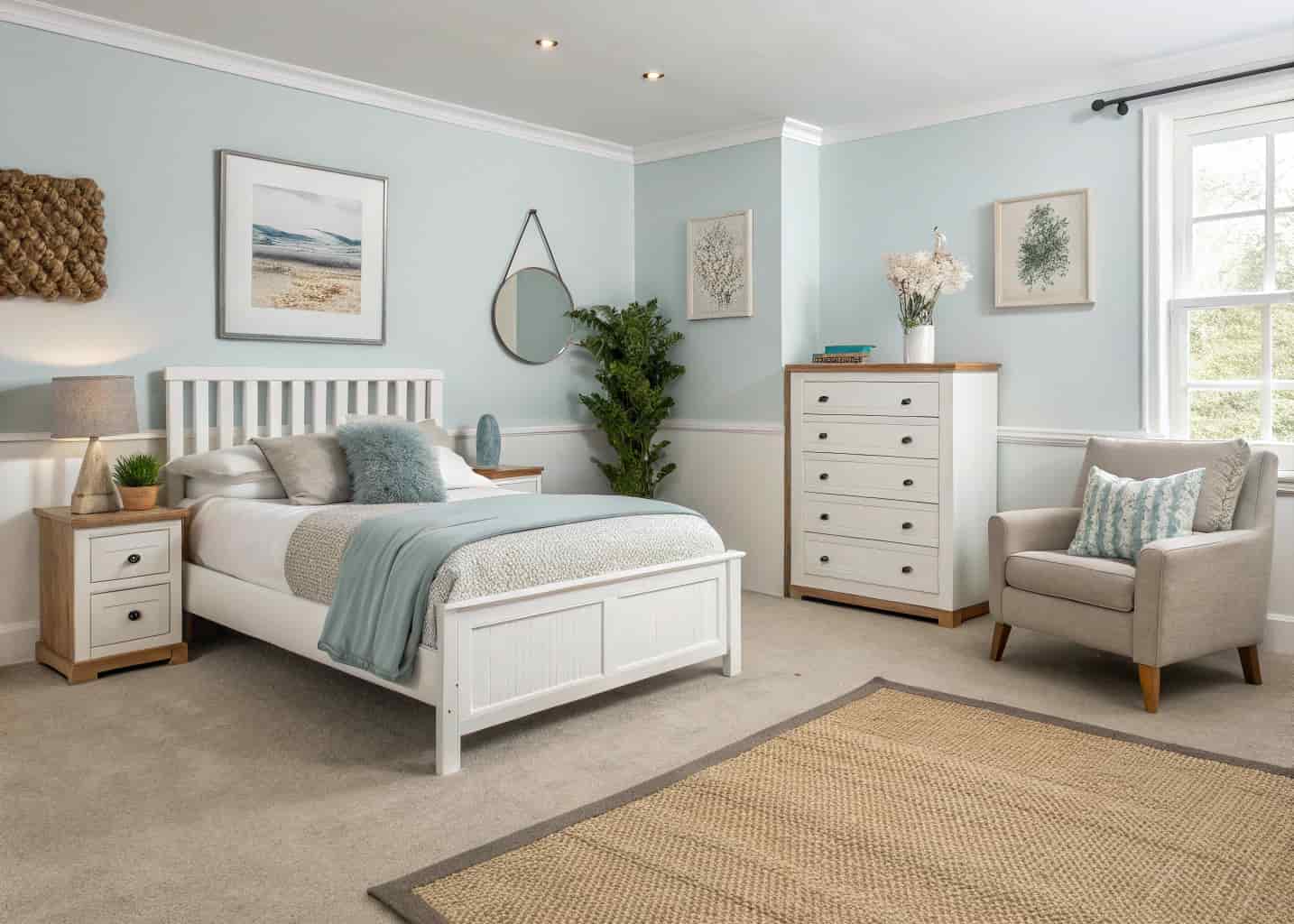
Minimalist Room is not about making your home look empty or boring. It is about keeping only what truly matters and letting your space breathe. When you remove the clutter and noise from a room, something beautiful happens — you start to notice the light, the texture of the walls, and the quality of the furniture you own. A minimalist room feels calm the moment you walk in. It does not matter if your home is big or small, minimalism works everywhere because it is less about the size of the space and more about how you use and arrange what you have inside it.
Start With Decluttering Before You Decorate
Before you buy anything new or move furniture around, the first real step in a minimalist room makeover is to get rid of what you do not need. Go through every corner, shelf, and drawer. Ask yourself honestly whether each item adds value or just takes up space. Most people are surprised by how different a room looks after a serious declutter — without spending a single rupee. Once the unnecessary things are gone, the room already feels bigger, lighter, and cleaner. Decluttering is not a one-time job either. Make it a habit every few months so your space stays fresh and intentional.
Choose a Neutral and Calm Color Palette
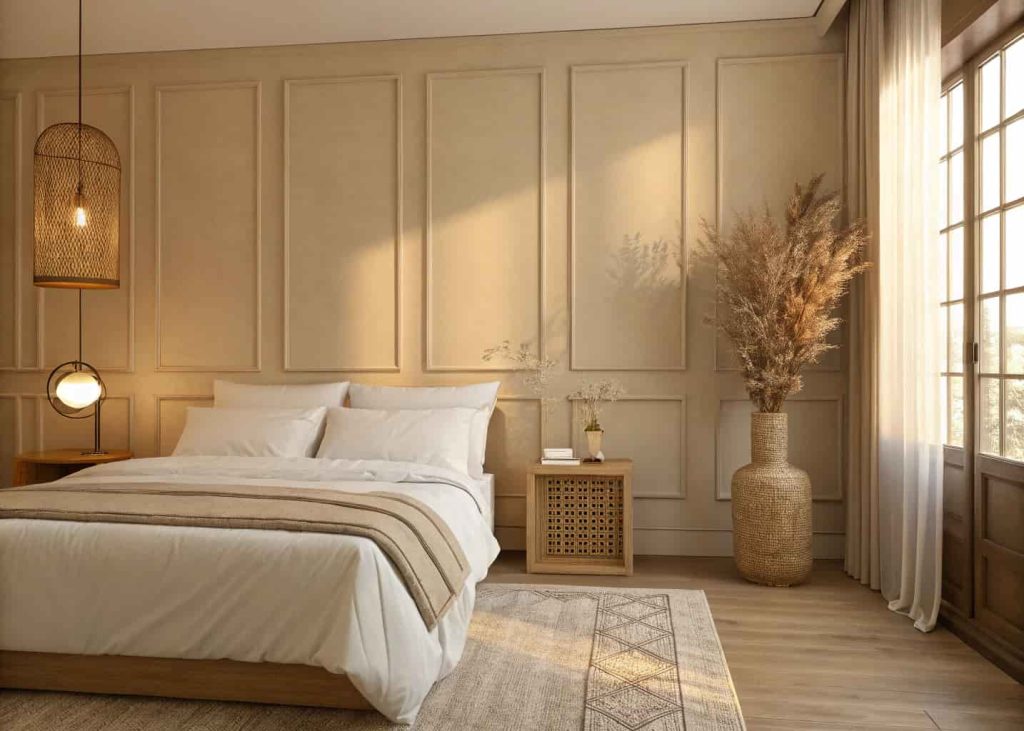
Color plays a huge role in how a room feels. For a minimalist makeover, soft and neutral shades work best. Think warm whites, light beige, soft grey, sand tones, or muted earthy colors. These shades do not compete with each other — they flow together and create a sense of peace. You do not have to paint every wall the same color, but keeping the overall palette cohesive makes the room feel more put together. If you want to add a little personality, bring in one soft accent color through a cushion, a vase, or a throw blanket. Keep it subtle and let the neutral base do most of the work.
Invest in Simple but Quality Furniture
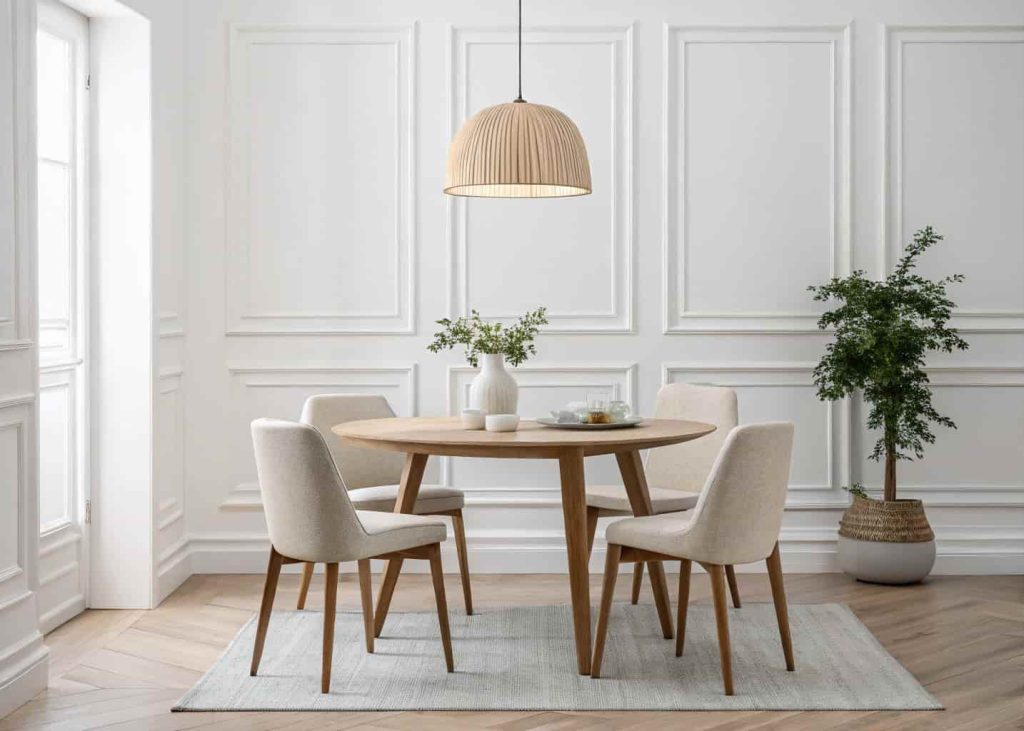
In a minimalist room, every piece of furniture is visible and noticed. There is no clutter to hide behind, so the quality and shape of each item matters more. Choose furniture with clean lines, simple forms, and natural materials like wood, rattan, linen, or stone. You do not need many pieces — a well-chosen sofa, a proper dining table, or a solid bed frame can completely transform how a room feels. Avoid overly decorative or bulky furniture that fills up visual space. The goal is furniture that is functional, beautiful in its simplicity, and built to last. Quality always wins over quantity in a minimalist home.
Use Natural Light as Your Best Design Element
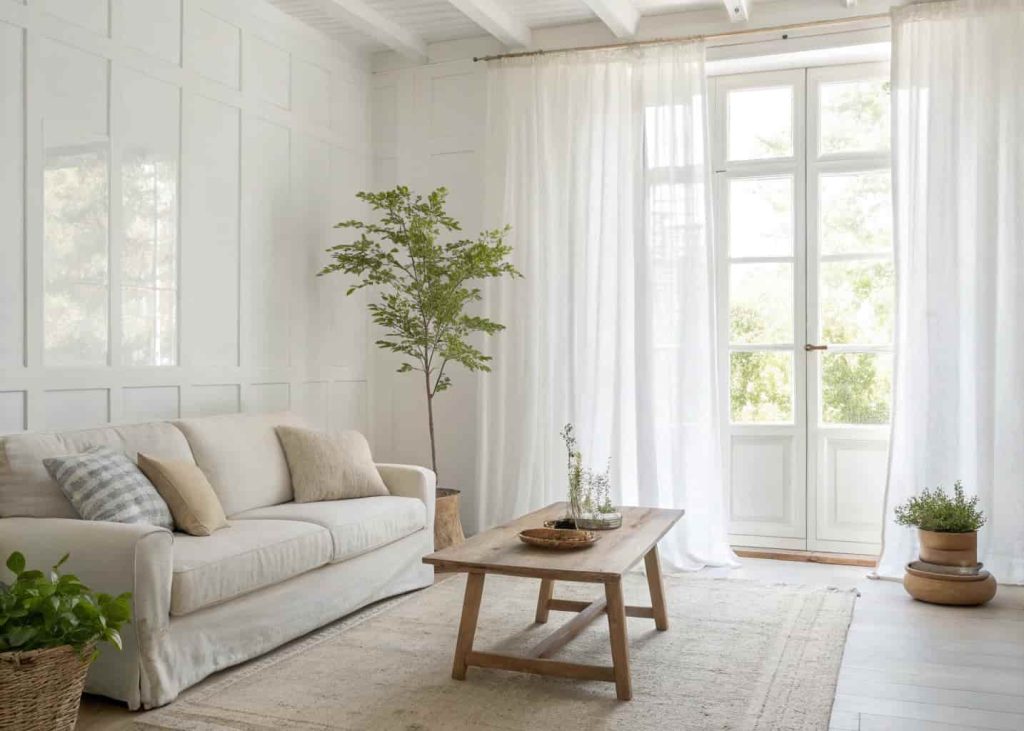
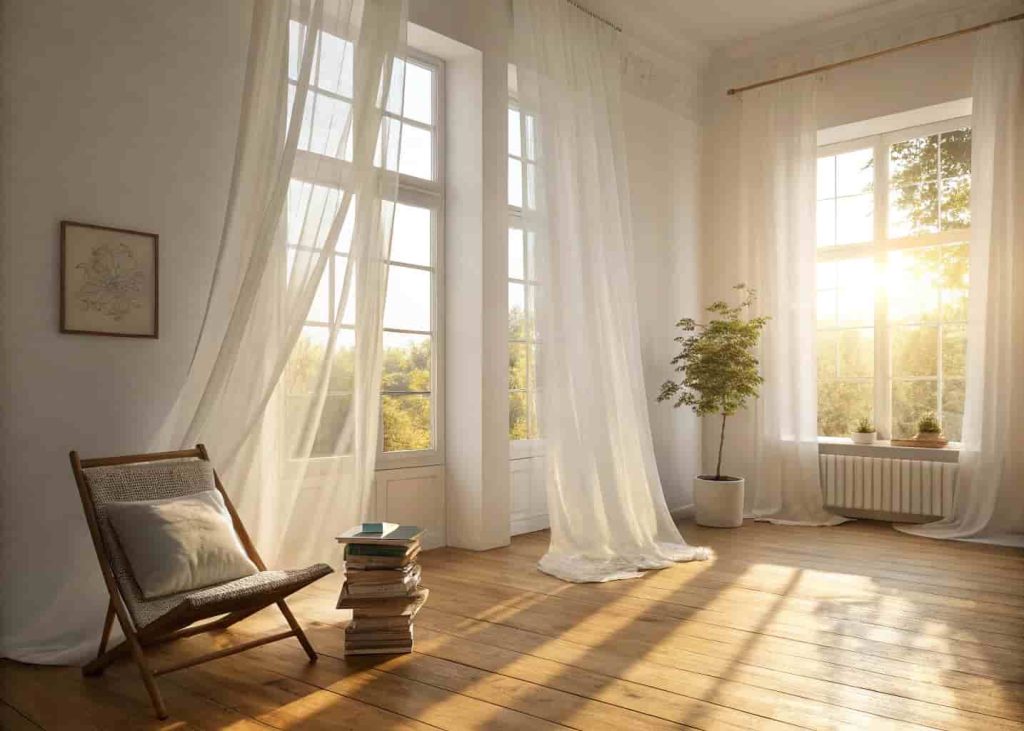
Nothing makes a minimalist room look better than good natural light. Light has the power to make a small room feel open and a simple space feel luxurious. To let in more light, switch heavy curtains for sheer linen panels, keep windows clean, and avoid placing large furniture pieces that block light from flowing through the room. Use light-colored walls and floors to reflect natural light rather than absorb it. In the evening, soft warm lighting from floor lamps or table lamps creates a cozy and inviting feel. Think of light not as something that just helps you see, but as an actual design element you can work with every day.
Add Texture to Keep Things From Feeling Cold
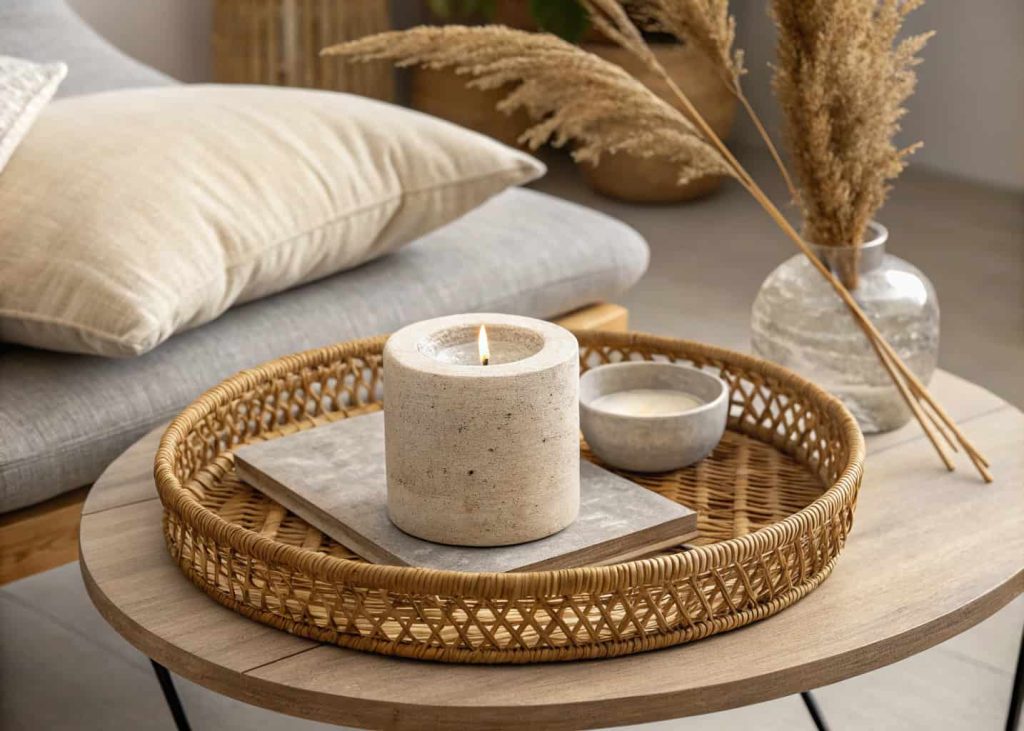
One common mistake people make when going minimalist is that the room ends up looking too flat or cold. The fix is texture. When you keep colors neutral and furniture simple, adding different textures brings warmth and depth to the space. A chunky knit throw on the sofa, a woven jute rug on the floor, linen pillow covers, a rough clay vase, or a wooden tray on a coffee table — these small textural details make a big difference. You are not adding clutter, you are adding feeling. Texture is what makes a minimalist room feel lived-in and human rather than like a showroom that nobody actually lives in.
Decorate With Intention, Not Excess
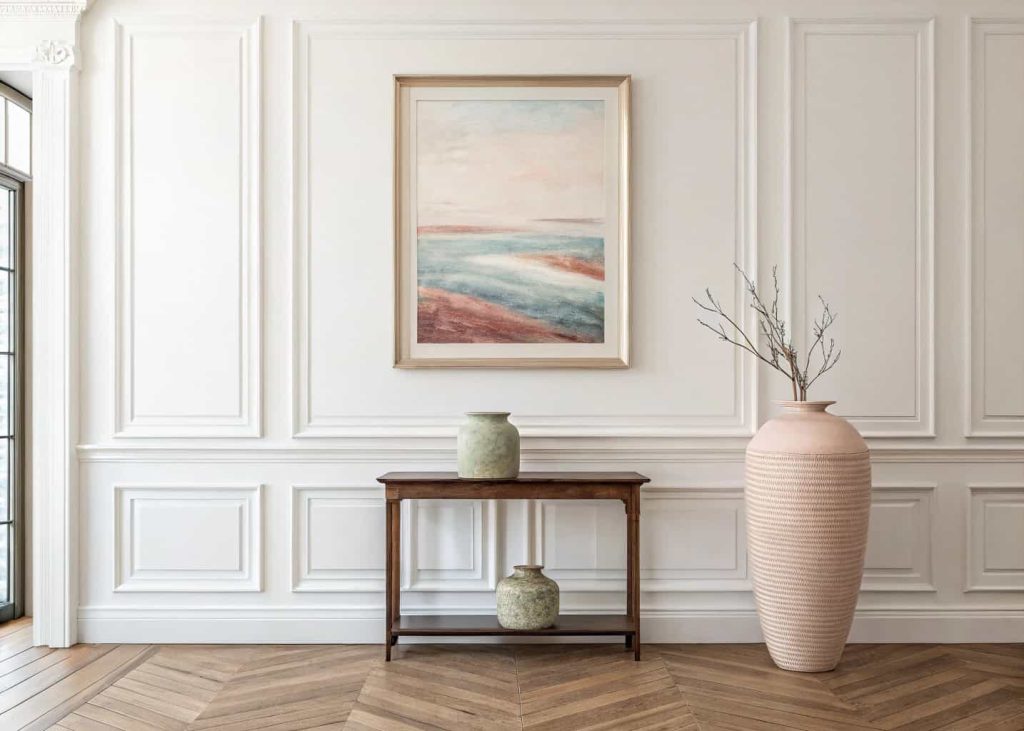
Minimalist decor is not about having zero decoration. It is about choosing each decorative piece with real intention. Every item on display should earn its place — either it is beautiful, meaningful, or both. A single piece of art on a wall has far more impact than a dozen small frames crowded together. One tall floor plant in a corner adds life without overwhelming the space. A carefully chosen candle or a handmade ceramic bowl on a shelf can become a quiet focal point. The rule is simple: if it does not add something meaningful to the room, it does not need to be there. Less decor, more presence.
Keep Surfaces Clean and Clutter-Free
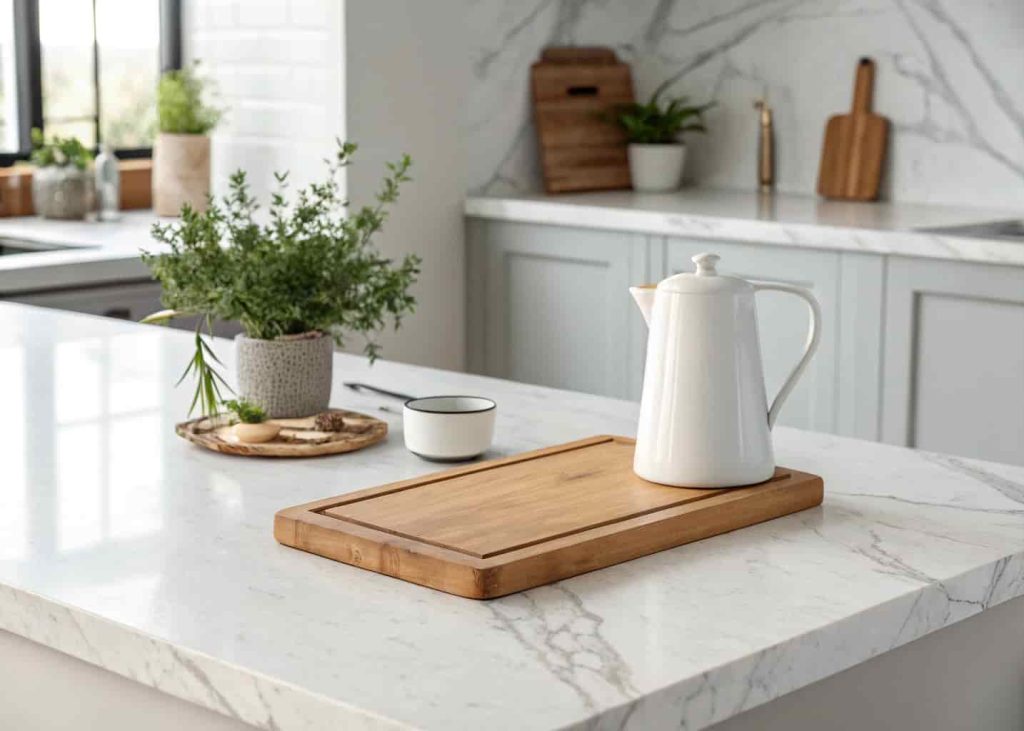
One of the most powerful things you can do in a minimalist room makeover is to keep your surfaces clear. Countertops, tables, shelves, and window sills should have only a few intentional items on them — not piles of things that have simply been placed there without thought. A clean surface instantly makes a room look more organized, calm, and spacious. This does not mean hiding everything away either. It means being selective. If something lives on a surface, it should be there on purpose. Create a habit of putting things back where they belong each day. Clean surfaces are the foundation of a minimalist home that stays looking good long after the makeover is done.
Bring Nature Indoors With Plants and Natural Materials
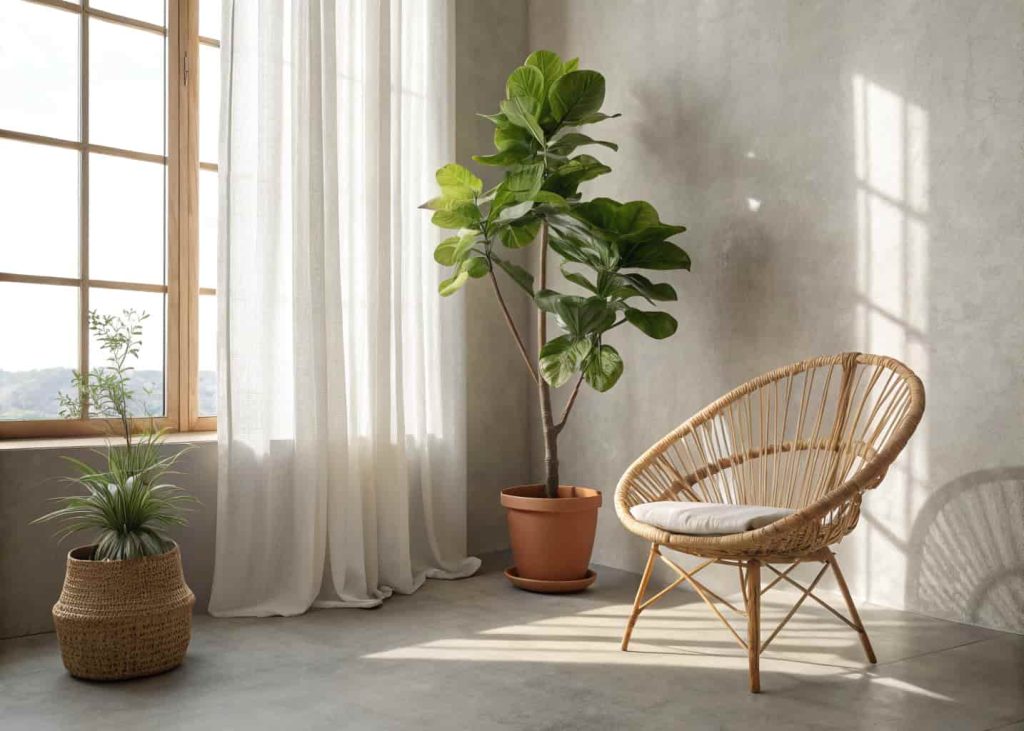
Plants are one of the easiest and most affordable ways to bring warmth and life into a minimalist room. A single large leafy plant in a simple clay or ceramic pot can completely change the energy of a corner. You do not need a dozen plants — one or two well-placed ones are enough. Along with plants, using natural materials throughout the room connects the space to the outside world. Wood, stone, linen, cotton, bamboo, and rattan all bring an organic softness that feels grounded and real. These materials also age beautifully over time, which fits perfectly with the minimalist idea of owning fewer but better things that actually last.
Organize Storage So Everything Has a Place
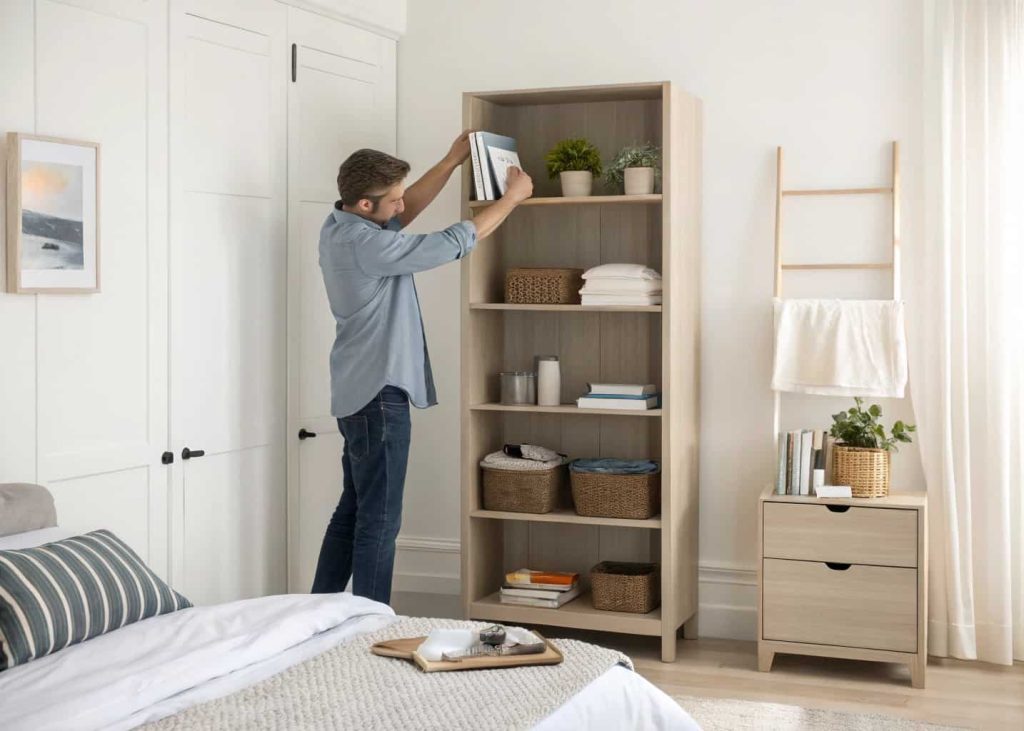
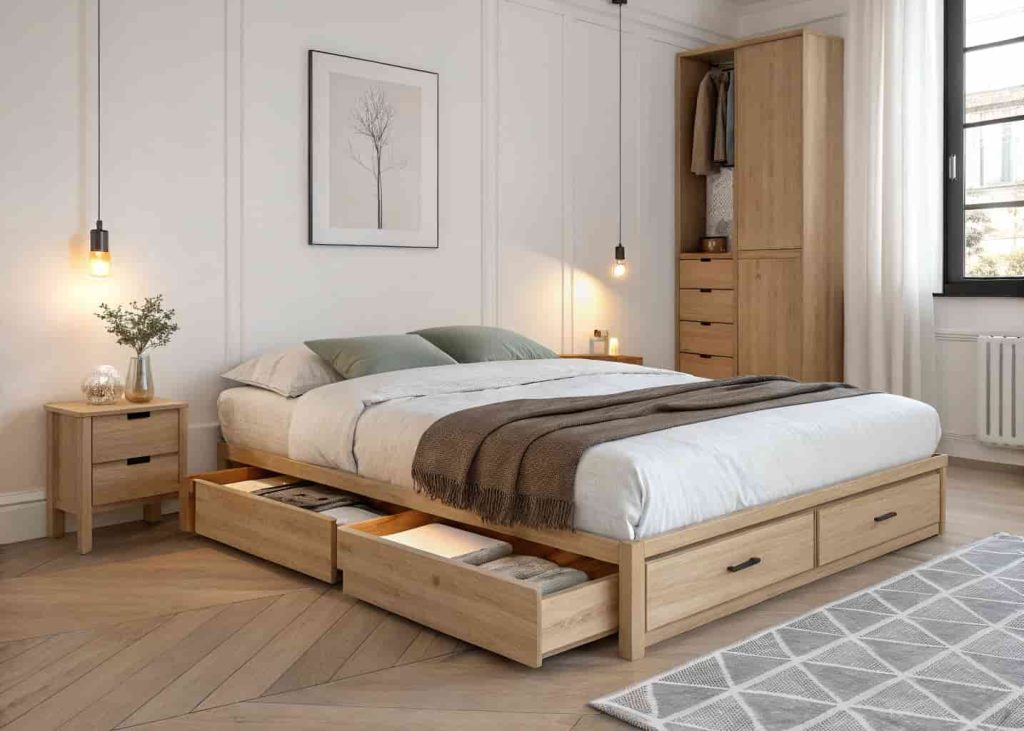
Good storage is the secret behind every beautiful minimalist room. If you do not have a proper place for things, they end up on surfaces and floors, and the room quickly looks messy no matter how minimal your decor is. Invest in smart, simple storage solutions — built-in shelving, under-bed drawers, woven baskets, or clean-lined cabinets. The key is that storage should be hidden or at least very neat. When everything has a home and goes back to that home after use, your minimalist room stays looking the way you intended. Storage is not just practical — in a minimal home, it is actually one of the most important design decisions you will make.
Conclusion
A minimalist room makeover does not have to happen all at once. You can start small — clear one surface, remove a piece of furniture that is not serving you, or swap out a busy rug for something simple and natural. Each small change builds on the last, and before long your room starts to feel genuinely different. The goal is a space that feels calm, personal, and easy to be in. Minimalism is not a trend you follow — it is a way of thinking about your home that puts peace and purpose ahead of stuff. Start somewhere, stay consistent, and enjoy the process of creating a space that truly feels like yours.