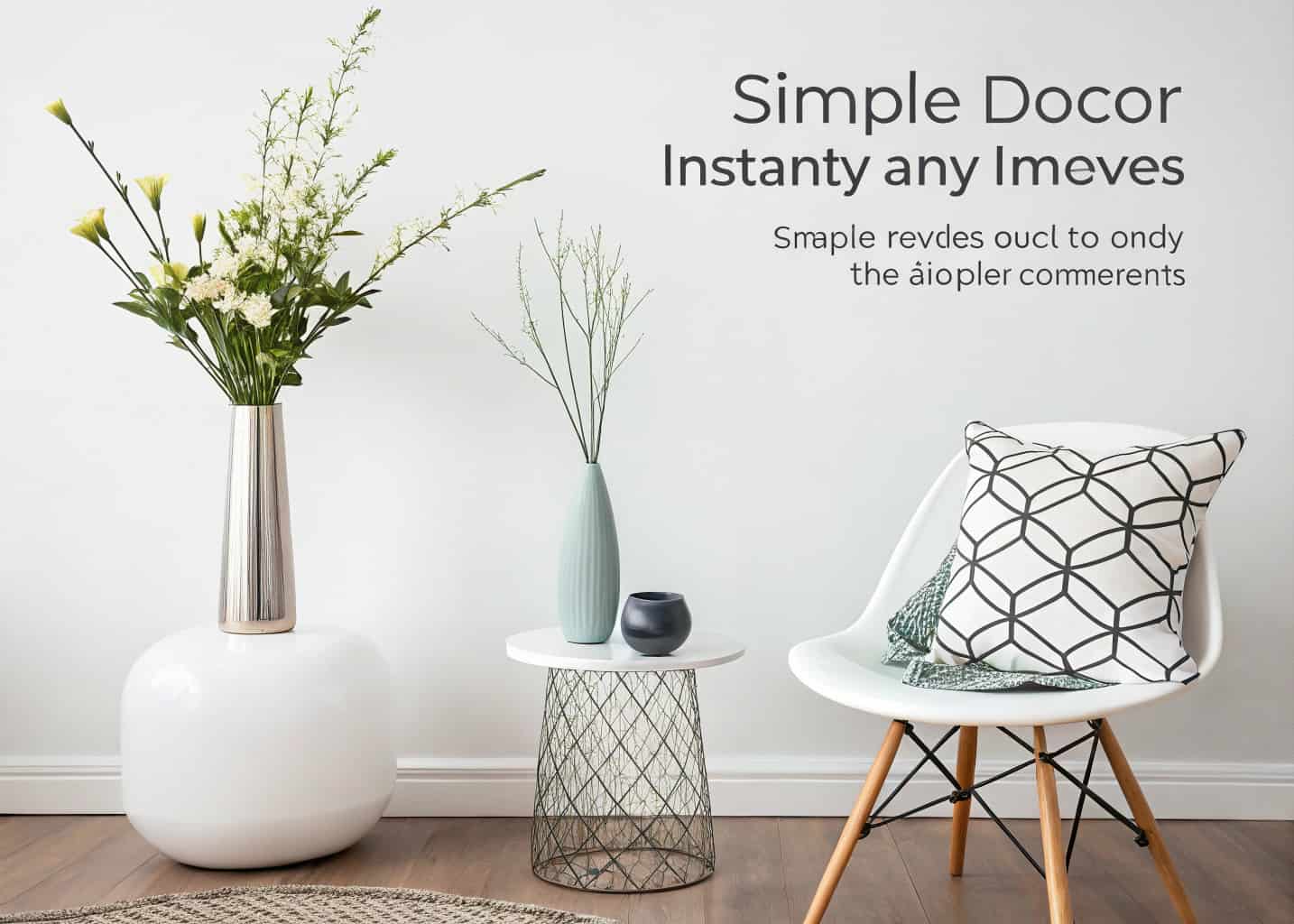
Most people think improving a room means spending a lot of money on new furniture or doing a complete makeover. But that’s not always true. Sometimes the smallest changes make the biggest difference. Minimalist decor is not about making your home look empty or cold. It’s about removing what doesn’t belong and keeping what truly matters. When you clear the clutter and make smart choices, every room starts to feel bigger, calmer, and more put-together. These 16 simple changes can transform any space without breaking your budget or taking up your whole weekend.
Declutter Every Surface First
Before you buy anything new or move furniture around, start by clearing your surfaces. Tables, shelves, countertops — take everything off and only put back what you actually use or love. Most surfaces collect things we don’t even notice anymore: old magazines, random objects, chargers, and stuff that just “ended up” there. When surfaces are clean and open, the entire room feels more intentional. You don’t need to throw everything away. Just find a proper home for each item. A clear surface gives your eyes a place to rest, and that alone changes the feeling of a room completely.

Switch to a Neutral Color Palette
Color has more power over a room than most people realize. If your walls or furniture are in many different bold colors, the space can feel busy and tiring. Switching to a neutral palette — whites, beiges, warm grays, soft creams — instantly makes a room look cleaner and more spacious. You don’t have to repaint everything. Even swapping out colorful throw pillows, a bright rug, or busy curtains for neutral versions creates a noticeable shift. Neutrals don’t mean boring. They create a calm foundation that lets your furniture and a few chosen pieces stand out naturally without competing with each other.
Use Curtains That Touch the Floor
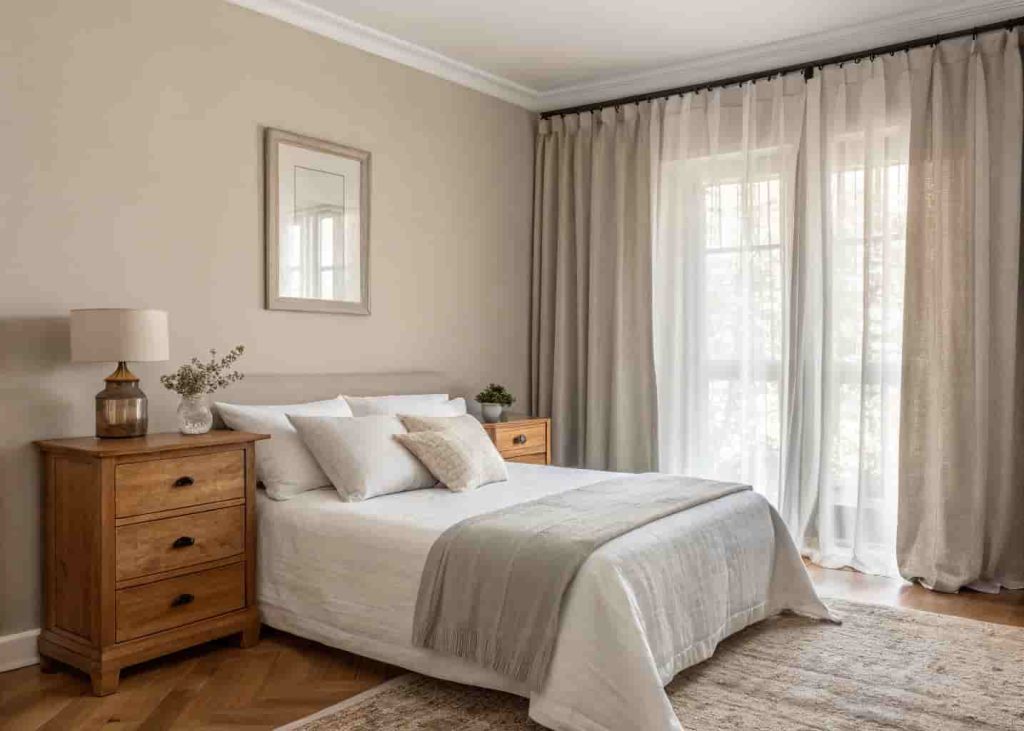
This one small change makes a dramatic difference in how tall and elegant a room looks. Many people hang curtains too short — stopping them right at the window frame or just below it. When you hang curtains high, close to the ceiling, and let them fall all the way to the floor, the room immediately feels taller and more polished. Choose light, flowing fabrics in neutral tones like white, linen, or soft grey. Avoid heavy patterns. The idea is to let light in while framing the window beautifully. This simple fix costs very little but gives any room a refined, put-together look that visitors always notice.
Add One Statement Plant
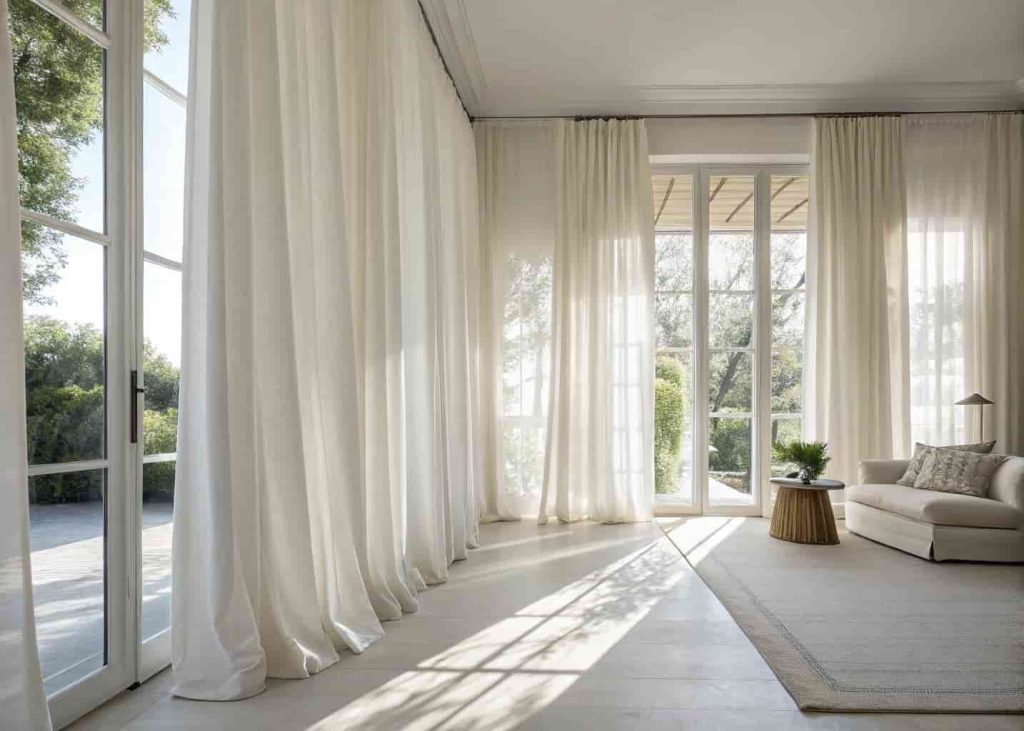
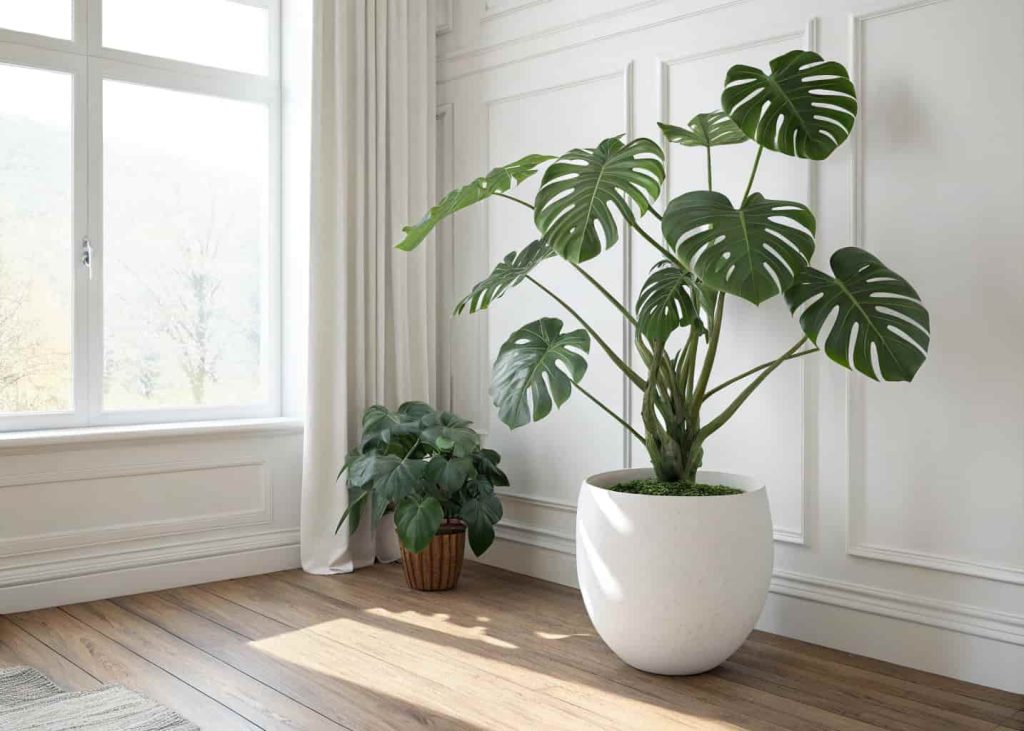
Plants bring life into a space without adding clutter, and one well-chosen plant can completely change the energy of a room. You don’t need to fill every corner with greenery. Instead, pick one larger plant — like a fiddle leaf fig, a monstera, or a tall snake plant — and place it somewhere intentional. A plant in an empty corner, beside a sofa, or near a window adds warmth and a natural focal point. Choose a simple pot in a neutral color like white, terracotta, or matte black. The plant becomes a living decor piece that makes the whole room feel fresher and more alive without visual noise.
Replace Overhead Lighting With Layered Lamps
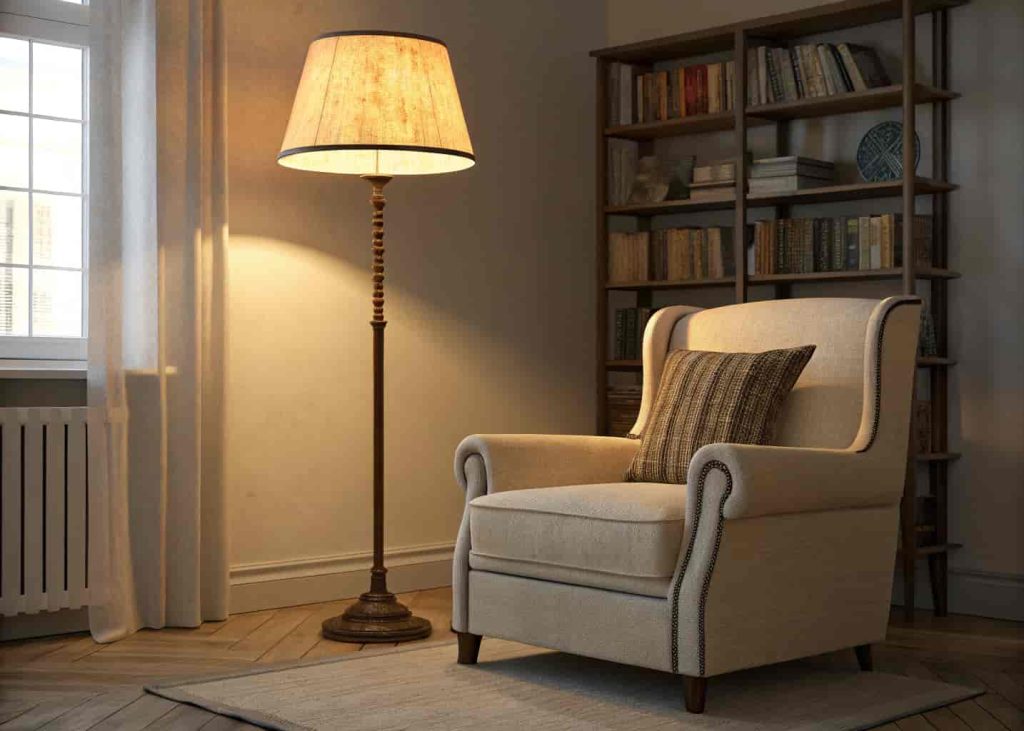
Harsh overhead lighting is one of the biggest mistakes in home decor. It makes rooms feel like offices or hospitals. Minimalist spaces use layered lighting — a floor lamp here, a table lamp there, maybe a small lamp on a shelf. This creates warmth and depth that overhead lights can never achieve. Warm-toned bulbs make a huge difference too. Switch from cool white to warm white bulbs and you’ll notice the room feels cozier instantly. You don’t have to get rid of your overhead light, just use it less. Let softer, layered lighting do the heavy work in the evening and during relaxed moments at home.
Choose Furniture With Simple Lines
If your furniture has lots of decorative details, carved edges, or heavy ornate shapes, it can make a room feel visually loud even when it’s clean. Minimalist decor works best with furniture that has clean, straight lines and simple forms. This doesn’t mean everything has to look the same or feel cold. A wooden table with simple legs, a sofa with a clean silhouette, or a bed frame without a fussy headboard all contribute to a calmer space. When furniture is simple in shape, the room breathes more easily. You can still mix materials — wood, metal, fabric — as long as the forms stay clean and unfussy.

Use Mirrors Strategically
Mirrors are one of the most underused tools in home decor. A well-placed mirror can make a small room look twice as big, bounce natural light around, and add a sense of depth and openness. In minimalist spaces, one large mirror usually works better than several small ones. Place it across from a window to reflect light, or lean a full-length mirror against a wall to add dimension without hanging anything heavy. Choose a simple frame — thin metal, natural wood, or frameless. Mirrors are functional and decorative at the same time, which is exactly what minimalist decor is about: everything serving more than one purpose.

Keep Your Bookshelf Organized and Styled
A messy bookshelf makes even a beautiful room look chaotic. Organizing your shelves is one of the easiest and most satisfying minimalist changes you can make. Start by removing everything, then put back only the books you actually read or want to keep. Group books by color or size for a cleaner look. Add one or two small objects between book groups — a small plant, a simple candle, or a ceramic piece. Leave some empty space on purpose. Shelves that are too full feel overwhelming. A curated, breathing bookshelf becomes a design feature in itself rather than just storage, and it shows real attention to detail.

Invest in Quality Textiles
One of the fastest ways to make a room feel more luxurious and put-together is to upgrade your textiles. This means your throw pillows, blankets, rugs, and bed linens. You don’t need many — you need the right ones. Choose fabrics that feel good and look calm: linen, cotton, soft wool, or light knits. Stick to two or three textures and keep colors within your neutral palette. A high-quality linen throw draped over a sofa, or a simple cotton rug on a wooden floor, adds warmth and comfort without making a room feel cluttered. In minimalist decor, fewer textiles of better quality always beats many cheap ones.

Remove Extra Rugs and Furniture
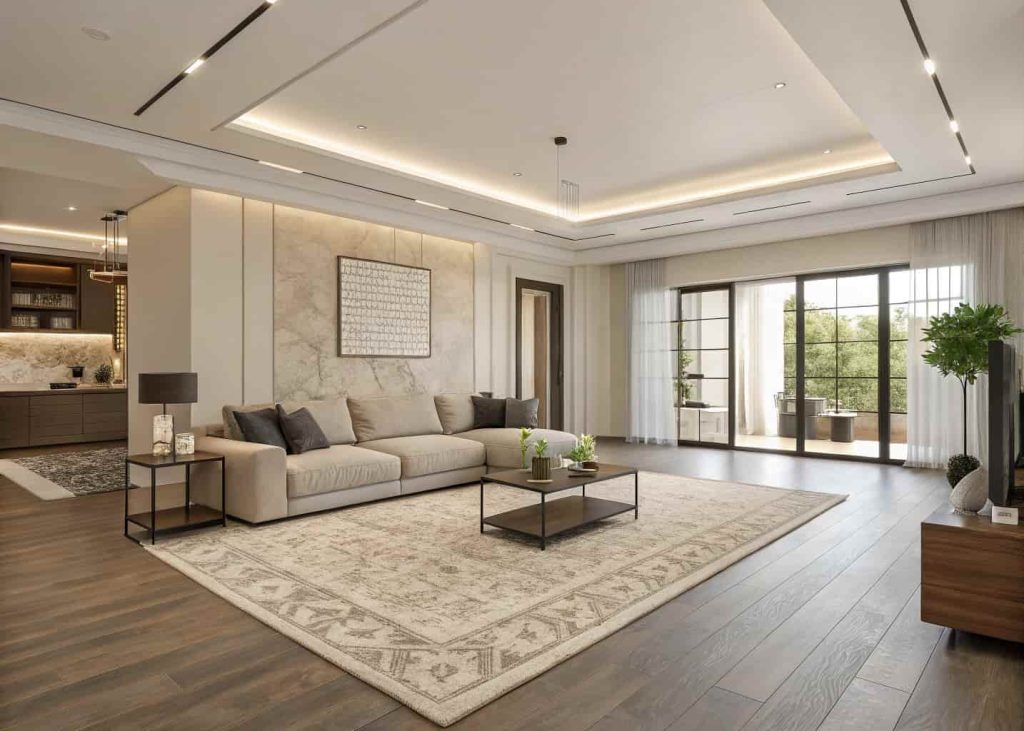
Many rooms are over-furnished without people realizing it. Too much furniture crowds a space and blocks natural flow. Walk through your room and honestly ask which pieces you actually use and which are just filling space. Removing even one extra side table, an unused chair, or a small rug that breaks the visual flow can open up a room remarkably. The same goes for multiple rugs layered together — it often makes a space feel smaller and busier. One good rug, properly sized for the room, is always more effective. Less furniture means more open floor, better movement, and a calmer, more intentional space.
Display Art With Intention
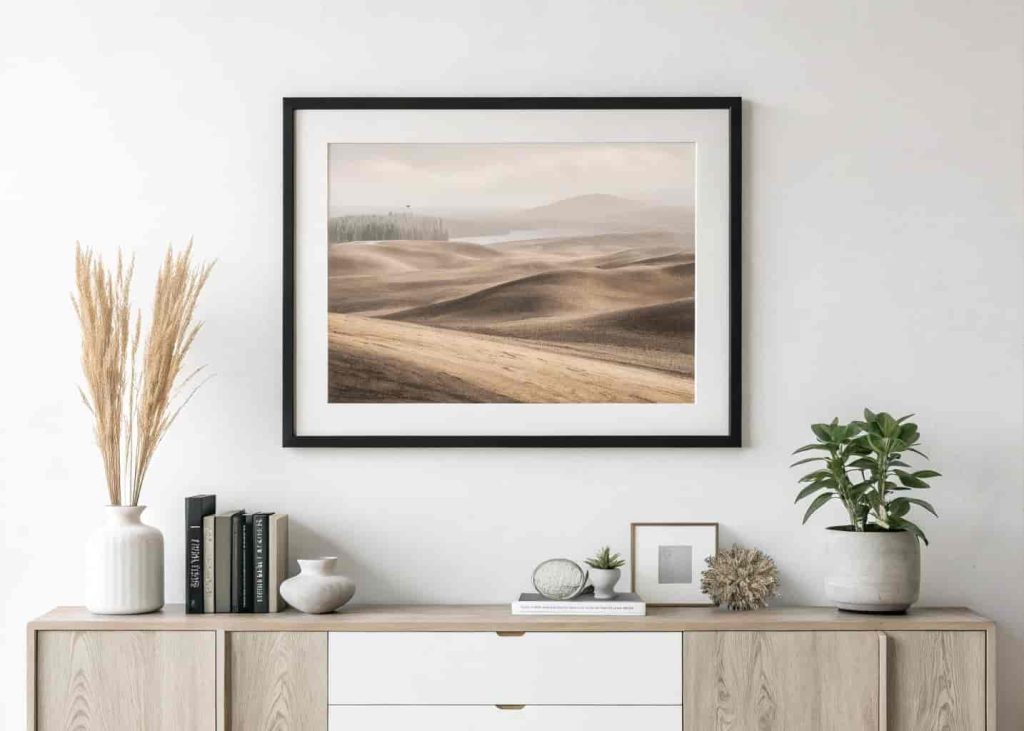
Blank walls don’t have to stay blank, but covering every wall with frames and prints is just visual clutter in a different form. In minimalist decor, less art displayed more thoughtfully has far more impact. Choose one or two pieces you truly love and give them room to breathe. A single large print or painting on a wall, hung at the right height with proper spacing, feels intentional and confident. Avoid tiny frames grouped in large numbers unless they’re done very carefully. Simple black or white frames keep attention on the art itself. Art should feel like a conscious choice, not like you were trying to fill space.
Hide or Manage Your Cords and Cables
Nothing breaks the clean feeling of a minimal room faster than visible cords and cables running across the floor or hanging behind furniture. Cable management is a small but powerful step toward a cleaner space. Use cable clips, cord covers, or simple velcro ties to bundle and hide wires behind furniture or along baseboards. A charging station in a drawer, a cord organizer behind your TV unit, or even a small basket where devices charge out of sight makes an enormous difference. When cords are hidden, every surface and corner looks cleaner and more intentional — even if nothing else in the room has changed.

Use Closed Storage Wherever Possible
Open shelving looks great in magazines but requires constant maintenance to keep looking good. In real life, closed storage is often a better minimalist choice. Cabinets with doors, storage ottomans, baskets with lids, and furniture with hidden compartments all help keep clutter out of sight without requiring perfect organization at all times. When you don’t see the stuff, the room stays calm. This doesn’t mean hiding everything — a few curated open shelves are fine. But everyday items like remote controls, chargers, papers, and random household objects are much better stored behind a door. Out of sight truly does mean out of mind, and out of the visual field.

Keep Your Entryway Clean and Simple
The entryway sets the tone for your entire home. It’s the first thing you see when you walk in and the last thing you see when you leave. If it’s messy — shoes everywhere, jackets piled up, bags on the floor — it affects the feeling of the whole house. A simple hook for one or two jackets, a small tray for keys, and a dedicated spot for shoes goes a long way. A minimal bench with hidden shoe storage is even better. You don’t need much in an entryway. Just a place for the essentials, kept clean and intentional. That small organized space will make coming home feel so much better every single day.

Bring in Natural Materials
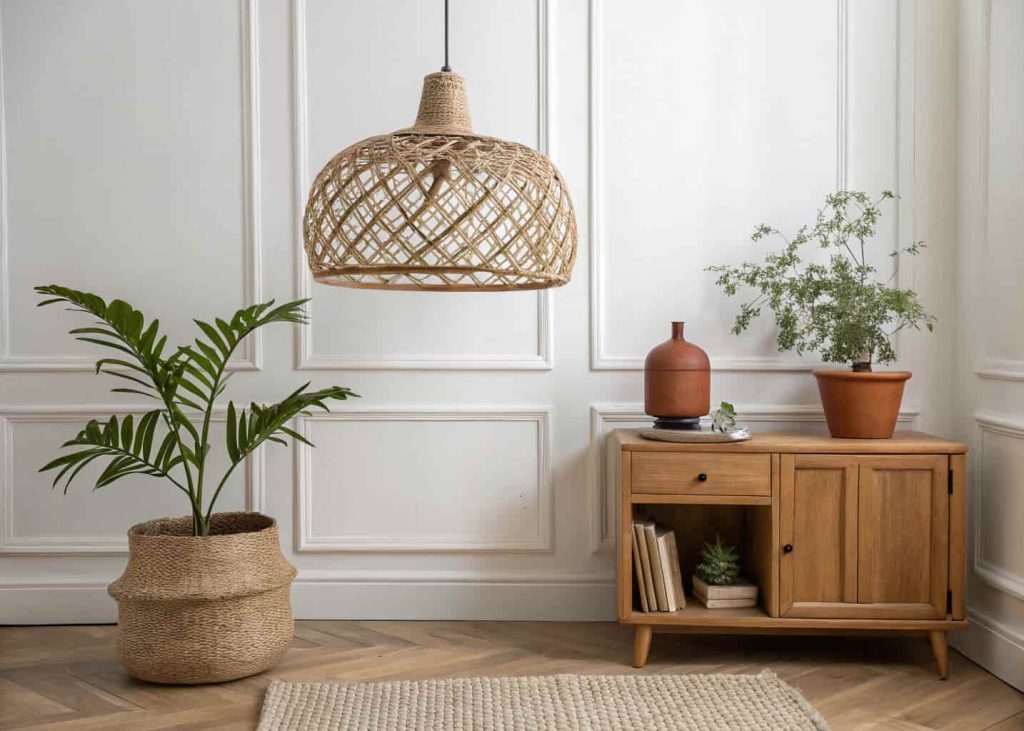
Minimalism can feel cold if it’s all white walls and bare surfaces. Natural materials — wood, stone, rattan, linen, terracotta — add warmth and texture without adding visual clutter. A wooden coffee table, a rattan pendant light, stone coasters, or a terracotta pot all bring a grounded, organic quality to a room that synthetic materials can’t replicate. You don’t need many natural elements — even two or three pieces are enough to warm up a space. These materials also age beautifully, which means they get better over time rather than looking worn out. Natural textures are one of the easiest ways to make minimalist spaces feel genuinely inviting and human.
Edit and Reassess Every Few Months
Minimalist decor is not a one-time project — it’s an ongoing practice. Things accumulate over time without you noticing. New items come in, old ones stay, and slowly a space starts to feel heavy again. Setting aside time every few months to walk through each room and edit what’s there keeps your home feeling the way you want it to. Ask yourself what’s earning its place and what’s just taking up space. Donate, store, or remove what doesn’t belong. This habit of regular reassessment is what separates homes that stay calm and beautiful from those that look good for a week and then slowly go back to chaos. Keep editing, keep improving.
Conclusion
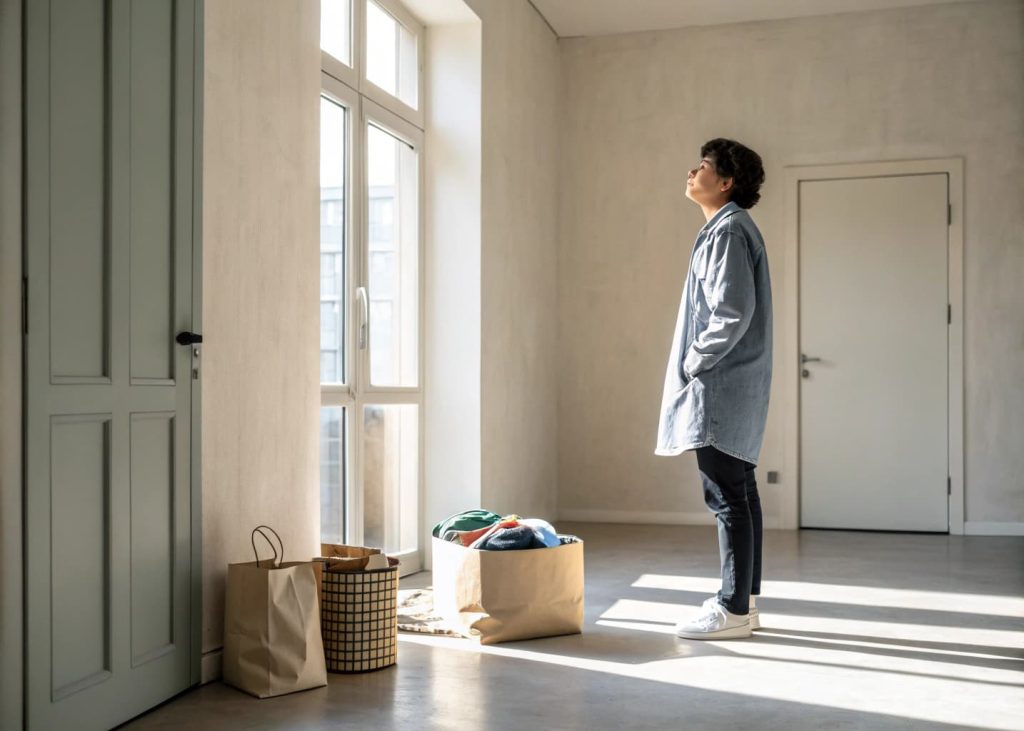
You don’t need a renovation or a big budget to make your home feel better. These 16 minimalist decor changes prove that small, thoughtful decisions add up to a real transformation. The goal of minimalist living spaces is not perfection — it’s clarity. When a room has only what belongs in it, everything feels more intentional, more peaceful, and more like you. Start with one change this week. Clear one surface, hang one curtain properly, or remove one piece of furniture that isn’t earning its place. You’ll feel the difference immediately. And once you do, you’ll want to keep going. A calmer home creates a calmer mind, and that’s worth every small effort.