Introduction: A Bird Unlike Any Other
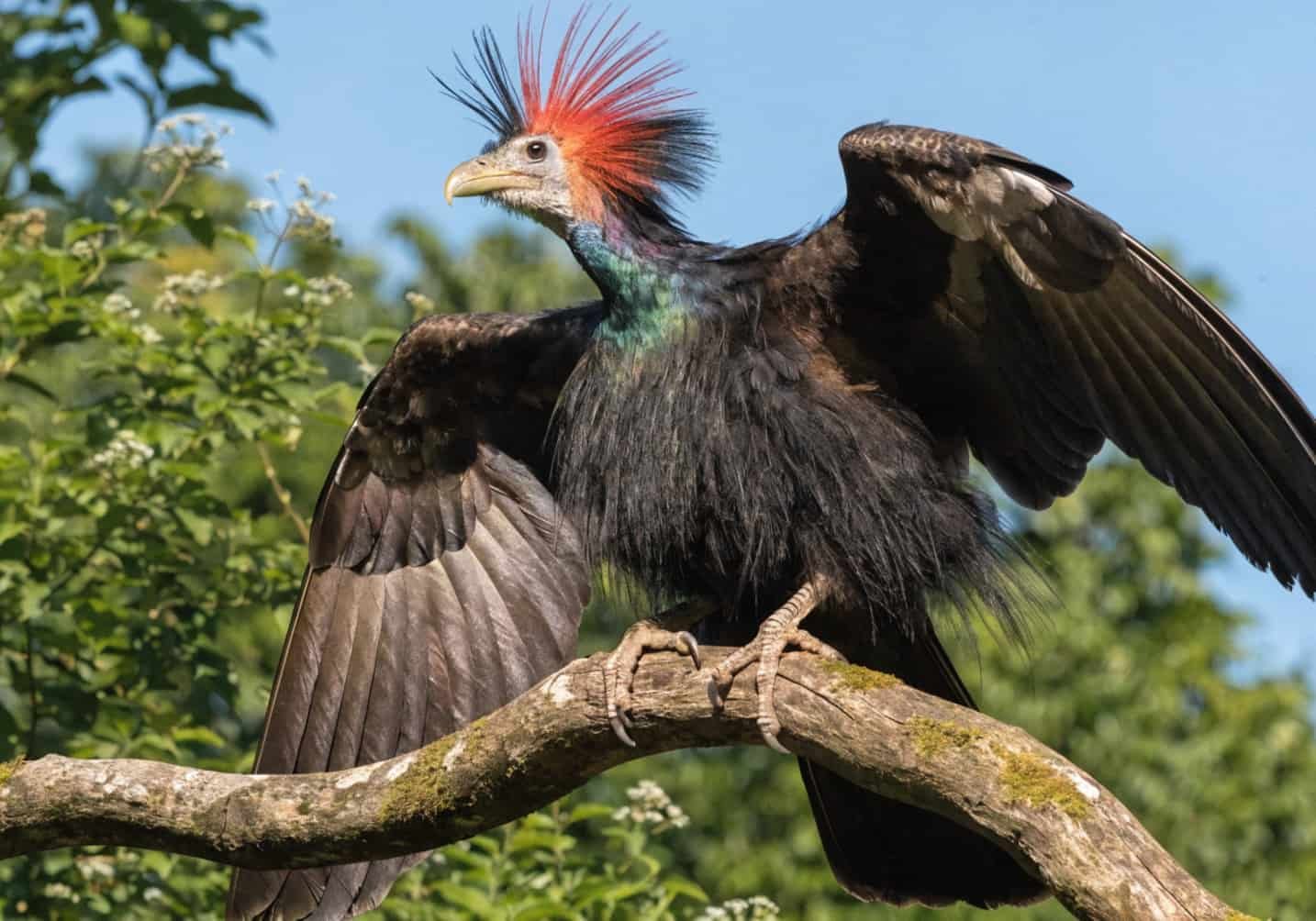
The first time I saw a picture of a hoatzin, I honestly thought it was some kind of cartoon character, not a real bird. That messy crest, those wild red eyes, and its awkward, clumsy way of flying — it was all so strange that I had to look twice. Most birds in nature move gracefully, but the hoatzin seems to break every rule. It lives in the swamps and rainforests of South America, and its whole look is basically nature’s version of a punk rock singer. Its attitude is just as unusual — it doesn’t sing beautifully, and it definitely doesn’t fly with style. Yet people can’t help but stop and stare when they see one. In this article, we’re going to dig into this weird, wonderful bird’s full story — where it lives, how its body works, and the secret that links it all the way back to dinosaurs.
Where Does the Hoatzin Live?
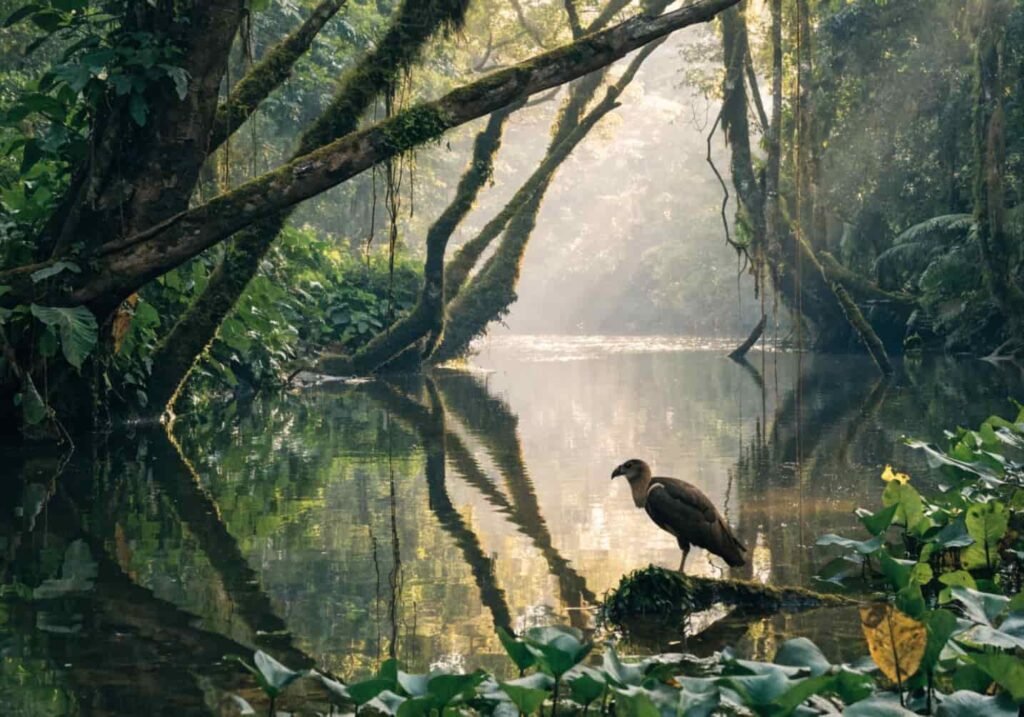
If you ever wander through the swampy parts of the Amazon basin, you might hear a strange hissing sound coming from the trees. Don’t worry, it’s not a snake — it’s probably a hoatzin. This bird is mostly found in South America, tucked away in the wetlands, rivers, and mangroves of countries like Venezuela, Brazil, Peru, Colombia, and Guyana. It likes staying close to open water, where trees hang low over the surface. Have you ever thought about a bird that spends almost its whole life near just one river? That’s exactly what the hoatzin does. It doesn’t travel far and stays deeply attached to its home territory. Part of the reason is its heavy, slow flying style — long journeys just aren’t its thing. So instead of roaming, it sticks close to the swampy world it knows best.
The Punk Rock Look: Crest, Eyes & Colors
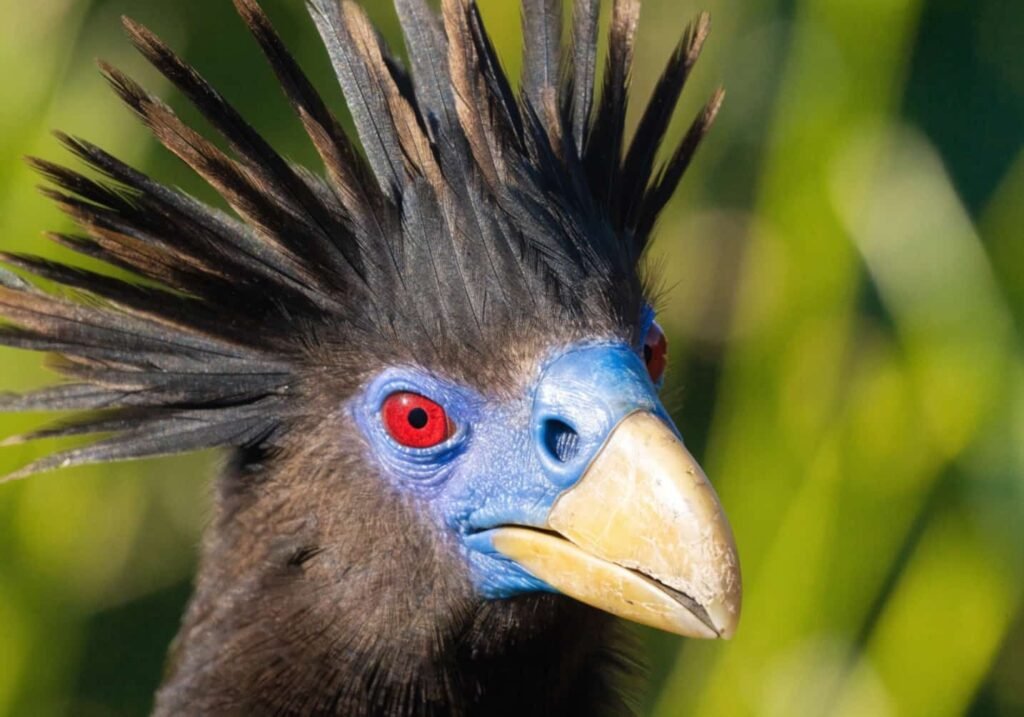
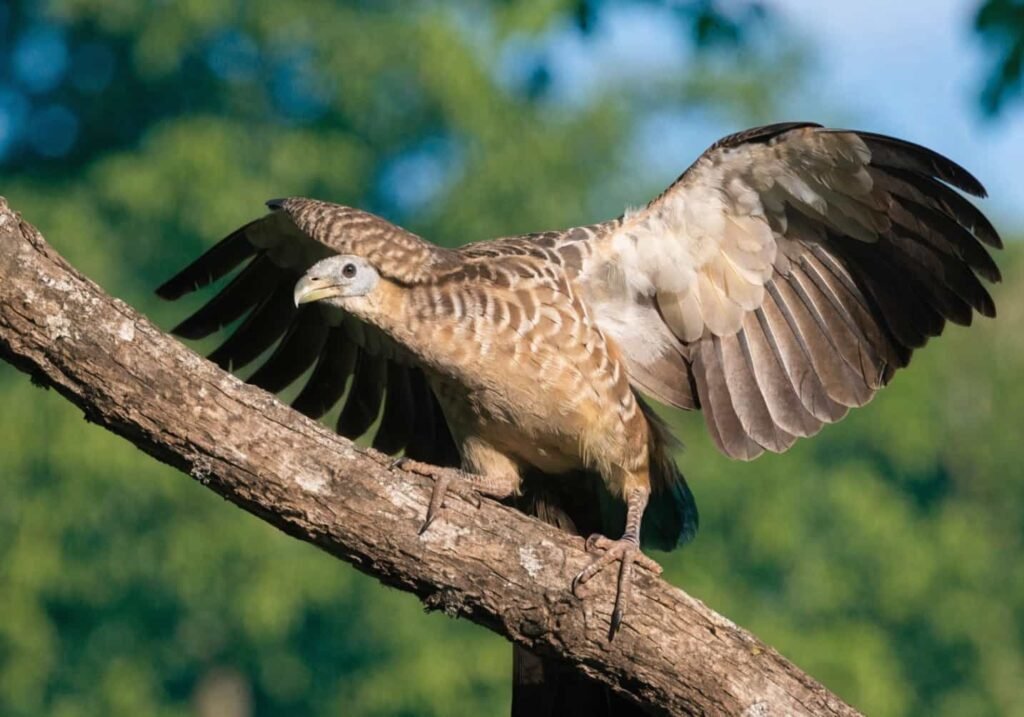
Now let’s talk about the thing that earned the hoatzin its “punk rock bird” nickname. Its head is covered in a messy, spiky crest, almost like someone deliberately stood its feathers on end. Its eyes are a bright, fiery red, and its face is covered in bare blue skin — no feathers there at all, which makes it look even wilder. The rest of its body is just as interesting: brownish wings, a creamy underside, and a hint of orange here and there. Honestly, this bird looks like it’s making a fashion statement. When it tilts its head or balances on a branch, the whole look comes together like a rockstar getting ready for a show. It’s almost as if nature had a wild, creative mood the day it designed this one.
A Bird That Digests Like a Cow
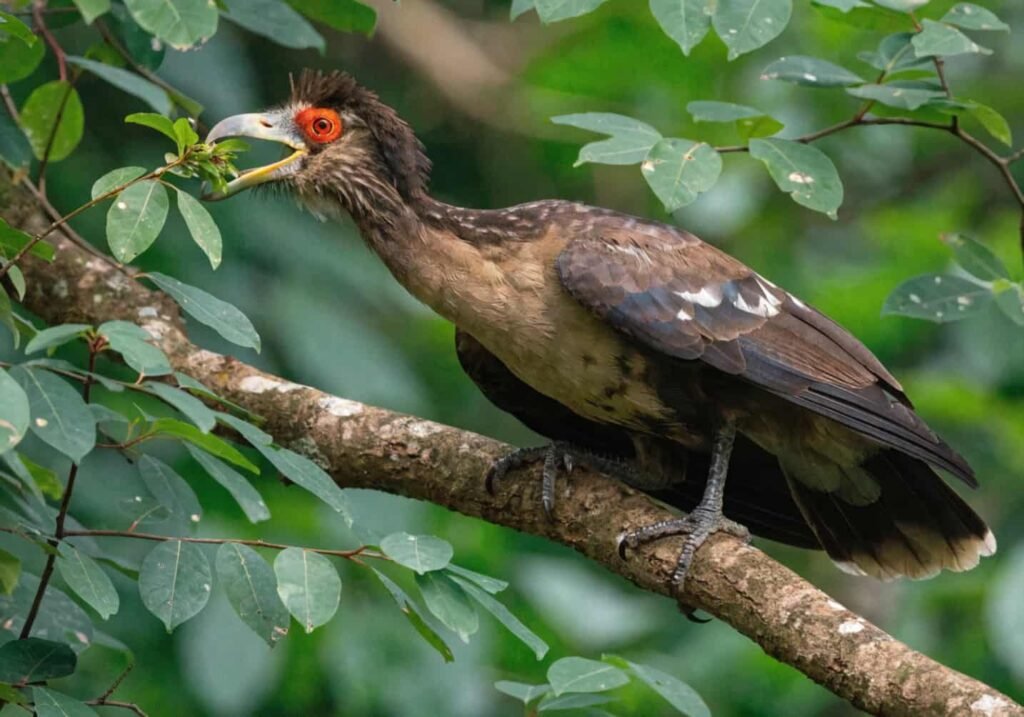
Have you ever thought a bird could digest food the same way a cow does? It sounds strange, but that’s exactly what happens with the hoatzin. It’s one of the only birds in the world that uses foregut fermentation — the same basic process cows and other grazing animals use to break down tough plant material. It has a large crop where bacteria ferment the leaves it eats, helping it digest food that most birds couldn’t handle. This whole digestive setup is so demanding that it actually shrinks the bird’s flight muscles, which is part of why the hoatzin isn’t a strong flyer. Digesting like a cow makes this bird truly one of a kind, but it also comes at a cost. Nature gave it one gift and took away another — a fair trade, in its own strange way.
Why Is It Called the “Stinkbird”?
Honestly, calling it a “stinkbird” feels a little unfair — but once you learn why, you’ll understand. The nickname comes from its digestion process, which gives off a musty, manure-like smell. That smell comes from the same fermentation happening in its crop, just like what you’d notice near a cow. Local hunters tend to avoid this bird for exactly that reason — the smell affects the taste of its meat too. In a strange way, this smell has become the hoatzin’s natural defense system, since almost nothing wants to eat it. Sometimes nature protects its creatures in the oddest ways possible. In the hoatzin’s case, its own bad smell has basically turned into its bodyguard.
Dinosaur Claws: The Hoatzin’s Ancient Secret
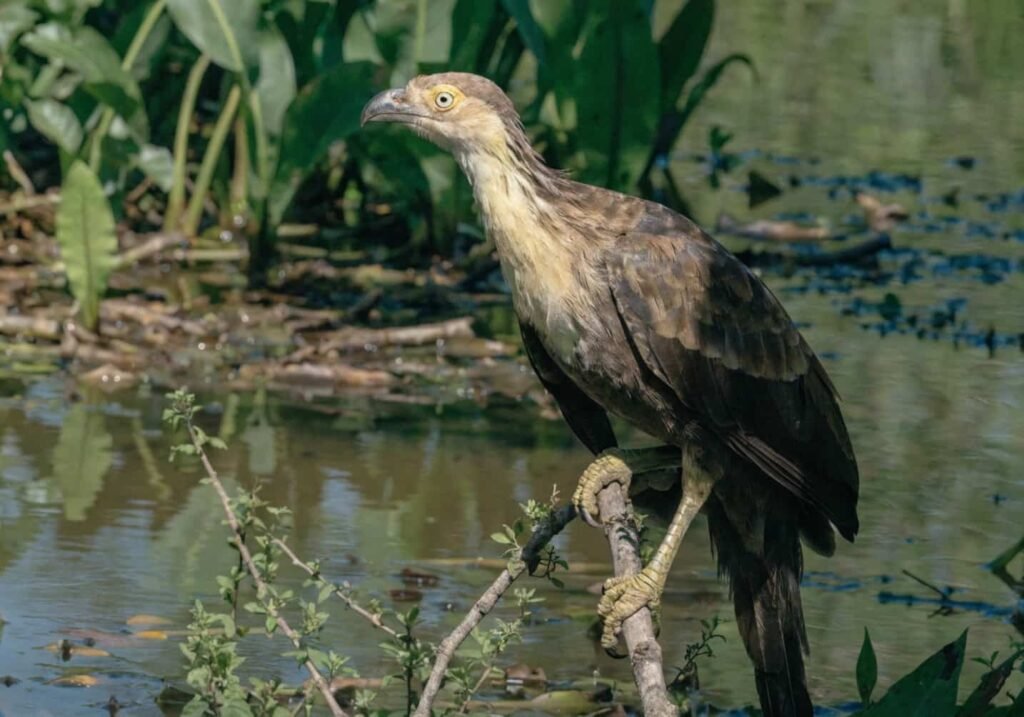
This part is honestly the most fascinating. Hoatzin chicks have tiny claws on their wings — very similar to what ancient dinosaurs had millions of years ago. When a chick senses danger, it uses these claws to climb through branches, and if things get really risky, it’ll even jump straight into the water below. Once the chick grows up, these claws disappear completely. Scientists find this feature incredible because it closely resembles Archaeopteryx, one of the earliest known bird-like dinosaurs. In a way, the hoatzin gives us a living reminder that birds actually evolved from dinosaurs. Just picture it — a tiny chick using its “hands” to scramble up a branch. That scene feels like something straight out of a prehistoric movie.
Hoatzin Chicks: Born to Climb and Swim
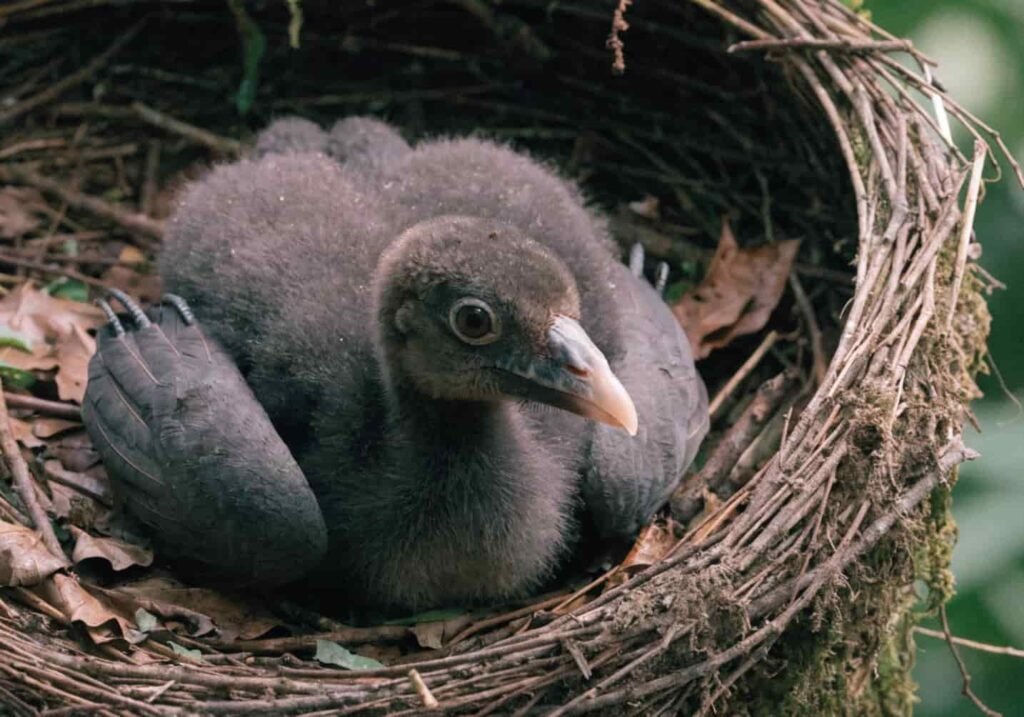
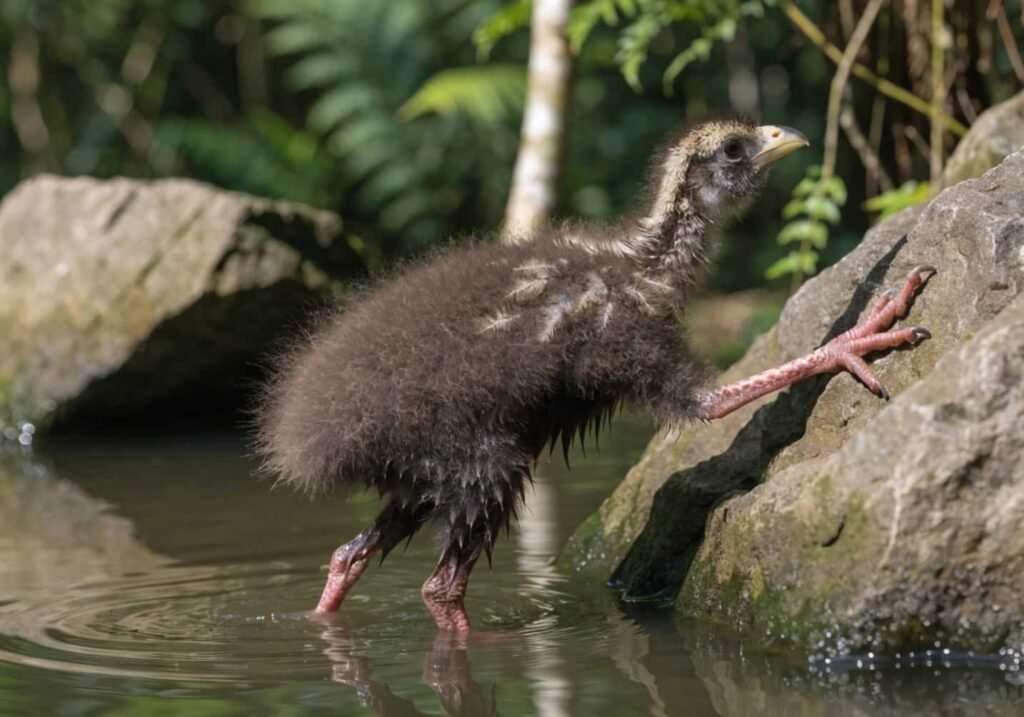
Imagine walking through the Amazon rainforest, and suddenly you spot a tiny chick leaping into the water for safety. This is completely normal for hoatzin chicks. The moment a predator appears, these chicks jump straight out of their nest into the water below, then use their wing claws to climb their way back up. This skill sets them apart from nearly every other bird species out there. Most chicks take a while to become independent, but hoatzin chicks learn to handle their own survival almost right away. It’s one of the clearest examples of adaptation in the animal world — in a swampy, predator-filled environment, evolution gave this bird a very unusual way to stay alive.
Social Behavior and Family Life
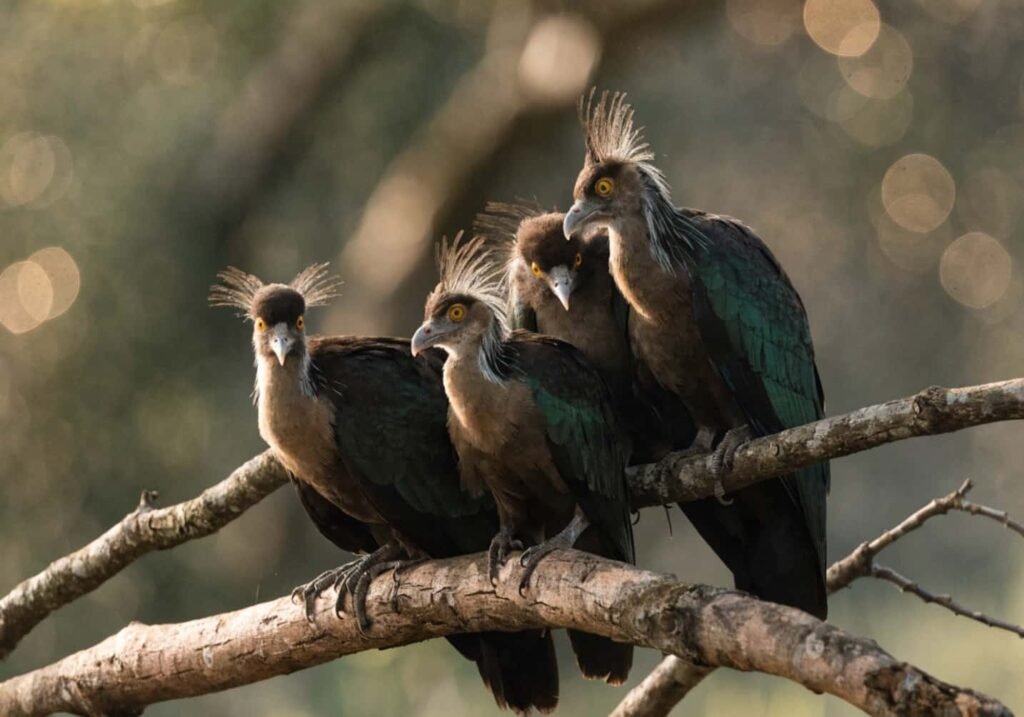
Hoatzins don’t live alone — they prefer sticking together in small groups, where everyone pitches in to help raise the chicks. Older siblings often help take care of the younger ones, which is a pretty rare behavior in the bird world. This cooperative style of parenting makes them feel like a tight little family unit. Group members work together to fend off predators and also share territory without much conflict. Have you ever thought birds could have a family system almost like humans do? That’s basically what the hoatzin has going on. Their social bonds run so deep that these groups rarely break apart. It really seems like nature designed this bird not just to look strange, but to have a strong sense of community too.
Threats and Conservation Status
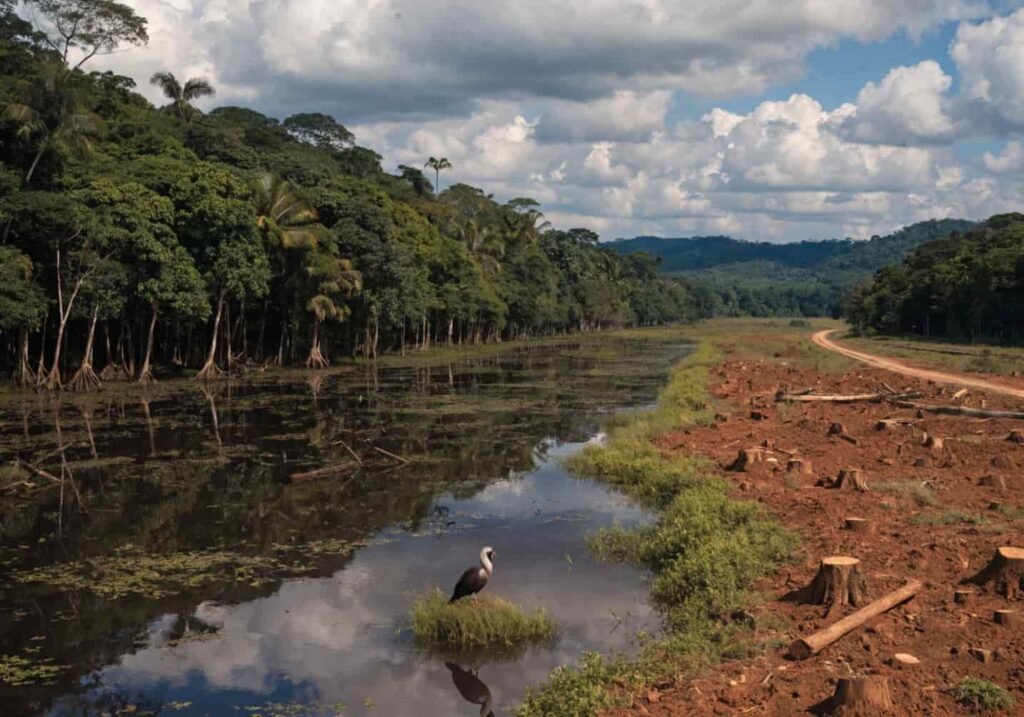
The good news is the hoatzin isn’t endangered right now, but that doesn’t mean it’s completely out of danger either. Deforestation and the destruction of wetlands are slowly shrinking its living space. As more parts of the Amazon get cleared, the hoatzin’s home keeps getting smaller and smaller. This bird can’t really survive without its very specific environment — swampy rivers and mangrove forests. Because of this, conservationists are focusing heavily on protecting these habitats. Local communities are also being educated about why this bird matters, so that this unique species can stick around for future generations. If this odd but fascinating creature ever disappeared, we’d be losing something the world simply can’t replace.
Fun Facts About the Hoatzin
This bird is so unique that the fun facts just keep coming. It’s the only bird in the world known to use foregut fermentation for digestion. Its scientific name, Opisthocomus hoazin, actually translates to “wearing hair behind,” a clear nod to its wild crest. It’s such a clumsy flyer that it spends most of its time just sitting on branches instead of flying around. The wing claws on its chicks make it completely different from almost every other bird species alive today. And here’s the wildest part — scientists still haven’t fully agreed on which bird family it actually belongs to. In a way, the hoatzin has created its own category, following nature’s rules in a way that’s entirely its own.
Conclusion: Why the Hoatzin Deserves More Attention
The hoatzin isn’t just a strange-looking bird — it’s living proof of how wild evolution can get. Its punk rock appearance, cow-like digestion, dinosaur-era claws, and tight family bonds make it one of the most unique birds on the planet. A lot of people have never even heard of this bird, but honestly, it deserves way more attention than it gets. Next time you’re watching a documentary about the Amazon, keep an eye out for this weird yet amazing creature. Nature doesn’t always create things that are perfect or conventionally beautiful — sometimes it just creates something fascinating instead. The hoatzin is exactly that: a living reminder that evolution never really follows a predictable path.