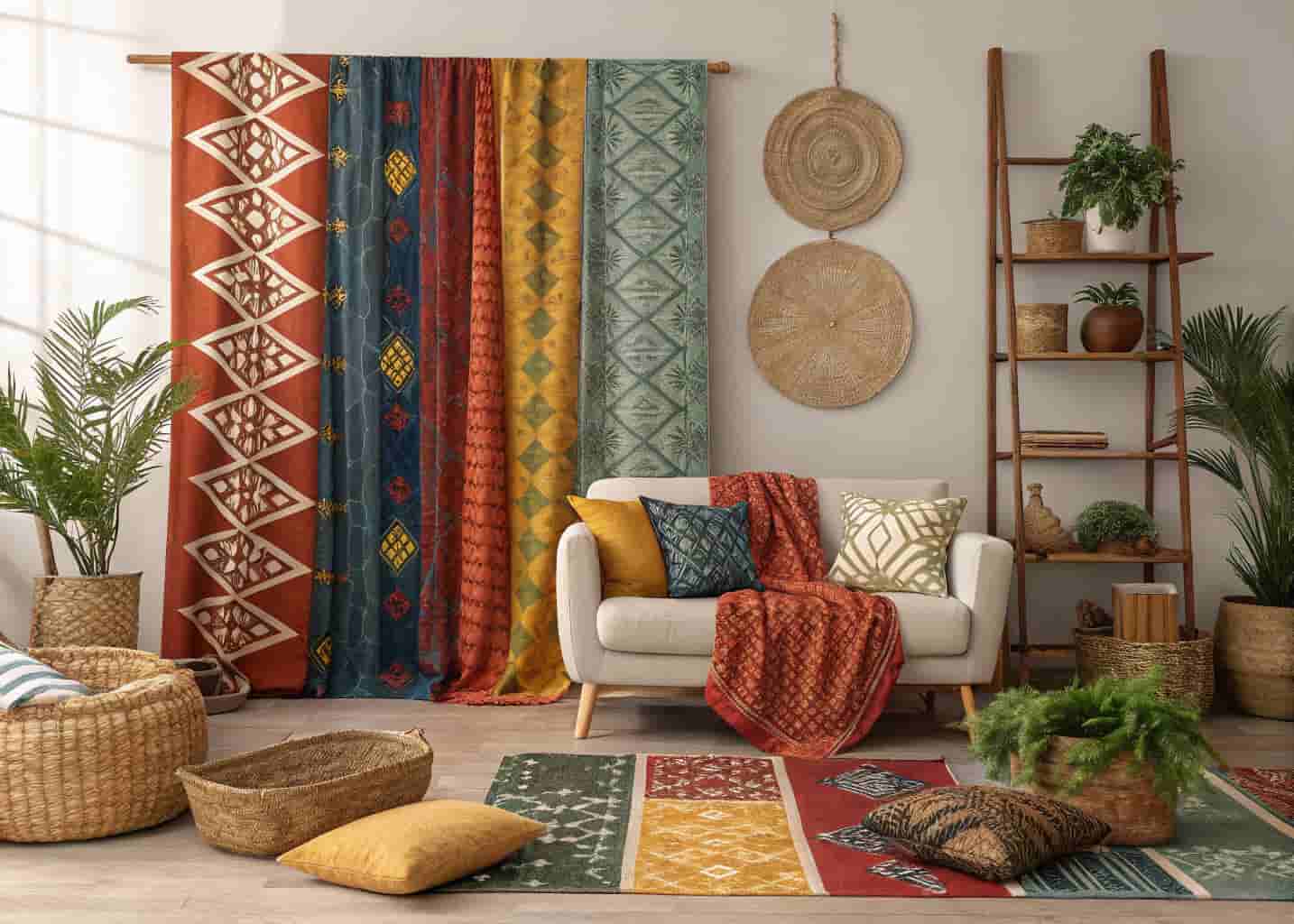
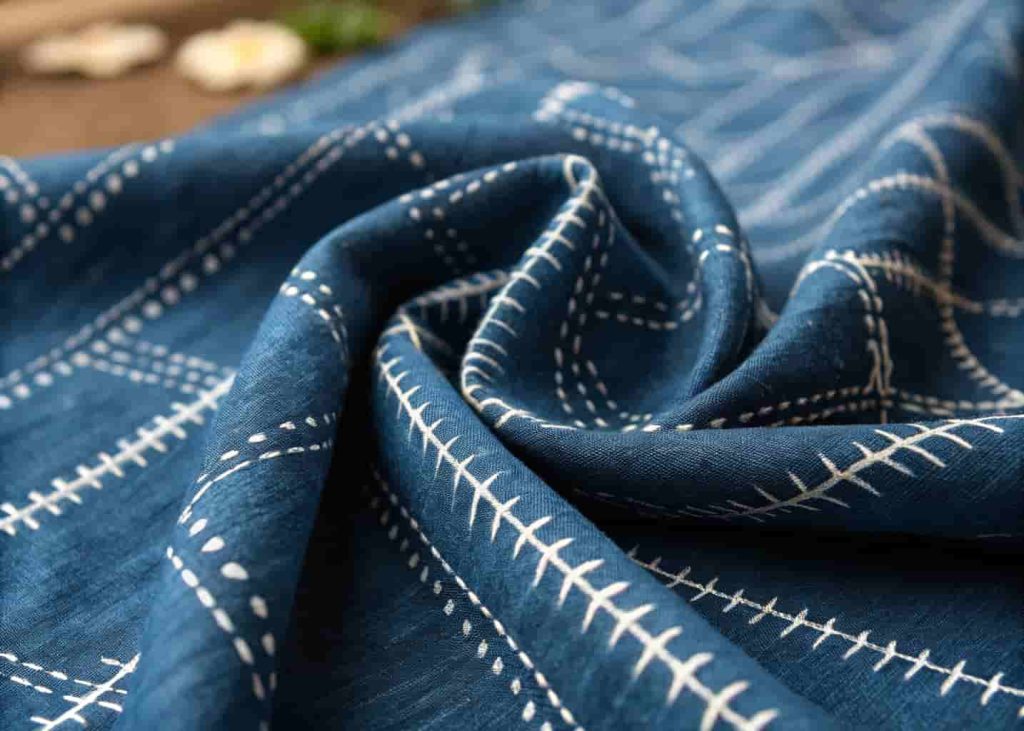
Walk into any stylish Lagos home right now, and chances are you’ll spot indigo fabric somewhere — draped over a sofa, stretched across a wall, or stitched into throw pillows. That fabric is almost certainly Adire. It’s a traditional Yoruba resist-dye textile that’s been made in southwestern Nigeria for centuries. Women in Abeokuta and Ibadan have been creating it by hand — tying, stitching, stenciling, or painting cassava paste onto cloth before dyeing it in natural indigo. The result is bold, abstract, deeply personal patterns you simply cannot replicate with a machine. No two pieces look the same. That’s the magic. And right now, the whole world is catching on. Interior designers from Lagos to London are weaving Adire into their projects, and homeowners who want something with real soul — not just IKEA-pretty — are turning to it fast.

Adire Throw Pillow Ideas for a Bold Living Room
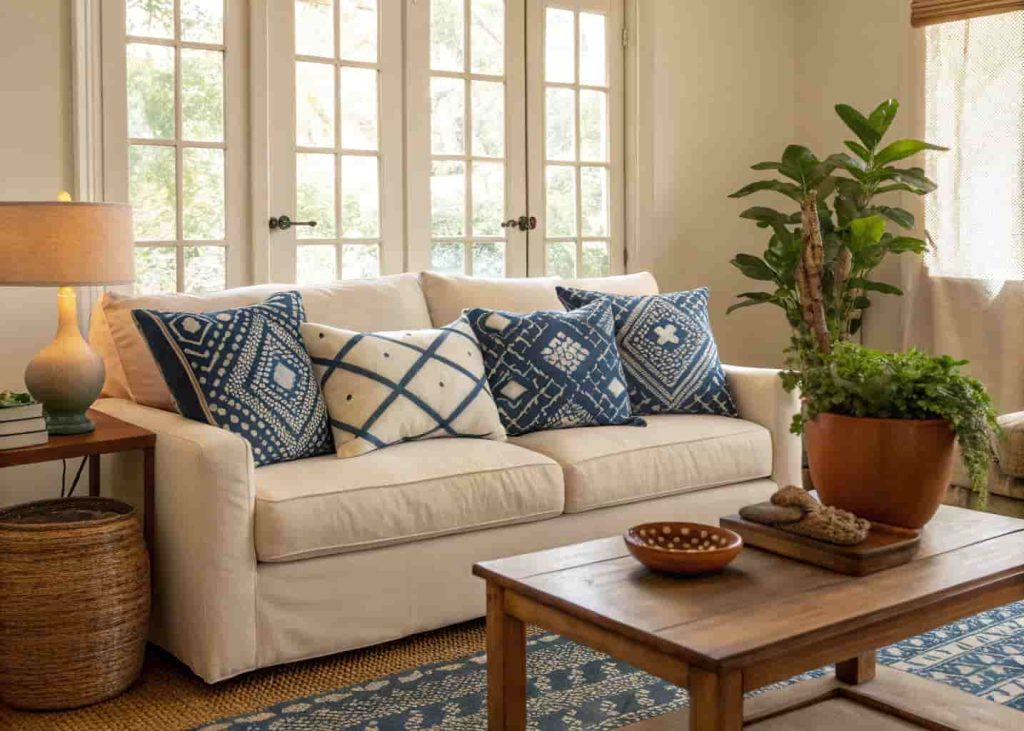
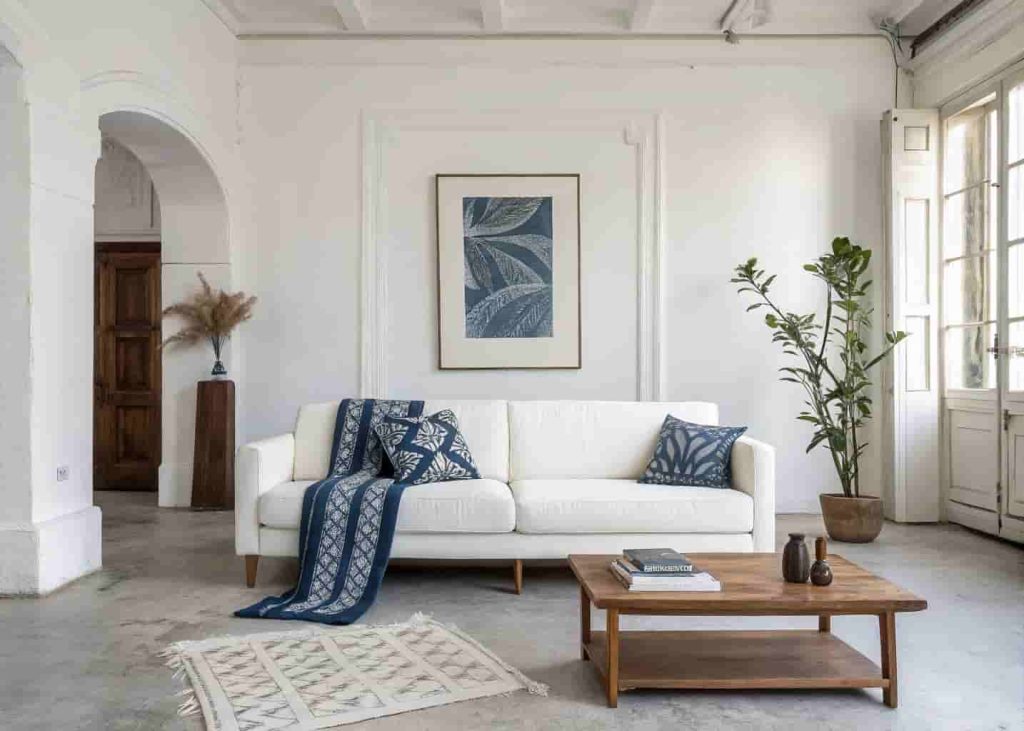
If you’ve never tried Adire in your home before, throw pillows are honestly the best place to start. They’re low commitment, easy to swap out, and they make an instant statement. Imagine a plain cream sofa — maybe you’ve had it for years and it’s starting to feel a bit boring. Now layer on three or four Adire-printed cushions in deep indigo, with white geometric patterns or sunburst spirals, and suddenly that same sofa looks like it belongs in a design magazine. You can mix a few different Adire patterns together and it still works, because the indigo color palette ties everything together. Try pairing smaller circle-pattern pillows with larger rectangular ones featuring linear stitching patterns. Add one or two in rust or earth tones to break the blue and the whole setup feels warm, layered, and intentional.
Wall Hanging Decor Using Adire Fabric Prints
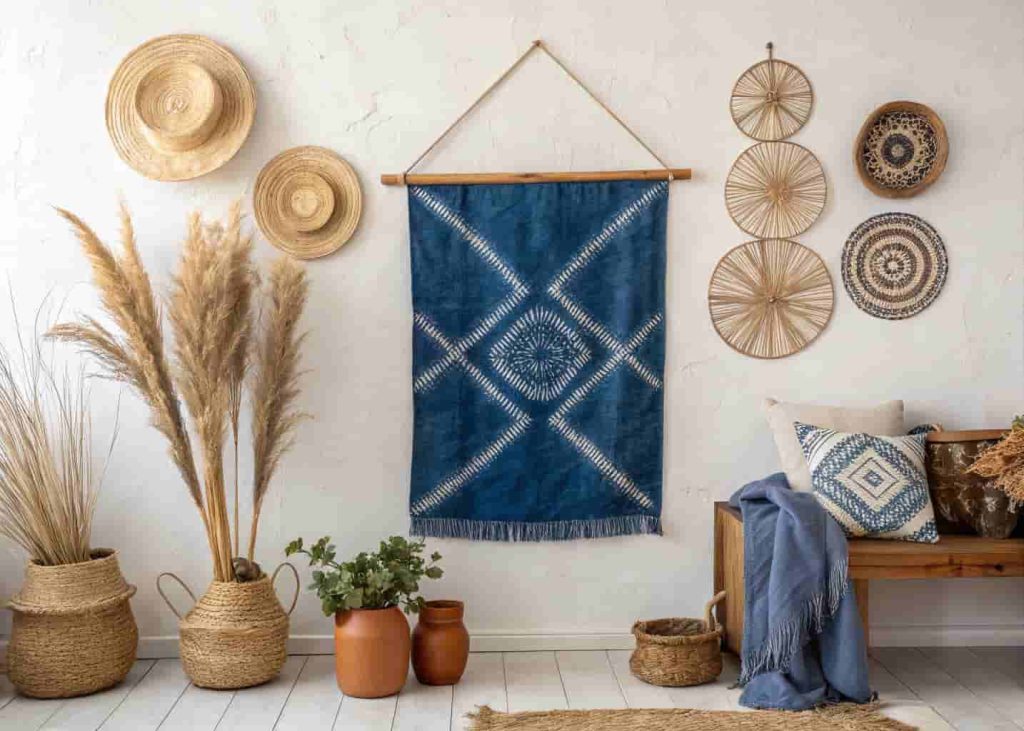
Here’s a question — when did we all decide walls had to be covered in framed prints or paintings? A piece of Adire fabric hung on a wall hits differently. It’s textured, it moves slightly when there’s a breeze, and it brings a warmth that no canvas print ever could. You don’t need a fancy frame or a professional installation. A simple wooden dowel at the top with two pieces of twine tied at each end does the job beautifully. For a living room feature wall, try a large rectangular piece — maybe 60 by 90 centimeters — with a bold oniko (tied pattern) design. Hang it slightly off-center for that editorial, non-matching look that feels very current. If you have high ceilings, layer two or three pieces at different heights. The effect is almost like an art gallery, but rooted in something real and cultural.
Adire Upholstery Ideas for Statement Furniture
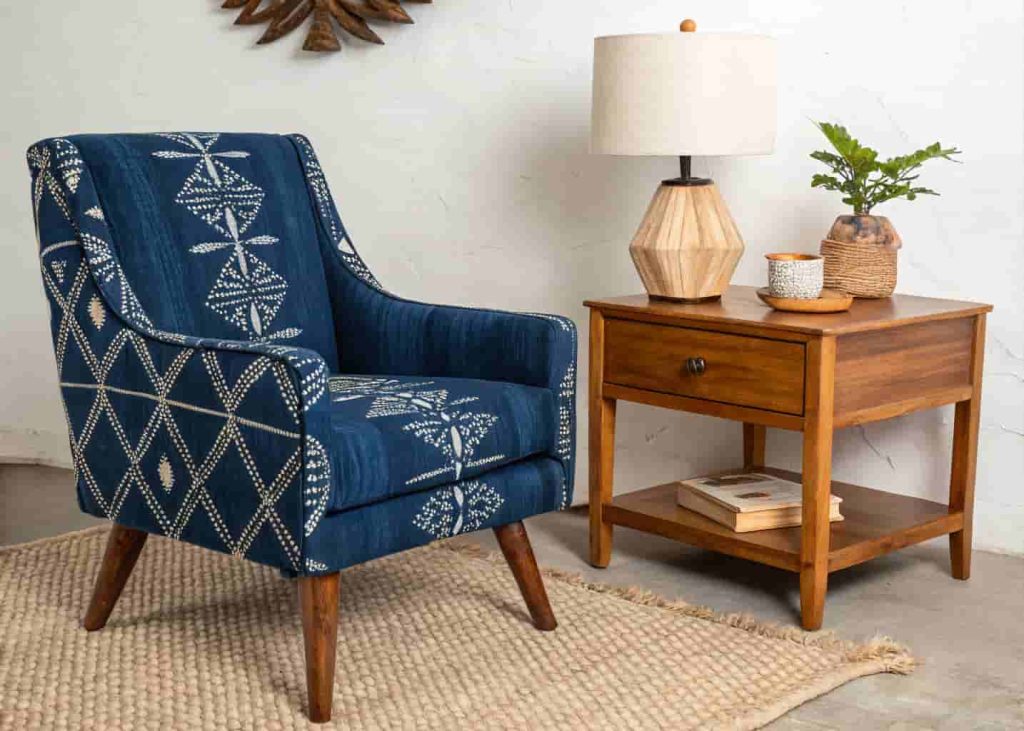
This one takes a bit more commitment, but the payoff is absolutely worth it. Reupholstering a chair or a bench in Adire fabric turns ordinary furniture into a conversation starter. Think about an old accent chair that’s seen better days — take it to a local upholsterer and have the seat cushion and backrest covered in a solid indigo Adire with a subtle batik print. Suddenly it’s the most interesting piece in the room. You can also do this with dining chairs — reupholstering just the seats in matching Adire fabric makes the whole dining area feel deliberately designed. If you want something bolder, try an Adire-covered bench at the foot of your bed. It creates that layered, multi-textile look that’s very Afrobohemian. The key is to keep surrounding furniture simple so the upholstery gets the attention it deserves.
Cozy Bedroom Styling With Adire Textiles
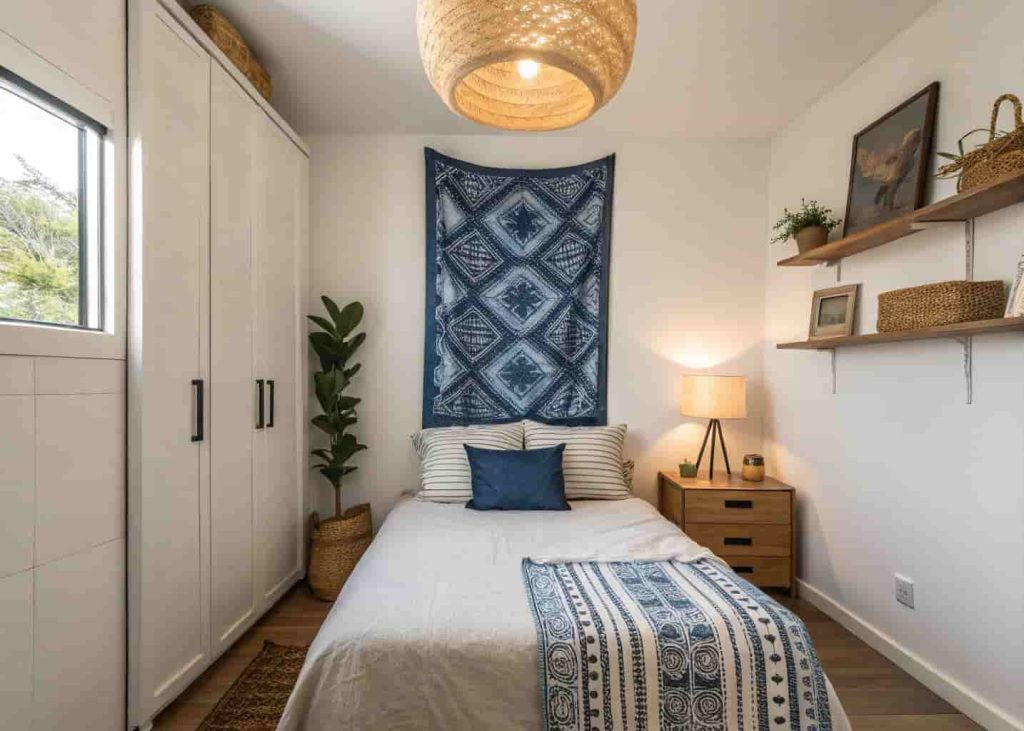
The bedroom is where Adire truly gets to breathe. You’re not going for loud here — you’re going for deeply comforting. A handmade Adire bedrunner laid across the foot of a neutral bed is one of the simplest, most effective styling moves you can make. Pair it with Adire-print pillowcases in a slightly different pattern and the whole bed feels intentionally layered without being overwhelming. If you really want to commit, an Adire throw blanket draped casually over one corner of the bed adds texture and depth that plain fabric just can’t give you. The organic, irregular nature of hand-dyed Adire means every morning you wake up to something genuinely unique. Add a woven jute rug on the floor, a rattan bedside lamp, and maybe a small Adire-covered cushion on a reading chair, and your bedroom starts to feel like a retreat.

Adire Curtain Ideas That Add Color and Texture
Adire curtains are a bold move, and they absolutely work — but you have to be thoughtful about how you use them. Lightweight Adire cotton works well for daytime curtains or sheers layered behind heavier linen panels. If you hang pure Adire as floor-length curtains in a room with plenty of natural light, the indigo becomes almost luminous. The patterns glow. It’s genuinely beautiful. For smaller windows — like a bathroom or a kitchen — a single Adire panel hung with wooden rings on a simple rod adds so much character without overwhelming the space. If your room already has patterned furniture or a busy rug, keep the Adire curtains in a simpler design like plain oniko dots rather than complex geometric prints. The goal is harmony, not competition. Let one piece be the star.

Mixing Adire Patterns With Neutral Decor
One of the most common fears people have with Adire is that it’ll clash with everything else they own. It won’t — as long as you pair it with the right neutrals. Cream, warm white, sand, beige, warm grey, and natural wood tones are your best friends here. The deep blue-black of indigo Adire creates a stunning visual anchor against these soft, muted backgrounds. A simple example: an Adire pillow on a jute-colored sofa with white walls looks clean and sophisticated. Add a terracotta plant pot nearby and a light wood coffee table and you’ve got a space that feels both earthy and designed. Don’t be afraid of mixing two or three different Adire patterns — the indigo palette is so consistent that even very different prints from the same cloth tradition feel cohesive together. That’s the beauty of a fabric with such a strong color identity.

Afrobohemian Dining Room Ideas With Adire Accents
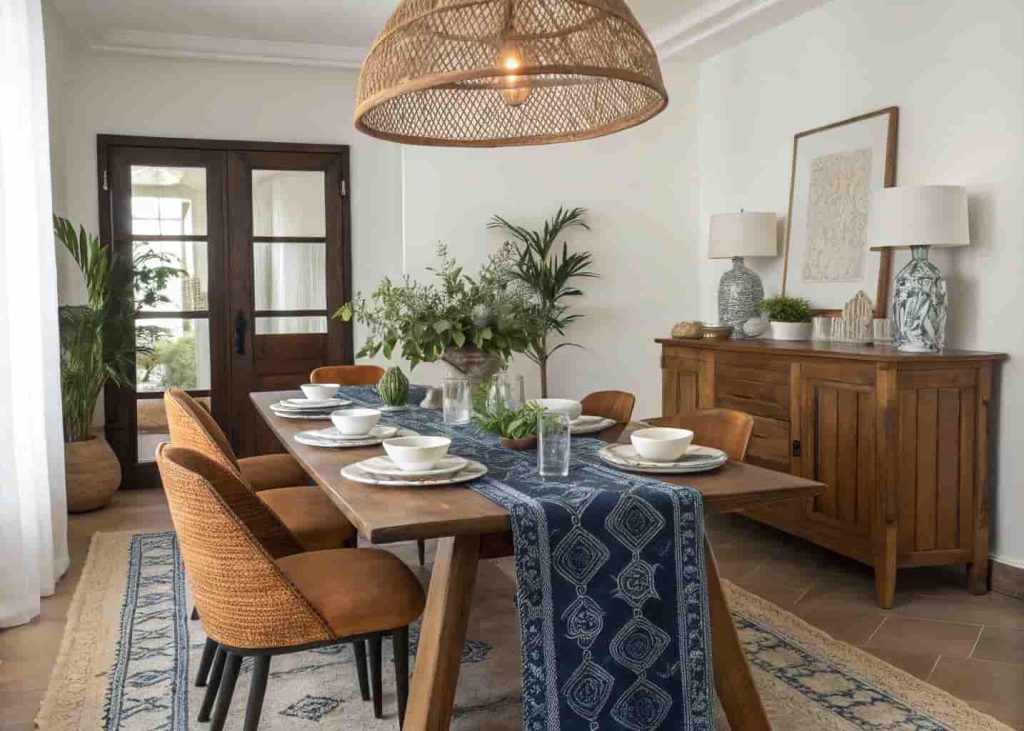
The dining room doesn’t get nearly enough attention in home decor conversations. But it’s actually one of the easiest places to introduce Adire in a way that feels elegant rather than overwhelming. Start with an Adire table runner as your base layer — we’ll get into that in detail later — and then look at the chairs. A set of dining chairs with Adire-upholstered seat pads immediately elevates the whole room. You could even hang a framed piece of Adire on the dining room wall as a focal artwork. The trick in the dining room is to keep everything else simple. White or cream tableware, natural linen napkins, a wooden centrepiece bowl. Let the Adire do the heavy lifting visually. When your guests sit down to eat and see that fabric, they’ll want to know the story behind it. That’s the conversation Adire always starts.
DIY Adire Fabric Decor Projects for Beginners
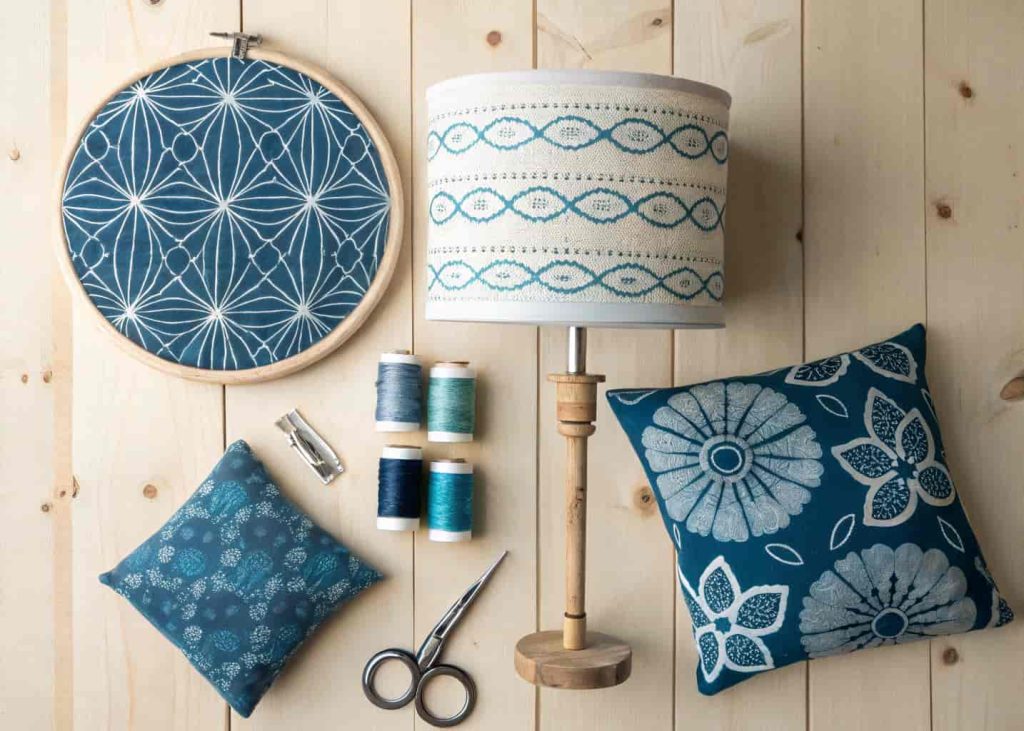
You don’t have to be crafty or artistic to use Adire in DIY decor. Some of the most beautiful Adire-inspired projects are genuinely simple. One of the easiest is making a fabric frame — take a small embroidery hoop, stretch a piece of Adire over it tightly, tie it at the back, and hang it on a nail. Done. That’s a wall art piece in ten minutes. Another beginner project: buy a plain lampshade and use fabric glue to attach a strip of Adire fabric around the base or the middle. The light coming through it at night creates the most beautiful patterned glow. You can also stitch Adire fabric scraps onto plain cushion covers to create a patchwork effect. The uneven hand-crafted look is part of the charm. These kinds of small DIY touches are what make a home feel personal rather than like a showroom.
Adire Table Runner Ideas for a Stylish Setup
A table runner is one of the smallest purchases you can make, but the styling impact is completely out of proportion with its size. An Adire table runner placed down the center of a dining or coffee table instantly anchors the whole space. For a dining table, choose a runner that’s long enough to drape slightly over both ends — that casual overhang looks effortlessly styled. If you’re layering textures, try placing the Adire runner over a plain linen or jute tablecloth so the indigo pattern pops against a lighter base. On a coffee table, a shorter Adire piece looks amazing under a tray, a candle, and a small plant. The combination of organic pattern, warm candlelight, and living green is almost impossible to get wrong. You can also rotate your runner seasonally — Adire’s versatile enough to feel fresh no matter the time of year.

Layering Adire Fabrics With Natural Materials
Adire was born from nature — indigo plants, cassava starch, cotton cloth — so it makes perfect sense that it looks best when surrounded by other natural materials. Rattan, jute, wicker, sisal, raw wood, terracotta, linen — these are Adire’s natural companions. Think of it this way: you’re essentially bringing the outside in. A jute rug under a coffee table covered in Adire accents, next to a rattan chair with an Adire cushion, with a wooden side table holding a terracotta lamp — that’s a complete vignette that tells a cohesive story. The rough texture of jute and the smooth resist-dye pattern of Adire create a beautiful textural contrast. Avoid mixing Adire with anything that feels too synthetic or shiny. Glass and chrome can work in small amounts, but natural materials will always let Adire shine its brightest.

Modern Home Decor Ideas Using Traditional Adire Prints
Here’s where it gets really interesting. Some designers are taking Adire prints and applying them in thoroughly modern ways — and the results are striking. Picture a sleek, minimalist apartment with white walls, clean-lined furniture, and then one Adire-printed geometric cushion on an otherwise undecorated sofa. The contrast is what makes it work. In modern interiors, Adire doesn’t need to be everywhere — it just needs to be somewhere purposeful. One framed Adire piece as artwork in a modern bedroom. An Adire-patterned lampshade in an otherwise monochrome study. A single Adire throw folded neatly on a white reading chair. The traditional craft against the modern backdrop creates visual tension in the best possible way. It says: this space belongs to someone who knows their heritage and also knows how to live well.
Small Space Decor Tips With Adire Textiles
Small spaces can absolutely carry Adire — you just have to be selective. The rule for compact rooms is: one or two strong pieces rather than many small ones scattered around. A studio apartment, for example, benefits enormously from a single large Adire wall hanging because it gives the eye a clear place to land and makes the room feel more intentional. In a small bedroom, an Adire bedrunner is perfect — it adds color and pattern without making the room feel busy. For tiny apartments where you have to be really strategic, Adire lampshades are wonderful because they add atmosphere and pattern only when the light is on, without taking up any floor or shelf space. The biggest mistake in small spaces is trying to do too much. Pick your favorite Adire piece, style it well, and let it do the work.
Handmade Adire Pieces That Add Personality
There’s something different about owning a piece of fabric that someone made by hand. Not printed on a machine, not manufactured in a factory — actually made by a person who mixed the indigo, tied the fabric, dipped it in the dye pot, and unraveled it to reveal the pattern. That story lives in the cloth. Handmade Adire pieces — especially those sourced directly from Abeokuta artisans or trusted Nigerian makers — carry that energy into your home. A handmade Adire cushion cover feels warmer than a mass-produced one. A hand-stitched anka (stitch resist) piece has visible needle marks that tell you exactly how it was made. When guests ask about it, you get to share that story. In a world full of identical mass-produced decor, something handmade is increasingly rare and valuable. Seek it out. Pay fairly for it. Display it proudly.
Lighting and Accessories That Match Adire Decor
Adire looks best in warm, ambient light — the kind that makes the indigo look rich and almost velvety. Avoid harsh white overhead lighting when you’re styling Adire-heavy spaces. Edison bulbs, warm LED strips, and rattan pendant shades all create the kind of golden glow that brings out the depth in indigo fabric. For accessories, think organic and earthy: clay pots, wooden bowls, dried grass arrangements, woven baskets, smooth river stones, and brass candle holders. Brass especially is a fantastic companion to Adire — the warm gold tones against deep blue create a color story that feels both traditional and luxurious. A few carefully placed brass objects next to Adire textiles — a brass tray, a brass candlestick, a pair of brass bookends — and the whole space takes on a considered, curated quality that looks genuinely expensive.

Creative Ways to Blend Adire Into Contemporary Interiors
Contemporary interiors are increasingly open to cultural textiles — and Adire fits into them better than you might think. The key is treating Adire as you would any high-quality decorative textile: with intention. In a Scandi-influenced interior with lots of white, pine, and grey, a single Adire piece introduces warmth and depth that the Nordic palette often lacks. In an industrial interior with exposed brick and metal fixtures, an Adire wall hanging softens the hard edges and brings organic life to the space. Even in a maximalist interior full of color, Adire holds its own because the indigo is so strong and distinctive. The contemporary approach is to mix it freely — no rules about keeping Adire “in its lane.” It can live alongside Moroccan tiles, Japanese ceramics, or mid-century furniture. What matters is that you love it and that it means something to you.

Conclusion
Adire isn’t just a trending aesthetic — it’s a living textile tradition that deserves to be in more homes. Every piece you bring in carries with it centuries of Yoruba craft wisdom, the hands of the women who made it, and the deep, quiet beauty of natural indigo. Whether you start with a single throw pillow or commit to an entire Adire-themed room, you’re making a choice to fill your space with something that has history, heart, and genuine artistry. That’s what the Afrobohemian aesthetic is really about. Not just style — but substance. So start small if you need to. Find one piece you love. Put it somewhere you’ll see every day. And let Adire do what it’s always done — tell a story worth living inside.