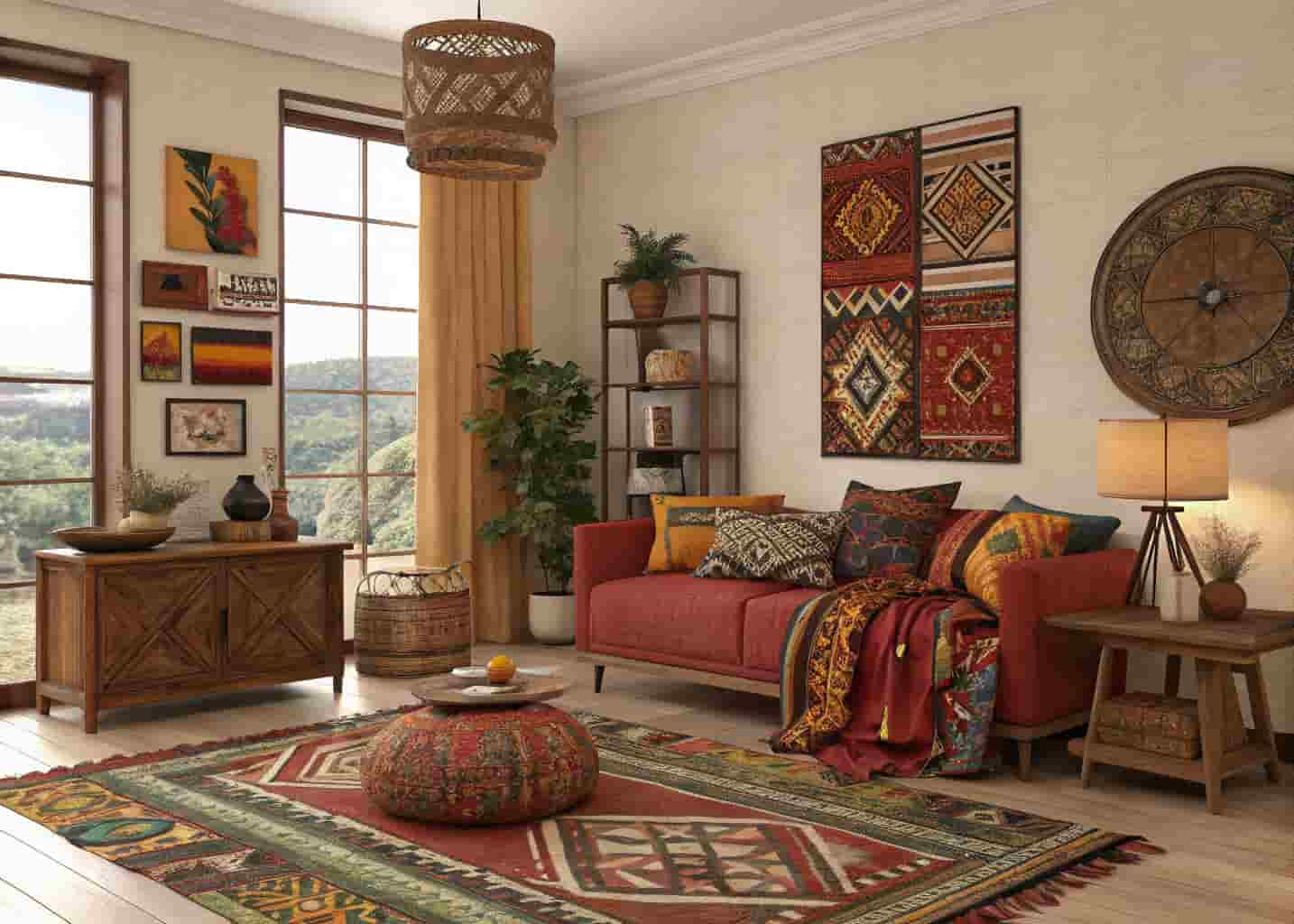
Afrohemian Home Decor style is one of those things you feel before you can explain it. It’s the warm hug of a room where texture, color, story, and soul all live together. In 2026, this blend of African roots and Bohemian freedom is showing up everywhere — from small apartments to big family homes. People are tired of cold, minimal spaces. They want their home to feel like something. Here are 12 Afrohemian decor trends that are doing exactly that right now.
1. Earthy Terracotta Walls and Mud-Cloth Accents
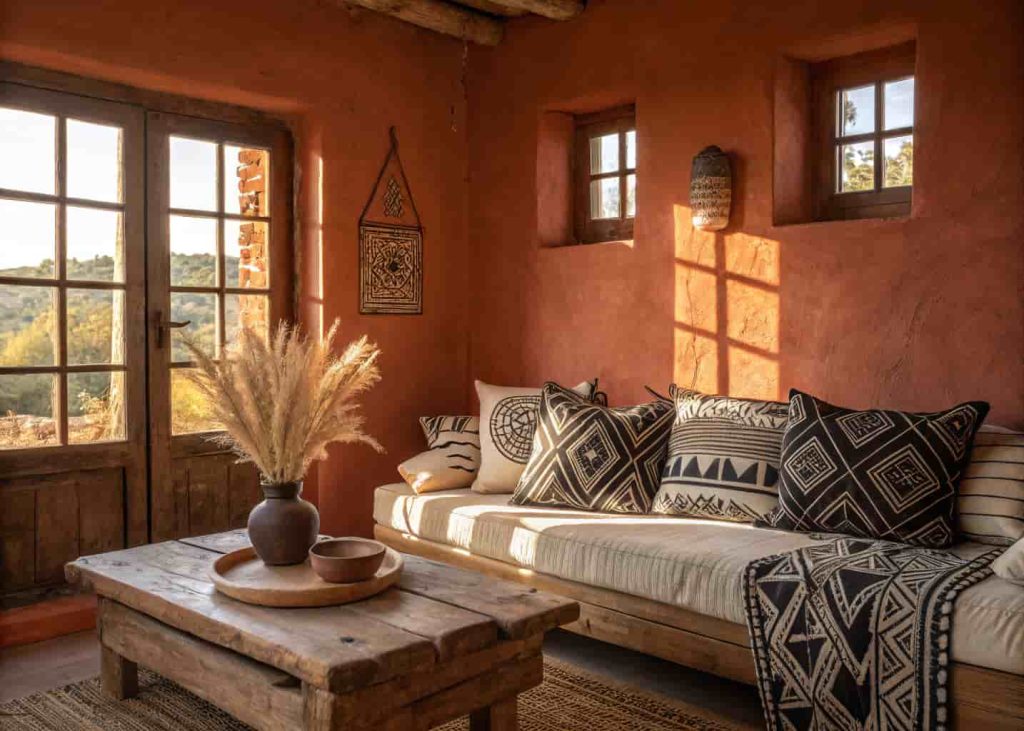
If you have ever walked into a traditional home in West Africa, you already know terracotta is not just a paint color — it is an emotion. This year, interior designers are going all in on deep rust and burnt sienna walls paired with authentic mud-cloth textiles. The Malian mud-cloth, also called Bògòlanfini, brings those striking black and white geometric patterns that make any wall pop. What is smart about this combo is the balance — the soft earthy wall calms things down while the bold fabric pattern adds energy. Layer in some warm amber lighting and a wooden coffee table and you have something that looks expensive but feels totally livable. A friend of mine repainted her living room terracotta last year and threw in two mud-cloth pillow covers she bought from a local artisan market. Honestly, her room looked like a lifestyle magazine shoot after that.
2. Woven Rattan and Natural Fiber Furniture
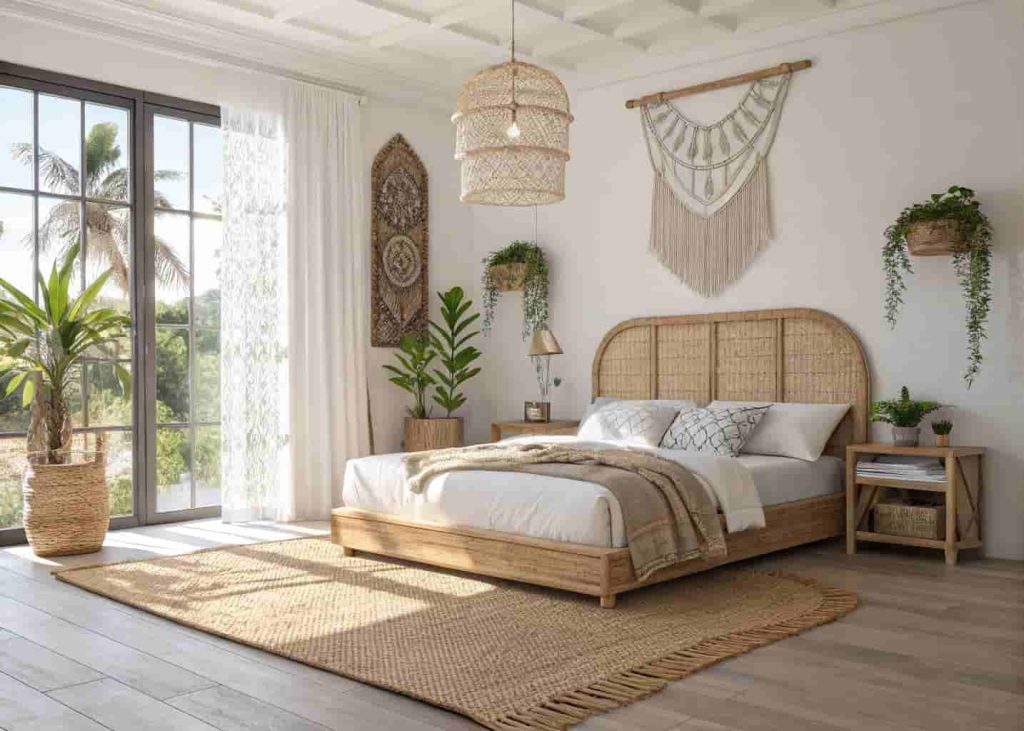
Rattan is having a serious moment right now and it is not going anywhere. In Afrohemian interiors, woven rattan chairs, headboards, and hanging pendant lights are everywhere — and for good reason. They bring that handmade, organic feel that plastic or metal furniture just cannot replicate. Pair a rattan armchair with a jute rug and a macrame wall hanging and you get a layered, textured look that feels collected over time rather than ordered in bulk from a store. The best part? Rattan works in any room — bedroom, living room, even a small balcony. I have seen tiny studio apartments completely transformed just by swapping a plain wooden chair for a woven rattan one. It sounds small but the difference is massive. Natural fibers remind you that your home is connected to the earth, and that is exactly the spirit of Afrohemian design.
3. Bold Kente-Inspired Textiles as Statement Pieces
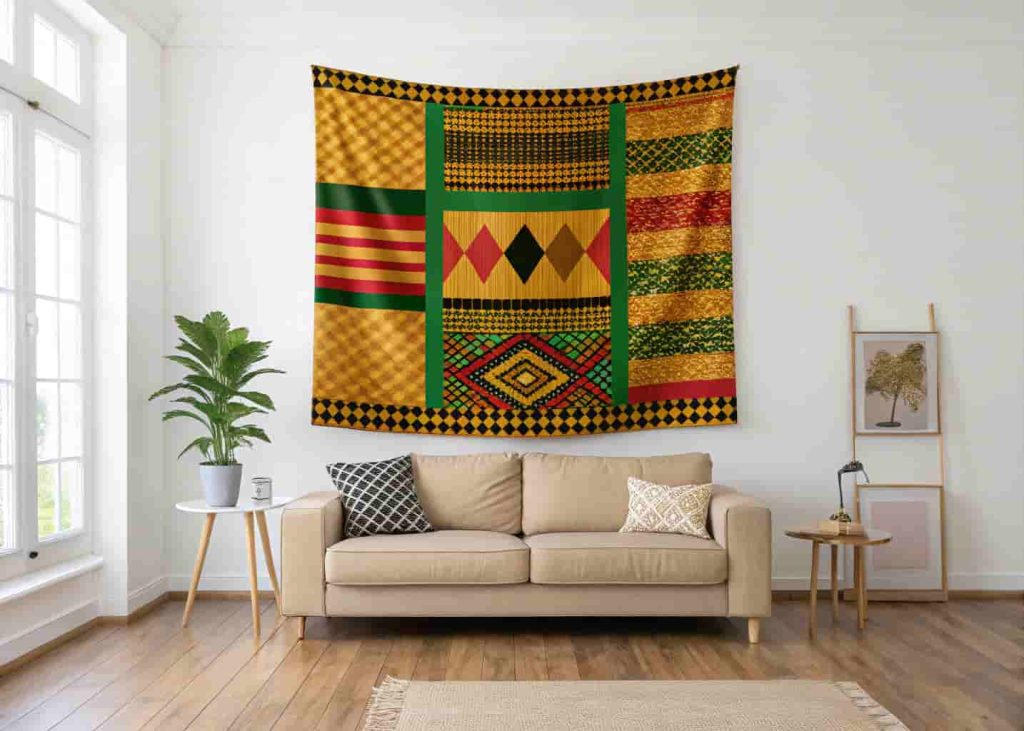
Kente cloth from Ghana is one of the most recognized textiles in the world and in 2026, it is moving from fashion into home decor in a big way. Kente-inspired fabrics — with their bright strips of gold, green, red, and black — are being used as wall tapestries, table runners, curtain panels, and even framed art. The trick to using Kente-inspired prints at home without it feeling chaotic is to keep everything else in the room simple. One bold Kente tapestry on a white wall needs nothing else around it. It is the statement all by itself. You can also use a smaller Kente-print cushion as a pop of color on a neutral sofa. Think of it like wearing a bold necklace — the rest of your outfit stays clean. These textiles carry history and meaning, which is something mass-produced decor simply cannot offer.
4. Carved Wood and Bronze Sculptural Accents
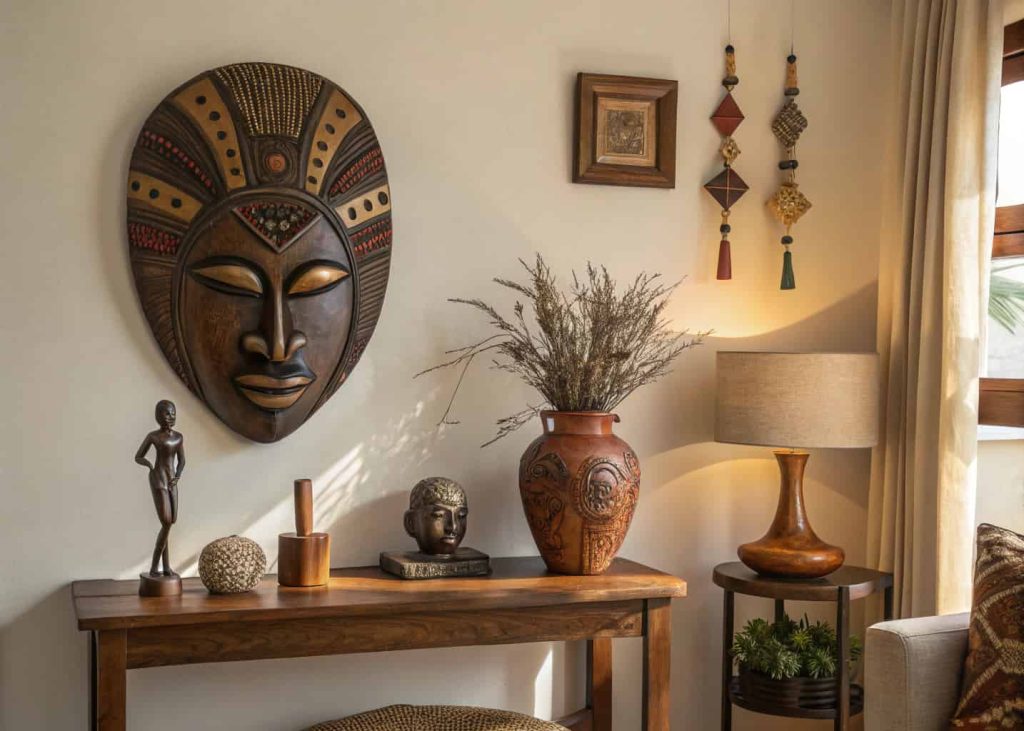
Afrohemian spaces are never flat. There is always something three-dimensional happening — a carved wooden mask on the wall, a bronze figurine on the bookshelf, a hand-sculpted vase on the side table. In 2026, carved wood and bronze decorative accents are among the most sought-after pieces in this aesthetic. These are not just decorative objects — they are conversation starters. When someone walks into your home and sees an intricately carved Yoruba door panel repurposed as wall art, they stop and ask about it. That is the power of objects with story. You do not need a lot of them. One well-placed bronze bust or carved wooden bowl does more work than a shelf full of generic trinkets. The key is choosing pieces that feel intentional, not just collected randomly.
5. Layered Tribal Rugs and Mixed-Pattern Floors
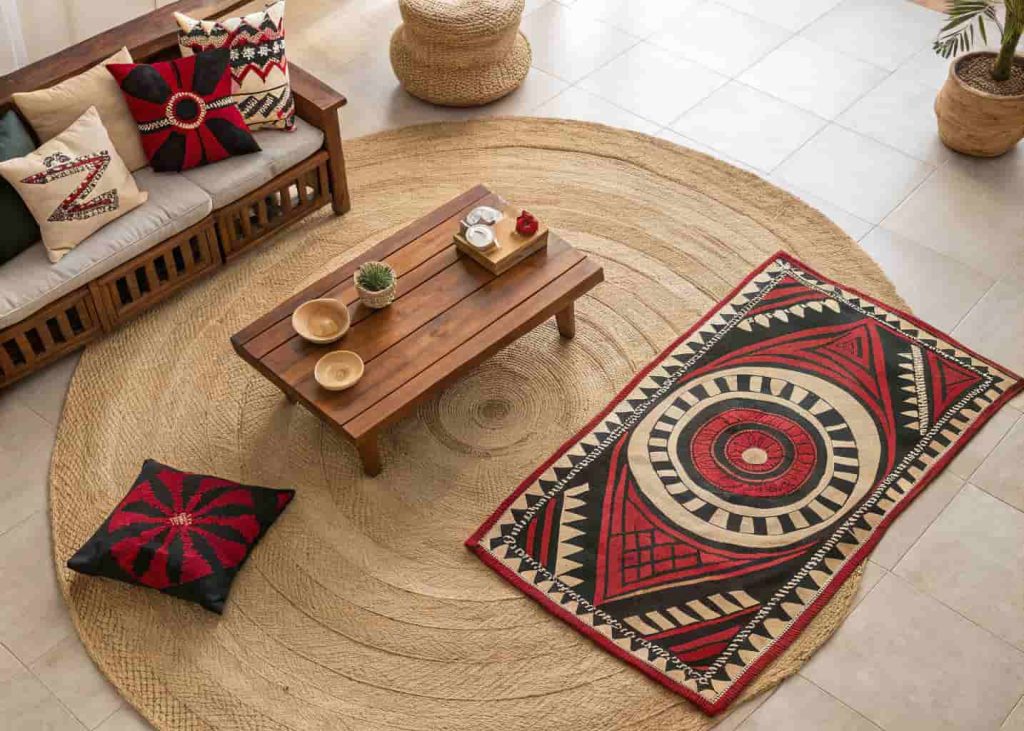
One of the fastest ways to bring Afrohemian energy into a room is through the floor. Layering rugs — putting one rug on top of another — is a signature move in this style. You might start with a large natural jute rug as a base, then layer a smaller tribal-print rug in bold colors on top. The result is a floor that feels rich, textured, and deeply intentional. Moroccan Beni Ourain rugs, Nigerian tribal patterns, and Ethiopian Harari-inspired weaves are all showing up together in the same space right now. The secret is to share at least one color between the rugs so the layers feel connected rather than random. If your tribal rug has a deep red stripe, pull that red into a cushion or plant pot somewhere nearby. Everything talks to everything in a well-done Afrohemian room.
6. Indoor Tropical Plants and Botanical Displays
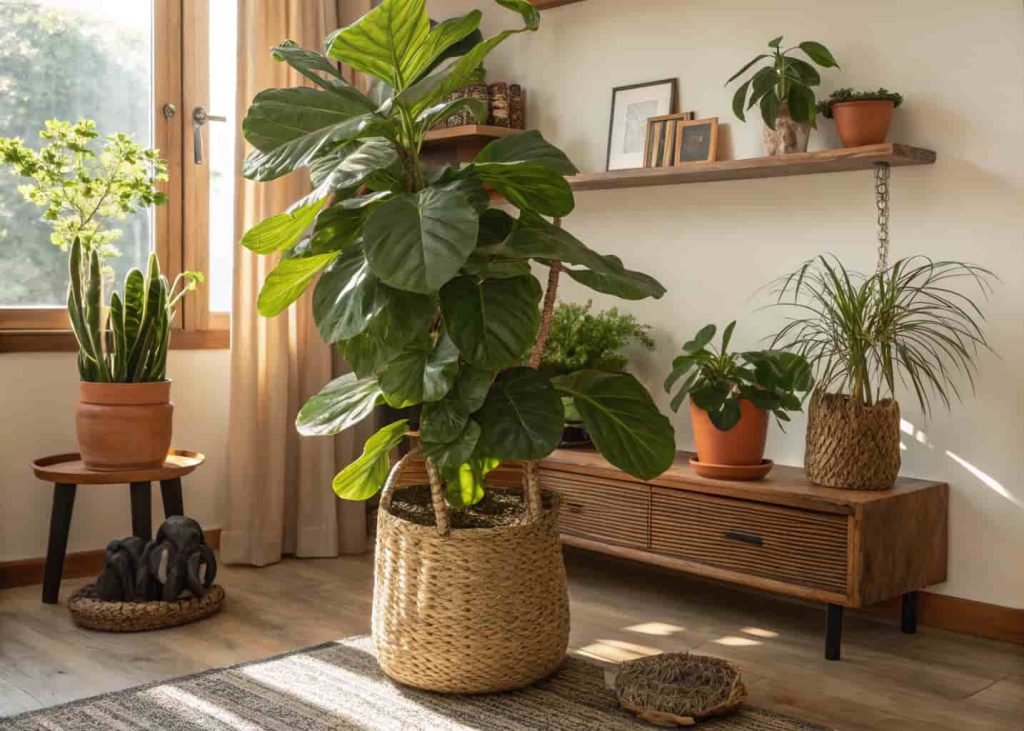
Plants are not optional in Afrohemian decor — they are essential. The African continent is home to some of the most dramatic plant life on earth, and that energy translates beautifully into home interiors. In 2026, people are going big with their plant choices. We are talking large fiddle leaf fig trees in woven baskets, trailing pothos vines along shelves, elephant ear plants in terracotta pots, and clusters of snake plants in dark wooden planters. The goal is to make your home feel like it has a little bit of jungle in it. Grouping plants together in odd numbers — three or five pots clustered in a corner — always looks better than spreading them randomly around the room. Plants also do something no other decor item can do — they make a space feel alive in a very literal sense. And in Afrohemian design, aliveness is the whole point.
7. Warm Ambient Lighting With Lanterns and Candles
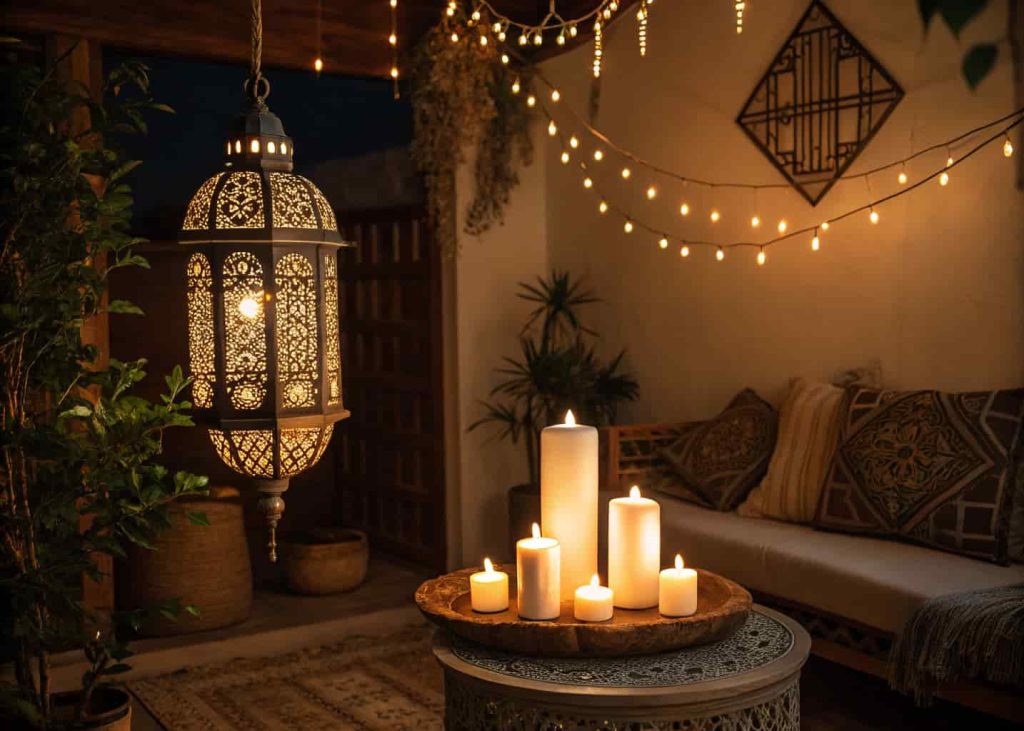
Lighting in an Afrohemian home is never harsh or clinical. It is warm, layered, and intentional. Think Moroccan-style brass lanterns casting geometric shadow patterns on the walls, clusters of pillar candles on a carved wooden tray, and string lights woven through a rattan shelf. The goal is to create a room that looks completely different at night than it does during the day. Warm amber bulbs do more for an Afrohemian space than any other single change you can make. If you currently have cool white lighting in your home, just switching the bulbs to warm amber will transform the entire feeling of the room instantly — no furniture changes needed. Candles also add a scent layer to the space, and in this aesthetic, earthy scents like oud, sandalwood, and amber resin feel completely at home.
8. Gallery Walls Featuring African Art and Photography
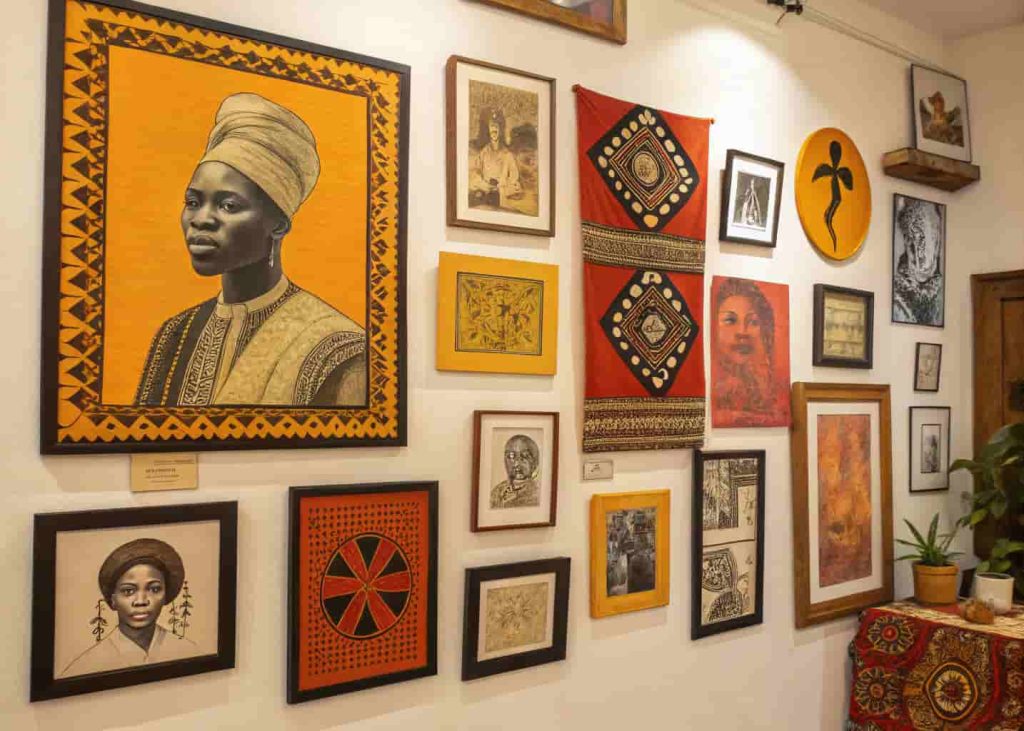
A gallery wall done the Afrohemian way is something special. Forget the uniform white frames with matching sizes — this is about mixing. A vintage sepia photograph of an African grandmother next to a bold contemporary painting in orange and black. A hand-drawn portrait beside a printed Adinkra symbol. Framed fabric swatches next to a charcoal sketch. The mix of art forms, frame styles, and scales is what gives these gallery walls their personality. In 2026, people are also adding personal family photos into these arrangements — not in boring grid formats but in organic, salon-style layouts where nothing is perfectly centered. If you have family photographs from Nigeria, Ethiopia, Kenya, or anywhere on the continent, print them large, frame them beautifully, and put them on your wall. That is Afrohemian at its most personal.
9. Open Handmade Shelving with Curated Vignettes
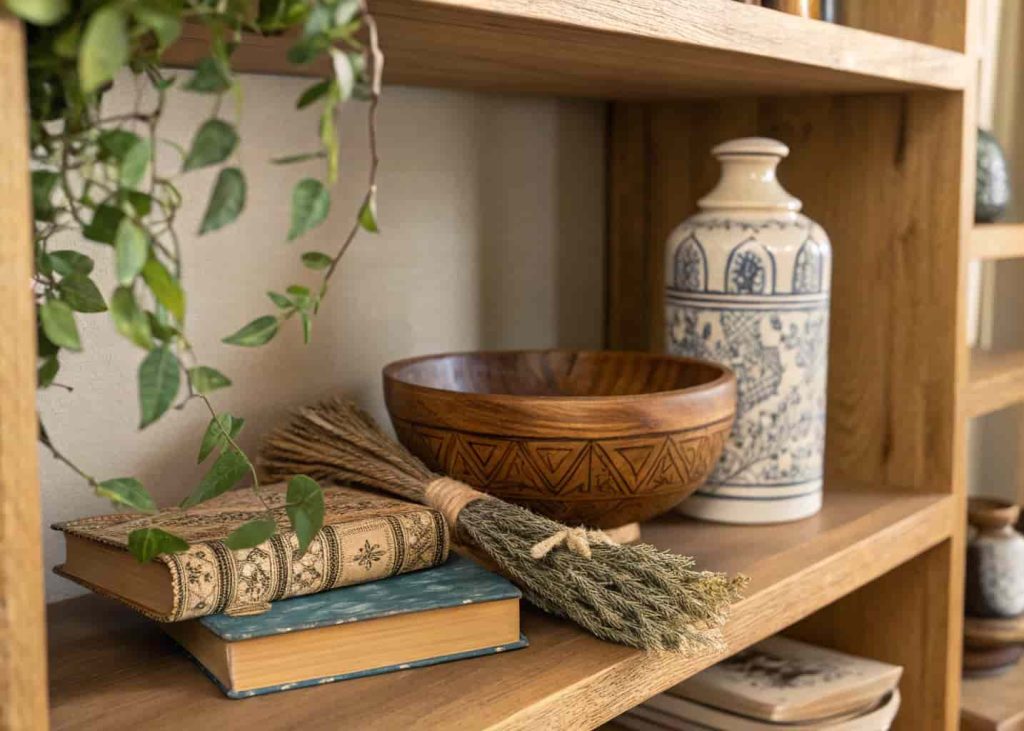
In Afrohemian homes, shelves are not just for storage — they are mini storytelling spaces. Open wooden shelves with rough, natural edges are used to display curated collections of objects that feel meaningful together. A small carved wooden bowl, a bundle of dried sage, a stacked pile of vintage books with beautiful spines, a hand-painted ceramic jar, and a trailing plant spilling off the edge. Each shelf tells a small story. The key to getting this right is the rule of odd numbers and varying heights. Put three objects together instead of two or four. Mix tall with short, heavy with delicate, dark with light. And leave some empty space — not every inch needs to be filled. The empty space actually makes the objects on display feel more important. This approach turns everyday shelves into something that looks deeply considered.
10. Rich Jewel-Toned Velvet Upholstery
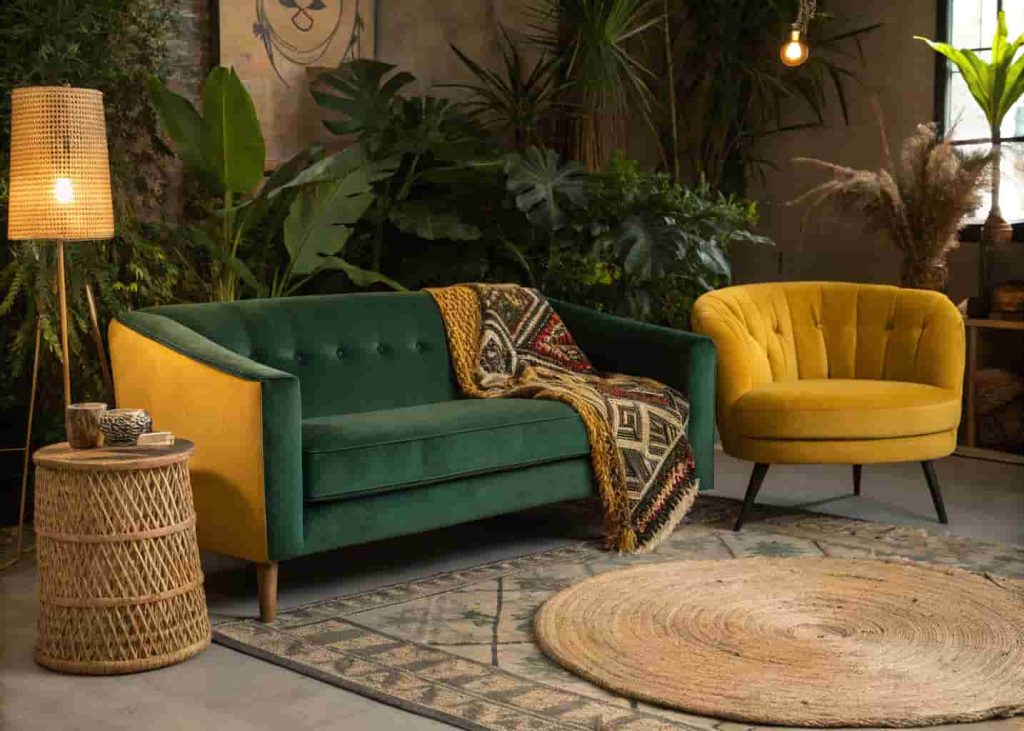
Velvet and Afrohemian interiors are a match made in design heaven. Deep emerald green, burnt orange, mustard yellow, and royal purple velvet sofas and armchairs bring a richness that feels both luxurious and rooted. In 2026, the trend is specifically around jewel-toned velvet pieces — not pastels, not neutrals — the deep, saturated colors that feel like they belong in an African sunset. The tactile softness of velvet also pairs beautifully with the rougher textures in an Afrohemian room like jute, rattan, and raw wood. That contrast between soft and rough, smooth and textured, is what gives the style its distinctive depth. If you are nervous about going full velvet sofa, start with a single velvet armchair in a deep mustard or forest green. It is enough to anchor the whole room.
11. Handmade Ceramic and Clay Pottery Displays
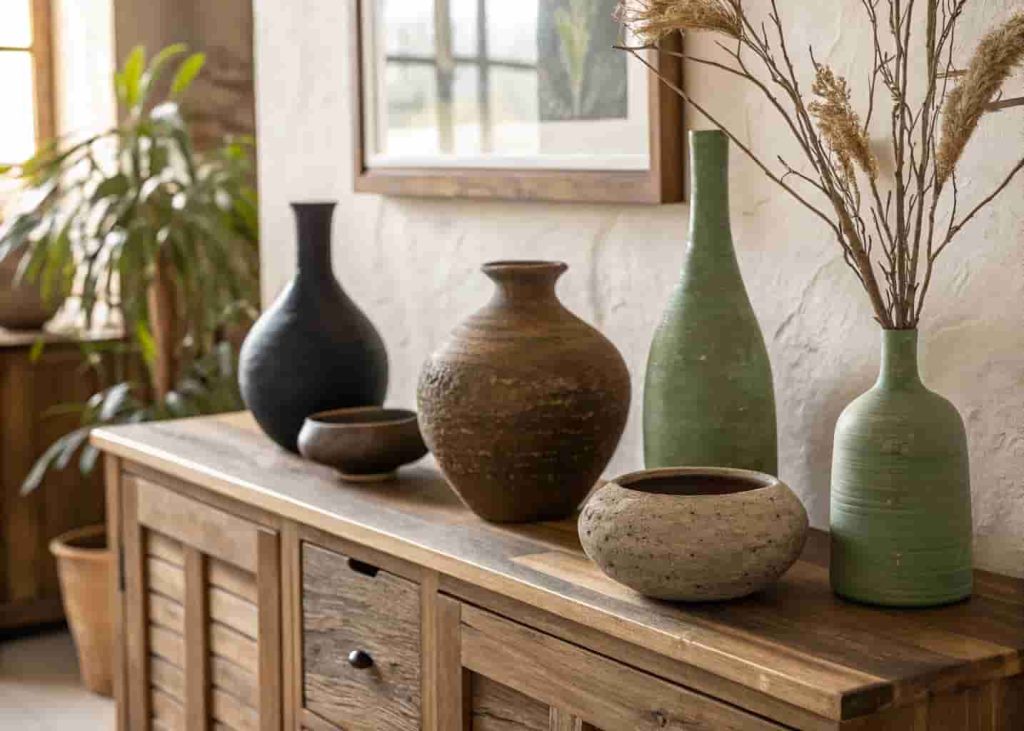
There is something deeply satisfying about having handmade pottery in your home. You can feel the fingerprints of the person who made it. In 2026, Afrohemian interiors are filled with beautiful clay and ceramic pieces — wide-mouthed vases in smoky black, textured pots with organic imperfections, glazed bowls in earthy browns and greens. These are not factory-perfect pieces. The irregularities and variations are the point. A collection of three clay pots in different heights grouped on a sideboard looks a hundred times more interesting than three identical store-bought vases. Many people are now specifically sourcing pottery from African ceramic artists and local craftspeople, which adds another layer of meaning to the display. When someone asks where you got your beautiful black clay vase, you can say you bought it directly from an artist in Nairobi. That story becomes part of your home.
12. Afrocentric Bedroom Sanctuaries With Layered Textiles
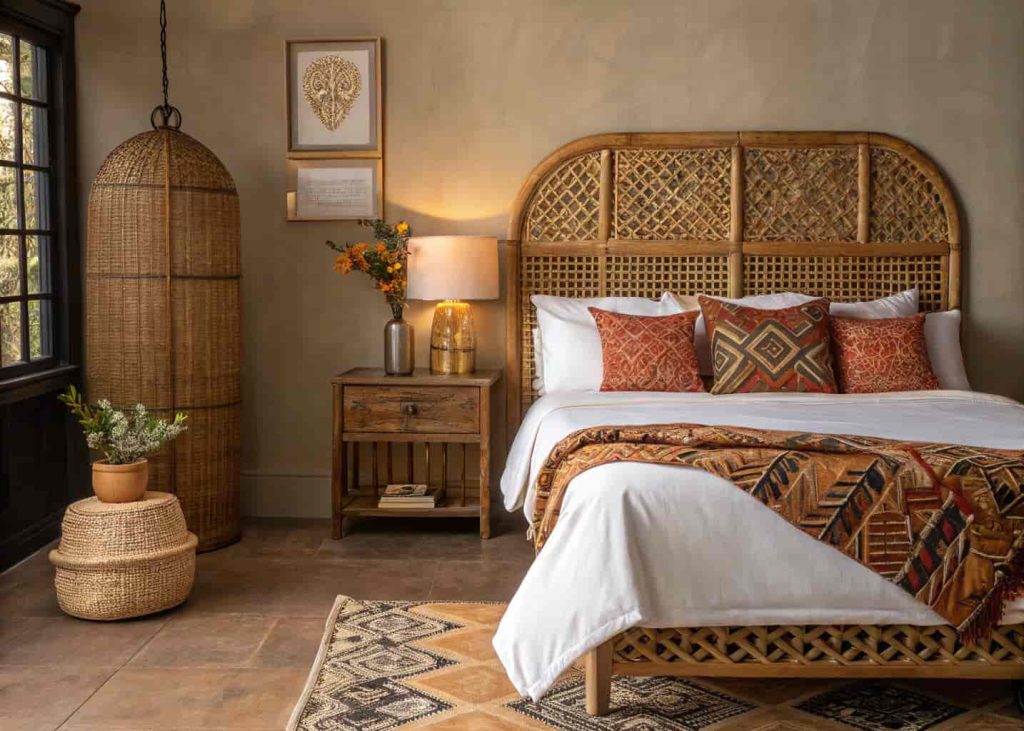
The bedroom is where Afrohemian design gets the most personal and the most powerful. In 2026, the trend is towards creating a true sanctuary — a space that feels completely removed from the outside world. This means layering textiles with intention: a linen duvet as a base, then an Ankara-print throw at the foot of the bed, then a Kuba cloth cushion against the headboard. Add a woven rattan headboard, a carved wooden bedside table, and a brass floor lamp and you have a bedroom that feels like a luxury African retreat. The key detail that most people miss is the bedside table styling — a small clay pot with fresh flowers, a handmade ceramic dish for your rings, and one meaningful book. Small details like this are what take a bedroom from just sleeping space to actual sanctuary. Your bedroom should feel like the best version of home.
Conclusion
Afrohemian decor in 2026 is not about following a rulebook — it is about feeling free enough to fill your home with things that have meaning, texture, and soul. Whether you start with one terracotta wall, a single woven rattan chair, or a cluster of handmade clay pots on your kitchen shelf, you are already moving in the right direction. The best Afrohemian homes are the ones that look like no one else’s — because they are built from personal stories, cultural roots, and genuine love for beautiful things. Start small, be intentional, and let your home grow into something that truly feels like you.