Most “budget decorating” articles just tell you to buy throw pillows and call it a day. That’s not really a strategy — it’s a shopping list. If you’re working with a small apartment and an actual number in your head (say, under $500 for both rooms combined), you need to know where the money should go and where it absolutely shouldn’t. Paint and lighting punch way above their price. Furniture, upholstery, and “trendy” decor pieces seldom do. Below is the breakdown room by room.
How to Decorate a Living Room on a Low Budget
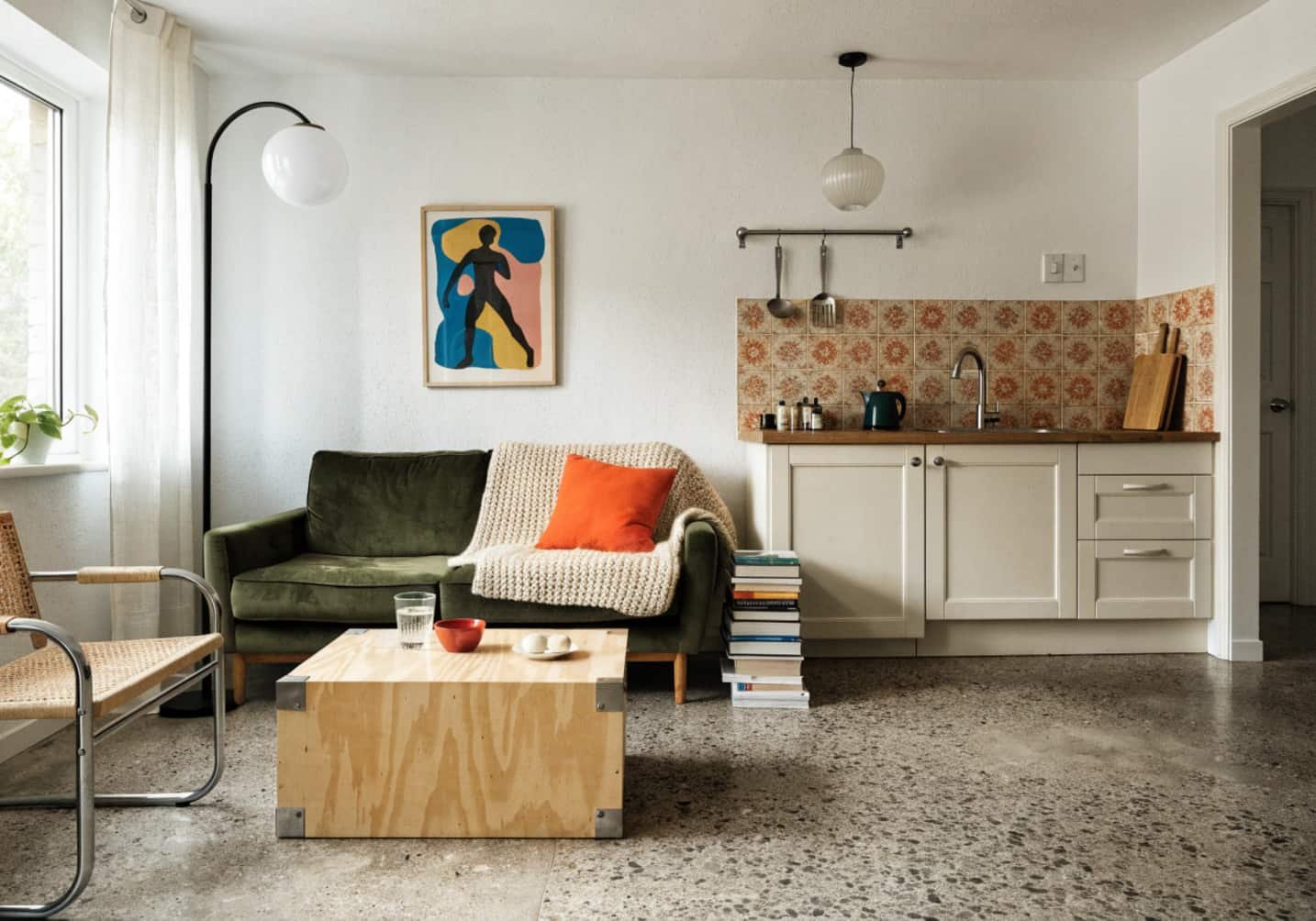
Start with the wall your eye hits first when you walk in — usually the one behind the sofa or across from the entry. That’s the wall that earns a splurge (even a $15-a-gallon one), because it does more visual work than five smaller purchases scattered around the room. A gallon of paint covers roughly 350–400 sq ft with two coats, which is enough for one full accent wall in most living rooms under 200 sq ft, with paint left over for a closet door or a thrifted side table.
After the wall, layer in three heights: something on the floor (a rug), something at eye level (art or a mirror), and something overhead (even one warm-toned bulb swap makes the room read differently at night). Skip buying a “matching set” — mismatched but color-coordinated pieces from three different sources actually look more curated than a boxed set from one store.
How to Make a Small Kitchen Look Spacious
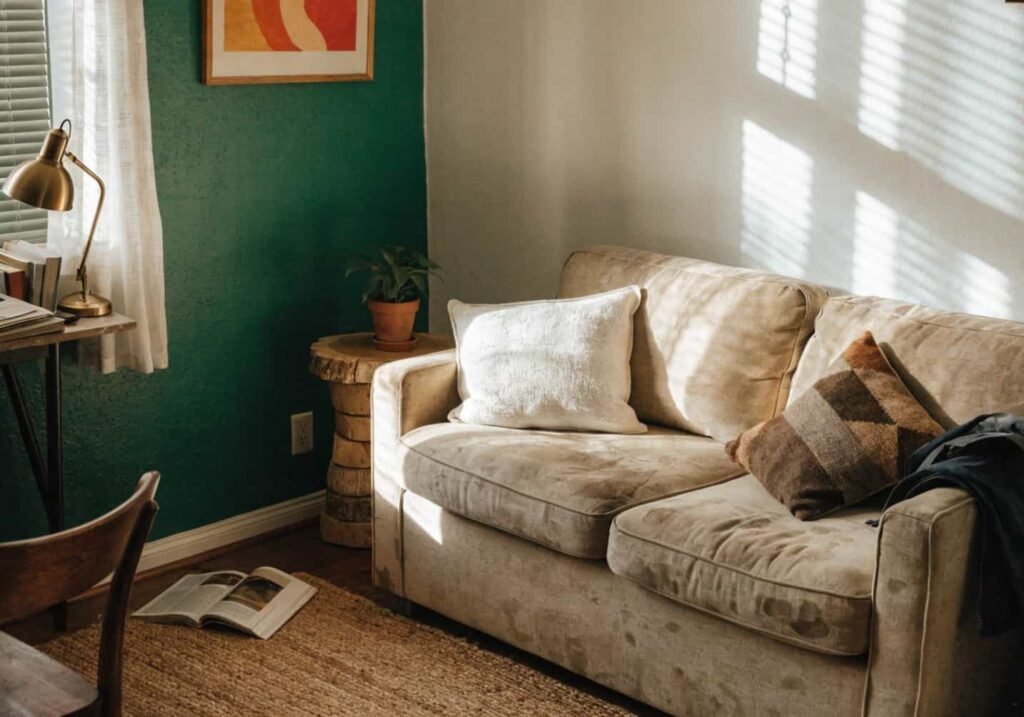
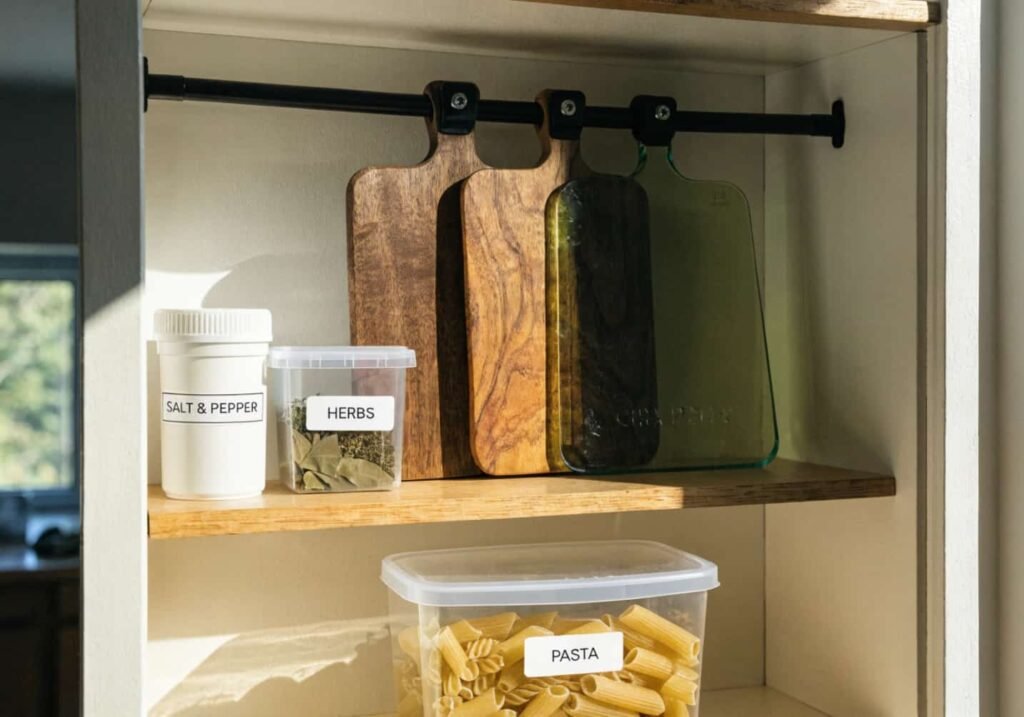
The trick most people miss: it’s not about removing stuff, it’s about removing visual stops. A small kitchen feels bigger when your eye can travel in one continuous line instead of hitting a series of contrasting objects. Open shelving in the same tone as the wall, a single color family for dishware, and clear or matching canisters instead of five random cereal boxes — that alone can make an 80 sq ft galley kitchen feel noticeably calmer.
One thing worth correcting: a lot of guides tell you to hang a big mirror in the kitchen to “open it up.” In practice, mirrors near cooking surfaces get grease film fast and need constant cleaning, so unless it’s mounted well away from the stove, skip it. A better move is a light-reflective backsplash (even peel-and-stick metallic tile, roughly $8–$12 per sq ft box) which does the same brightening job without the maintenance.
How to Select Second-Hand Furniture on a Budget
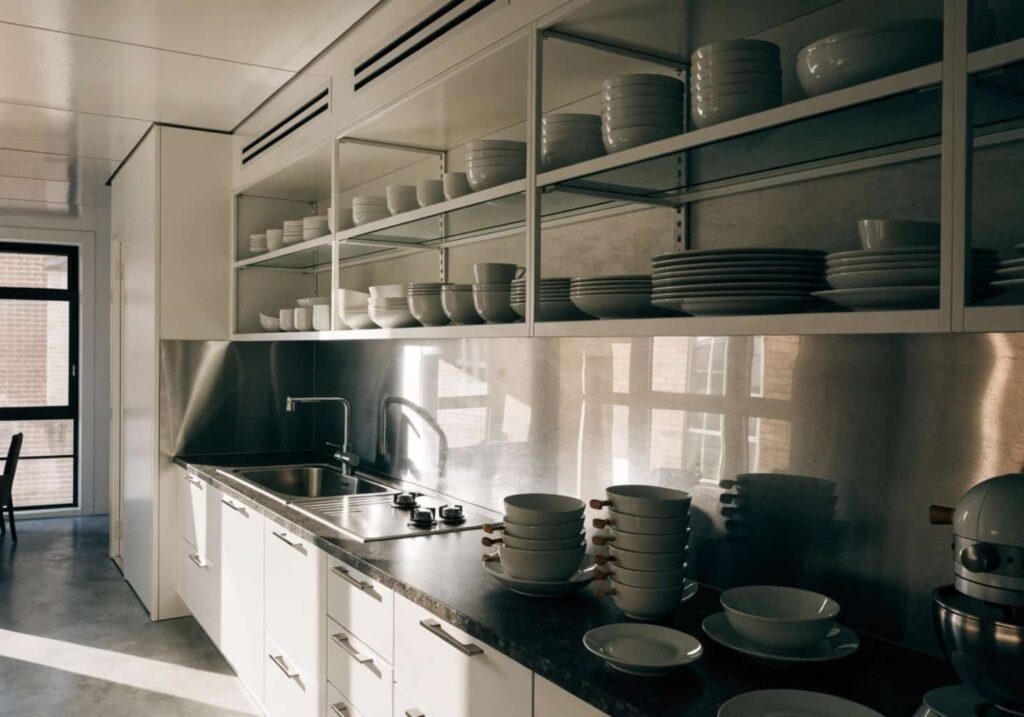
Facebook Marketplace and local thrift warehouses beat curated vintage shops on price, but not on quality control — you’re on your own to check the bones. For any wood piece, ignore the finish (that’s fixable) and check three things: drawers slide without sticking, joints aren’t visibly separating at the corners, and there’s no soft or spongy wood, which usually means water damage that paint won’t fix. For upholstered pieces, flip the cushion and press down — if it doesn’t spring back within a couple of seconds, the foam is dead and you’ll be sitting on the frame within a year.
Solid wood dressers and side tables are the best second-hand buys because they’re genuinely built to outlast a $150 flat-pack version. Upholstered sofas are the riskiest — unless you’re prepared to pay for reupholstering (often $400+ for a two-seater), a heavily worn secondhand sofa usually isn’t the bargain it looks like.

How to Make DIY Wall Decor Cheaply
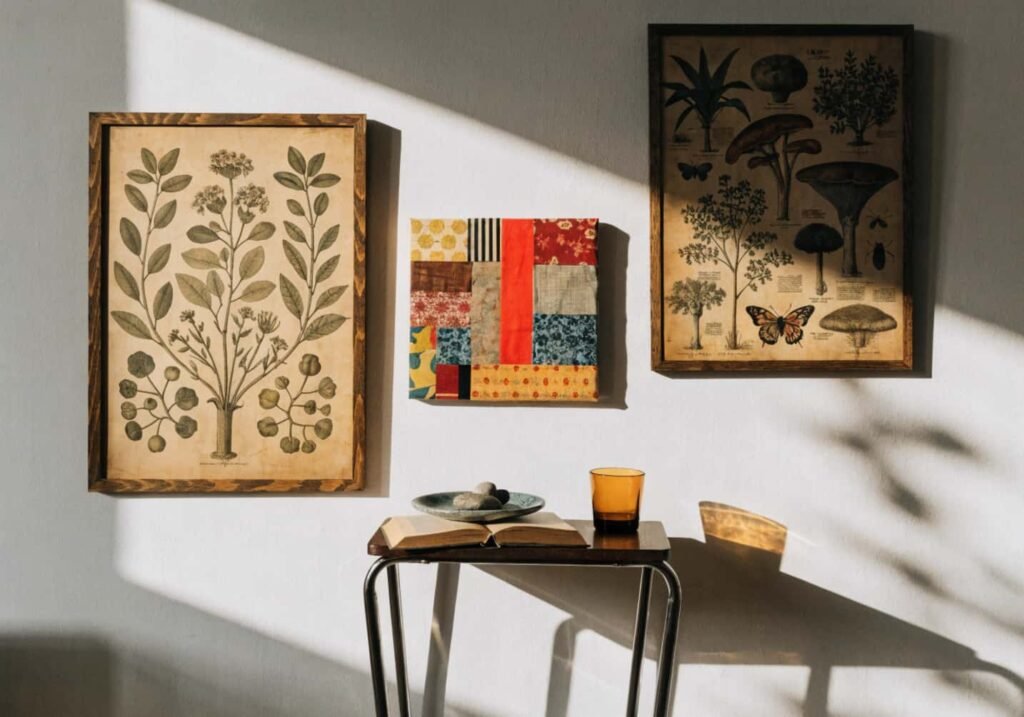
Framed botanical prints from old gardening books or calendars cost almost nothing and look intentional once matted and framed — thrift store frames run $2–$5 and most already include glass. Another low-cost option: fabric remnants (from the clearance bin, usually $3–$6/yard) stretched over a cheap canvas frame using a staple gun. It reads as textile art but takes about 20 minutes to make.
One thing to avoid: printable “digital wall art” downloads that dozens of other blogs also link to. They’re inexpensive, sure, but they’re also generic and instantly recognizable if a guest has seen the same Pinterest board. Handmade or sourced-by-you pieces don’t have that problem.
How to Find Storage Solutions for a Small Kitchen
Vertical space is the most underused real estate in a small kitchen. A tension rod mounted inside a cabinet door turns flat, wasted space into a spot for cutting boards or baking sheets stood on their edge — costs under $10 and takes five minutes. Magnetic knife strips free up drawer space and cost about the same as a mid-range knife block, minus the block.
The mistake people make with small-kitchen storage is buying more containers before they’ve actually sorted what they own. Empty one cabinet completely, and you’ll usually find duplicate tools or expired spices taking up prime space — that alone often solves half the “not enough storage” problem before you spend a cent.
How to Reuse Thrift Store Items for Your Home
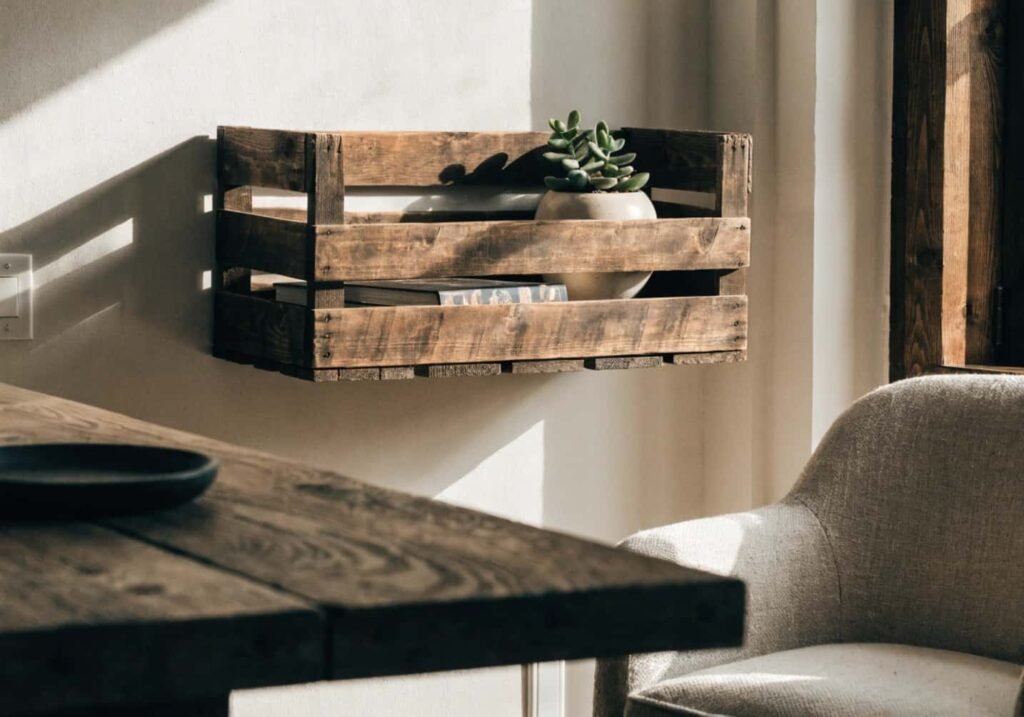
Look past what an item is being sold as. A wine crate becomes a shelf. An old ladder becomes a blanket rack or a kitchen towel holder. Mason jars from a thrift store’s kitchen section (often $1 each) work as everything from pantry storage to pendant light shades if you’re comfortable with basic wiring. The point is buying for the material and shape, not the labeled use.
Ceramics with chips or cracks are the one category to be genuinely picky about — cheap doesn’t mean worth taking home if it’s just going in a drawer unused. Buy secondhand only for pieces you have an actual plan for; otherwise it becomes clutter with a thrift-store excuse attached.
How to Implement Budget Lighting Ideas
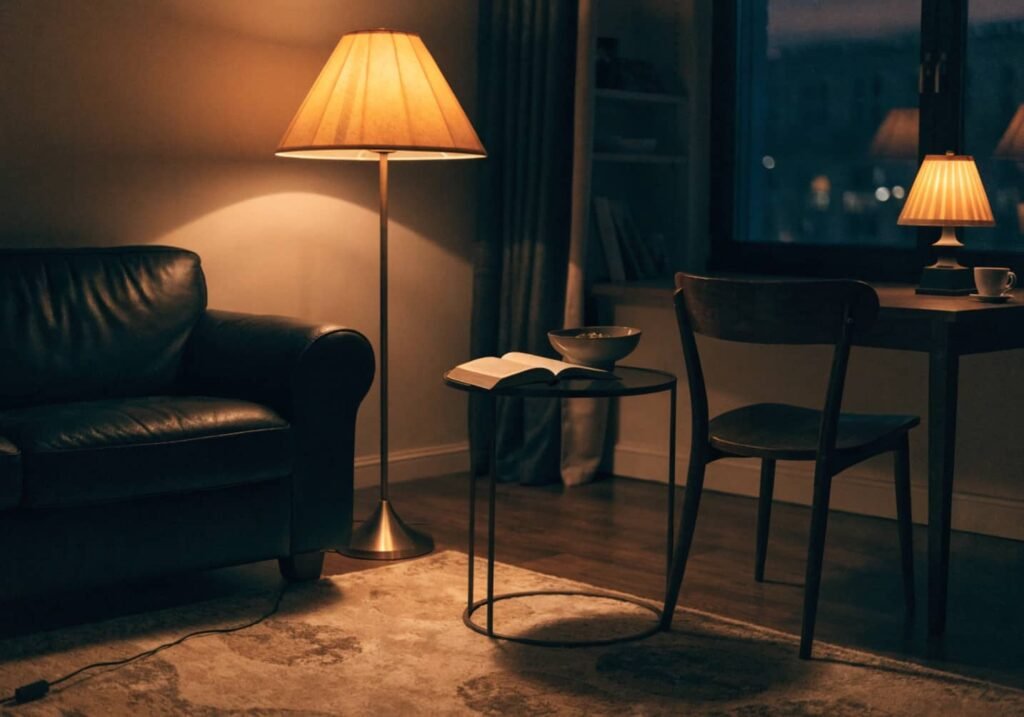
Overhead lighting alone makes most rooms feel flat and a little institutional — it’s the single biggest reason budget rooms don’t look “finished” even after everything else is done. Adding two lamps at different heights (one at seating level, one taller) does more for ambiance than any decor purchase under $30. Warm white bulbs (2700K–3000K) consistently read as cozier than the cool white 5000K bulbs that come standard in a lot of cheap fixtures — swapping the bulb alone, for about $3–$5, changes the whole mood of a room.
For kitchens, under-cabinet LED strip lighting (battery or plug-in versions run $15–$25) solves the dark-counter problem most small kitchens have, without any electrician involved.
How to Choose Multi-Purpose Furniture
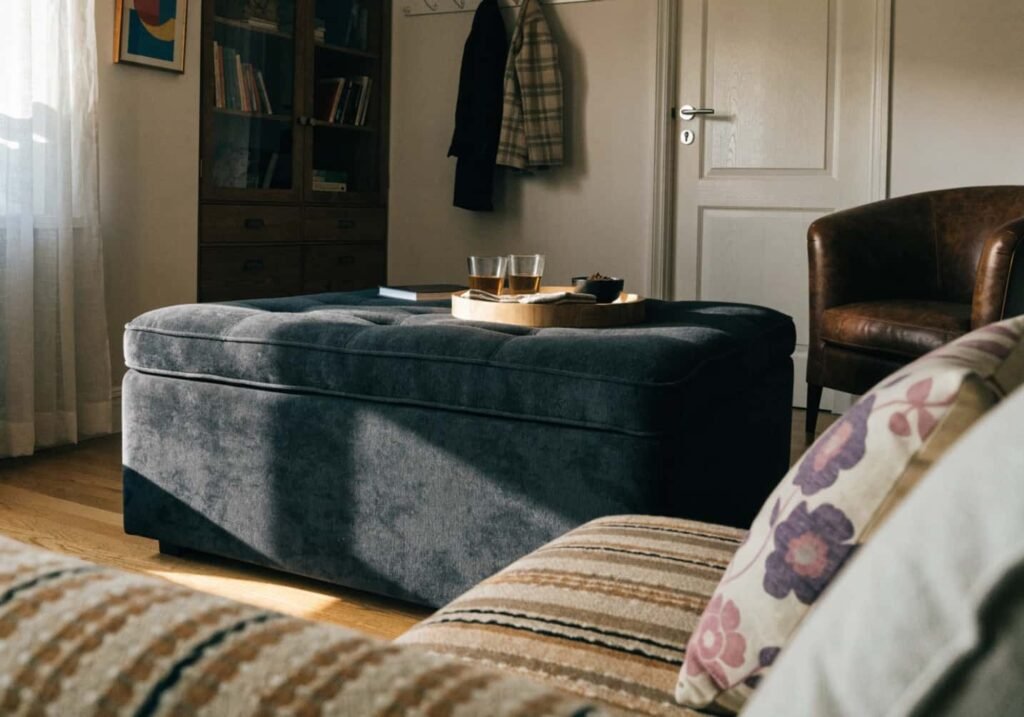
Ottomans with hidden storage, console tables that convert to dining tables, and daybeds that double as seating — these earn their keep in small spaces precisely because they cut down on how many pieces you need to buy in the first place. The trade-off is durability: mechanisms (folding legs, lift-tops) are the first thing to fail, so check hinges and hardware in person before buying if you can, especially secondhand.
A genuine recommendation here: for a living room under 250 sq ft, prioritize a storage ottoman over a coffee table with drawers. The ottoman does triple duty as seating, storage, and a footrest, while a drawer coffee table usually only adds the storage function.
How to Give a Room a New Look with Paint
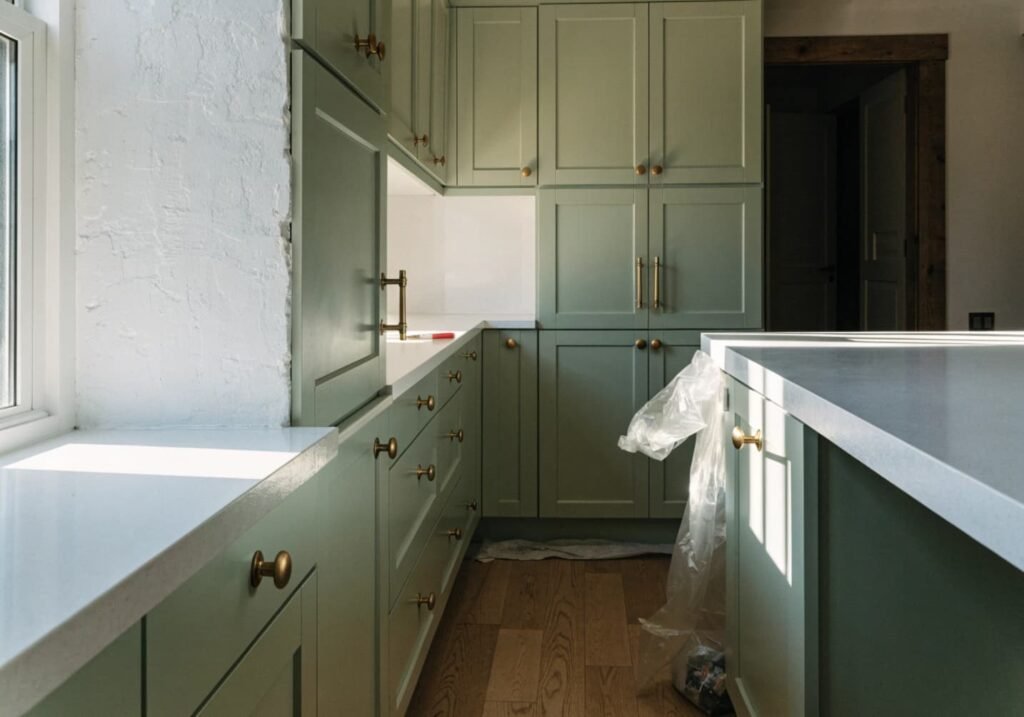
Paint sheen matters more than most people realize. Eggshell or satin finishes in the kitchen resist grease splatter and wipe clean far better than flat matte, which will stain permanently near the stove. In the living room, flat or matte finishes hide wall imperfections better, which matters if you’re painting over an older rental wall with dings and patch marks.
If a full repaint isn’t in the budget, painting just the trim, door, or cabinet fronts (kitchen especially) gives a disproportionate amount of visual refresh for the amount of paint used — usually under a quart, around $10–$15.
How to Create Decor with Free or Cheap Items
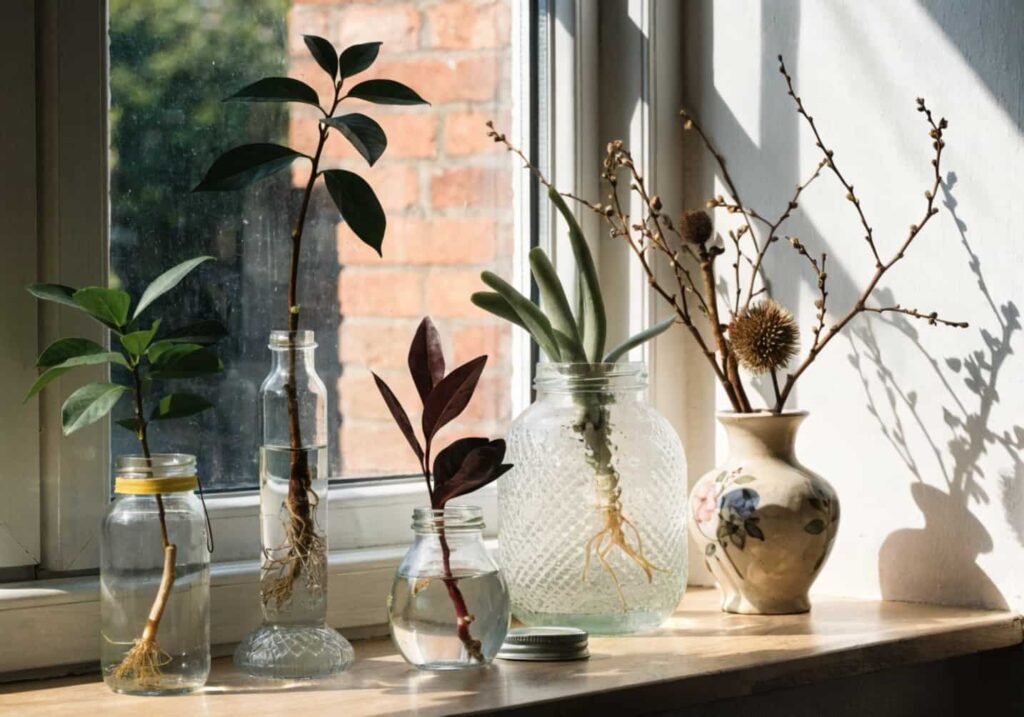
Cuttings from a friend’s houseplant, propagated in a secondhand glass jar, cost nothing and fill a shelf better than a $20 faux plant. Fallen branches or dried grasses in a thrifted vase work the same way outdoors-in, and they actually improve with age instead of collecting dust like plastic greenery does.
Free decor has one real limit worth naming: it tends to skew toward a “curated collector” look rather than a clean, matched look. If you want a more polished, uniform aesthetic, free finds will fight you — they’re better suited to an eclectic style than a minimalist one. Know which one you’re going for before you start collecting.