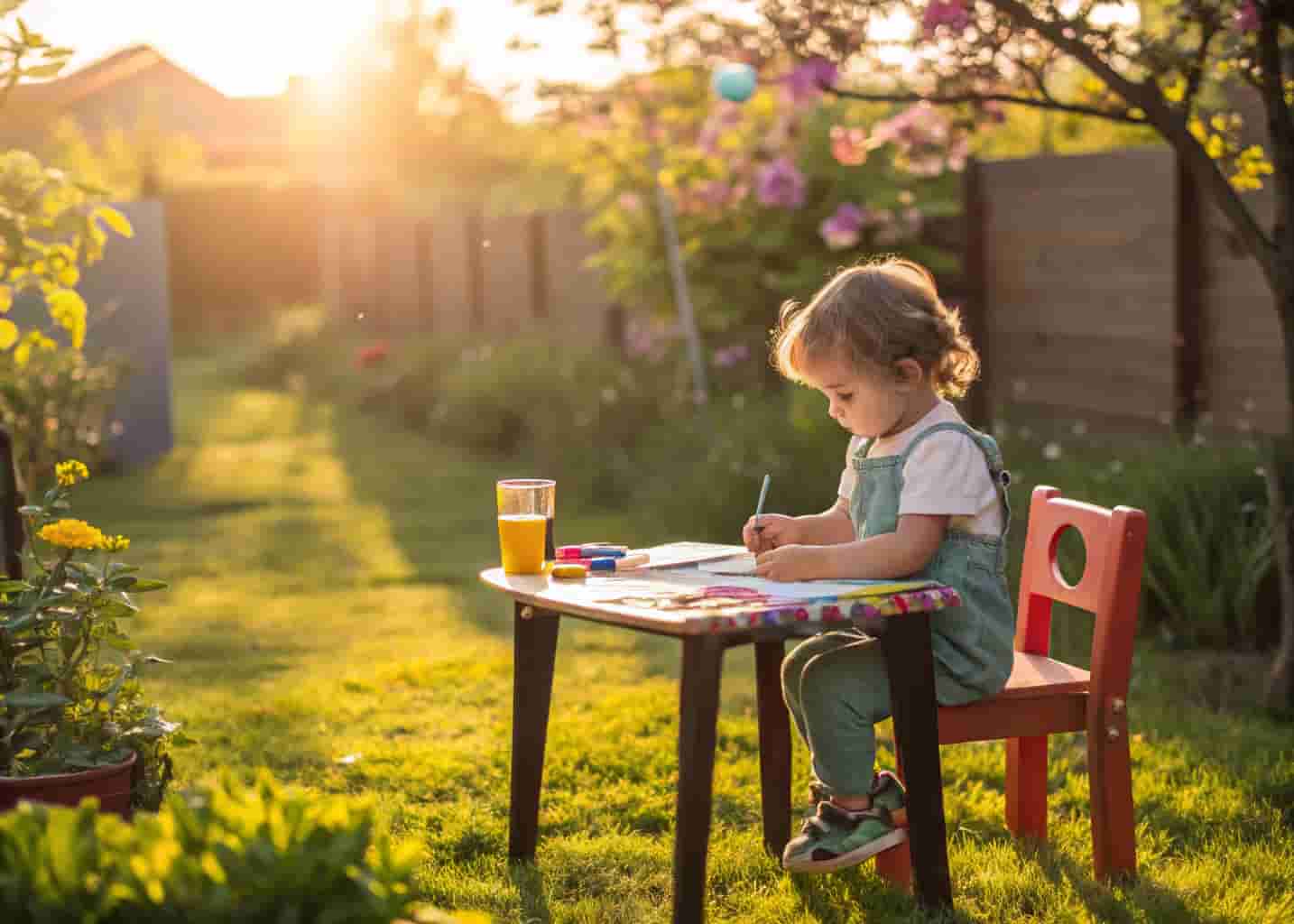
Summer is the perfect time to slow down, head outside, and let little hands get busy. Preschoolers are at such a magical stage where everything is new and every activity is secretly building a skill they’ll use for the rest of their lives. Fine motor skills — the ability to use small muscles in the hands and fingers with control and coordination — are the foundation for writing, cutting, buttoning clothes, and so much more. The great news is that the best summer preschool activities for building these skills don’t look like work at all. They look like fun. Messy, giggly, sun-soaked fun that kids beg to do again the next day.
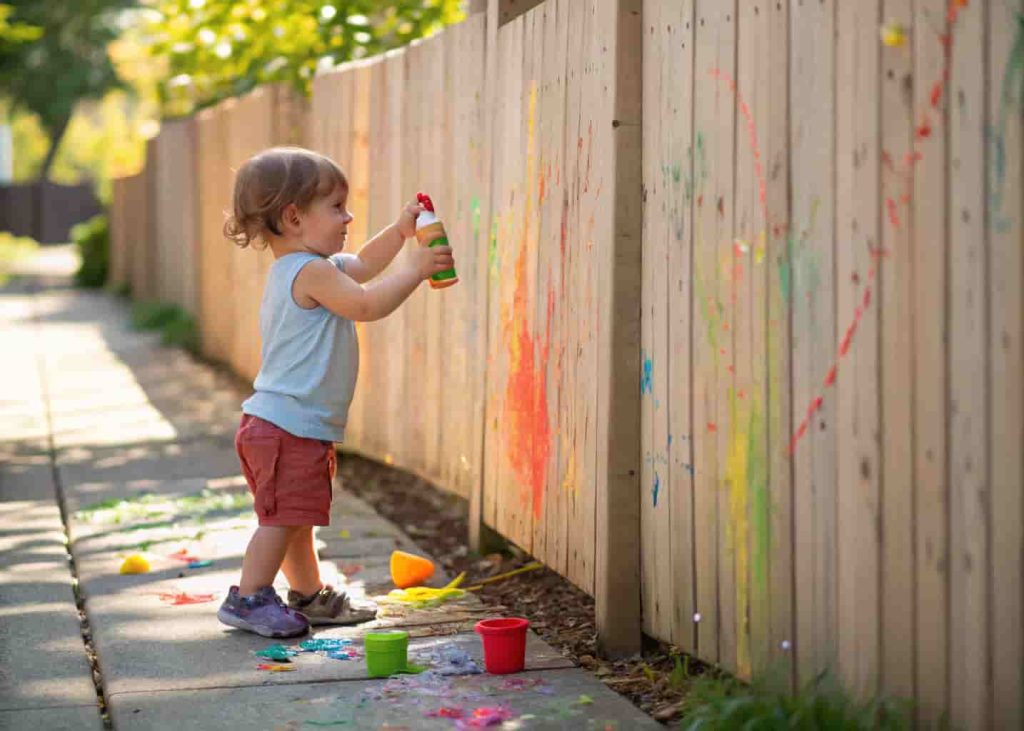
Squirt Bottle Painting on Fences
Fill up a few small squirt bottles with watered-down washable paint in bright summer colors and let your preschooler go to town on an old fence or a big sheet of cardboard propped against the wall. Squeezing those little bottles takes real finger and hand strength, and kids don’t even notice they’re working because they’re too busy making streaks of pink and yellow explode across the surface. You can draw simple shapes with chalk on the fence first — a sun, a flower, a rainbow — and ask them to try to fill in the outline. My friend’s three-year-old spent an entire afternoon doing this last July and her hand grip improved noticeably by the end of the week, according to her occupational therapist. It’s one of those summer preschool activities that feels like pure play but quietly does serious developmental work. Easy setup, easy cleanup with the hose, and maximum toddler satisfaction.
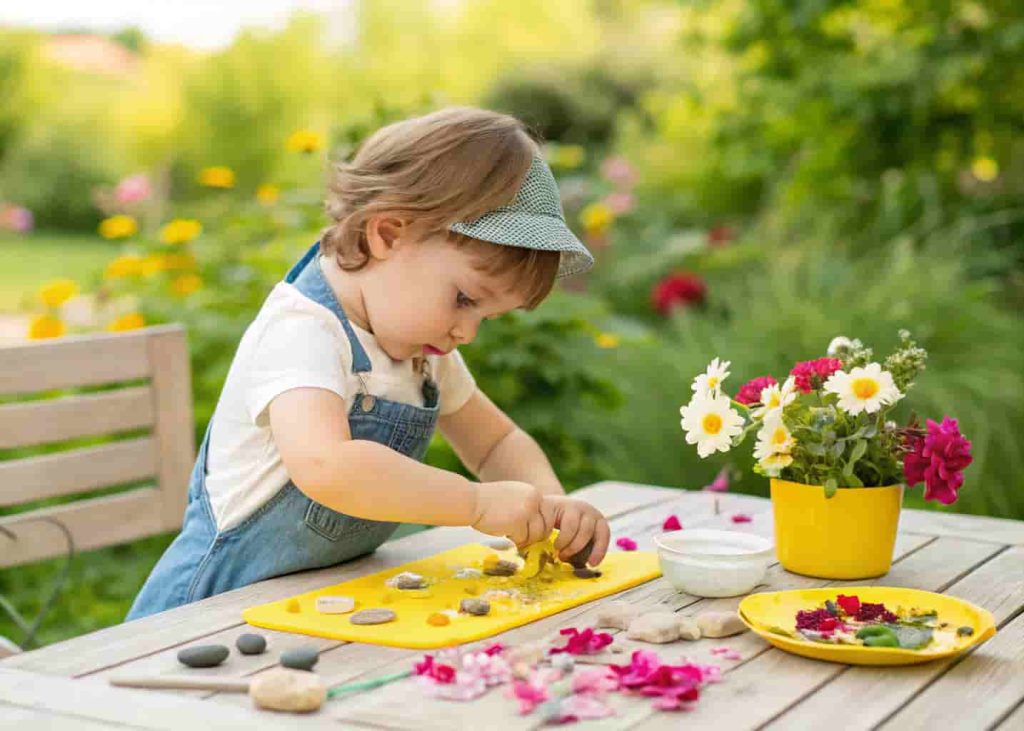
Playdough with Nature Bits
Make a simple batch of homemade playdough — or grab a store-bought tub — and then head outside to collect nature bits before the activity starts. Little pinecones, small pebbles, flower petals, sticks, leaves, and seed pods all become incredible tools when pressed, poked, and rolled into soft dough. Preschoolers use their thumbs to push stones in, their fingers to pinch and roll small balls, and both hands to flatten and fold. All of that poking, pressing, and squishing is pure fine motor gold. This ranks among the most versatile summer preschool activities because you can do it on the porch, at a picnic table, or even spread out on a blanket in the shade. Kids make “nature pizzas,” pretend birthday cakes covered in pebbles, and little animals with stick legs. Let them lead the imagination and just sit back and watch those tiny fingers work.
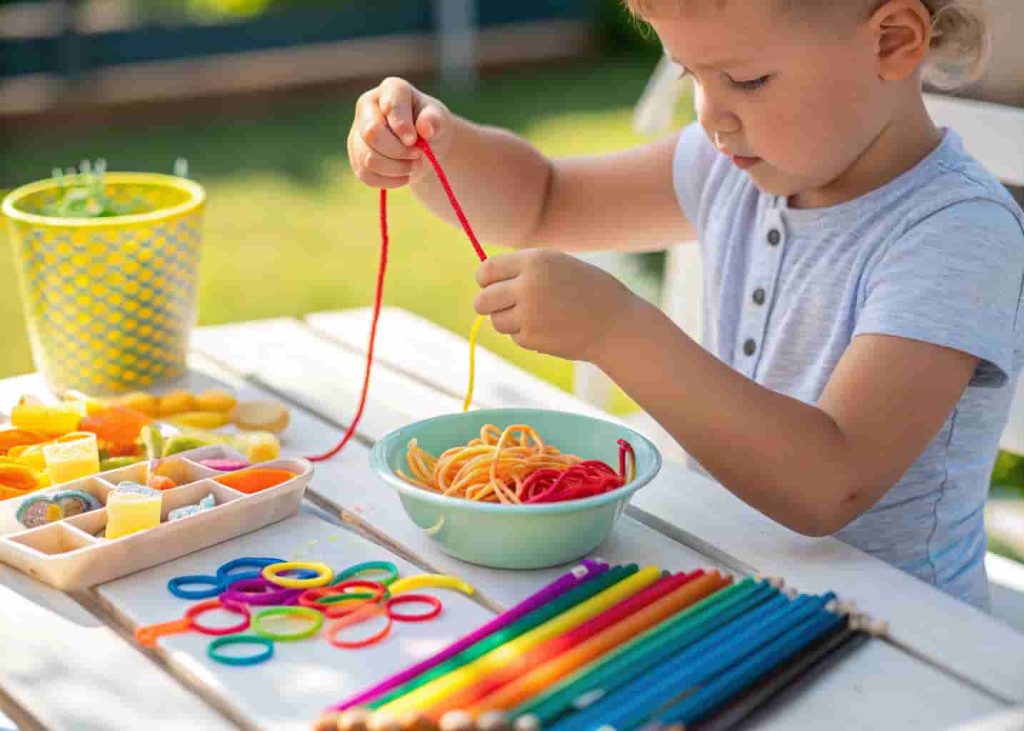
Threading Pasta on Pipe Cleaners
Grab a bag of penne or rigatoni pasta, a handful of colorful pipe cleaners, and set your preschooler up at a low table outside. Threading pasta pieces onto a pipe cleaner one by one requires incredible finger precision — they have to pinch the pasta, line up the hole, and guide it through without dropping it. It sounds simple but for a three-year-old it’s genuinely challenging and genuinely satisfying. When the pipe cleaner is full, bend the ends to make a bracelet or a little sculpture. This is one of those summer preschool activities that costs almost nothing and keeps little ones quietly focused for a surprisingly long stretch of time. Use different pasta shapes for variety — rotini, ziti, wagon wheels — and let kids sort by color or shape first for an extra layer of learning before the threading even begins.
Water Dropper Flower Coloring
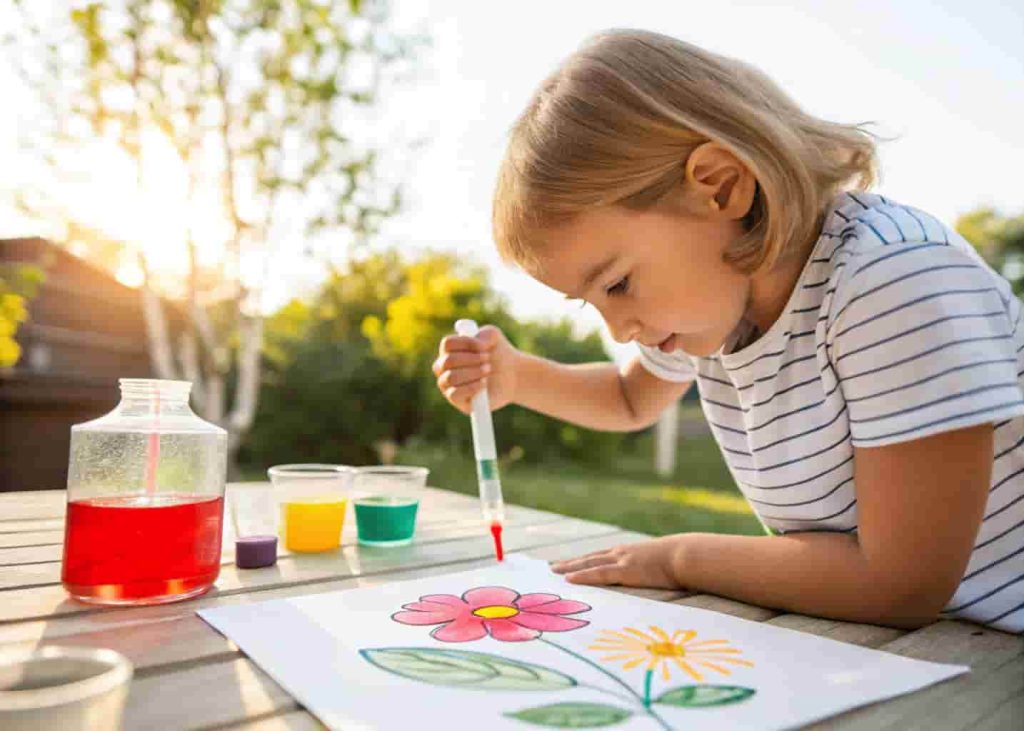
Print or draw simple flower outlines on thick cardstock, set out small bowls of liquid watercolors or food-coloring water, and hand your preschooler a medicine dropper or a small pipette. The job is simple — squeeze the dropper, fill it with color, and release drops carefully into each section of the flower. But oh, the concentration it takes. Squeezing a dropper requires real hand control, and aiming each drop takes focus that directly strengthens those fine motor pathways. Watching the colors bleed and bloom across the wet paper adds a science element that makes kids gasp every single time. This is one of the prettiest summer preschool activities you can do on a warm afternoon, and the finished pages actually look beautiful enough to frame. Set it up on a towel outside so spills don’t matter and refill the color bowls whenever inspiration strikes.
Sponge Squeezing Water Transfer
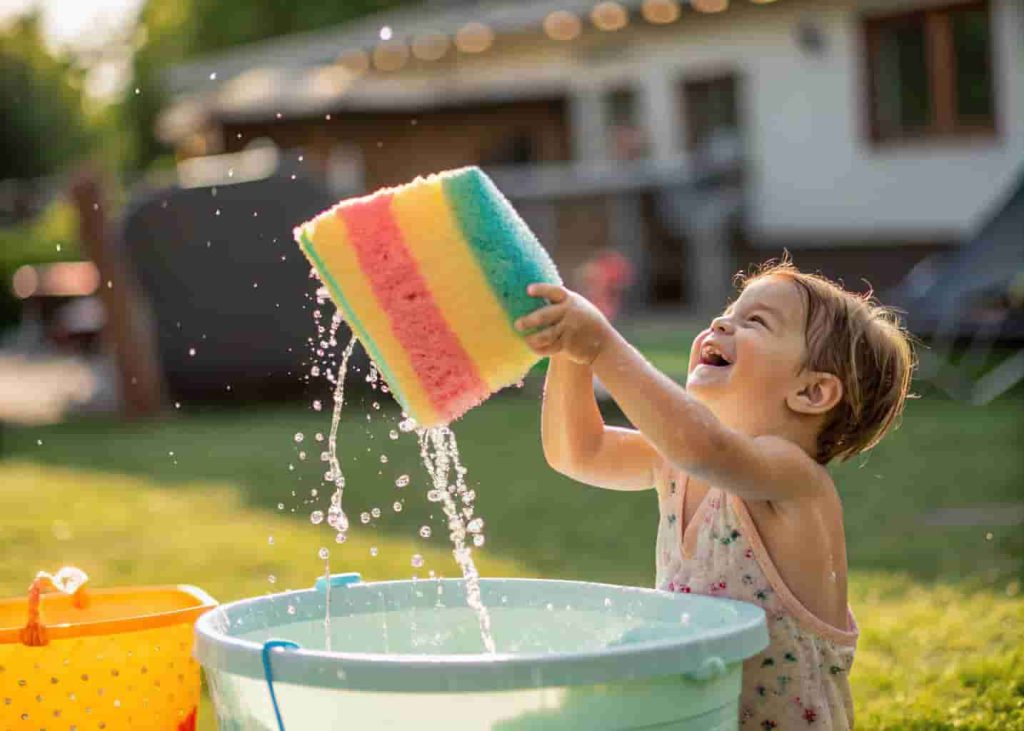
Set up two small buckets or bowls side by side — fill one with water and leave one empty. Give your preschooler a sponge and the challenge: move all the water from one side to the other using only the sponge. Dip, squeeze, repeat. It sounds ridiculously simple, and kids absolutely love it. The squeezing motion is one of the best hand-strengthening exercises a preschooler can do, building the same muscles they’ll eventually use for writing and cutting. You can make it a race, set a timer, or add food coloring to make the water more exciting. On a hot summer day, a little splashing is basically a bonus. This earns its spot among the most classic summer preschool activities because it requires zero prep, zero cost, and produces zero complaints. Wet kids, strong hands, happy summer.
Tearing and Collaging Paper
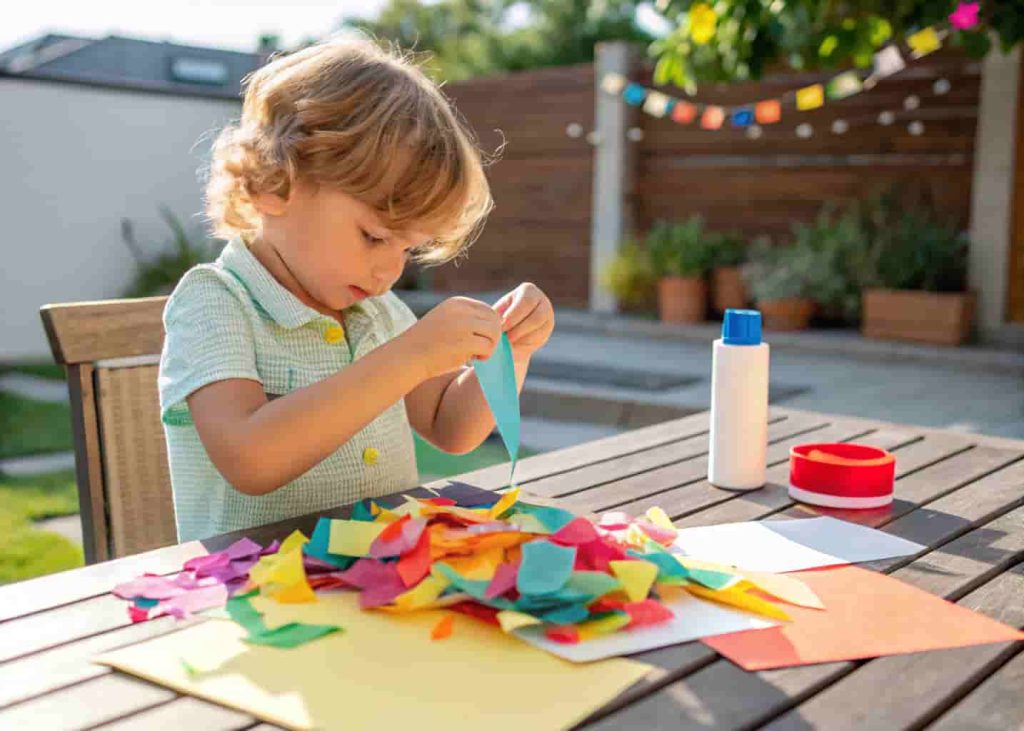
Rip up old magazines, colorful tissue paper, junk mail, wrapping paper scraps — anything with texture and color — and let preschoolers tear it all into small pieces with their own hands. No scissors needed. The tearing motion itself is a fantastic fine motor workout, requiring both hands to coordinate and fingers to grip and pull with control. Then provide a big sheet of paper and a glue stick and watch what they create. Kids make suns and rainbows and abstract art that looks genuinely impressive hanging on a refrigerator. This is one of those summer preschool activities that can happen anywhere — at the kitchen table, on the porch, even on a blanket outside in the shade. Save up materials all week and then let them go wild on a Friday afternoon. Simple, sensory-rich, and deeply satisfying for little hands.
Sticker Peeling and Placing
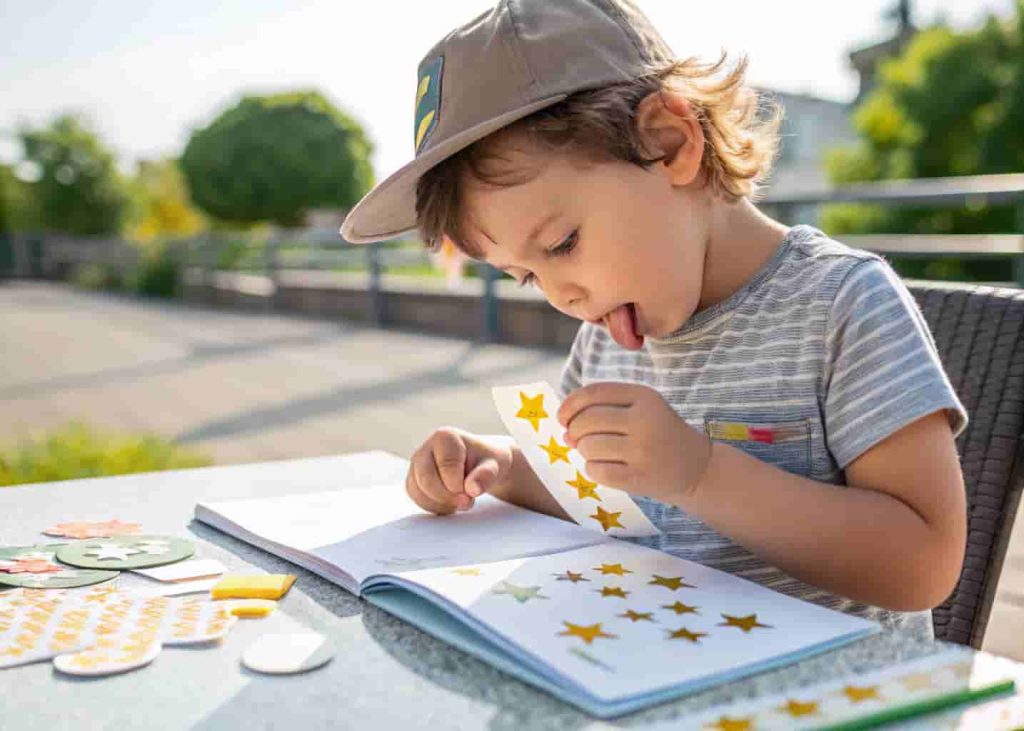
Go to the dollar store and stock up on sticker sheets — stars, animals, smiley faces, foam shapes, whatever catches your eye. Then give your preschooler a simple printed scene or even just blank paper and let them peel and place stickers however they like. Peeling a sticker off its backing is genuinely tricky for small fingers. It requires pinching, lifting, and careful placement, and doing it repeatedly over an activity session adds up to real fine motor development. You can make it more intentional by asking them to place stickers only on certain shapes, colors, or spots to build matching skills alongside the physical practice. Among budget-friendly summer preschool activities, this one is hard to beat — it’s portable, mess-free, and kids treat it like the most important job in the world. Every sticker placed is a tiny victory.
Mud Kitchen Play
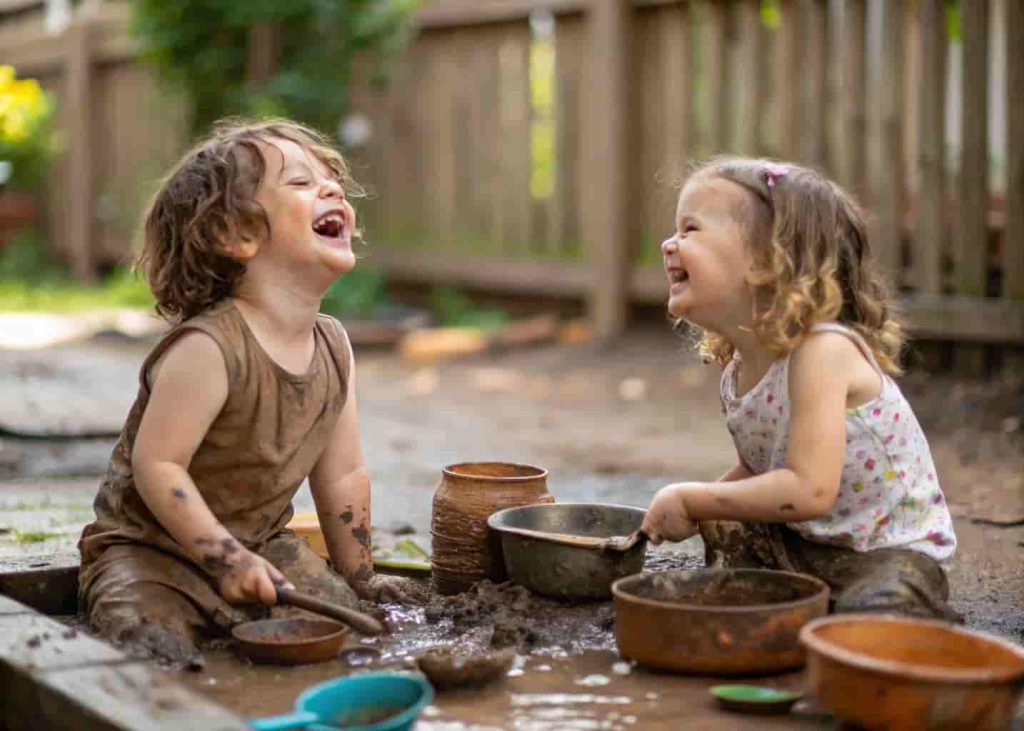
Clear out a corner of the yard, add a bin of water, some dirt, old spoons and cups, maybe a muffin tin or a pot — and you’ve just built the most beloved preschool learning station of the entire summer. Mud kitchen play is pure magic. Kids scoop, stir, pour, pinch, roll mud balls, and press mixtures into molds with total focus and total joy. Every single action — scooping with a small spoon, pinching mud into a cup, rolling a mud ball between two palms — is directly building fine motor strength and coordination. Honestly, some of the best summer preschool activities require nothing more than dirt and water and a willingness to let things get absolutely filthy. Mud kitchen play also encourages sensory exploration, imaginative play, and a connection to the natural world that kids genuinely crave during summer months.
Lacing Cards with Summer Themes
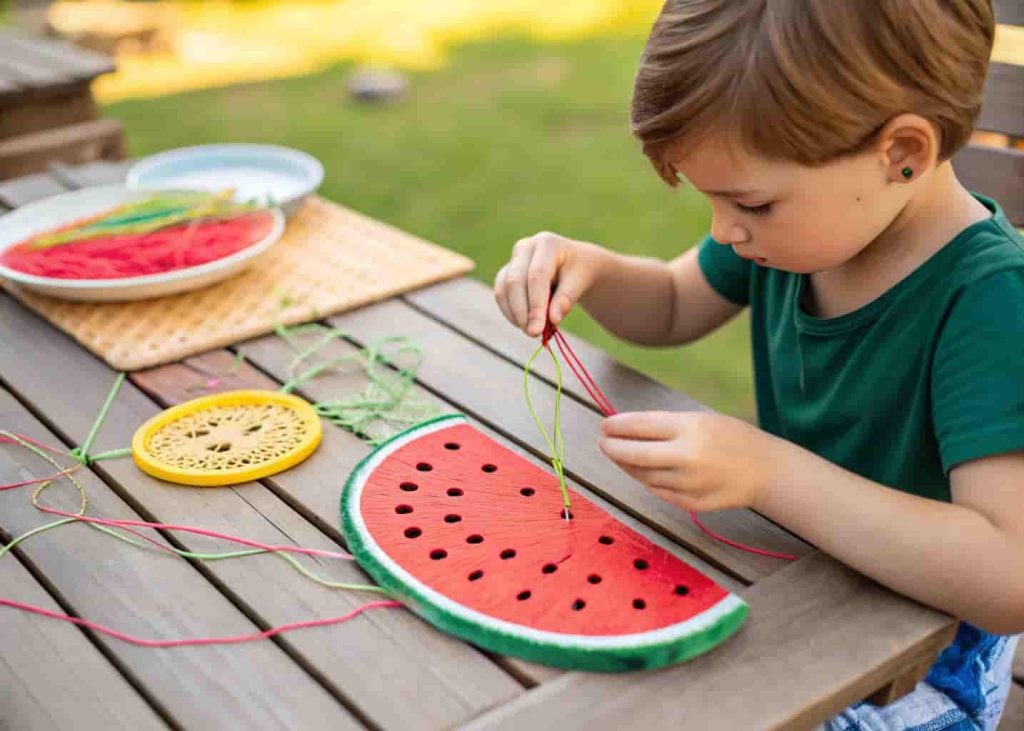
Cut thick cardstock or foam sheets into summer shapes — a sun, an ice cream cone, a watermelon slice, a starfish — punch holes around the edges with a hole punch, and thread a shoelace or yarn through one hole to start. Hand it to your preschooler and show them the in-and-out lacing motion. Then let them take over. Lacing is one of the most targeted fine motor exercises that exists for the preschool age group, building pinching strength, hand-eye coordination, and bilateral coordination all at once. It’s also quiet and focused, which makes it a wonderful wind-down activity after a busy summer morning outside. These summer preschool activities can be prepared in batches over the weekend and pulled out whenever you need ten minutes of calm and productive engagement. Add stickers to decorate the finished cards after lacing for an extra reward.
Gardening with Child-Sized Tools
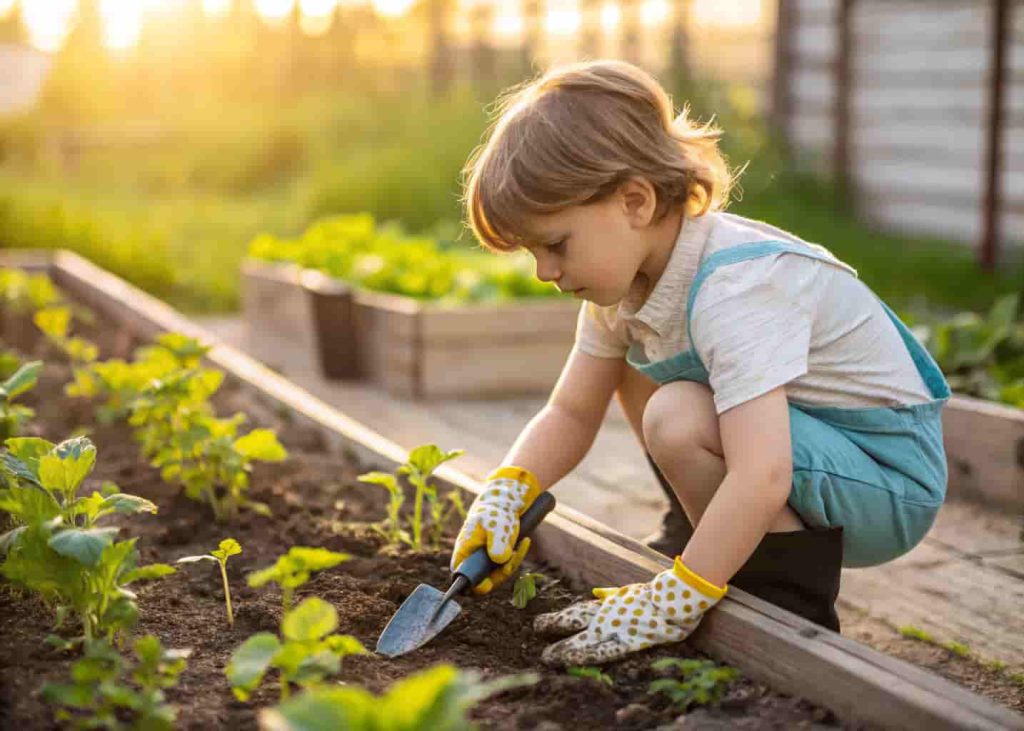
Give a preschooler a small shovel, a watering can with a narrow spout, and a patch of dirt — even a single pot counts — and you have one of the richest fine motor environments imaginable. Digging requires grip strength and wrist control. Pinching seeds one by one to drop into holes is precision work at its finest. Watering with a small can demands two-handed coordination and careful pouring. And pulling small weeds? That’s a pincer grip workout disguised as a chore. Gardening is one of those summer preschool activities that parents sometimes overlook because it doesn’t look academic, but the developmental payoff is enormous. Plant sunflowers, cherry tomatoes, or herbs — fast-growing plants that give kids visible results quickly and keep them emotionally invested in returning to their little garden every single day.
Chalk Maze Tracing on the Driveway
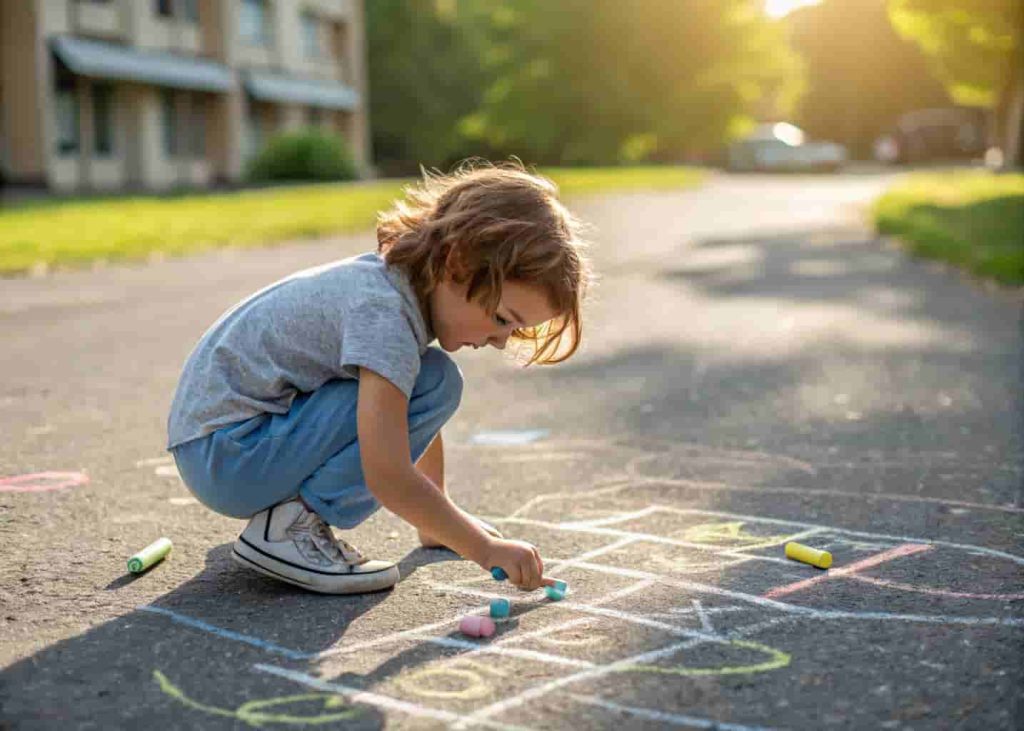
Draw a big curvy maze or a set of winding roads on the driveway with sidewalk chalk, then hand your preschooler a piece of chalk and ask them to trace along the lines without going outside the borders. For an extra layer of fun, they can drive a small toy car along the road instead of using chalk. Either way, the activity directly builds the hand control and pencil pressure skills that underpin early writing. Staying inside a line takes focus, slows down hand movement, and builds that all-important pencil grip. This is one of those summer preschool activities that works beautifully because kids see it as a game, not practice. Draw different themes each day — a race track, a river, a trail through a forest — and watch how motivated they are to trace every single one perfectly.
Peeling Fruits and Vegetables
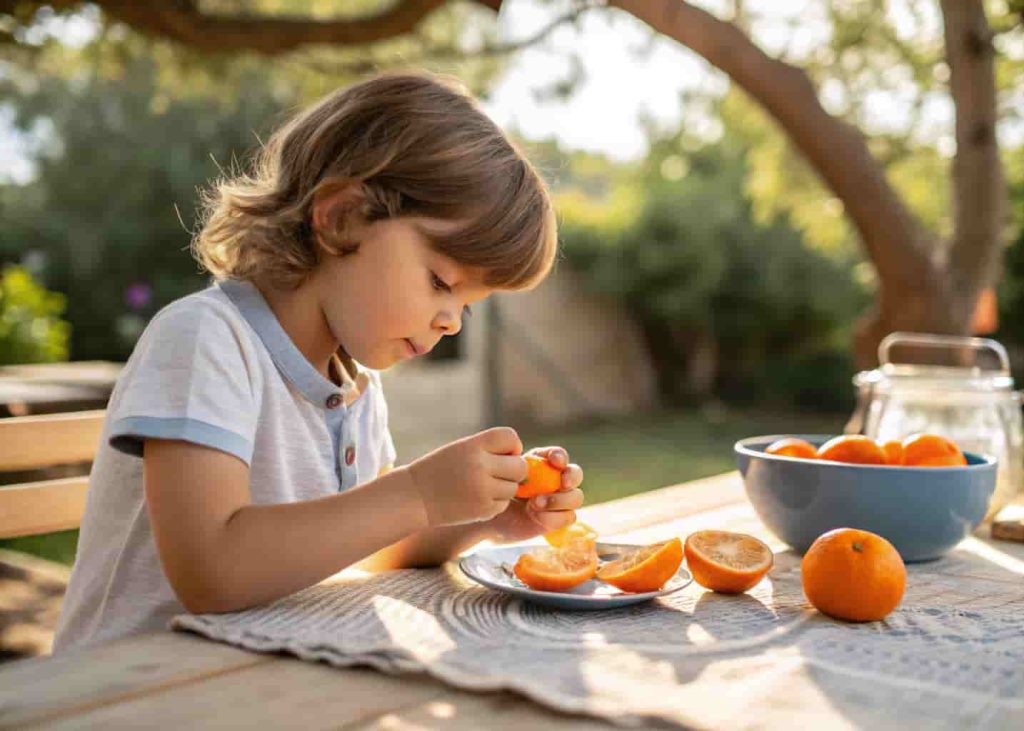
Before snack time or lunch, hand your preschooler a clementine and let them peel it themselves. Or give them a banana that’s just barely cracked open and let them pull down the peel in strips. Even shucking corn on the cob — pulling back those husks one strip at a time — is a surprisingly effective fine motor workout. These activities sneak real hand-strengthening practice into everyday moments without requiring any special materials or setup. And there’s something deeply satisfying about a child who peeled their own orange and then eats every single segment because they worked for it. Among all the summer preschool activities on this list, this one wins the award for most practical. It happens naturally at mealtimes, builds independence alongside motor skills, and turns a regular Tuesday lunch into something that actually matters for development.
Spray Bottle Water Play
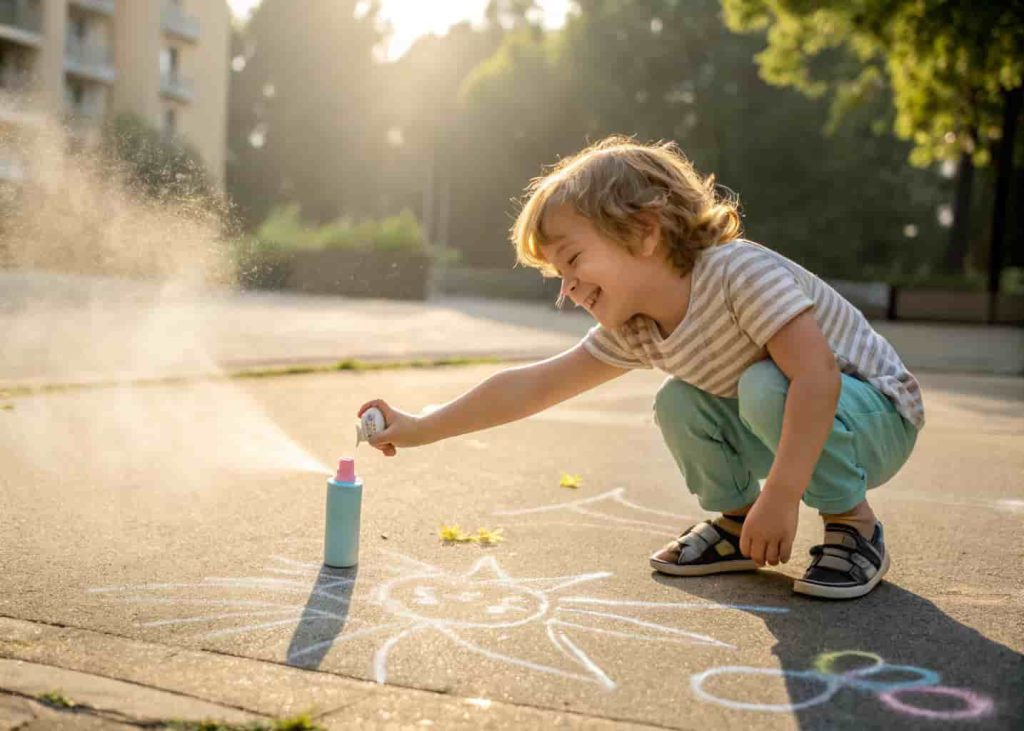
A small spray bottle — the kind used for plants or hair — is one of the most underrated tools in the preschool fine motor toolkit. Preschoolers spray chalk drawings on the pavement to watch colors bleed together. They water the garden row by row. They spray shapes onto a dry fence and watch them disappear in the sun. Squeezing the trigger of a spray bottle repeatedly requires the same finger motion as scissors, and doing it over and over builds the hand strength that directly supports cutting skills later on. It’s endlessly engaging outdoors, keeps kids cool on hot days, and produces zero mess. As far as summer preschool activities go, this one might have the highest fun-to-effort ratio of all. One dollar bottle, one afternoon of total absorption, and noticeably stronger little fingers by the end of the summer.
Cutting Playdough with Plastic Knives
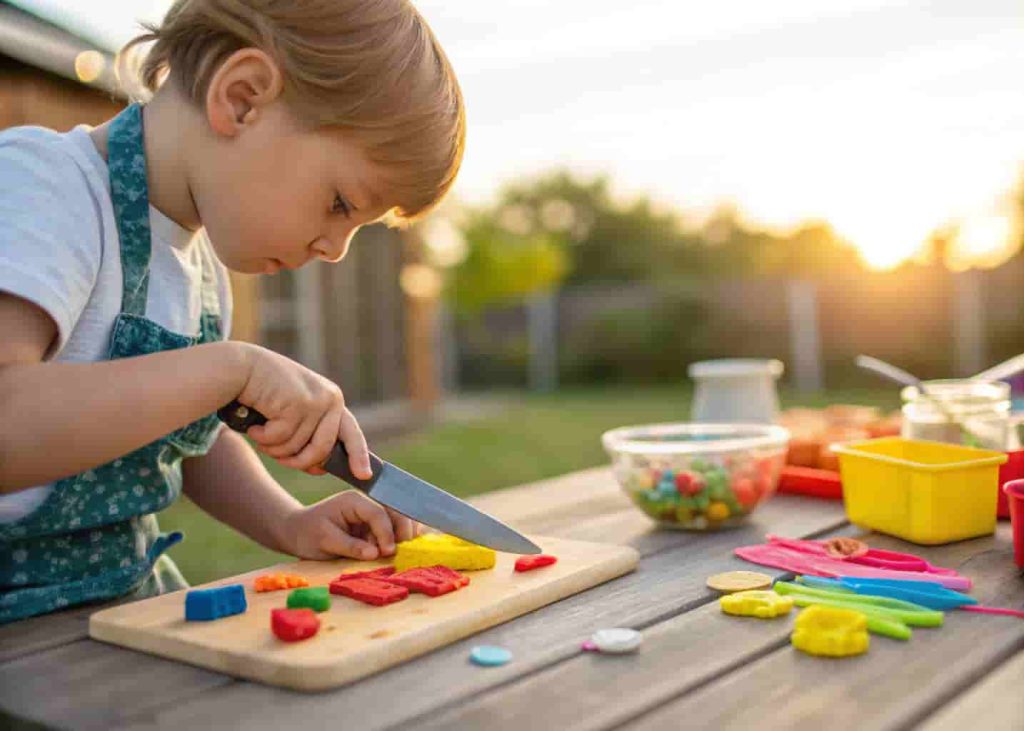
Set out a flat slab of playdough and give your preschooler a plastic picnic knife — nothing sharp, completely safe — and show them how to press and drag it through the dough to cut. They can make pretend food, slice up “birthday cakes,” or just cut the dough into strips and shapes freely. The pressing and dragging motion required to cut through playdough builds the exact hand strength and wrist stability that kids need for real scissors later. This is one of those summer preschool activities that bridges sensory play and skill-building so seamlessly that it barely feels structured at all. Add some popsicle sticks, plastic forks, and rolling pins to the setup and kids will run their own pretend bakery for the entire afternoon without any prompting. Best of all, it works at any outdoor table and cleans up in minutes.
Weaving Paper Strips
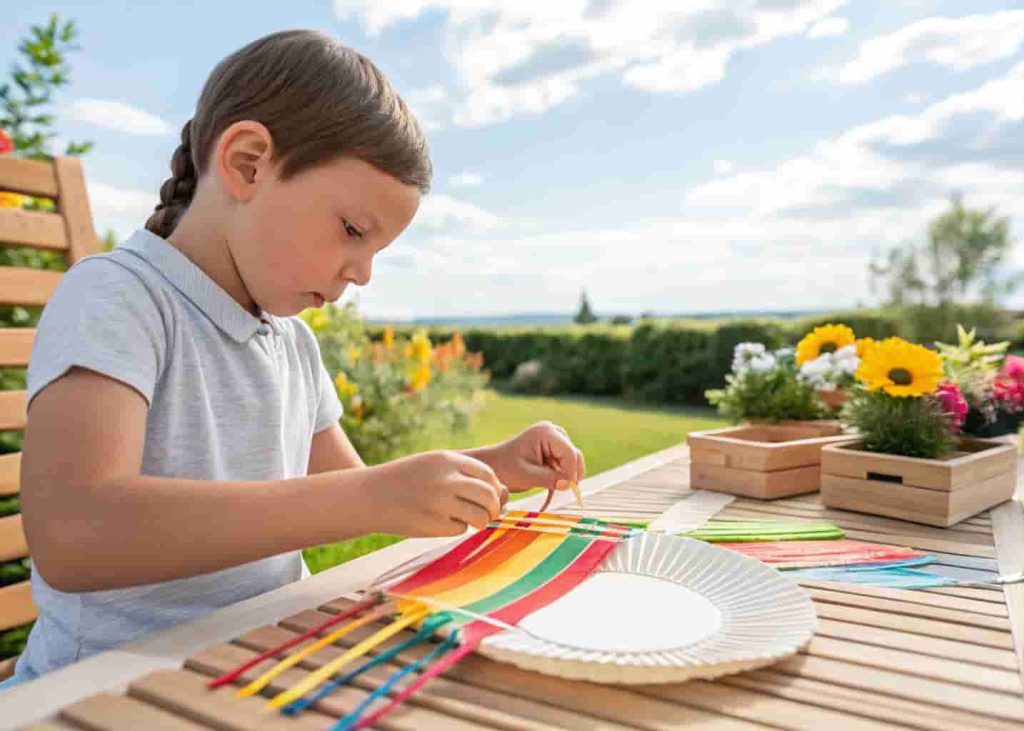
Cut a paper plate or a sheet of cardstock into a simple loom shape — just make parallel cuts across the middle section, leaving the edges intact — then give your preschooler strips of colorful paper and show them how to weave over and under through the slits. The weaving motion requires two hands working together, precise finger placement, and patient repetition. It’s the kind of activity that starts slow and then suddenly clicks, and the look on a child’s face when the pattern starts appearing is genuinely wonderful. Summer is the perfect season for this because you can do it at a picnic table under a tree with music playing and a breeze coming through. These kinds of summer preschool activities that combine creativity with coordination are the ones kids remember, and the finished weaving becomes a piece of art they’re proud to carry home or hang on the wall.
Bubble Wrap Popping Patterns
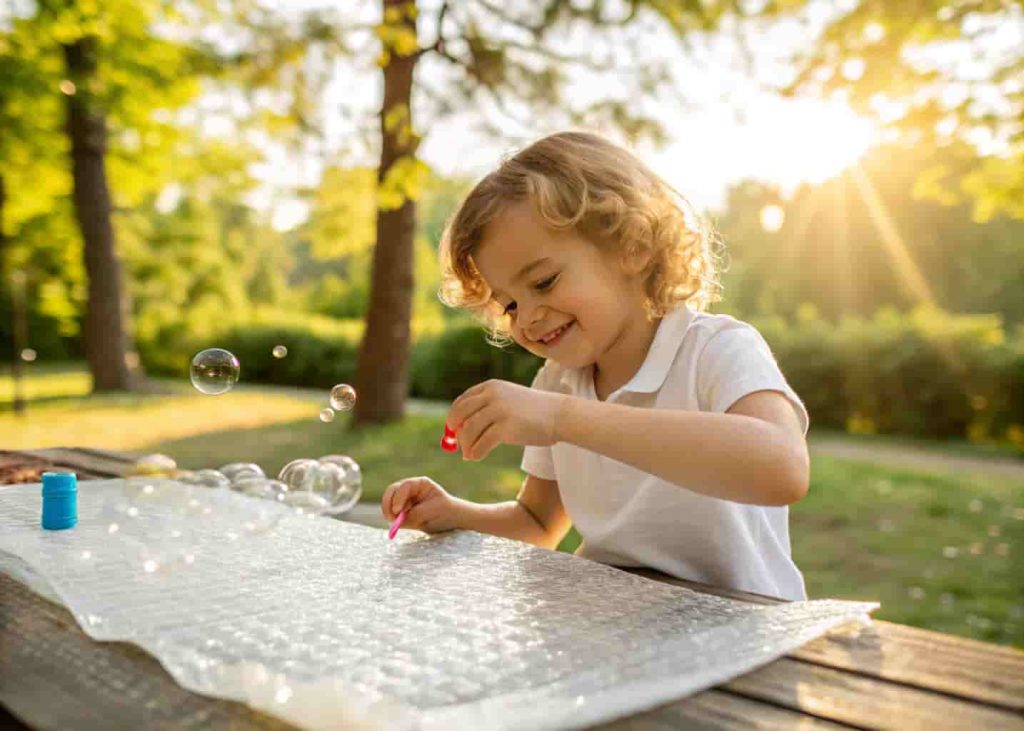
Lay out a sheet of bubble wrap on a flat outdoor surface, use a marker to draw shapes or patterns on specific bubbles — circle this one, pop that row — and let your preschooler use their pincer grip to pop each one on command. It’s one of those activities where the reward is built right in. Every pop is instant feedback, which keeps preschoolers incredibly motivated to keep going. Using just the thumb and index finger to target specific bubbles requires the same pincer grip that eventually controls a pencil. This is one of the most satisfying summer preschool activities for sensory-seeking kids especially, because the sound, the pressure, and the tactile feedback all combine into something deeply appealing. Save bubble wrap from packages all spring and then pull it out on a hot afternoon. Simple. Genius. Absolutely impossible to do without smiling.
Conclusion
Fine motor skills grow quietly in the background of all this summer fun — through every pinch, squeeze, snip, thread, and pour. The beauty of these summer preschool activities is that they never feel like practice to a three or four-year-old. They feel like the best days of summer. The muddy hands, the colorful collages, the pasta bracelets, and the chalk mazes all add up to something real: a child who heads into kindergarten with strong, confident little hands ready to hold a pencil, use scissors, and tackle whatever comes next. You don’t need a curriculum or a schedule. You just need a warm afternoon, a few simple supplies, and the willingness to let things get beautifully messy. That’s what summer is for.