
Summer School Activities has a bit of a reputation problem. The second kids hear those two words together, they picture rows of desks, stacks of worksheets, and a teacher droning on while the sun blazes outside the window. And honestly? That fear is not totally unfounded. A lot of summer programs fall into the trap of just doing more of the same — more drills, more fill-in-the-blanks, more of what already didn’t work during the school year. But here’s the thing: learning doesn’t have to feel like punishment. Kids who hate worksheets aren’t kids who hate learning. They’re kids who need a different way in. This list is for those kids — and for the teachers and parents trying to reach them.
Science Experiments With Kitchen Stuff
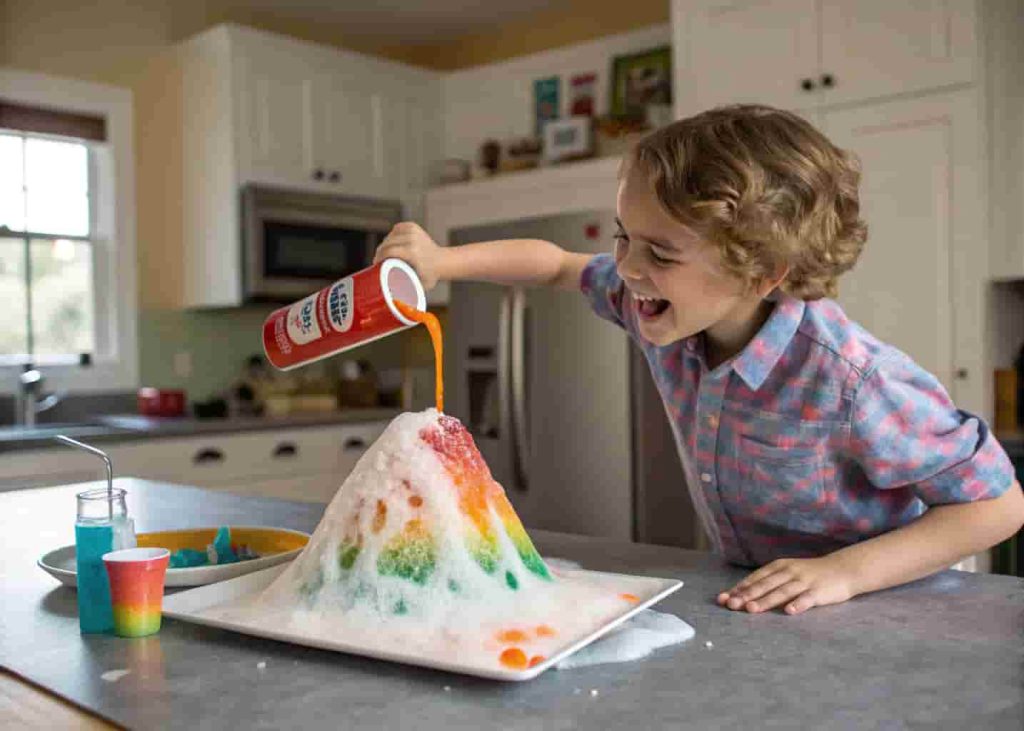
You don’t need a lab coat or expensive equipment to get kids excited about science. Some of the most memorable experiments use things already sitting in your kitchen — baking soda, vinegar, food coloring, dish soap, and a little curiosity. Think fizzing volcanoes, color-changing cabbage juice pH tests, or homemade slime that teaches kids about polymers without ever saying the word out loud. When a kid watches a reaction happen right in front of them — especially one they caused — something clicks. They start asking why it happened, which is exactly where real learning begins. Plus, cleanup is half the fun when someone inevitably makes a mess.
Outdoor Nature Journaling
Give a kid a blank notebook and a pen and send them outside — you’d be surprised what comes back. Nature journaling is one of those activities that feels like free time but is actually sneaking in writing, observation skills, drawing, and even basic biology. Kids can sketch leaves, describe the sounds they hear, write little stories about bugs they find, or press flowers between the pages. It works especially well for kids who freeze up in front of a lined worksheet but come alive when there’s no “right answer.” The outdoors removes the pressure. There’s nothing to get wrong when you’re just writing about what you see. A shady tree and a notebook is honestly all you need.

Cooking and Baking as a Math Lesson
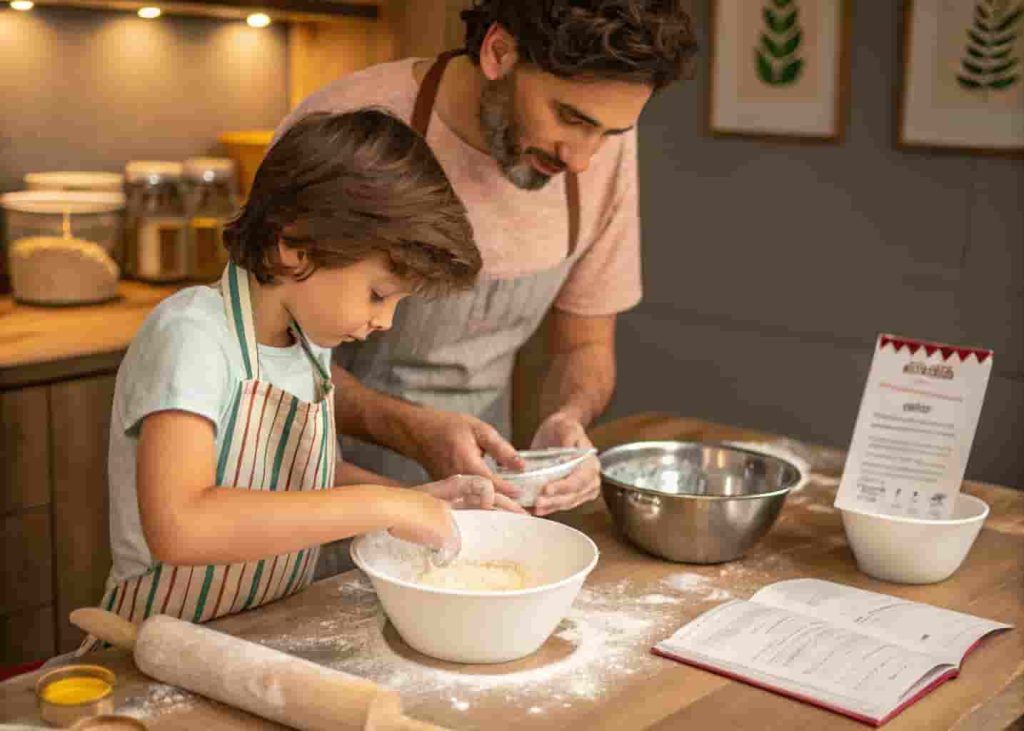
Fractions are confusing on paper. But ask a kid to help you double a cookie recipe and suddenly halves, thirds, and quarters start making real sense. Cooking is one of the most naturally math-rich activities out there — measuring cups, timers, temperatures, ratios — and it doesn’t feel like school at all. Kids who struggle with abstract numbers in a textbook often have zero trouble figuring out how many tablespoons are in half a cup when there are actual cookies on the line. You can tie in reading too, since following a recipe requires careful step-by-step reading comprehension. And at the end, everyone eats. That’s a pretty solid motivational strategy that no worksheet has ever managed to pull off.
Backyard Scavenger Hunts
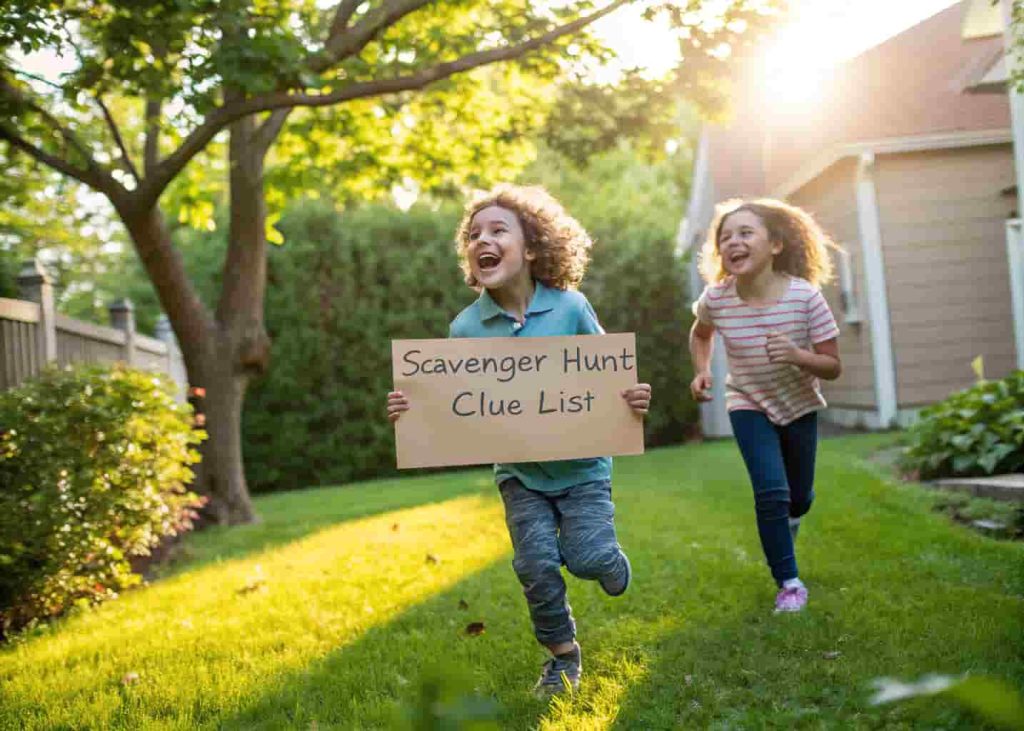
A well-designed scavenger hunt is basically a reading comprehension and critical thinking exercise wearing a party costume. Kids read clues, interpret them, problem-solve, and navigate — all while running around having the time of their lives. You can theme them around whatever subject you want. A science-themed hunt might ask kids to find something living, something dead, something smooth, something rough. A literacy hunt might hide clues written in riddles or coded messages. Even making the hunt together as a group teaches planning, writing, and teamwork. And it scales — you can run it in a backyard, a park, a school hallway, or across an entire neighborhood if you’re feeling ambitious. The logistics are the fun part.
Storytelling With Comic Strips
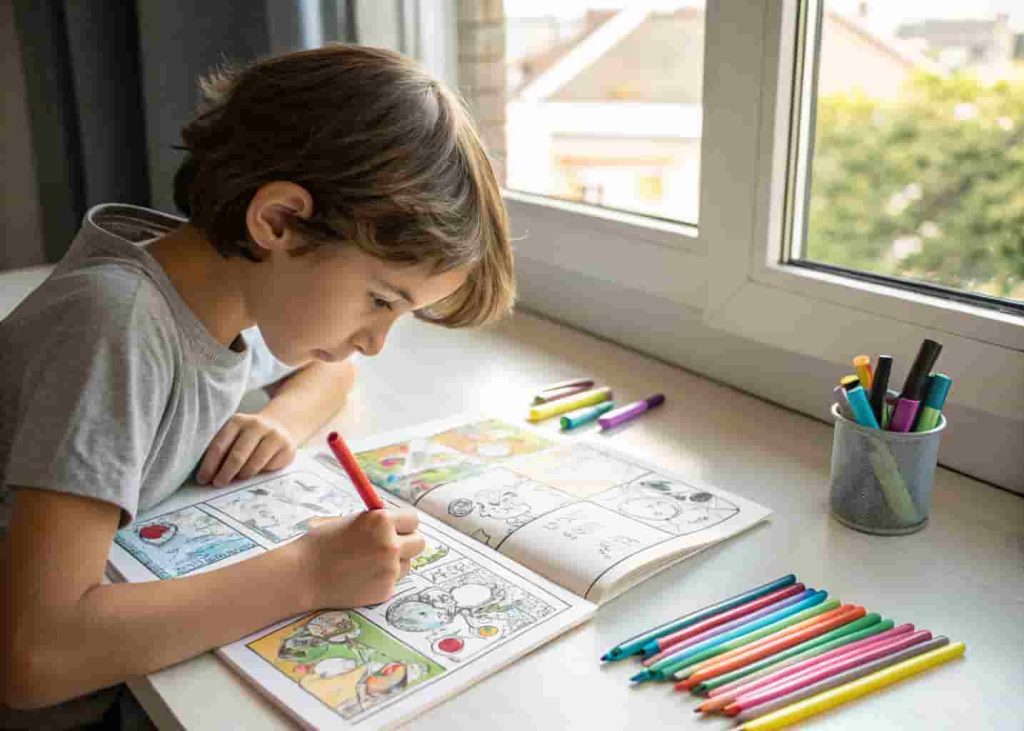
Some kids have stories bursting out of them but can’t sit still long enough to write three paragraphs. Comic strips are the answer. Give them blank panels — even just boxes drawn on printer paper — and watch them go. They’ll write dialogue, develop characters, create plot arcs, and problem-solve visually in ways that traditional writing assignments never unlock. For reluctant writers, the drawings take the pressure off the words. For reluctant artists, the story gives the pictures a purpose. It hits both types at once. You can keep it loose and free or tie it to a topic — historical events, science concepts, even personal narratives. Some of the most creative storytelling kids produce happens inside a three-panel comic strip.
Building Challenges With Recycled Materials
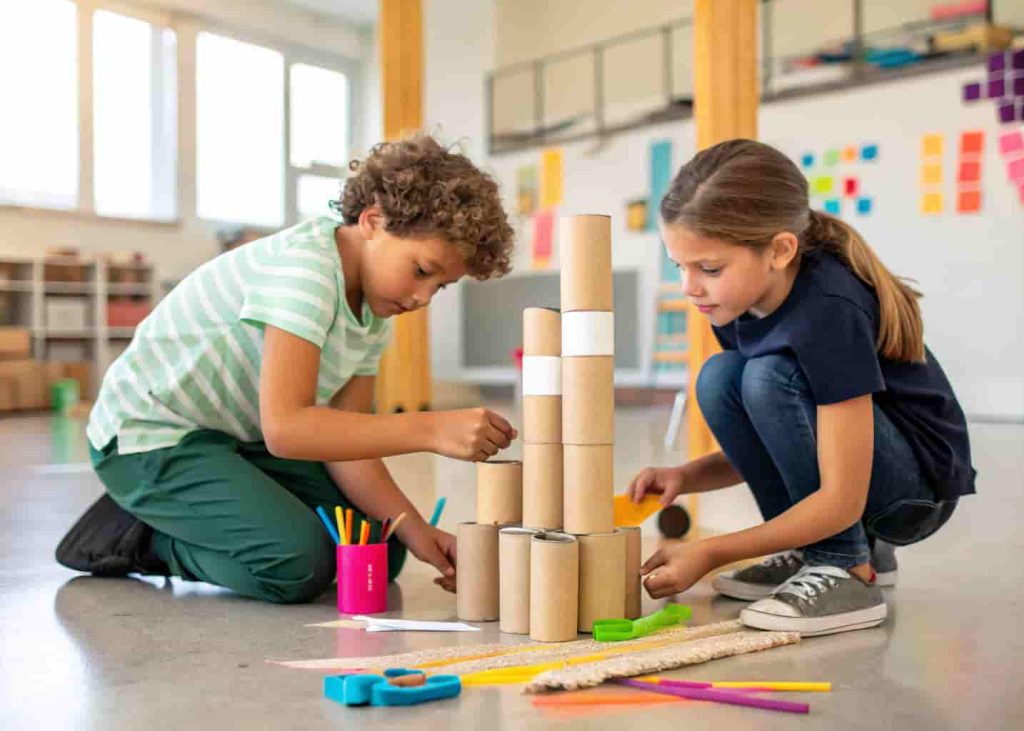
Give kids a cardboard box, some tape, a handful of popsicle sticks, and a challenge — and step back. Building activities teach engineering thinking, spatial reasoning, and persistence without a single multiple-choice question in sight. Classic challenges like “build the tallest tower that won’t fall” or “make a bridge strong enough to hold a book” push kids to plan, test, fail, and try again. That cycle of testing and adjusting is literally the scientific method, just dressed up as play. You can introduce constraints to raise the difficulty — only ten pieces of tape, only use what fits in a shoebox. Kids who check out during instruction time often become completely locked in during build challenges. Failure feels low-stakes. Creativity feels high-reward.
Reading Through Graphic Novels
There’s still a weird snobbery in some circles about graphic novels not being “real reading.” Ignore it completely. Graphic novels require kids to track multiple layers of information at once — text, image, facial expression, panel sequence, visual metaphor — which is actually a pretty sophisticated reading task. For kids who’ve always struggled with dense paragraphs, a graphic novel can be the first book they finish and actually love. Series like Dog Man, Amulet, Smile, or Big Nate have turned confirmed non-readers into kids who ask for the next book before they’ve finished the one in their hands. That’s the goal. Once a kid discovers reading can feel good, you’ve done something a hundred worksheets couldn’t.

Garden Planting and Plant Science
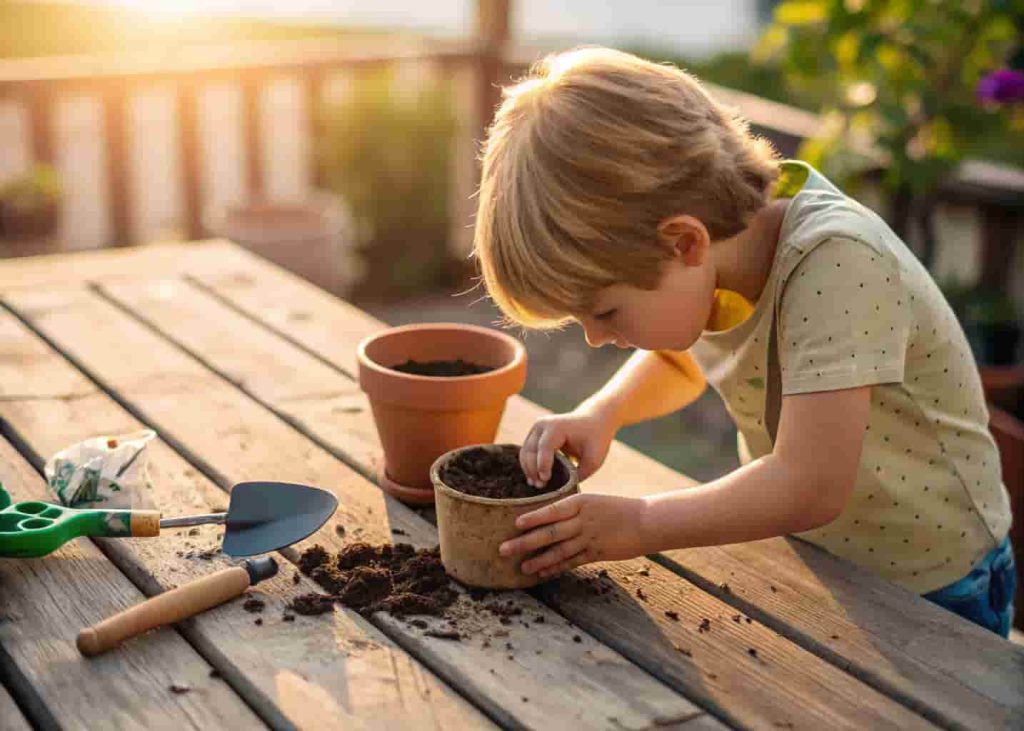
Planting a seed and watching it grow is one of those experiences kids actually remember. A small container garden — even just a few pots on a porch — can carry weeks of learning. Kids can measure plant growth over time, keep observation journals, compare plants grown in sunlight versus shade, or experiment with different types of soil. It covers science, math, writing, and responsibility all in one living project. There’s also something quietly powerful about caring for something alive. Kids who feel disconnected from school often respond to this kind of work because it’s real — the plant either grows or it doesn’t, and their effort genuinely matters. That feedback loop is completely different from getting a grade on a test.
Map Making and Geography Games
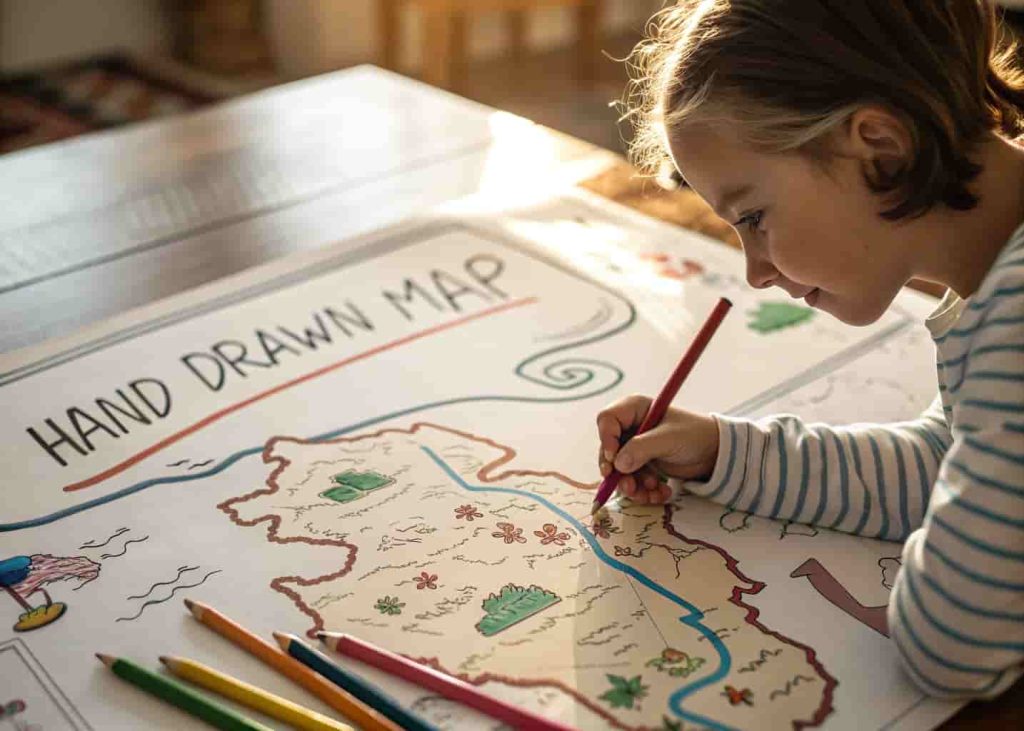
Ask a kid to draw a map of their bedroom, their neighborhood, or an imaginary world they’ve invented — and see what happens. Map-making is creative, spatial, and surprisingly literacy-rich. Kids label places, write descriptions, create legends, and think about scale and perspective. From there you can branch into real geography games — guess the country by its shape, find the most landlocked country in the world, or figure out what time it is in Tokyo right now. Geography doesn’t have to mean memorizing capitals. It can mean understanding why cities grow near water, or why some countries are cold at Christmas while others are having their summer. Connect it to things they already care about — sports teams, food, travel dreams — and the engagement shows up on its own.
Drama and Skits for History and Literature
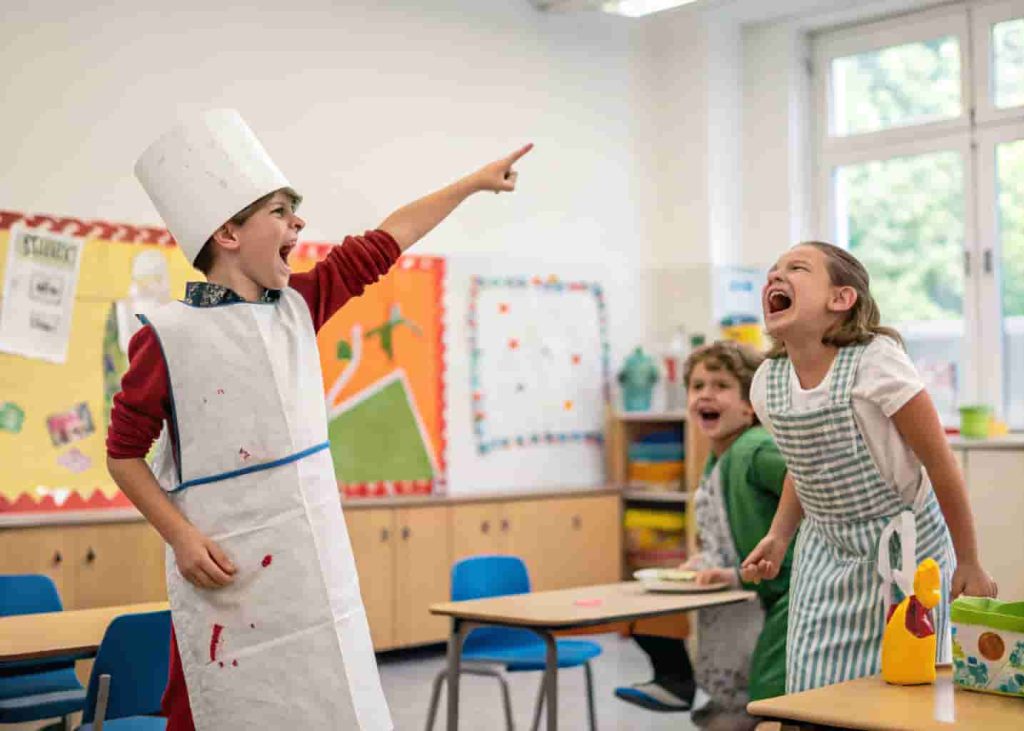
When kids act something out, they remember it. There’s a reason theater techniques show up in the best classrooms — embodied learning sticks in a way that reading a paragraph just doesn’t. Have kids act out scenes from history, dramatize a story they just read, or write their own short skit about a concept they’re learning. Even shy kids often come alive when they get to play a character rather than speak as themselves. You don’t need costumes or a stage. A cleared corner of a room and some index cards for script notes is more than enough. The discussions that come after the performance — about what choices the characters made and why — tend to go much deeper than any worksheet discussion question ever could.
Coding and Simple Game Design
Coding isn’t just for screen-obsessed teens or future tech workers. It’s logical thinking, sequencing, problem-solving, and creativity all rolled together — and for certain kids, it’s the spark that finally makes school feel relevant. Platforms like Scratch (free, browser-based) let younger kids drag and drop code blocks to make characters move, tell stories, or build simple games without needing to type a single line of traditional code. When a kid builds something and then plays it, or shows a friend and watches them play it, the pride is real. That feeling of “I made this” is incredibly motivating. And the debugging process — figuring out why something isn’t working — teaches persistence and logical reasoning in a way that’s genuinely enjoyable.
Conclusion
The kids who hate worksheets aren’t broken. They’re just wired for something more hands-on, more creative, more connected to the real world. Summer school doesn’t have to be a place where kids fall further behind in spirit even while they catch up on paper. It can be the season they discover they actually love science, or that they’re a natural storyteller, or that they can build something remarkable out of cardboard and tape. Every single activity on this list teaches real skills — reading, math, writing, science, critical thinking — just through a door that doesn’t say “worksheet” on it. That’s not lowering the bar. That’s finding the right door for the right kid.