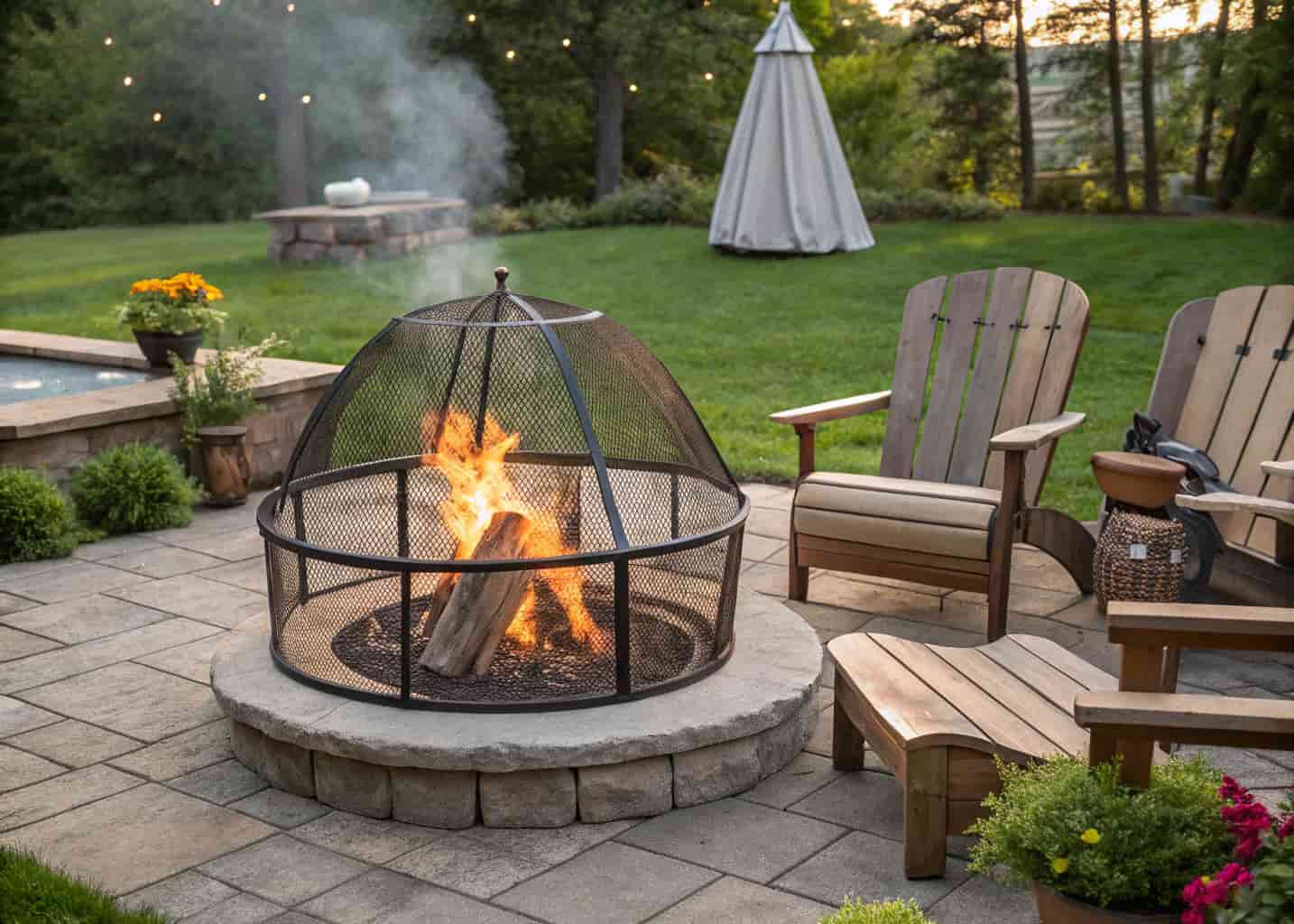
There is nothing worse than sitting around an outside fire pit and ending up with burning eyes and a smoke-filled jacket. You planned the perfect evening outside, maybe even grabbed some marshmallows, and then the wind shifted and ruined everything. Trust me, I have been there more times than I care to admit. The good news is there are real, practical ways to fix this. These 14 outside fire pit ideas will help you enjoy your fire without spending the whole night dodging smoke.
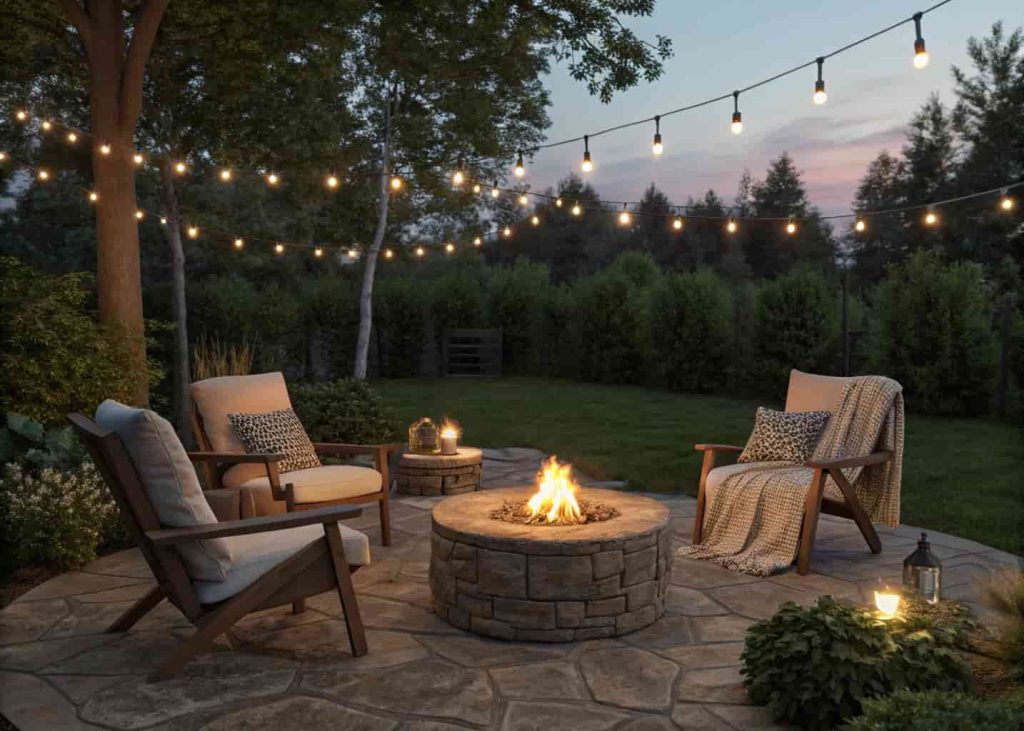
1. Switch to a Smokeless Fire Pit
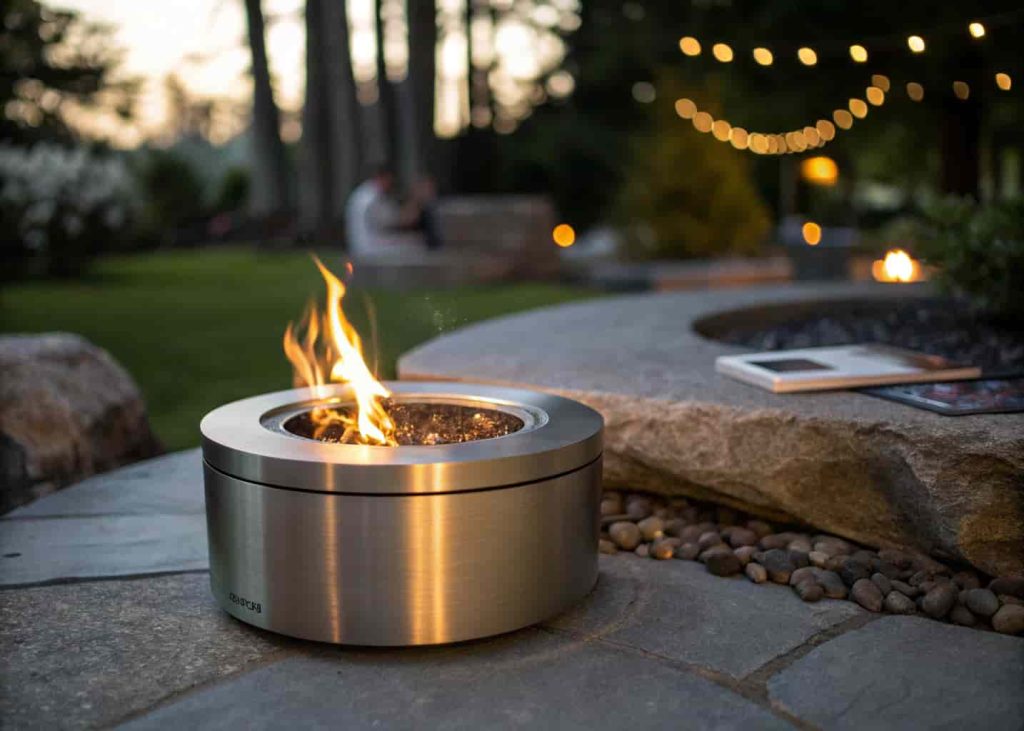
If smoke is your biggest enemy, a smokeless fire pit is the single best upgrade you can make. These pits use a clever double-wall design that pulls air in from the bottom and pushes it back through the top, which burns the smoke before it ever reaches your face. Brands like Solo Stove and BioLite have made these really popular over the last few years, and honestly, once you try one, it is hard to go back. Yes, they cost more upfront, but the experience is completely different. You actually get to enjoy the fire instead of running from it.
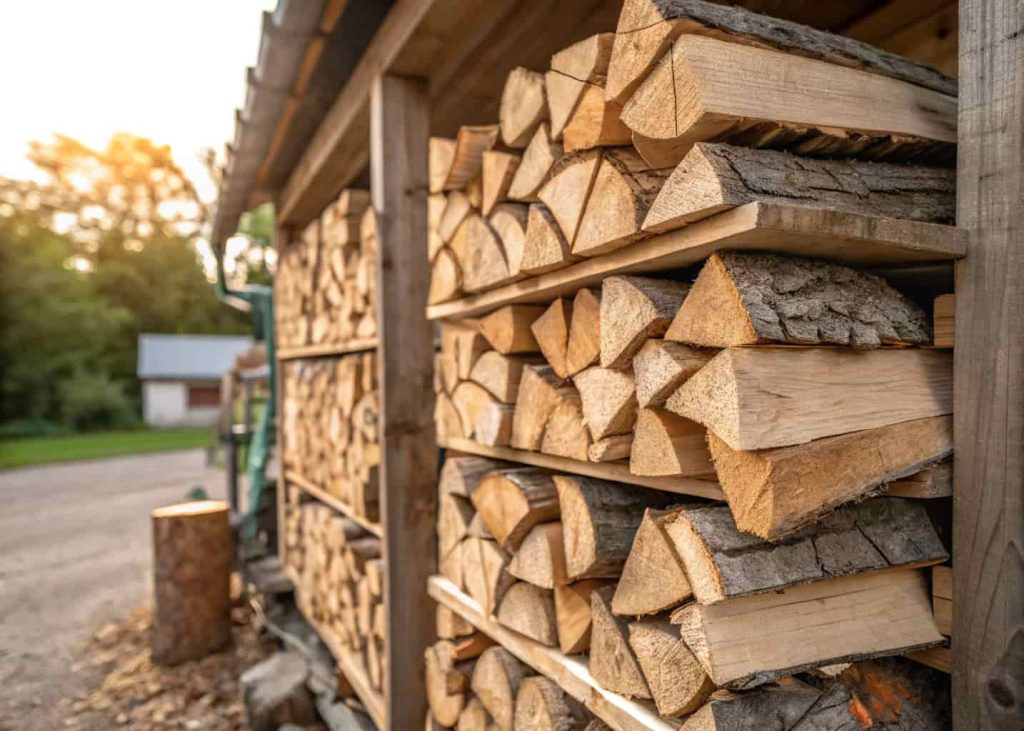
2. Use Only Dry, Seasoned Wood
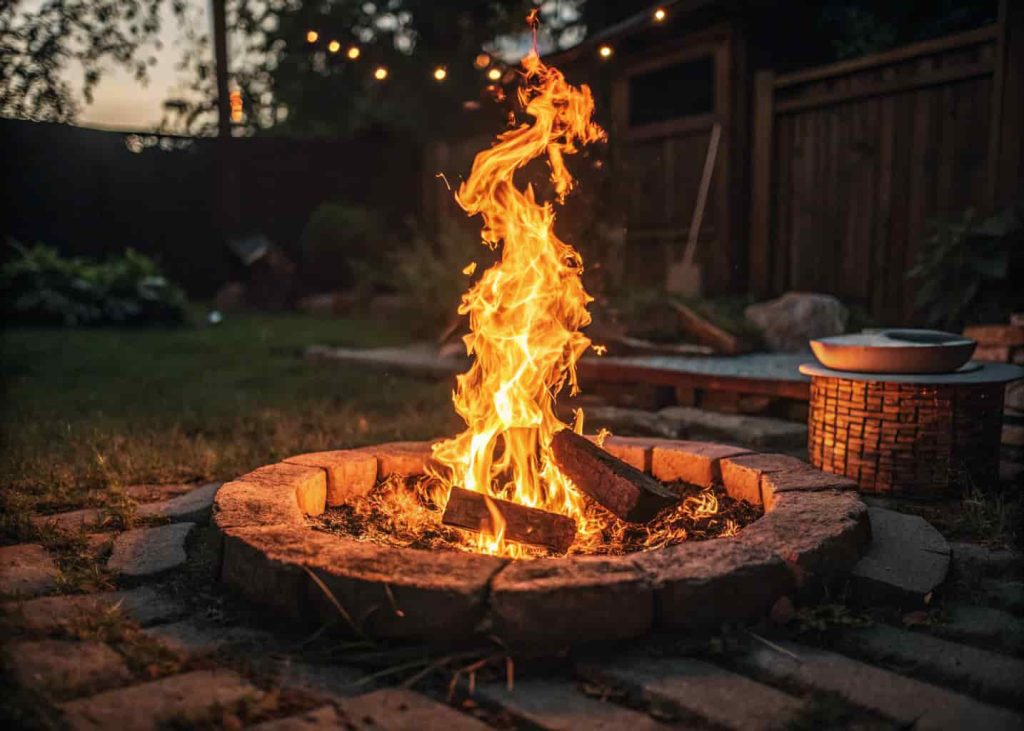
Wet or green wood is one of the biggest reasons your fire smokes so much. When wood still has moisture in it, the fire has to work extra hard to burn off that water, and all that effort produces thick, heavy smoke. Seasoned wood has been cut and dried for at least six months to a year. You can tell the difference just by the sound — dry wood makes a sharp cracking sound when you knock two pieces together. If you grab wood from a pile and it feels heavy or has dark ends with cracks, it is probably good and dry. This one simple change can cut your smoke problem in half.
3. Build a Wind Barrier or Screen
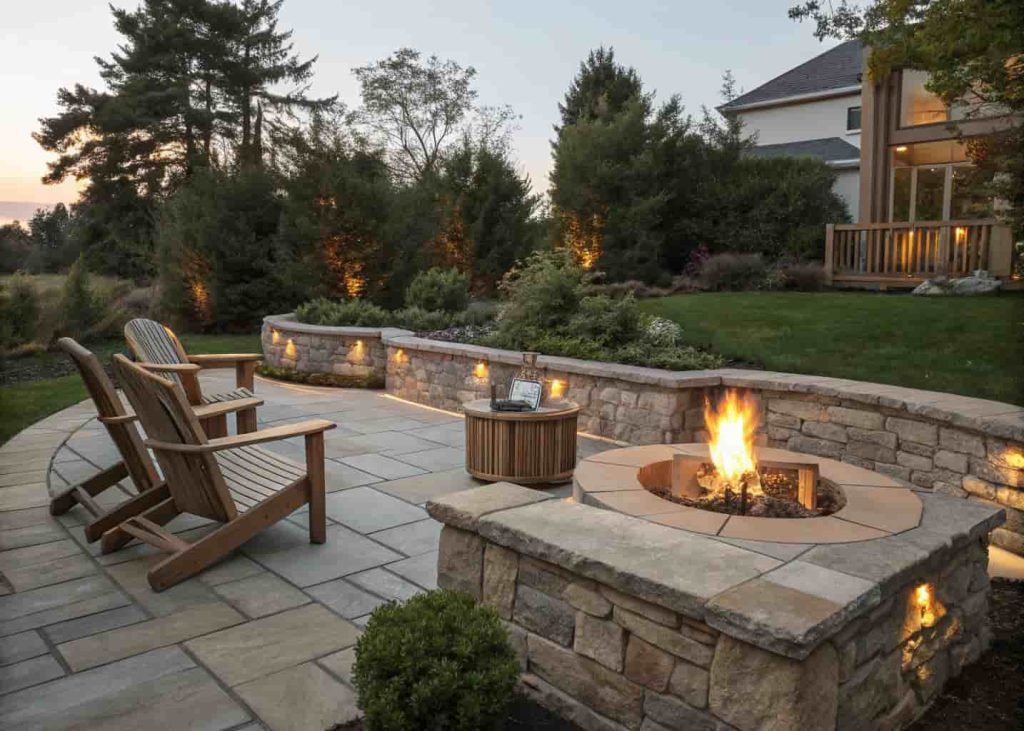
Wind is the main reason smoke keeps hitting you in the face. It pushes the smoke in whatever direction it is blowing, and if you are sitting downwind, you are going to get it every time. A simple solution is building a wind barrier around your fire pit area. This could be a low stone wall, a wooden privacy screen, some tall planters with dense bushes, or even a slatted fence panel. You do not need to block wind from every direction, just the main direction it usually comes from in your yard. Once the wind slows down near the fire, the smoke tends to rise straight up instead of sweeping across the seating area.
4. Position Your Seating Upwind
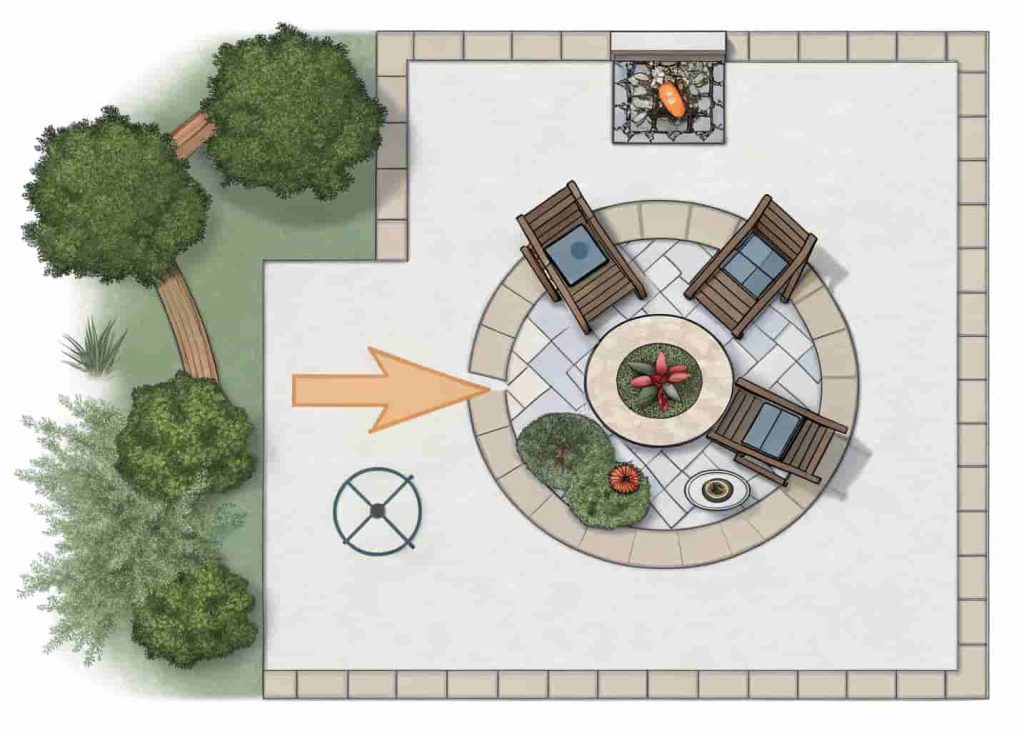
This one sounds obvious but most people never think about it. Before you sit down, take thirty seconds to figure out which way the wind is blowing. The easiest way is to wet your finger and hold it up — the side that feels cool is the direction the wind is coming from. Sit on that same side of the fire, not the opposite side. That way the smoke is blowing away from you instead of at you. I started doing this last summer and it genuinely changed how much I enjoy our evening fire pit sessions. You might need to move your chairs around depending on the night, but it is worth the two-minute effort.
5. Try a Fire Pit with a Spark Screen Lid
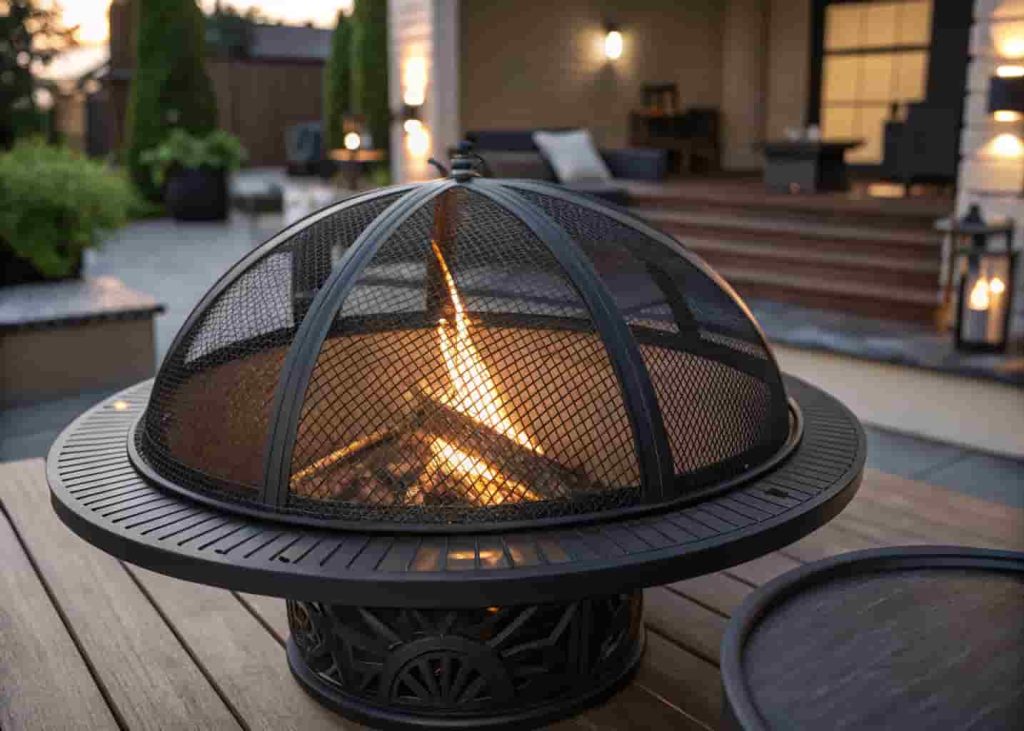
A mesh spark screen or lid does double duty. It keeps embers from popping out and landing on people or furniture, and it also helps direct the smoke upward rather than letting it drift sideways at low levels. The screen acts like a little chimney effect, encouraging airflow to go up. Look for a lid that fits your fire pit snugly and has a fine enough mesh to catch small sparks. Some fire pits come with these included, but you can also buy universal ones separately. They are especially helpful on nights when the fire is a bit wild and unpredictable, which honestly is most nights when kids are adding too many logs.
6. Place the Fire Pit in an Open Area
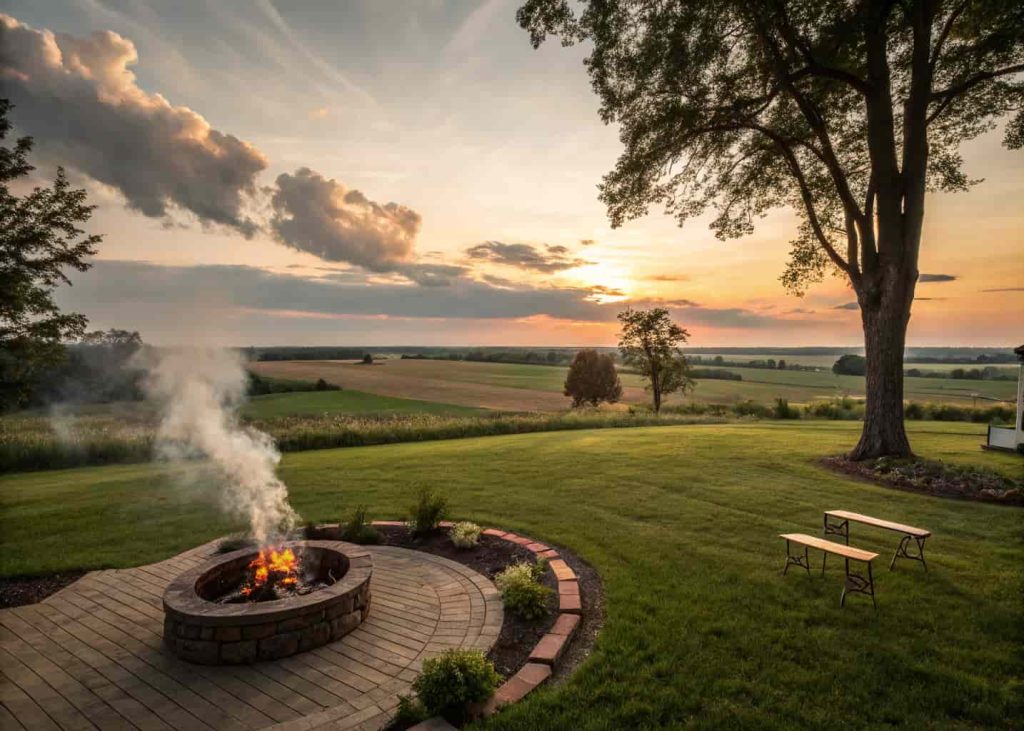
If your fire pit is tucked into a corner of your yard, surrounded by fences, walls, or thick hedges, smoke has nowhere to go. It gets trapped and swirls around. Moving your fire pit into a more open part of the yard gives the smoke a clear escape path — straight up into the sky. You want at least ten feet of open space around the pit if you can manage it. I know not every backyard has that kind of room, but even shifting the pit a few feet away from a fence can make a noticeable difference. Open airflow is really the foundation of a smoke-free fire experience, and no amount of tricks will fully work if the pit is wedged into a tight space.
7. Add a Chimney Cap or Spark Arrester
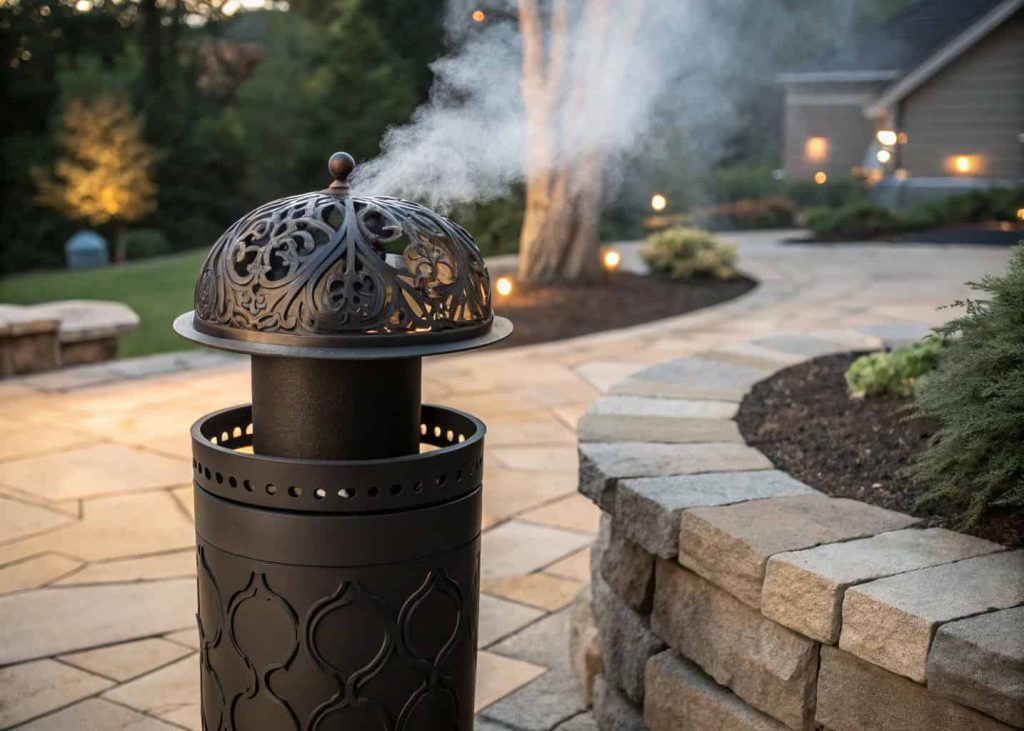
If you have a built-in fire pit or a taller bowl-style pit, adding a chimney cap on top can make a real difference. It works the same way a chimney does on a house — it creates a draft that pulls smoke upward and out rather than letting it fall sideways. Spark arresters are similar and are often required by local codes if you live in a dry area. They sit on top of your pit and allow air in while blocking sparks from flying out. You can find decorative versions that look really sharp too, so your fire pit setup looks intentional and stylish while also being more functional. It is a small addition that delivers a noticeable result.
8. Build a Sunken Fire Pit
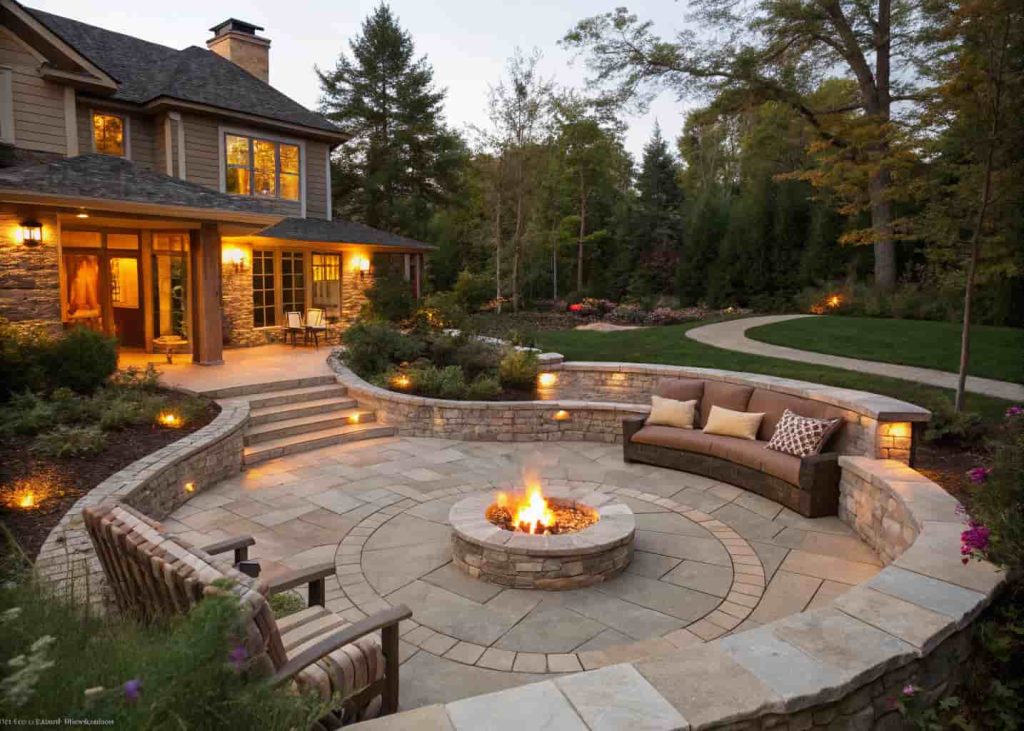
A sunken fire pit is exactly what it sounds like — a pit that sits below ground level rather than on top of it. Digging down even twelve to eighteen inches changes the whole smoke dynamic. The fire is lower, the smoke has more vertical distance to travel before it reaches face level, and the earth walls on the sides help shield the fire from cross-winds. This is a bigger project that takes a weekend to build, but it is one of those things that genuinely transforms your backyard. Sunken pits also look incredible and feel very intentional. You can line the walls with stone, brick, or concrete block to make it look polished and last for years.
9. Use Hardwoods Instead of Softwoods
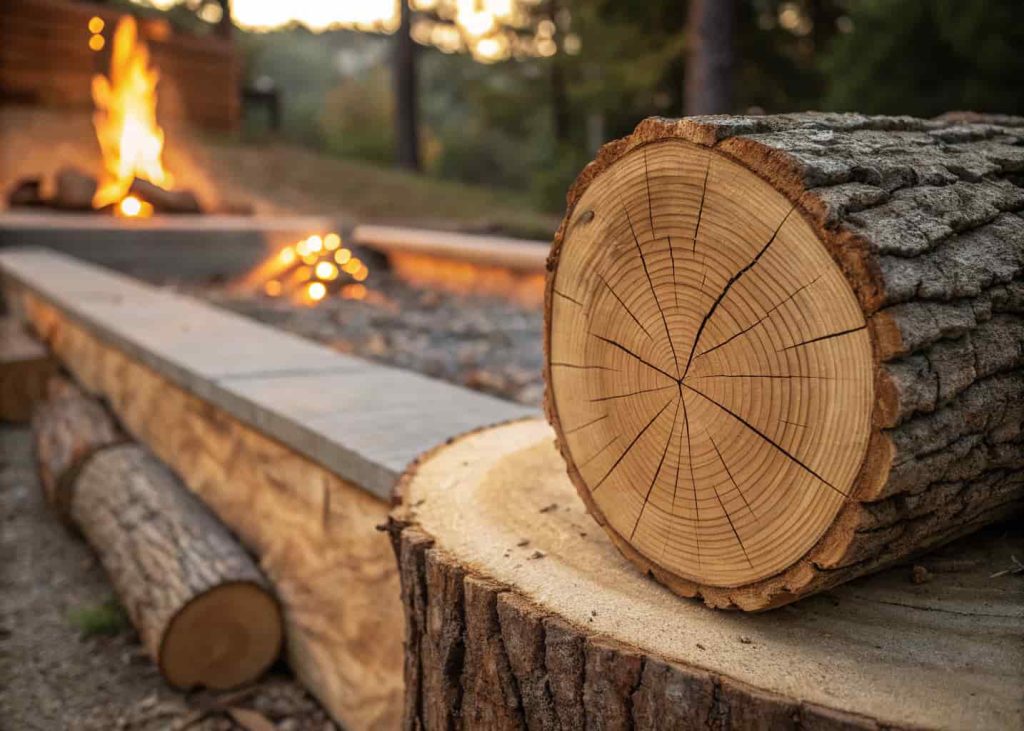
Not all wood burns the same, and the type of wood you choose has a huge impact on how much smoke your fire produces. Softwoods like pine, cedar, and spruce burn fast and produce a lot of resin and smoke. Hardwoods like oak, hickory, apple, and cherry burn slower, hotter, and much cleaner. If you have always just grabbed whatever wood was available, switching to hardwood is going to feel like a total upgrade. Your fire will last longer, the heat will be more consistent, and you will barely notice any smoke at all. Hardwood costs a bit more but you use less of it because it burns so much more efficiently, so it often evens out in the end.
10. Install a Pergola or Overhead Cover
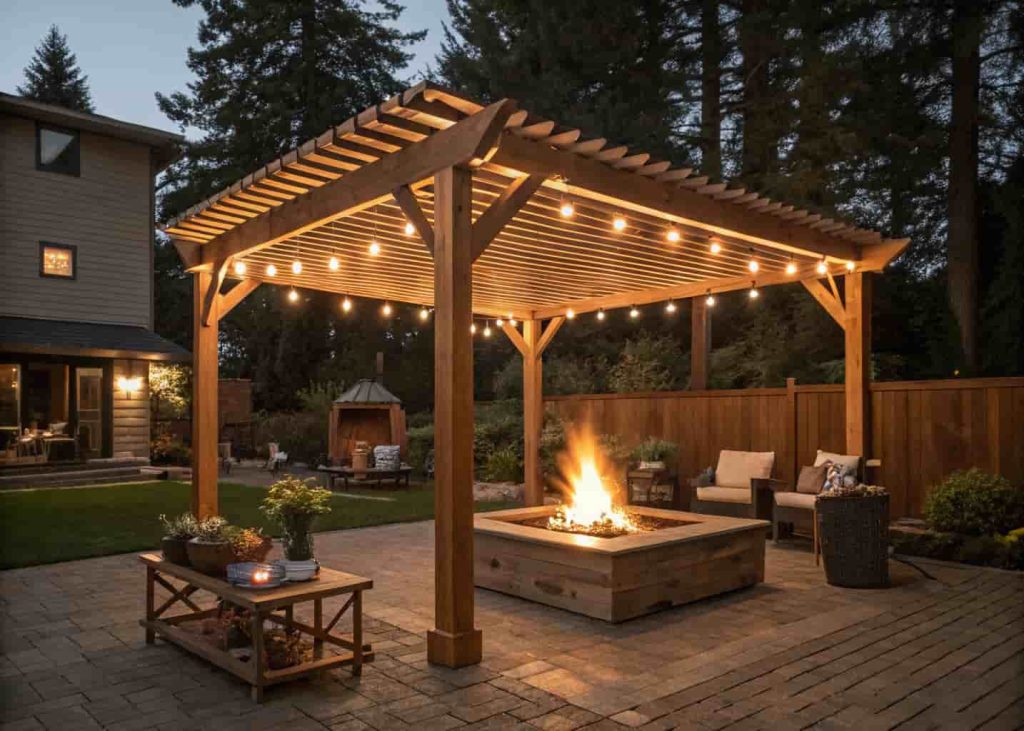
A pergola over your fire pit area might seem like it would trap smoke, but a well-designed open pergola actually helps manage it. The overhead structure channels airflow in a more predictable way, reducing the random swirling that happens in completely open spaces on breezy nights. Make sure your pergola is open enough — at least fifty percent open on the sides and top — so smoke can escape easily. Solid roofed structures like gazebos are not ideal directly over a fire pit because smoke can build up underneath. A louvered pergola with adjustable slats gives you the best of both worlds: weather protection and smoke management, all in one good-looking backyard upgrade.
11. Keep the Fire Small and Hot
Bigger fires are not always better, especially when it comes to smoke. A massive pile of logs that is struggling to fully combust will pump out way more smoke than a smaller, hotter fire that is actually burning completely. The goal is full combustion — where the wood is burning cleanly and efficiently. Start with good tinder, build up to small kindling, and then add one or two solid logs at a time. Let each piece catch fully before adding more. A fire that is too packed with wood will smolder and smoke. A fire that has room to breathe will burn hot and clear. Less really is more when it comes to a clean-burning backyard fire.
12. Try a Propane or Natural Gas Fire Pit
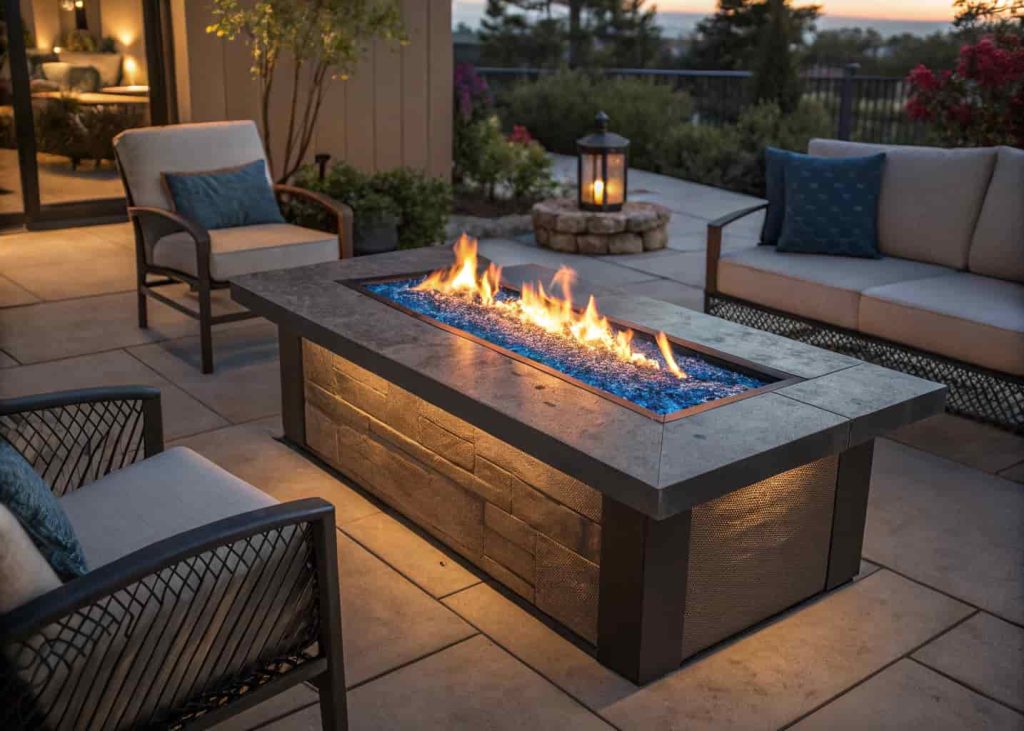
If you love the look of a fire but the smoke is just completely ruining it for you, a propane or natural gas fire pit is worth considering. These produce virtually no smoke at all because they burn a clean fuel instead of wood. They are also incredibly easy to use — turn a knob, click the igniter, and you have a fire in seconds. No hauling wood, no building a fire, no smoke in your eyes. The downside is they do not give you that crackle and campfire smell that wood fires have, which matters a lot to some people. But if smoke is your main issue, gas fire pits solve it completely. Many models look stunning too with real lava rock or glass bead media.
13. Add a Fire Pit Grate or Raised Log Holder
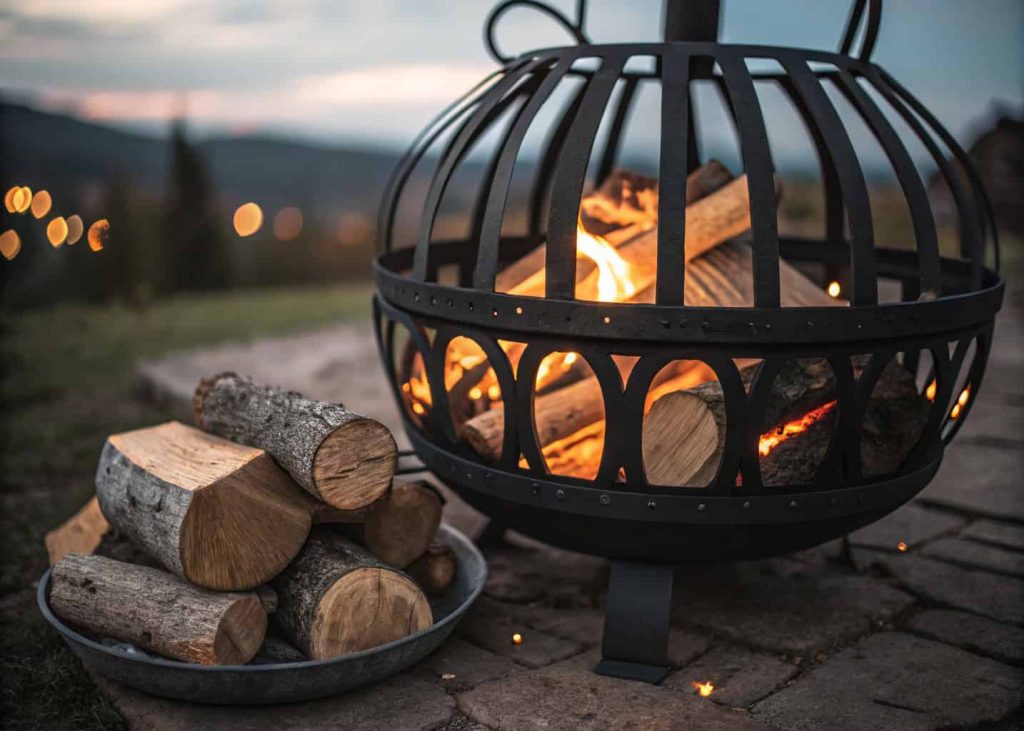
One thing that really helps wood burn more completely — and produce less smoke — is getting it up off the ground with a fire grate or log holder. When logs sit flat on the bottom of the pit, airflow underneath them is restricted. Fire needs oxygen to burn cleanly, and without it, you get a sluggish, smoky fire. A simple raised grate lifts the logs just a few inches, letting air circulate underneath them. The difference in how the fire burns is actually impressive. The fire lights faster, burns hotter, and produces far less smoke. It is one of those cheap, simple additions that makes a noticeable impact right away without any major changes to your setup.
14. Plant a Natural Windbreak Around the Pit Area
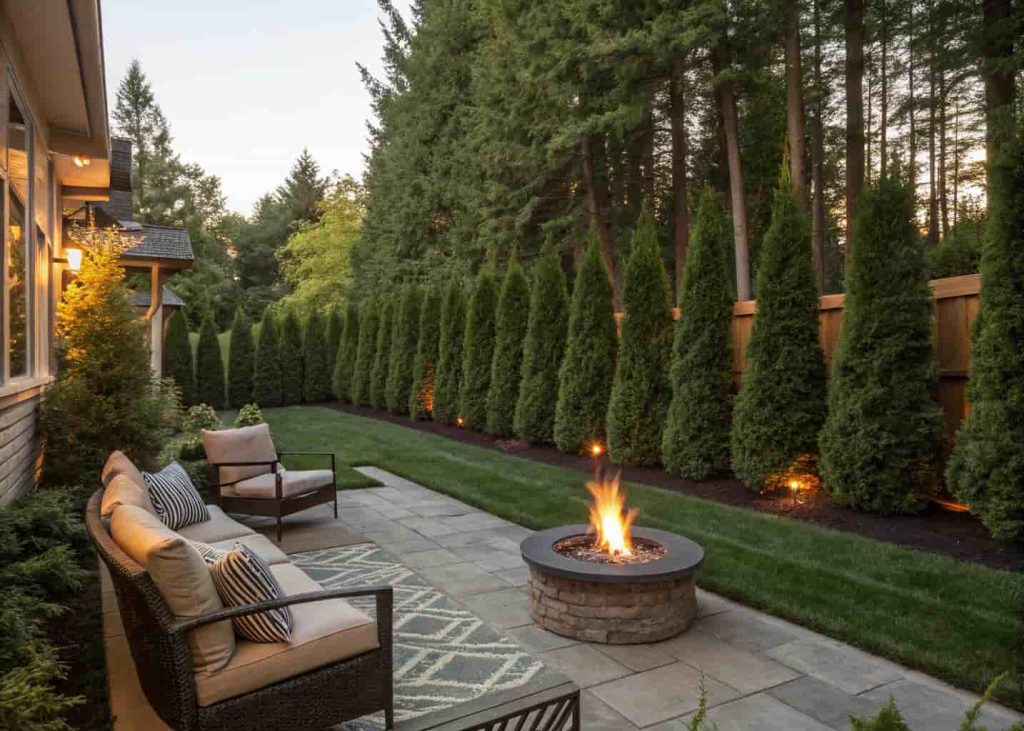
If you want a long-term, beautiful solution to your smoke problem, consider planting a natural windbreak around your fire pit area. Dense shrubs like arborvitae, boxwood, or privet can grow into a natural wall that blocks wind from your prevailing direction without making your yard feel closed in. This takes a season or two to really establish, but once it grows in, it works better than any fence or screen. You get the added bonus of privacy too. Position the plants so they block the direction the wind most commonly comes from in your area, and leave the other sides more open so smoke has somewhere to escape. It is the most natural-looking fix on this whole list.
Conclusion
Dealing with smoke every time you sit by the fire pit is genuinely frustrating, and it is the kind of thing that makes people stop using their outdoor space altogether. But it does not have to be that way. Whether you start small by switching to dry hardwood and repositioning your chairs, or go bigger with a smokeless pit or sunken design, every single idea on this list will move you in the right direction. You do not have to try all fourteen. Pick two or three that make sense for your yard and your budget, and you will notice a real difference the very next time you light a fire. Backyard evenings are meant to be relaxing — now they actually can be.