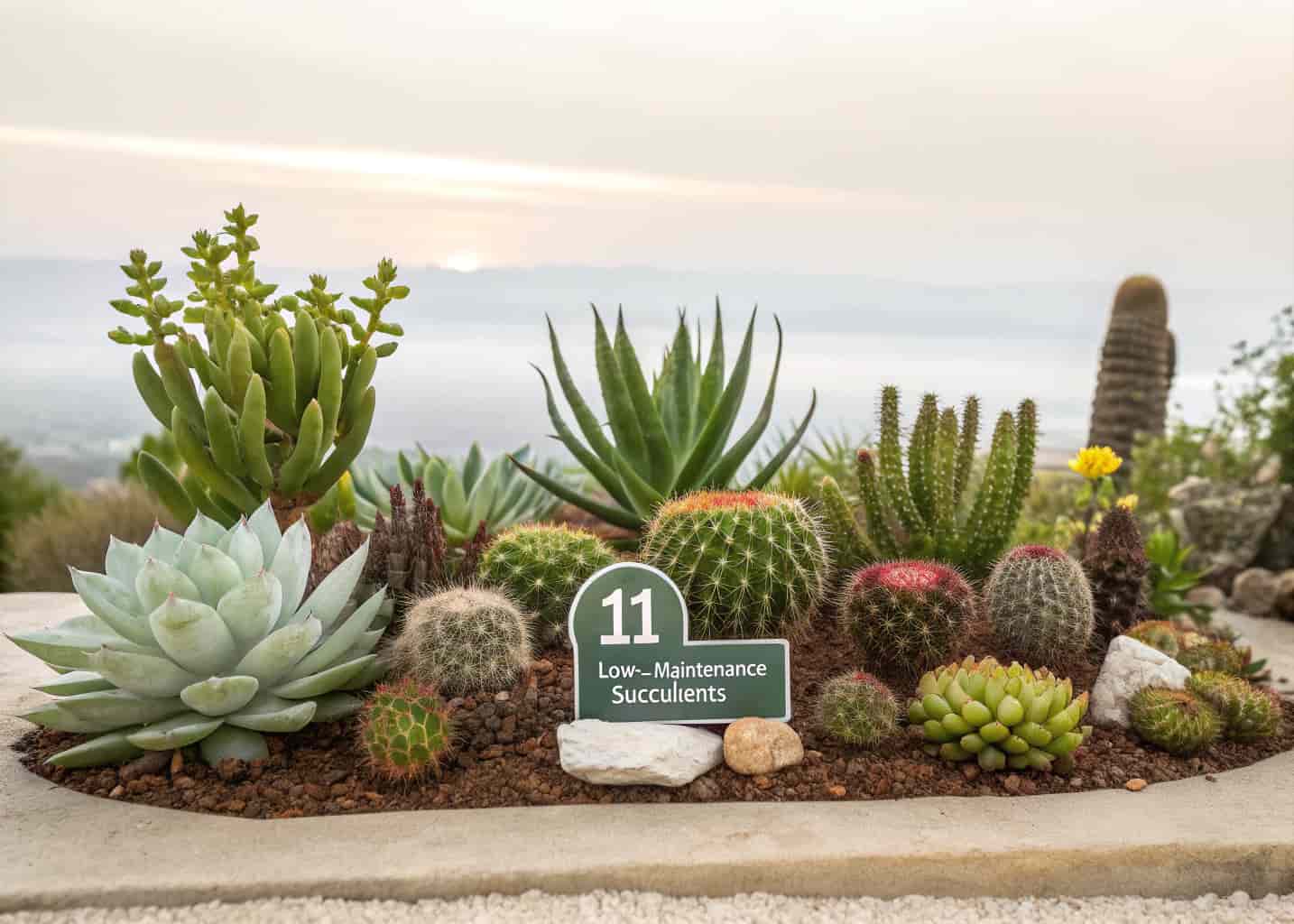
If you’ve ever killed a plant and felt genuinely terrible about it, this list is for you. Cacti and succulents are honestly some of the most forgiving plants on the planet. They don’t need much water, they thrive in bright light, and most of them will still look amazing even if you forget about them for a few weeks. I’ve had a few of these sitting on my windowsill for years, and they just keep growing without much effort from me at all.
Echeveria
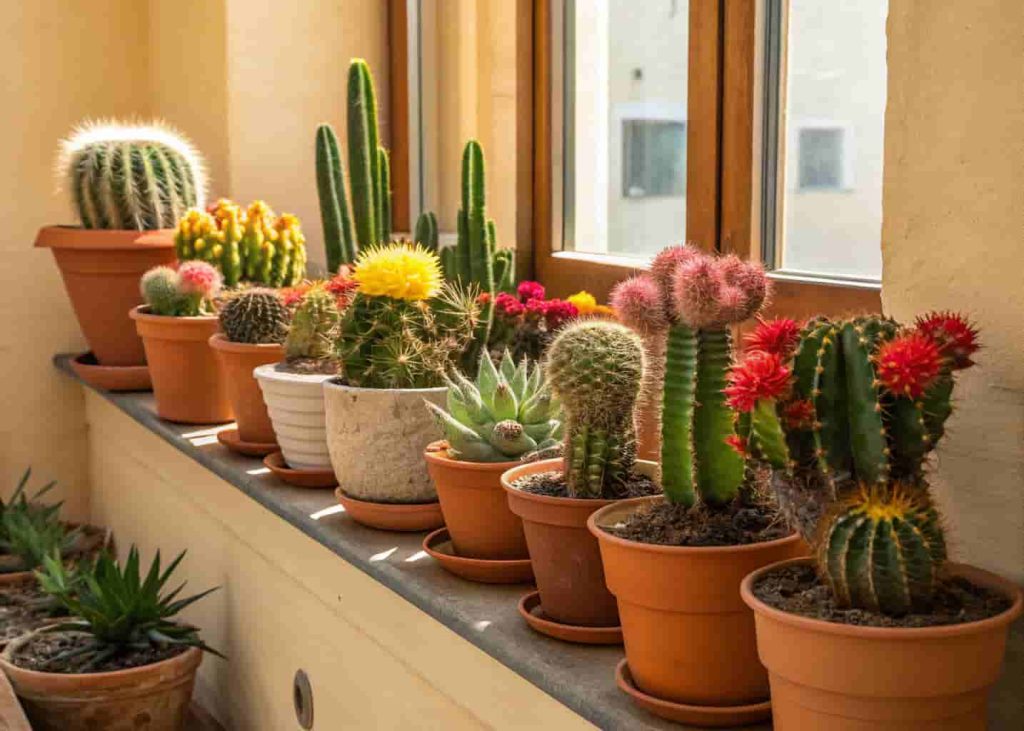
Echeveria is probably the most popular succulent out there, and honestly, it deserves all the attention it gets. The rosette shape looks like a flower carved out of thick, waxy leaves, and it comes in so many colors — dusty pink, blue-green, purple, and even orange. It’s perfect for beginners because it only needs watering once a week or even less in winter. Just plant it in well-draining soil, put it near a sunny window, and you’re good to go. I keep one on my desk and it adds such a nice touch without demanding anything in return. If the leaves start getting a bit leggy, it just means it needs more sunlight.
Golden Barrel Cactus
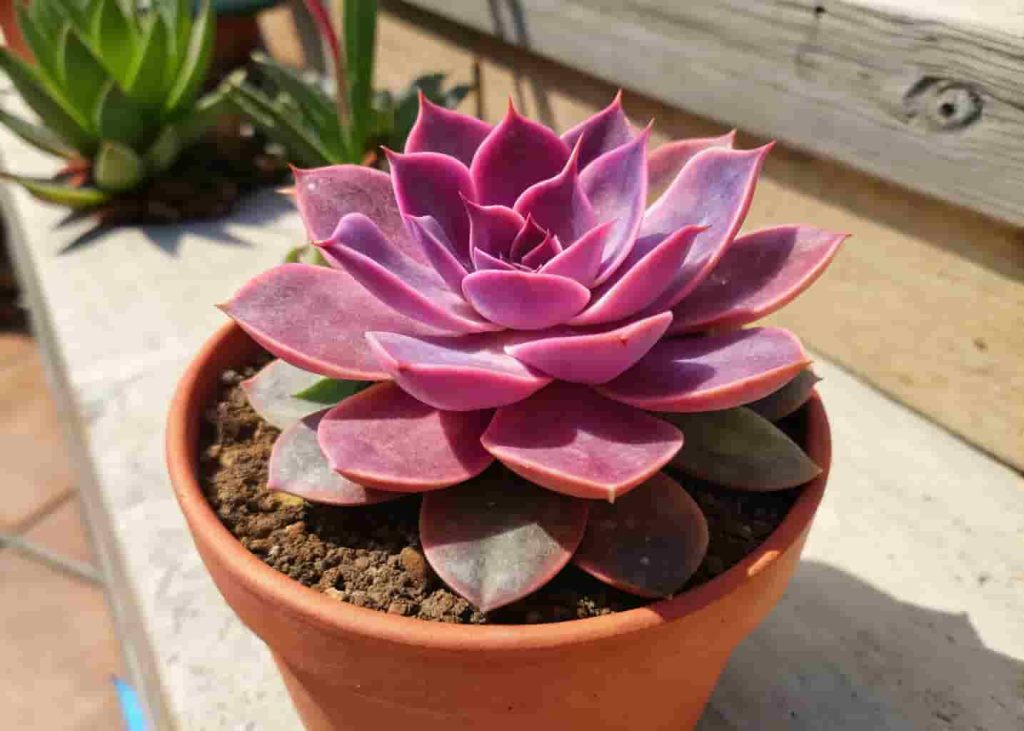
The Golden Barrel Cactus looks exactly like what its name says — a round, golden, barrel-shaped cactus covered in yellowish spines. It’s one of those plants that just sits there and looks cool without needing any fuss. In the wild, these grow in Mexican deserts and can live for decades. At home, they do best in a sunny spot and barely need watering. Once a month is usually enough during fall and winter. They grow slowly, so don’t expect dramatic changes overnight, but that also means you won’t need to repot them often. If you have a south-facing window with lots of sun, this is one of the best plants you can put there.
Aloe Vera
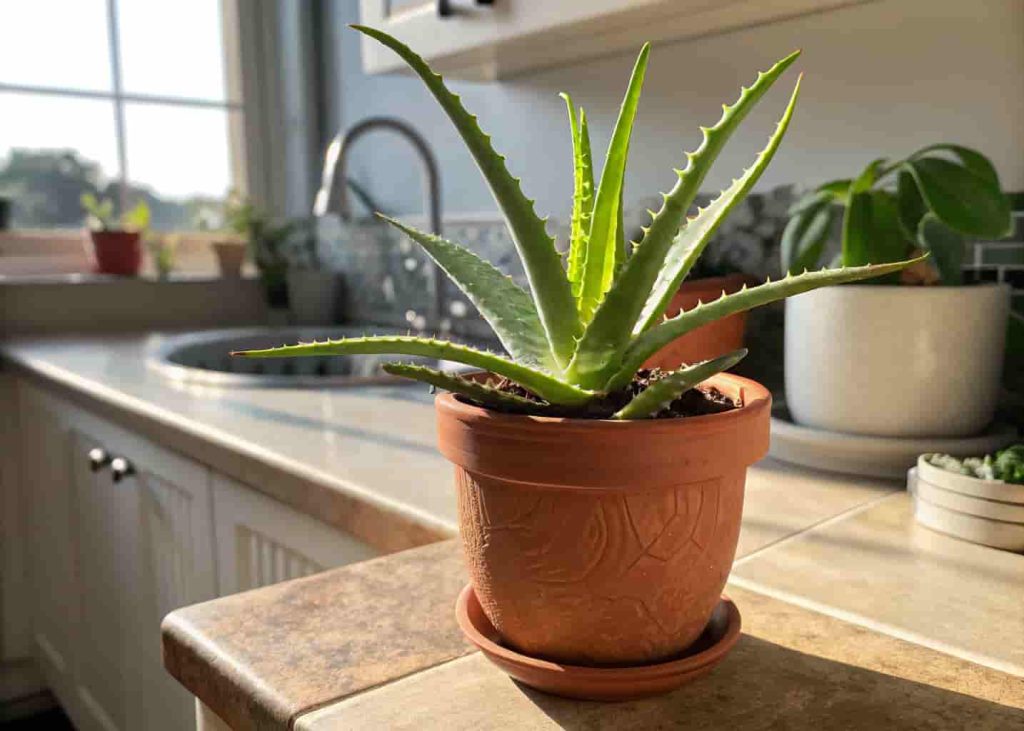
Almost everyone has heard of aloe vera, but not everyone knows how easy it actually is to grow. Beyond the obvious skin-soothing benefits, this plant is just a joy to have around the house. It grows in a spiky rosette pattern with thick, fleshy green leaves that store water inside them. Water it deeply but then let the soil dry out completely before watering again — usually every two to three weeks is plenty. It does well in bright, indirect light and doesn’t mind a bit of neglect. One of my family members keeps one in the kitchen just to break off a leaf whenever someone gets a minor burn. It really does work, and the plant just keeps growing back.
Haworthia
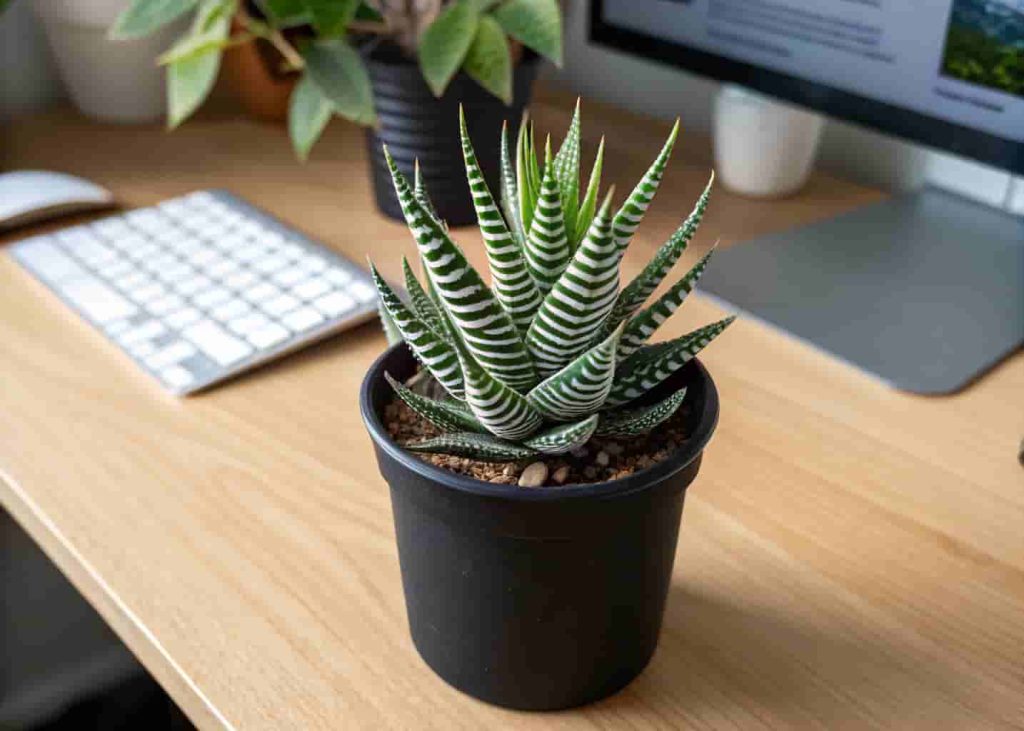
If your home doesn’t get a ton of direct sunlight, Haworthia is the succulent for you. It’s small, compact, and actually prefers indirect light, which makes it ideal for rooms that don’t face south. The leaves are dark green with white stripes or bumps, giving it a really distinctive zebra-like look. It’s slow-growing, stays small enough to fit on a bookshelf or desk, and only needs watering every couple of weeks. I’ve kept one in a north-facing office space and it’s done just fine. Unlike many succulents that suffer in low light, Haworthia is incredibly adaptable. It’s also non-toxic to pets, which is a huge bonus if you have a curious cat or dog at home.
Burro’s Tail (Sedum morganianum)
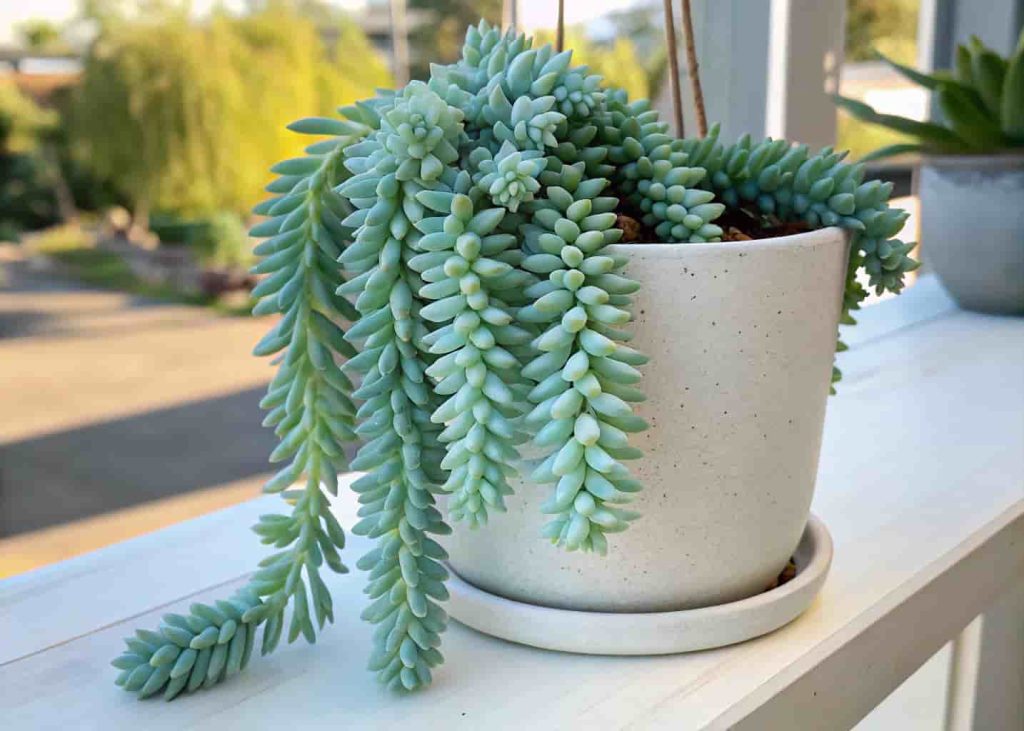
Burro’s Tail is one of those plants that looks almost too beautiful to be real. The stems drape down in long, rope-like strands covered in chubby, blue-green leaves that overlap like fish scales. It’s absolutely stunning in a hanging basket or placed on a high shelf where the stems can trail down. The main thing to know is that the leaves fall off very easily if you brush against them, but don’t panic — those fallen leaves can actually be propagated into new plants. Water it sparingly and give it plenty of bright light. It’s drought-tolerant by nature, so less is more when it comes to watering. If you want a plant that becomes a real conversation starter, this is the one to pick.
Prickly Pear Cactus
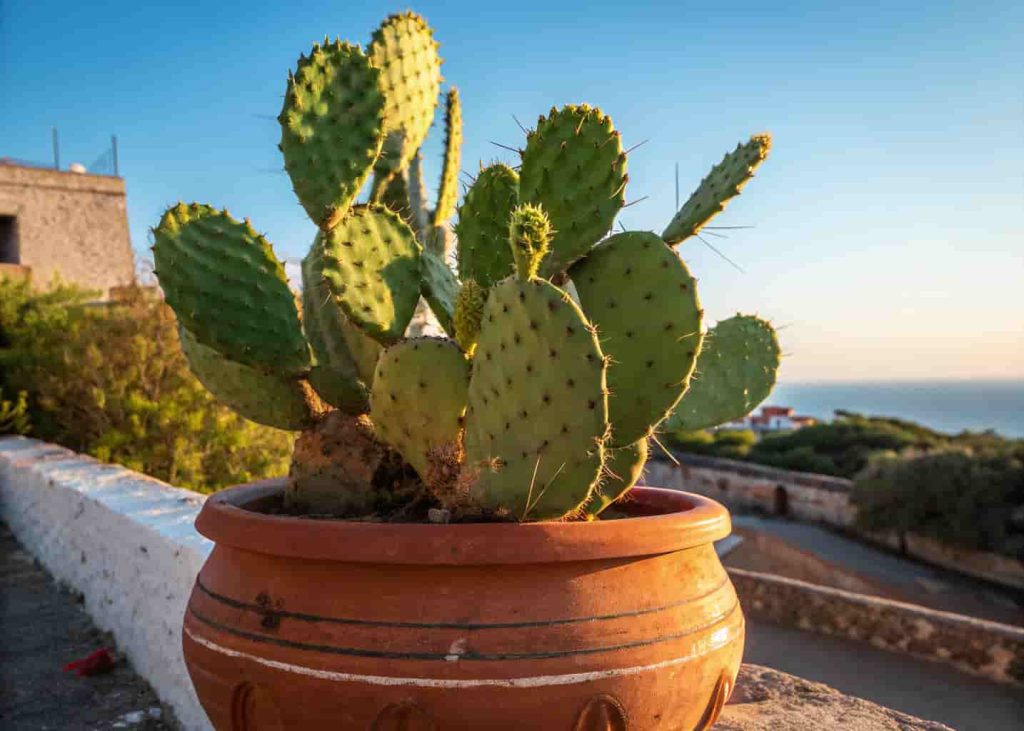
The Prickly Pear is one of the most iconic cacti in the world, and it’s surprisingly easy to grow indoors or in a garden. It grows in flat, paddle-like segments stacked on top of each other and can produce bright yellow or orange flowers in summer. In some cultures, the fruit is even used for cooking, making juice, and jams. For growing at home, it just needs a sunny window, sandy or well-draining soil, and minimal watering. Be careful when handling it though — it has tiny, hair-like spines called glochids that can get stuck in your skin and are really annoying to remove. Use thick gloves or tongs when moving it around, and you’ll be perfectly fine.
Jade Plant
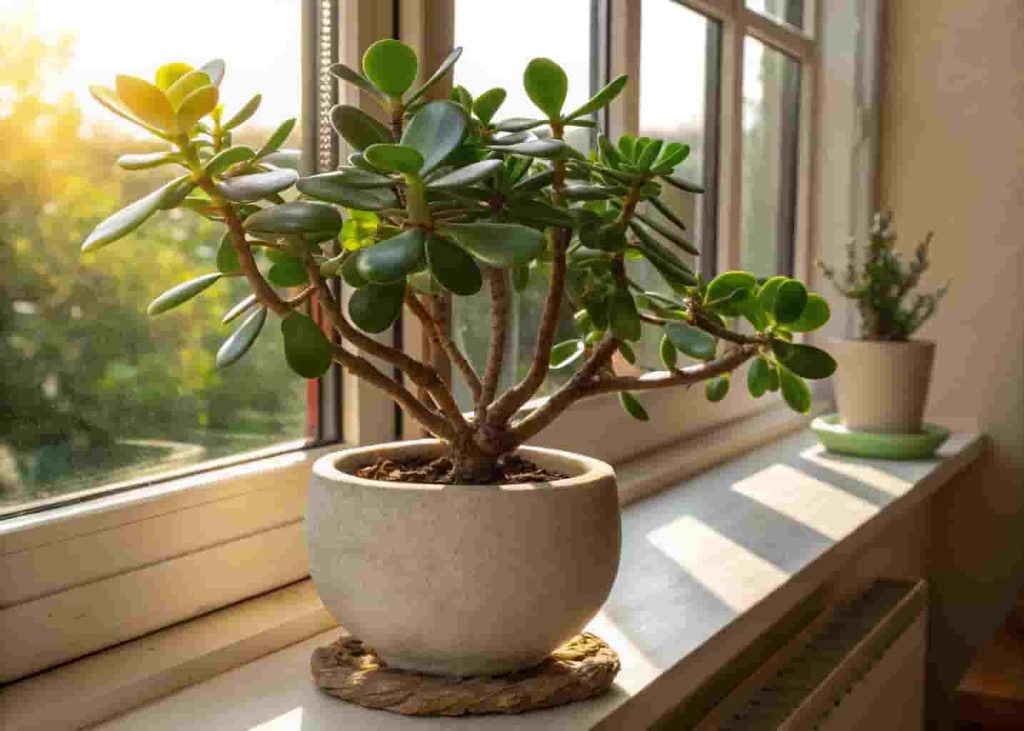
The Jade Plant is one of the most beloved houseplants for a reason — it’s practically indestructible and looks absolutely gorgeous when it matures. With its thick, oval-shaped glossy leaves and woody stems, it actually looks like a tiny tree. In many cultures, it’s considered a symbol of good luck and prosperity, which makes it a popular gift too. Jade plants can live for decades with minimal care. They like bright light and should be watered thoroughly but only when the top inch of soil is completely dry. Overwatering is the number one mistake people make with jade plants — the roots rot very quickly in soggy soil. Keep it on a sunny windowsill and it’ll reward you with slow, steady growth year after year.
Christmas Cactus
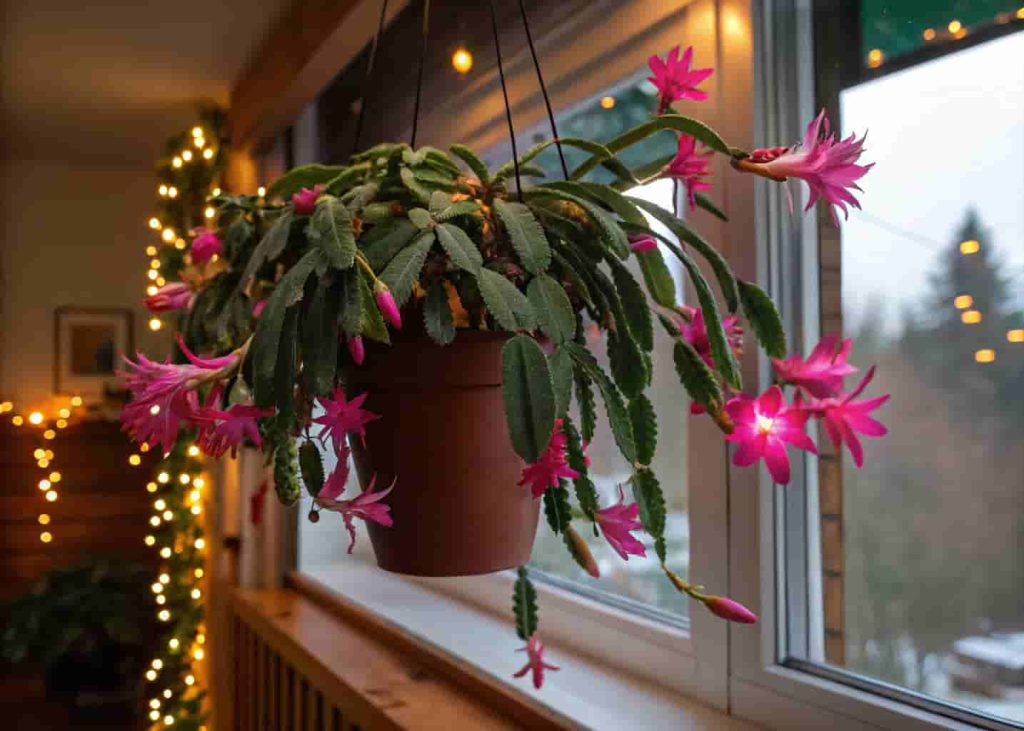
Despite its name, the Christmas Cactus isn’t really a desert cactus at all — it actually comes from the rainforests of Brazil and prefers slightly more moisture than its desert cousins. What makes it special is that it blooms in stunning shades of pink, red, orange, and white right around the holiday season, making it a festive and beautiful houseplant. It does well in indirect light and cooler temperatures, and you should water it more regularly than most succulents, letting the top inch of soil dry between waterings. If you want it to bloom on schedule, give it about six weeks of cooler nights and longer darkness in the fall. It’s the kind of plant that feels like it gives back — it blooms reliably every year if you treat it right.
Zebra Plant Cactus (Haworthiopsis fasciata)
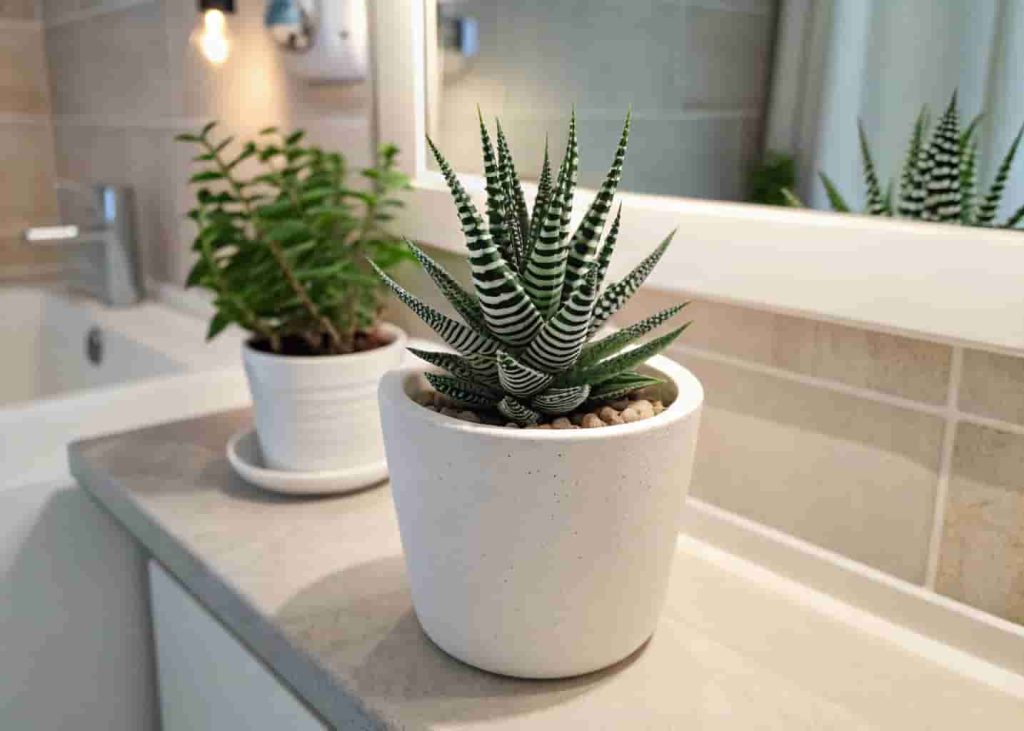
The Zebra Plant Cactus is one of the most striking small succulents you can grow. It has stiff, dark green leaves with bright white horizontal stripes running across the outside, giving it that bold zebra pattern. It stays compact — usually only growing a few inches tall — which makes it perfect for small spaces, office desks, or bathroom shelves with indirect light. Like the regular Haworthia, it doesn’t need direct sunlight and prefers shade over harsh light. Water it once every two weeks or so, and make sure the pot has drainage holes to prevent root rot. It’s also very slow to grow, so if you want something that stays small and tidy indefinitely, the Zebra Plant Cactus is an ideal choice.
String of Pearls
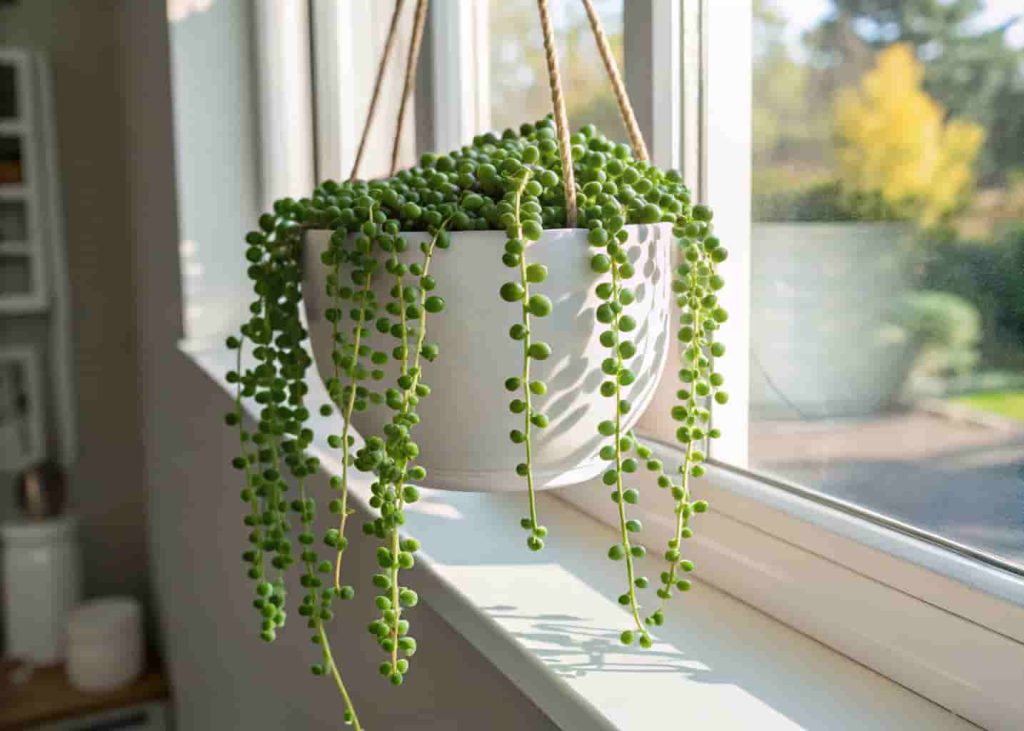
String of Pearls is one of those plants that makes people stop and stare. It grows long, trailing stems covered in round, pea-sized green beads that look exactly like a string of pearls — hence the name. It’s stunning in a hanging pot near a window and grows fairly fast when it’s happy. The key to keeping it thriving is bright indirect light and very infrequent watering — about once every two weeks in summer and even less in winter. The biggest mistake with this plant is overwatering; the little pearls will shrivel or burst if you give it too much moisture. It prefers dry conditions and well-draining soil. Once you get the watering schedule right, it practically takes care of itself and just keeps trailing longer and longer.
Saguaro Cactus
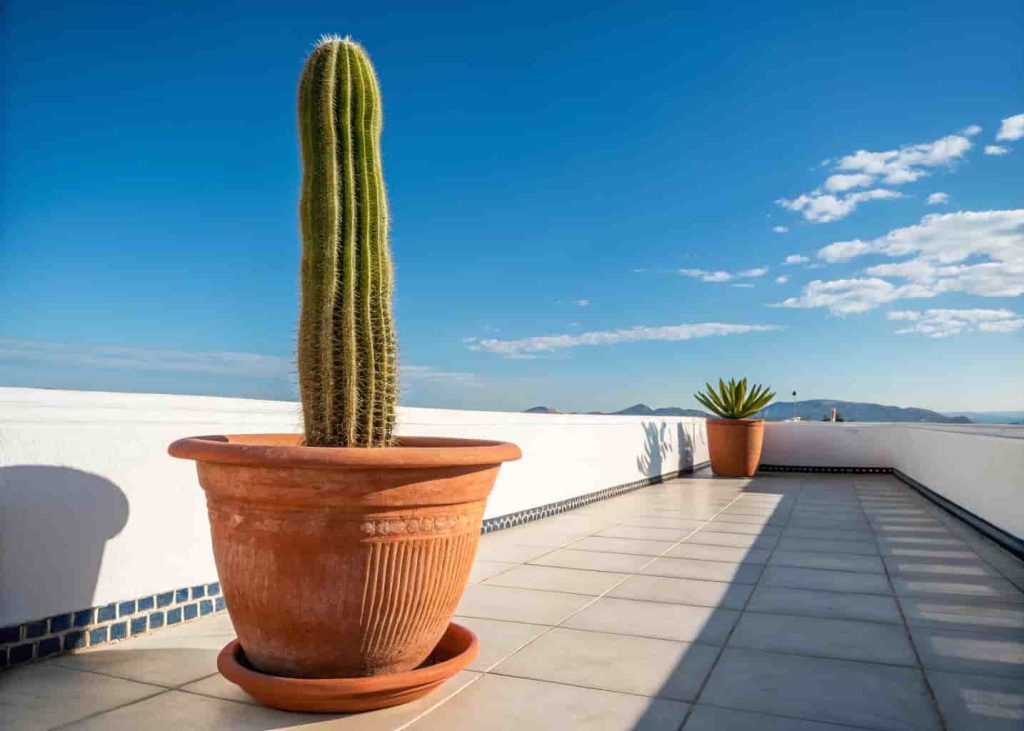
The Saguaro is the classic tall, arm-raising cactus you’ve seen in every Western movie. It’s one of the most iconic plants in the world and can grow incredibly tall in nature — sometimes over 40 feet. At home or in a garden, it stays manageable for many years and is surprisingly easy to care for. It needs plenty of direct sunlight, very little water, and sandy or gritty soil. In terms of indoor growing, it does best in a large, sunny room or a warm outdoor garden in a dry climate. It grows very slowly — just an inch or two per year — so it won’t outgrow your space for a long time. There’s something deeply satisfying about growing a plant this iconic from scratch, even if it takes patience.
Conclusion
Whether you’re a first-time plant parent or someone who just wants greenery without the drama, cacti and succulents are genuinely some of the best plants you can bring home. They’re forgiving, beautiful, and incredibly diverse in shape, color, and texture. From the trailing elegance of String of Pearls to the iconic boldness of a Saguaro, there’s something on this list for every kind of space and every level of experience. Start with one or two that catch your eye, get the basics right — good light, infrequent watering, and well-draining soil — and you’ll find yourself falling in love with these resilient little plants before you know it.