There’s a specific look you notice on certain hands — not flashy, not covered in rhinestones, just… put together. Short-to-medium length, a color that doesn’t scream for attention, edges that are actually clean. That’s “classy nails,” and it’s less about following a trend chart and more about a handful of decisions you make on purpose instead of by default. This isn’t a top-10-Pinterest-boards roundup. It’s what actually goes into getting that look and keeping it.
1. What Are Classy Nails?
“Classy” gets thrown around a lot in nail marketing, but if you break it down it usually means three things at once: a shape that suits the hand rather than fights it, a length short enough to type and cook without drama, and a finish that reads clean in person and in photos — no visible ridges, no polish creeping onto the cuticle, no chipped tips. It’s not a specific color. A deep burgundy on a squoval nail with a glass-like top coat is just as classy as bare, buffed nails with cuticle oil. What actually kills the look is inconsistency: three nails glossy, one matte by accident because the top coat didn’t cure evenly. Classy nails are less about the polish bottle and more about finishing discipline.
2. How to Get a Classy Look from Simplicity
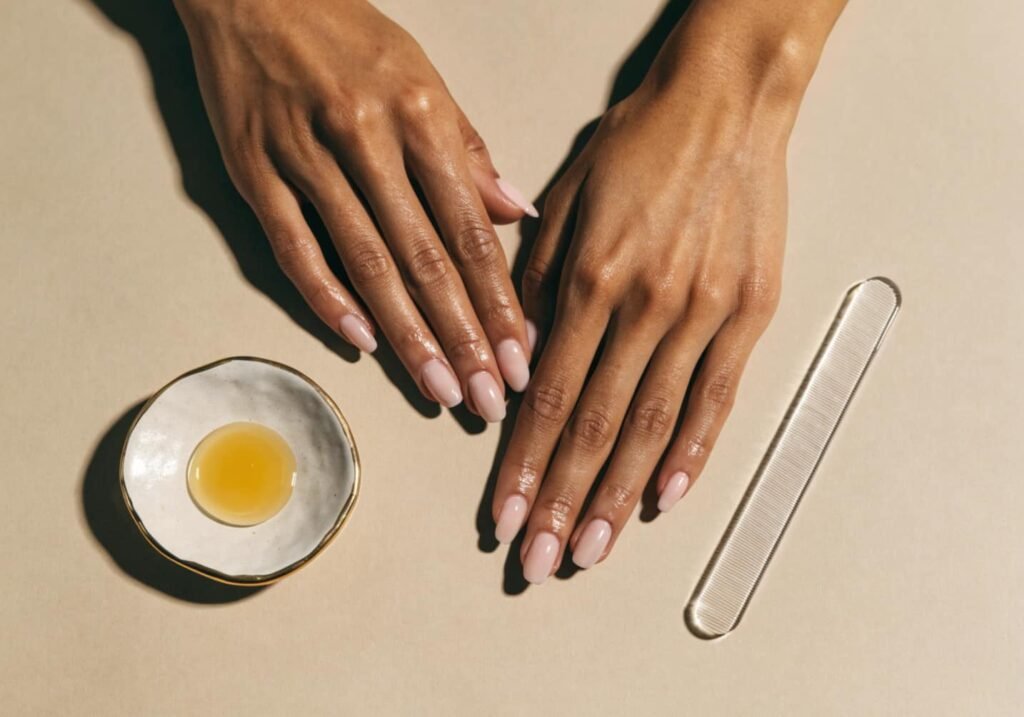
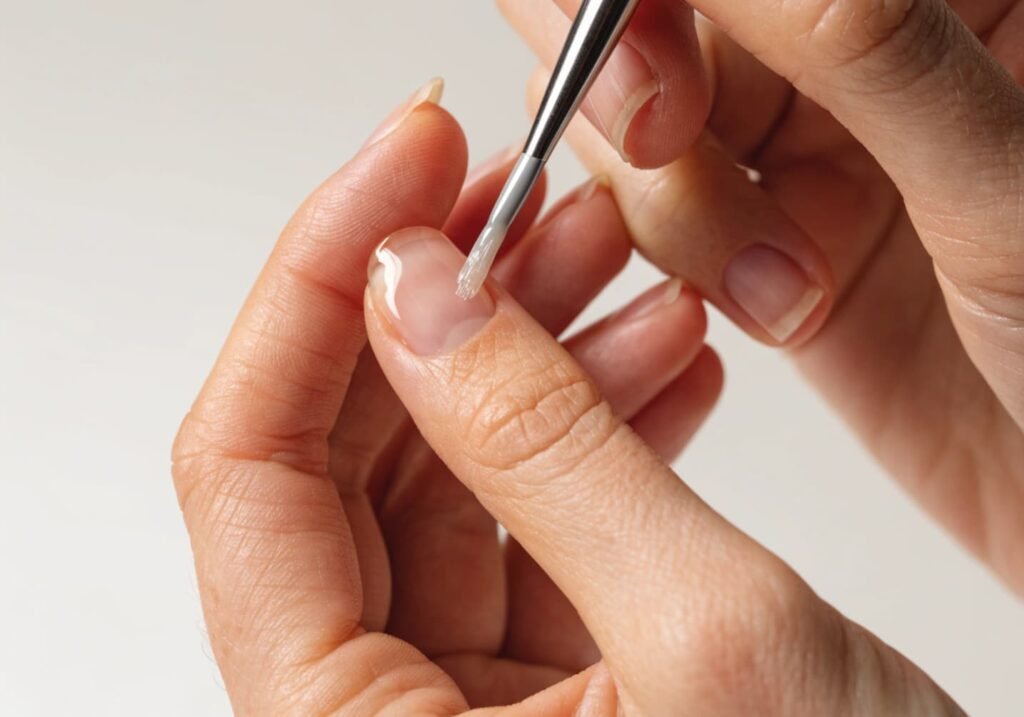
You don’t need nail art to look expensive. What you need is prep work most people skip. Push cuticles back (don’t cut them unless you’re trained to — over-trimming is how people end up with hangnails and infections) with a wooden or metal pusher after a 5-minute warm soak. Buff the nail plate lightly with a 240-grit block, not to thin it out, but to remove the shine so polish actually grips instead of chipping off in two days. Then two thin coats of color instead of one thick one — thick coats take longer to dry and are more prone to dents. A thin coat dries tack-free in about 8-10 minutes with a regular polish, versus 20+ for a thick one. Finish with a fast-dry top coat, not just any clear polish; the resin formulation is different and it’s what gives that slightly domed, glassy look salons charge extra for.
3. Best Nail Colors for a Classy Style
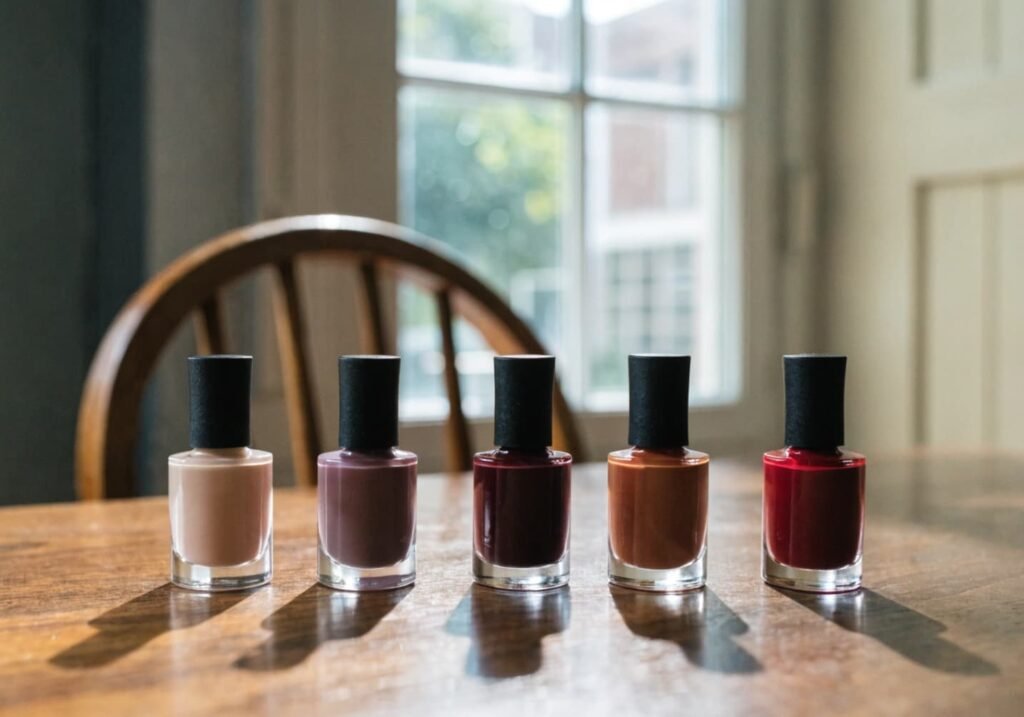
Nudes and soft pinks get recommended constantly, and they work, but they’re also the least forgiving — any unevenness in your nail bed shows through a sheer polish. If your nails have ridges or discoloration, a milky “your-nail-but-better” shade or a mid-tone mauve hides more than a pale pink does. For darker skin tones, chalky pastel nudes can look ashy; caramel, terracotta, and deep chocolate browns tend to photograph better and read as more expensive. Classic red is timeless but only if it’s opaque in two coats — thin, streaky red is one of the fastest ways a manicure looks cheap. Burgundy and deep plum are the easiest “safe but not boring” choice for fall/winter office settings. Avoid neons and shimmer-heavy formulas if the goal is understated; shimmer catches every ding and scratch far more visibly than a cream finish.
4. Choosing the Right Nail Shape
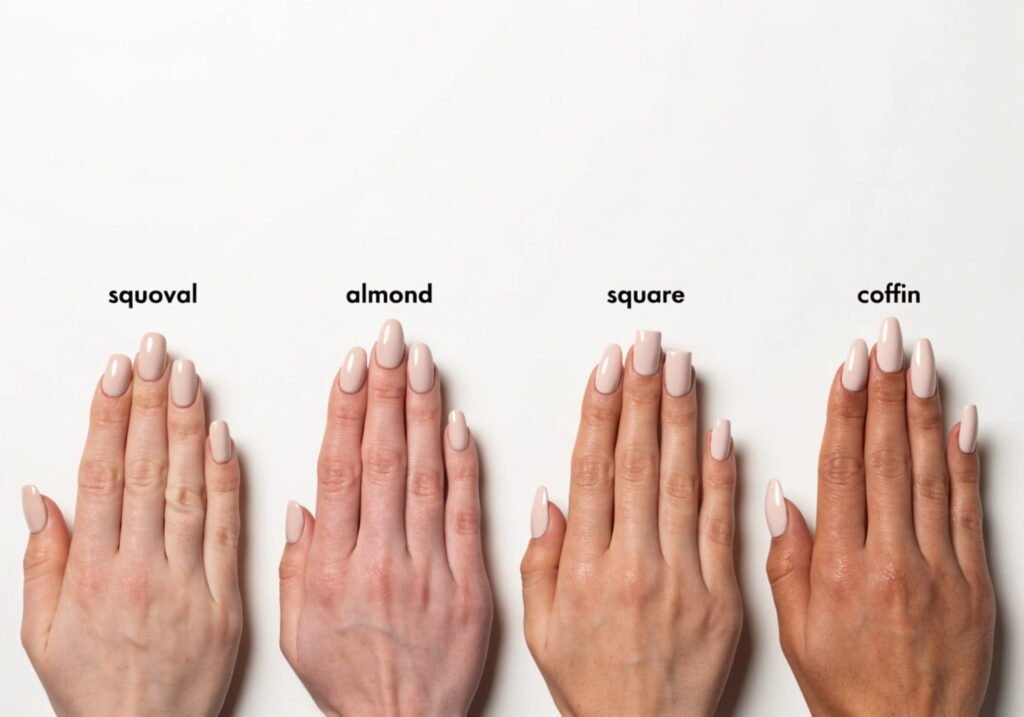
Shape matters more than color for looking put-together, and it’s the one thing most people never think about past “round or square.” Squoval (square with softened corners) is the most forgiving shape for everyday hands because it doesn’t snag on things the way pointed shapes do, and it doesn’t chip at sharp corners the way true square does. If your nail beds are naturally wide, almond shape elongates the finger visually. If they’re narrow, stick closer to square — almond on a narrow nail bed can look pinched. Coffin/ballerina shape looks polished on longer nails but is genuinely impractical for daily typing, dishwashing, or anyone who codes or plays an instrument — it’s a special-occasion shape, not an everyday one, no matter what the salon photos suggest.
5. Classy Nails for Office Wear
Office-appropriate doesn’t mean boring, it means low-maintenance and quiet. Length should stop where it stops interfering with typing speed — for most people that’s 2-3mm past the fingertip. Stick to solid creams or soft milky finishes; anything with heavy glitter or 3D elements reads as evening wear in a meeting room. Gel or BIAB (builder in a bottle) overlays are worth the extra cost if you’re on a keyboard eight hours a day, since regular polish on unreinforced nails chips within 2-3 days under that kind of friction, while gel realistically holds 10-14 days. If your workplace has a stricter dress code, a sheer pink-beige gel manicure is close to invisible but still gives nails a finished, non-ragged look — which is often the actual requirement, whether it’s written down or not.

6. Classy Nail Ideas for Parties
Evening nails can take more risk without tipping into gaudy — the trick is picking one focal point, not stacking five effects. A deep jewel tone (emerald, sapphire, garnet) with a chrome or glass-fleck top coat on just the ring finger reads as intentional; all ten nails in chrome can look more costume than elegant under indoor lighting. Metallic gold or copper liner along the cuticle edge (a “reverse French”) is a low-effort way to add glam without full nail art — most people can do it with a thin brush and 10 minutes. If you want something with more texture, a matte finish on colored nails with one glossy accent nail creates contrast that photographs well under flash, which regular gloss-all-over doesn’t do as distinctly.

7. The Classy French Manicure
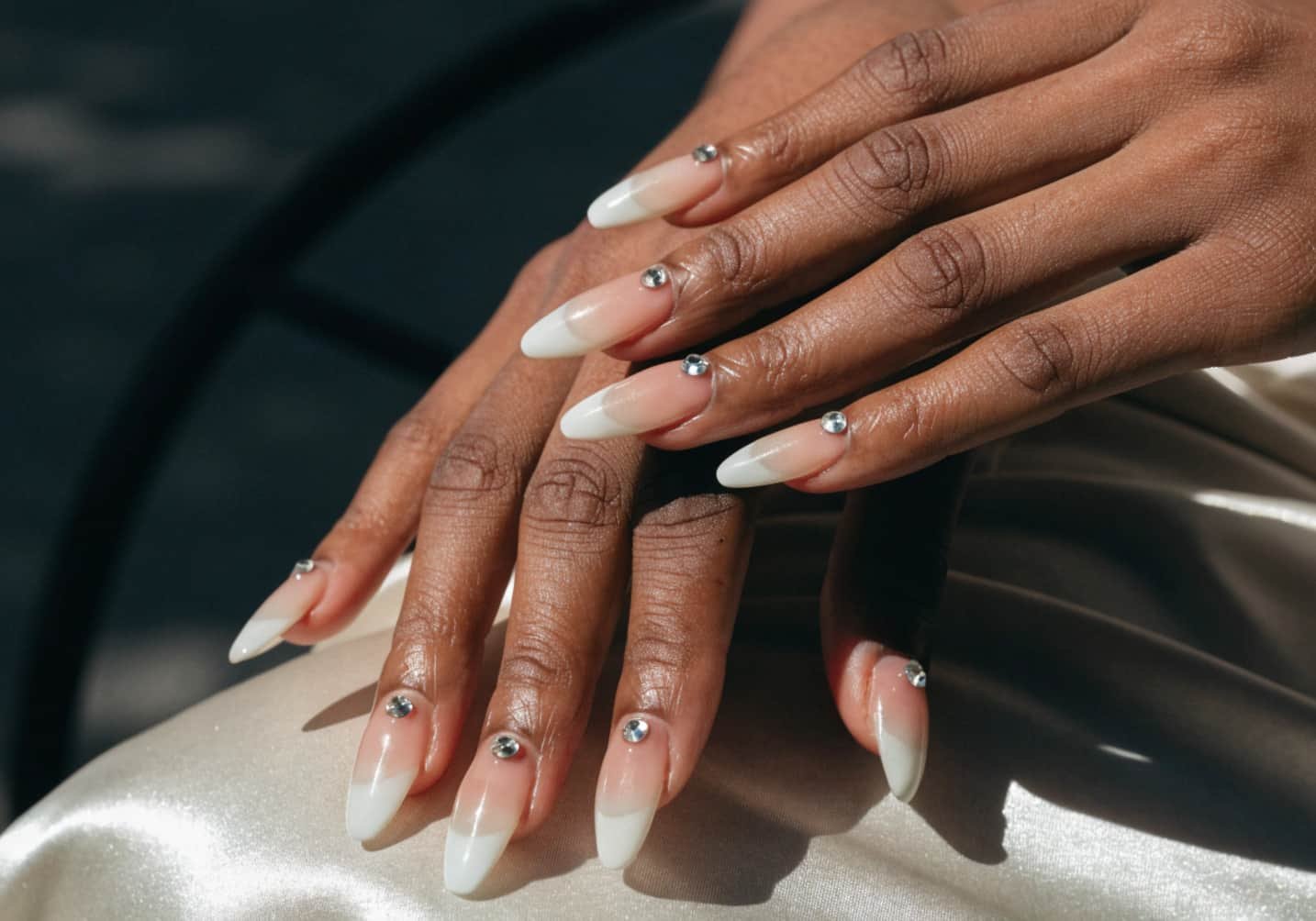
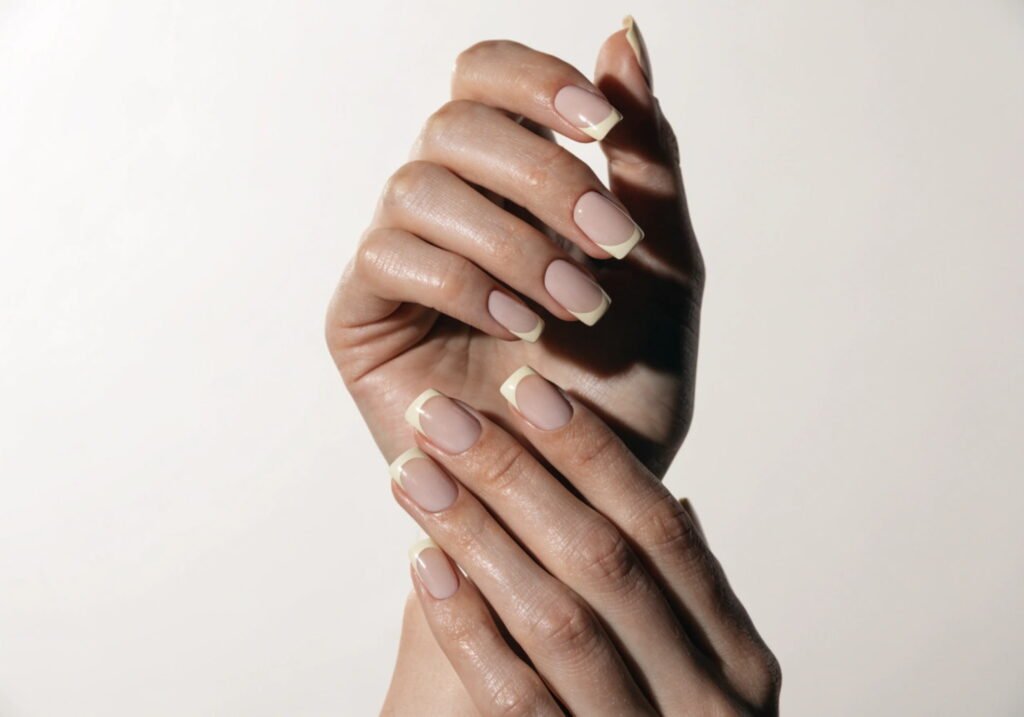
The traditional white-tip French manicure is having a comeback, but the version that actually looks modern isn’t the thick, bright-white tip from the 2000s. It’s a thinner, slightly translucent tip line, often in off-white or cream rather than stark white, over a sheer pink or nude base instead of bare nail. The classic mistake is painting the tip line too straight and too thick — it ages the whole look. A slight taper following your natural smile line, painted with a thin angled brush or a French tip guide sticker, looks far more current. Colored French tips (using burgundy, chocolate, or navy instead of white) are the update most nail techs are doing right now for people who want the French silhouette without it looking dated.
8. Nail Care Tips for a Classy Look
Polish sits on top of whatever condition your nails are actually in, so care matters more than product choice long-term. Cuticle oil applied nightly — not weekly — is the single change that makes the biggest visible difference within about 2 weeks; dry cuticles are what make even a fresh manicure look rough at the edges. Keep nails at a consistent length across all ten fingers; even 1-2mm of unevenness is more noticeable than people think. If you wear gel or acrylic regularly, plan a full break of 3-4 weeks every few months — continuous overlay without rest is the most common cause of thin, peeling nails underneath, something a lot of salons won’t tell you outright because it means fewer repeat visits. And if a nail cracks or splits, glue a small piece of tea bag paper over the crack under polish as a temporary fix rather than letting it snag and tear further — it’s an old trick, but it genuinely works until you can get it professionally repaired.
9. Must-Have Products for Classy Nails
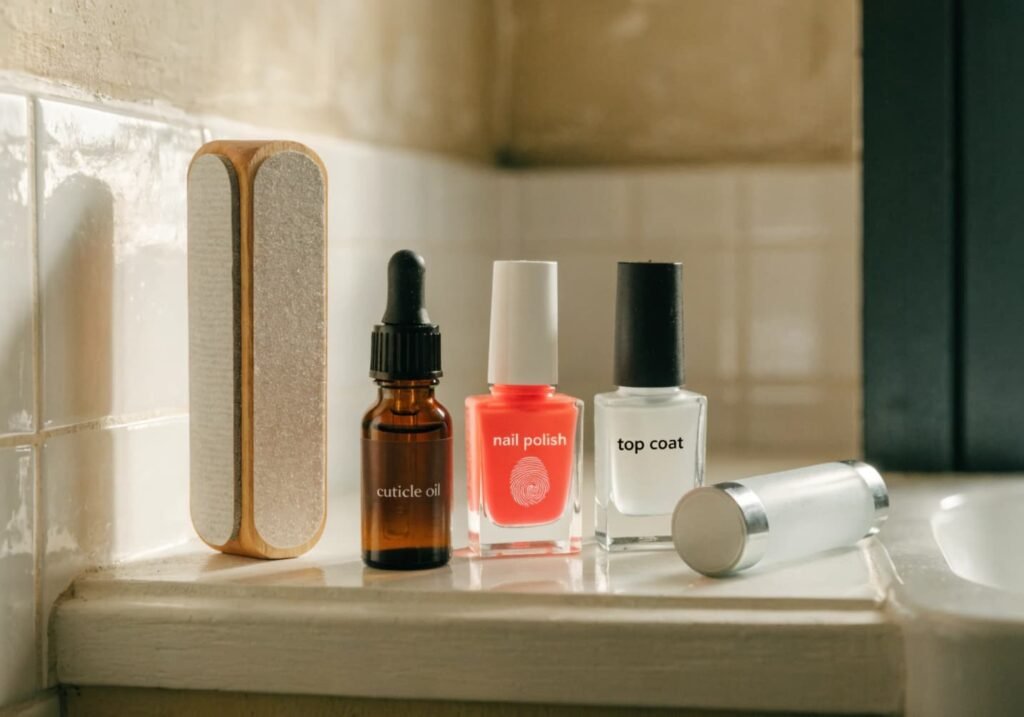
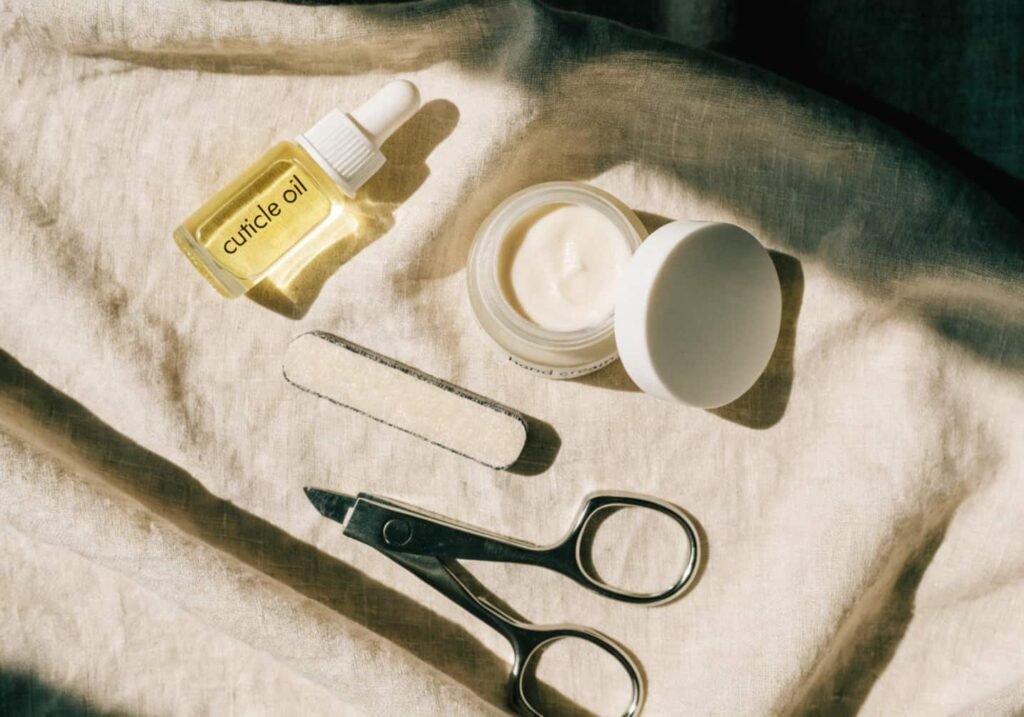
You don’t need twenty products. A 240-grit buffer block (under $5), a good cuticle oil with jojoba or vitamin E as a real ingredient rather than just mineral oil, a two-in-one base-and-top coat if you’re short on time, and one genuinely good fast-dry top coat are the core. Mid-range gel-effect polishes (roughly $8-15 a bottle) tend to have better pigment payoff in two coats than budget drugstore lines, meaning less product used per manicure and fewer streaky redos — often cheaper in the long run despite the higher sticker price. If you do your own gel at home, a proper 48W LED lamp cures faster and more evenly than the small 6W UV lamps that sometimes come bundled with starter kits, which is where a lot of DIY gel manicures go wrong — under-cured gel peels within days, and it’s rarely the polish’s fault.