Elegance of lilies has a strange kind of authority in a room. Put one stem in a plain glass vase, and it doesn’t look like “flowers on a table” — it looks like someone made a decision. That’s the whole appeal, really. This guide walks through where lilies come from, how to tell the different types apart (most people can’t), what the colors actually signal, and how to use them in photography, decor, and events without turning your space into a funeral parlor — which, if you use the wrong lily in the wrong context, is a real risk.
1. History and Symbolism of Lilies
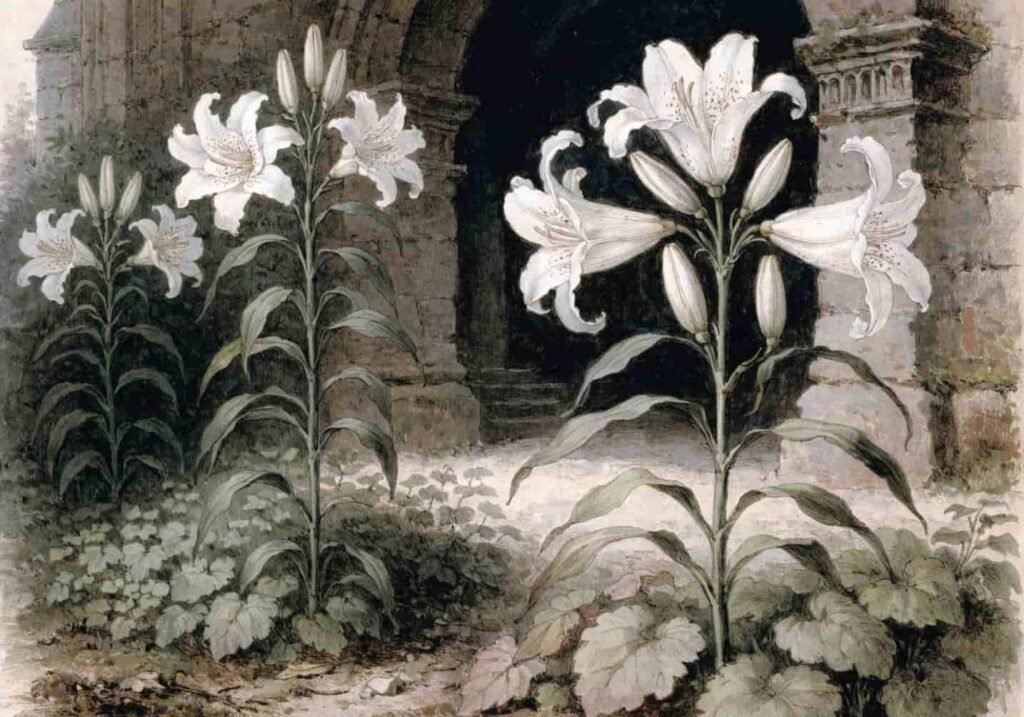
The lily’s symbolic weight goes back further than most flowers get to claim. Ancient Greek mythology tied the white lily to Hera, queen of the gods — the story goes that the flower sprang from drops of her breast milk that fell to earth. Egyptians used lily motifs in architecture and jewelry centuries before that. In Christian iconography, the Madonna lily (Lilium candidum) became shorthand for purity and the Virgin Mary, which is exactly why you still see it dominating church altars and First Communion arrangements today. In Chinese culture, the lily’s name (百合, bǎihé) sounds like “hundred years of togetherness,” so it’s a standard wedding and reunion gift, not just a decorative one.
What’s less talked about: the “day lily” (Hemerocallis) isn’t a true lily at all — it’s in a separate family, and each individual flower lasts about 24 hours before wilting, which is where the name comes from. If a florist sells you “daylilies” for a bouquet expecting them to last a week like Asiatic lilies, you’ll be disappointed by day three.
2. Different Types of Lily Flowers (and Why the Difference Matters)
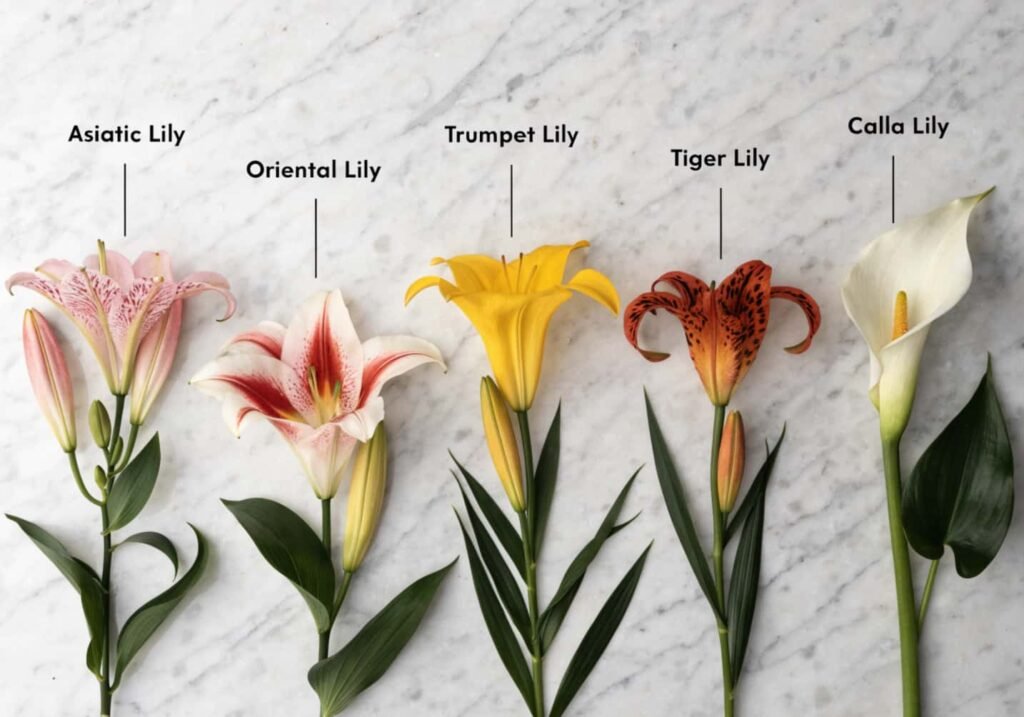
Most people call anything trumpet-shaped a “lily,” but there are real horticultural distinctions that affect how they look and smell:
- Asiatic lilies — no fragrance, upward-facing blooms, the most affordable and widely available at grocery stores ($8–15 a bunch). Good if you want color without the heavy perfume.
- Oriental lilies (Stargazer being the most famous cultivar) — intensely fragrant, larger flowers, bloom later in summer. One stem can scent an entire room, which is a plus in a foyer and a problem in a small bedroom.
- Trumpet lilies — tall, narrow, very fragrant, often used in formal arrangements and churches.
- Tiger lilies — orange with dark speckles, recurved petals, more of a wild/cottage-garden look than a formal one.
- Calla lilies (Zantedeschia) — technically not true lilies at all, different genus entirely, but they’ve become a wedding staple because of their sculptural, single-petal shape.
If you’re buying for someone with allergies or sensitivities to strong scent, skip Oriental and Trumpet varieties and go Asiatic or Calla instead — that’s the trade-off nobody at the flower shop tells you upfront.
3. Lily Colors and Their Meaning
White still reads as purity and sympathy — which is exactly why white lilies dominate funeral arrangements in Western culture, and why gifting an all-white lily bouquet for a birthday can land oddly if the recipient associates them with grief. Yellow lilies lean toward gratitude and cheerfulness, orange (especially Tiger lilies) signal confidence and passion, and pink Oriental lilies are associated with wealth, prosperity, and admiration in a more romantic register than red roses. Deep red or “Black Beauty” hybrid lilies carry a heavier, more dramatic symbolism — often used in high-fashion floral styling rather than casual gifting.
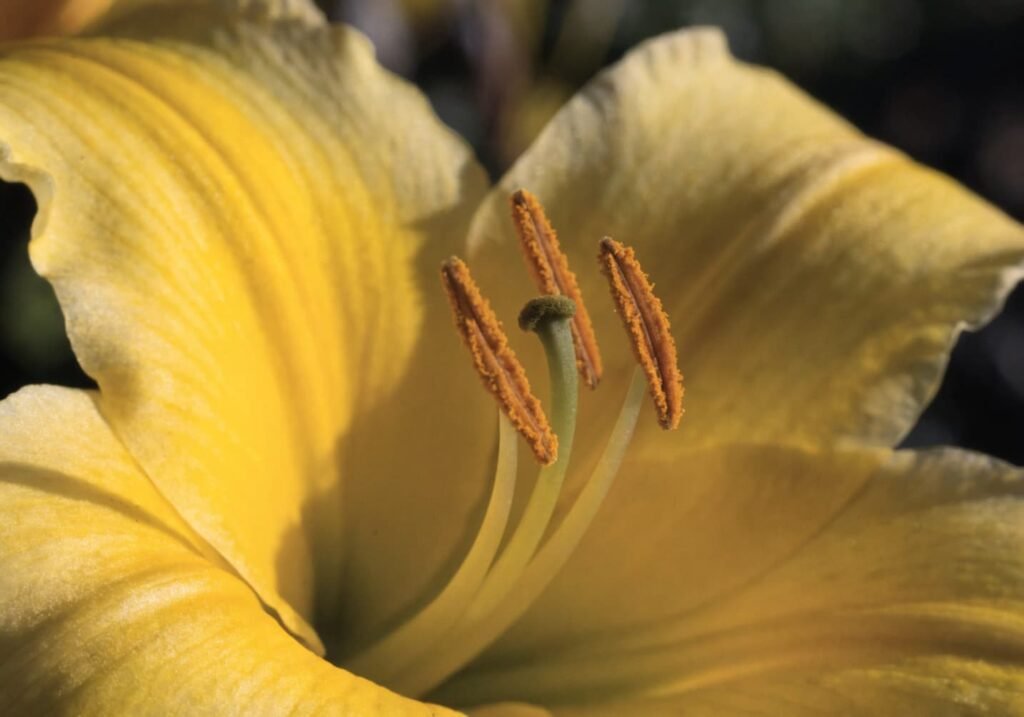
One genuinely useful thing to know: lily pollen stains fabric and skin almost permanently, and it’s the anthers (the little orange-tipped stamens) that carry it. Florists often snip them off before delivery for exactly this reason — if yours weren’t removed, do it yourself with scissors before the flower fully opens, not after.
4. Aesthetic Photography Tips With Lilies
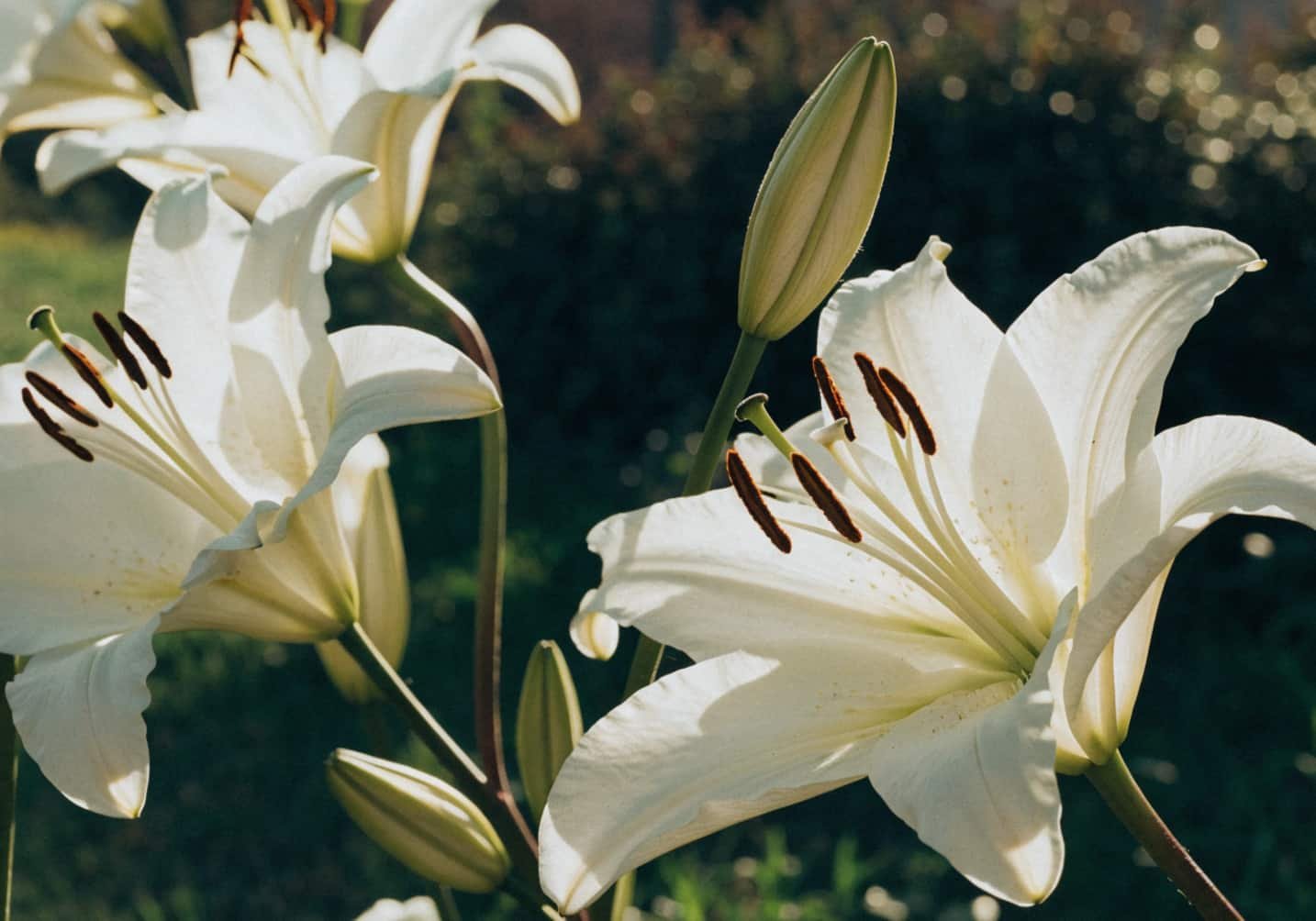
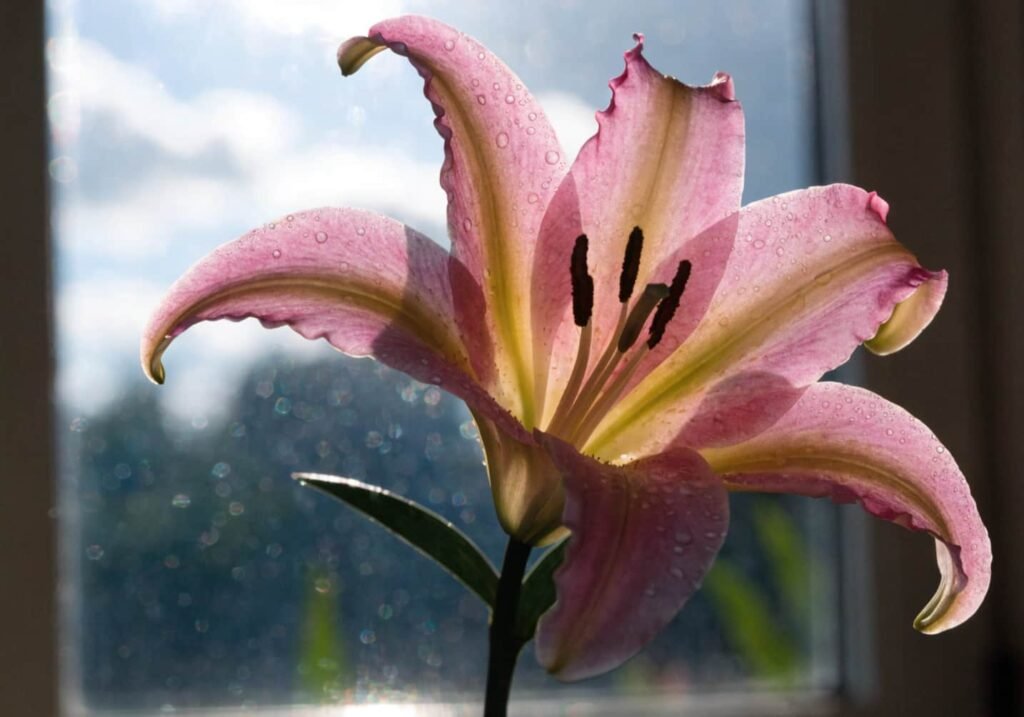
Lilies photograph best with backlighting — shoot toward a window or late-afternoon sun so light passes through the petals, since lily petals have a slight translucence that a front-lit shot completely flattens. For product or blog-style flat lays, a single stem laid diagonally across a linen or stone surface reads more editorial than a full bouquet crammed into frame. If you’re shooting for Instagram, an aperture around f/2.8–f/4 on a macro or 50mm lens keeps the stamens sharp while blurring the background — just watch for pollen dust on the lens after a few close shots, it gets everywhere.
A trick most guides skip: mist the petals lightly with water from a spray bottle about 10 minutes before shooting, not right before. Water sprayed immediately before the shot beads unevenly and looks fake; letting it settle for a few minutes gives a more natural dew-like texture.
5. Lilies in Home Decor Ideas
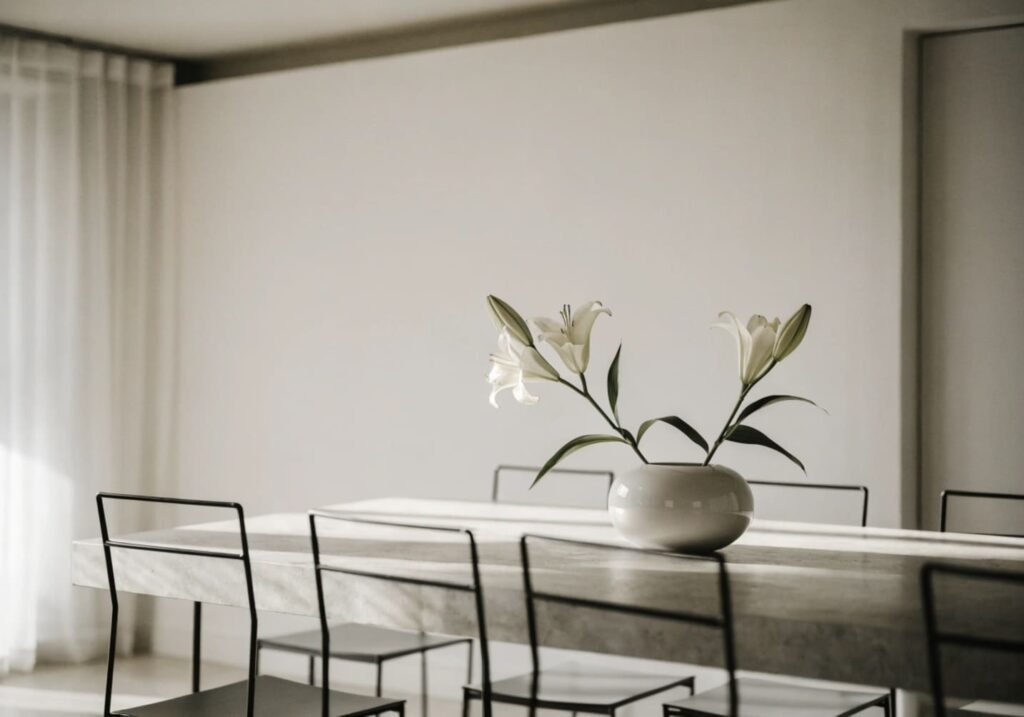
A single tall lily stem in a narrow ceramic or glass vase works better in small apartments than a full round bouquet — it takes up vertical space instead of counter space, and one good stem can run $3–6 versus $30+ for a full arrangement. For dining tables, keep arrangements under 14 inches tall so they don’t block eye contact across the table; florists call this a “low centerpiece” and it’s a common mistake to skip. In bathrooms, Calla lilies hold up better than Asiatic or Oriental varieties because they tolerate humidity without the petals bruising as fast.
Avoid placing strongly fragrant Oriental lilies in small, closed bedrooms — the scent that’s lovely in a living room can genuinely give some people headaches overnight in a smaller, less ventilated space.
6. Wedding and Event Decoration With Lilies
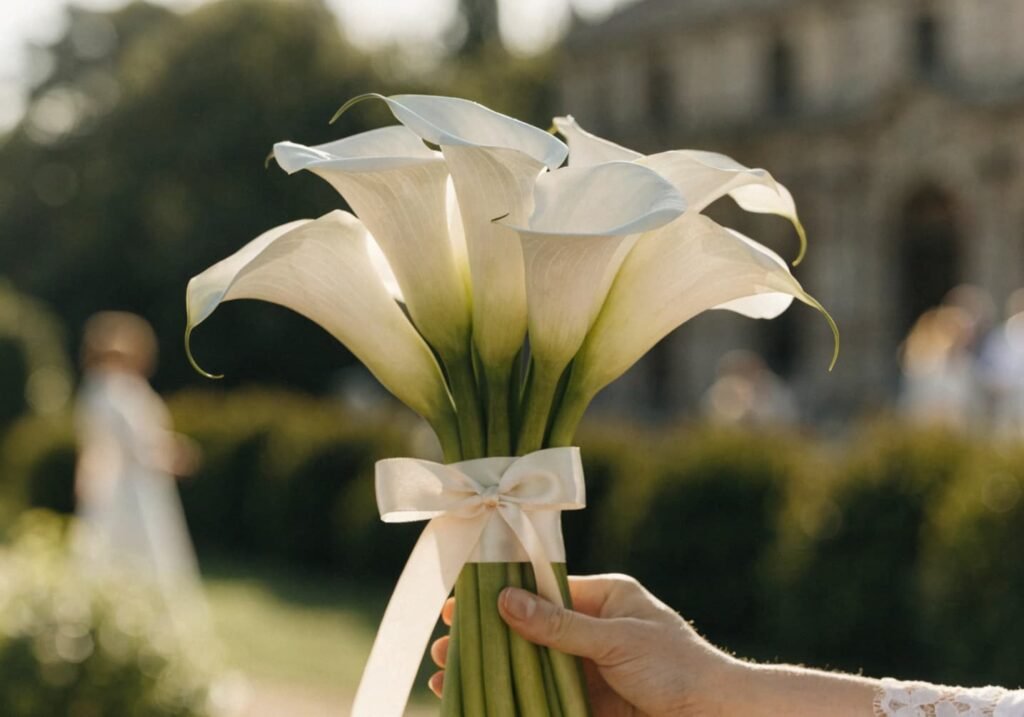
Calla lilies remain the go-to for structured, modern bridal bouquets because their stiff stems hold shape without wire support — florists can bundle 8–10 stems with just ribbon and get a clean silhouette, which is part of why they’re cheaper to arrange than a rose bouquet of similar size. Stargazer (Oriental) lilies are more common for aisle arrangements and altar pieces where the fragrance carries through a large venue, but event planners often ask for the pollen anthers removed in advance for exactly the staining reason mentioned earlier — nobody wants pollen on a white dress.
For outdoor or destination weddings, Asiatic lilies travel and hold up in heat noticeably better than Orientals, which wilt faster once cut and exposed to direct sun for more than an hour or two.
7. Growing and Caring for Lilies
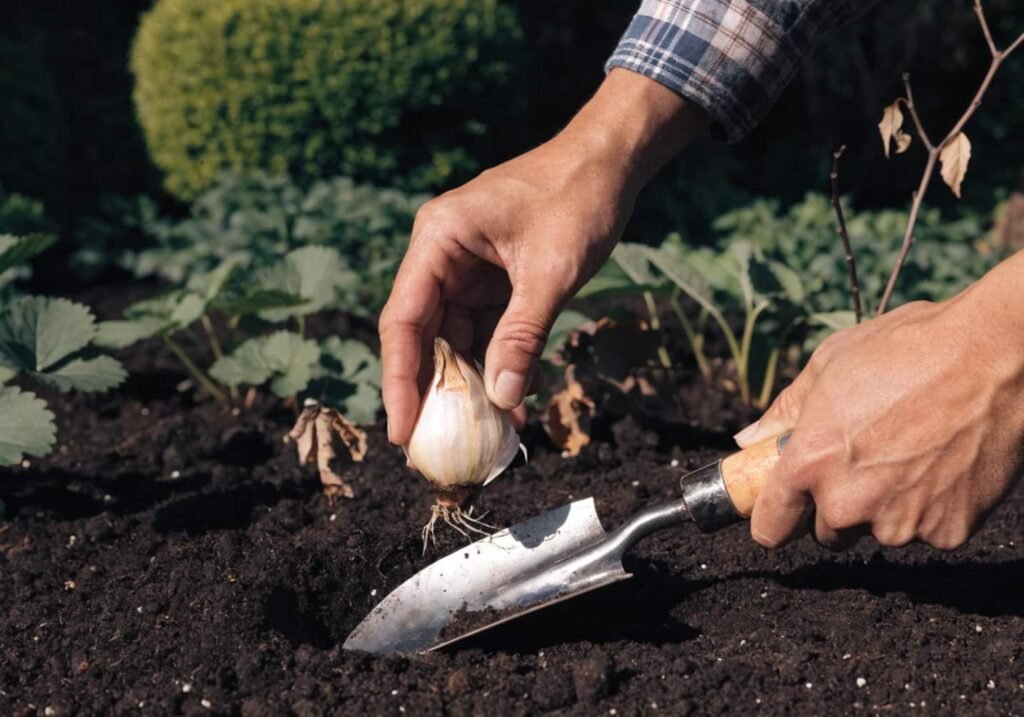
Lily bulbs need planting depth roughly three times the bulb’s height — for a standard Asiatic bulb about 2 inches tall, that means burying it around 6 inches deep, in well-draining soil. Full sun to part shade works, but the base of the plant appreciates some shade or mulch to keep roots cool, which is why gardeners often plant lower groundcover or shorter companion plants around the base. Water deeply once a week rather than shallow daily watering — lily bulbs rot in soggy soil far more often than they die from underwatering.
For cut lilies in a vase, change the water every two days and trim about half an inch off the stem at an angle each time. And as mentioned, snip the pollen anthers off once the flower opens — it extends the bloom’s clean appearance and stops staining, and contrary to a common myth, it does not shorten the flower’s vase life.
8. Lily Bouquet Styling Ideas
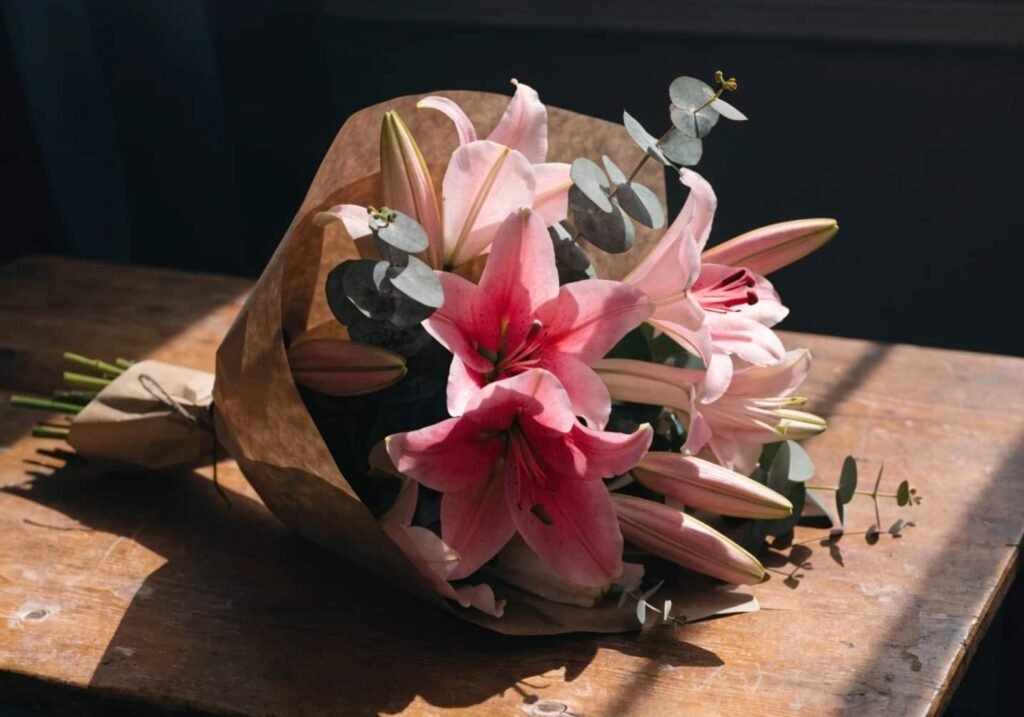
Mixing lily types within one bouquet — say, Asiatic for color and Calla for structure — usually looks more intentional than mixing lilies with too many unrelated flowers. If you want a fuller bouquet without buying more lily stems (they’re pricier than filler flowers), eucalyptus and ruscus greenery pair well and don’t compete visually with the bloom shape. For a monochrome look, stick to one lily color family with two or three tonal shades rather than one flat color, which reads as more expensive even when it isn’t.
One thing worth saying plainly: an all-red-and-white lily arrangement, however striking, still reads as funeral-coded to a lot of people raised in Western floral traditions — worth keeping in mind if the bouquet is for a celebration, not a service.
9. Lilies in Art and Fashion Inspiration
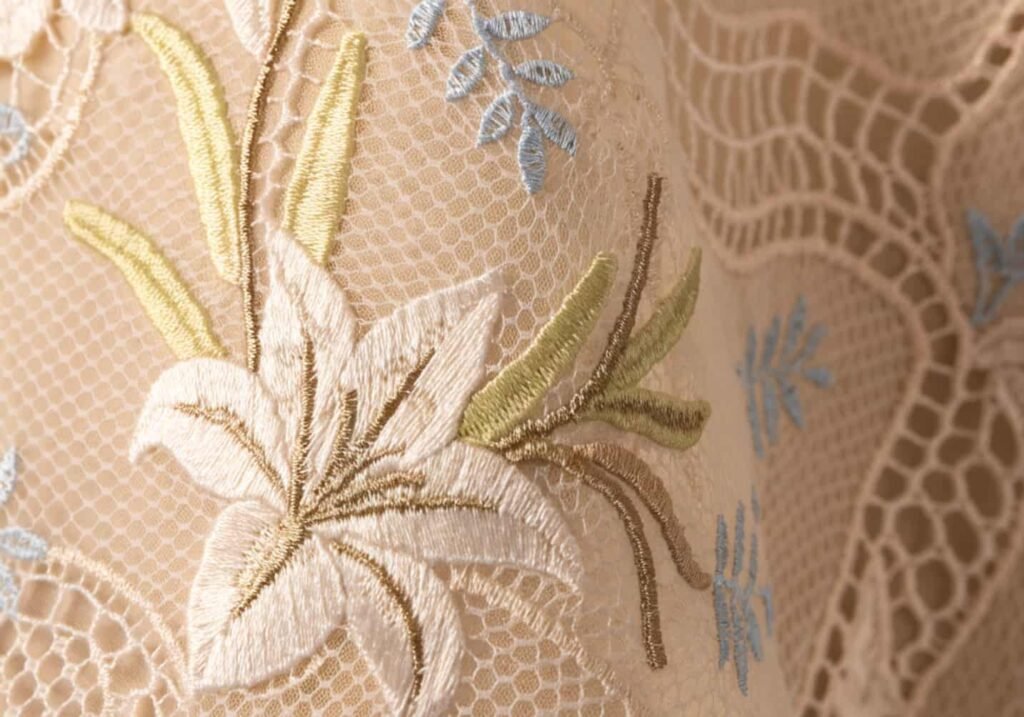
Georgia O’Keeffe’s large-scale flower paintings — while more famous for irises and poppies — helped establish the visual language of magnified, sculptural florals that later designers borrowed directly for print fabrics and runway prints. In fashion, lily motifs show up most in bridal and eveningwear embroidery, where the trumpet shape translates well into beadwork and lace appliqué. Interior designers also borrow the lily’s silhouette for lighting fixtures — trumpet-shaped pendant lamps and sconces are a direct visual nod, whether the designer says so or not.
10. Best Seasons to Enjoy Lily Blooms
Asiatic lilies bloom earliest, typically late spring through early summer (May–June in most temperate climates). Oriental lilies like Stargazer follow in mid-to-late summer, July through August. Trumpet lilies often bridge the two, blooming in early-to-mid summer. If you’re planning a garden for continuous lily blooms rather than one short burst, planting a mix of Asiatic, Trumpet, and Oriental bulbs in the same bed — rather than all one type — stretches the flowering window from May into September instead of getting three weeks of color and nothing after.