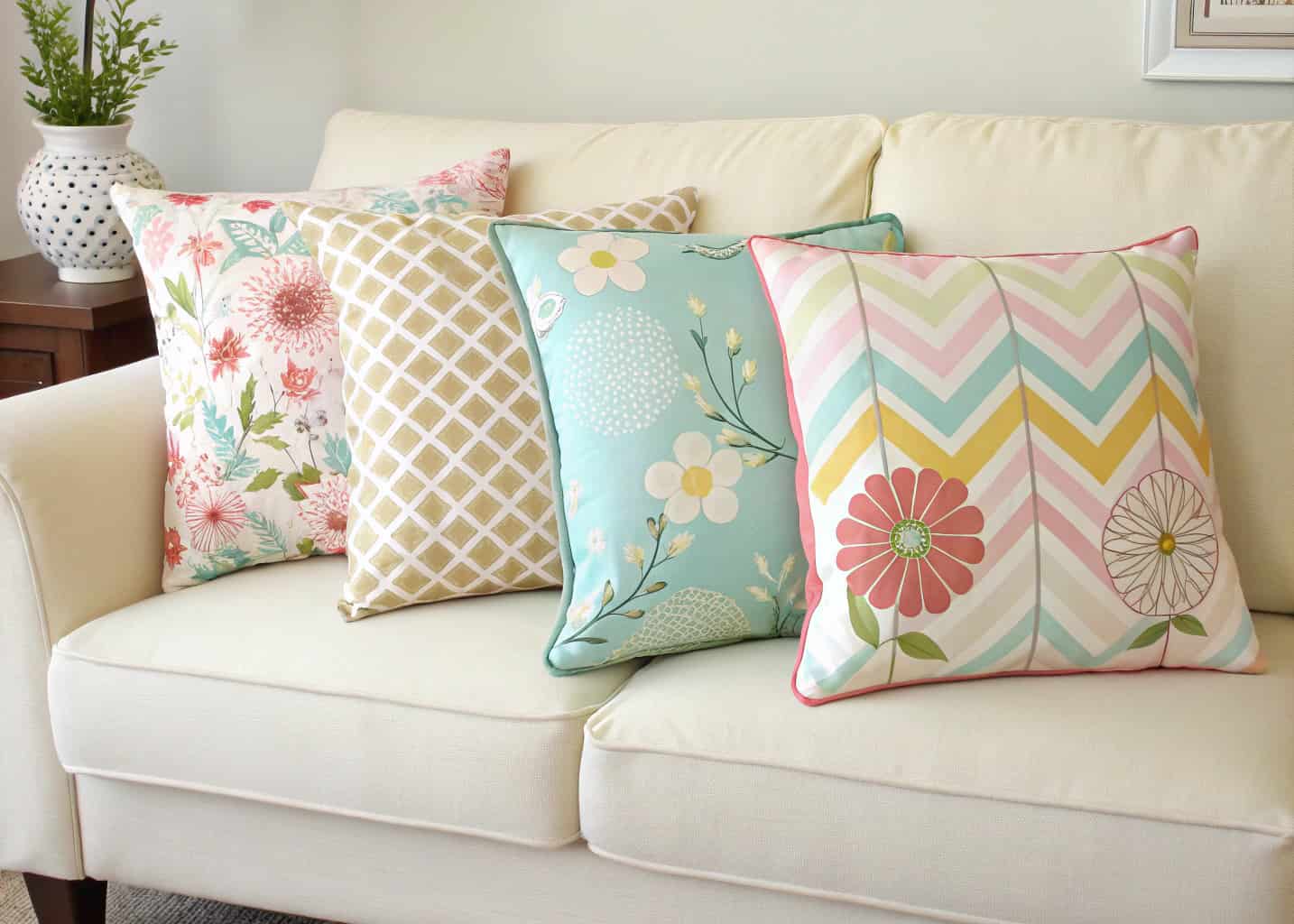
Transform your living space with these creative, budget-friendly DIY Pillow Covers ideas you can make at home.
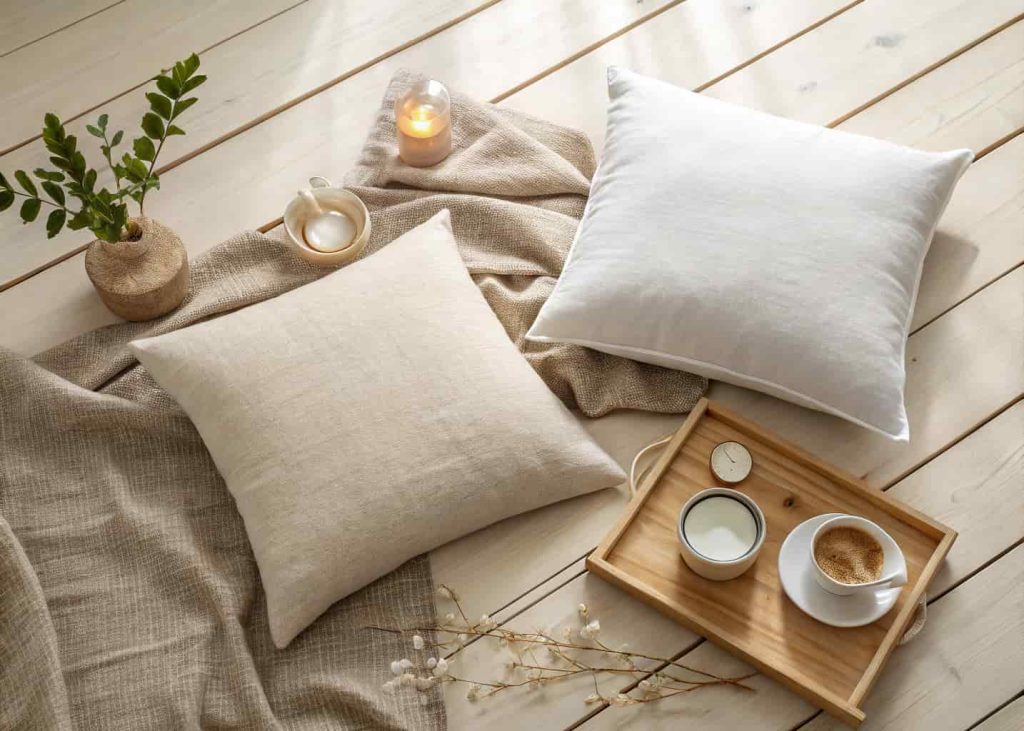
1. Linen Envelope Pillow Covers
If you are looking for the easiest way to refresh your sofa without spending too much money, linen envelope pillow covers are your best bet. This style does not require a zipper or any complicated sewing skills. You simply fold two pieces of linen fabric over each other at the back, creating a clean and classic look. Natural linen comes in so many beautiful earthy tones like beige, warm white, and dusty gray that fit perfectly into modern, farmhouse, or minimalist interiors. You can even mix and match different linen shades to create a layered, styled look on your couch. This project can be completed in under an hour, making it perfect for beginners who want quick results.
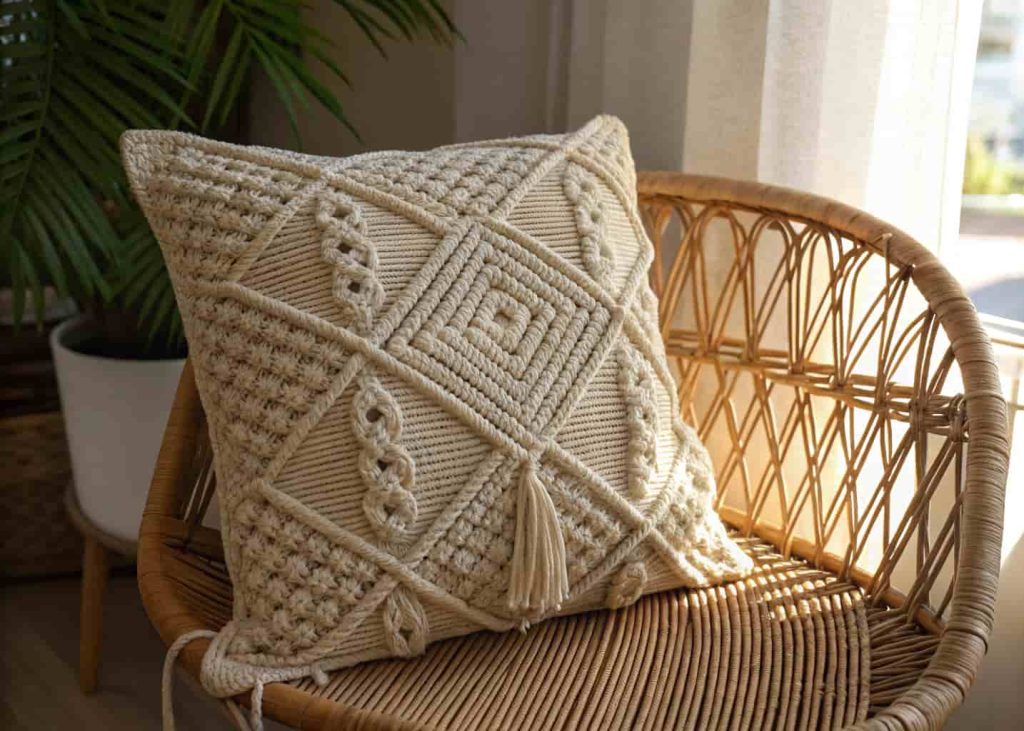
2. Macramé Front Pillow Covers
Macramé has made a huge comeback in home décor and adding it to pillow covers is a beautiful way to bring texture into your space. You only need to do the macramé work on the front panel of the pillow, keeping the back simple with plain fabric. Use natural cotton rope and basic knots like the square knot and half hitch to build a beautiful boho pattern. The finished piece has a handmade, artisanal quality that no store-bought pillow can match. These look incredible on rattan furniture or beds styled with neutral bedding. The process is relaxing and creative, and once you learn the basic knots, you will want to make them in every size possible for your entire home.
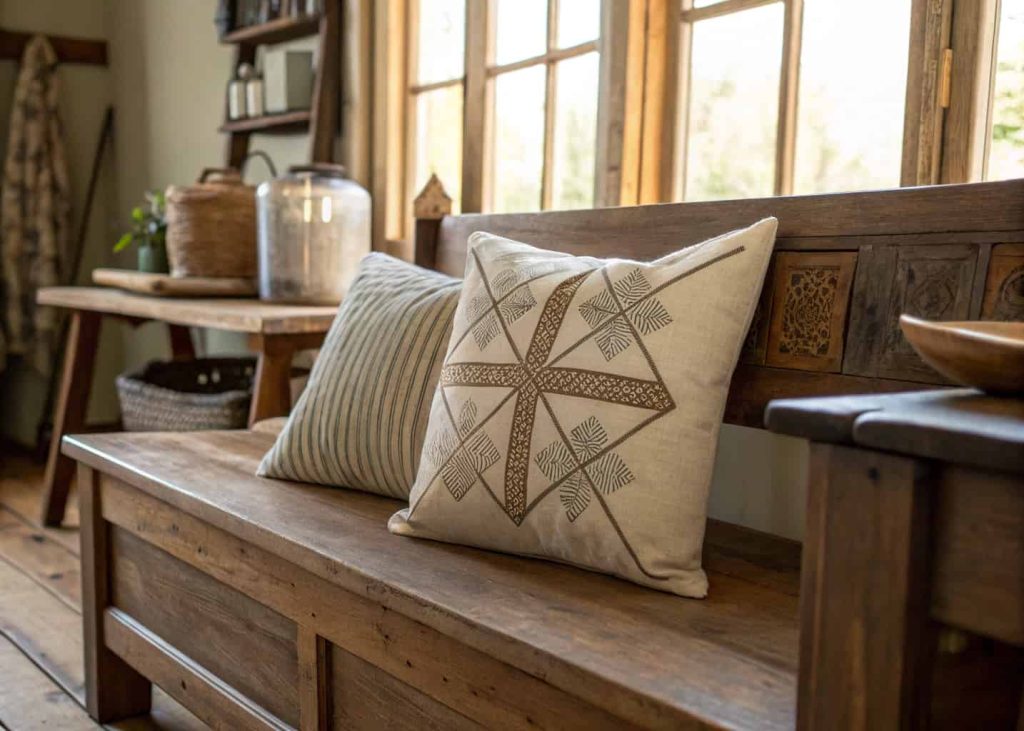
3. No-Sew Drop Cloth Pillow Covers
Drop cloth fabric is one of the most underrated materials for DIY home projects. It is incredibly affordable, widely available, and has a beautiful rustic texture that works in almost any interior style. To make a no-sew version, you can use fabric glue or iron-on hem tape to fold and seal the edges. The natural off-white color of drop cloth is versatile enough to match any color palette, and you can leave it plain or stamp it with patterns using fabric paint. No sewing machine is needed at all for this project, which means absolutely anyone can do it. This is also a great option if you have leftover drop cloth from a painting project and want to repurpose it creatively instead of throwing it away.
4. Velvet Patchwork Pillow Covers
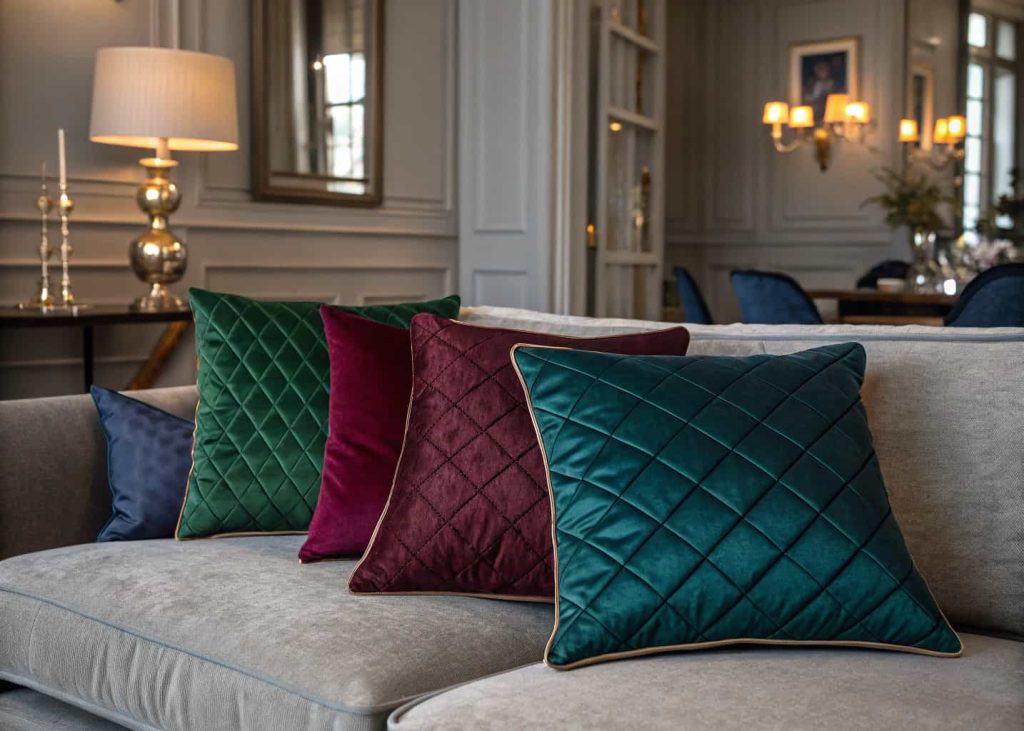
Patchwork pillows made from velvet fabric scraps bring an incredibly luxurious and cozy feel to any room. The key is choosing a color palette that feels cohesive, such as jewel tones like emerald, sapphire, and burgundy, or going fully neutral with ivory, taupe, and blush. Cut the velvet into squares or rectangles and sew them together before constructing your pillow cover. Velvet patchwork adds dimension and a rich visual texture that makes your space look expensive and thoughtfully designed. These pillows work beautifully on beds, armchairs, and even window seats. The best part is that you can use small scraps of leftover velvet from old clothing or previous sewing projects, making this an eco-friendly and budget-conscious choice.
5. Block Print Fabric Pillow Covers
Block printing on fabric is a traditional craft technique that gives pillow covers a beautiful handmade and artistic personality. You can carve simple shapes like leaves, geometric patterns, or abstract motifs into foam blocks or purchase ready-made wooden printing blocks. Dip the block in fabric paint and stamp it onto plain cotton or canvas fabric to create your pattern. The slight irregularity of hand-stamped prints is what makes each piece so charming and unique. Choose a bold contrasting color for the print against a light background, or go tonal for a subtle sophisticated look. Once the paint is dry and heat-set, your fabric is ready to be sewn into pillow covers that look like they came straight from an artisan market.
6. Tassel-Trimmed Pillow Covers
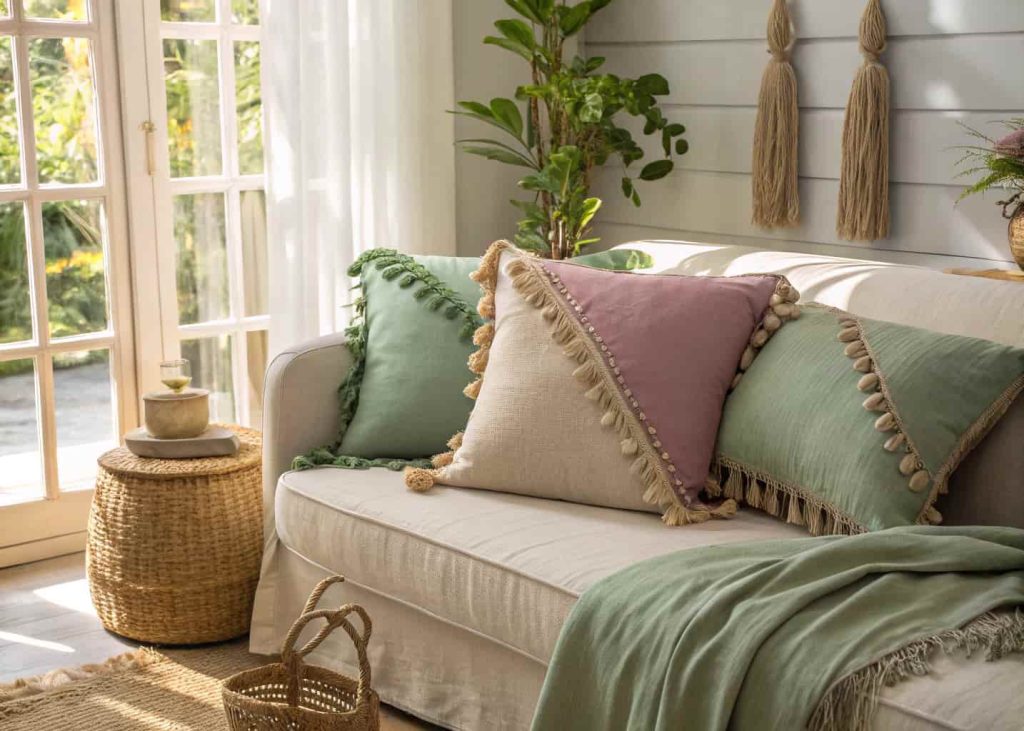
Tassels are one of the simplest ways to add a designer touch to a basic pillow cover. You can sew tassels along the edges, at the four corners, or all the way around the border of the pillow. Make your own tassels using embroidery floss, yarn, or thin cotton string for a fully handmade look. The tassel trim instantly makes even the most basic fabric look elevated and intentional. This technique works especially well with solid-colored fabrics in muted tones like terracotta, sage green, or dusty mauve. The movement and texture of hanging tassels brings life to a static sofa or bed arrangement. It is one of those finishing details that people always notice and compliment when they visit your home, and the good news is it takes very little extra effort.
7. Tie-Dye Pillow Covers
Tie-dye has evolved far beyond its classic hippie roots and is now a major interior design trend used by professional stylists around the world. Modern tie-dye for home décor focuses on refined color combinations like indigo and white, rust and cream, or sage and natural, which feel elevated rather than playful. Use fiber-reactive dye on 100% cotton fabric for the most vibrant and wash-fast results. Try different folding and binding techniques like accordion folds, spiral twists, or crumple methods to achieve different patterns. Each piece will be completely one of a kind, which means your pillows will have a genuine artistic uniqueness that mass-produced covers simply cannot offer. Group several tie-dye pillows together for a curated, editorial look on your sofa.
8. Faux Fur Pillow Covers
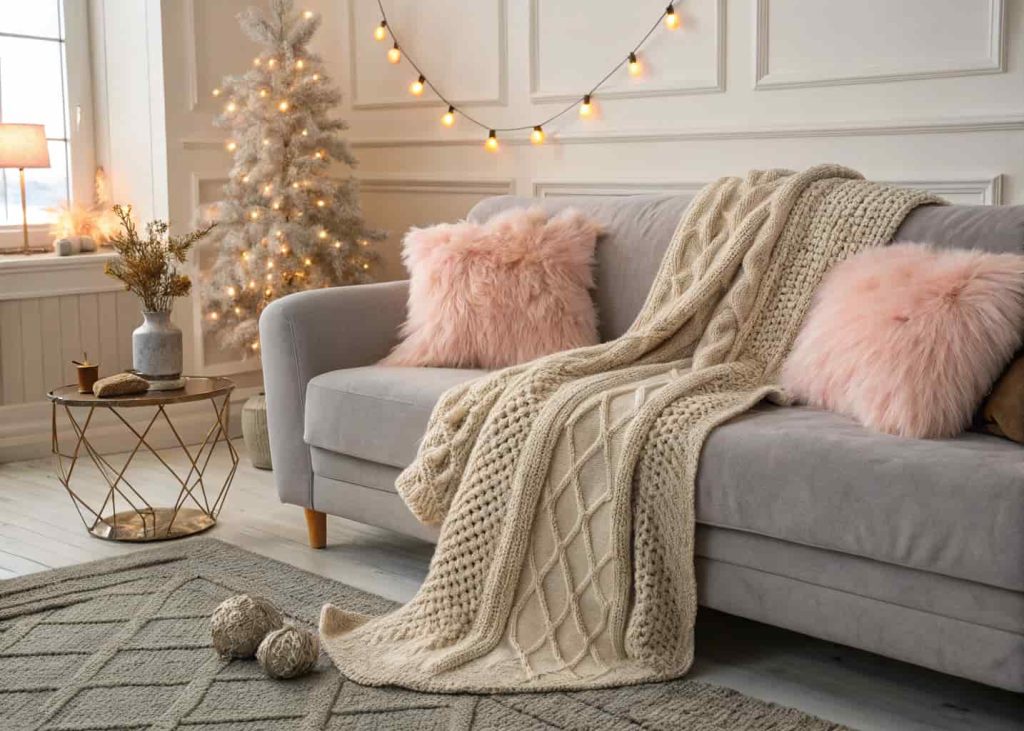
Faux fur pillow covers are perfect for adding warmth and coziness to your space, especially during the fall and winter months. The material comes in many textures and colors, from realistic animal-inspired prints to solid fluffy versions in cream, blush, or charcoal. Sewing with faux fur can feel intimidating at first, but the trick is to use a longer stitch length and keep the pile facing the same direction throughout. A simple envelope-style back in a coordinating solid fabric keeps the construction easy. Once finished, these pillows create an incredibly inviting and luxurious atmosphere in a bedroom or living room. Place them on a knit throw or velvet sofa for a layered textural look that feels like you just walked into a high-end interior design magazine spread.
9. Embroidered Pillow Covers
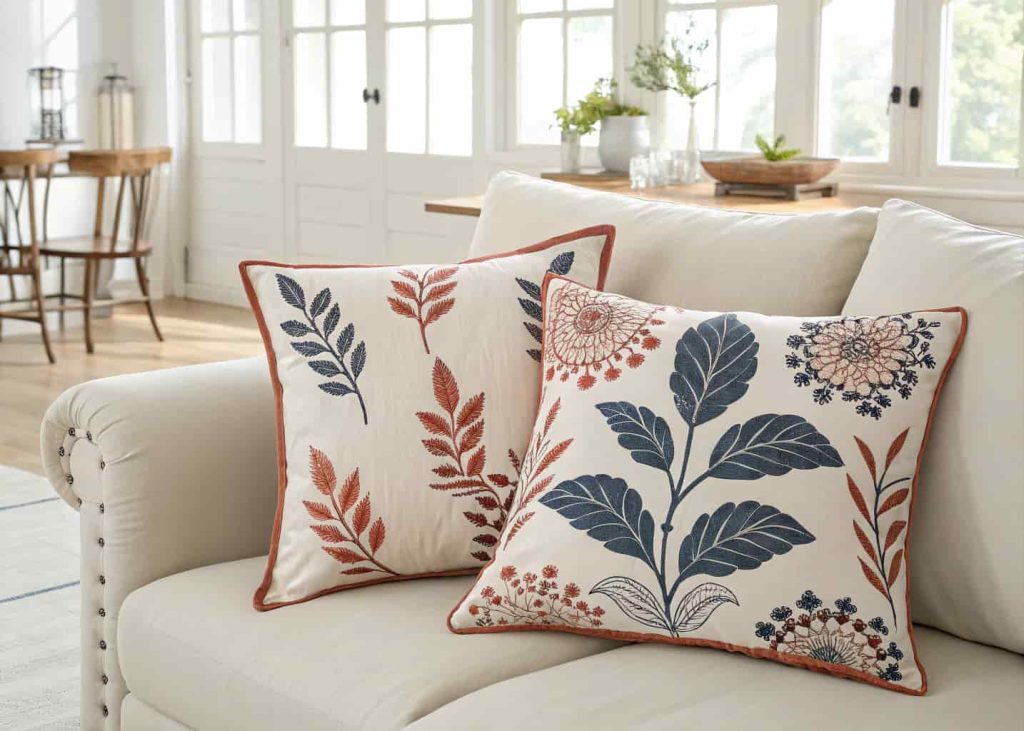
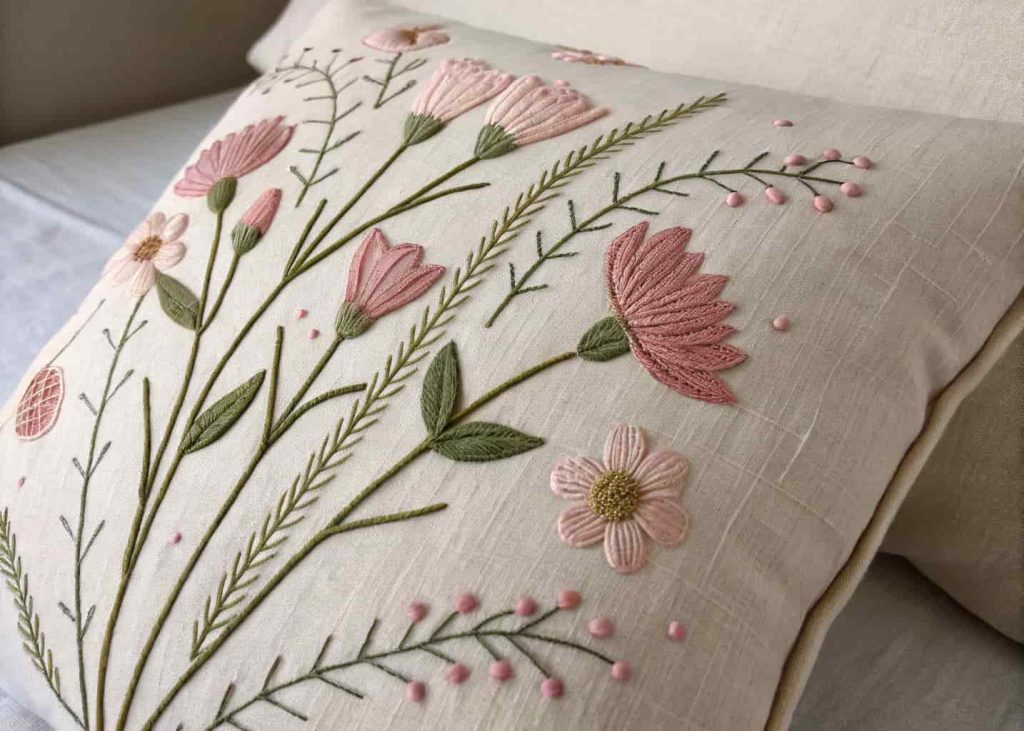
Hand embroidery on pillow covers is one of the most rewarding DIY projects because the end result looks truly spectacular and completely original. You do not need to be an expert embroiderer to achieve beautiful results. Start with simple stitches like the satin stitch, backstitch, and French knot to create florals, abstract shapes, or even personalized lettering. Transfer your design onto plain linen or cotton fabric using a water-soluble pen or embroidery transfer paper. Work section by section and enjoy the slow, meditative process of bringing your design to life. Embroidered pillows become conversation pieces and heirlooms that carry a sense of personality and warmth no printed fabric can replicate. Use thread colors that complement your existing décor for a perfectly coordinated final look.
10. Shibori Dyed Pillow Covers
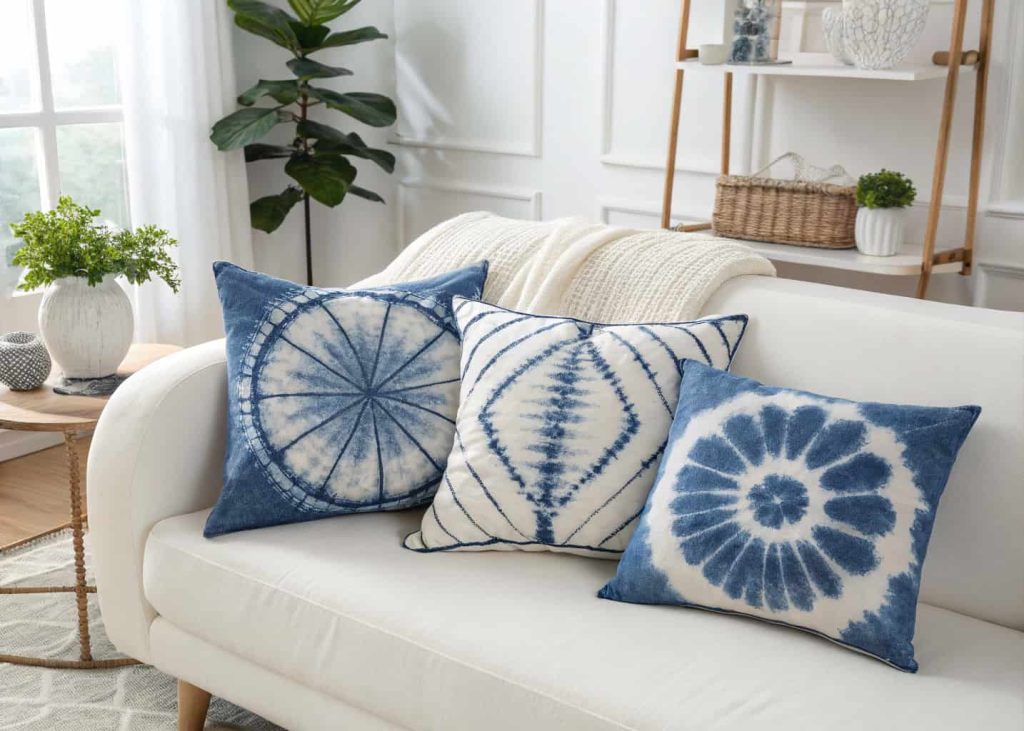
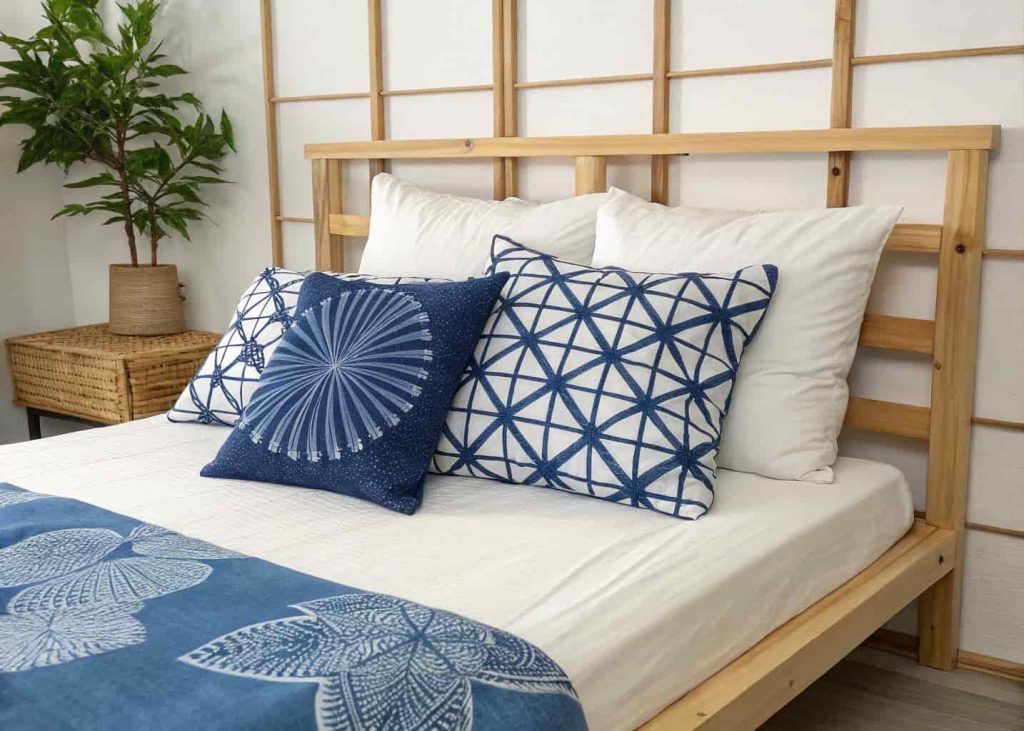
Shibori is a traditional Japanese dyeing technique that uses folding, binding, and clamping to create breathtaking resist-dye patterns on fabric. The most popular version involves indigo dye on white cotton or silk, creating stunning deep blue and white patterns that range from geometric to flowing and organic. Unlike tie-dye, shibori patterns tend to be more structured and refined, making them ideal for a sophisticated home aesthetic. The process requires a bit of patience while the fabric soaks in the dye bath, but the results are always beautiful and often better than you expected. Shibori-dyed pillow covers look incredible in Japanese-inspired, coastal, or minimal Scandinavian interiors. They pair wonderfully with natural wood furniture and soft neutral bedding.
11. Woven Fabric Scrap Pillow Covers
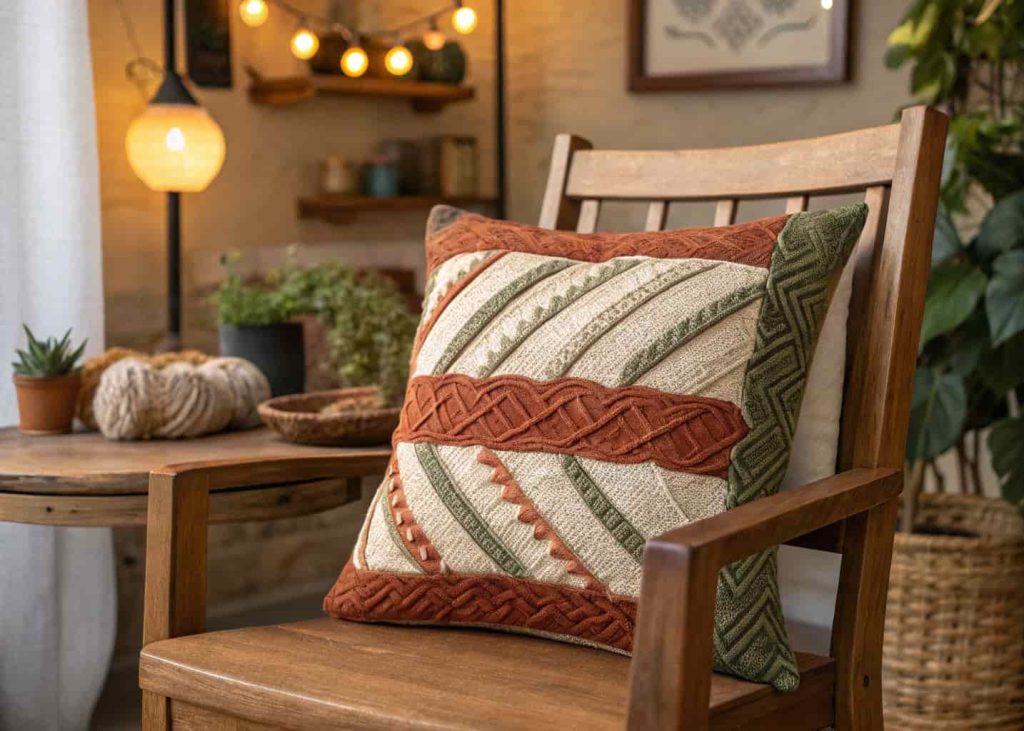
If you have a collection of fabric scraps sitting in a bag somewhere, this project was made for you. Weaving fabric strips together on a simple cardboard or wooden loom creates a beautifully textured material that can be used as the front panel of a pillow cover. Choose fabrics with different weights and textures, like denim, cotton, jersey, and canvas, to add visual interest. You can stick to a cohesive color palette or embrace a rainbow of colors for a more eclectic look. The woven panel is then sewn onto a plain fabric back to complete the pillow cover. This technique is also a wonderful zero-waste project because it gives new life to materials that would otherwise be discarded. The finished pillows have an artisanal, handwoven quality that feels both rustic and intentional.
12. Painted Abstract Pillow Covers
Painting directly onto fabric is one of the most expressive and liberating DIY techniques you can try for pillow covers. Use fabric paint or acrylic paint mixed with a textile medium to ensure the design stays flexible and wash-safe once it dries. You do not need to be an artist to create beautiful results. Abstract brush strokes, color block designs, and simple geometric shapes are all incredibly effective and easy to execute. Work on pre-washed cotton or canvas fabric laid flat on a protected surface. Let your creativity lead without overthinking the design. The imperfection and spontaneity of hand-painted marks is exactly what makes the finished piece look authentic and artistic. Once sealed with a heat press or iron, the painted fabric is ready to be cut and sewn into your pillow covers.
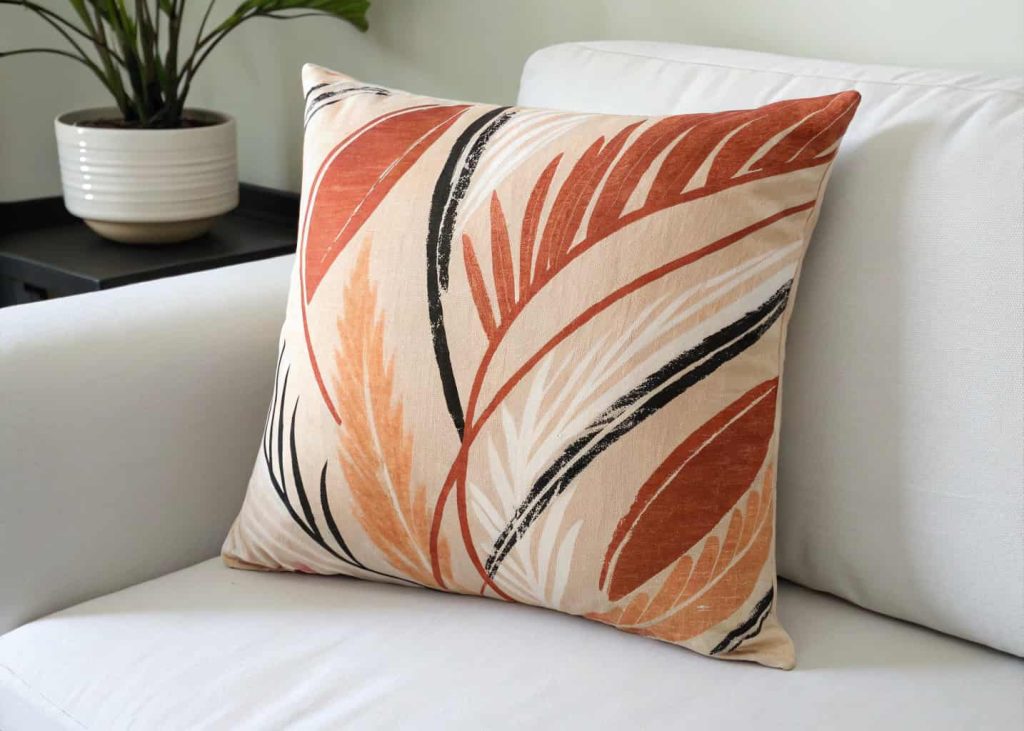
13. Vintage Scarf Pillow Covers
Turning a beautiful vintage scarf into a pillow cover is one of the most creative and sentimental DIY projects you can do. Silk scarves, wool scarves, and printed cotton scarves all work wonderfully for this purpose. Simply fold the scarf around your pillow insert and secure the edges, or sew a simple back panel to create a more structured cover. The printed patterns on vintage scarves, whether florals, paisleys, equestrian motifs, or abstract designs, instantly become the focal point of the pillow. This approach is also a wonderful way to honor a piece of clothing or accessory that has sentimental value but is no longer being worn. Shop thrift stores and vintage markets for one-of-a-kind finds that can transform into truly unique decorative pillows for your home.
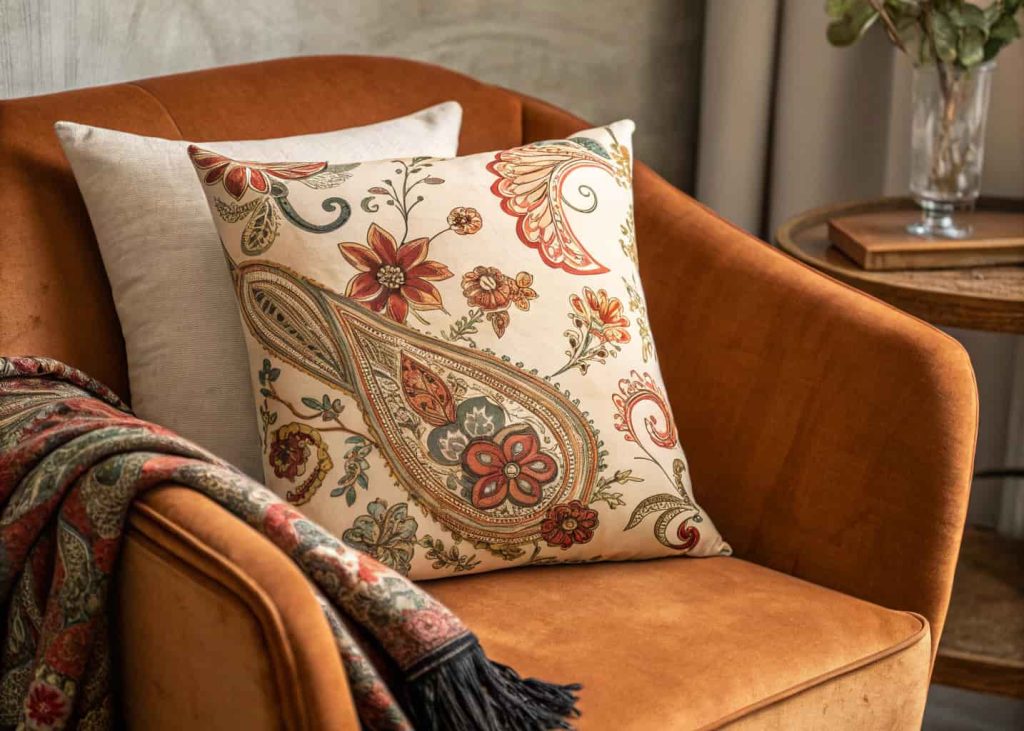
14. Button-Up Farmhouse Pillow Covers
Button closures on pillow covers add a charming, cottage-style detail that makes the whole piece feel intentional and carefully crafted. This style is extremely popular in farmhouse, country, and vintage-inspired interiors. Use fabric-covered buttons made from your cover material for a seamless look, or choose contrasting ceramic, wooden, or brass buttons for added character. Buffalo check, ticking stripe, and chambray fabrics all look particularly stunning with button closures. The buttons can line up along the back edge or even be placed along the side for a different look. This closure style is also practical because it makes removing and washing the cover very easy. The finished pillow has a warm, homey personality that immediately makes any room feel more lived-in and welcoming.
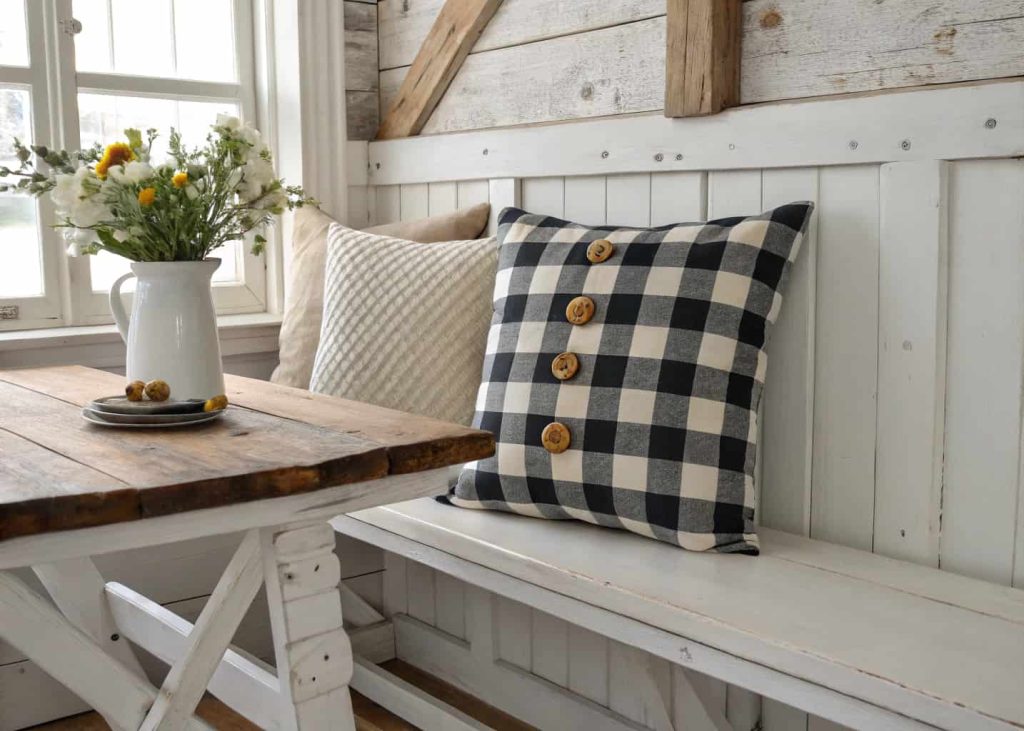
15. Stenciled Geometric Pillow Covers
Geometric patterns are always in style when it comes to home décor, and stenciling them onto fabric is a fast and satisfying project. Purchase a ready-made stencil or cut your own from a piece of acetate or thick cardboard. Tape the stencil securely onto your fabric and apply fabric paint using a dense foam roller or stencil brush, using minimal paint to avoid bleeding under the edges. Repeat the pattern across the entire fabric panel for a seamless, all-over look, or place a single motif in the center for a more graphic, modern style. Triangles, diamonds, hexagons, and chevron stripes are all timeless choices that work across many interior styles from Scandinavian to global. Once complete, heat-set the paint and sew your covers for a truly professional-looking result.
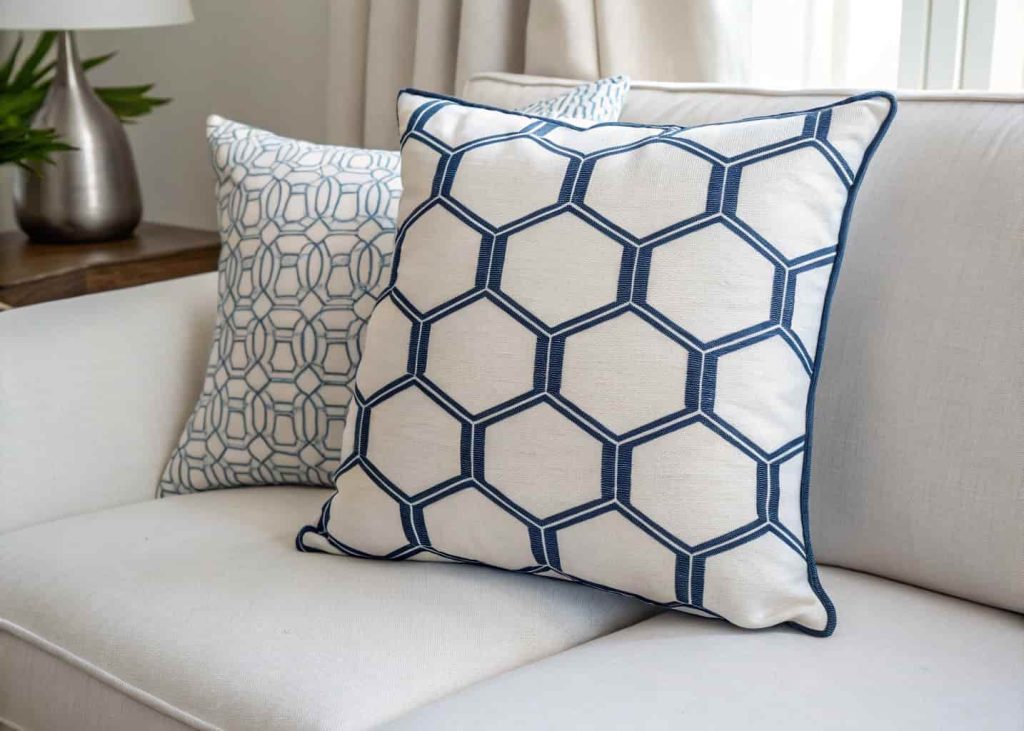
16. Jute and Cotton Combo Pillow Covers
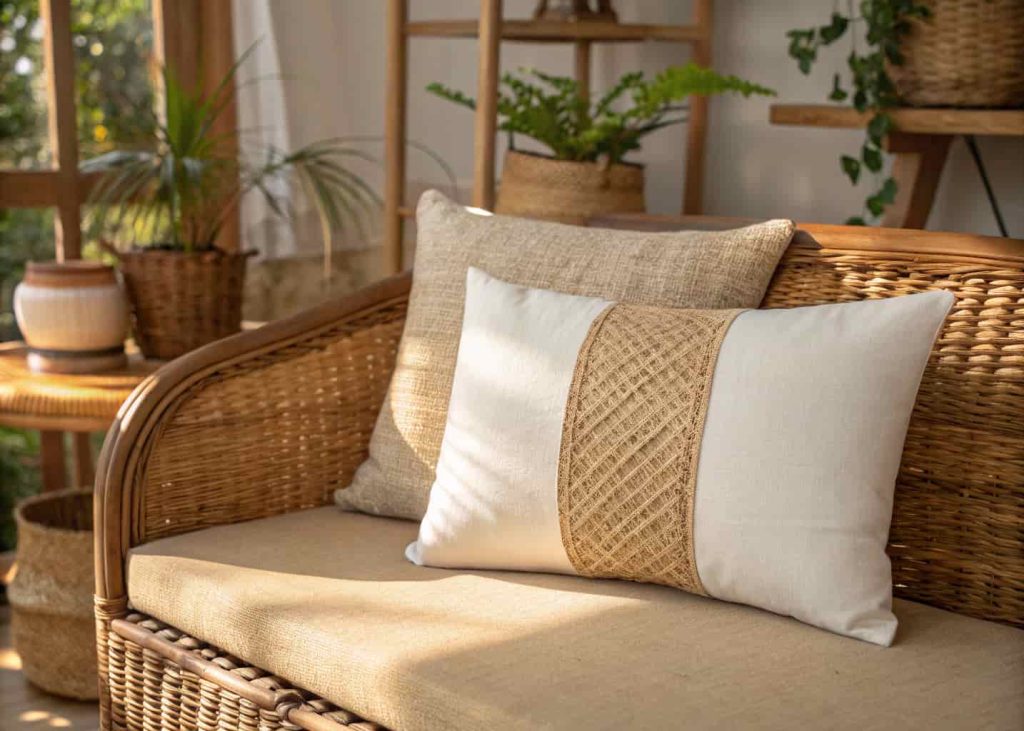
Combining jute with cotton fabric creates a pillow cover that is rich in natural texture and incredibly on-trend for modern organic interiors. The rough, woven quality of jute contrasted with the smooth softness of cotton creates a tactile and visual interest that is both earthy and refined. Use jute as the front panel with a soft cotton back, or alternate strips of both materials for a banded effect. Natural, undyed versions of both materials work beautifully together, or you can dye the cotton in a warm earthy tone to add a little color. These pillows belong on rattan furniture, wooden benches, and linen sofas. They carry a calm, grounded energy that makes any space feel more connected to nature, which is exactly the kind of interior aesthetic so many people are striving for right now.
17. Kantha Quilt Pillow Covers
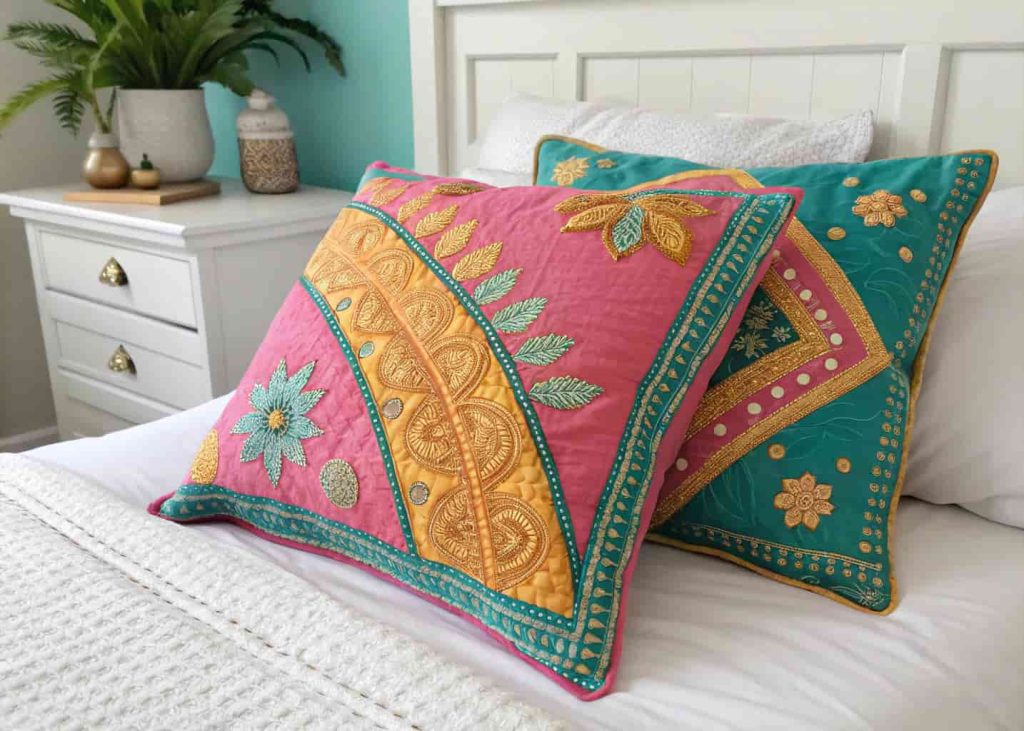
Kantha is a South Asian textile tradition where layers of old cotton fabric are hand-stitched together with a simple running stitch, creating beautifully textured and colorful cloth. Repurposing small pieces of kantha fabric or an old kantha quilt into pillow covers is an absolutely stunning DIY idea. The stitched surface has a crinkled, quilted texture that is incredibly soft and tactile, while the traditional patterns and colors bring a vibrant, global energy to your space. Kantha fabric can also be purchased by the yard from fair-trade textile shops if you do not have existing pieces. These pillow covers look magical in eclectic, bohemian, or globally inspired interiors, and they carry with them the beautiful story and craftsmanship of traditional textile art. Every piece is unique and full of warmth and character.
Conclusion
Pillow covers are one of the fastest and most affordable ways to completely transform the look and feel of any room in your home. Whether you are a total beginner or a seasoned crafter, there is a project on this list that suits your skill level and personal style. From the simplicity of no-sew drop cloth covers to the artistry of hand embroidery and shibori dyeing, each technique gives you the power to create something genuinely beautiful and personal. The best home interiors are ones that tell a story, and DIY pillow covers are a perfect way to add your own chapter. So pick up some fabric, gather your tools, and start making your space look and feel exactly the way you have always imagined it.