Winter makes you notice every cold corner of a house. The draft near the window, the bare floor that feels like ice at 7am, the overhead light that makes everything look like a waiting room. Coziness isn’t really about buying more stuff — it’s about fixing the two or three things that are quietly working against you. Here’s a room-by-room breakdown of what actually moves the needle.
1. How to Create a Cozy Ambiance in the Living Room
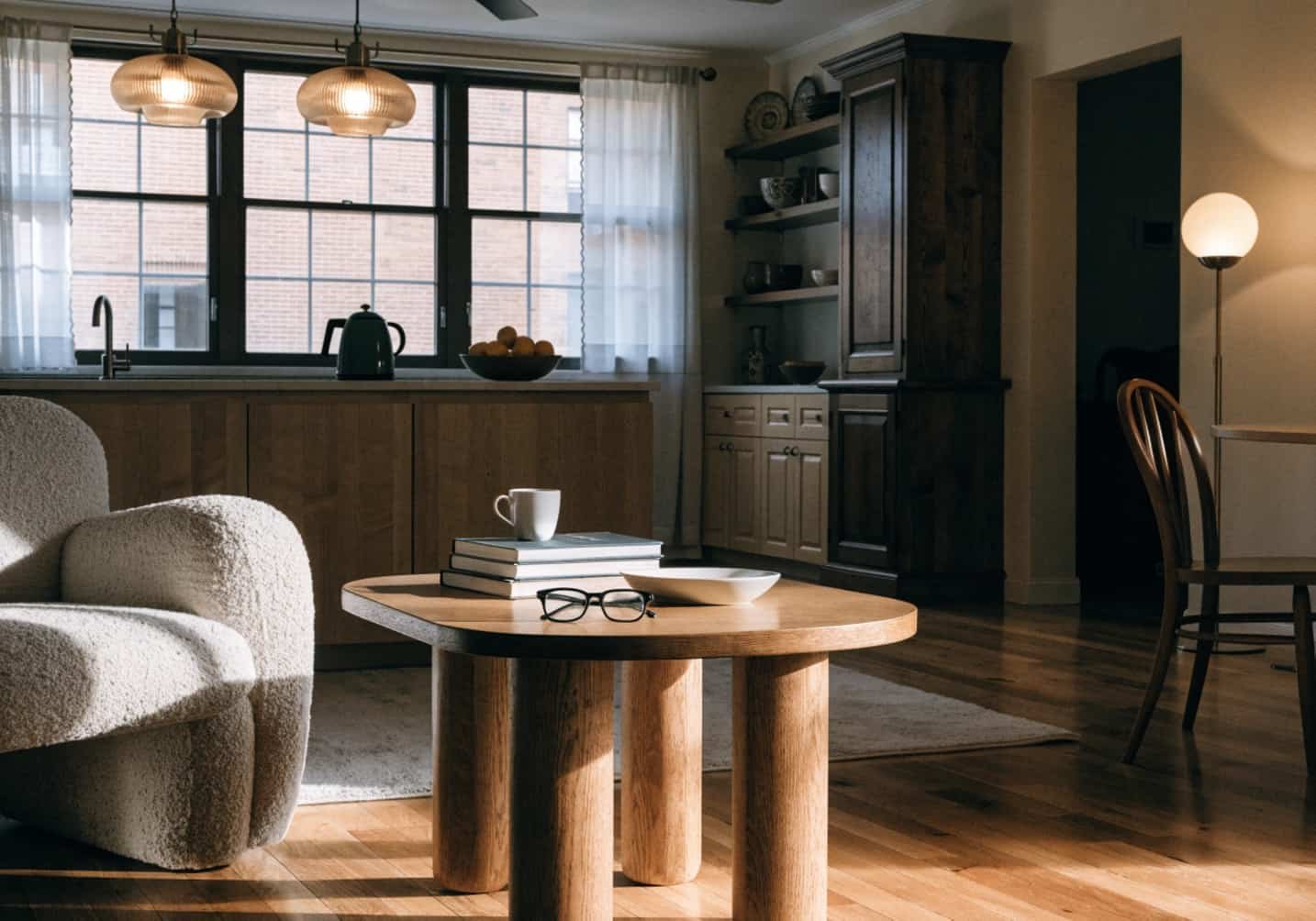
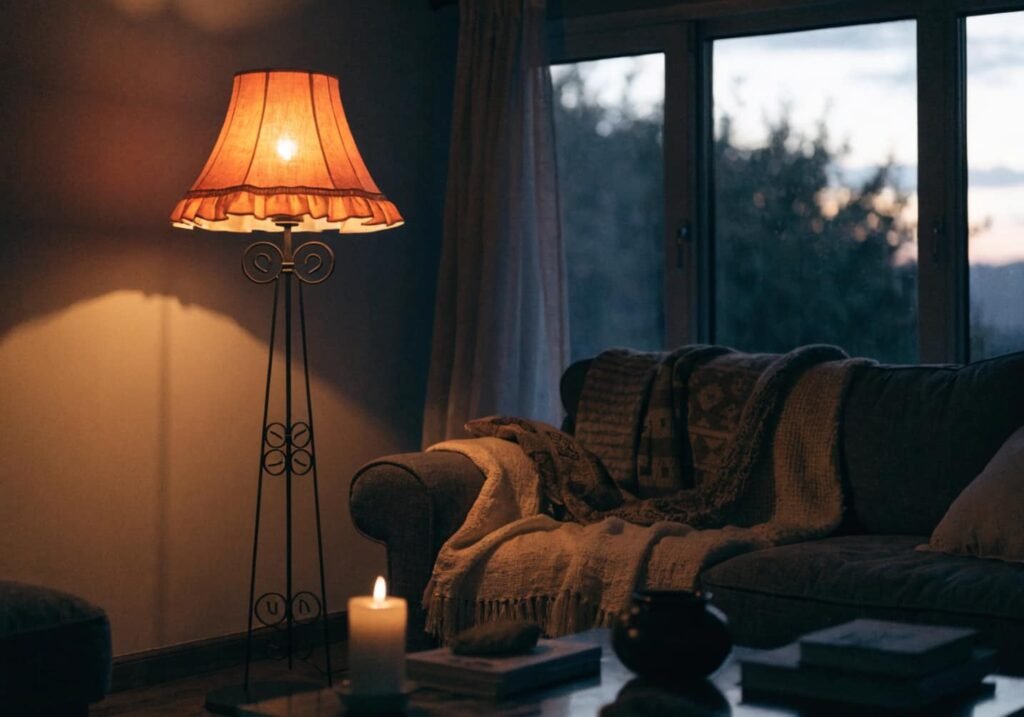
Start with light temperature, not decor. Most living rooms are lit with 5000K+ “daylight” bulbs left over from whoever built the house, and that cool blue-white light is the single biggest reason a room feels clinical instead of warm. Swap every bulb to 2700K soft white — it’s printed right on the box. Then kill the single overhead fixture as your main light source and replace it with three smaller sources at different heights: a floor lamp, a table lamp, and something low like a lit candle or a plug-in sconce. Three weak lights beat one strong one almost every time.
2. How to Set Warm Lighting for the Kitchen
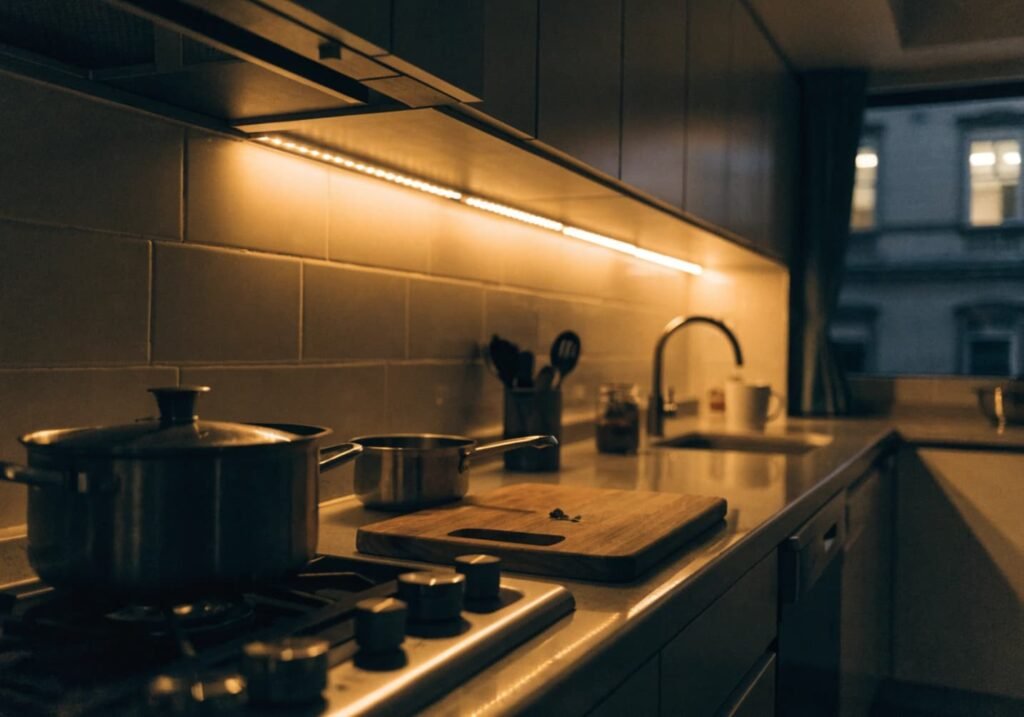
Kitchens usually run on 4000K “cool white” task lighting because it’s supposedly better for chopping and reading labels, and technically it is — but it also makes a kitchen feel like a lab at 8pm. The fix isn’t to replace your task lighting; it’s to add a second layer. Under-cabinet LED strips at 2700K, on a separate switch from your ceiling lights, let you cook under bright light and then switch to just the strips once dinner’s done. A $20–30 puck light kit from any hardware store does this in about an hour with no wiring.
3. How to Arrange Soft Throws and Blankets
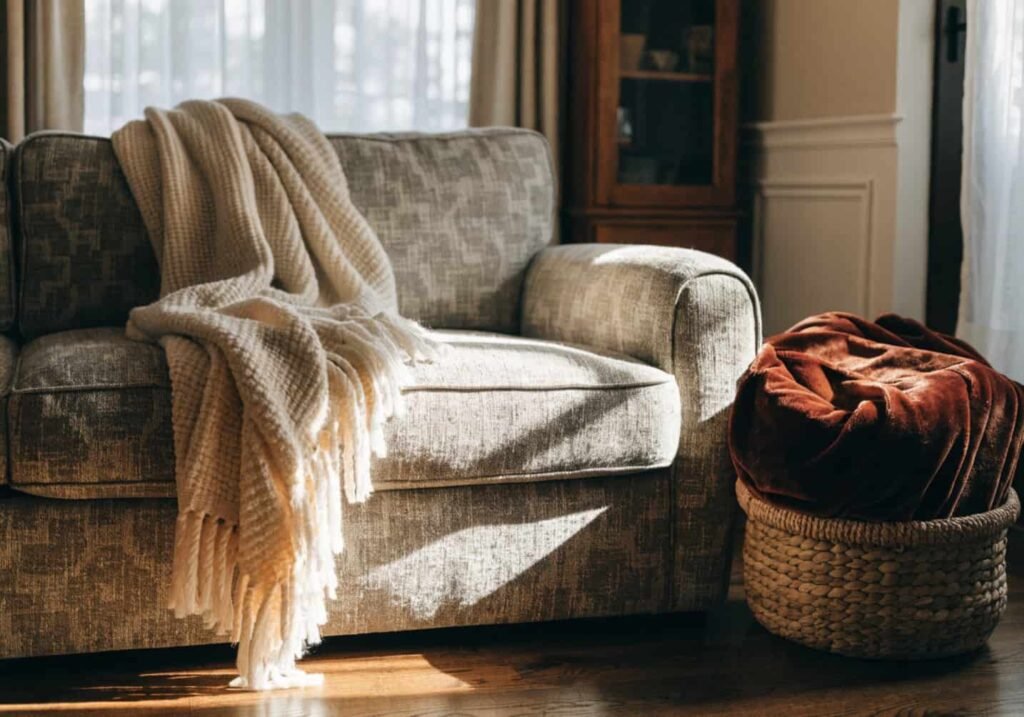
One throw folded neatly at the end of the sofa reads like a hotel room. What actually reads as “lived in” is asymmetry: one blanket draped loosely over the arm of the sofa, half-falling, and a second one — different texture, like a chunky knit against a smoother waffle-weave — piled in a low basket nearby, not folded. Wool or wool-blend throws (look for at least 50% wool) genuinely trap more heat than acrylic ones twice their thickness, so if you’re buying for warmth rather than just looks, check the label before the price tag.
4. How to Build a Cozy Reading Corner
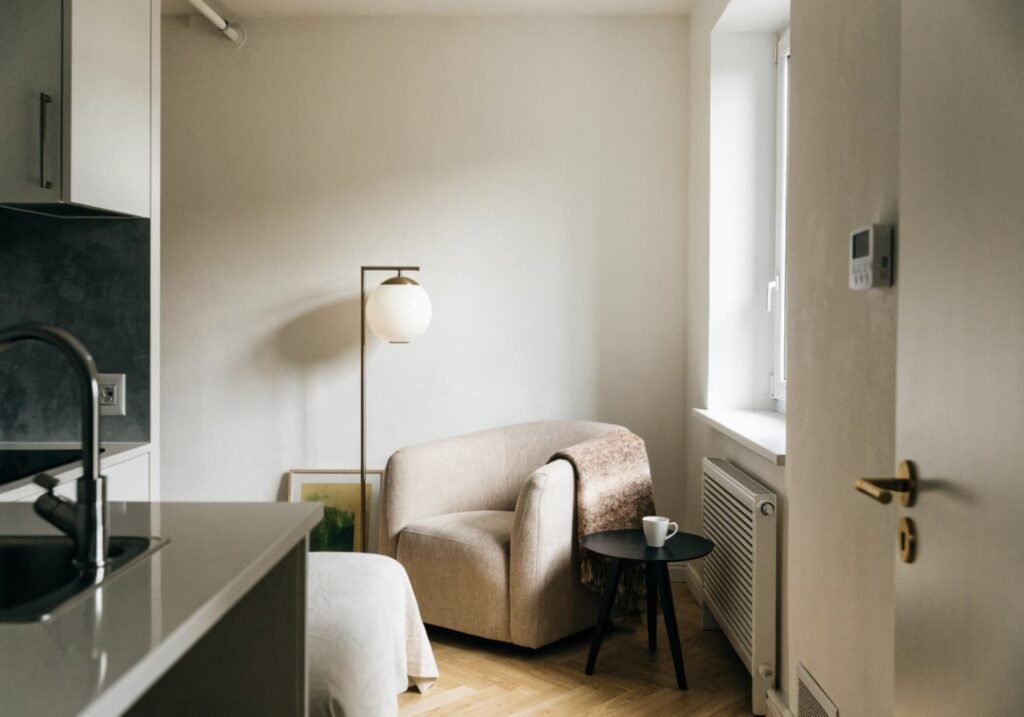
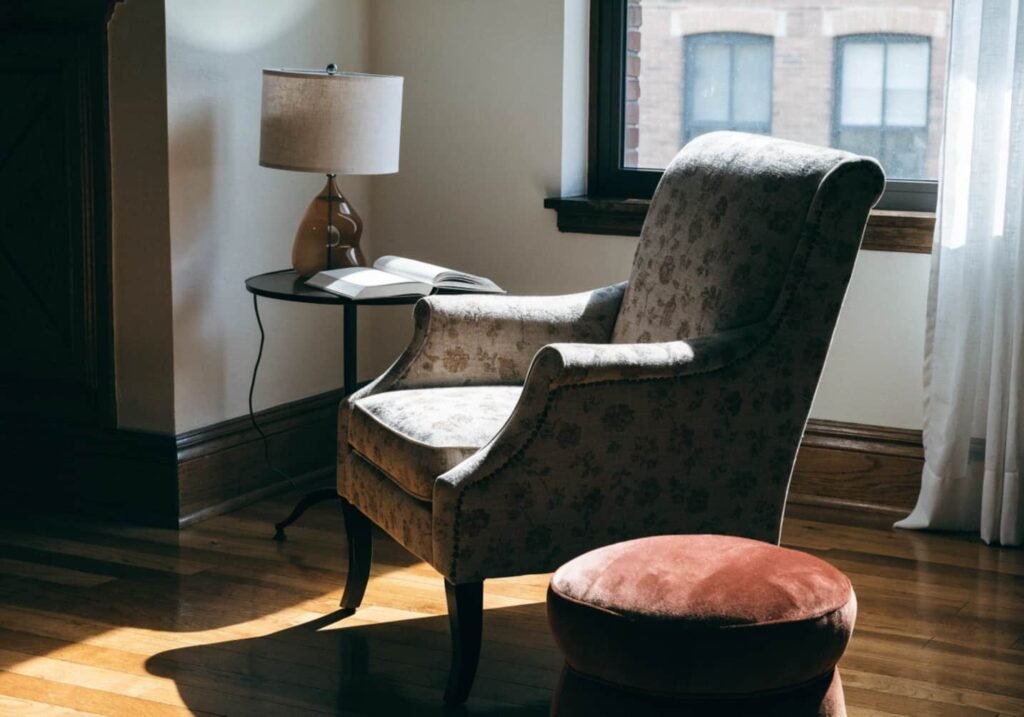
A reading corner fails when the chair faces the wrong way — angled toward the TV instead of toward a window or a lamp. Position the chair at roughly a 45-degree angle to the nearest light source, not facing it head-on, so the light falls over your shoulder onto the page instead of into your eyes. You need three things within arm’s reach: a side table no more than knee-height, a light with its own switch (not one tied to the room’s main switch), and something to prop your feet on. Skip the built-in bookshelf headline projects — a secondhand armchair, a $15 clip lamp, and a footstool gets you 90% of the effect.
5. How to Add a Cozy Feel with Candles
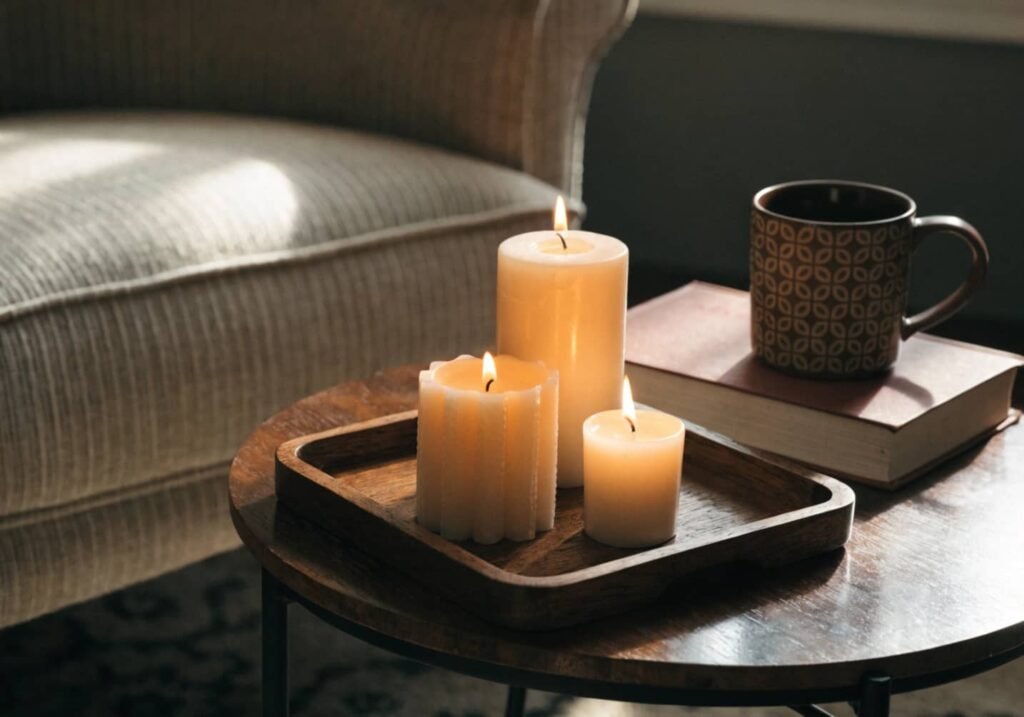
Scent matters less than people think; burn time and flame size matter more. A cheap candle with a thin wick gives you a small, flickering flame — that flicker is what your brain reads as “cozy” far more than the scent does. Soy or coconut wax candles burn slower and cooler than paraffin, so a $12 soy candle in a 8oz jar will often outlast a $20 paraffin one. Group candles in odd numbers (three, not two) at varying heights on a tray — a flat row of matching candles looks more like a display shelf than a lived-in space.
6. How to Boost Warmth with Rugs
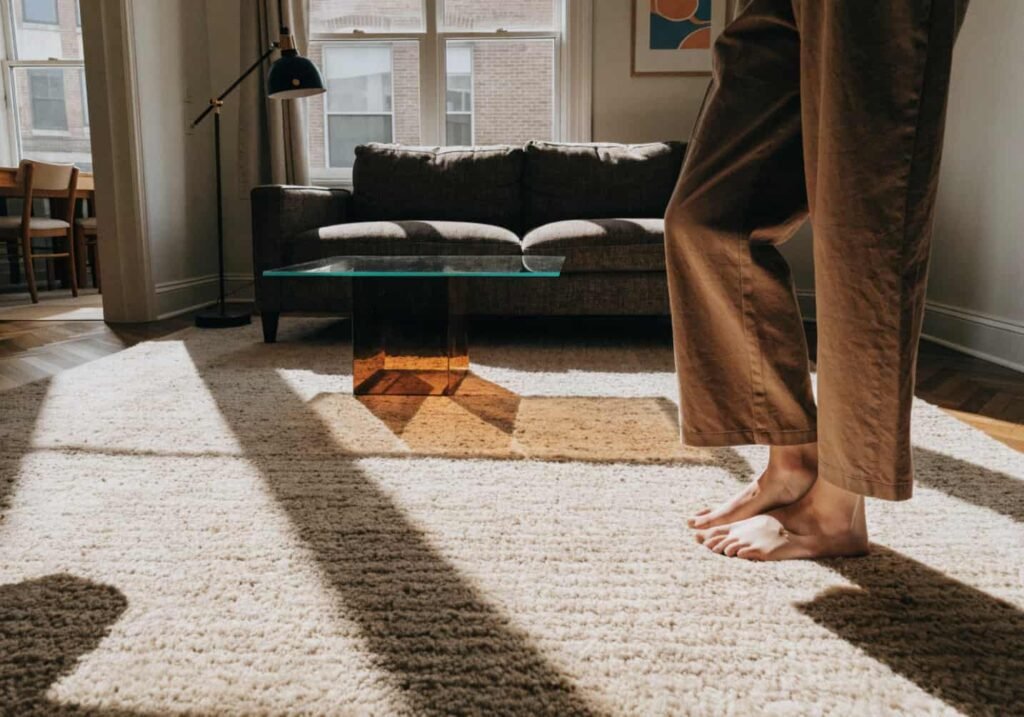
A rug under just the coffee table does almost nothing for warmth or comfort — your feet still hit cold flooring the second you stand up. For an actual difference, the rug needs to extend at least 18–24 inches past the front legs of your sofa and chairs, ideally with all furniture legs on the rug. Wool rugs insulate noticeably better than jute or synthetic blends against hardwood or tile, and a rug pad underneath adds another layer of insulation most people skip entirely — it’s not just there to stop slipping.
7. How to Design a Cozy Kitchen Nook
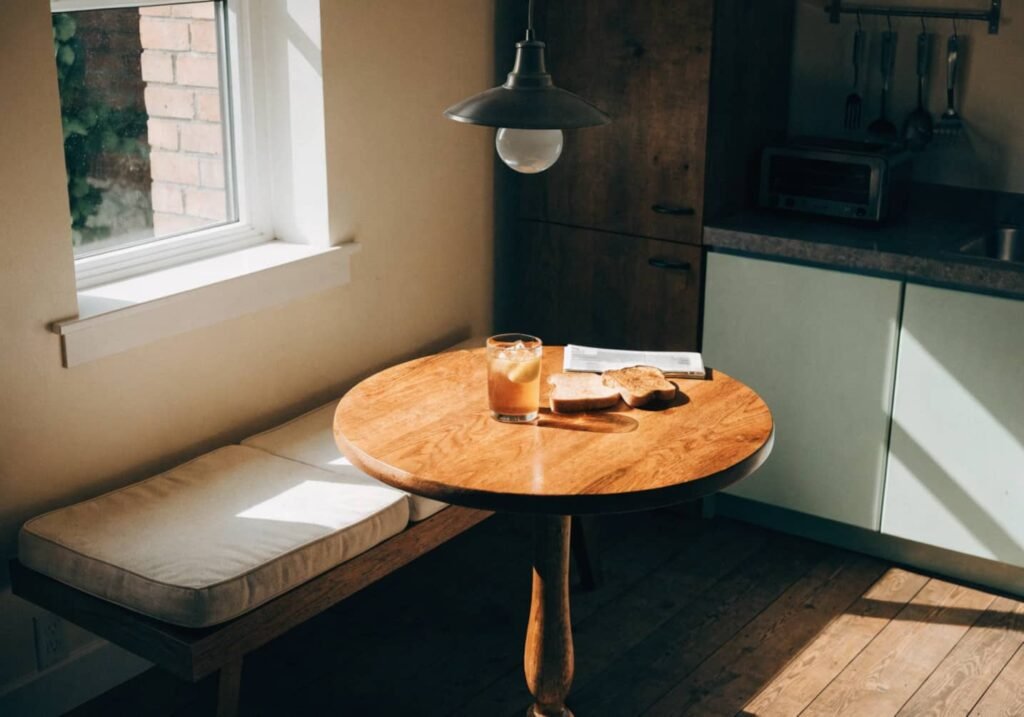
If you’ve got a corner near a window, a banquette bench beats a standalone table and chairs for coziness — the fixed seating with cushions on two sides makes the space feel enclosed instead of exposed. No room for built-in seating? A bench along one side of a small table, pushed against a wall, does something similar for under $150. Add a cushion at least 3 inches thick — thinner ones flatten within a month and stop being comfortable.
8. How to Make a Fireplace Area Cozy
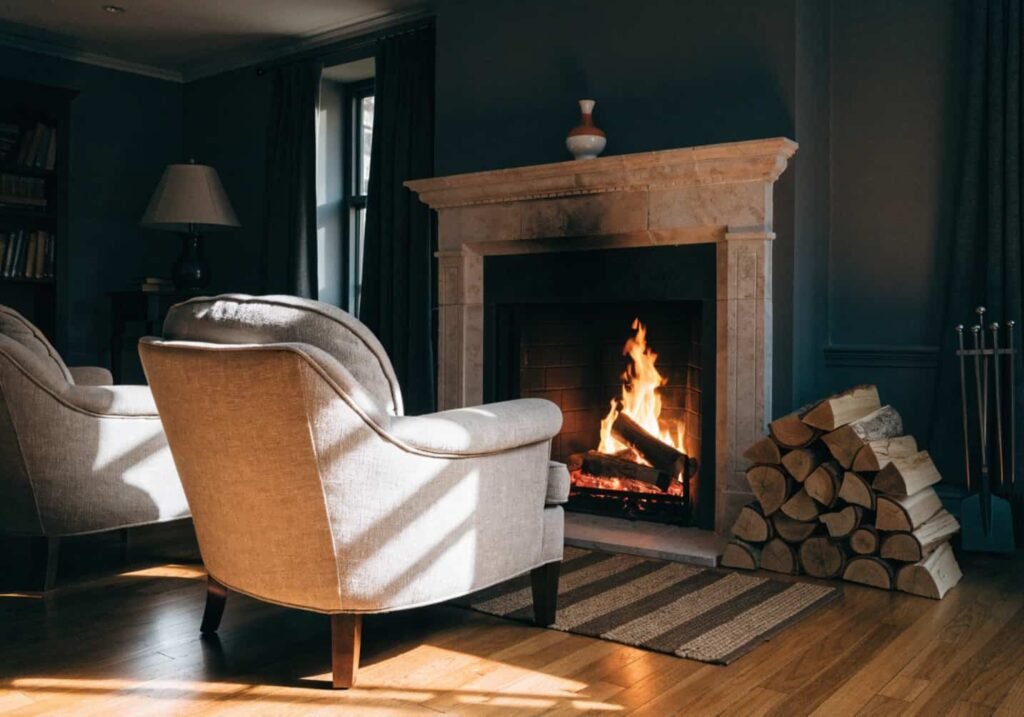
The mistake most people make is centering everything on the TV and treating the fireplace as background. Pull seating in closer — armchairs and the sofa within about 8 feet of the hearth, angled toward it rather than the wall it’s mounted on. If it’s a gas or electric fireplace, a hearth rug rated for heat exposure in front of it does double duty as both a safety buffer and a soft landing spot for sitting on the floor, which people actually do more than they’d plan for.
9. How to Use Layered Textures for a Cozy Look
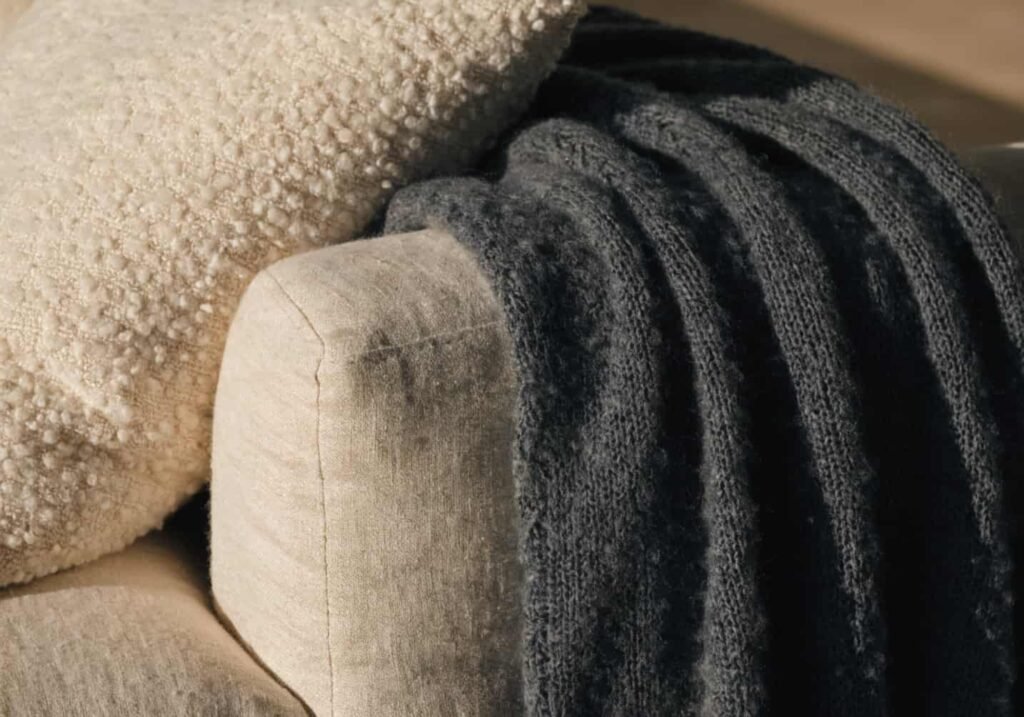
The trick with texture is contrast, not matching. A smooth linen sofa paired with a nubby bouclé cushion and a chunky knit throw works because your eye and hand register three different sensations in one spot. An all-velvet or all-linen room, no matter how expensive the fabric, tends to look flat and a little sterile because everything reads the same. Aim for at least three distinct textures within any seating cluster — smooth, nubby or looped, and soft/plush covers most rooms.
10. How to Choose Warm Colour Tones
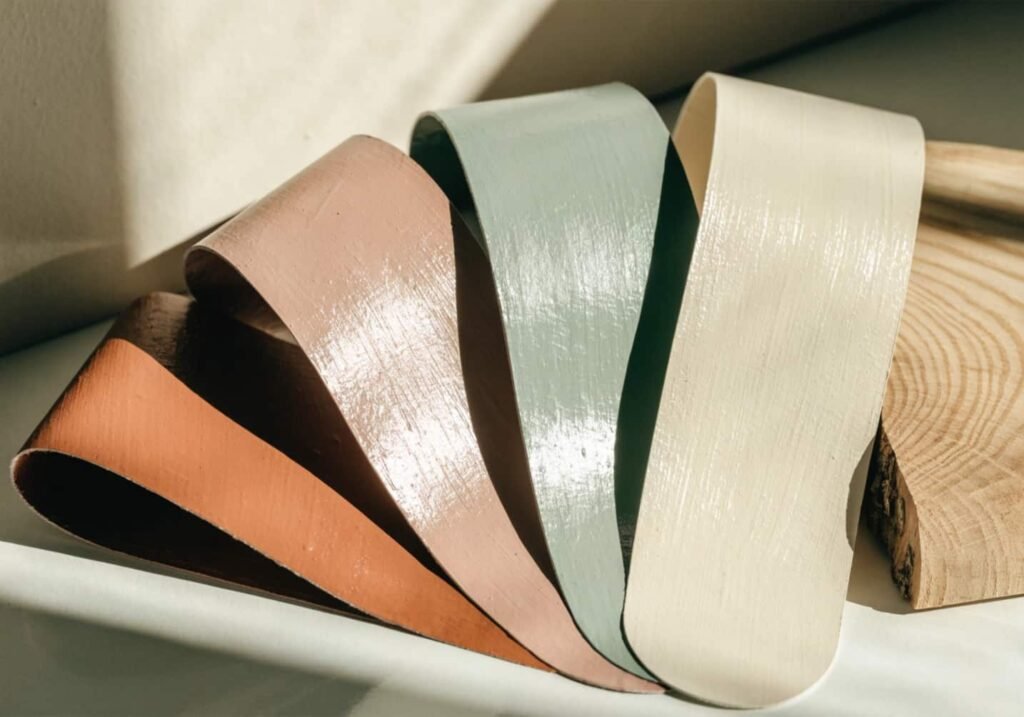
Warm doesn’t have to mean brown or orange. Warm undertones show up in surprising places — a sage green with yellow in its base, a dusty rose, even a warm-toned grey (check the paint chip under daylight, not store lighting, since cool greys often masquerade as warm ones indoors). The simplest test: hold the swatch next to something you know is warm, like unfinished oak, and see if it clashes. If it clashes, it’s probably got a cool undertone no matter what the name on the can suggests.
11. How to Select Cozy Cushions
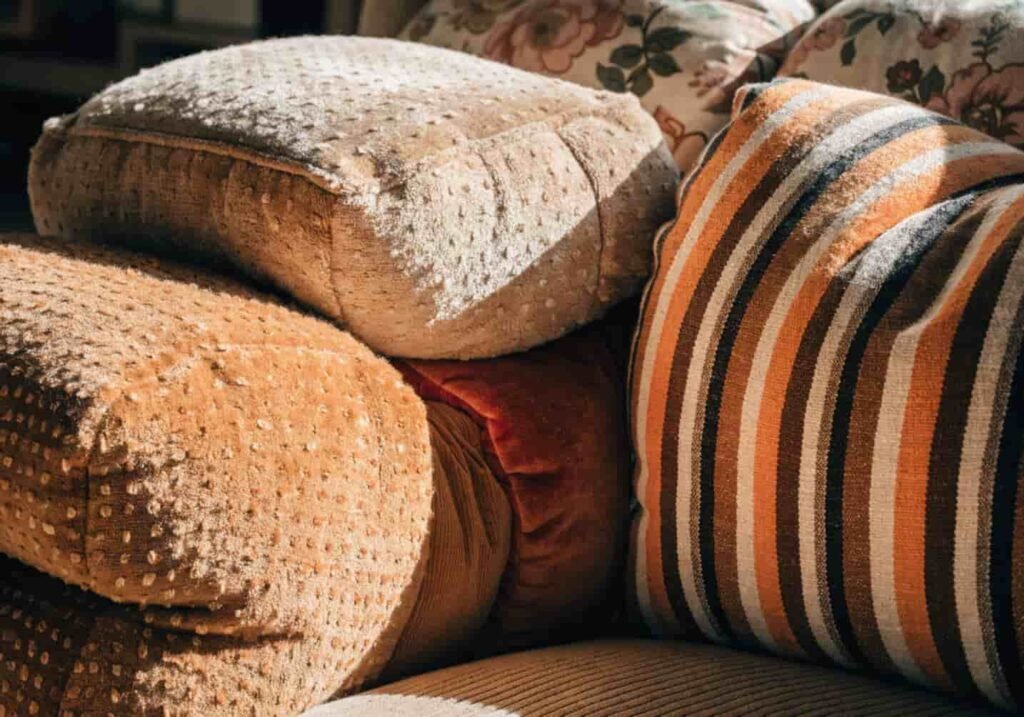
Down-filled inserts compress and mold to your body in a way polyester fill never quite does, but they need fluffing daily or they go flat. A down-and-feather blend (70/30 is common) is the middle ground — decent softness, less maintenance. For covers, go up a size from the insert: a 20-inch cover on an 18-inch insert gives you that slightly overstuffed, plump look instead of the tight, boxy look you get from matching sizes exactly.
12. How to Follow Hygge Style in Home Decor
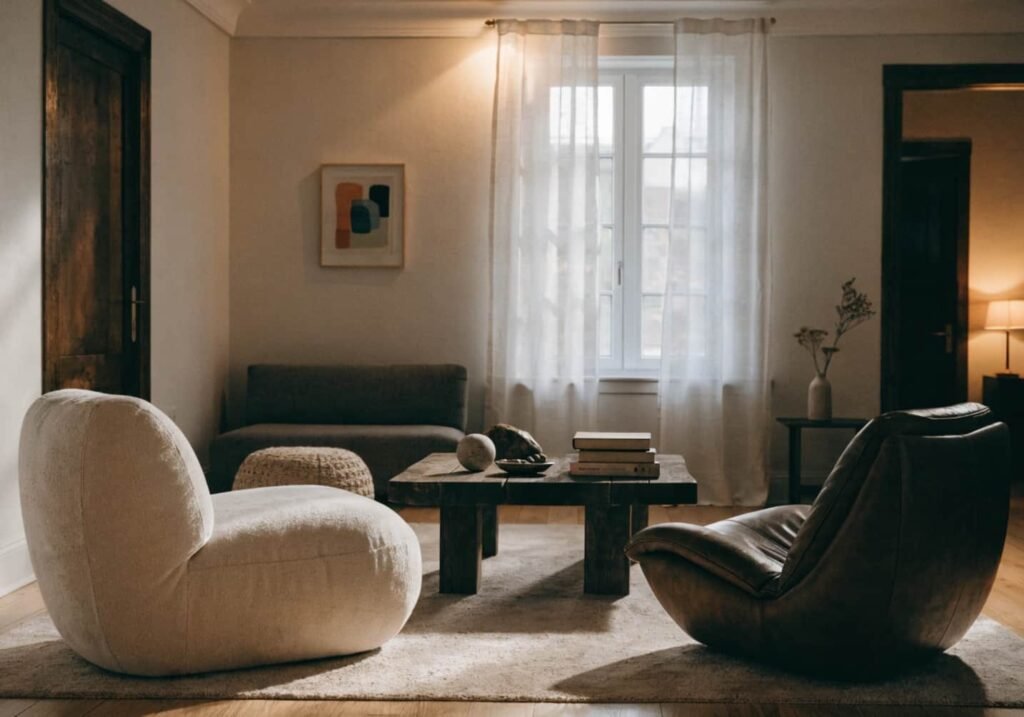
Hygge gets flattened into “add candles and a blanket” online, but the actual Danish concept is closer to designing for unhurried togetherness — which is a scheduling and layout choice as much as a decorating one. Practically: seating arranged in a circle or facing each other rather than all pointed at a screen, low lighting after dark, and genuinely limiting the number of “statement” pieces in a room. Hygge interiors tend to have fewer, better objects — not more objects styled to look effortless.
13. How to Set Cozy Corner Lighting
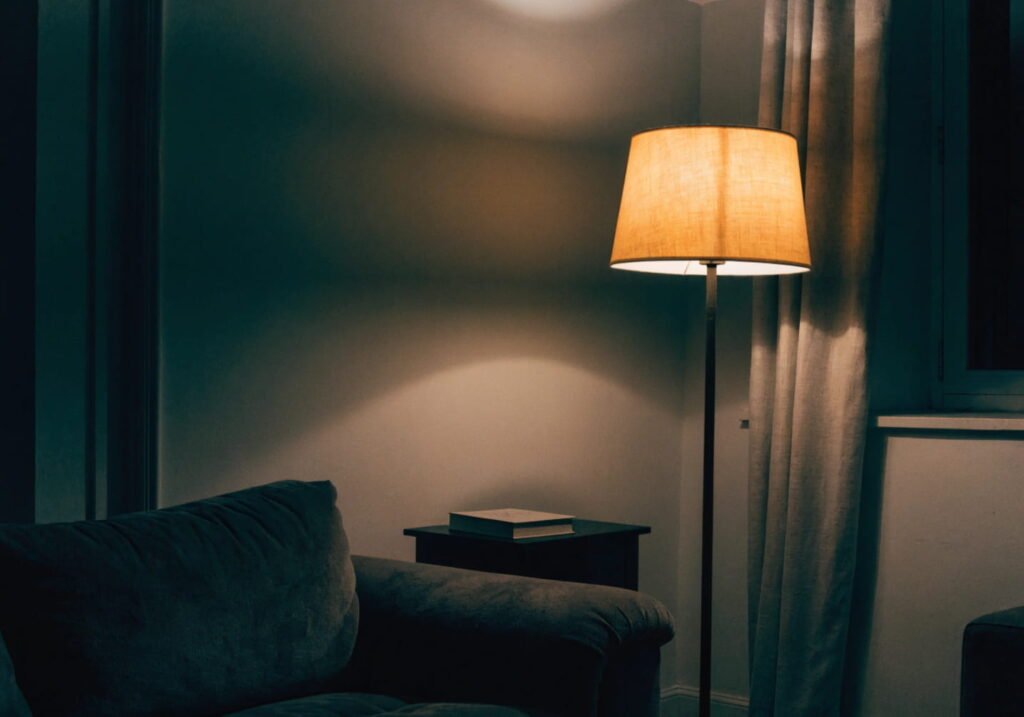
Corners go dark first because most rooms only have central or wall-mounted lighting. A corner floor lamp with an upward-facing shade bounces light off the ceiling and walls, filling the space without adding another harsh direct source. If the corner already has a window, a simple café curtain covering just the bottom half lets daylight in during the day while giving you a warmer, more enclosed feel at night once you add a lamp.
14. How to Fit Cozy Decor into a Small Space
Small rooms punish clutter fast, so the usual advice — “add more layers” — backfires if you’re not careful. The workaround is to concentrate coziness in one zone instead of spreading it thin across the whole room. Pick a single chair-and-lamp combo, or one end of a small sofa, and put your best throw, your best cushion, and your best light there. One genuinely cozy corner beats a whole room of half-hearted attempts, and it’s a lot cheaper too.