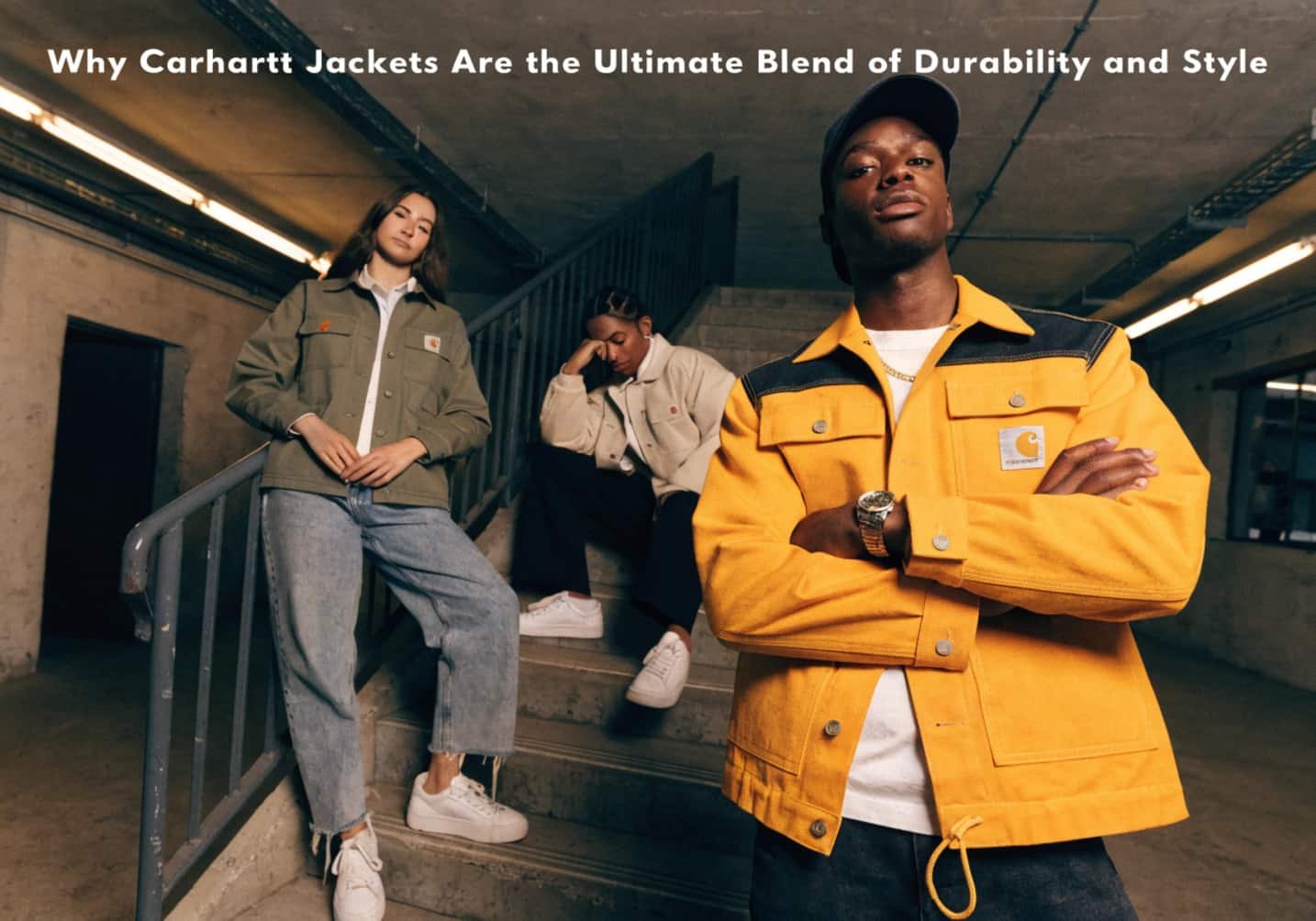
If you’ve ever picked up a Carhartt jacket in a store and noticed how stiff and heavy the fabric feels compared to a regular coat, that’s not a design flaw — that’s the entire point. Carhartt built its reputation on fabric that resists tearing, not on fabric that feels soft off the shelf. It softens with wear, not before. That single fact explains almost everything about why these jackets have survived over a century of changing fashion trends while still selling out in streetwear drops today.
1. Carhartt’s Brand Legacy and Heritage
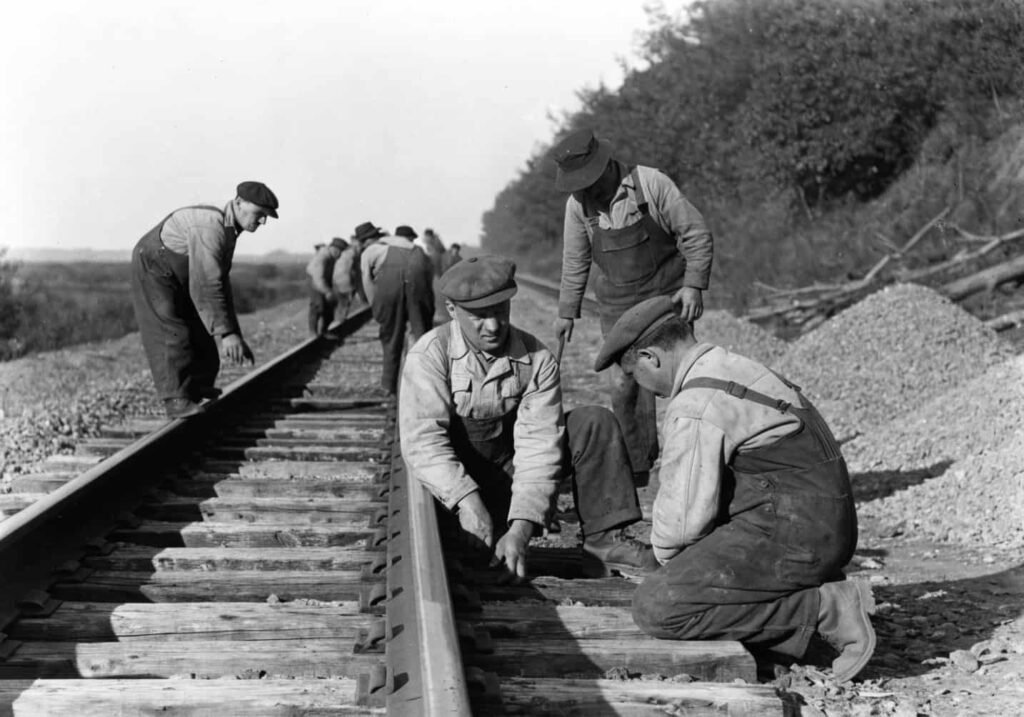
Carhartt was founded in 1889 in Detroit by Hamilton Carhartt, originally making bib overalls for railroad workers. The company’s early marketing leaned hard into durability testing — they reportedly sent free overalls to actual railroad crews and asked for blunt feedback before mass production. That habit of testing gear on people who’d destroy anything poorly made stuck around, and it’s why the brand still gets used as a benchmark for “real” workwear even now, over 130 years later. It’s privately held, still headquartered in Dearborn, Michigan, and still manufactures a portion of its line in the U.S. under the “Carhartt WIP” and heritage labels — though most mainstream products are now made overseas to keep prices manageable.
2. Materials Used in Making the Jacket
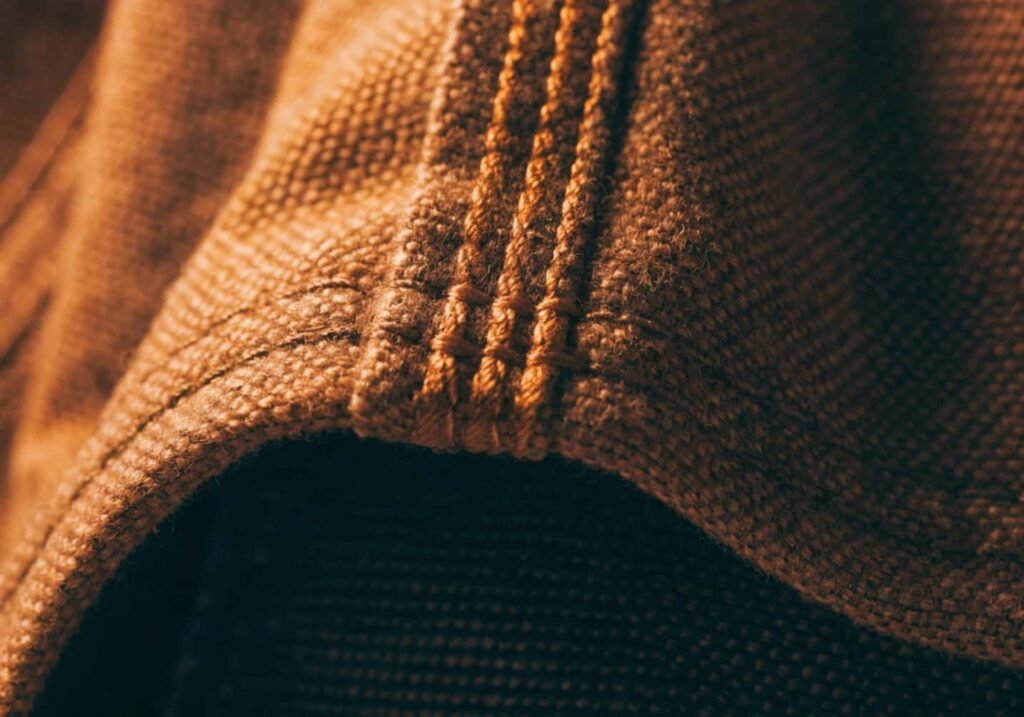
The core fabric across most Carhartt jackets is 12-ounce 100% cotton duck canvas — a tightly woven fabric rated in ounces per square yard, which tells you its weight and toughness. For comparison, a typical denim jacket runs about 10-14 oz, so Carhartt’s duck canvas sits in similar territory but with a tighter weave that resists abrasion better. Heavier options go up to 14-ounce canvas for extra-rugged pieces.
Inside the jackets, you’ll usually find one of three linings:
- Quilted flannel lining — warmer, common in the Detroit Jacket
- Sherpa lining — the fuzzy fleece-like interior, best for cold, dry climates
- Thermal-lined or unlined — for milder weather or layering
The stitching matters too. Carhartt uses triple-needle stitching on major seams, which means three parallel rows of stitches instead of one — this is the actual reason the jackets rarely rip at the seams, not marketing fluff.
3. From Workwear to Streetwear: The Journey
The shift didn’t happen because Carhartt chased trends — it happened because skaters, musicians, and hip-hop artists adopted the jackets in the late 1980s and 1990s for the same reason construction workers did: they held up to abuse. Wu-Tang Clan and early skate crews in the Midwest and East Coast wore Carhartt because it was cheap, tough, and available at any hardware or farm supply store.
Then in 1994, a separate European licensee launched Carhartt WIP (Work In Progress), which is a distinct product line built specifically for a fashion audience, with slimmer cuts, different colorways, and seasonal collections. This is a common point of confusion: Carhartt WIP and mainline U.S. Carhartt are related but not identical — the WIP line is designed in Europe and isn’t sized or cut the same way. If you’re buying based on a European sizing chart and expecting U.S. Carhartt fit, you’ll likely be disappointed.

4. Popular Carhartt Jacket Styles (Detroit, Active, Duck)
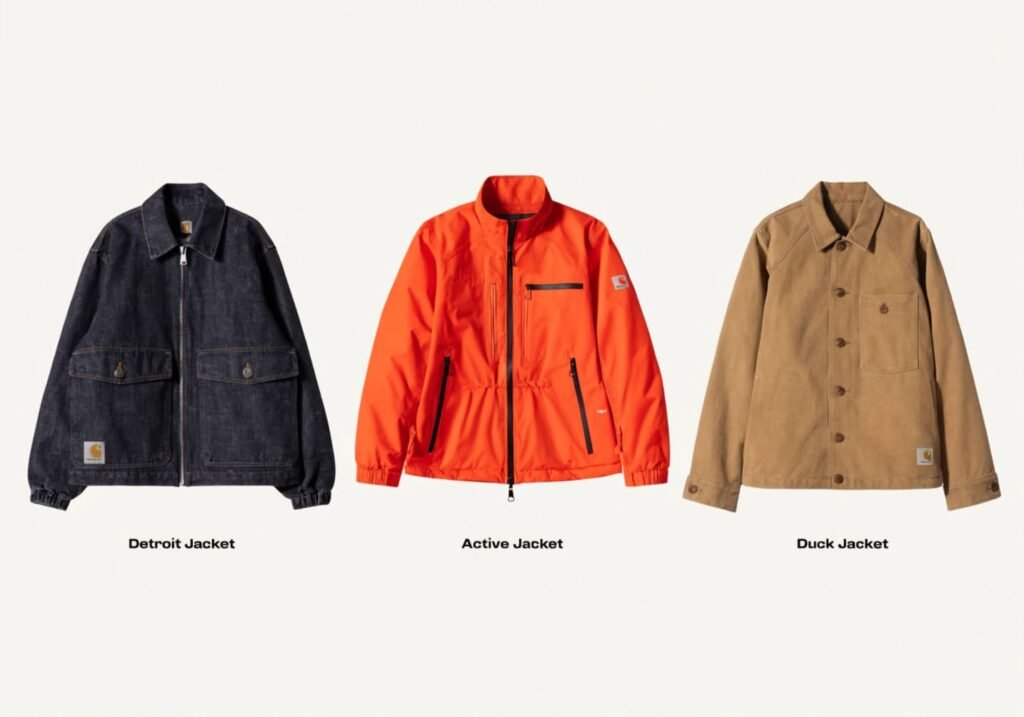
Three styles come up constantly, and people mix them up often:
- Detroit Jacket — blanket-lined, boxy fit, features a corduroy collar. This is the most iconic silhouette and the one most associated with the brand’s heritage look.
- Active Jacket — sherpa-lined, more fitted through the body, designed to layer under a coat or work as a mid-layer. Slightly more mobile for physical work.
- Duck Jacket (Traditional Coat) — the base, often unlined or with a basic lining, meant as a shell you can layer heavily underneath. This is the one most commonly customized or embroidered by third-party shops.
If you’re choosing between the Detroit and the Active, go Detroit for a standing-around-outside job or casual wear, and Active if you’re doing physical work that requires shoulder mobility — the blanket lining in the Detroit restricts arm movement more than people expect.
5. Best Insulated Options for Winter
For actual cold-weather use, the sherpa-lined and quilted-flannel-lined jackets are the baseline, but Carhartt’s heavier winter pieces use Rain Defender water-repellent treatment combined with either Thinsulate or quilted nylon insulation rated in grams (typically 40g to 200g). As a rough guide:
- 40-60g insulation: light activity, mild cold, layering
- 100-150g: standing/moderate activity in freezing temps
- 200g+: extended exposure, minimal movement, deep cold
The mistake a lot of people make is buying based on the jacket’s name rather than checking the actual insulation weight on the product tag, since Carhartt reuses similar naming across styles with different fill weights.
6. Sizing and Fit Guide
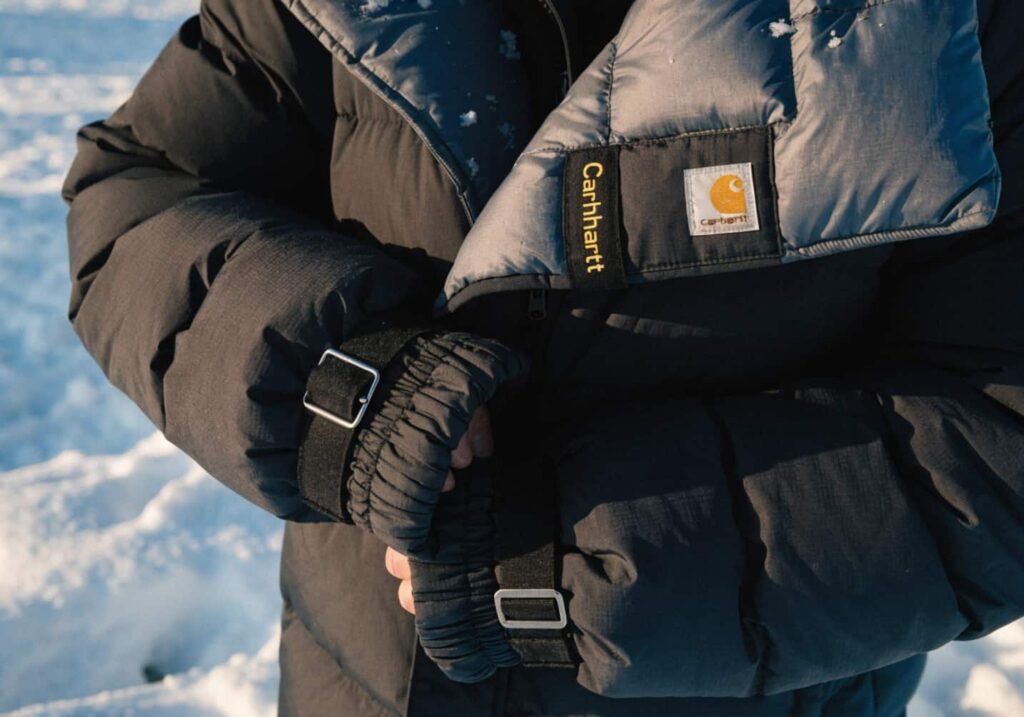
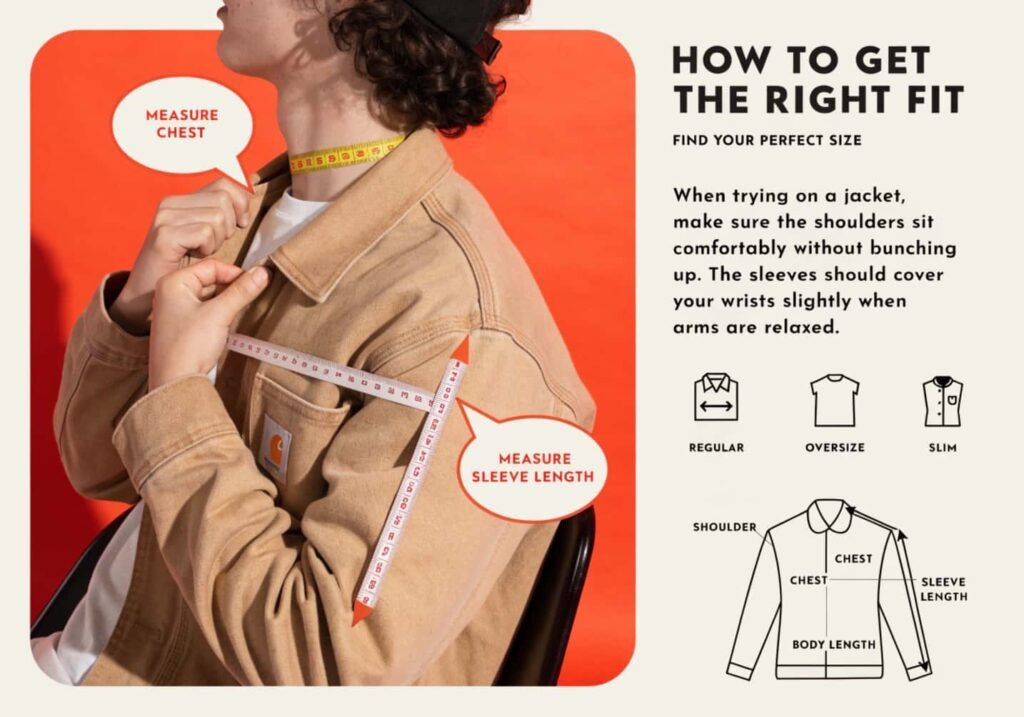
Carhartt runs true to size but boxy — the classic cut has extra room through the shoulders and torso to accommodate movement and layering underneath, which is why people who wear it as fashion often size down. If you’re between sizes and plan to wear it over just a t-shirt or thin sweater, size down one. If you’re layering flannel and a hoodie underneath for actual outdoor work, stick to your regular size or size up.
Tall and Big & Tall sizing exists as a separate line (marked with a “T” in the size, like size L-T), and the sleeve length difference is roughly 2 inches longer than standard — worth checking if you’re over 6’2″.
7. Care and Maintenance of a Carhartt Jacket
Contrary to what people assume, you shouldn’t machine-wash duck canvas jackets on a regular cycle if you want the color and treatment to last. Here’s what actually works:
- Spot clean first — most dirt and mud brushes off dry canvas once it fully dries
- If it needs a full wash, use cold water, gentle cycle, and mild detergent — no fabric softener, it breaks down the water-repellent coating
- Hang dry only — machine drying on heat shrinks canvas and can crack any waxed or Rain Defender coating
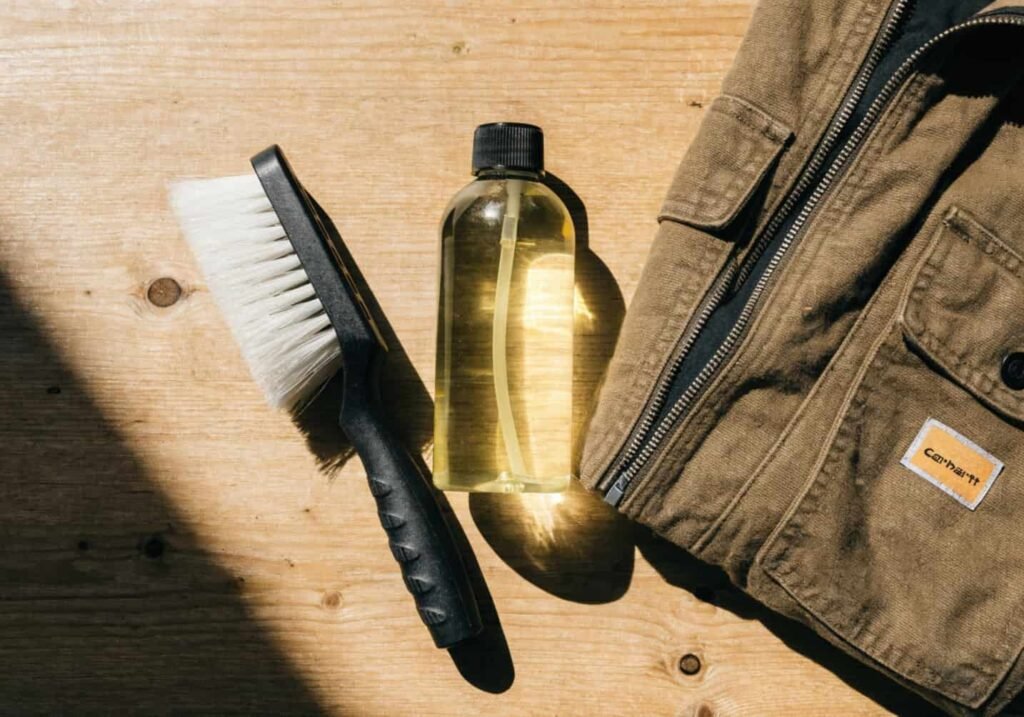
- Re-treat with a wax-based product like Otter Wax or Carhartt’s own Rain Defender spray every 6-12 months if you use the jacket outdoors regularly
One thing almost nobody mentions: the corduroy collar wears out faster than the canvas body. Brushing it gently with a soft-bristle brush after wear keeps it from matting down and looking flat within the first year.
8. Layering Tips With Carhartt Jackets
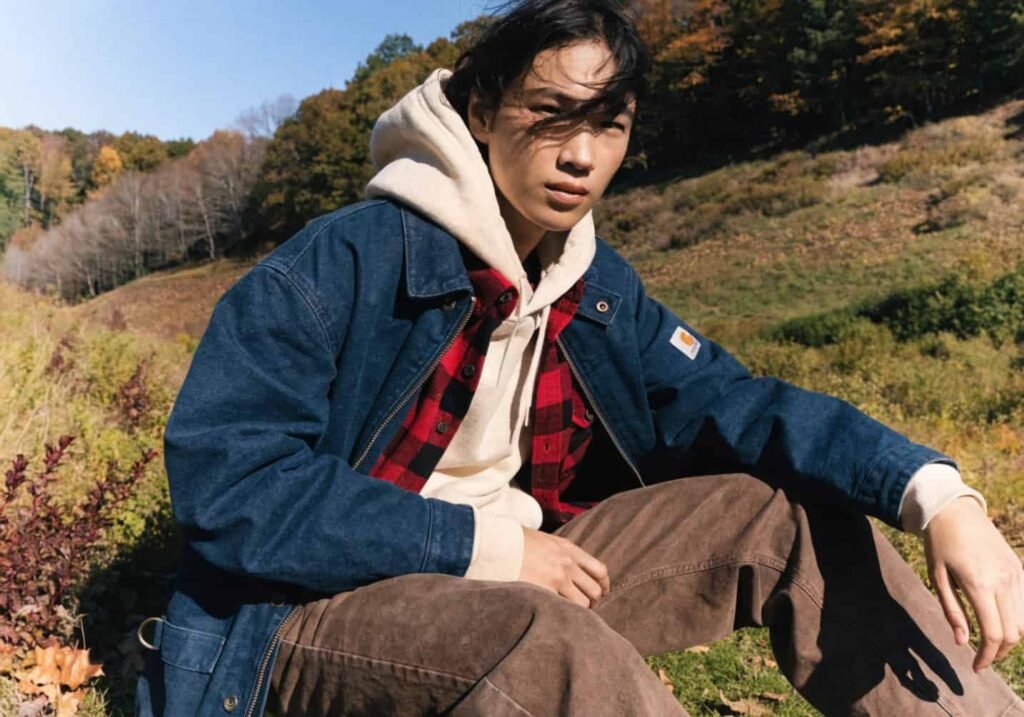
Because the Duck Jacket and unlined shells are cut roomy, they’re genuinely good for layering — this is different from a slim-fit coat where extra layers make you look bulky. A practical winter stack:
- Base: thermal or wool base layer
- Mid: flannel shirt or medium-weight hoodie
- Outer: Carhartt Duck or Active Jacket
Skip heavy puffer-style mid-layers under the Detroit Jacket specifically — the blanket lining already adds bulk, and doubling up insulation there gets restrictive fast rather than warmer.
9. Gender-Neutral and Unisex Appeal
Most Carhartt jacket lines aren’t gender-specific by design — the boxy, straight-cut silhouette reads as unisex without any adjustment, which is part of why it crossed over into general streetwear so easily. Carhartt does make a distinct Women’s line with a more tapered waist and shorter body length, but plenty of people intentionally buy the men’s/unisex cut for the oversized look. If you want that relaxed, dropped-shoulder fit that’s common in current fashion, the standard unisex sizing is usually the better pick over the women’s fitted line.

10. Price Range and Value for Money
Entry-level Carhartt jackets (basic Duck Jacket, unlined) typically run $60-$90. Lined and insulated options like the Detroit Jacket or sherpa-lined Active Jacket land around $100-$160. Heavier winter-specific coats with higher-grade insulation can go up to $200-$250. Carhartt WIP pieces, because of the different supply chain and fashion positioning, often cost 30-50% more than the equivalent U.S. mainline piece for similar fabric weight.
For cost-per-wear, the basic Duck Jacket is the best value in the lineup — it’s the cheapest entry point and the most versatile for layering across seasons, so it gets used year-round instead of sitting in a closet for three months of winter.
11. Where to Buy Authentic Carhartt Jackets
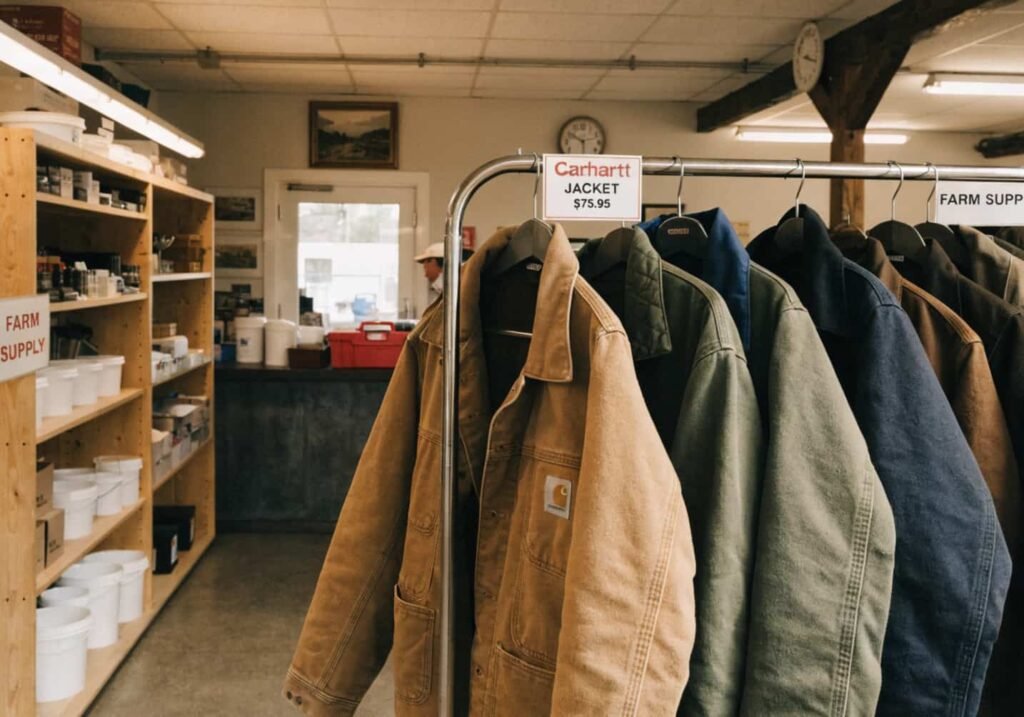
Stick to Carhartt.com, authorized retailers (Amazon’s Carhartt storefront, Dick’s Sporting Goods, Tractor Supply Co., Zappos), or Carhartt WIP’s own site for the European line. Farm supply and hardware stores like Tractor Supply often carry the mainline workwear versions at similar or slightly lower prices than big department stores, since that’s still the brand’s core customer base.
Red flags for counterfeits: stitching that isn’t triple-needle on major seams, a logo patch that’s printed rather than embroidered, and pricing that’s more than 40% below retail on a “new” listing — genuine overstock deals exist, but rarely that steep.
12. Styling a Carhartt Jacket for Different Seasons
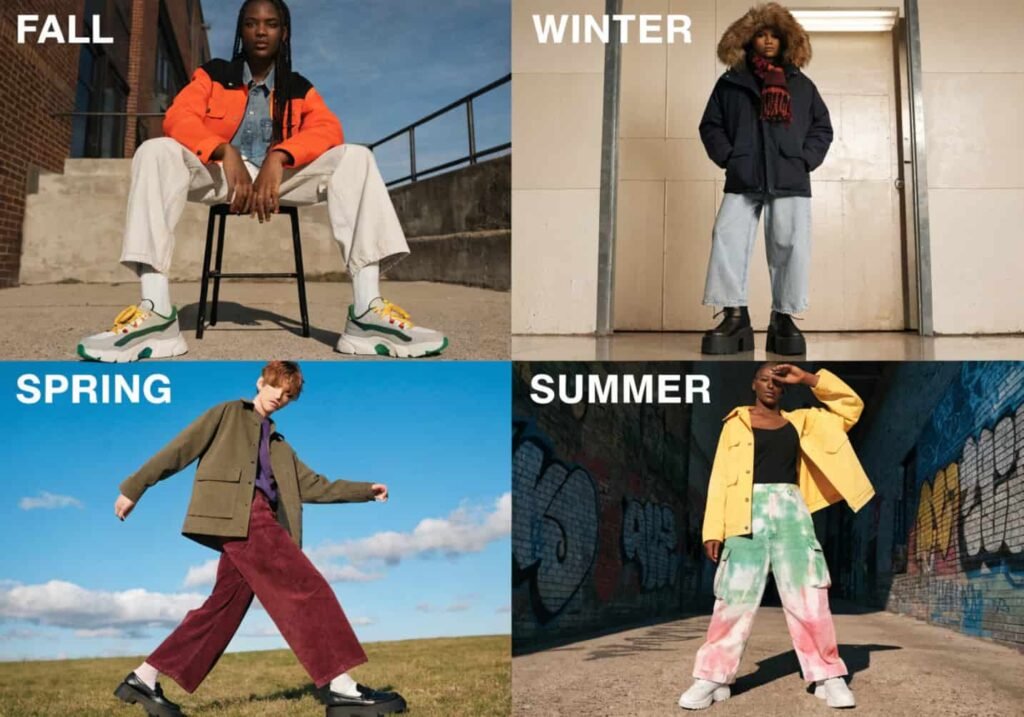
- Fall: Duck Jacket, unlined, over a flannel — works from about 45-60°F
- Winter: Detroit or heavily insulated Active Jacket, layered — suited for 20-40°F depending on insulation weight
- Spring: Lightweight unlined Duck Jacket as a wind layer, often worn open
- Summer: Generally too heavy; if you want the aesthetic without the heat, some lines offer a lighter canvas chore coat at 8-10 oz instead of the standard 12 oz
Color-wise, the classic tan/brown “Carhartt Brown” duck canvas pairs with almost anything, but black and navy versions read more streetwear and less workwear if that’s the direction you’re going for.
13. Common Mistakes to Avoid When Buying a Carhartt Jacket
- Buying based on WIP sizing charts for a mainline U.S. purchase (or vice versa) — the fits aren’t interchangeable
- Skipping the insulation weight check and assuming any “insulated” jacket will be warm enough
- Machine-drying on heat, which shrinks canvas and cracks water-repellent coatings
- Sizing down too aggressively if you actually plan to layer underneath for real cold-weather use
- Buying secondhand without checking the stitching — a resold jacket with replaced or single-stitched seams isn’t factory original, even if the tag looks right