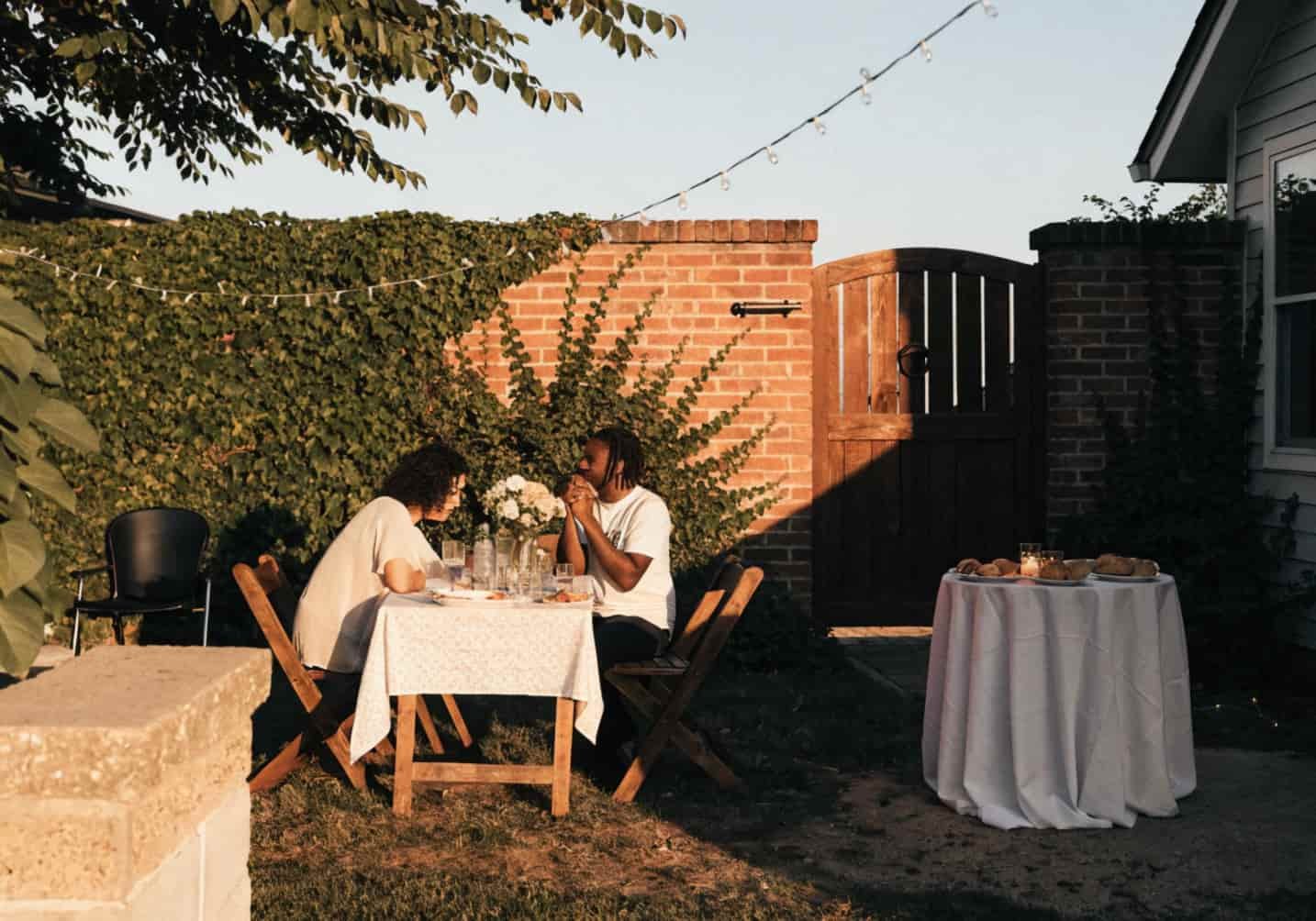
Big weddings get all the attention, but the receptions I keep hearing people rave about afterward are almost always the small ones — twenty to forty guests, someone’s backyard, string lights, maybe a borrowed table or two. There’s less to manage, less to pay for, and somehow more room for the event to actually feel like the couple hosting it. This isn’t about “downsizing” as a compromise. A well-planned small reception is its own format, with its own rules, and it can look every bit as polished as something with a hundred-person guest list and a hired planner.
Why Smaller Gatherings Can Beat Big Events
The math is simple: fewer guests means your per-person budget stretches further. If you’ve got $6,000 total, that’s about $60 a head for 100 guests, but $200 a head for 30. At $200 a person, you can afford a plated home-style meal, real florals instead of plastic, and a photographer for the full afternoon instead of two rushed hours. Big events also force decisions that don’t actually reflect what the hosts want — a bigger venue, a DJ instead of a playlist, rented dance floors nobody uses until 9 pm. Small events strip that out. You end up deciding what genuinely matters instead of filling categories because “that’s what receptions have.”
There’s also a logistics argument nobody mentions: a 30-person event can run entirely on folding tables, a home kitchen, and two coolers. A 100-person event needs a caterer, rental company, and usually a permit if it’s on residential property. That’s not a minor difference — it changes who you need to call and how many weeks out you need to start.
The Benefits of Keeping Your Guest List Small
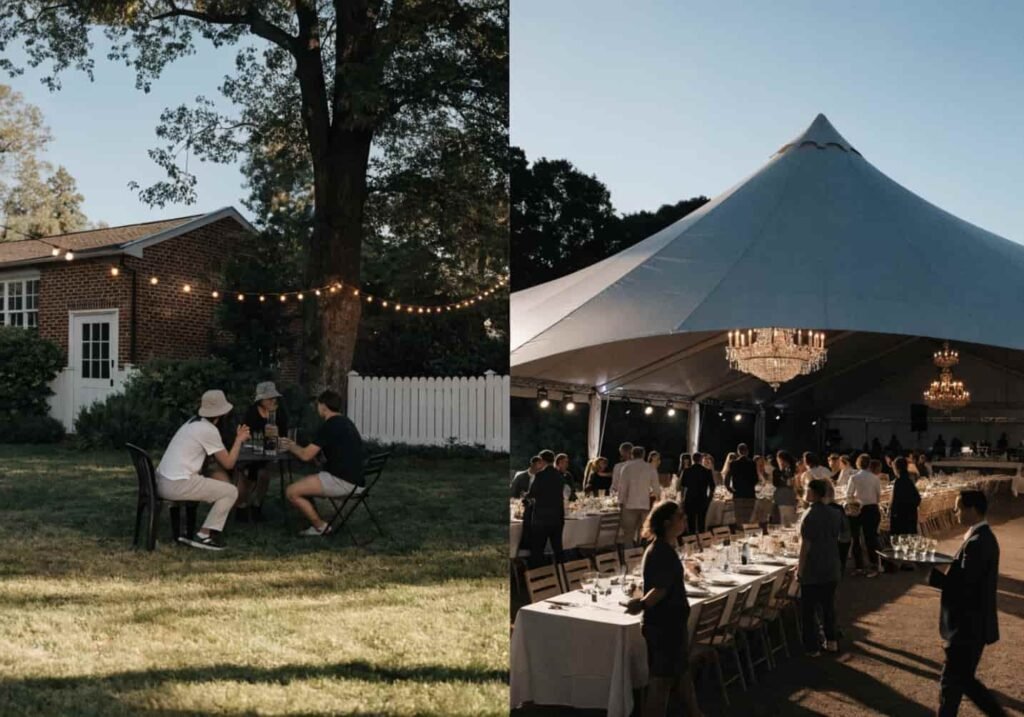
Cap the list at 30 and something changes in how the day runs: the host can actually greet every person, conversations aren’t shouted over a speaker system, and you don’t need a seating chart software to avoid putting exes at the same table. From a planning standpoint, a guest count under 40 usually means you can skip a rented tent (a 20×20 pop-up tent runs $150–$400 to rent, plus setup) and instead use your patio, porch, or a shaded section of lawn.
One thing people underestimate: RSVP accuracy goes up dramatically with smaller lists. At 150 invited, you’ll typically see 10–15% no-shows and last-minute pluses-ones that throw off your catering count. At 30 invited, that number drops close to zero because you know these people well enough to have already confirmed informally. That alone saves food waste and awkward last-minute Costco runs.
Adding Elegance Without a Big Setup
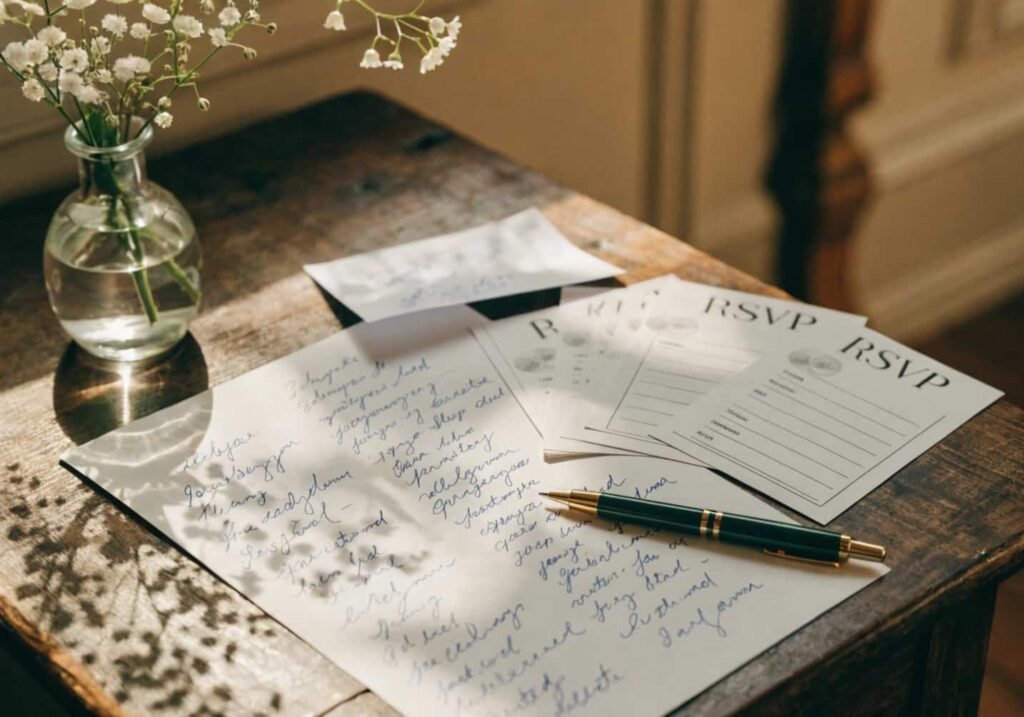
Elegance in a small space comes from restraint, not more stuff. Three moves do most of the work: linen tablecloths (even a $15 flat-weave linen from a home store reads as expensive next to a plastic tablecloth), warm-toned lighting instead of overhead or fluorescent, and matched glassware — even if it’s borrowed or thrifted, matching stemware makes a table look curated instead of thrown together.
Skip the instinct to rent gold chiavari chairs. For a backyard of 30, mismatched wooden chairs in similar wood tones (or the same chair painted the same color) look more intentional and cost a fraction of chair rentals, which run $6–$12 per chair before delivery fees.
Creating a Cozy Space for Family and Close Friends
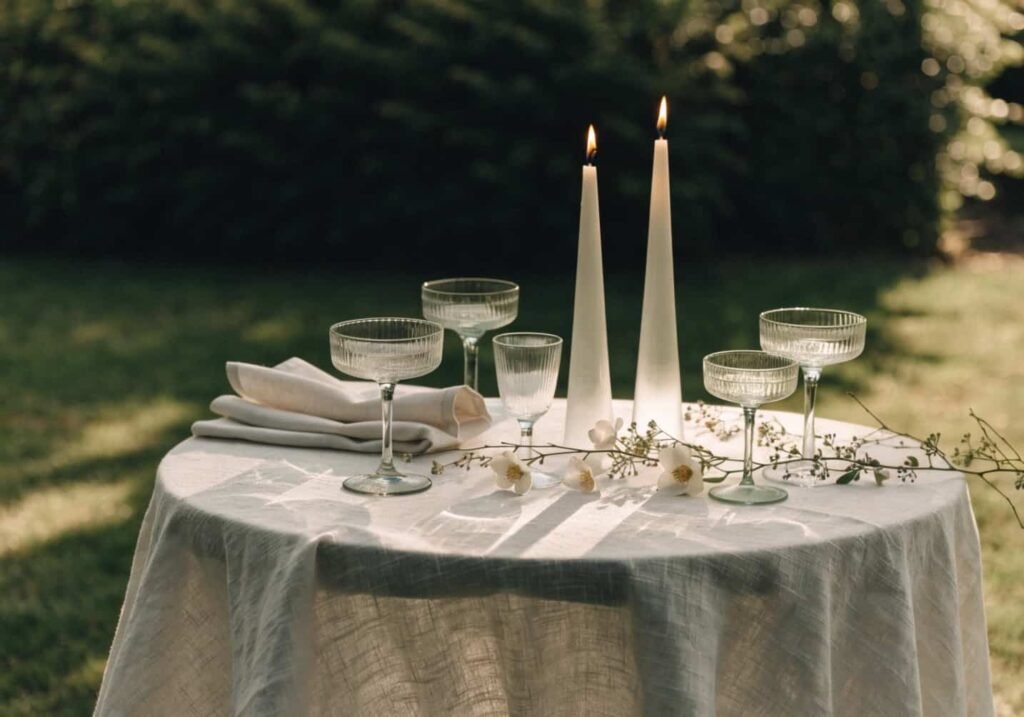
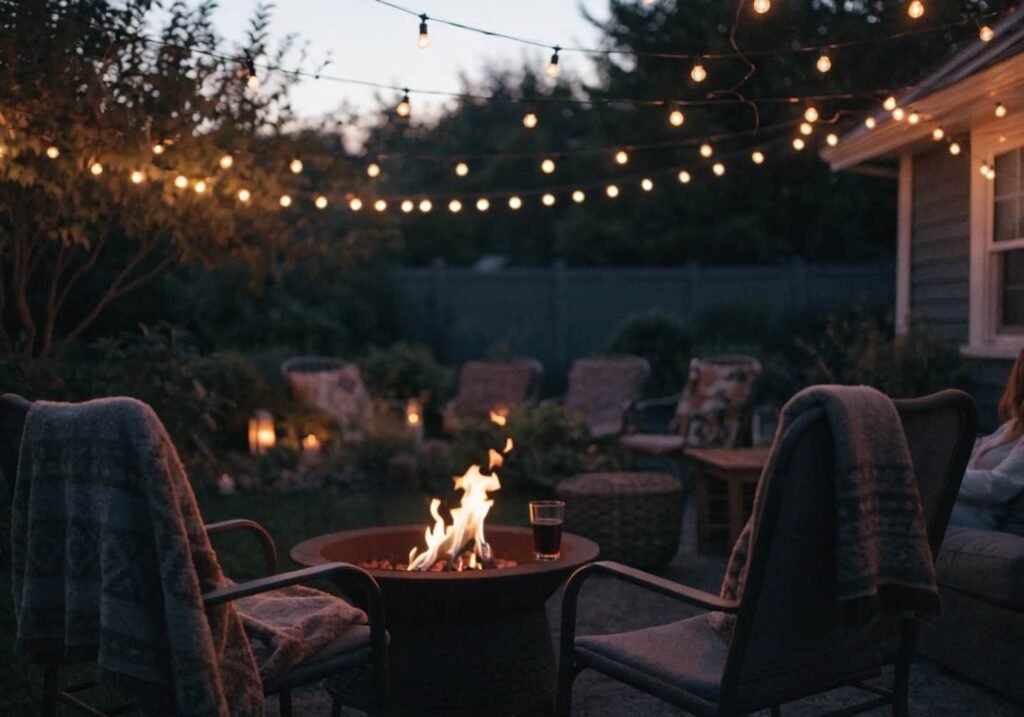
Cozy isn’t about softness — it’s about proximity and sightlines. Arrange seating so nobody has their back to the main gathering spot; a U-shape or a single long table does this better than round tables scattered across a yard. If you have a fire pit, position seating within about 8–10 feet of it; any farther and people stop clustering around it once the sun goes down.
Lighting height matters more than most people think. String lights hung at 8–9 feet feel intimate; hung higher than 12 feet, they start to feel like a commercial patio. If your yard doesn’t have posts to string between, two sturdy shepherd’s hooks (about $15 each) driven into the ground work as anchor points.
Minimal Decor That Still Makes an Impact
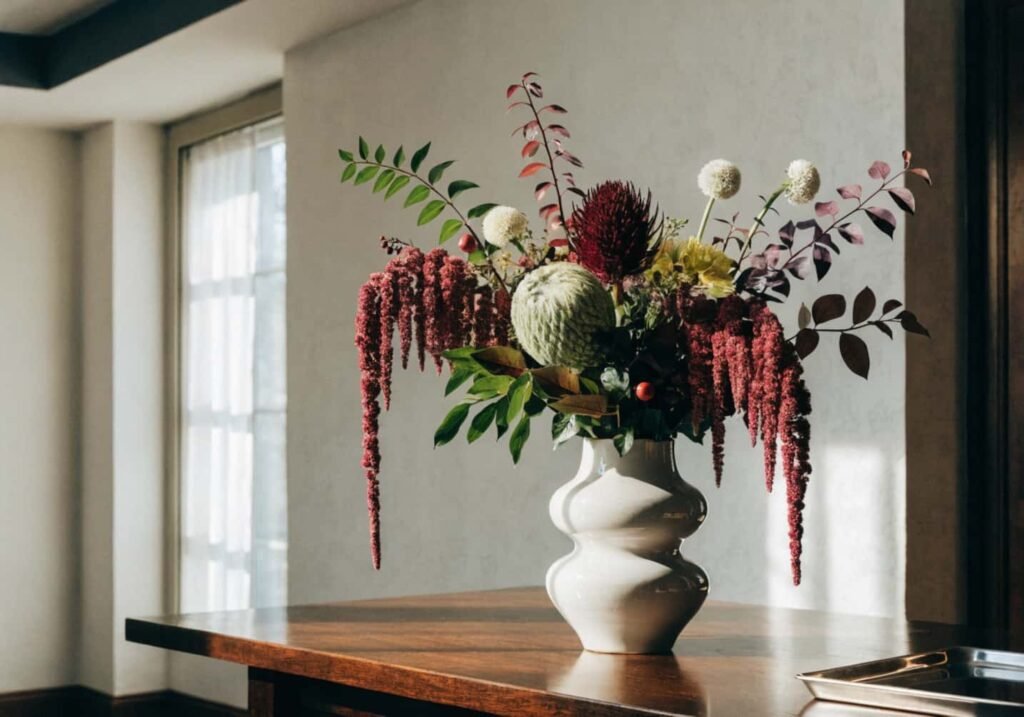
The trick with minimal decor is choosing one strong visual anchor instead of five small ones. A single oversized floral arrangement on the main table does more than ten tiny vases spread across the yard. If budget is tight, skip cut flowers entirely and use potted plants you already own or can buy for $8–$15 each — they double as decor and can go back inside your house afterward instead of dying in a vase by Monday.
A common mistake: over-decorating the entrance and under-decorating the seating area, because that’s where people actually spend three hours. Put your decor budget where the eyes will actually rest — the table, not the driveway.
Simple or Home-Style Catering Options
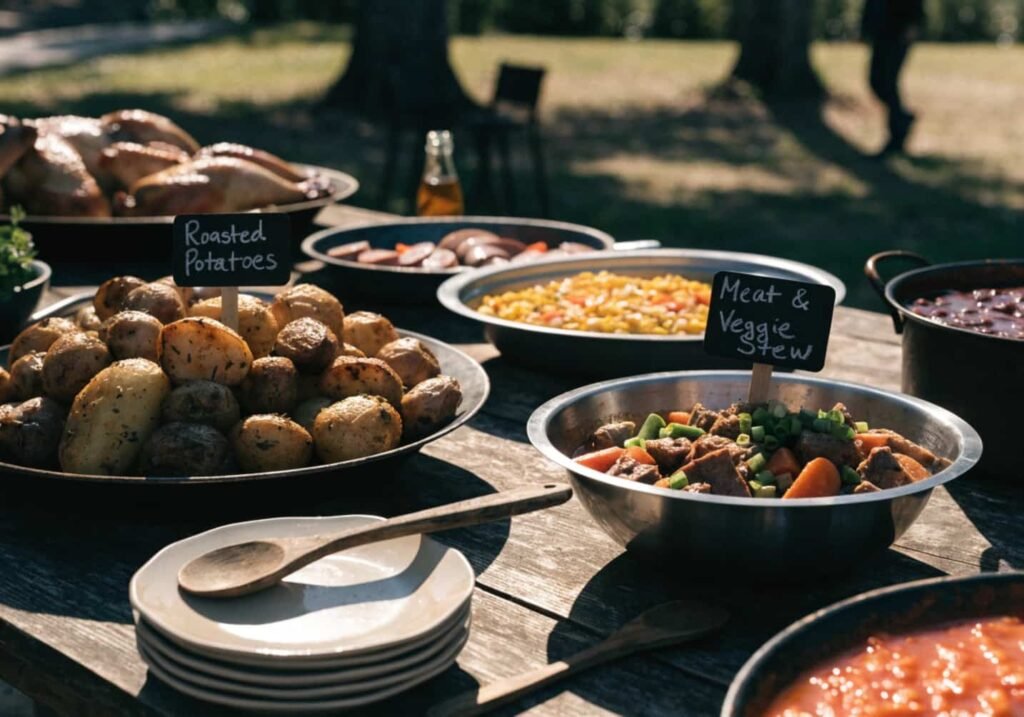
Home-style catering for 30 people is genuinely doable without a professional caterer, and it’s often better received than a formal plated meal. A taco bar, a pasta station, or a big-batch braised dish (think pulled pork or a slow-cooked chicken) scales easily — figure roughly 6–8 ounces of protein per person and you won’t run short. Cost-wise, a self-catered home-style meal for 30 typically runs $8–$15 per person in ingredients, versus $35–$75 per person for a hired caterer.
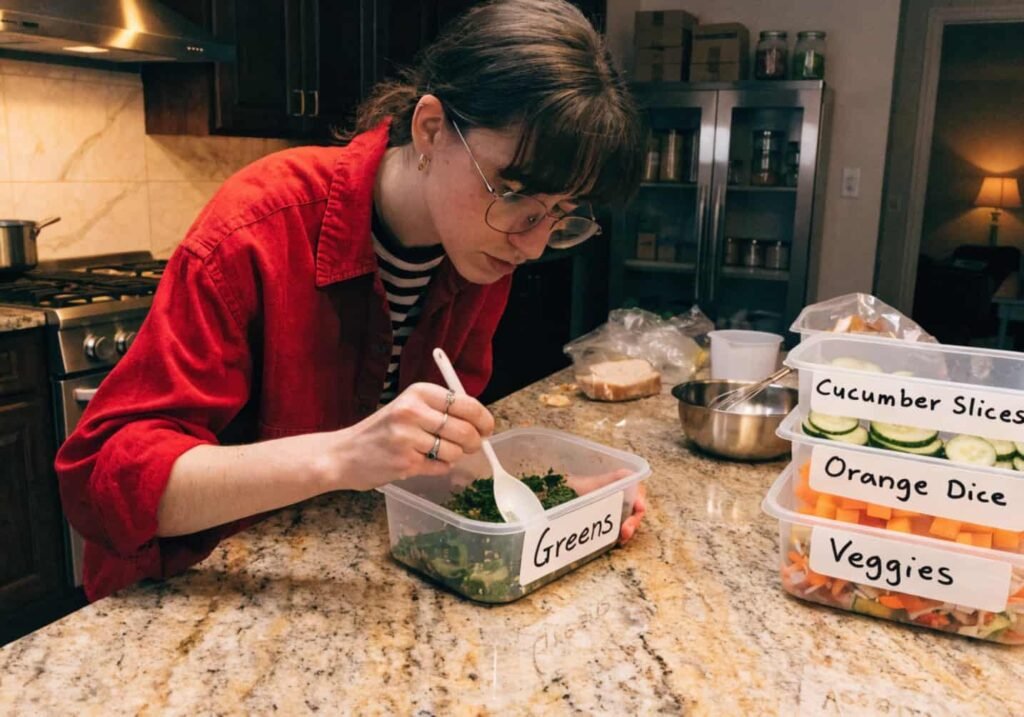
The trade-off is labor, not skill. You need someone (not the host) dedicated to cooking and serving for about 4–6 hours that day. If you don’t have that person, a hybrid works well: order trays from a local restaurant (many do catering trays without advertising it — just call and ask) and supplement with two or three homemade sides. That splits the cost and the labor.
Personal Touches That Make the Event Special
Skip generic favors. A small handwritten note at each place setting costs nothing but time and gets remembered far longer than a $3 candle favor. If you want something tangible, consider a shared playlist card — print a QR code linking to a Spotify playlist the couple actually listens to, instead of hiring a DJ who plays generic wedding songs nobody requested.
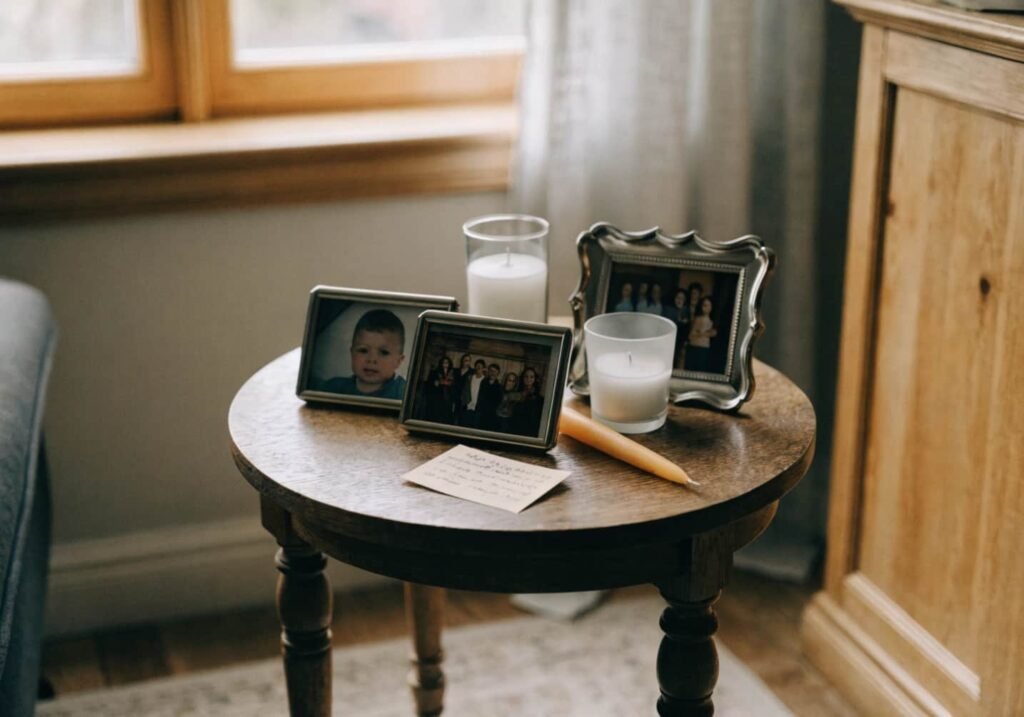
One detail worth the extra effort: a small table or shelf with a few framed photos of family members who couldn’t attend. It takes fifteen minutes to put together and consistently ends up being the spot people linger at longest.
Budget Planning for a Small Reception
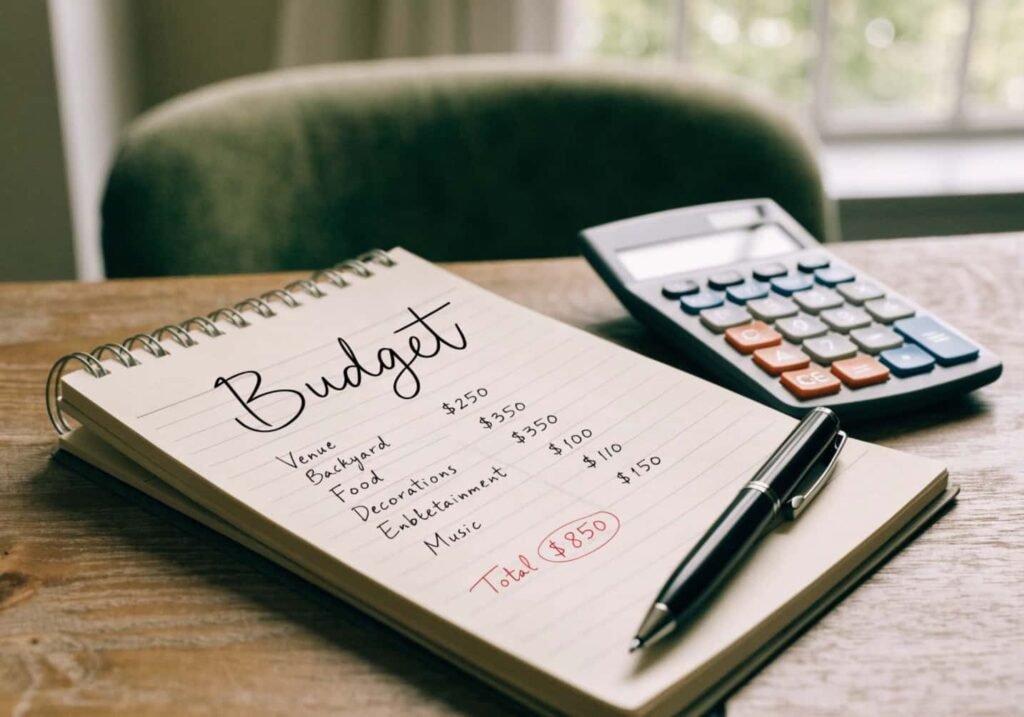
For a 30-person backyard reception, a realistic working budget breaks down roughly like this: catering $250–$450, rentals (tables, extra chairs, linens) $150–$350, decor and flowers $100–$250, lighting $50–$150, and a miscellaneous buffer of $150–$200 for anything you forgot. That puts a full small reception in the $700–$1,400 range — a fraction of the $15,000–$25,000 average cost of a mid-size wedding reception.
The single biggest cost-saving lever isn’t decor, it’s the guest list. Every ten guests you add typically adds $150–$300 to total cost once you factor in food, seating, and rentals. Before cutting corners on flowers or lighting, look hard at whether the list can shrink by five or ten names first.
Time-Saving Tips for a Smaller Event
Prep food the day before wherever possible — braises, pasta sauces, and marinated proteins all taste better after resting overnight anyway, and it frees up the morning-of for setup instead of cooking. Set up decor and seating the night before if weather allows; doing it same-day under time pressure is where most last-minute stress comes from.
Skip the seating chart for groups under 25. It’s an extra hour of work that a small, familiar group genuinely doesn’t need — people will sort themselves out in under two minutes.
Building a Planning Timeline for a Small Reception
A small reception doesn’t need the 12-month timeline that big weddings use. Realistically:
- 6–8 weeks out: Finalize guest list and send invites, book any rentals you actually need.
- 3–4 weeks out: Confirm catering plan (self-cook or ordered trays), buy non-perishable decor items.
- 1 week out: Confirm final headcount, buy florals or potted plants, do a walk-through of the space.
- 1–2 days out: Prep food that holds well, set up tables and seating.
- Day of: Cook/reheat, final lighting and decor touches, arrange the memory table if using one.
Compressing the timeline this way isn’t cutting corners — it reflects how much less there actually is to coordinate when the guest list and setup are both small.