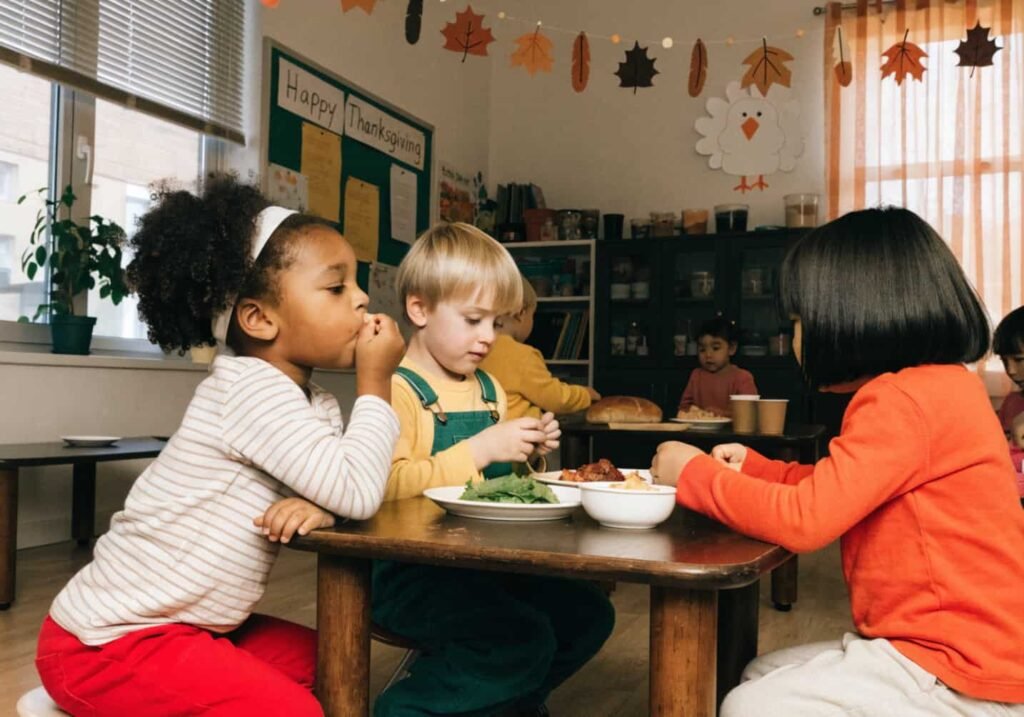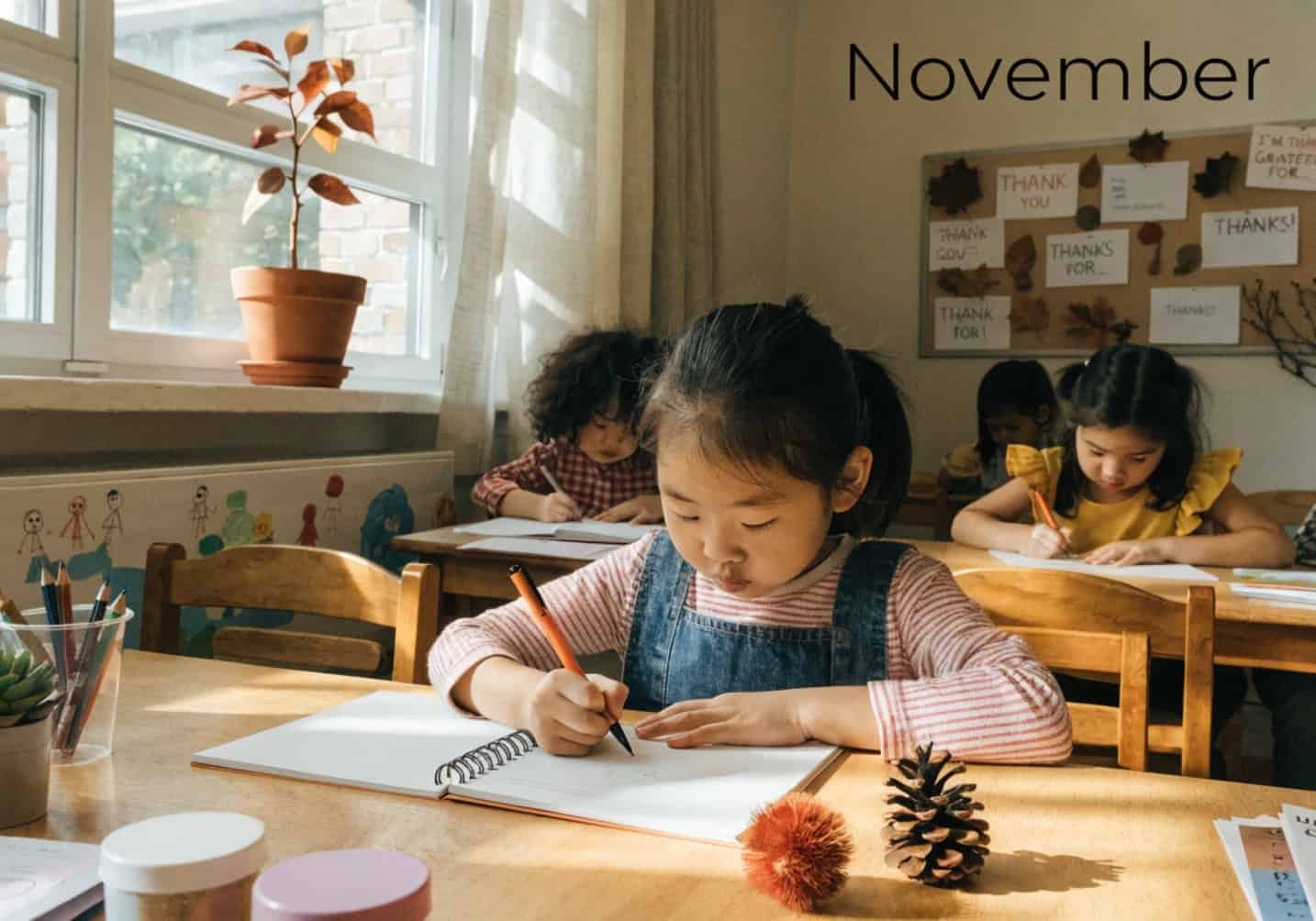
November in Kindergarten sits in an awkward spot on the school calendar. Halloween sugar has worn off, winter break is still weeks away, and the days start getting dark by 5 PM. For a kindergarten classroom, that gap is actually a gift — it’s the stretch where kids settle into real routines, and teachers can slow down and build something meaningful instead of chasing the next holiday countdown. This isn’t a list of pins you’ve already seen a hundred times. It’s what actually works in a room full of five- and six-year-olds during the shortest, coldest, most reflective month of the fall term.
Why November Is a Special Month in Kindergarten
By November, most kindergartners have been in school for about two months — long enough to know the classroom rules, short enough that they’re still proud of knowing them. This is the sweet spot where a teacher can introduce slightly harder routines (like independent journaling or partner work) because attention spans have grown, but frustration tolerance hasn’t been worn down yet by a full year of school. It’s also the first month where the seasonal shift is impossible to ignore: shorter recess windows because it gets dark earlier, kids showing up in mismatched mittens, and the natural classroom conversation drifting toward “what are you thankful for” without anyone forcing it. Teachers who lean into this instead of fighting it usually get calmer afternoons.
Thanksgiving-Themed Learning Activities
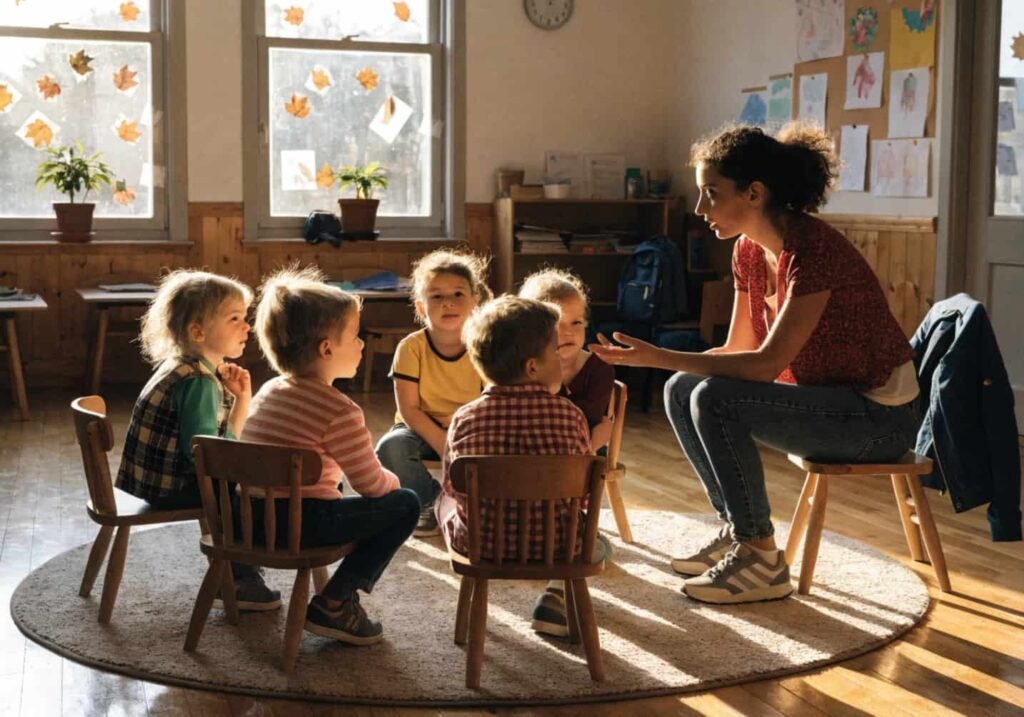
Skip the worksheet-only route. A stronger approach is a “Thanksgiving Feast Math Center” — set up a pretend table with paper plates and plastic food pieces, and have kids count out exactly 4 items per plate for 6 guests (24 total), which quietly teaches one-to-one correspondence and basic multiplication concepts without ever using the word “multiply.” Pair this with a simple sequencing activity using 4–5 picture cards showing the steps of a harvest (planting, growing, picking, cooking, eating) — sequencing is a skill kindergarten teachers are specifically expected to assess this time of year, so this isn’t filler, it’s curriculum-aligned.
Teaching Gratitude Through Simple Projects
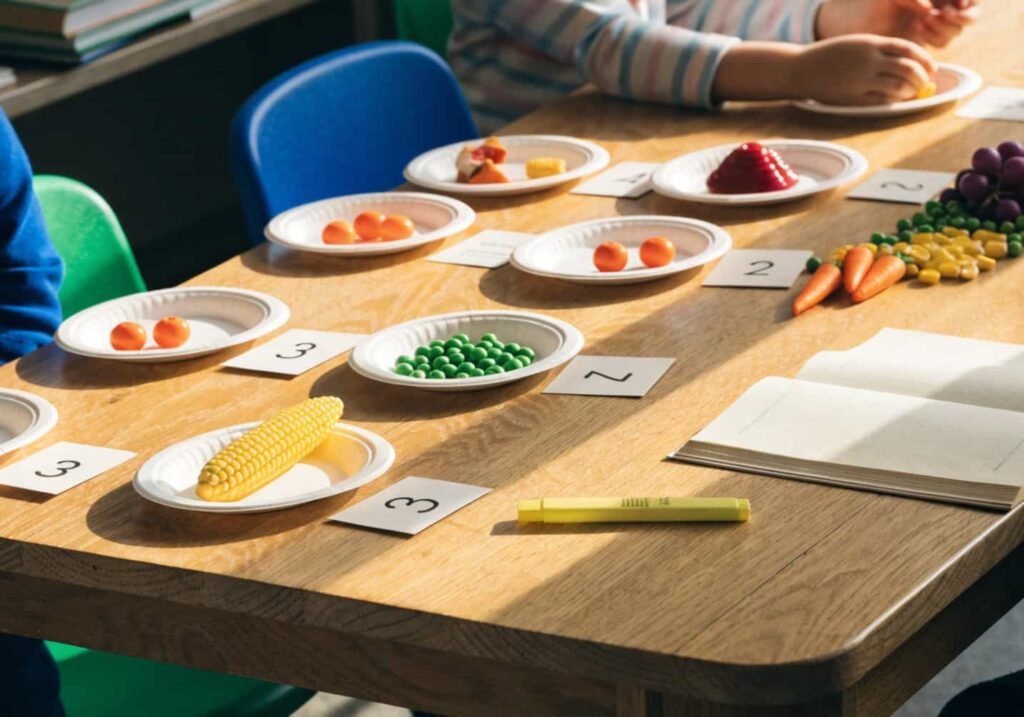
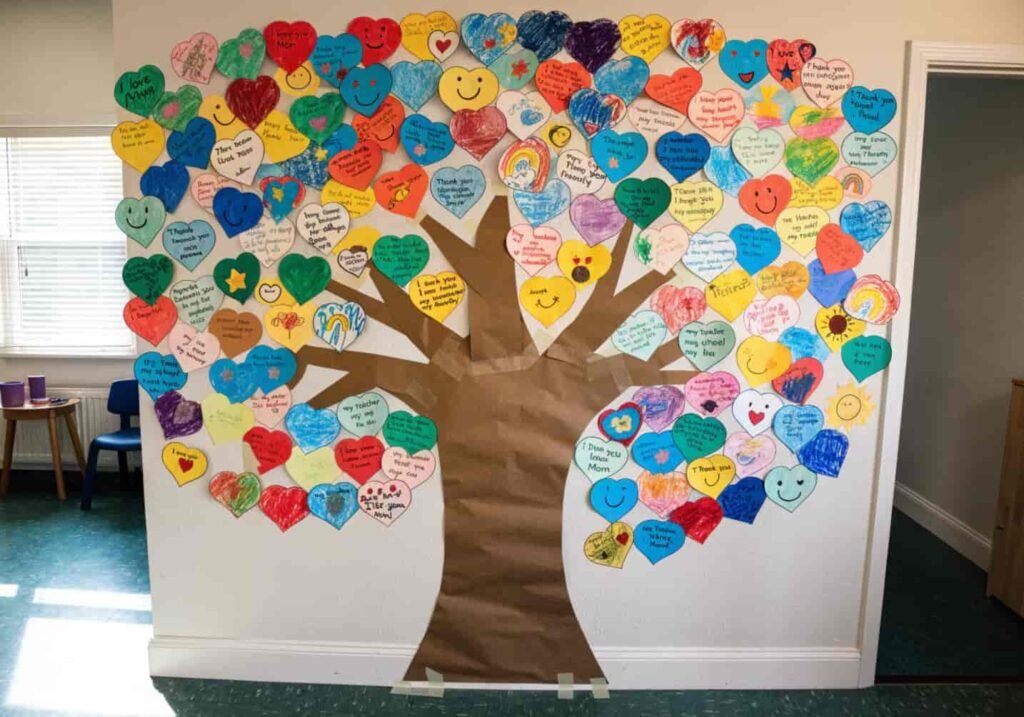
The classic “gratitude tree” gets overused, but the version that actually sticks with five-year-olds is a daily one, not a one-time craft. Give each child one leaf cutout per day for the last two weeks of November, and have them dictate (not write — most kindergartners aren’t ready to spell full sentences yet) one thing they’re thankful for that day. By Thanksgiving, the tree has 10+ leaves per child instead of one rushed leaf made on a single afternoon, and it shows growth in vocabulary over two weeks, which is something you can actually point to during parent conferences.
November Weather and Seasonal Changes Lessons
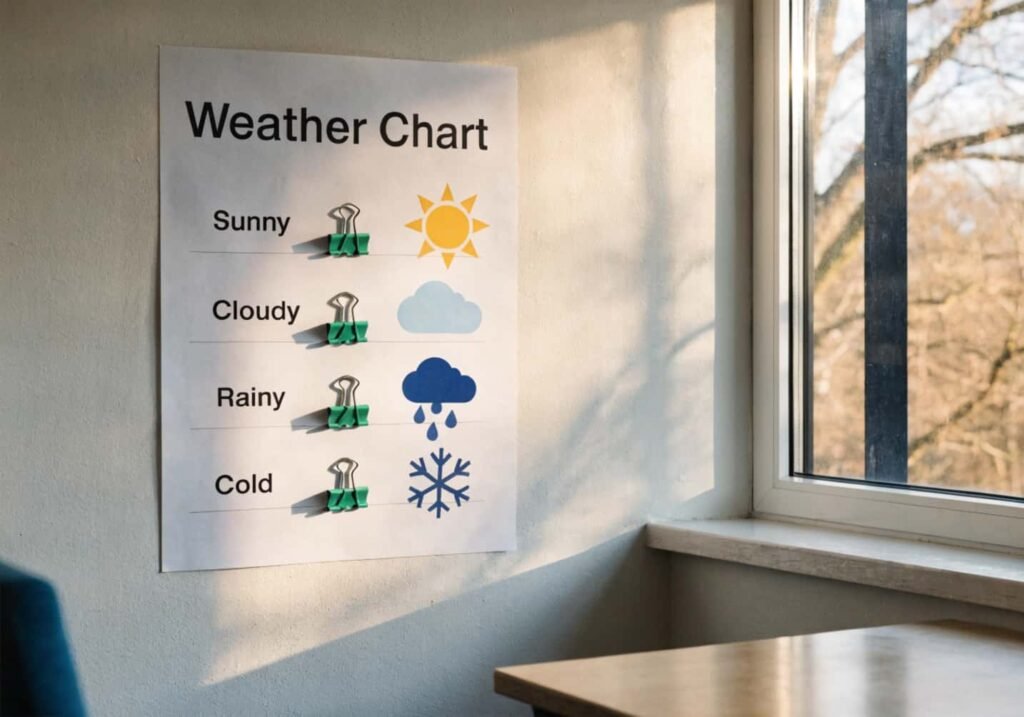
This is the month to actually take kids outside with a thermometer, not just read about seasons from a book. A simple daily weather graph — where one student moves a clip to “sunny,” “cloudy,” “rainy,” or “cold” each morning — turns into real data by Thanksgiving break, and you can have the class count which weather type happened most. It’s a light introduction to bar graphs using real, lived experience instead of an abstract worksheet. If your school has any outdoor space, a five-minute “leaf temperature check” — comparing a leaf in sun versus a leaf in shade with a simple thermometer — is one of the only science experiments kindergartners can genuinely run themselves.
Turkey Crafts for Little Learners
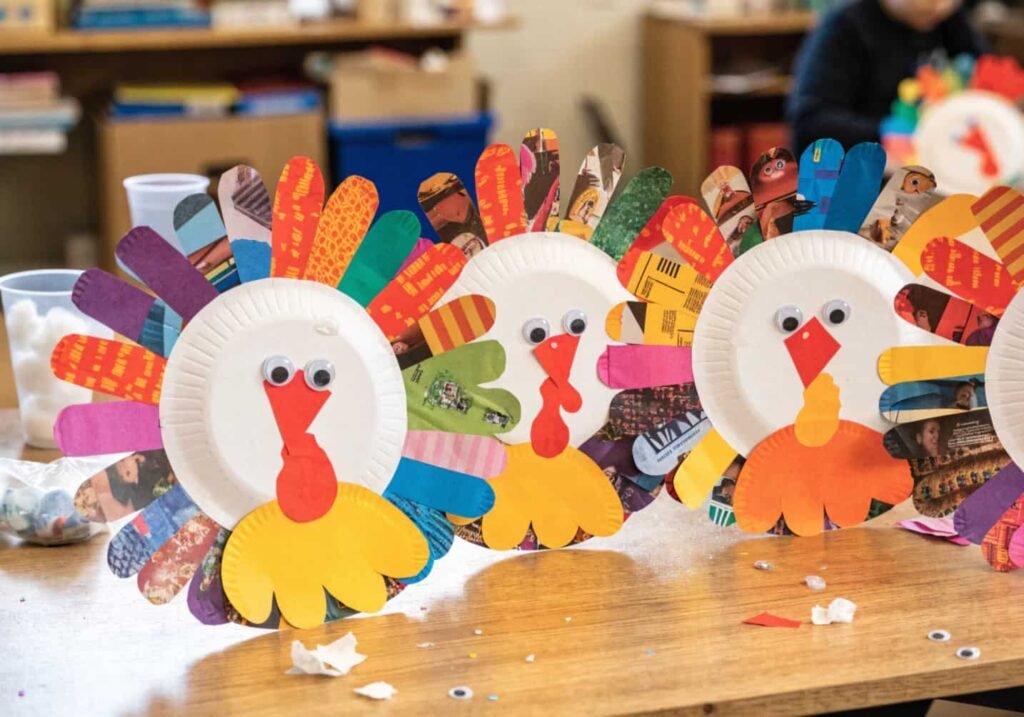
Handprint turkeys are fine, but they’re also the single most repeated craft on every kindergarten Pinterest board, which means kids have often already made three by the time they hit your classroom. A slightly less common option: paper plate turkeys where feathers are cut from old magazine pages or wrapping paper scraps, so each one is genuinely unique and uses up classroom recycling instead of buying fresh craft paper. Budget-wise, a class set of 20 paper plates runs about $4–6, versus $12–15 for pre-cut foam feather kits — worth knowing if your supply budget is tight this time of year, which for most public school teachers, it is.
Counting and Math with a November Twist
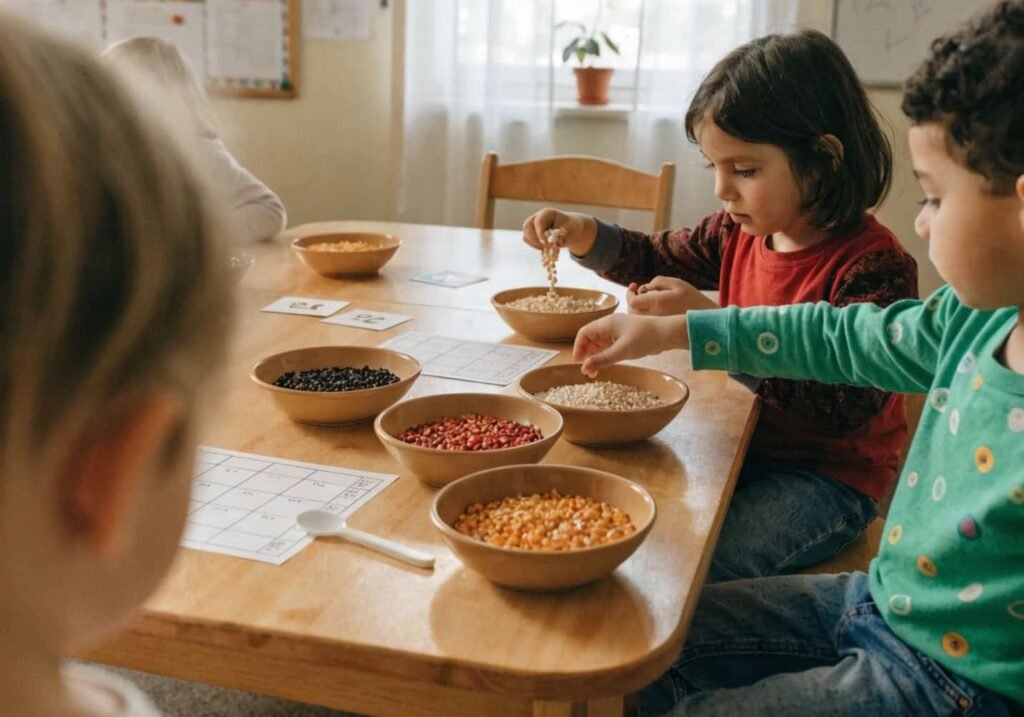
Corn kernels (dried, not fresh — fresh ones mold) are an underrated math manipulative for this month. A small bag of dried Indian corn or plain popcorn kernels costs under $3 and gives you enough pieces for an entire class to practice counting to 20, sorting by color, and basic addition (“if you have 5 yellow kernels and I give you 3 more, how many now?”). It also smells and feels seasonal in a way plastic counting bears don’t, and kids notice that. Just supervise closely if you have any child still prone to putting small objects in their mouth.
November Read-Aloud Book List
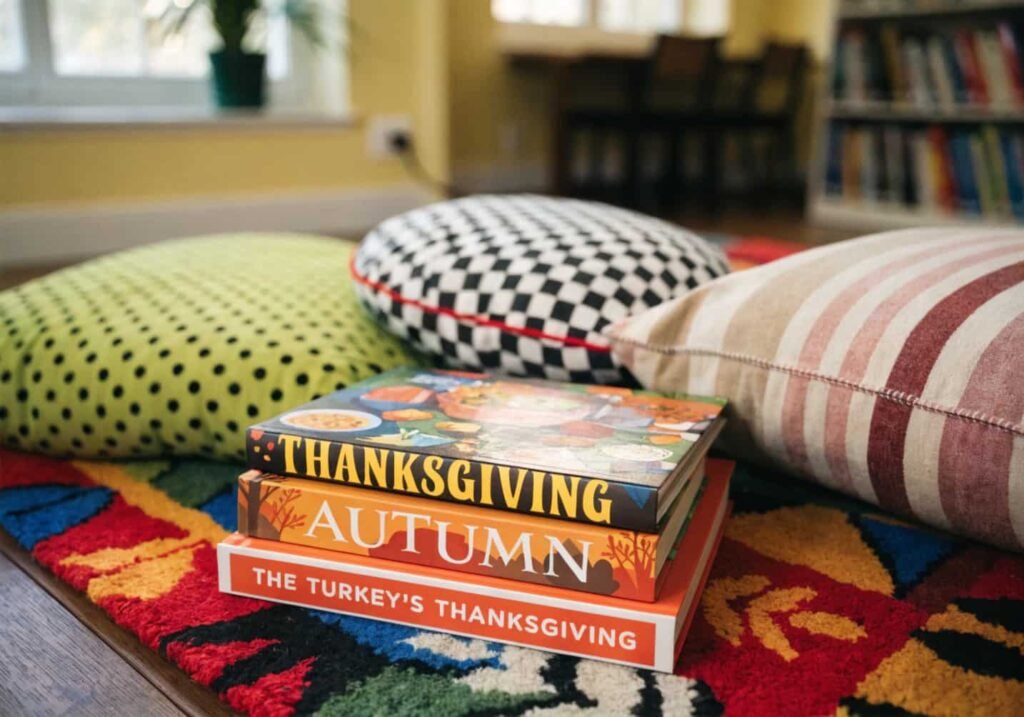
Skip generic “top 10 Thanksgiving books” lists — here’s what actually holds a kindergarten group’s attention for a full read-aloud without restlessness setting in around page 10: “Sharing the Bread” by Pat Zietlow Miller (rhyming text, good for read-along), “Balloons Over Broadway” by Melissa Sweet (technically about the Macy’s parade, but kids love the mechanics of how the balloons are made), and “A Turkey for Thanksgiving” by Eve Bunting (funny, has a twist ending kindergartners actually gasp at). Keep read-alouds under 10 minutes for this age group — anything longer and you’ll lose the back row.
Classroom Bulletin Board Ideas for November
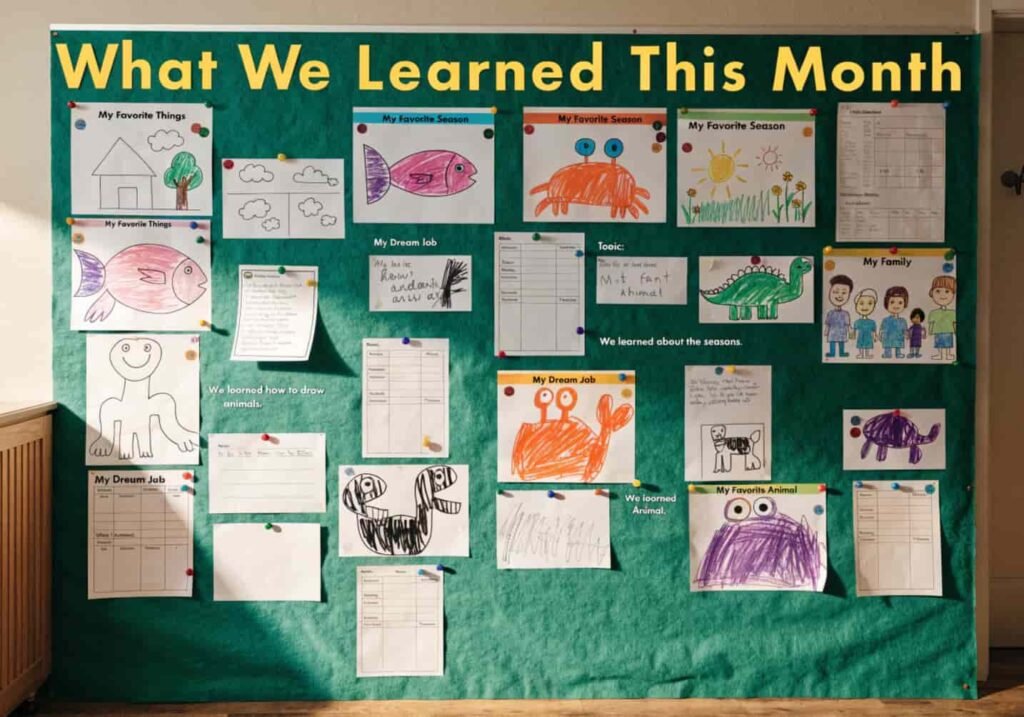
The gratitude tree covers one wall — use a second board for something functional, like a “What We Learned This Month” board where kids pin up one piece of their own work each week. It sounds simple, but it does double duty: it’s a built-in portfolio for parent conferences (which usually land in early-to-mid November for most districts), and it shows kids their own progress in a way that’s more motivating than a sticker chart. Rotate it weekly rather than monthly, or it goes stale fast and stops getting noticed.
Family Involvement Projects for the Month
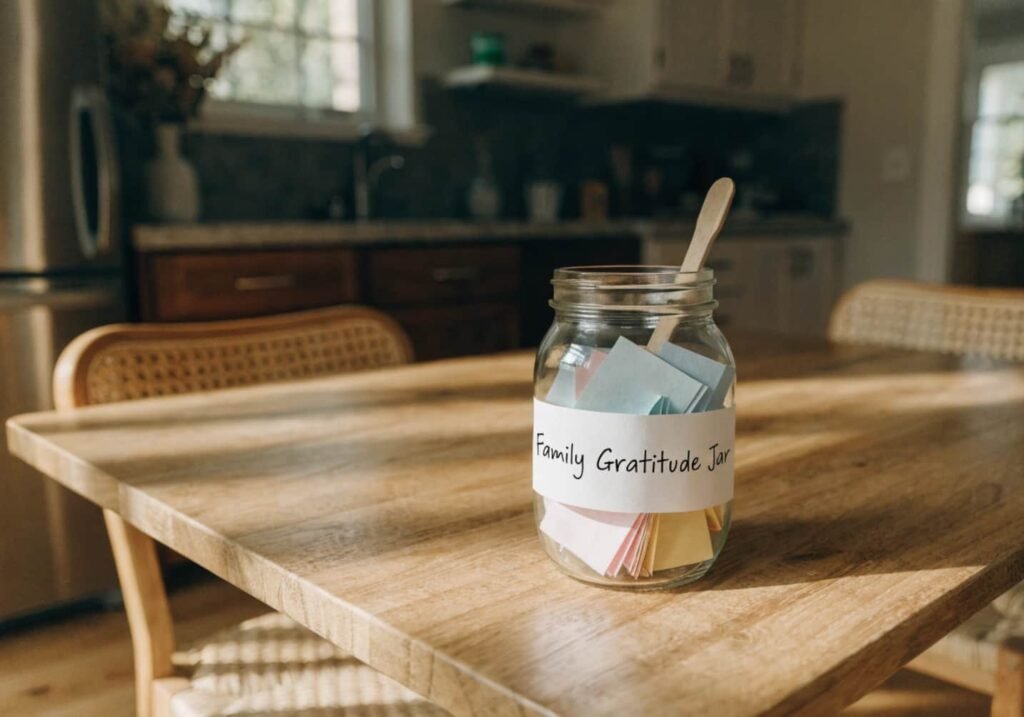
A “Thankful Jar” sent home is a low-effort, high-return project: send a small mason jar or recycled jar home with each child in the first week of November, along with a strip of paper for each day. Families write one thing together each evening and drop it in. Kids bring the jars back the week before Thanksgiving and get to read a few aloud to the class. It costs almost nothing, doesn’t require special materials most families don’t already have, and gets parents involved without asking them to buy anything or attend an event — which matters for families with tight schedules or tight budgets.
Fun Indoor Games for Chilly Days
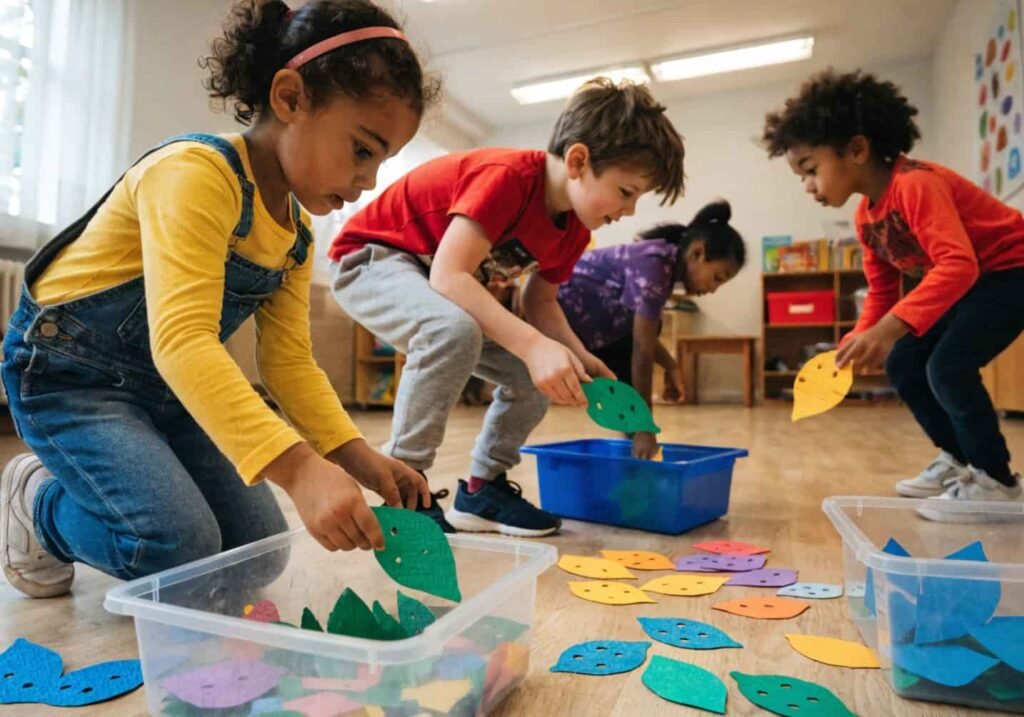
Once recess starts getting cut short by weather, you need two or three reliable indoor games in your back pocket. “Turkey Says” (a Simon Says variant) works every year without fail. Less obvious: a “Leaf Sort Relay,” where two teams race to sort a pile of mixed craft leaves by color into bins across the room — it burns energy the way outdoor recess would, but fits in a classroom or hallway. Keep any indoor game under 8 minutes with this age group; energy that isn’t burned off tends to come out sideways during the next lesson.
Ending November on a Positive Note
The week before Thanksgiving break gets chaotic — half the class is distracted, some kids are already checked out for the holiday. Instead of fighting it with new material, use those last two or three days for review disguised as celebration: a simple “Thankful Feast” morning where kids bring in one snack item from home, share what they wrote on their gratitude tree leaves out loud, and the class looks back through the “What We Learned” bulletin board together. It’s not flashy, but it closes the month the way it opened — with kids talking about what mattered to them, not with a worksheet.