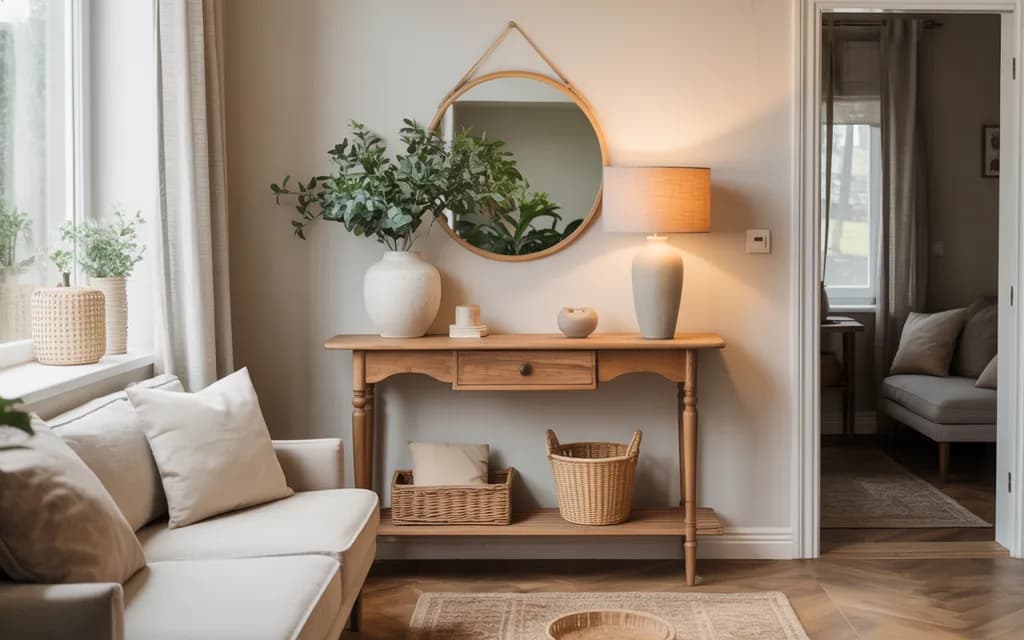
If your entryway feels off but you can’t quite figure out why, your console table might be the culprit. This little piece of furniture sets the tone for your whole home. It’s the first thing guests see and the last thing you glance at before heading out the door. Yet so many of us pile stuff on it, forget about scale, or skip styling altogether. Console table styling isn’t about being a designer. It’s about making small, smart choices that turn a boring hallway into a space that feels warm and put together. Let’s walk through the most common mistakes people make, and how you can fix them without spending a fortune or a whole weekend.
Choosing the Wrong Size Table for Your Space
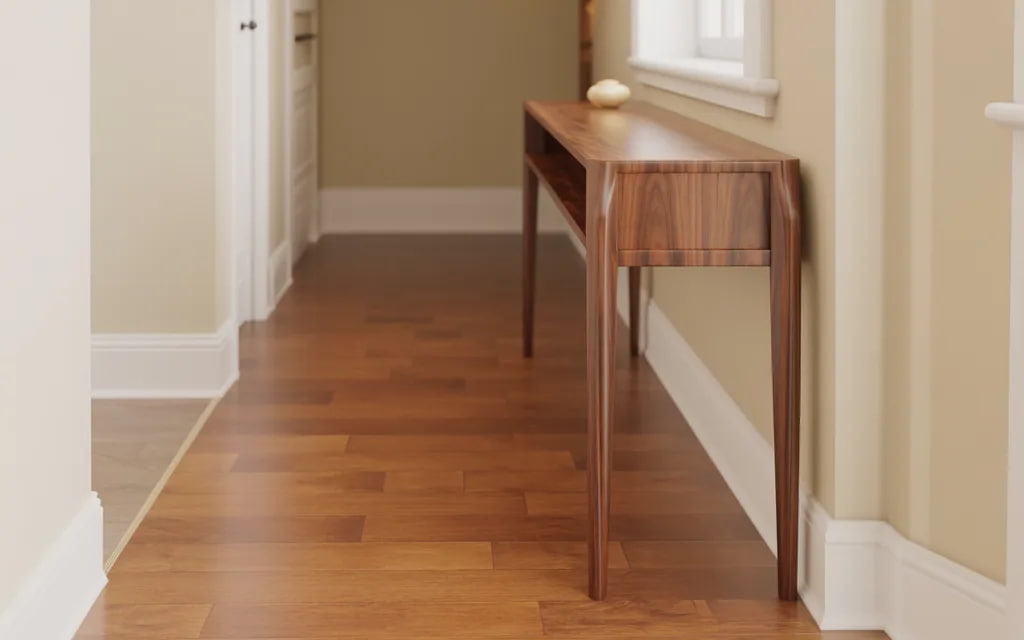
One of the biggest console table styling mistakes is picking a table that doesn’t match your hallway size. A table that’s too big will block your path and make the space feel cramped, while one that’s too small will look lost against a large wall. My neighbor once squeezed a huge farmhouse console into her narrow apartment hallway, and every time someone walked by, they had to turn sideways. The general rule is to leave at least three feet of walking space in front of the table. Measure your wall and your walkway before you fall in love with a piece online. A table that fits your space properly will instantly make your entryway feel more open and welcoming, even before you add a single decoration.
Overcrowding the Table With Too Many Items
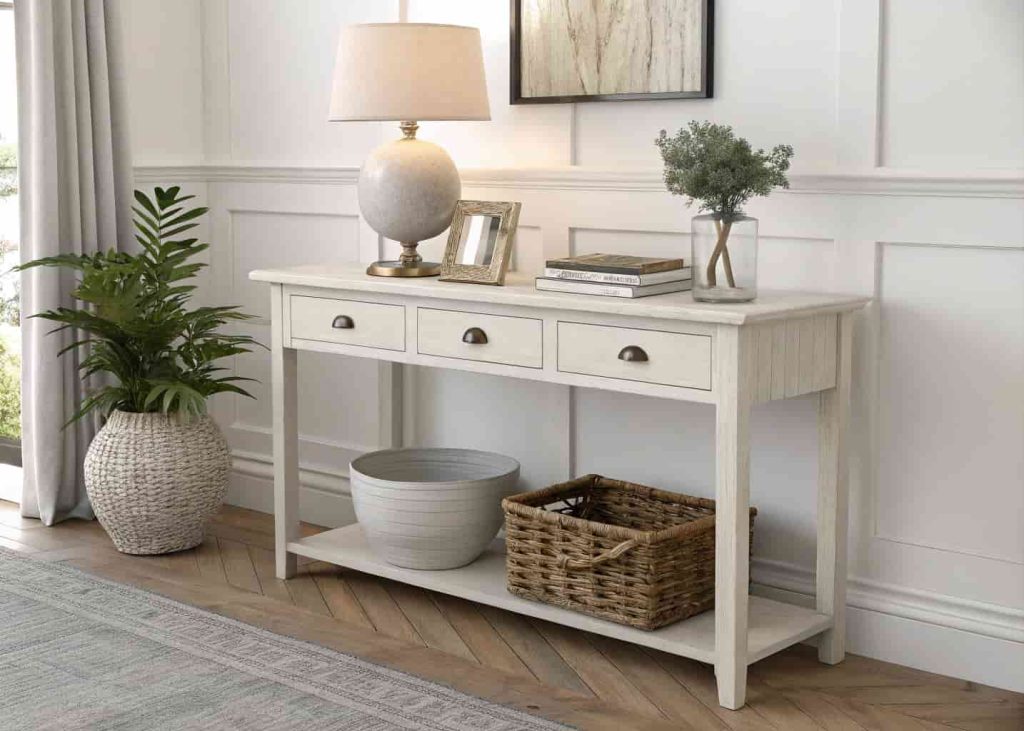
It’s tempting to use your console table as a catch-all spot for keys, mail, sunglasses, and random clutter. But when every inch is covered, the eye doesn’t know where to land. Good console table styling depends on breathing room. Think of your tabletop like a tiny stage. Every item on it should have a reason to be there. A good trick is to pick three to five items total, varying in height and shape, and leave some empty space around them. When my sister decluttered her console table down to just a lamp, a bowl, and one plant, her whole entryway suddenly looked twice as expensive, even though she didn’t buy anything new.
Ignoring the Power of a Statement Mirror
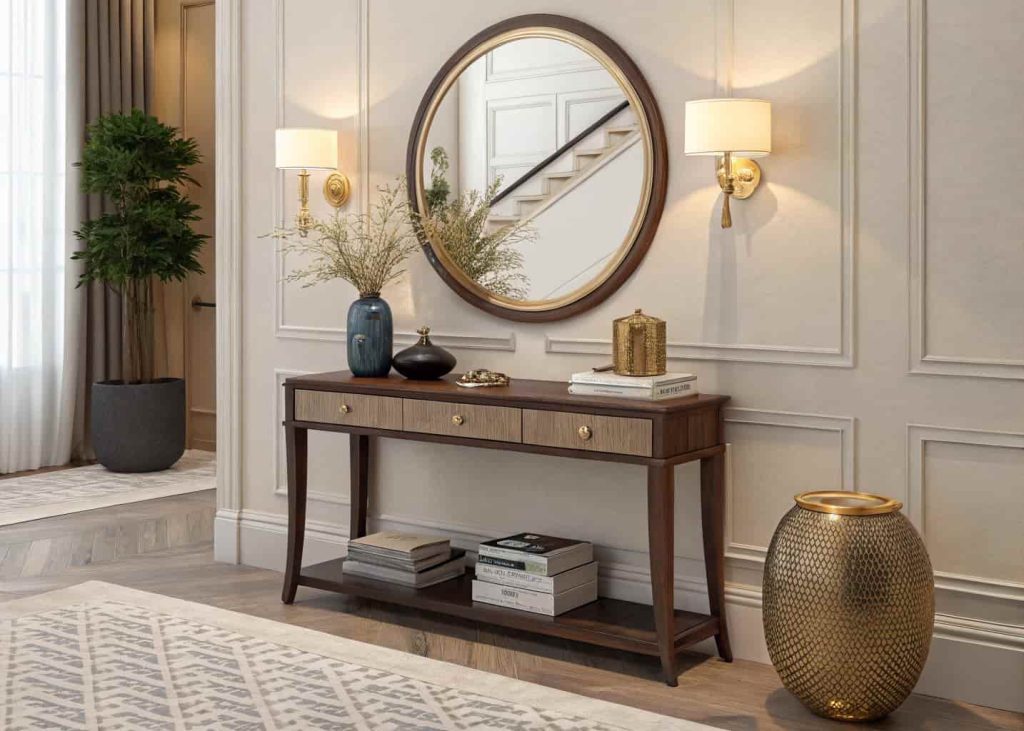
A console table without a mirror above it often feels flat and incomplete. Mirrors do double duty. They add visual interest and they bounce light around the room, which is especially helpful in entryways that don’t get much natural sunlight. A round mirror softens a space full of straight lines, while a tall rectangular mirror can make a low ceiling feel higher. You don’t need anything fancy. Even a thrifted frame with a fresh coat of paint can become the star of your console table styling setup. The mirror also gives guests (and you) a quick spot to check your outfit before leaving the house, which is honestly just practical.
Forgetting About Lighting Entirely
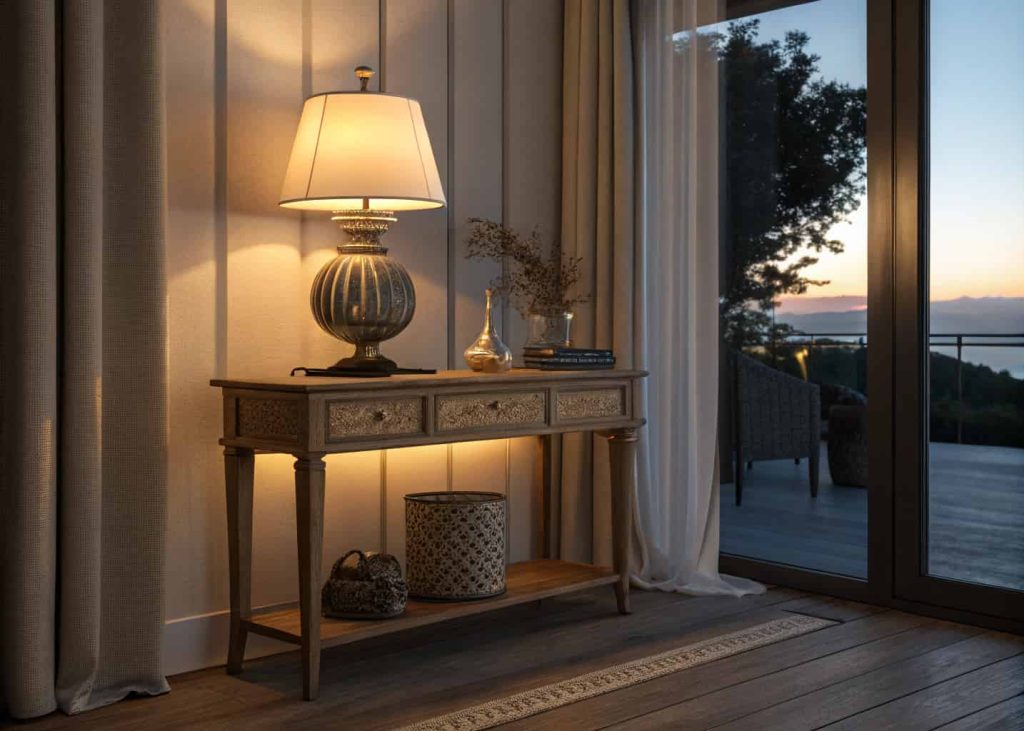
A dark entryway feels unwelcoming, no matter how nice your furniture is. Adding a lamp to your console table instantly warms up the space and gives it a cozy, lived-in glow. Overhead lighting alone tends to feel harsh and flat. A small table lamp with a warm bulb creates soft shadows and makes the whole area feel like a little retreat, even if it’s just a hallway. If you’re worried about outlets, battery-operated lamps or ones with long cords tucked behind furniture work just fine. Good console table styling always considers how the space feels in the evening, not just during the day when natural light does most of the work for you.
Skipping Height Variation in Decor
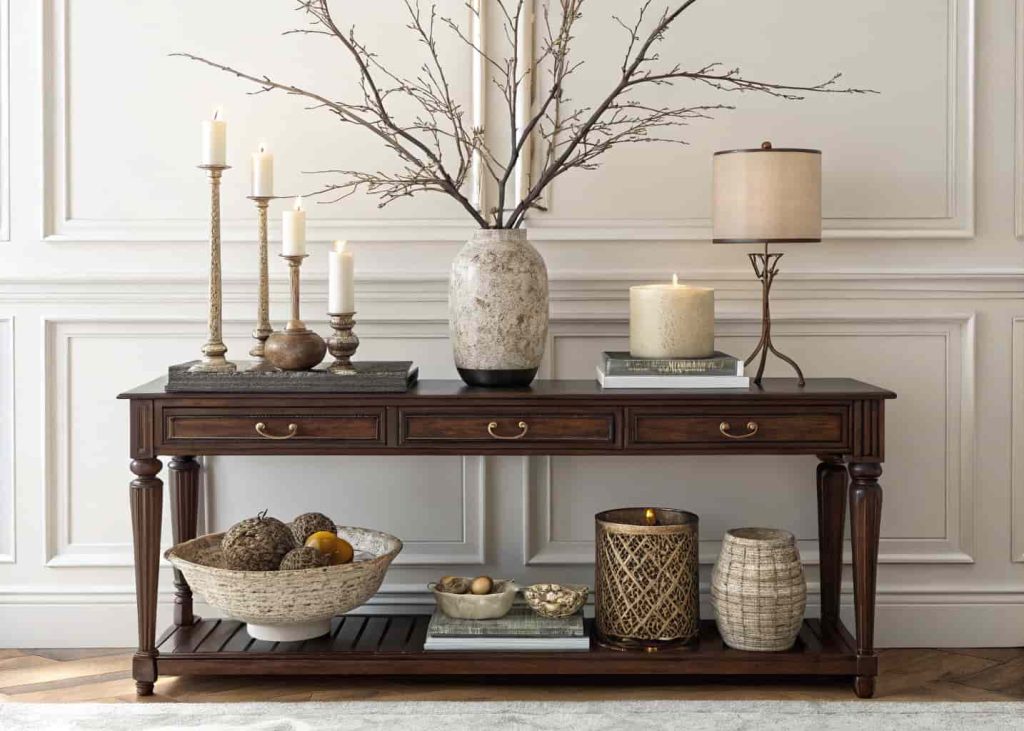
If everything on your console table is the same height, your eye glides right past it without stopping. Height variation creates a little visual rhythm, almost like a skyline. Try pairing a tall vase or stack of books with something low and wide, like a tray or a bowl. Layering matters here too. Place a small object in front of a taller one so nothing feels like it’s floating alone. A friend of mine used to line up three identical candles in a row, and her table looked more like a store display than a home. Once she swapped one candle for a tall branch in a vase, the whole thing felt more natural and styled, not staged.
Using Decor That Doesn’t Match Your Home’s Style
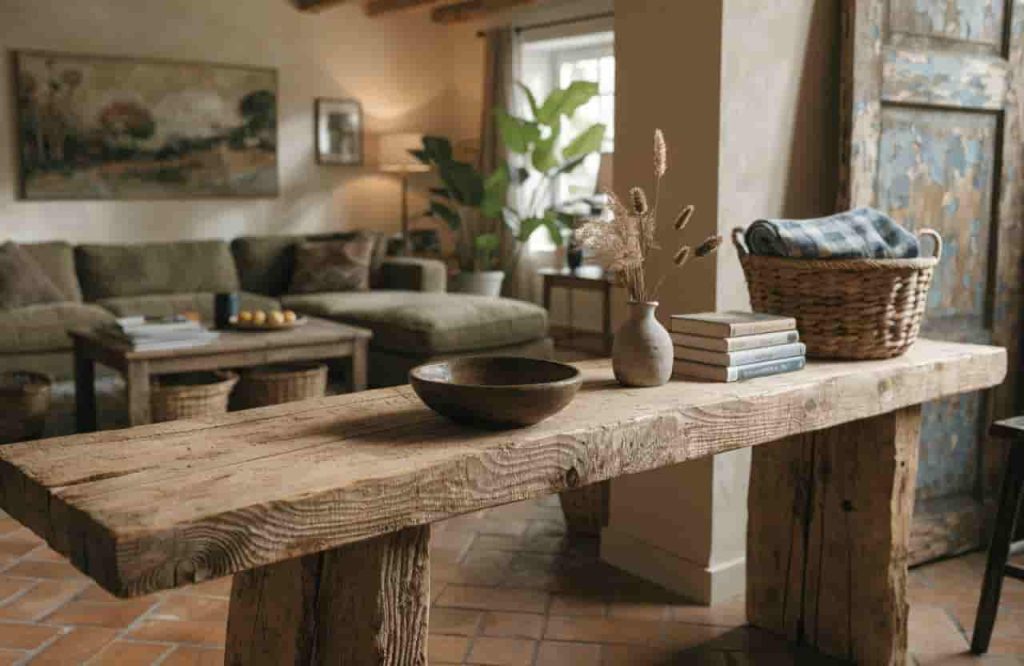
Your console table should feel like it belongs to the rest of your home, not like it was airdropped in from a different house. If your living room leans cozy and rustic but your console table is covered in sleek modern decor, the mismatch creates a weird disconnect the moment someone steps inside. Console table styling works best when it echoes colors, textures, or materials found elsewhere in your home. This doesn’t mean everything has to match perfectly. It just means there should be some thread connecting the spaces, whether that’s a wood tone, a color family, or a general vibe like cozy, modern, or coastal.
Hanging Artwork Too High or Too Low
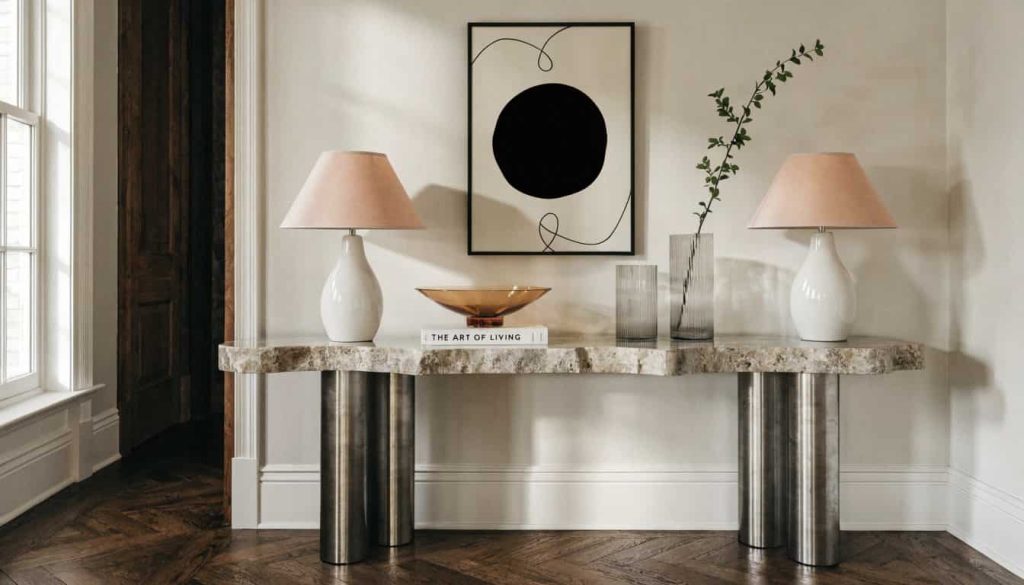
Wall art above a console table can make or break the whole look, and placement matters more than people realize. Hang it too high, and it feels disconnected from the table, like it floated away. Hang it too low, and it competes with whatever is sitting on the surface. A good general rule is to leave about six to eight inches of space between the top of your console table and the bottom of your frame. If you’re using multiple pieces, lay them out on the floor first to plan the spacing before you start hammering nails into the wall. Trust me, patching extra holes is not a fun weekend project.
Leaving the Space Underneath Empty and Awkward
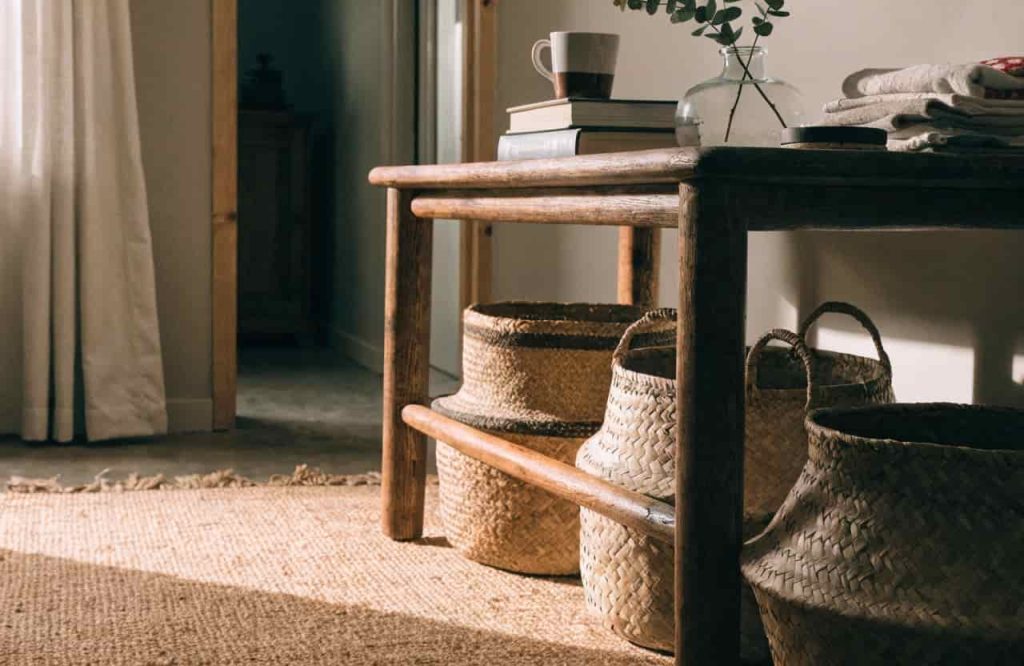
The space under your console table is prime real estate, but it’s often forgotten completely. An empty gap underneath can make the whole setup look unfinished, almost like the table is floating in the middle of nowhere. Adding a basket, a stack of baskets, a small bench, or even a stool can fill that space nicely while adding extra storage. A jute rug placed underneath also helps ground the table and adds texture to the floor. When I added two woven baskets under my console table for shoes and scarves, it didn’t just look better. It actually solved a clutter problem I’d been ignoring for months.
Choosing Decor That’s Too Small for the Table
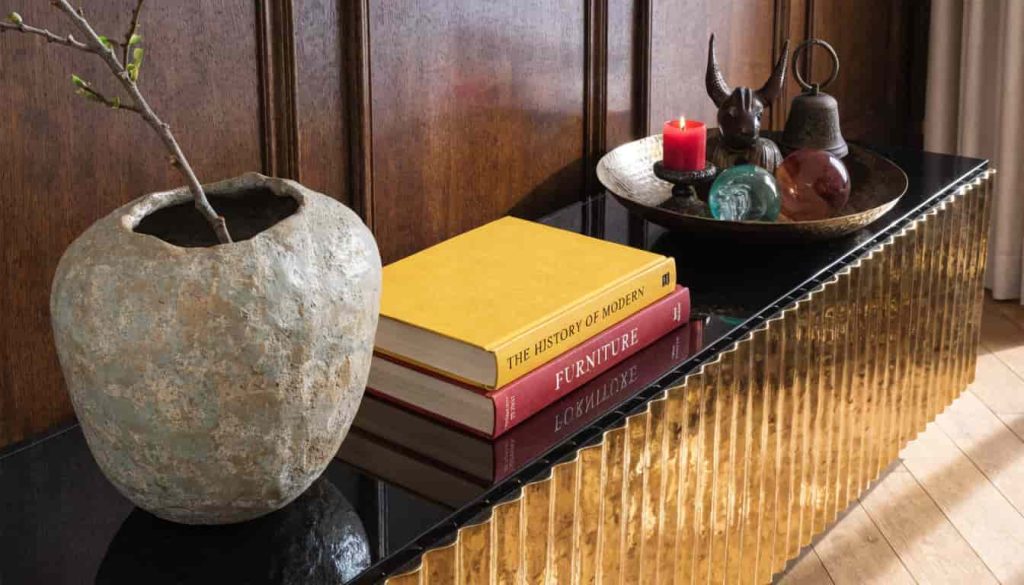
Tiny trinkets scattered across a large console table can make the whole surface look sparse and disconnected, almost like the decor is shrinking away from you. If your table is long, your decor needs some presence to match. A small succulent in a tiny pot might get completely lost on a six-foot table. Instead, go for a few larger pieces, like an oversized vase, a stack of big coffee table books, or a wide tray that anchors smaller items together. Grouping small items on a tray is also a great trick because it visually “weighs” them down and keeps them from looking like an afterthought scattered across the surface.
Forgetting About Color Balance
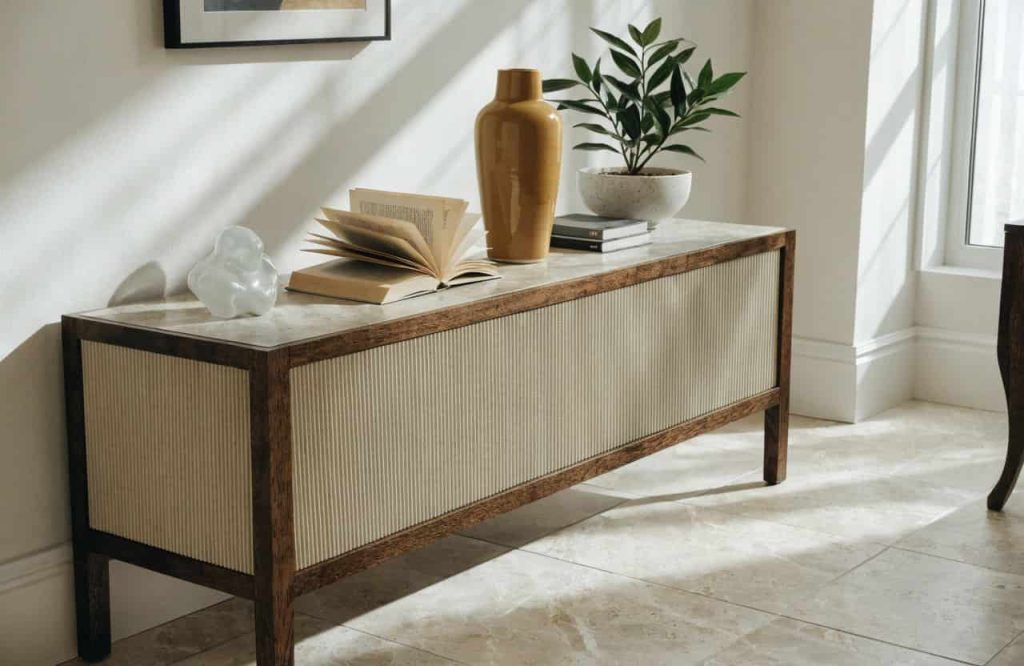
Color ties everything together, but it’s easy to overlook when you’re focused on individual pieces. If your console table decor is all one color, it can look flat and boring. On the other hand, if every item is a different bright color, the table feels chaotic and busy. A simple trick is to pick two or three main colors and repeat them across different items, like a vase, a candle, and a small piece of art. This creates a sense of intention without looking matchy-matchy. Neutral bases with one or two pops of color, like a deep green plant or a mustard-colored vase, tend to feel the most balanced and pulled together.
Not Using Trays to Corral Small Items
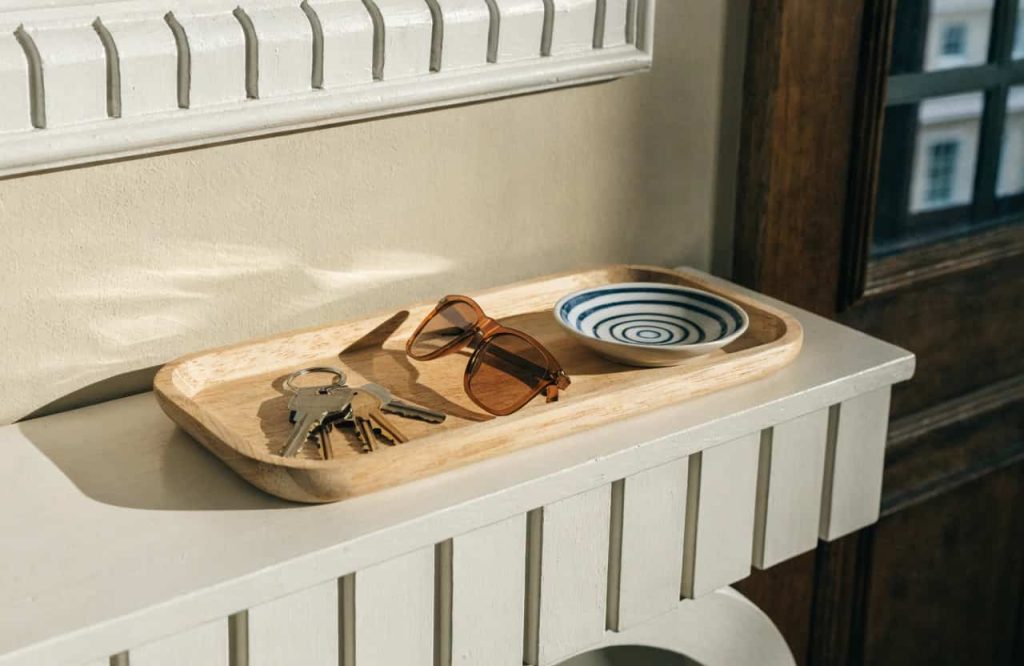
Loose keys, coins, sunglasses, and mail tend to pile up on console tables fast, and without something to contain them, the surface looks messy within a day. A simple tray solves this problem instantly. It gives small items a designated home while also adding a polished, styled layer to your tabletop. Trays come in tons of materials, like wood, marble, woven rattan, or metal, so you can pick one that matches your overall vibe. Once I added a small wooden tray to catch my keys and sunglasses, my console table stopped looking like a dumping ground and started looking like an actual styled piece of furniture, even on busy mornings.
Overlooking Greenery or Natural Elements
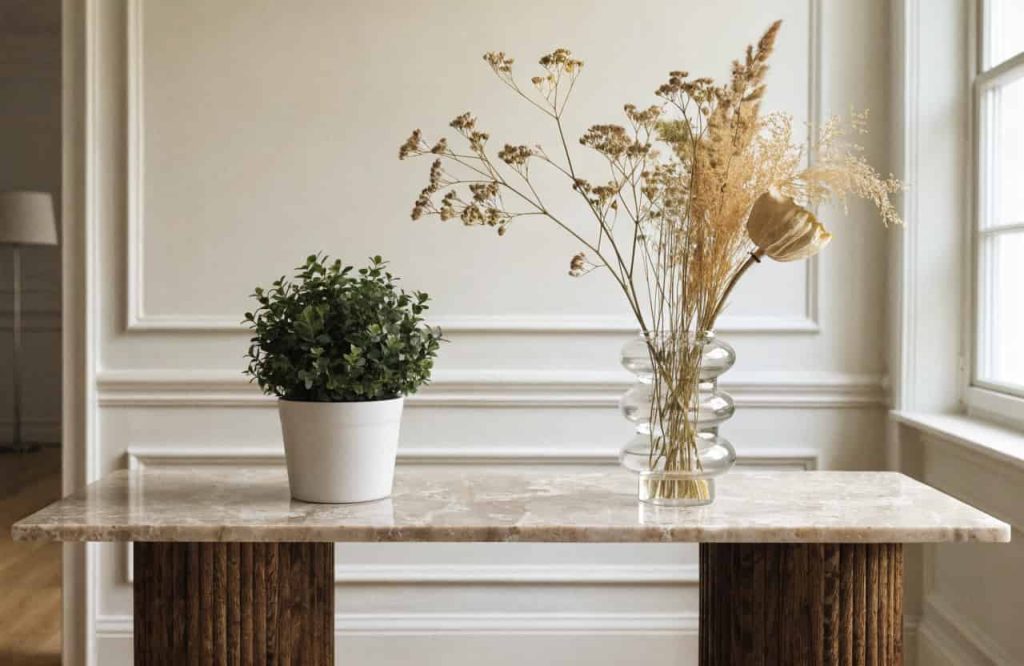
A console table without any greenery often feels stiff and a little lifeless, even if everything else is styled perfectly. Plants bring softness and a sense of calm to an entryway, which is often the most rushed and chaotic spot in the house. You don’t need a huge plant or anything fussy to care for. A small potted succulent, a faux eucalyptus stem, or even a simple vase of dried flowers can add that natural touch. Greenery also helps balance out hard materials like glass, metal, or marble that are common in entryway decor. It softens the whole look and makes the space feel more like a home than a showroom display.
Placing the Table in an Awkward or Random Spot
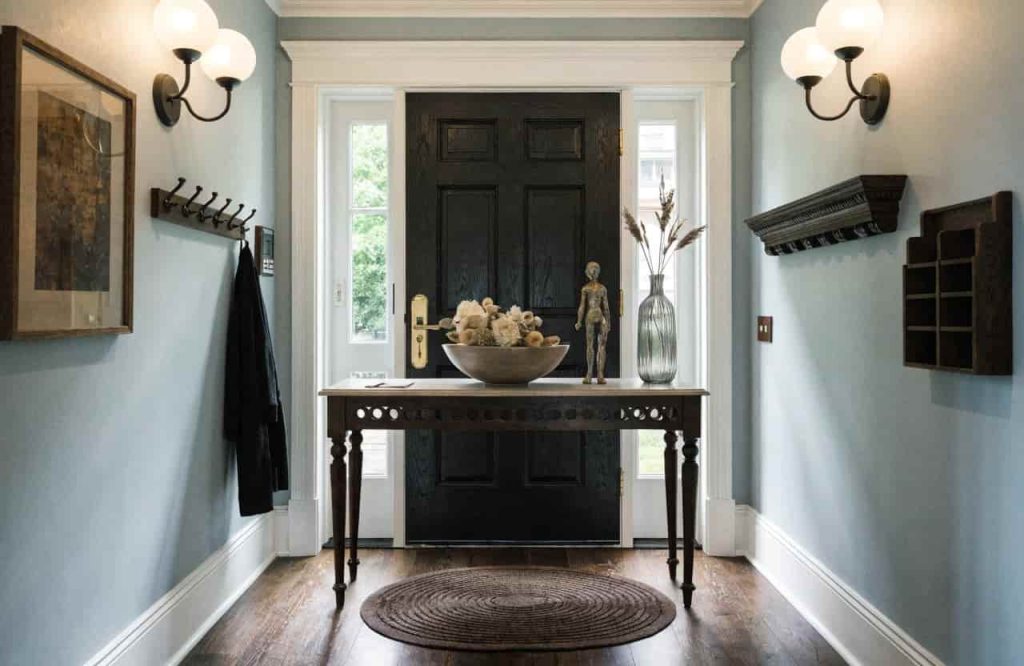
Sometimes the styling itself isn’t the problem. It’s where the table is placed. Shoving a console table into a random corner just because it fit there can make the whole entryway feel like an afterthought. Instead, think about the natural flow of the space. Console tables work best directly across from the front door, along a long hallway wall, or behind a sofa in an open layout. The goal is for it to feel like a natural pause point, somewhere your eye lands when you walk in. When my friend moved her console table from a cramped corner to the wall facing her front door, her entryway suddenly felt like a real “welcome home” spot instead of leftover space.
Forgetting to Update Decor Seasonally
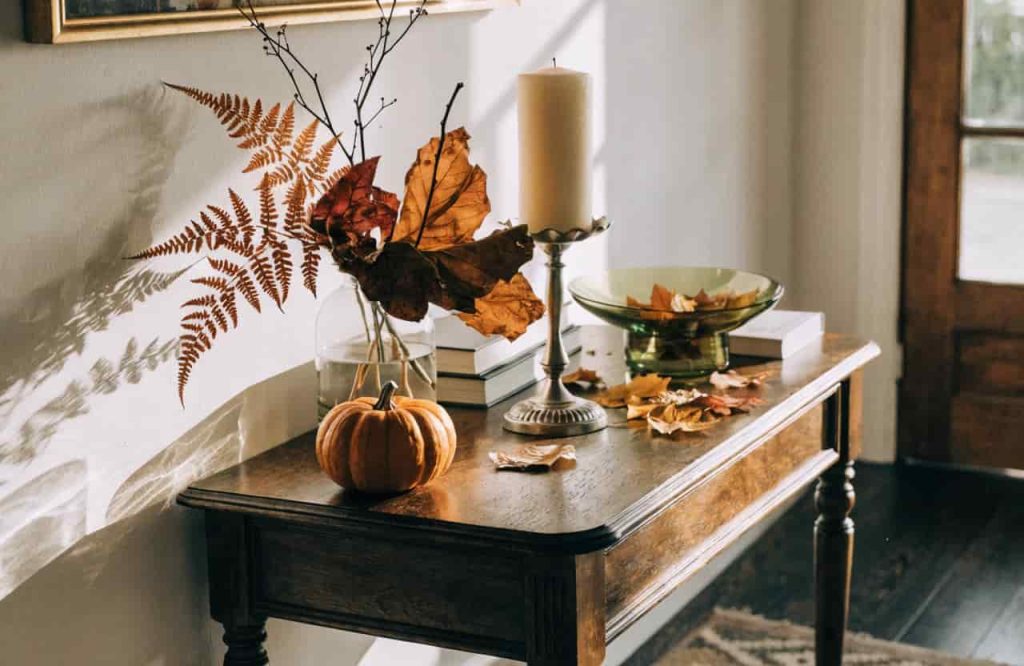
Your console table doesn’t have to stay the same all year long, and honestly, it shouldn’t. Swapping out a few small items with the seasons keeps your entryway feeling fresh without requiring a full redesign. In fall, you might add a small pumpkin or warm-toned candle. In spring, a vase of fresh tulips can completely change the mood. Console table styling is meant to be flexible, not permanent. Keeping a small bin of seasonal decor pieces makes these swaps quick and easy, often taking less than ten minutes. These small seasonal touches also make your entryway feel cared for, like someone actually lives there and pays attention to the details.
Conclusion
Your entryway doesn’t need a full renovation to feel warm, welcoming, and put together. Most of the time, it just needs a little attention to the details that are easy to overlook, like size, lighting, height variation, and color balance. Console table styling is really about making small, intentional choices instead of just piling things on a flat surface and hoping it looks nice. Once you start noticing these little mistakes in your own home, fixing them becomes pretty simple, and often pretty fun. Try tackling one or two changes this weekend, and you might be surprised how much of a difference they make every single time you walk through your front door.