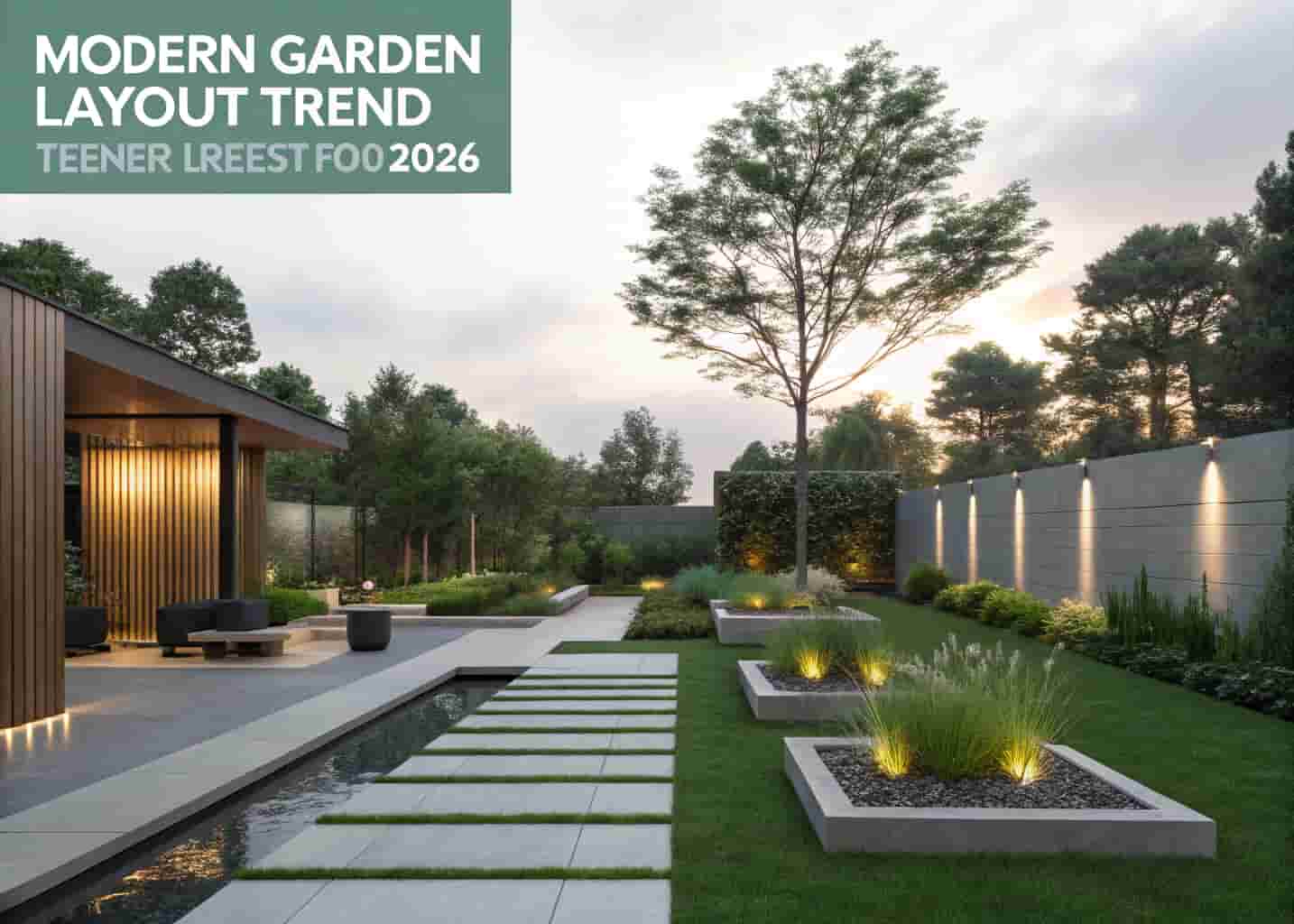
Garden Layout are getting smarter, greener, and way more personal. Here's what's actually worth trying this year.
1 Cottage Core Gardens Are Back — But Smarter
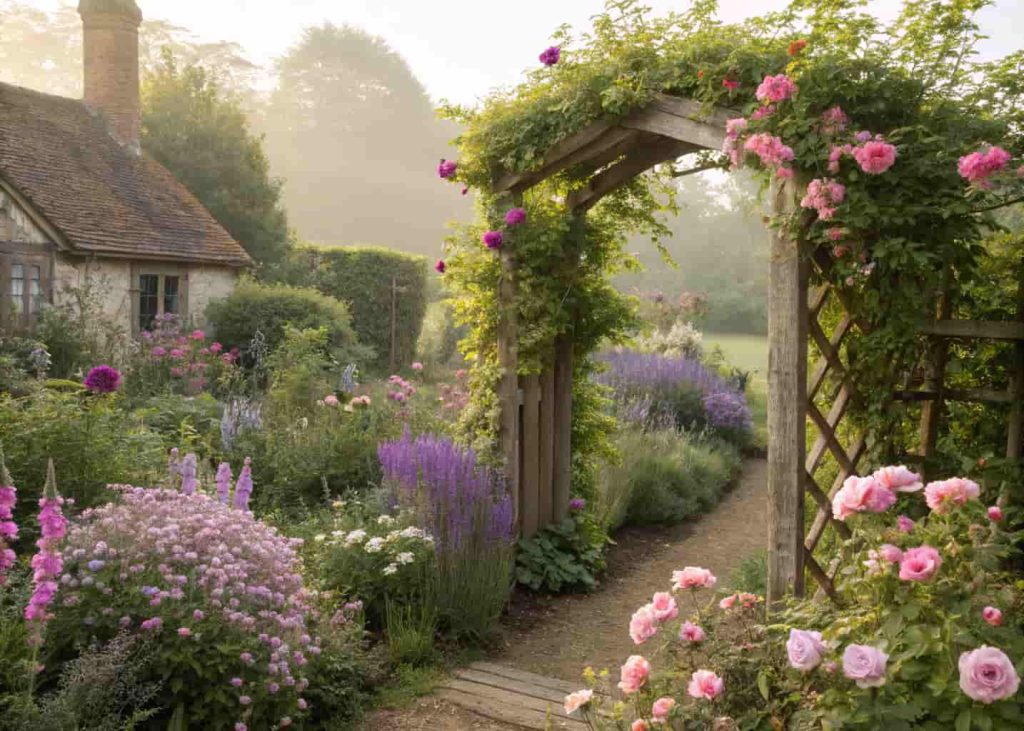
Cottage core gardens have been around forever, but in 2026, they look a little different. People are still planting lavender, roses, and foxglove — but now they’re pairing them with drought-resistant herbs and native plants that actually survive without constant watering. My neighbor tried this last summer and her garden looked gorgeous while barely needing any extra care. The secret is layering tall plants at the back, medium ones in the middle, and low groundcover up front. It creates that romantic, full, slightly wild look cottage gardens are known for — but without the high maintenance. You’re basically working smarter, not harder. If you’ve ever wanted a garden that looks like it came straight out of a storybook, this is the year to try it.
2 Vertical Gardens for Small Spaces
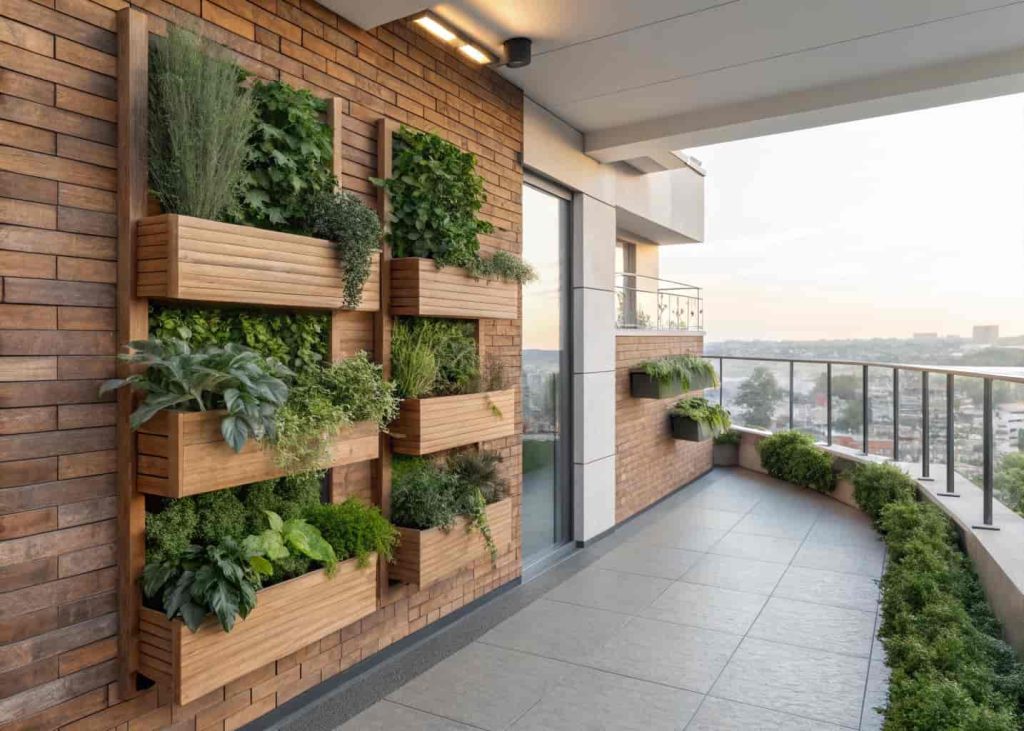
Not everyone has a big backyard — and that’s totally fine. Vertical gardens are one of the biggest trends in 2026, especially for people living in apartments or homes with tiny outdoor spaces. You basically grow plants upward instead of outward, using wall-mounted planters, wooden pallets, or metal pocket panels. I’ve seen people grow fresh herbs, strawberries, and even cherry tomatoes on a small balcony wall. It looks amazing and it’s surprisingly practical. The key is choosing the right plants — lightweight ones like herbs, lettuce, and succulents work best. Plus, a green wall instantly makes any outdoor space feel fresh, cozy, and alive. It’s one of those ideas that looks way more expensive than it actually is.
3 Food Forests — Grow Your Own Groceries
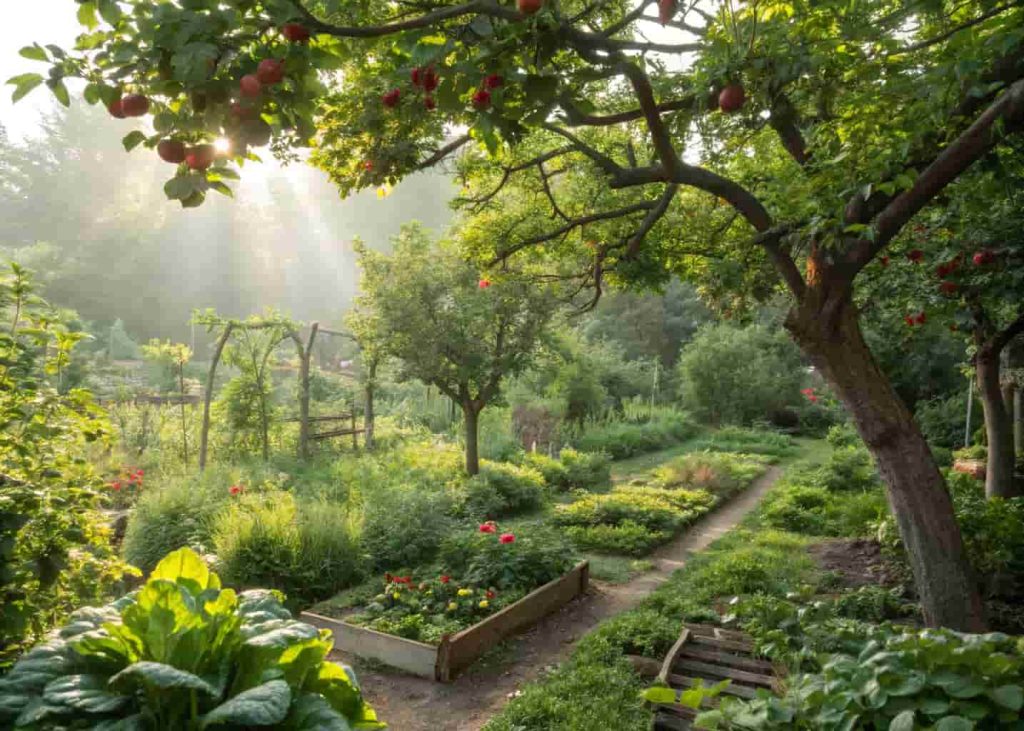
A food forest is a multi-layered garden that mimics a natural forest — but instead of random wild plants, everything is edible. You’ve got tall fruit trees at the top, berry bushes in the middle, herbs and vegetables at ground level, and even root crops underground. It sounds complicated but it’s really not once you get going. A lot of families are doing this in their backyards now because it’s incredibly productive. One well-designed food forest can give you fruit, herbs, greens, and berries all season long with minimal effort once it’s established. Think of it like planting a grocery store in your backyard. It takes a year or two to get going fully, but after that, it practically looks after itself.
4 Raised Bed Veggie Gardens with a Clean Look
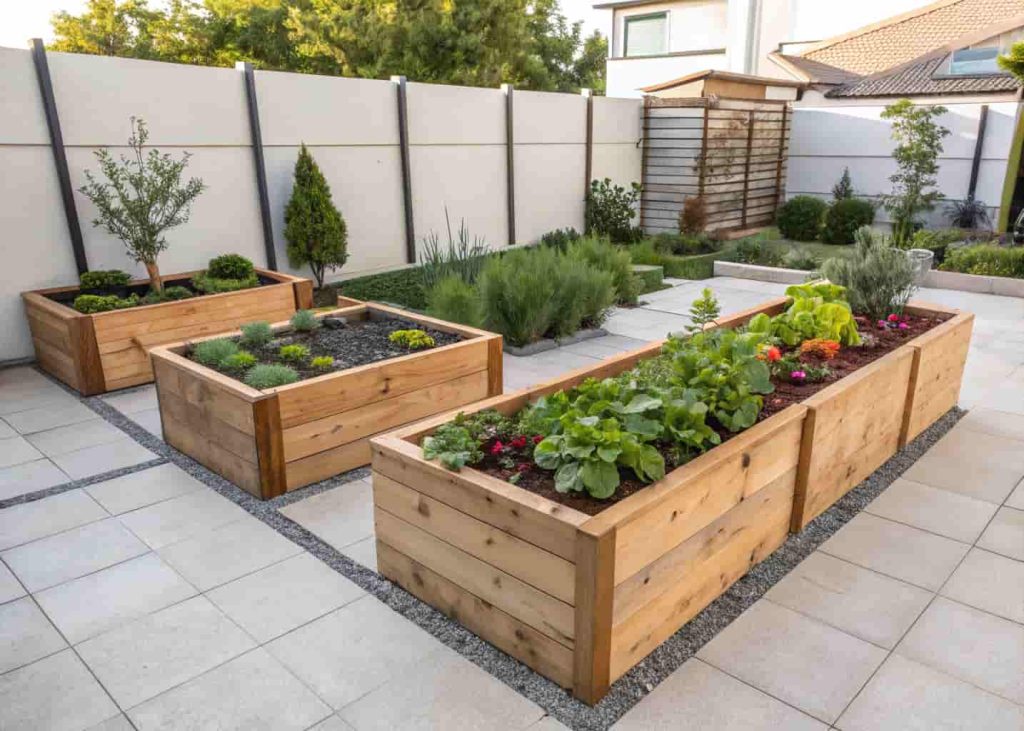
Raised beds have been popular for years, but in 2026 the design has gotten a serious upgrade. People aren’t just stacking old wood anymore — they’re building sleek cedar or metal raised beds in geometric shapes with clean lines. Some people even paint them or finish them with wood stain to match their outdoor furniture. The practical benefits are still the same — better soil control, fewer weeds, easier harvesting — but now the aesthetic is a huge part of it too. I’ve seen front yards completely transformed by two or three well-made raised beds filled with colorful veggies and flowers. It’s functional, it’s beautiful, and kids love getting involved when the garden looks this good.
5 Native Plant Gardens — Low Effort, High Reward
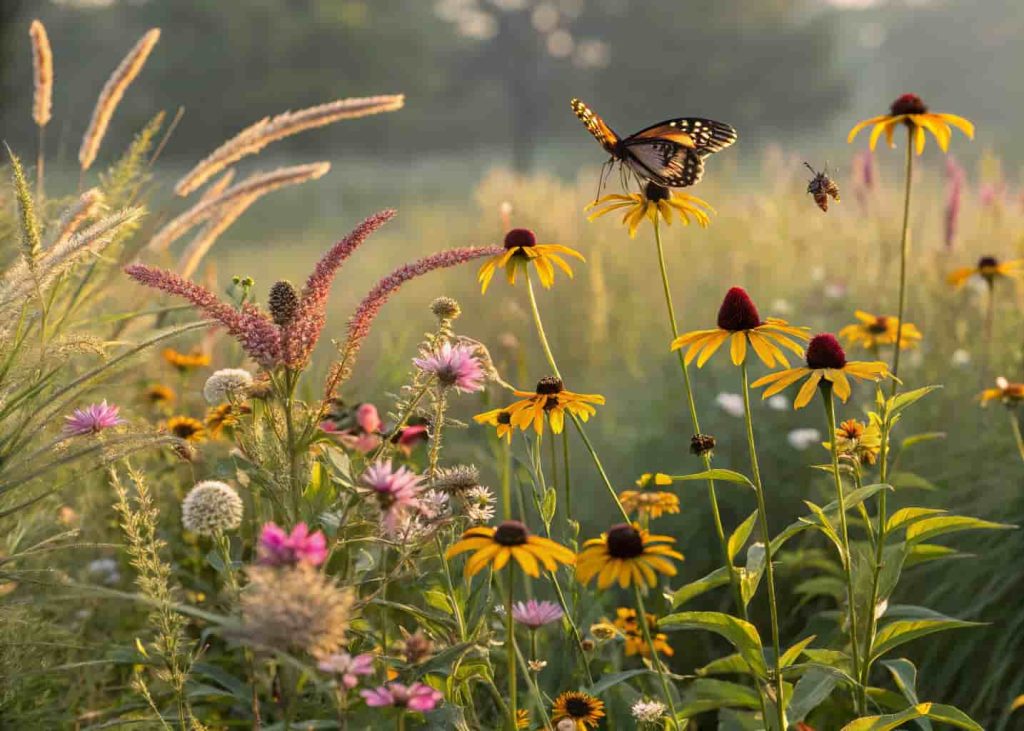
Native plant gardens are having a massive moment in 2026 — and for good reason. These are plants that naturally grow in your region, so they’ve already adapted to your local climate, soil, and rainfall. That means you don’t need to baby them with extra water, fertilizer, or special treatments. They just grow. Beyond saving you time and money, native gardens attract butterflies, bees, and birds — which makes your outdoor space feel alive in a way that a perfect green lawn never does. If you’re tired of fighting with plants that don’t want to grow where you live, this is the answer. Visit a local nursery and ask specifically for native species. You’ll be amazed at how beautiful they can look.
6 Gravel and Drought-Tolerant Garden Beds
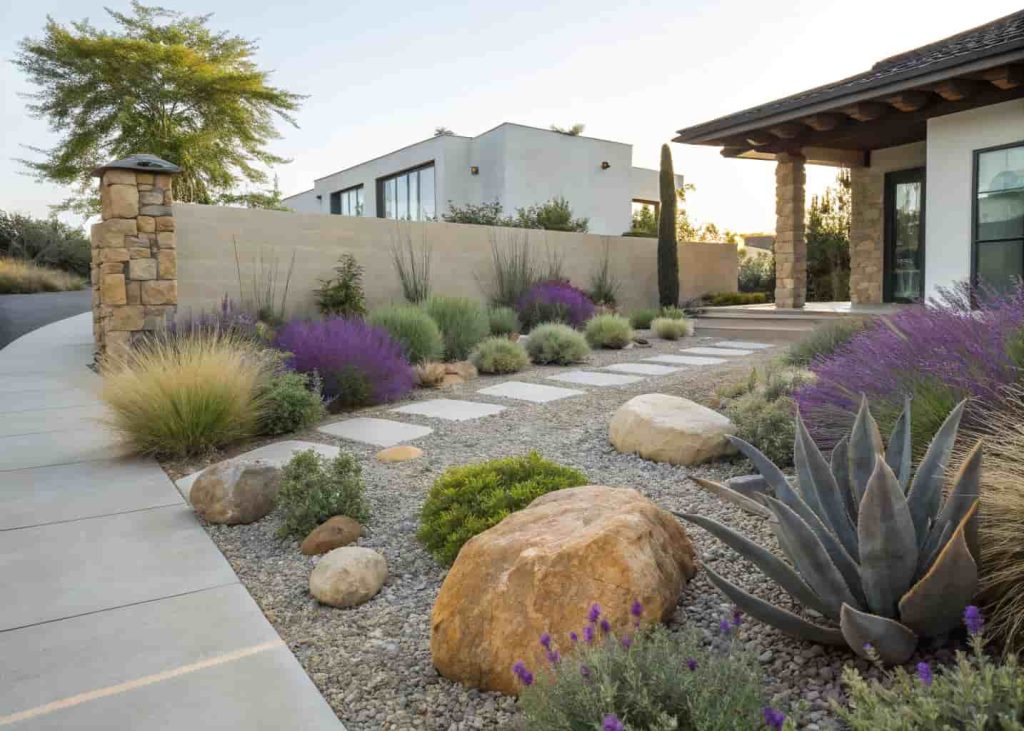
Water bills are going up and droughts are becoming more common in many places around the world. That’s why gravel gardens with drought-tolerant plants are trending so hard right now. The idea is simple — replace traditional lawn or soil beds with decorative gravel, and plant things like lavender, ornamental grasses, agave, and salvia in between. It looks modern and clean, it’s almost zero maintenance, and it uses a fraction of the water a regular garden needs. In dry climates, this isn’t just a trend — it’s honestly a necessity. But even in wetter areas, people love the texture and contrast it adds. A simple gravel garden can completely change the way your front yard looks.
7 Japanese Zen Garden Corners
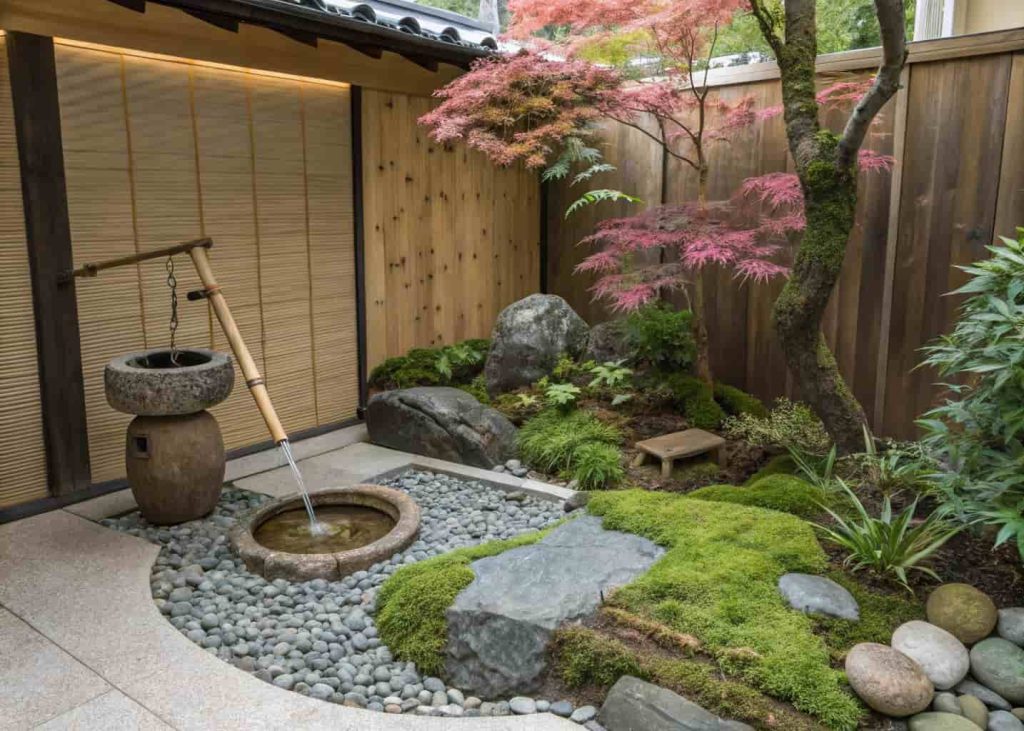
You don’t need a huge space to create a Zen corner in your garden. In 2026, a lot of homeowners are carving out a small dedicated area — sometimes just a few square meters — styled in a Japanese Zen aesthetic. Think raked sand or gravel, smooth river stones, a small bamboo water feature, and carefully placed ornamental plants like Japanese maples or moss. The whole point is to create a calm, quiet space where you can sit and breathe. Honestly, having even one corner of your garden that feels peaceful makes a big difference after a stressful day at work. It doesn’t have to be expensive — a bag of sand, some stones, and a few well-chosen plants can get you pretty far.
8Pollinator Gardens to Help Bees and Butterflies
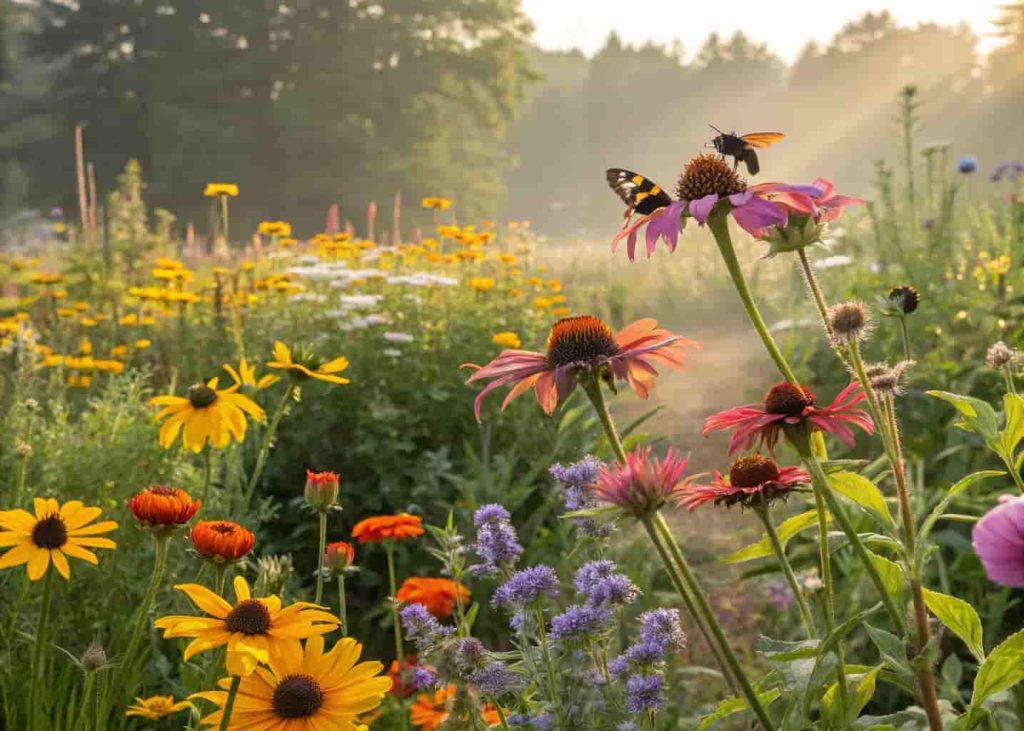
Bee and butterfly populations have been struggling for years, and more people are taking that personally in 2026. Pollinator gardens are designed specifically to attract and feed bees, butterflies, and other beneficial insects. You plant things like echinacea, borage, marigolds, sunflowers, and clover — plants with lots of nectar and pollen. The best part is these gardens look absolutely stunning. Bright colors, tall blooms, and constant movement from pollinators make them feel like the most alive corner of any yard. My cousin converted half her lawn to a pollinator garden two years ago, and she says it’s the best decision she ever made. It genuinely feels like a mini ecosystem right outside her kitchen window.
9 Outdoor Living Rooms with Garden Integration
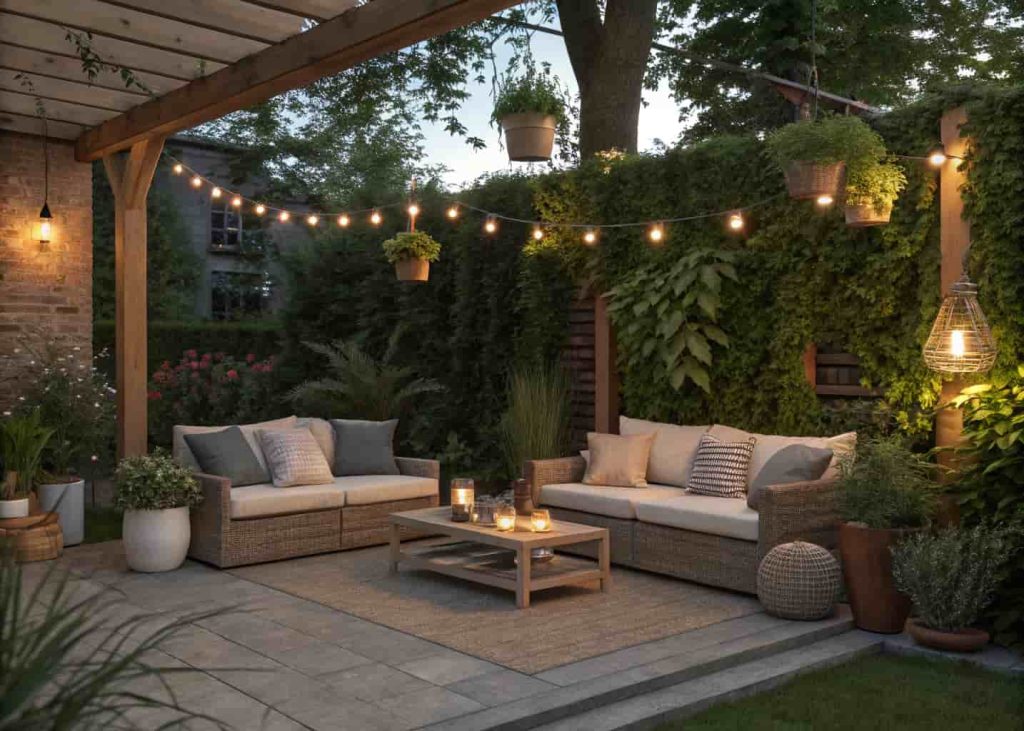
The line between indoor and outdoor living has basically disappeared. In 2026, people are designing their gardens to include proper outdoor living areas — sofas, coffee tables, rugs, string lights — fully integrated with lush greenery and potted plants around them. It’s not just about having a patio chair anymore. It’s about creating a real room outside. Climbing plants on trellises act as walls, tall potted plants define space, and hanging planters add a ceiling-like canopy feel. I visited a friend’s backyard last year that was done like this and it genuinely felt like walking into a living room — just with open sky above. It’s the kind of garden that makes you want to spend every evening outside.
10 Moon Gardens — White Flowers That Glow at Night
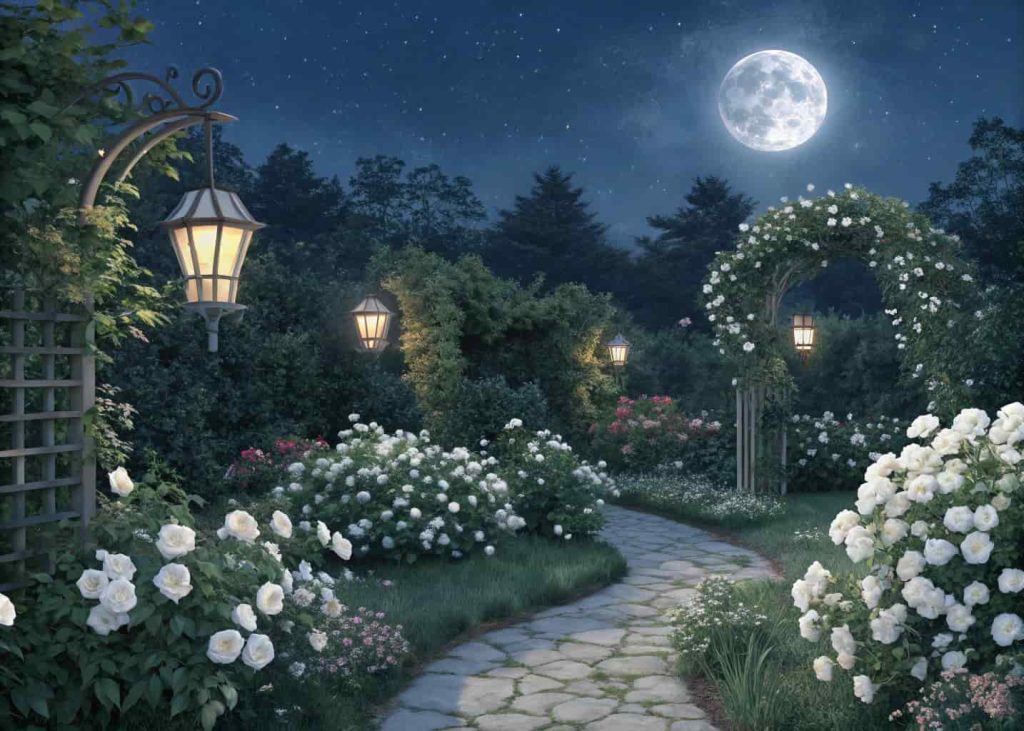
A moon garden is one of the most magical things you can create, and it’s still a pretty under-the-radar trend in 2026. The idea is to plant only white and pale-colored flowers — things like white roses, moonflowers, jasmine, white salvia, and phlox. During the day it looks elegant and simple. But at night, under moonlight or soft garden lighting, those white blooms seem to glow. Some plants, like jasmine and moonflowers, also release their strongest fragrance at night — so the experience is both visual and aromatic. If you like spending time in your garden during evenings, a moon garden is truly something special. Even a single corner planted this way creates a genuinely enchanting atmosphere.
11 Edible Flower Gardens That Look and Taste Amazing
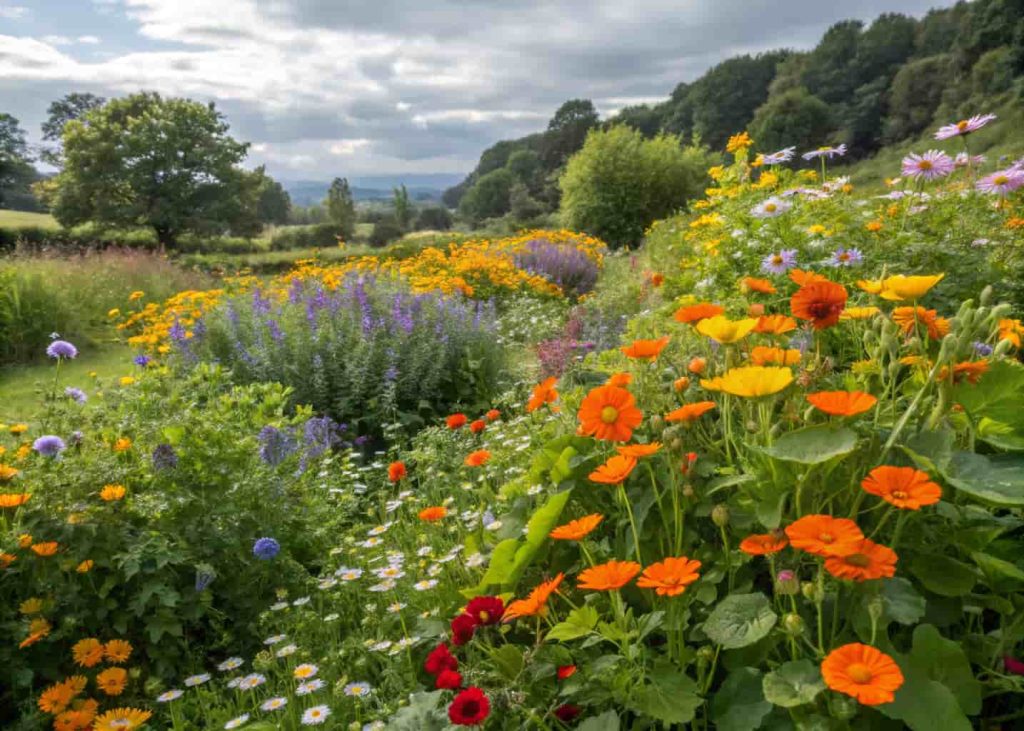
Edible flower gardens are blowing up in 2026 — and they sit right at the intersection of cooking, gardening, and aesthetics. You plant flowers like nasturtiums, violets, calendula, borage, and chamomile that you can actually eat or use in cooking. The visual impact is stunning — beds full of bright, cheerful blooms that you can also toss into salads, garnish drinks with, or dry for teas. It’s a genuinely fun garden to have if you like being in the kitchen. My aunt grows nasturtiums along the edge of her vegetable patch and the entire border looks like something from a magazine. And she uses the flowers in salads all summer. It’s one of those ideas where beauty and function come together perfectly.
12 No-Dig Garden Beds for Beginners
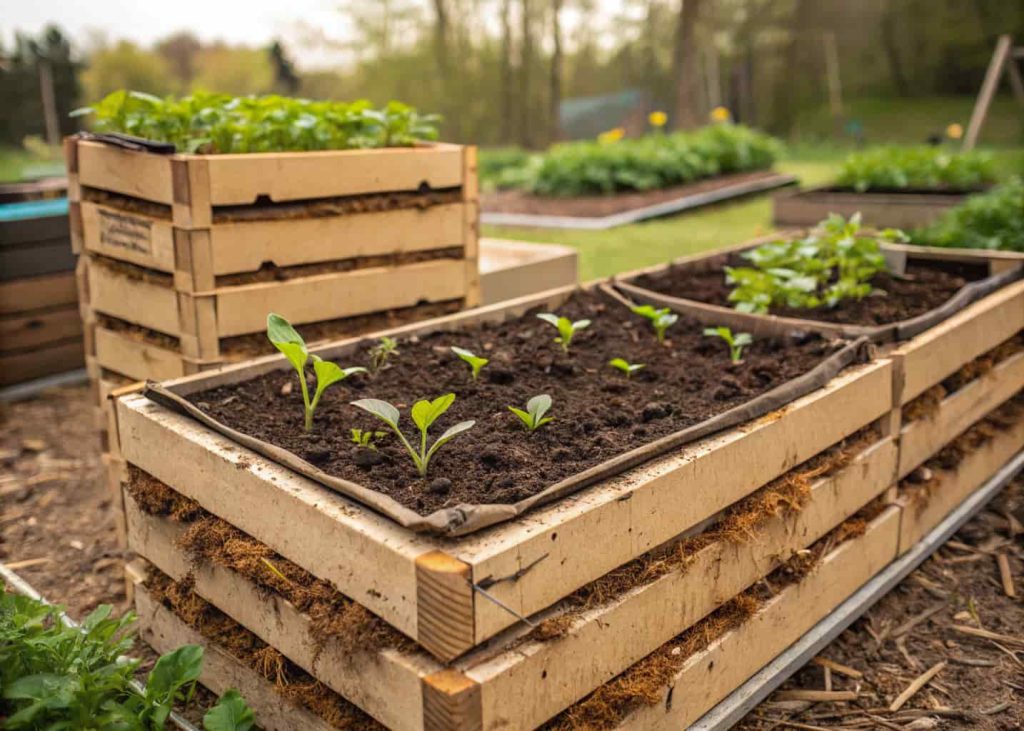
No-dig gardening is exactly what it sounds like — you create a garden bed without ever turning or digging the soil. Instead, you layer cardboard directly on the ground to smother weeds, then pile compost, topsoil, and mulch on top. Within a few weeks, you have a rich, loose bed ready for planting. This technique is trending big in 2026 because it’s genuinely beginner-friendly and requires very little physical effort. It also improves soil health over time because you’re not disturbing the natural ecosystem underground. If you’ve been putting off starting a garden because the whole digging thing feels overwhelming, this is your way in. You can literally set up a no-dig bed in an afternoon and start planting the same day.
13 Sensory Gardens for Kids and Families
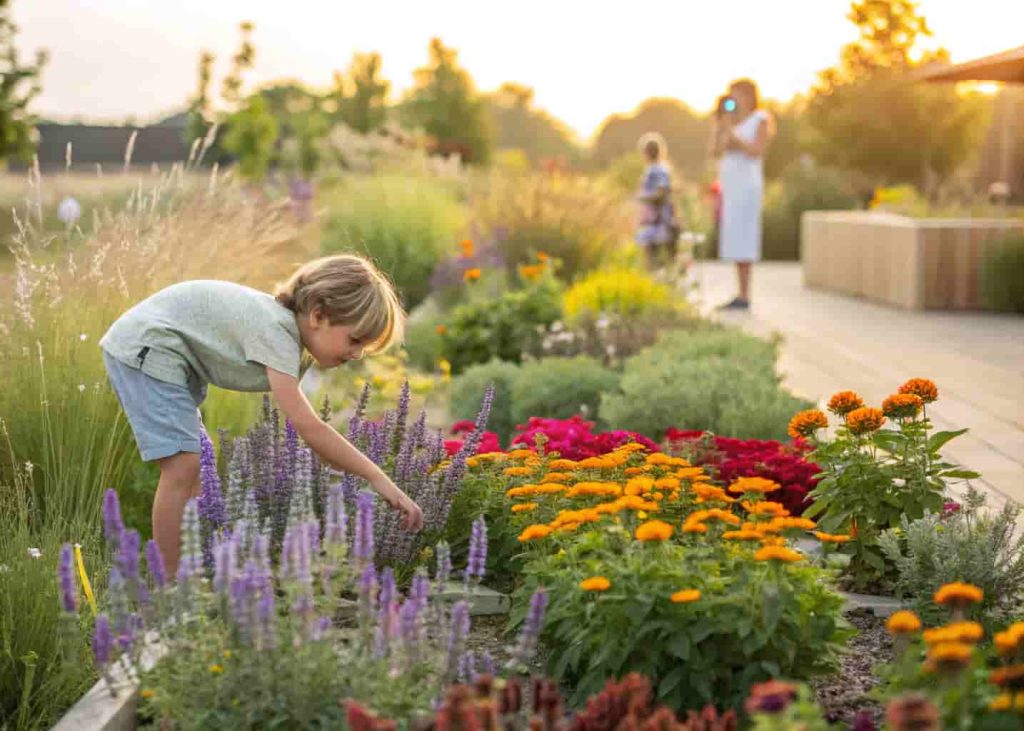
Sensory gardens are designed to engage all five senses — sight, smell, touch, taste, and sound. They’re especially popular with families with young kids, but honestly, they’re wonderful for anyone. You include things like fragrant lavender and rosemary (smell), soft lamb’s ear (touch), rustling ornamental grasses (sound), bright marigolds (sight), and strawberries or mint (taste). The whole point is to make the garden an active, engaging experience rather than just something to look at. My sister made a small sensory corner for her kids last year — just a raised bed with a handful of sensory plants — and her children spend hours in it every week. It’s become their favorite spot in the yard, hands down.
14 Wildflower Meadow Patches — Low Maintenance, High Beauty
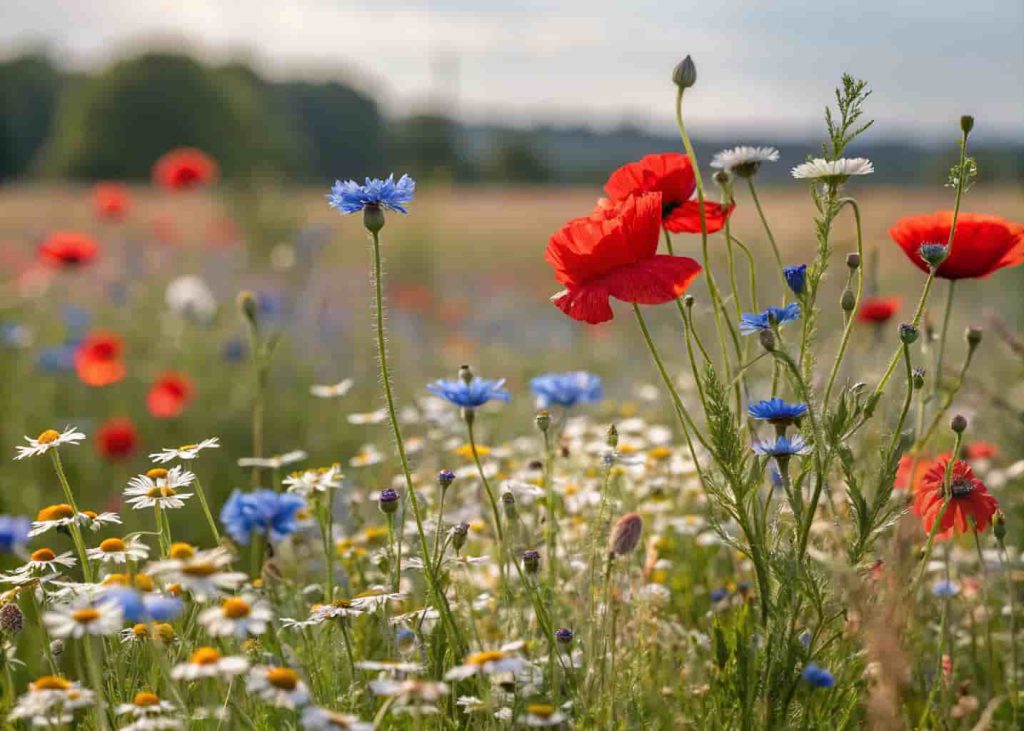
Wildflower meadows used to be something you only saw in the countryside. But in 2026, people are creating small meadow patches right in their suburban gardens — even if it’s just a 2×3 meter strip along a fence or at the back of a lawn. You scatter a wildflower seed mix, water it in, and then mostly leave it alone. Within one growing season you get poppies, cornflowers, ox-eye daisies, and dozens of other species all flowering together. It looks absolutely wild and beautiful, and it takes almost no effort compared to a traditional planted border. The bees go absolutely crazy for it too. If you want the highest visual impact for the lowest input, a wildflower patch might honestly be the best thing you can plant in 2026.
Final Thoughts
Gardening in 2026 is less about perfection and more about intention. Whether you’ve got a large backyard or a tiny balcony, there’s something on this list that can genuinely transform your outdoor space. The best part? Most of these trends are actually easier and cheaper than traditional gardening. You don’t need a professional landscaper or a huge budget. You need a bit of curiosity, a few good plants, and the willingness to get your hands dirty. Start with one idea that excites you — just one. Maybe it’s a raised bed full of vegetables, or a wildflower patch, or a Zen corner where you can sit and breathe. Whatever you choose, your garden will thank you for it. And so will your mental health.