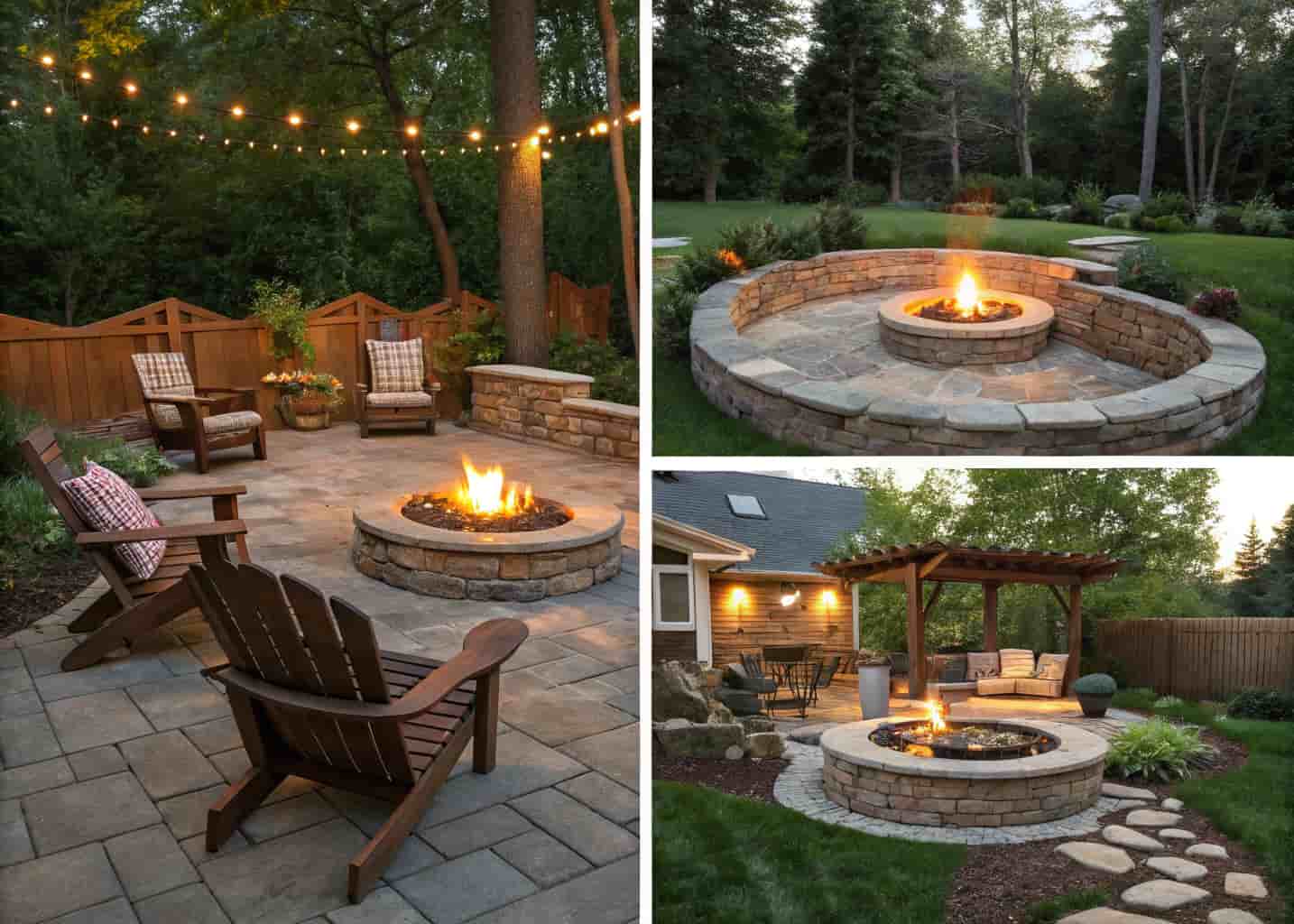
Not everyone has a sprawling Firepit Backyard DIY. Some of us are working with a tiny patch of grass, a narrow patio, or a corner that feels too awkward to do anything with. I get it — I’ve been there myself. But here’s the thing: a small space doesn’t mean you have to skip the firepit. You just have to be a little smarter about it. These 14 DIY firepit ideas are designed with small yards in mind. Each one solves a real problem and adds real charm. Let’s get into it.
1. The Sunken Firepit — Create Depth Without Taking Up Space
Digging down instead of building up is one of the smartest things you can do in a small yard. A sunken firepit sits below ground level, which means it doesn’t eat into your visual space at all. You basically dig a circular pit about 12–18 inches deep, line it with fire bricks, and surround it with flat pavers for seating. The fire stays contained, the wind doesn’t kill your flames, and the whole setup looks intentional and clean. My neighbor did this last summer with about $150 in materials and her yard looks like it came out of a magazine. It works especially well on flat lawns.
2. The Corner Firepit — Turn That Awkward Corner Into a Feature
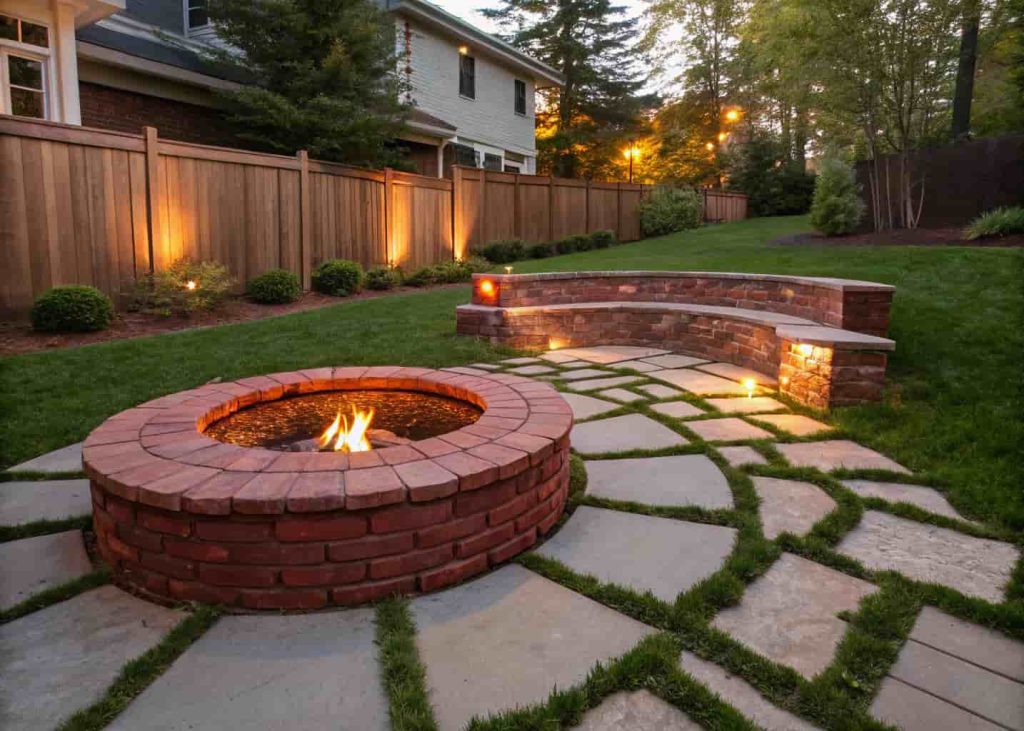
Every small yard has that one corner nobody knows what to do with. It’s too small for a garden bed, too weird for furniture, and it just sits there looking neglected. A corner firepit fixes that instantly. You build a triangular or angled pit that tucks right into the corner, using concrete blocks or stone. Add two small benches along the adjacent fence lines and boom — you’ve got a cozy little nook that actually makes your yard feel bigger by giving it a focal point. This is one of those designs that makes people go “why didn’t I think of that?” It’s simple, cheap, and genuinely useful.
3. The Raised Concrete Block Firepit — Bold, Budget-Friendly, Built to Last
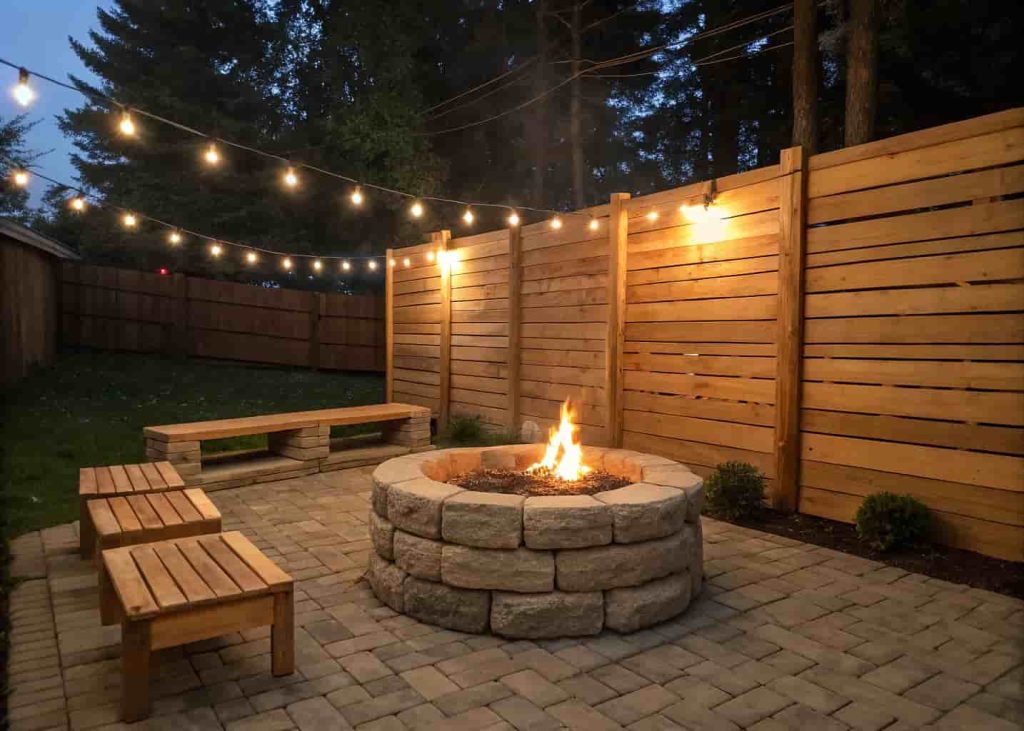
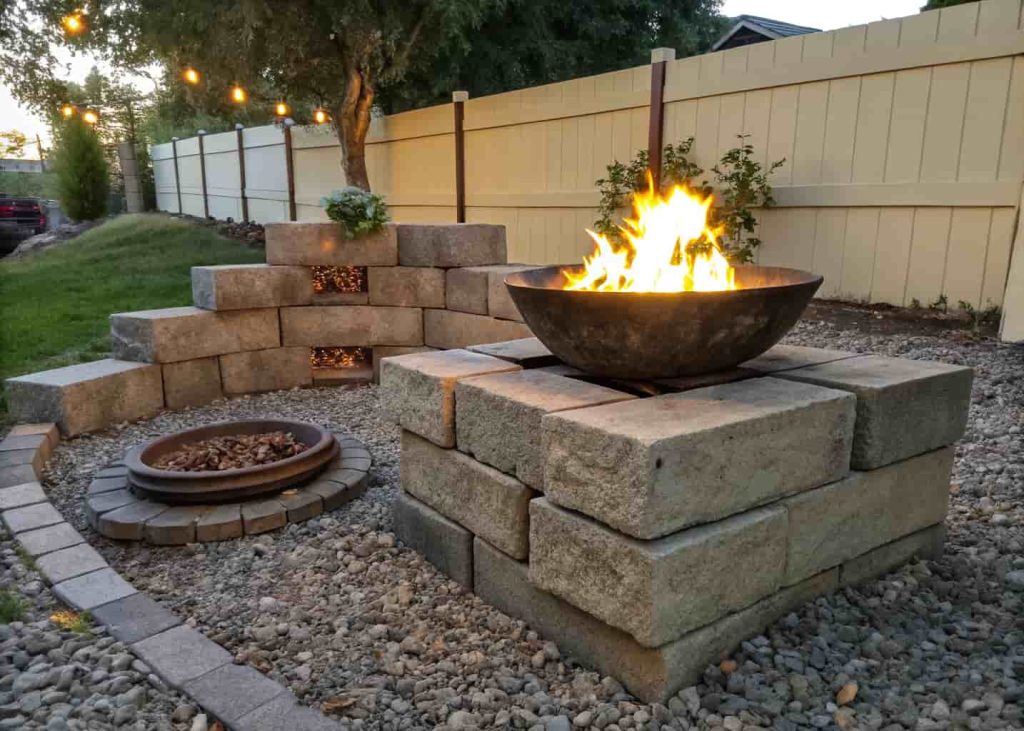
Concrete retaining wall blocks are cheap, easy to stack, and incredibly durable. A raised firepit made from these blocks can be built in a single afternoon with zero professional help. You stack them in a circle (no mortar needed for most designs), drop a metal fire bowl inside, and you’re done. The raised height is actually a bonus in a small yard — it keeps smoke above eye level when you’re sitting around it, which makes the whole experience way more enjoyable. You can also knock it apart and rearrange your space if your needs change. I’ve rebuilt mine three times already as my patio layout has evolved.
4. The Patio Firepit Table — Doubles as Furniture
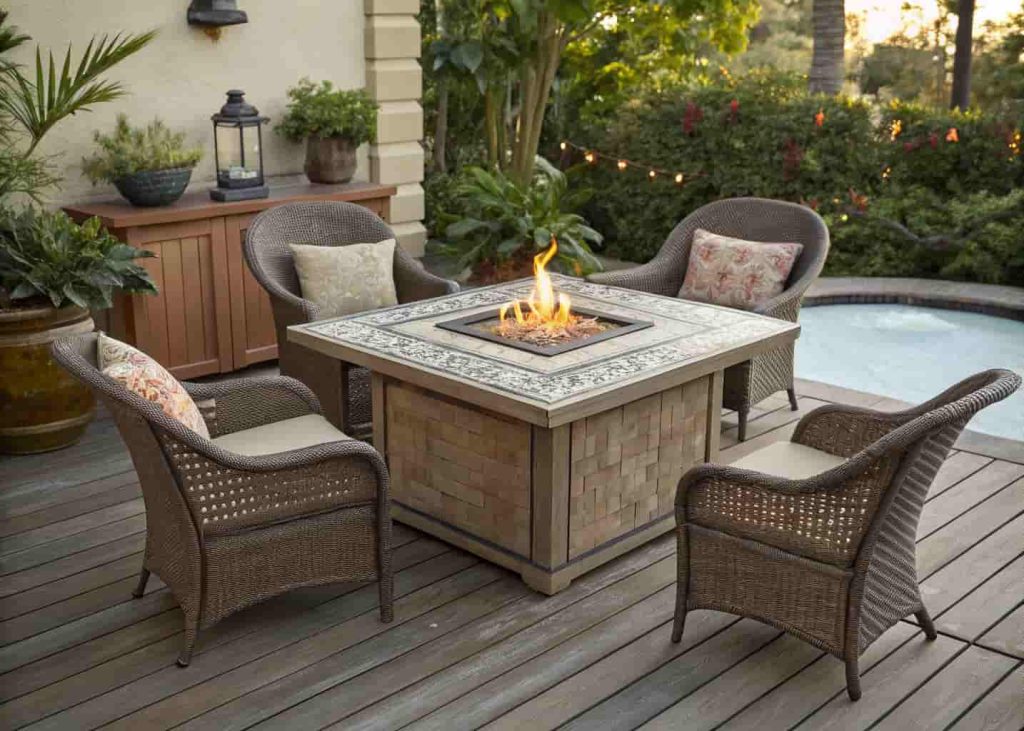
Space is at a premium in a small yard, so anything that serves two purposes is a win. A firepit table is exactly that — it functions as an outdoor coffee or dining table when the fire isn’t lit, and a cozy gathering spot when it is. You can build one using a simple wooden or metal frame, tile the top, and insert a propane burner in the center. This design works especially well on small decks and patios where you literally can’t afford to have a firepit take up dedicated floor space. The whole thing can be made for under $200 if you’re handy with basic tools.
5. The Brick Ring Firepit — Classic Look, Easy Build
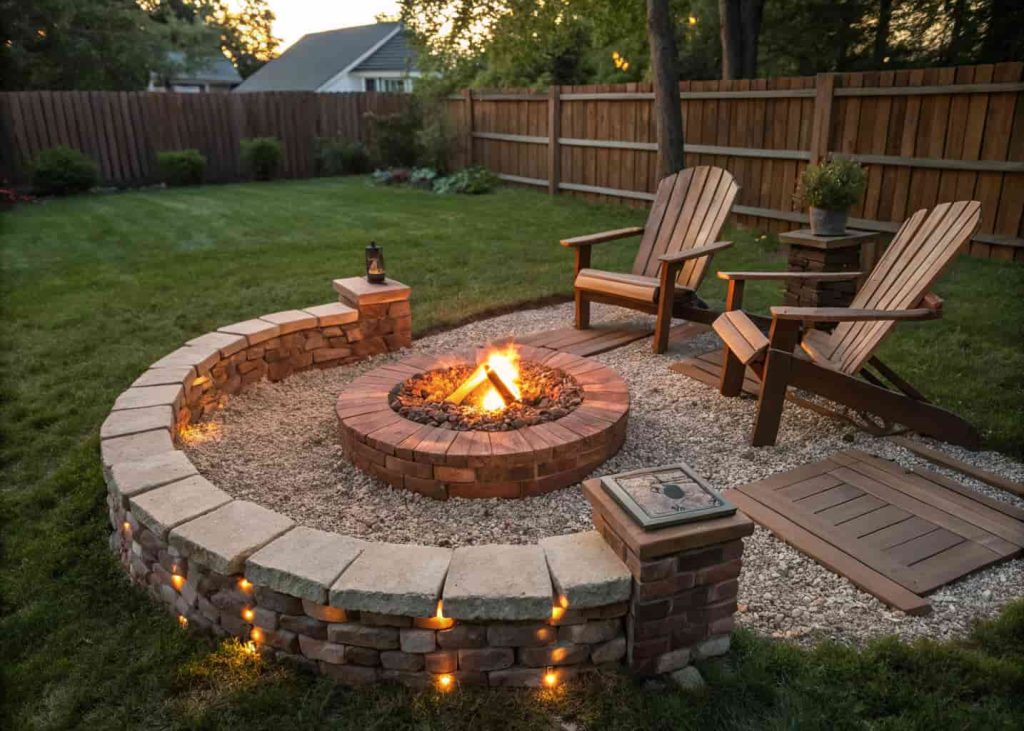
There’s a reason this one never goes out of style. A simple ring of stacked bricks is one of the easiest DIY firepits anyone can build, and it looks genuinely great in a small yard. You don’t need a ton of bricks — a 36-inch diameter ring uses about 40–50 standard bricks and takes maybe two hours to lay out. No mortar, no foundation, no fancy tools. Just level ground, bricks, and some gravel inside to help with drainage. It’s the perfect starter firepit for someone who’s never done a DIY outdoor project before. Simple, clean, and it works exactly the way it should every single time.
6. The Portable Fire Bowl — Maximum Flexibility
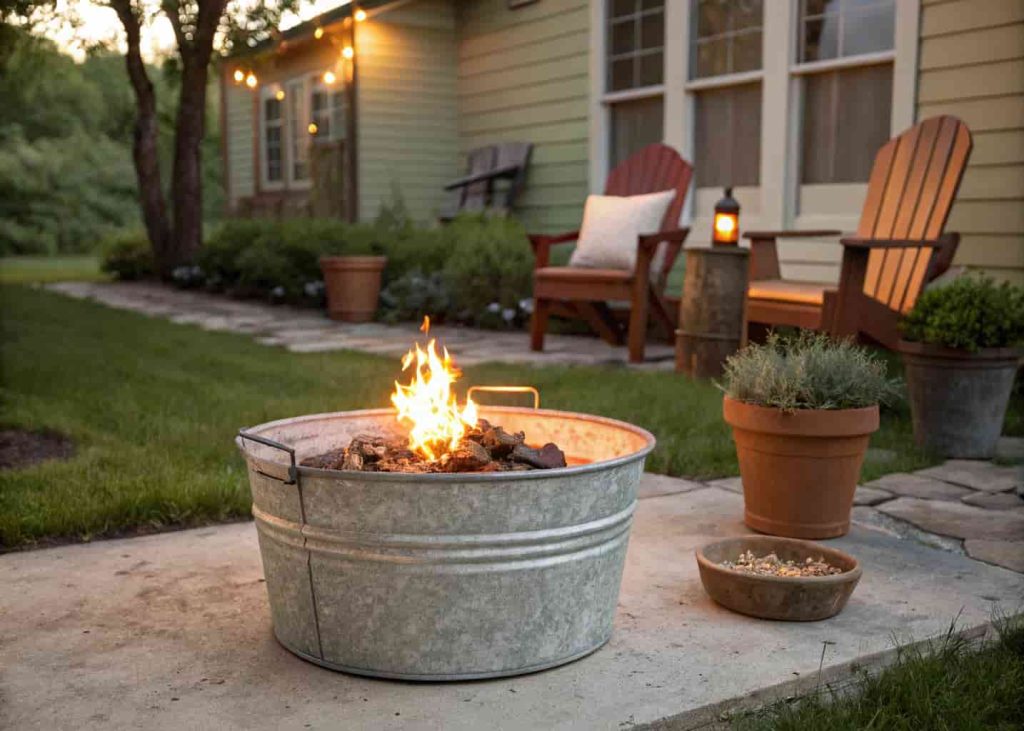
If you’re renting, working with a really tight space, or just not ready to commit to a permanent structure, a DIY portable fire bowl is your best friend. You can make one from a large galvanized metal tub, a repurposed wok, or even a terracotta pot sealed with fireproof paint and fitted with a simple propane burner. The beauty of portable is obvious — you move it when you need the space, tuck it away when guests aren’t coming, or take it to a friend’s place for a bonfire night. It’s lightweight, low-cost, and doesn’t require any digging or building at all. For small yards, flexibility is everything.
7. The Natural Stone Firepit — Rustic and Low-Profile
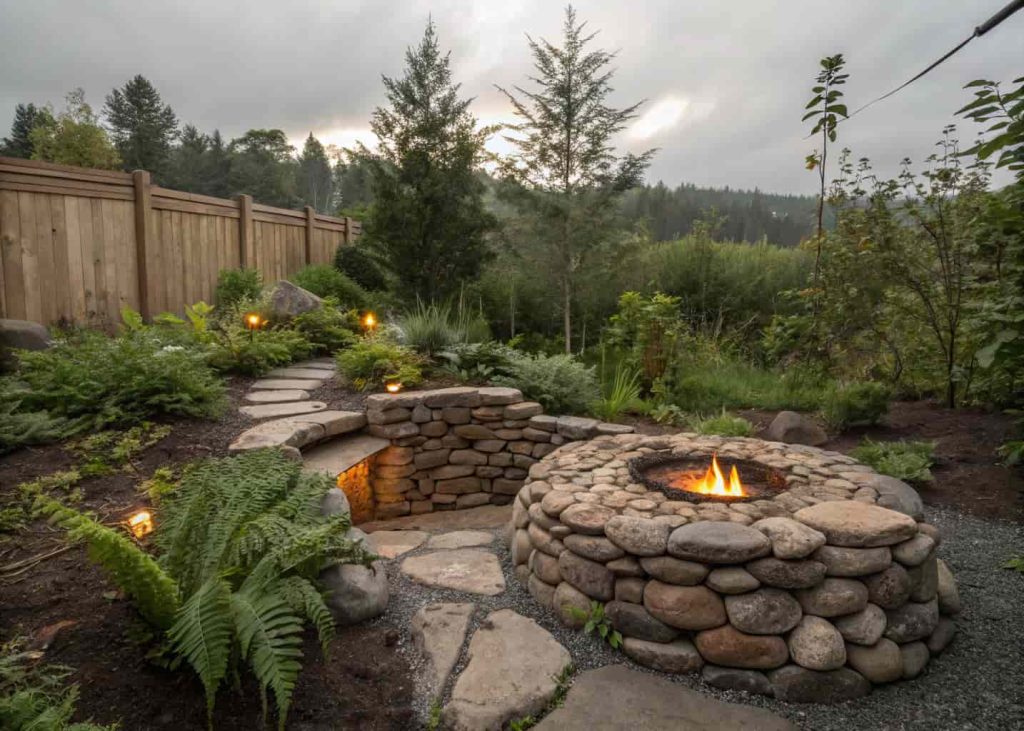
If you can source flat fieldstones or river rocks locally (or even from a landscaping yard for cheap), a natural stone firepit gives your backyard an incredibly organic, rustic feel. You layer the stones in a circle without mortar — the weight and fit of the stones hold them in place — and the irregular shapes actually make each one look unique. Because the stones are low and natural-looking, this design doesn’t feel like it’s competing with the rest of your yard. It blends in. It looks like it’s always been there. In a small yard, that kind of understated design is exactly what you want so the space doesn’t feel cluttered or overdone.
8. The Firepit With Built-In Seating Wall — One Structure, Two Jobs
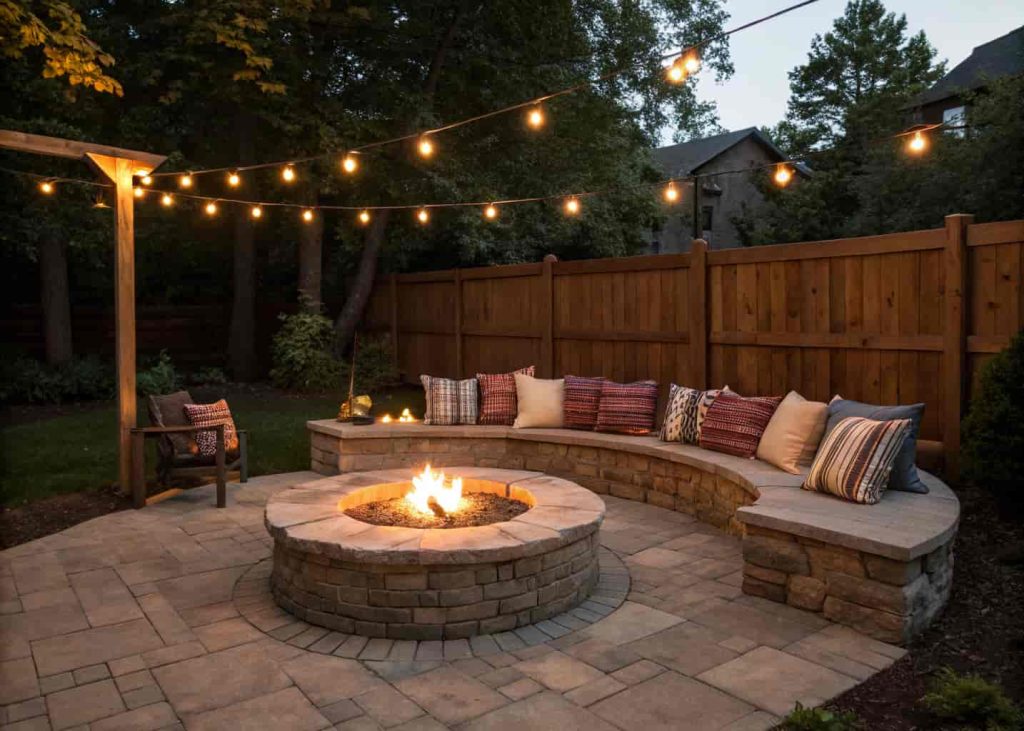
In a small yard, building a seating wall around your firepit is one of the most space-efficient things you can do. Instead of having a pit plus separate chairs floating around taking up room, everything becomes one cohesive structure. You build a low circular wall (about 18 inches high is perfect for sitting) using concrete blocks or stone, and the firepit sits in the center. Add cushions on top of the wall and you’ve got permanent seating that doesn’t need to be moved, stored, or rearranged. It also adds structure and definition to a small yard, which makes the whole space feel more organized and intentional even when it’s small.
9. The Raised Wooden Deck Firepit — Elevated Style for Tight Spaces
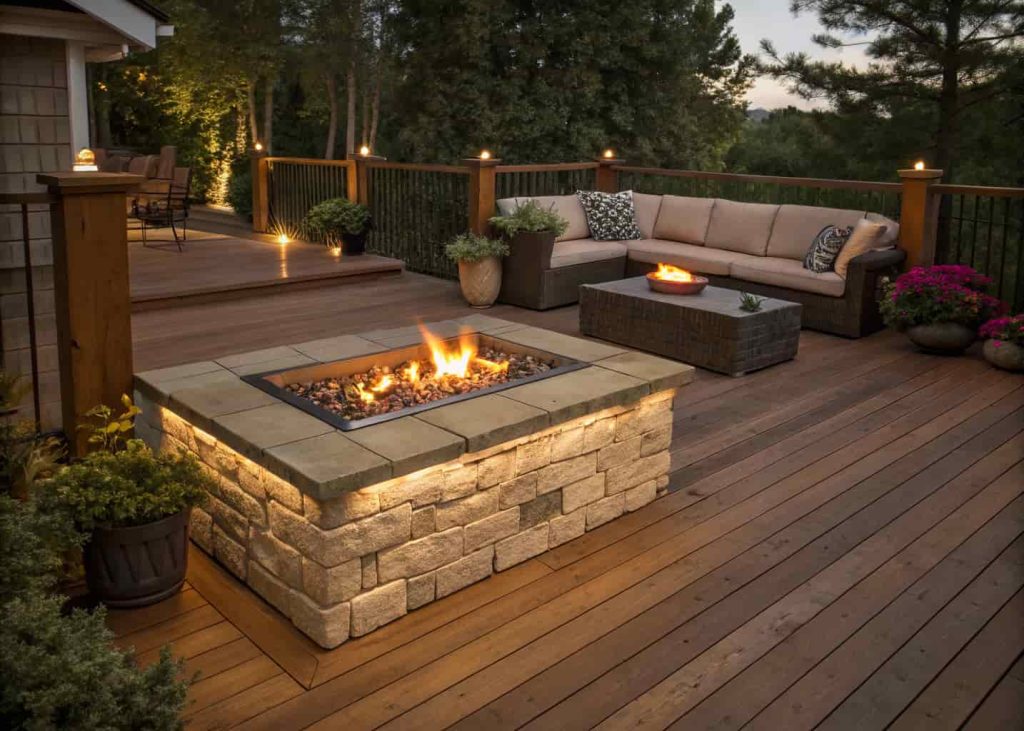
If your backyard is mostly deck, you don’t have to skip the firepit dream. You just need to plan it properly. A propane or natural gas firepit insert built directly into a section of your raised deck turns dead corner space into the most used spot in your home. You cut a section of the deck, frame it properly, install a fireproof insert, and tile or stone around the opening. The result looks custom and expensive but costs a fraction of what a contractor would charge. Just make sure you follow all clearance guidelines — nothing within 10 feet should be combustible — and you’ll have a deck firepit that becomes the envy of the whole street.
10. The Gravel Firepit Area — Ground Prep Solves Everything
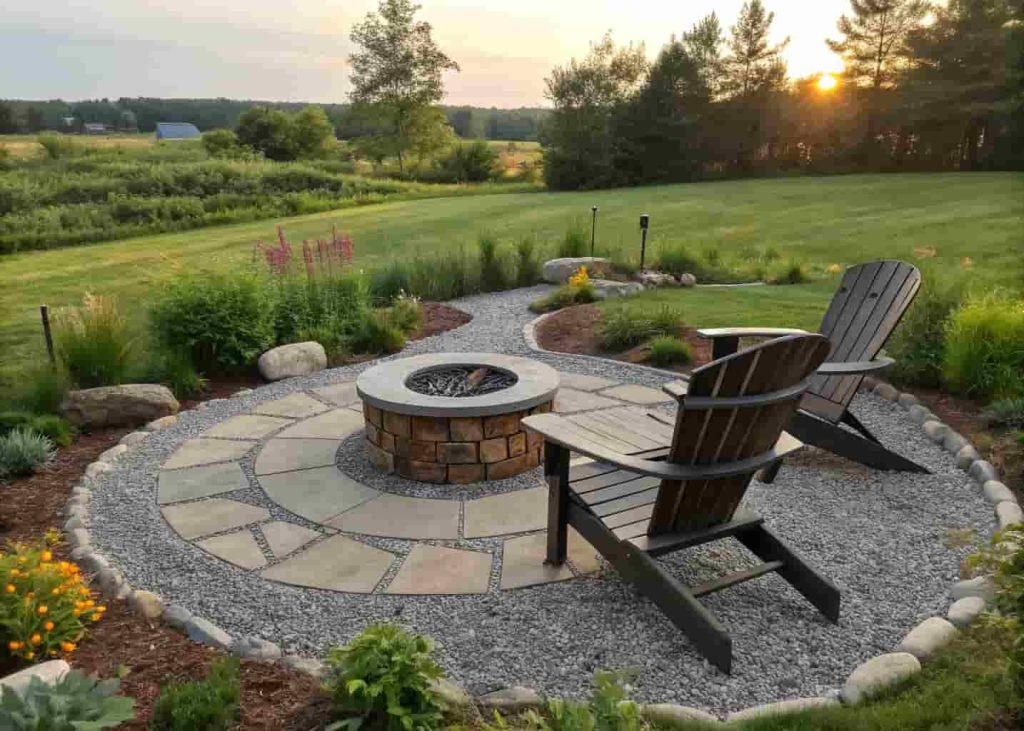
A lot of small yards suffer from poor drainage or patchy grass that makes a firepit look messy no matter how nice the pit itself is. Replacing a section of your yard with a gravel circle solves this completely. You dig down a few inches, lay landscape fabric, pour in pea gravel or crushed stone, and then set your firepit in the center. The gravel handles drainage, it won’t catch fire like grass can, and it gives your firepit area a defined, purposeful look that separates it cleanly from the rest of the yard. It’s one of those changes that costs under $100 but makes a massive visual difference to a small backyard.
11. The Cinder Block Firepit — Fast, Cheap, and Surprisingly Good-Looking
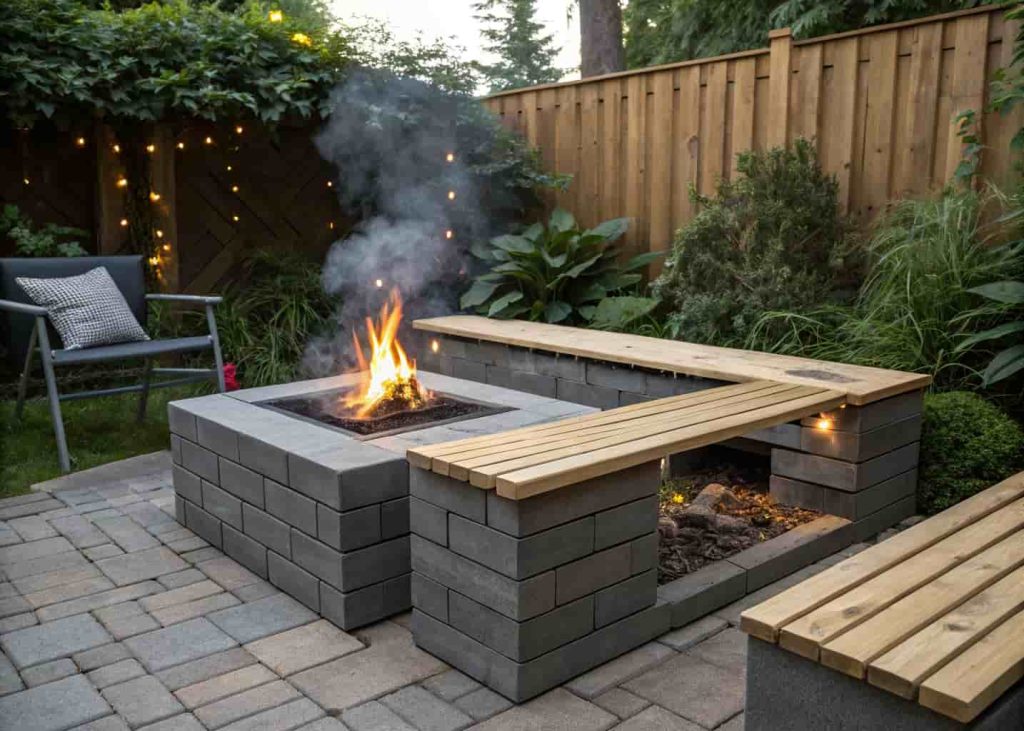
Cinder blocks are maybe the most underrated material in DIY outdoor building. They’re cheap (often under $2 each), widely available, and stack together quickly without any bonding needed for a basic firepit. You can build a solid square or rectangular firepit in about an hour. What makes this even better is that you can paint or stain the blocks, top them with wood or stone for a finished look, and create something that looks nothing like a pile of cinder blocks when it’s done. My brother-in-law built one last spring, painted it a charcoal gray, and honestly it looks like something from a high-end outdoor furniture catalog. DIY firepit perfection on a tight budget.
12. The Paver Firepit Pad — Style Starts From the Ground Up
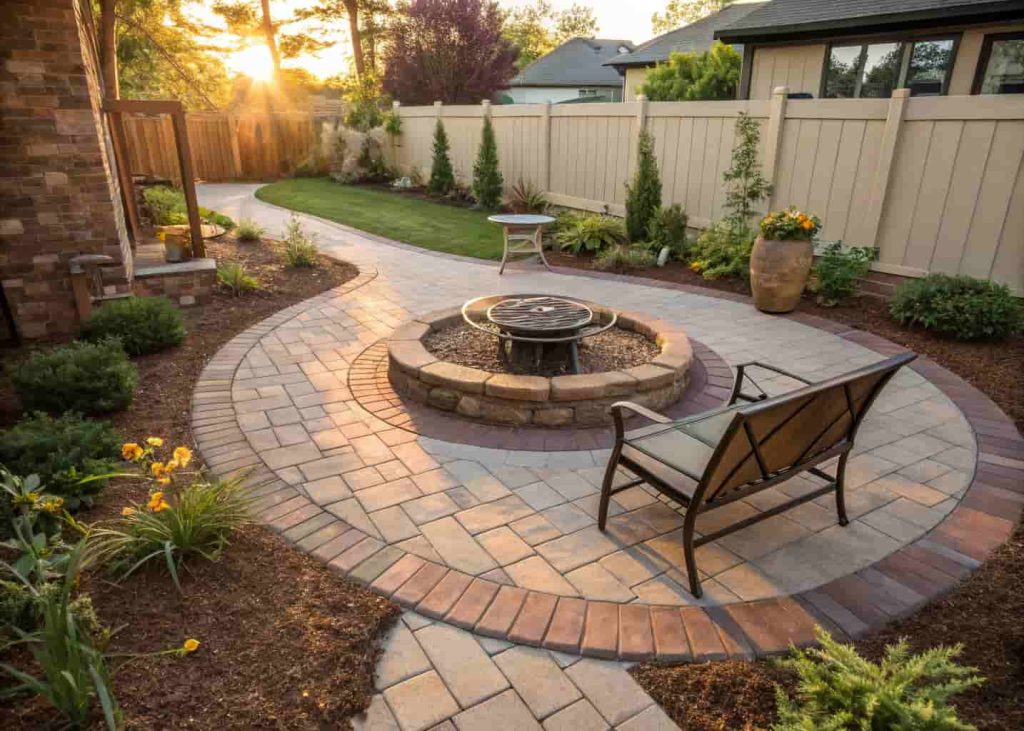
Sometimes the firepit itself is fine — it’s the ground around it that’s the problem. Grass gets muddy, soil shifts, and the whole area looks messy after a few uses. Building a paver pad underneath your firepit solves all of that. You lay a flat circle or square of interlocking concrete or brick pavers, set your pit in the center, and suddenly the whole area looks polished and intentional. Pavers are DIY-friendly, cost-effective, and they last for years without maintenance. In a small backyard, creating defined zones like this actually makes the space feel larger because each area has a clear purpose and a finished edge.
13. The Recycled Oil Drum Firepit — Character and Cost Savings
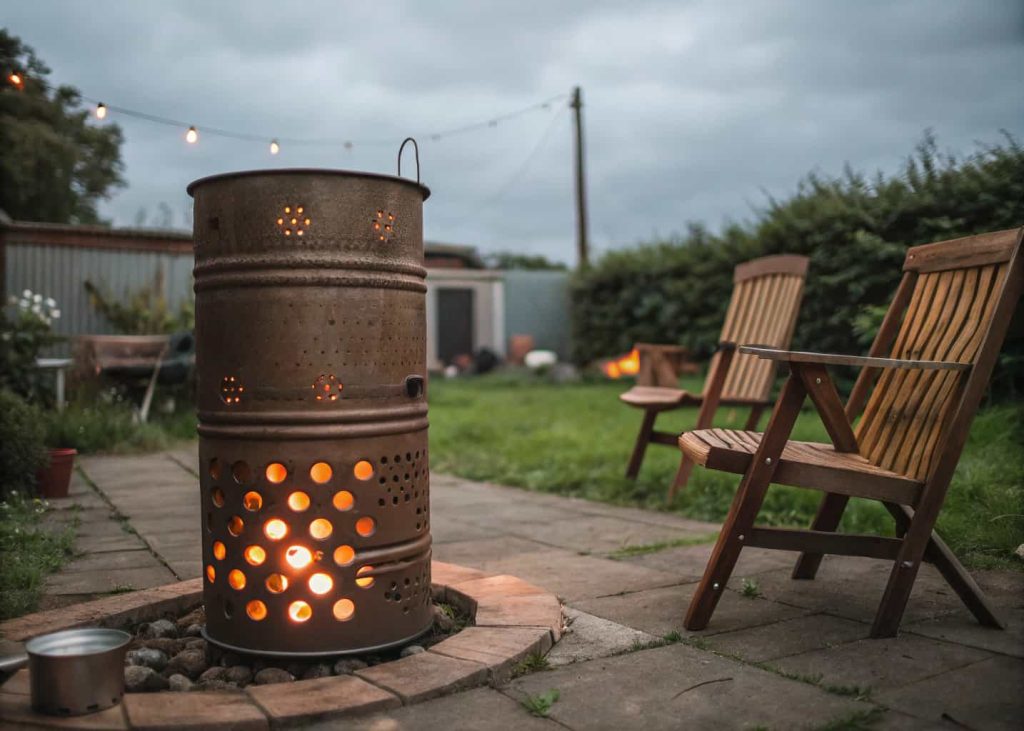
An old oil drum or steel barrel makes one of the most character-filled firepits you can build. You get one (often free or very cheap from farms, auto shops, or online listings), clean it thoroughly, cut ventilation holes around the base with an angle grinder, and add some legs. That’s basically it. The result is an industrial-chic firepit that looks intentional and stylish. In a small yard that already has a rustic or eclectic vibe, this fits in perfectly. The tall, vertical shape also means it takes up a smaller footprint than a wide circular pit, which is a real advantage when space is limited. Functional, free (or nearly), and genuinely cool-looking.
14. The Tabletop Propane Firepit — The Small Yard Secret Weapon
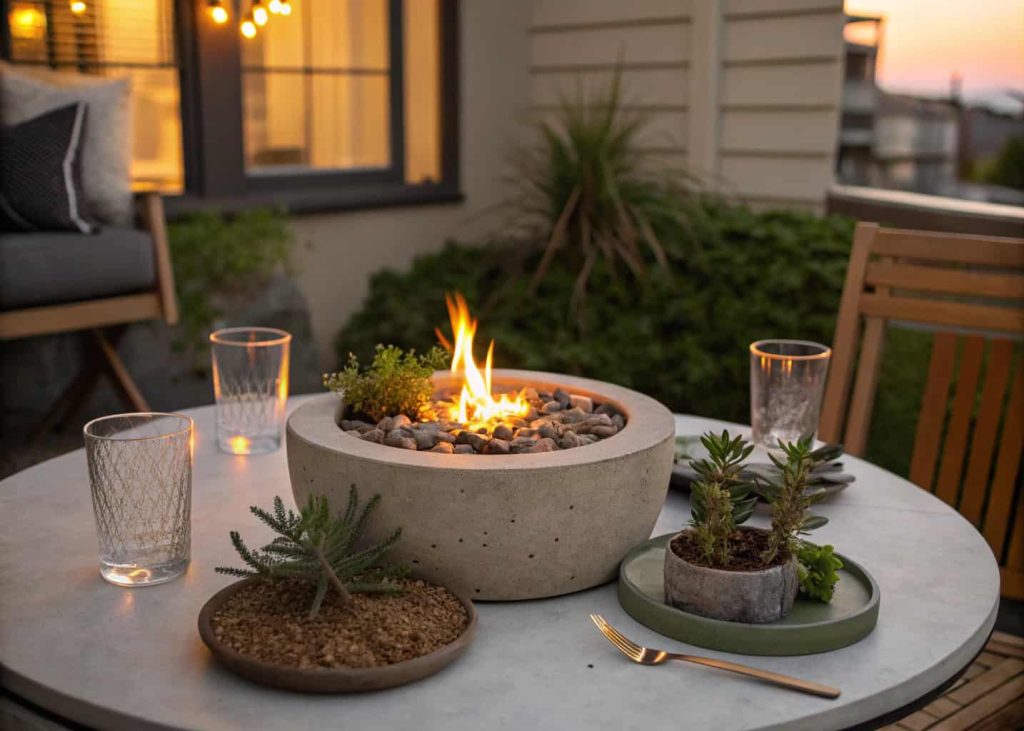
When you truly have no room for anything bigger, a tabletop propane firepit is the answer. These small, compact units sit right on your outdoor table and produce a real flame from a propane canister hidden inside. You can DIY your own version using a simple box frame, concrete top with a cutout, and a small propane burner insert. The result is cozy, safe, and takes up zero extra yard space because it lives on your existing table. They’re perfect for apartment balconies, micro yards, or just as a secondary fire feature on larger patios. A small flame still creates that magical atmosphere — you don’t need a big fire to get the full effect of gathering around one.
Conclusion
A small backyard is not a limitation — it’s just a design puzzle waiting to be solved. Every single one of these 14 firepit ideas was built with tight spaces in mind, and each one proves that you don’t need a big yard to have a beautiful outdoor fire feature. Whether you dig down, build up, go portable, or go tabletop, there’s a design on this list that will work for your specific space and budget. Pick the one that excites you, grab your materials, and spend a weekend building something you’ll actually use for years. Your neighbors are going to ask where you got it — and you’ll get to say you built it yourself.