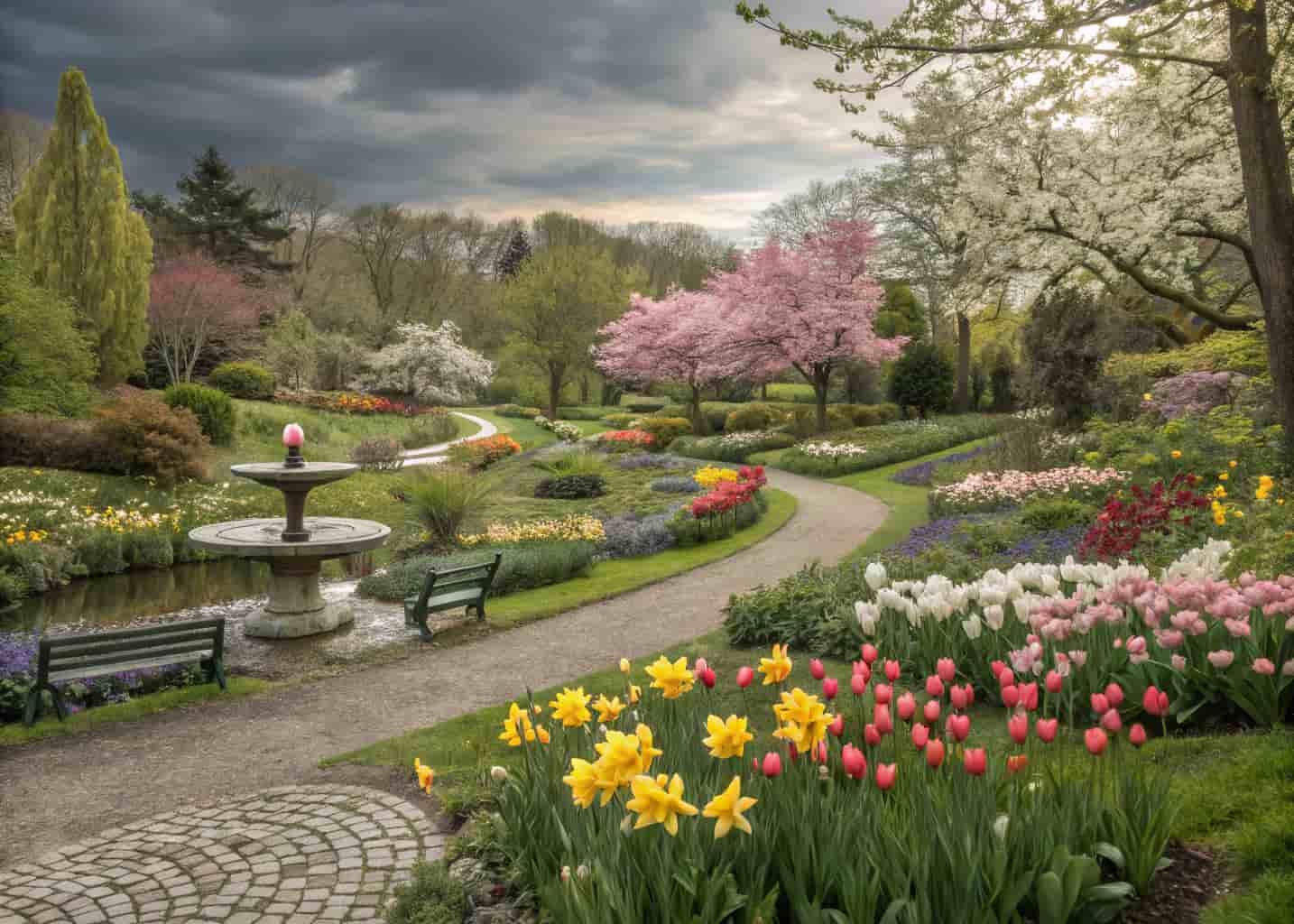
1. Plant a Colorful Flower Border
One of the easiest and most impactful ways to refresh your outdoor space in spring is by planting a vibrant flower border along pathways, fences, or garden edges. Choose a mix of early bloomers like tulips, daffodils, and pansies to create a layered, eye-catching display. Combine different heights so taller plants sit at the back while shorter ones frame the front. Use a color palette that complements your home’s exterior — warm reds and yellows for a cheerful look, or soft purples and whites for an elegant, romantic feel. This simple addition instantly gives your garden a polished, well-designed appearance that lasts all season long.
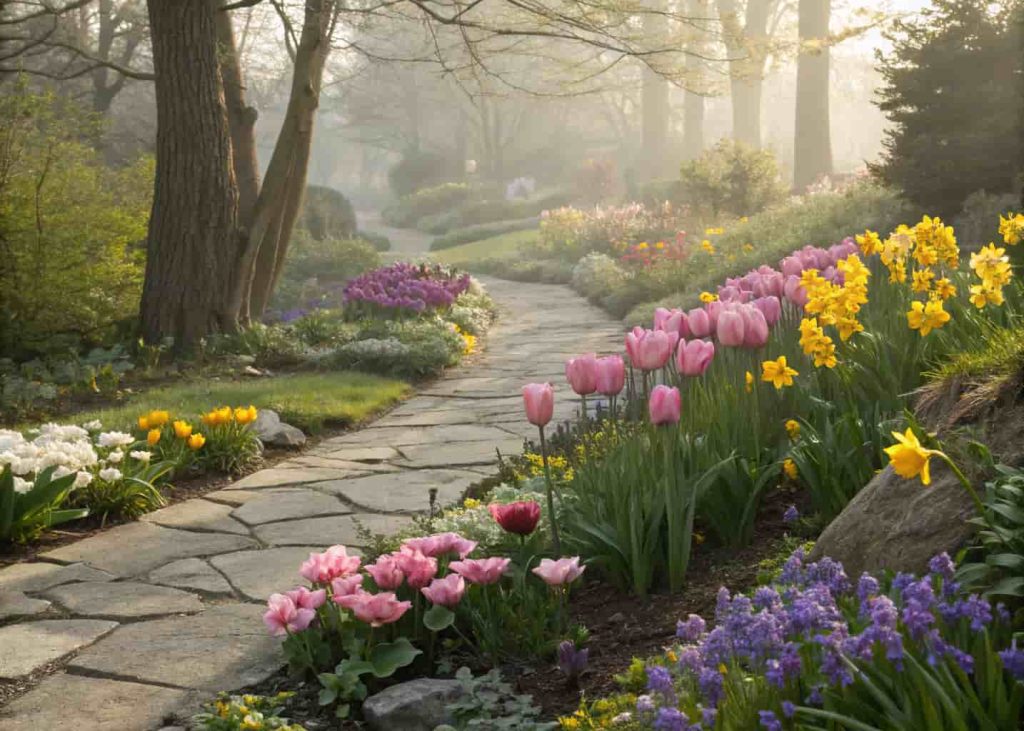
2. Create a Raised Garden Bed
Raised garden beds are a fantastic spring project that combines both beauty and practicality. They improve drainage, warm up faster in spring, and make it easier to control soil quality. Build them from wood, brick, or stone and fill them with nutrient-rich compost and topsoil. You can grow vegetables, herbs, or flowers — or mix all three for a cottage-garden aesthetic. Place them in a sunny spot that receives at least six hours of light daily. Raised beds also reduce back strain while gardening and help keep weeds and pests at bay. Even a single raised bed can dramatically elevate the look and productivity of your outdoor space.
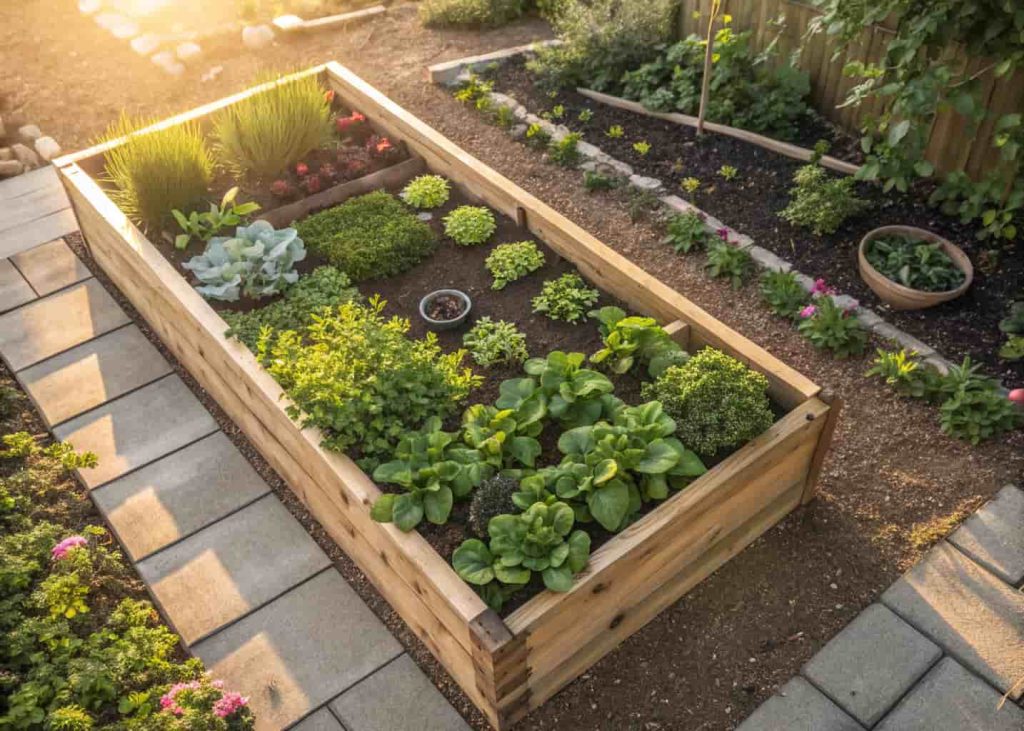
3. Add a Water Feature
Nothing transforms a garden quite like the soothing sound and visual beauty of water. A small fountain, birdbath, or pond adds a sense of calm and elegance that makes your outdoor space feel like a true retreat. You don’t need a large yard — even a compact bubbling fountain placed near a seating area can completely change the mood. Water features also attract birds and butterflies, adding life and movement to your garden. Solar-powered options make installation easy without needing electrical wiring. Surround the feature with moisture-loving plants like ferns, hostas, or water irises to blend it seamlessly into the landscape and create a naturally harmonious atmosphere.
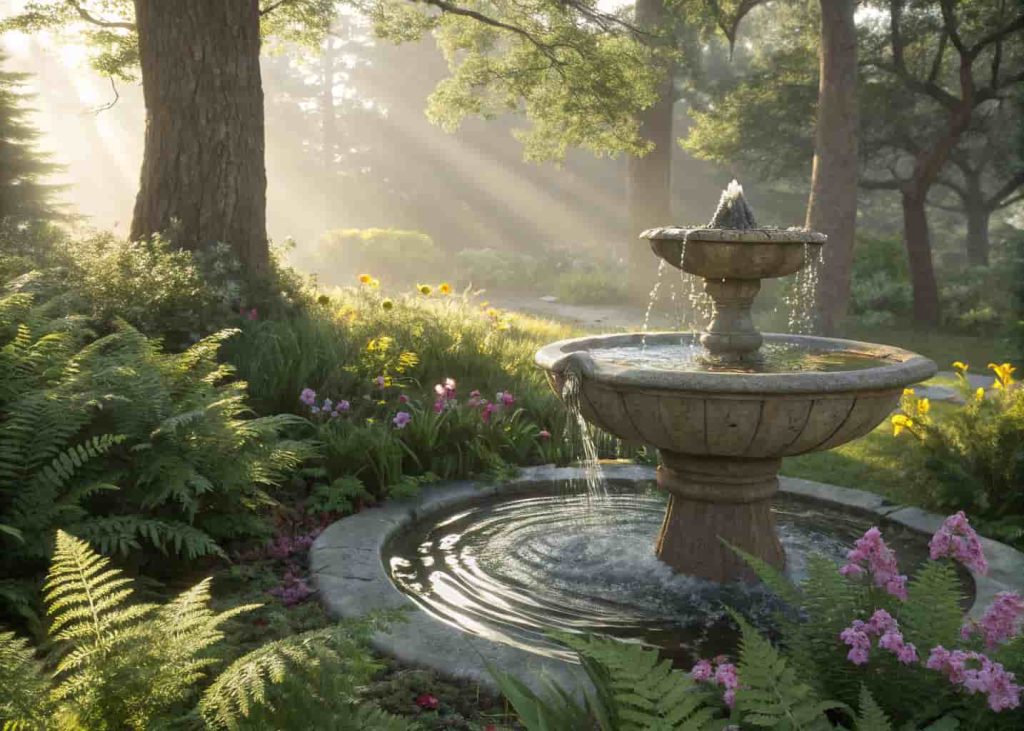
4. Grow a Herb Garden
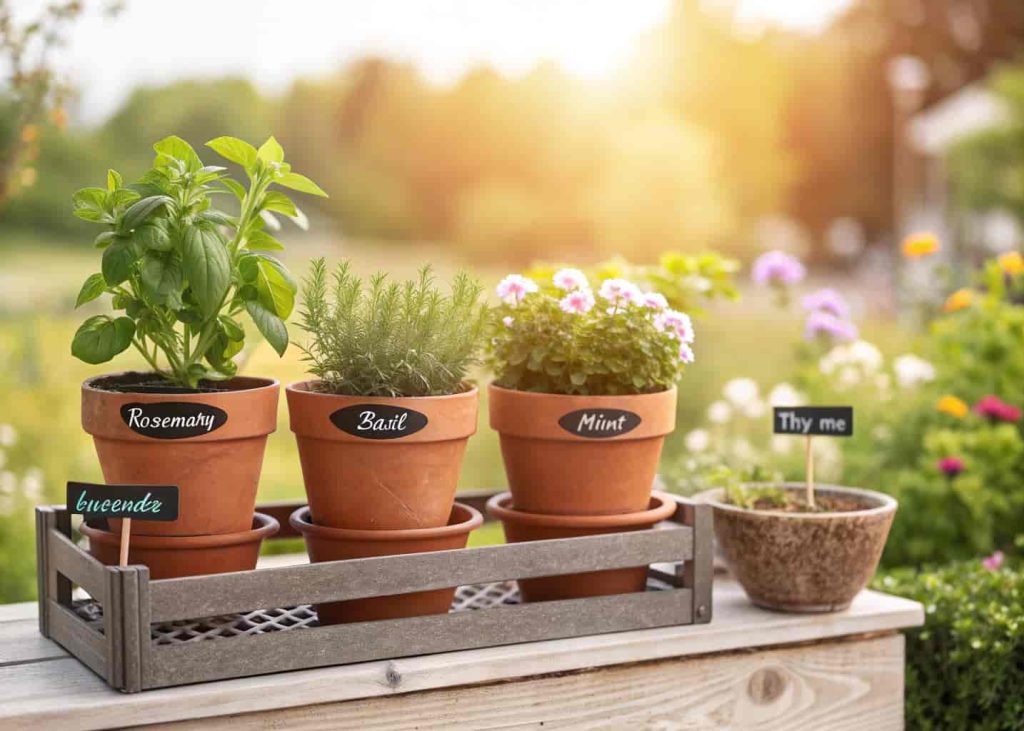
A herb garden is one of the most rewarding spring projects you can start. Fresh herbs like basil, mint, rosemary, thyme, and lavender are not only beautiful but also incredibly useful in the kitchen. Plant them in a dedicated raised bed, terracotta pots, or a tiered planter near your kitchen door for easy access. Group herbs with similar water needs together for healthier growth. Lavender and rosemary prefer dry, sunny conditions, while mint and parsley love moist soil. Label each plant with a small marker for a charming, organized look. A flourishing herb garden adds lovely fragrance, soft textures, and a practical, homegrown touch to your outdoor spring refresh.
5. Install a Garden Pathway
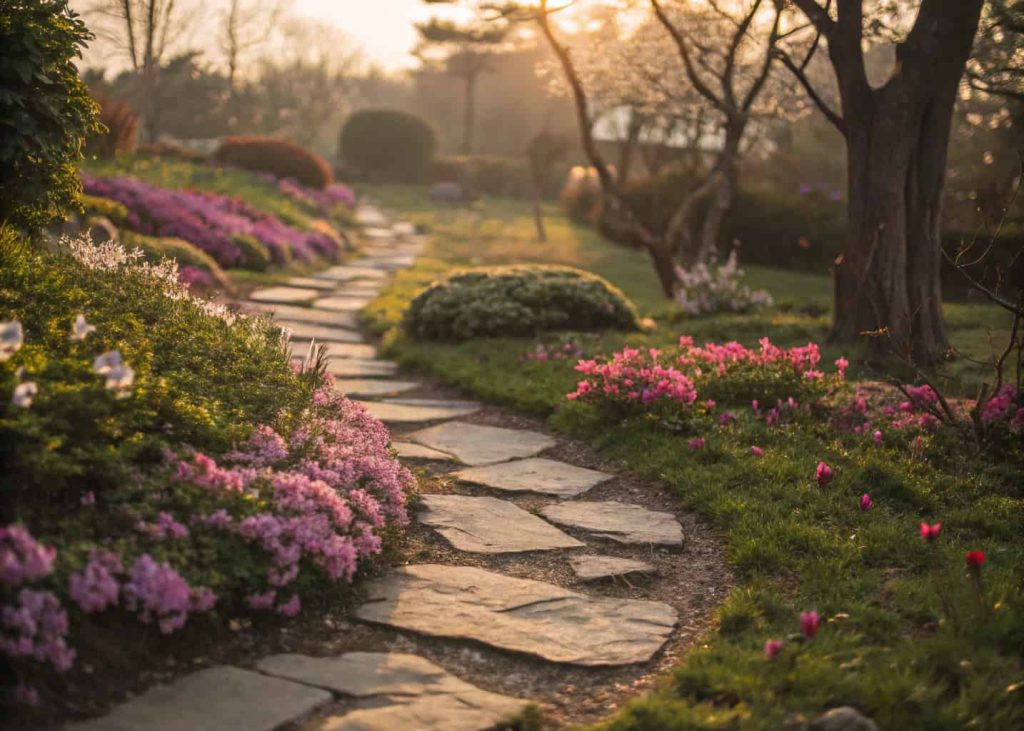
A well-designed pathway does more than just connect two points in your garden — it creates structure, guides the eye, and adds a sense of intention to your outdoor space. Use natural materials like flagstone, gravel, brick, or stepping stones to lay a path through garden beds or across your lawn. Line the edges with low-growing ground covers, ornamental grasses, or flowering plants like alyssum and creeping thyme to soften the look. Curved pathways feel romantic and informal, while straight lines give a more formal, structured appearance. Even a short pathway leading to a bench or garden feature can make your space feel thoughtfully designed and inviting throughout the spring season.
6. Set Up an Outdoor Seating Area
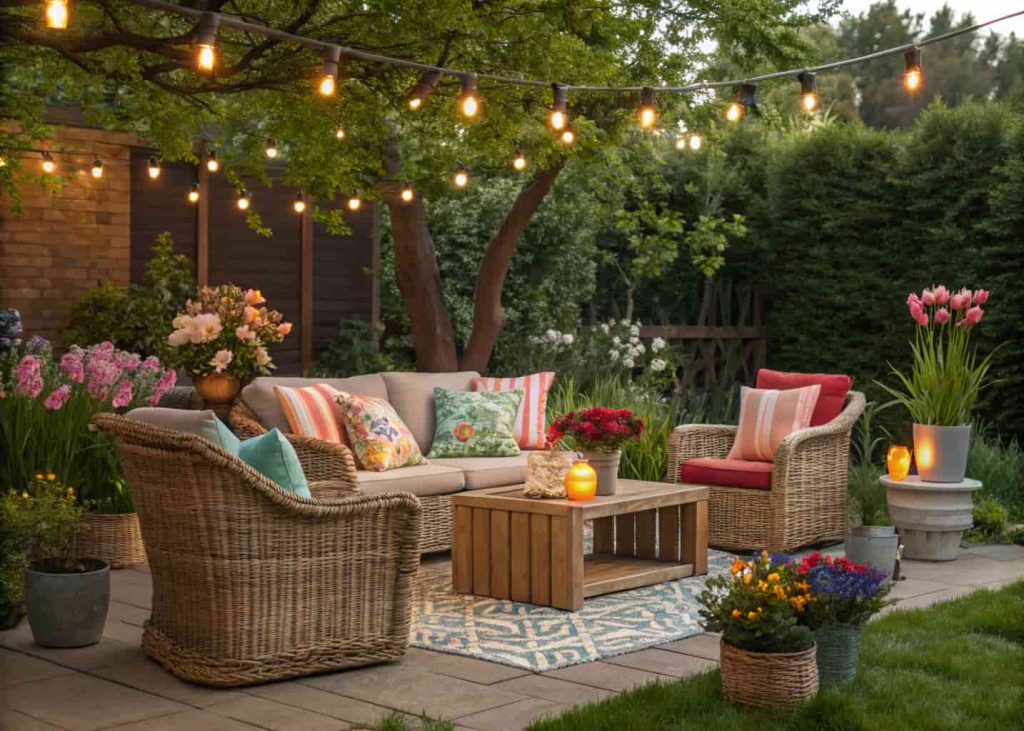
Spring is the perfect season to create a comfortable outdoor seating area where you can relax and enjoy your garden. Choose weather-resistant furniture in wood, rattan, or metal and add cushions in bright, cheerful spring colors. Position your seating beneath a pergola, tree canopy, or market umbrella for shade. Surround the area with potted plants, climbing roses, or fragrant jasmine to create a sense of enclosure and privacy. Add a small side table for drinks and books, and string some outdoor lights for evening ambiance. This dedicated space encourages you to spend more time outdoors, making your garden feel like an extension of your home’s living area.
7. Plant Climbing Vines
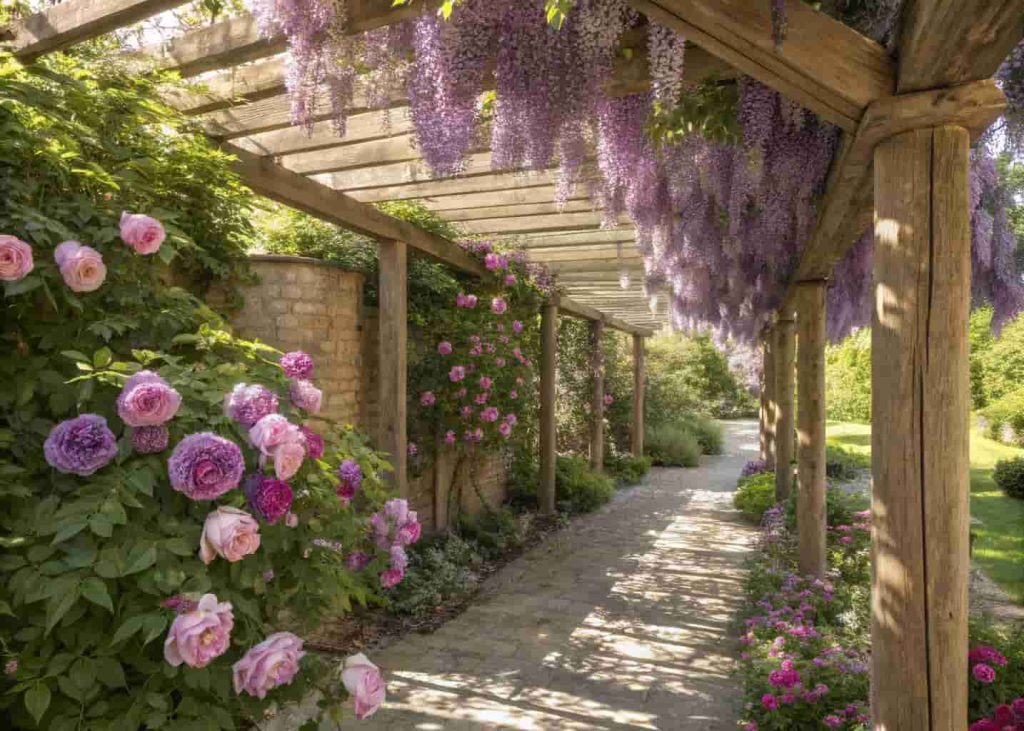
Climbing vines are a beautiful and low-cost way to add vertical interest, privacy, and color to your spring garden. Plants like wisteria, clematis, climbing roses, honeysuckle, and ivy grow quickly and can cover bare walls, fences, trellises, and pergolas with stunning foliage and flowers. Choose a variety suited to your climate and available sunlight. Train the vines along a trellis or wire framework to guide their growth in an attractive direction. Many climbers also attract pollinators like bees and butterflies, adding ecological value to your garden. Over time, climbing vines create a lush, romantic, cottage-like appearance that transforms plain structures into living, flowering architectural features.
8. Refresh Your Garden With Mulch
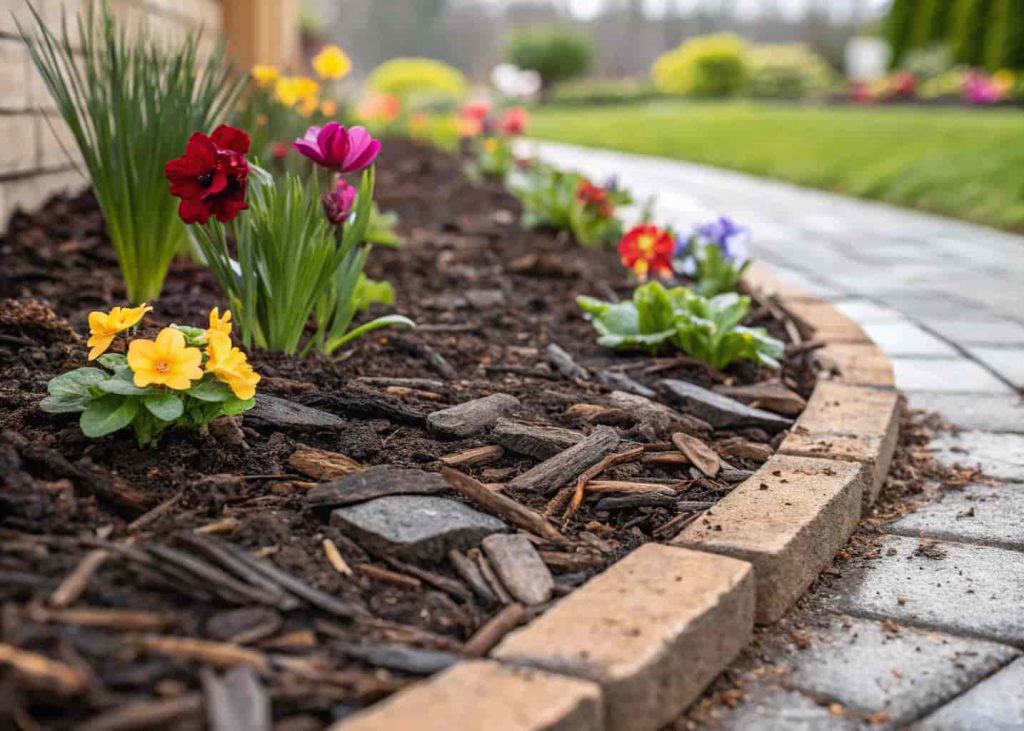
Applying fresh mulch is one of the simplest yet most transformative things you can do in your spring garden. A two-to-three-inch layer of organic mulch — such as shredded bark, wood chips, or cocoa hulls — around your plants and garden beds instantly improves the visual appearance by giving everything a clean, neat, finished look. Beyond aesthetics, mulch retains soil moisture, suppresses weeds, regulates soil temperature, and gradually breaks down to enrich the soil with nutrients. Use it around flower beds, trees, shrubs, and vegetable gardens. Choose a color and texture that complements your plants and hardscape. This affordable update makes a big visual difference and saves time on maintenance throughout the growing season.
9. Create a Butterfly and Bee Garden
Welcoming pollinators into your garden is both beautiful and environmentally meaningful. Create a dedicated pollinator garden by planting nectar-rich flowers that attract butterflies, bees, and hummingbirds throughout the spring season. Good choices include lavender, coneflowers, black-eyed Susans, marigolds, salvia, and sweet William. Plant in clusters of the same species so pollinators can easily find and access the blooms. Avoid pesticides in this area to keep the garden safe for beneficial insects. Add a shallow water dish with pebbles for bees to drink from. This type of garden buzzes with life and color, creating a constantly changing, living display that makes your outdoor space feel dynamic, natural, and full of joyful energy.

10. Build a Vertical Garden
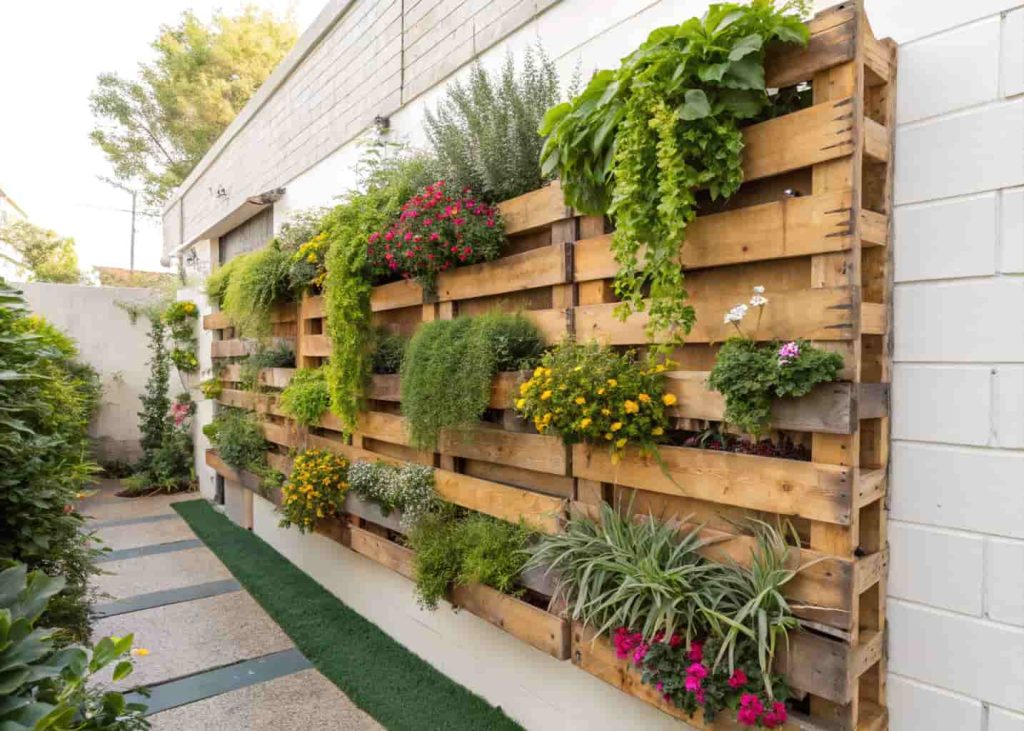
If you’re short on horizontal space, think vertically. A vertical garden — also called a living wall — lets you grow plants upward using wall-mounted planters, pocket panels, pallets, or stacked containers. These work beautifully on balconies, patios, or small urban gardens where ground space is limited. Fill them with a mix of succulents, herbs, trailing flowers like petunias and lobelia, or even strawberries. Use a drip irrigation system or self-watering planters to make maintenance manageable. Vertical gardens serve as living art installations — adding color, texture, and freshness to blank walls or fences. They also improve air quality and provide insulation. This creative solution makes even the tiniest outdoor space feel lush and abundant.
11. Add Decorative Garden Pots and Planters
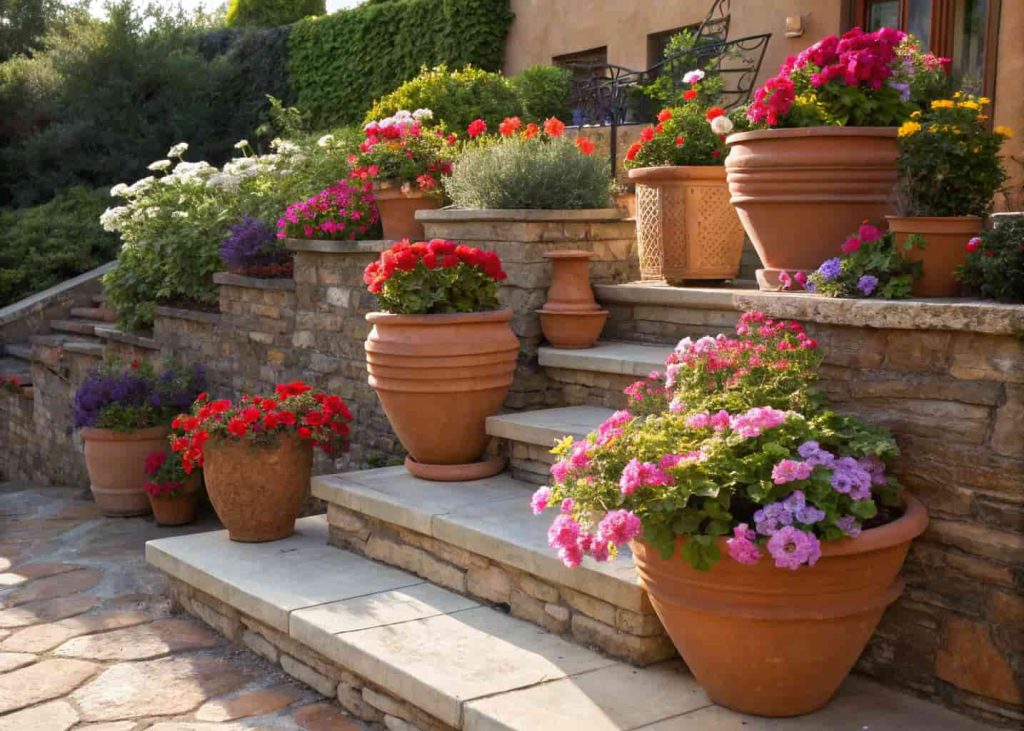
Decorative pots and planters offer one of the most flexible and instantly rewarding ways to refresh your spring garden. Group pots of varying sizes, shapes, and materials — terracotta, ceramic, glazed, or concrete — together to create a visually interesting display. Plant them with spring favorites like geraniums, petunias, lobelia, or mixed succulent arrangements. Place them beside doorways, along steps, or scattered across a patio to add color and life wherever your garden needs it most. Planters can be moved and rearranged with the seasons, giving you total creative freedom. Painting or stenciling plain pots adds a personal, handcrafted touch. This is an ideal option for renters or those who want beautiful results without major landscaping work.
12. Plant a Moon Garden
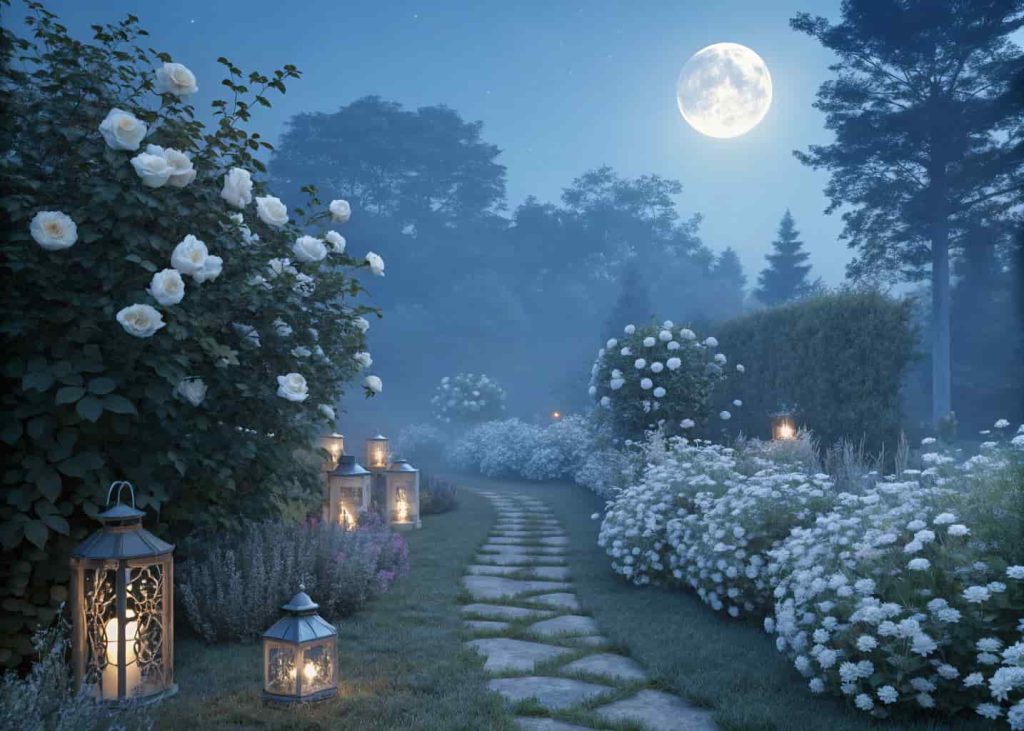
A moon garden is a magical and unique spring idea that focuses on white and silver-toned plants that glow beautifully in the evening and under moonlight. Plant white roses, white phlox, moonflowers, silvery lamb’s ear, white hostas, and fragrant night-blooming jasmine. These plants reflect even the faintest light, making the garden shimmer after sunset. Add soft outdoor lighting or candles to enhance the effect. A moon garden is perfect for those who enjoy spending evenings outdoors but want a calm, sophisticated alternative to brightly colored flower beds. This dreamy, serene space feels enchanting and romantic, offering a completely different garden experience that becomes especially beautiful during full moon nights in spring and summer.
13. Install Garden Lighting
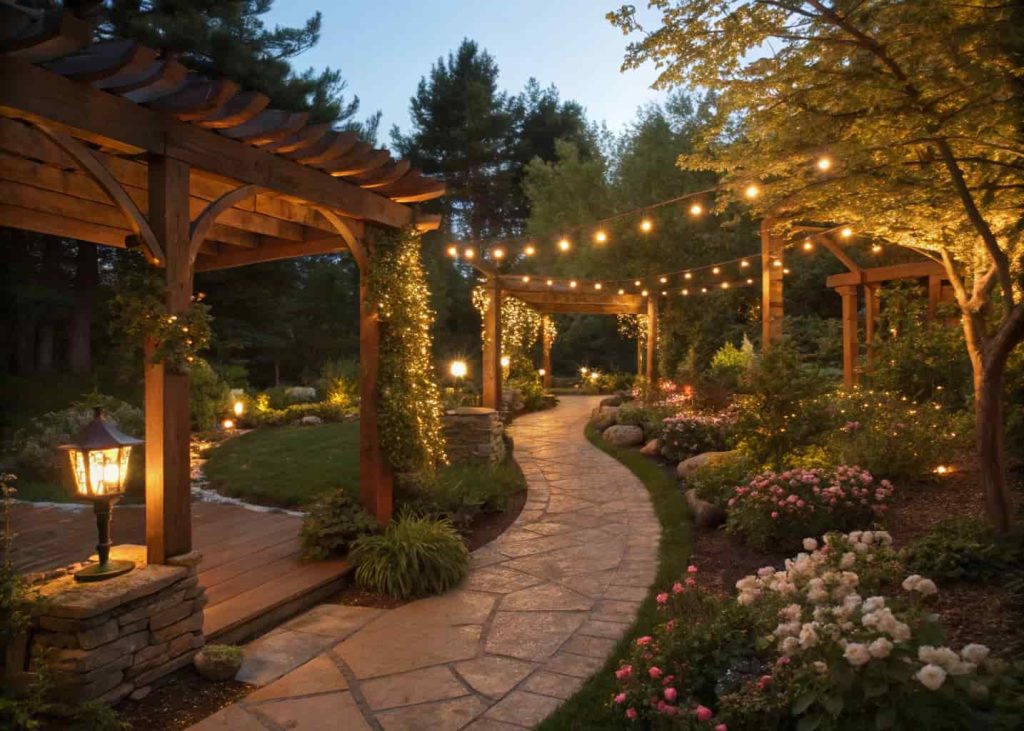
Outdoor garden lighting extends the time you can enjoy your outdoor space well beyond daylight hours. Solar-powered stake lights along pathways, string lights draped over pergolas, and spotlights highlighting trees or sculptures all add warmth and atmosphere to your spring garden. Choose warm white bulbs for a cozy, inviting glow, or go for Edison-style bulbs for a vintage aesthetic. Lighting also improves safety by illuminating steps and pathways. Spotlights placed at the base of flowering trees or garden features create dramatic, eye-catching effects after dark. With the wide availability of solar and low-voltage LED options, installing garden lighting is affordable, eco-friendly, and surprisingly easy — transforming your garden into a beautiful, usable space day and night.
14. Start a Container Vegetable Garden
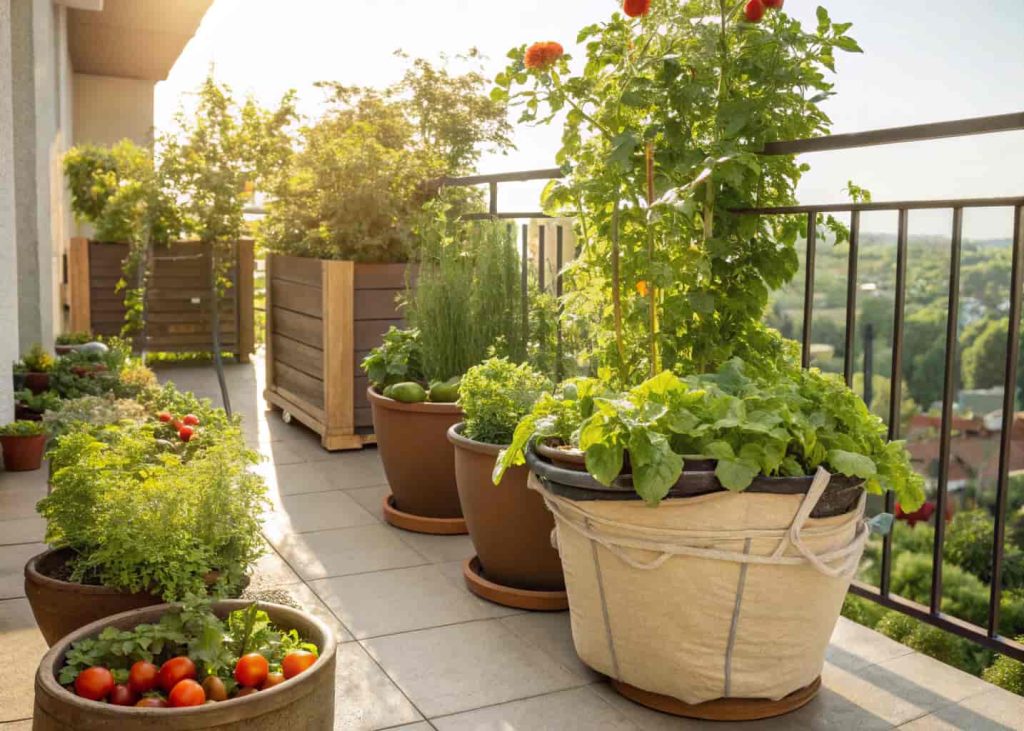
Growing your own vegetables doesn’t require a large plot of land. A container vegetable garden is a brilliant spring idea for balconies, patios, and small yards. Use large, deep pots or grow bags to plant tomatoes, peppers, cucumbers, lettuce, spinach, and beans. Make sure each container has adequate drainage holes and is filled with a quality potting mix enriched with compost. Place containers in the sunniest spot available. Water regularly and feed every two weeks with a balanced liquid fertilizer for best results. Not only is homegrown produce healthier and fresher, but the process of growing your own food is deeply satisfying. A container vegetable garden looks attractive while providing a practical, sustainable, and rewarding spring gardening experience.
15. Create a Cozy Garden Nook
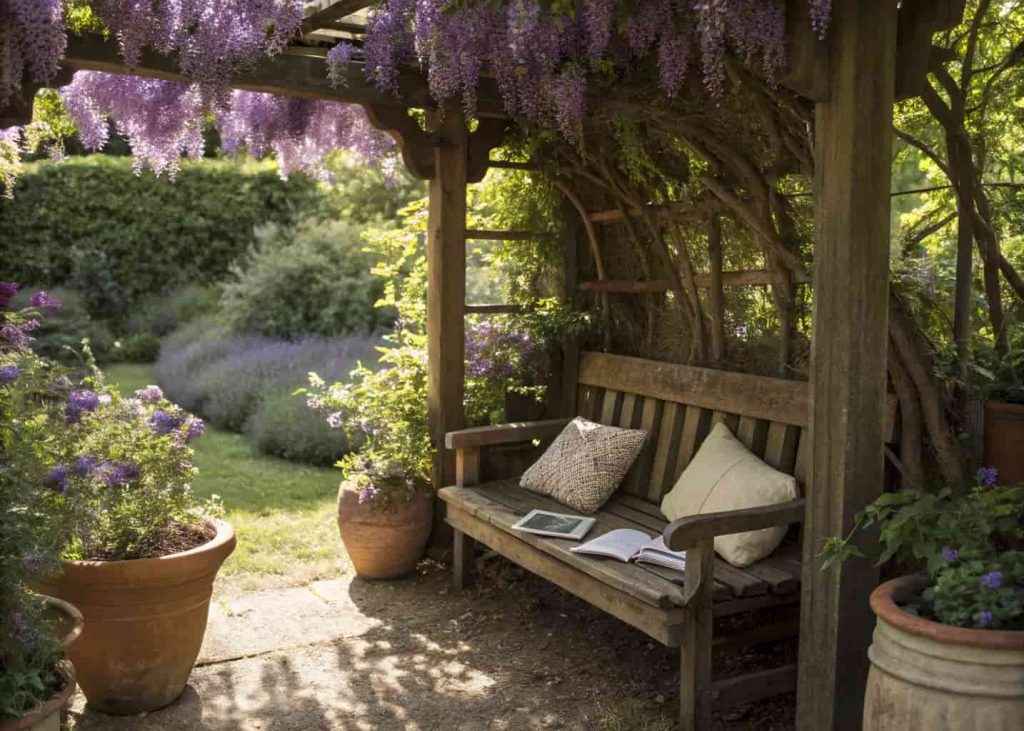
Every garden deserves a special quiet corner — a personal sanctuary where you can escape, read, or simply breathe in the beauty around you. Create a cozy garden nook by tucking a small bench, hammock, or chair beneath a tree or within a curved section of hedgerow. Add climbing roses or wisteria for an overhead canopy of flowers, and place potted lavender or jasmine nearby for fragrance. Hang a wind chime, add a small side table, and lay a weather-resistant rug to define the space. Surround it with soft grasses and shade-loving plants like hostas and ferns for texture and privacy. This intimate garden retreat becomes the most cherished spot in your spring outdoor space.
Conclusion
Spring is nature’s own invitation to start fresh, and your garden is the perfect canvas. Whether you begin with one raised bed, a row of colorful planters, or a full garden redesign, every small change brings you closer to the outdoor space of your dreams. These 15 ideas are designed to suit different budgets, spaces, and skill levels — so there is truly something here for every gardener. The most important thing is to begin. Even one weekend of effort can produce results that delight you every single morning when you step outside. Let this spring be the season you finally fall in love with your outdoor space all over again.