Table of Contents Hide
- Introduction: The Charm of Traditional Living Room Design
- Choosing a Classic Color Palette
- Selecting Elegant Traditional Furniture
- Incorporating Rich Fabrics and Textiles
- Adding Statement Lighting Fixtures
- Decorating with Timeless Accessories
- Using Wall Treatments and Architectural Details
- Creating Symmetry and Balanced Layouts
- Incorporating Wooden Elements for Warmth
- Adding Personal and Heritage Touches
- Mixing Comfort with Formal Elegance
- Conclusion: Designing a Living Room That Never Goes Out of Style
Introduction: The Charm of Traditional Living Room Design
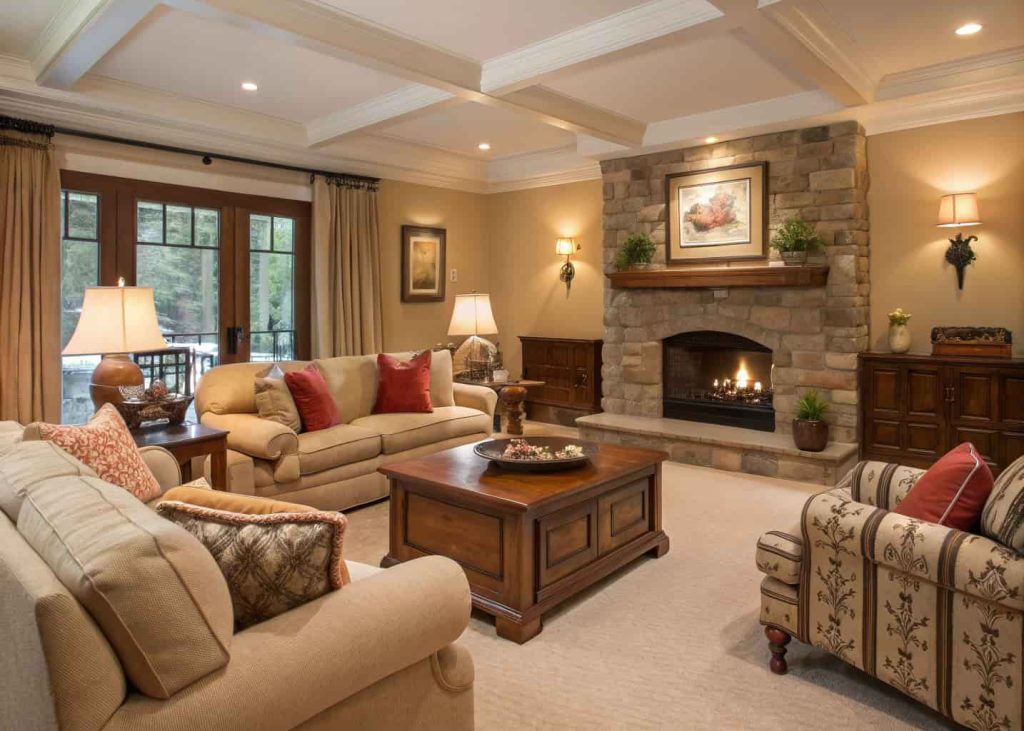
Traditional living room decor represents timeless elegance, comfort, and refined beauty. Inspired by classic European interiors, this style focuses on symmetry, rich textures, and sophisticated details that never go out of fashion. A traditional living room feels warm, welcoming, and polished without appearing overly formal. By combining classic furniture, layered textiles, and carefully chosen accessories, homeowners can create a space that balances luxury with everyday comfort. Whether you are redesigning your entire room or adding classic touches, traditional decor offers a graceful aesthetic that remains stylish through changing trends and seasons.
Choosing a Classic Color Palette
A timeless traditional living room begins with a refined color palette. Neutral shades such as cream, beige, ivory, and soft gray provide a sophisticated foundation. These colors create warmth while allowing furniture and decor details to stand out. Rich accent tones like deep blue, burgundy, forest green, or gold can be added through cushions, curtains, or artwork. Traditional interiors avoid overly bold contrasts and instead focus on harmony and balance. A cohesive palette enhances elegance and ensures the space feels calm, inviting, and visually connected throughout the design.
Selecting Elegant Traditional Furniture
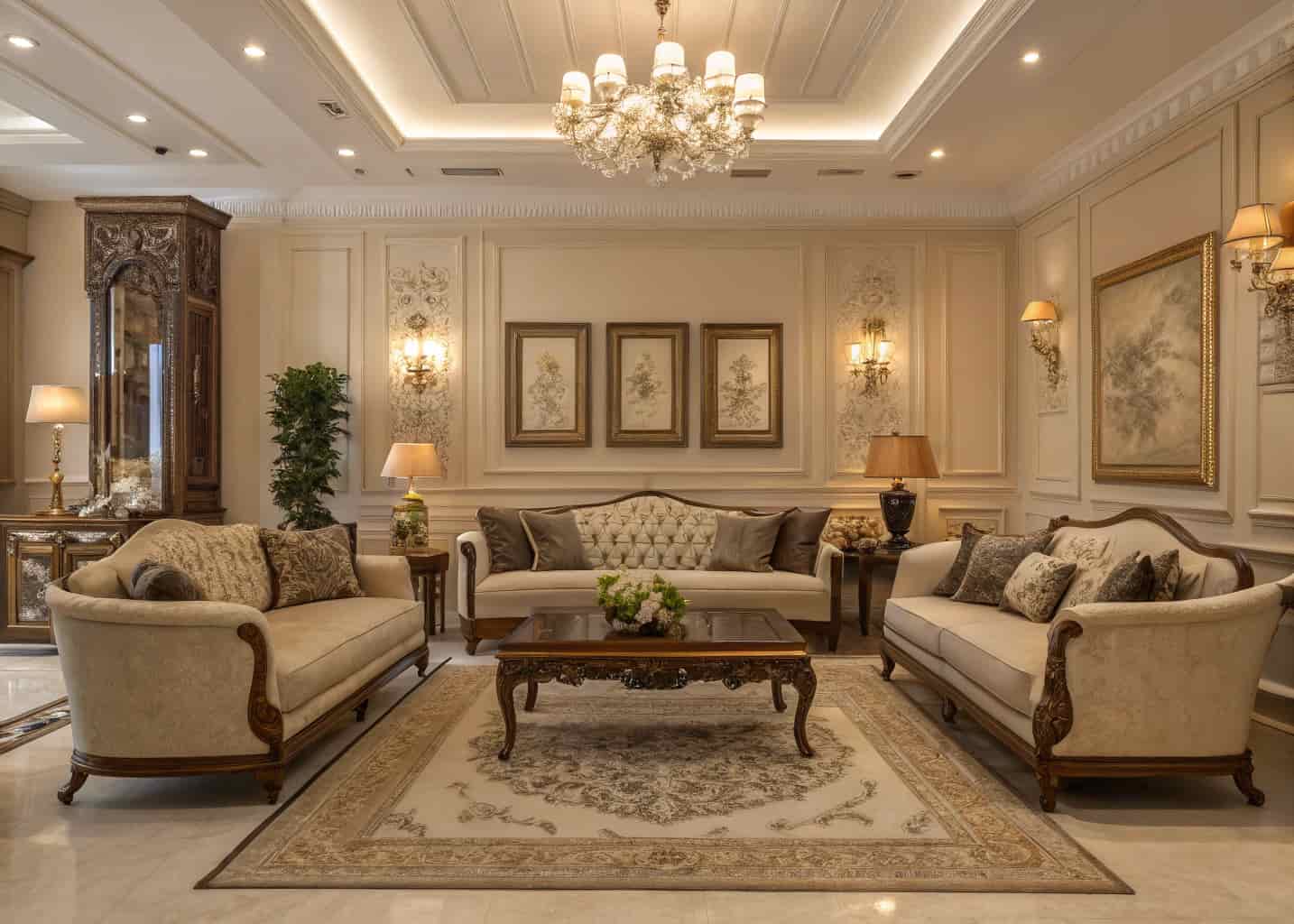
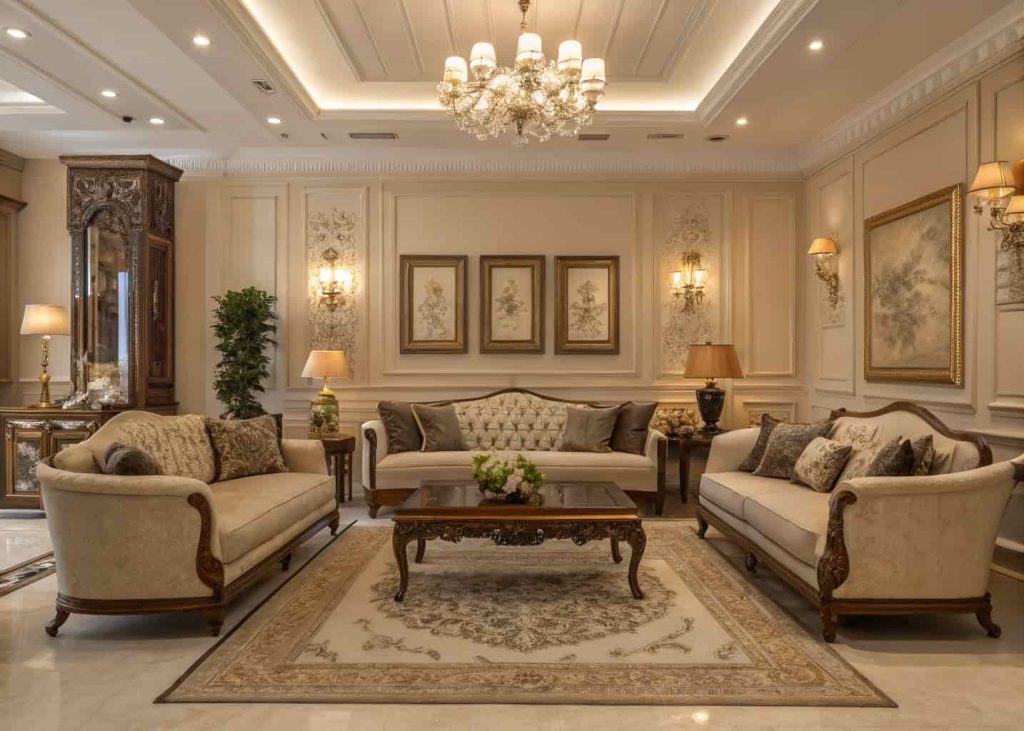
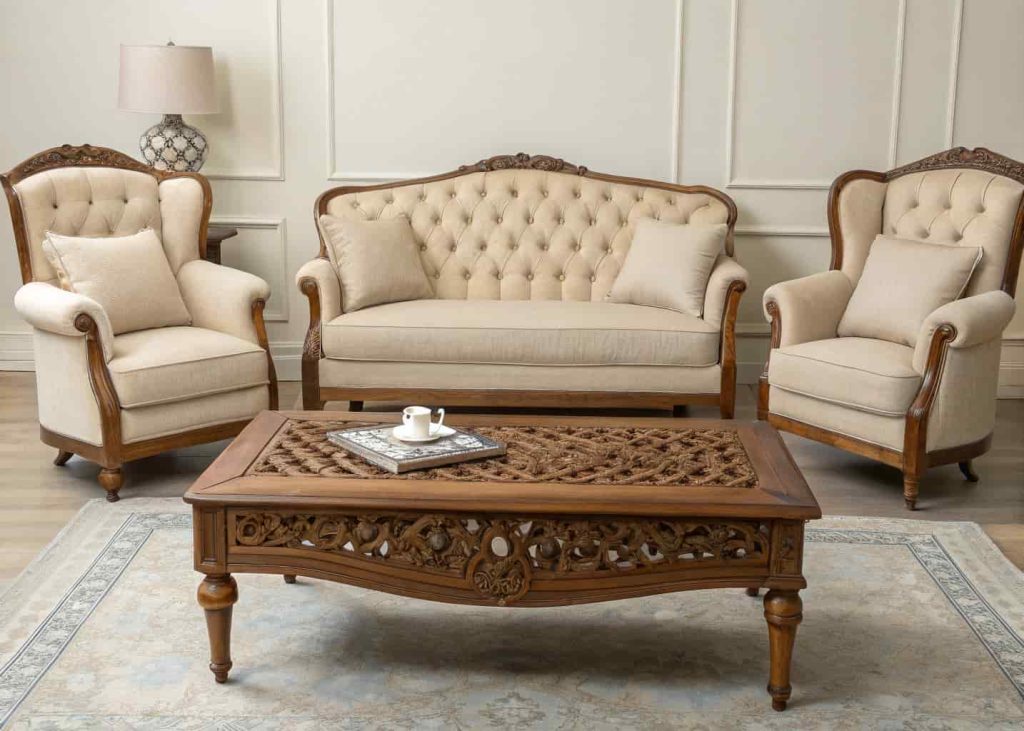
Furniture plays a central role in achieving traditional style. Look for pieces with curved lines, carved wood details, tufted upholstery, and rolled arms. Sofas and armchairs often feature luxurious fabrics such as velvet, linen, or patterned textiles. Wooden coffee tables and side tables with rich finishes add warmth and character. Arrange furniture symmetrically to create a balanced and formal appearance. Comfort remains essential, so choose seating that feels inviting while maintaining classic sophistication. Well-crafted furniture becomes the foundation of a timeless living room design.
Incorporating Rich Fabrics and Textiles
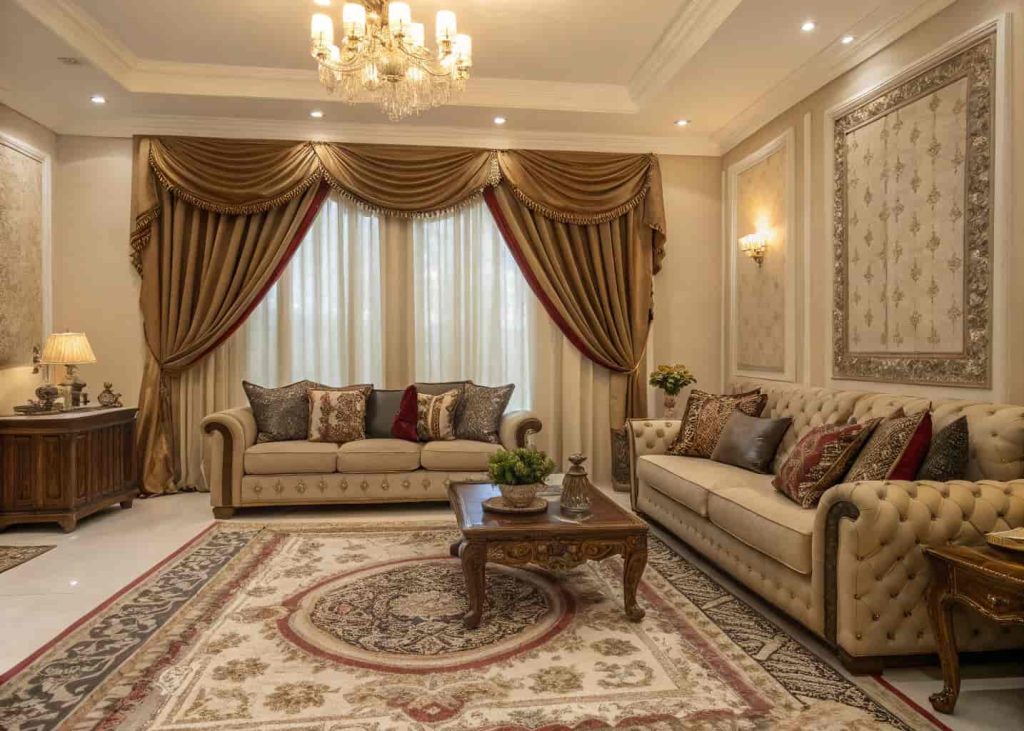
Traditional living rooms are known for layered textiles that add softness and luxury. Curtains, rugs, cushions, and throws help create depth and warmth. Choose fabrics like silk, velvet, damask, or cotton blends for a refined appearance. Patterned upholstery or floral prints can introduce classic charm without overwhelming the space. Area rugs with traditional motifs anchor seating areas and enhance comfort. Layering fabrics not only improves visual appeal but also creates a cozy atmosphere that makes the living room feel welcoming and lived-in.
Adding Statement Lighting Fixtures
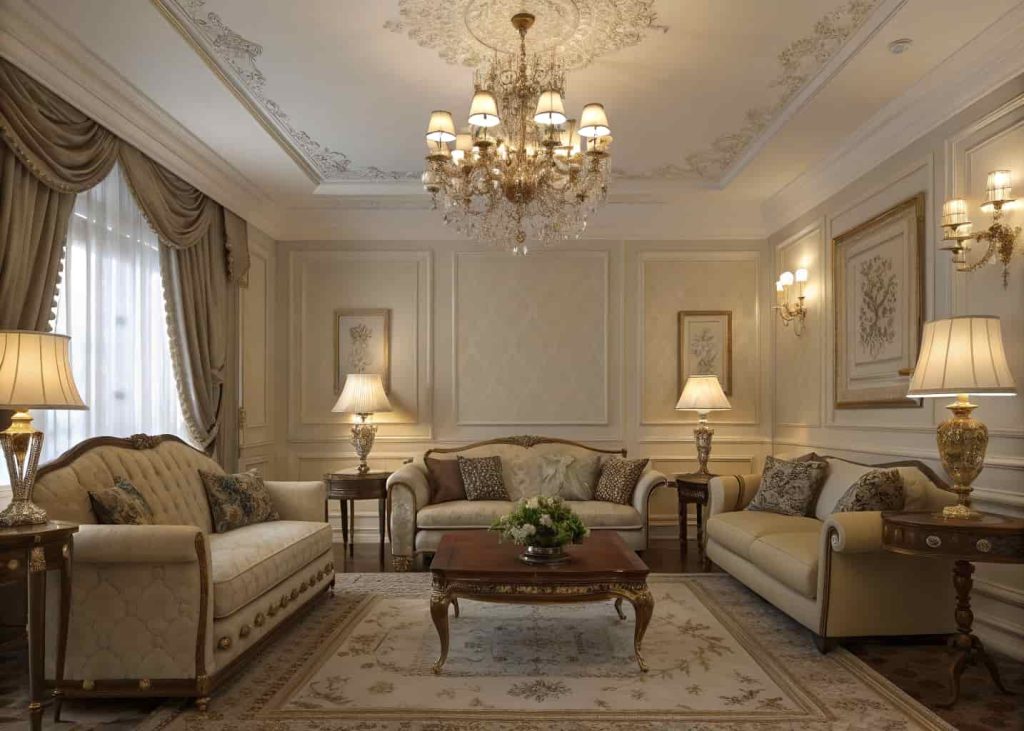
Lighting is essential in traditional interiors because it enhances elegance and highlights architectural details. Chandeliers, table lamps with decorative bases, and wall sconces are popular choices. Warm lighting creates a cozy and inviting atmosphere while emphasizing classic decor elements. Crystal or brass finishes add sophistication and reflect light beautifully. Layering multiple light sources ensures both functionality and ambiance. Proper lighting transforms the living room into a refined space suitable for relaxing evenings and formal gatherings alike.
Decorating with Timeless Accessories
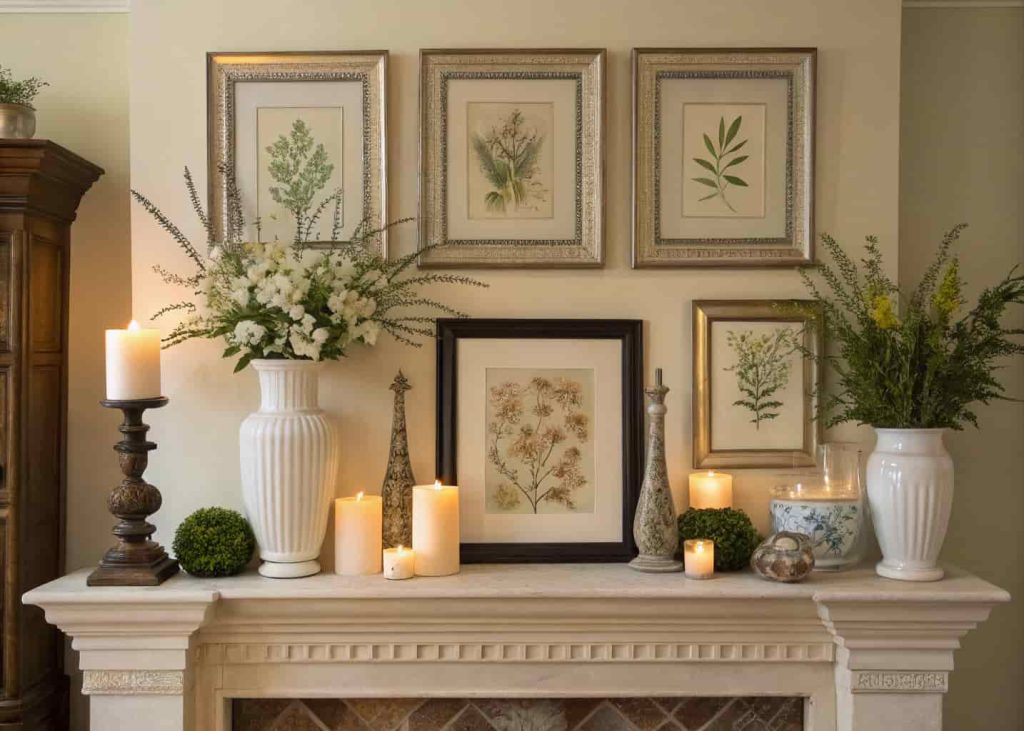
Accessories complete the traditional look by adding personality and refinement. Decorative items such as porcelain vases, framed artwork, antique clocks, and sculptural accents enhance visual interest. Designers often use symmetrical arrangements on mantels or side tables to maintain balance. Avoid clutter by selecting a few meaningful pieces that complement the overall theme. Classic accessories provide character while reinforcing the timeless elegance associated with traditional living room decor.
Using Wall Treatments and Architectural Details
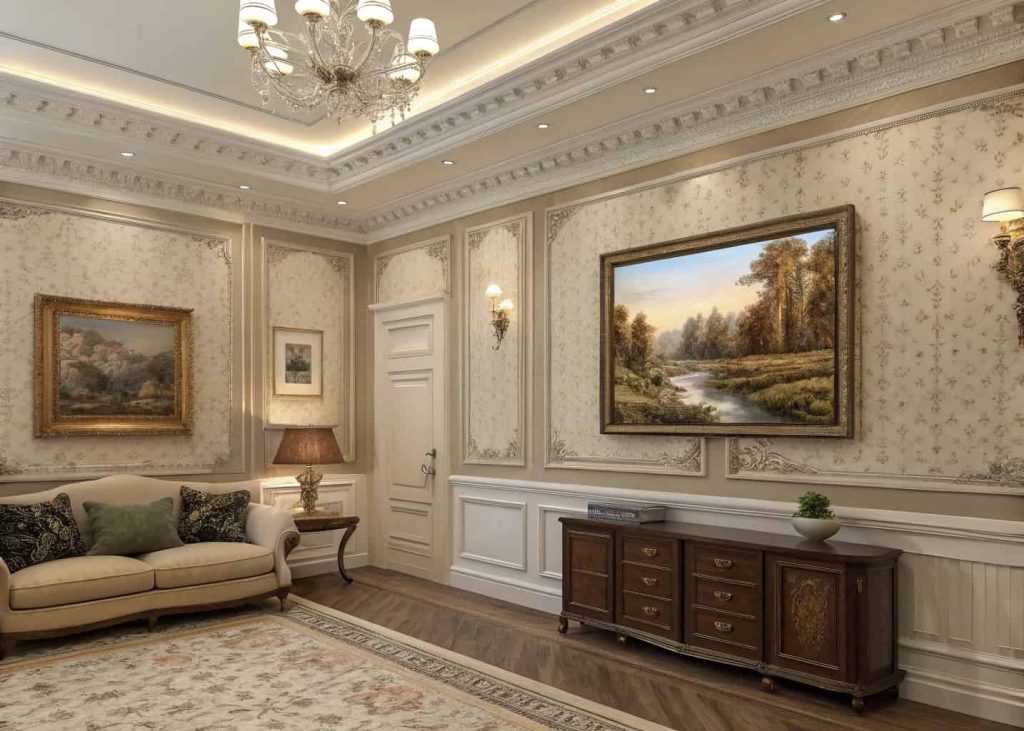
Walls in traditional living rooms often feature elegant architectural elements. Crown molding, wainscoting, and decorative panels instantly elevate the space and add depth. Wallpaper with subtle patterns or textured finishes can introduce classic sophistication. Large framed paintings or mirrors enhance formality and reflect light around the room. These details create visual richness and reinforce the timeless appeal of traditional interiors while adding a sense of craftsmanship and history.
Creating Symmetry and Balanced Layouts
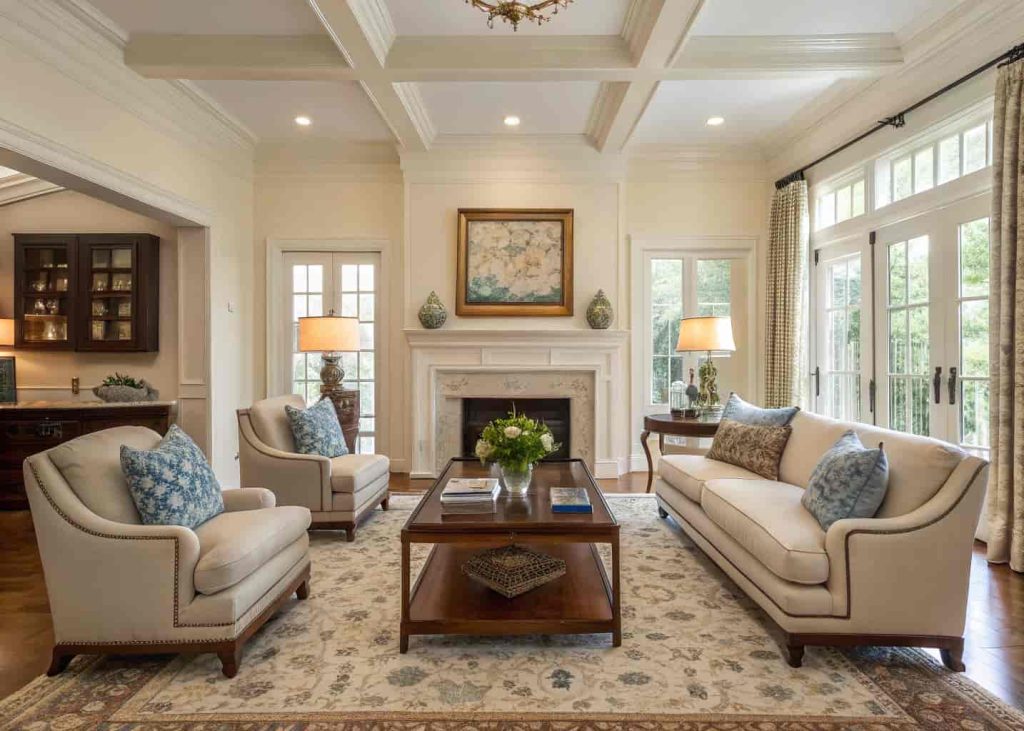
Symmetry is one of the defining characteristics of traditional design. Matching lamps, paired armchairs, and centered furniture arrangements create a sense of order and harmony. Designers often position a sofa opposite a focal point such as a fireplace or coffee table. Balanced layouts make the room feel organized and visually pleasing. Even decorative elements like cushions or artwork can follow symmetrical placement to maintain consistency. This structured approach contributes to the calm and elegant atmosphere of a traditional living room.
Incorporating Wooden Elements for Warmth
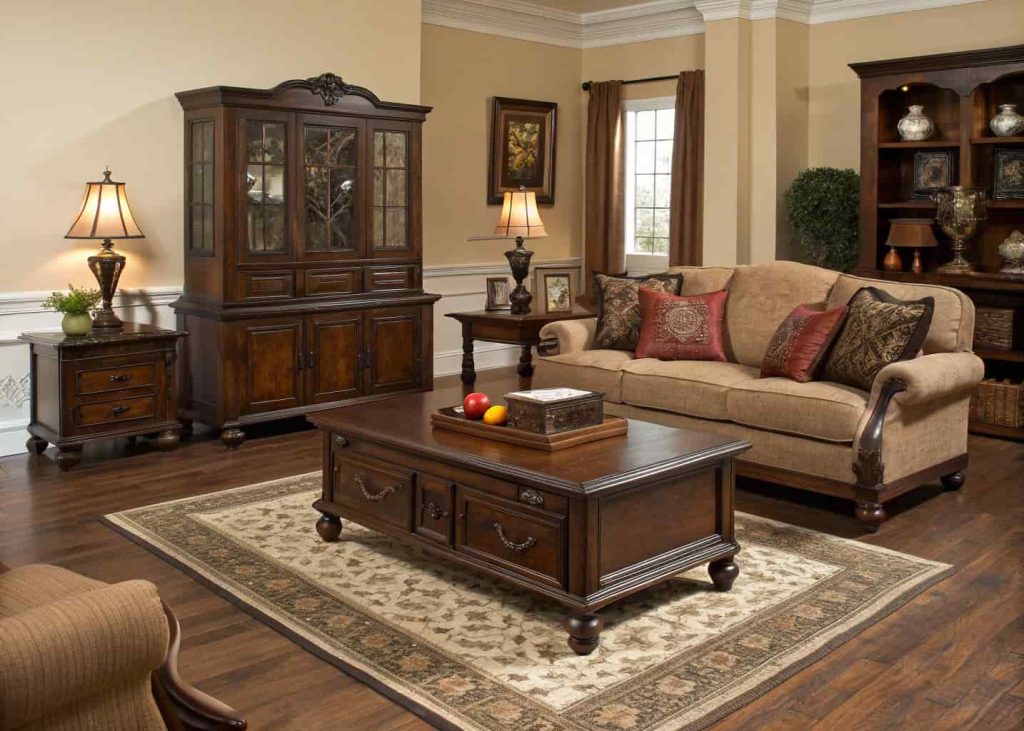
Wood adds richness and authenticity to traditional interiors. Hardwood flooring, carved furniture, and wooden accents introduce natural warmth and timeless beauty. Dark wood tones such as mahogany, walnut, or cherry are commonly used to create depth and sophistication. Even small wooden details like picture frames or side tables help reinforce the classic aesthetic. Combining wood with soft textiles creates a balanced contrast that feels both elegant and comfortable
Adding Personal and Heritage Touches
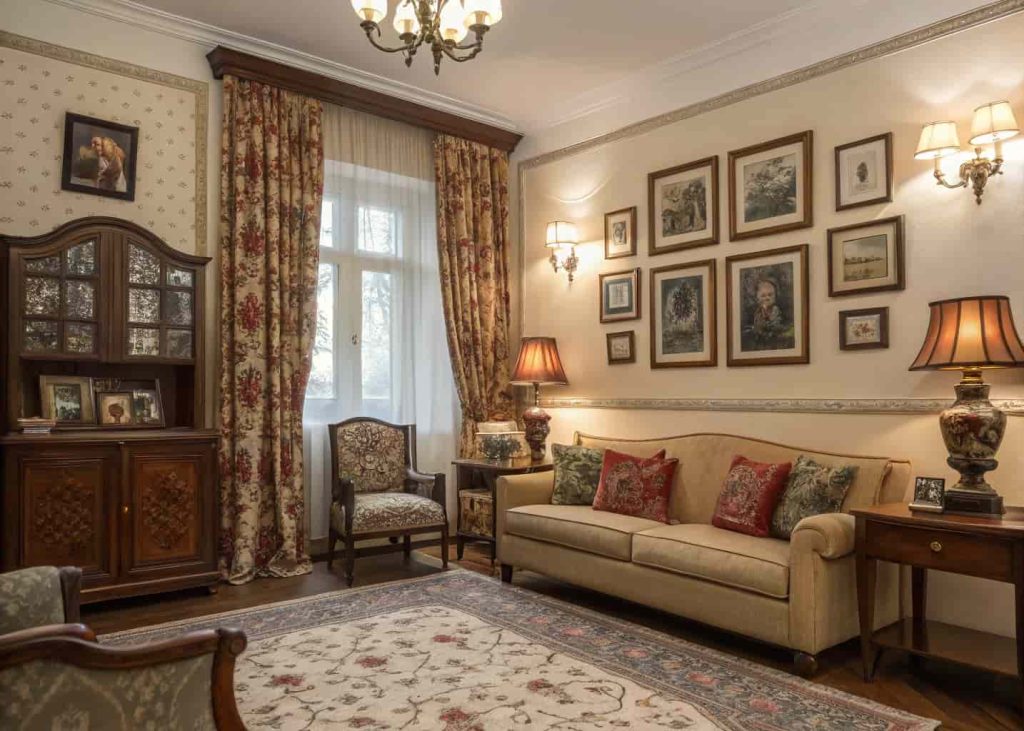
Traditional decor often reflects history and personal stories. Family heirlooms, vintage pieces, or meaningful artwork add authenticity and emotional connection. Displaying books, antiques, or travel souvenirs can personalize the space while maintaining elegance. The goal is to create a room that feels curated over time rather than newly assembled. Personal touches make the living room unique and welcoming while preserving the timeless character of traditional design.
Mixing Comfort with Formal Elegance
While traditional living rooms appear refined, they should still feel comfortable and livable. Soft seating, warm lighting, and inviting textures ensure the space remains functional for daily use. Designers balance formal elements with cozy details like plush cushions or soft throws. This combination prevents the room from feeling stiff or overly decorative. A successful traditional living room offers both elegance and relaxation, making it suitable for entertaining guests or enjoying quiet family moments.
Conclusion: Designing a Living Room That Never Goes Out of Style
Traditional living room decor ideas focus on timeless beauty, thoughtful details, and lasting comfort. By choosing classic furniture, balanced layouts, rich fabrics, and elegant accessories, you can create a sophisticated home that remains stylish for years. The secret lies in harmony, quality materials, and personal expression. Traditional design celebrates craftsmanship and warmth, making your living room feel welcoming and refined. With careful styling and attention to detail, you can achieve a timeless and elegant space that truly feels like home.