
Introduction
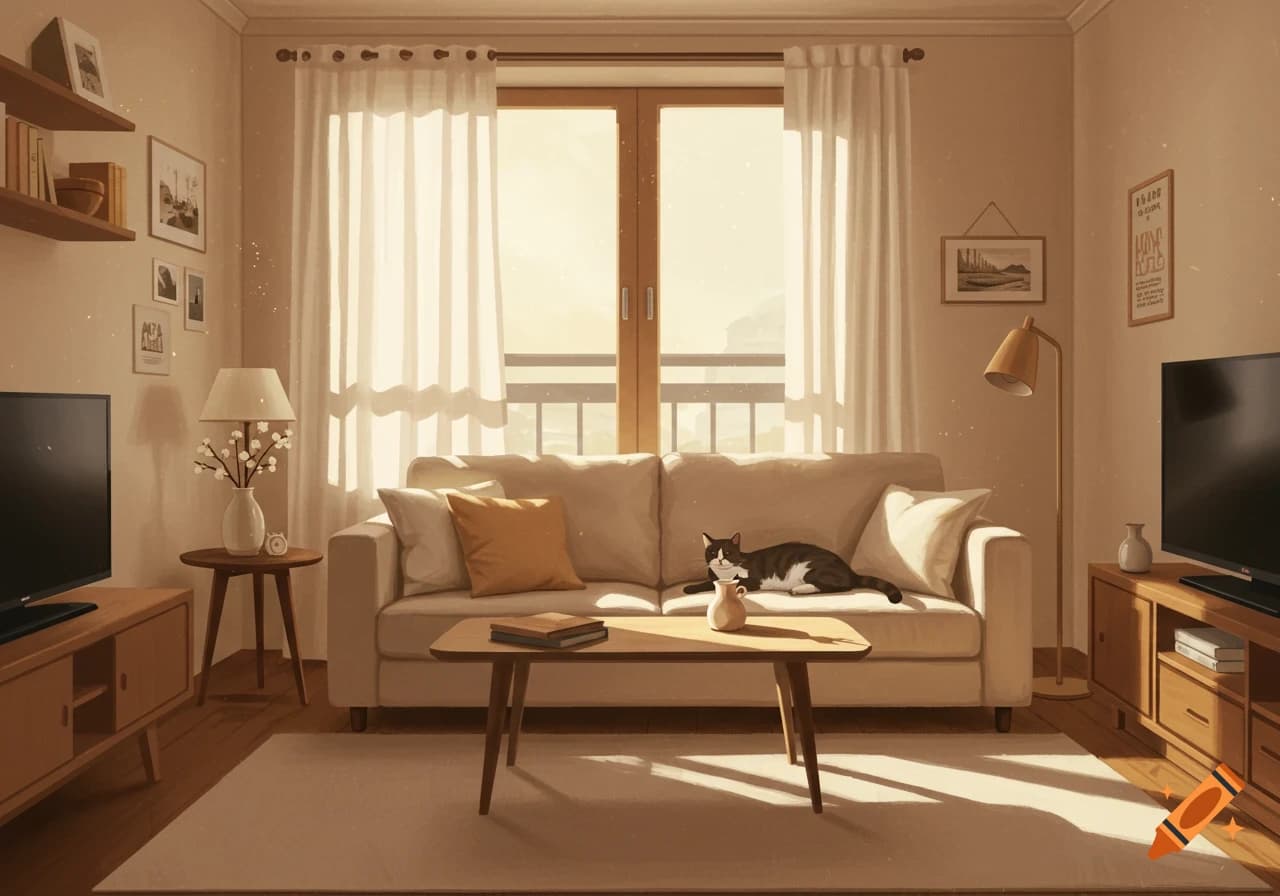
Designing a Small Space Living Room Ideascan feel challenging, but it is also an opportunity to get creative. A smaller living room does not mean you have to compromise on comfort or style. With smart design choices, the right colors, and thoughtful furniture placement, even the smallest living room can feel open, bright, and welcoming. The key is to use space wisely and avoid overcrowding. In this article, you will discover practical and stylish small space living room ideas that help your home feel bigger, more organized, and more comfortable for everyday living.
Understanding the Challenges of a Small Living Room
A small living room often comes with limited floor space, fewer windows, and storage problems. These challenges can make the room feel cramped if not planned properly. Many people try to fit too much furniture, which makes movement difficult and the space feel smaller. Poor lighting and dark colors can also reduce the sense of openness. Understanding these challenges is the first step toward solving them. Once you know what makes a space feel tight, you can apply simple design tricks that visually expand the room and make it feel more comfortable.
Using Light Colors to Open Up the Space
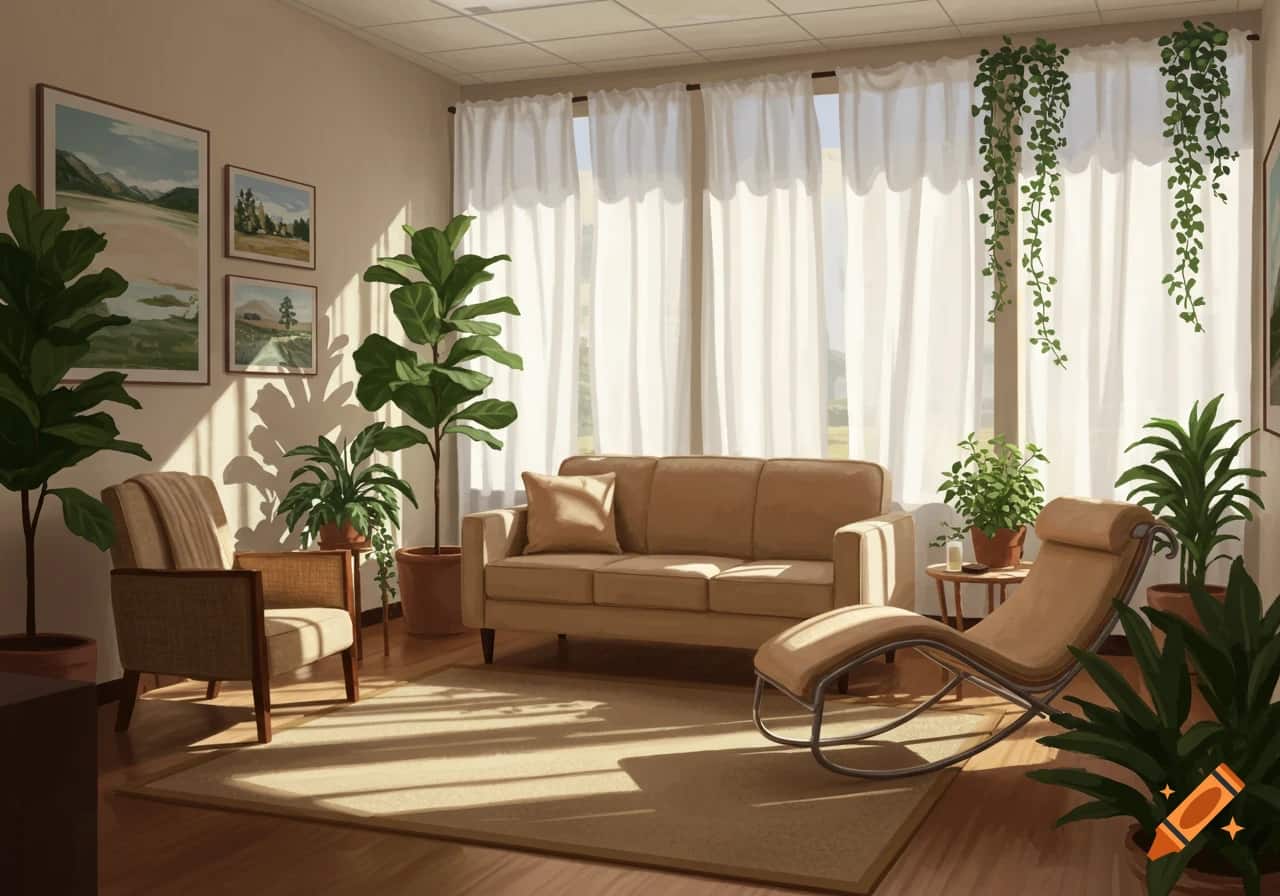
Light colors are one of the easiest ways to make a small space living room feel bigger. Shades like white, cream, beige, light gray, and soft pastels reflect light and create an airy feeling. Light walls make the room feel open and fresh instead of closed in. You can also use light-colored furniture and rugs to maintain this effect. Even if you love color, using it in small accents instead of large surfaces keeps the space feeling balanced and open.
Choosing the Right Furniture Size
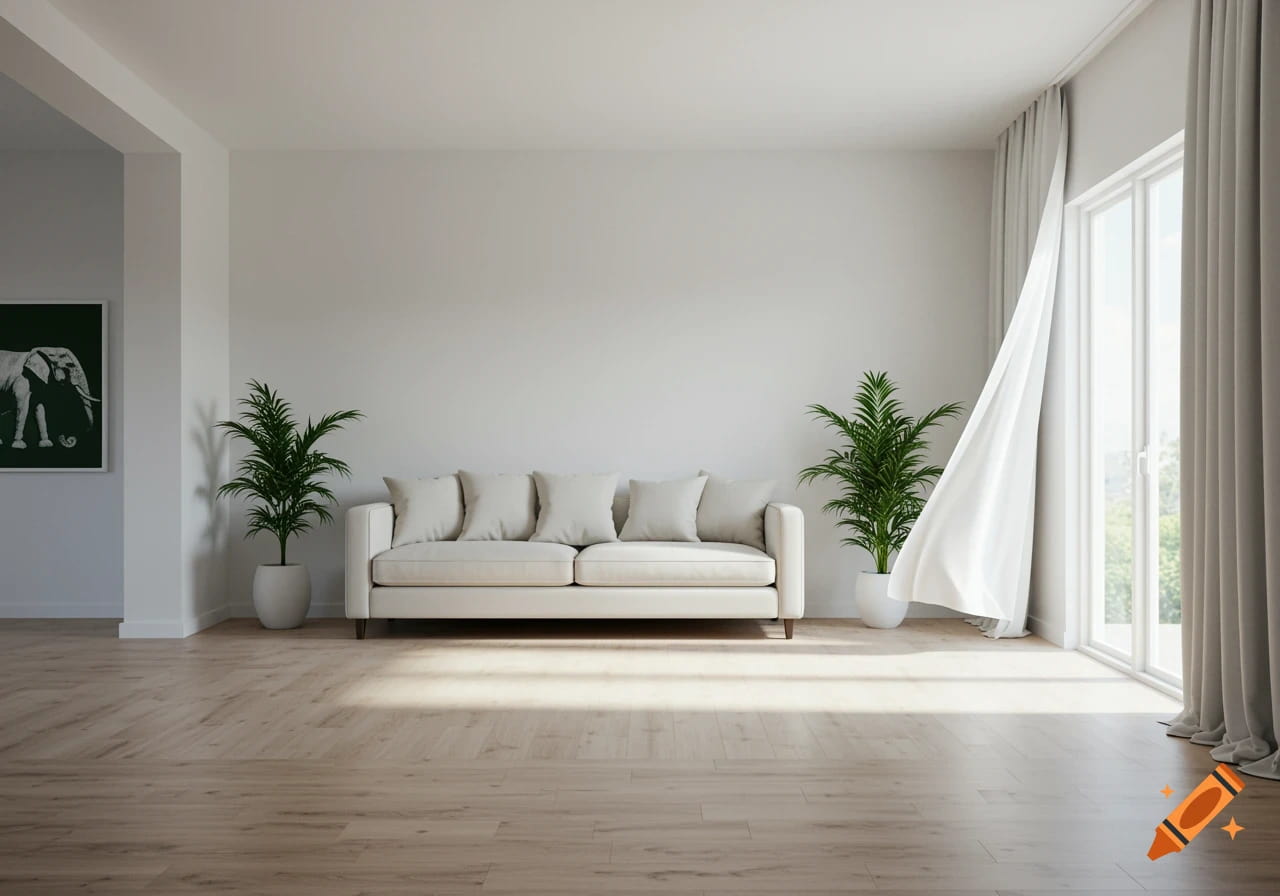
Furniture scale matters a lot in a small space living room. Oversized sofas and bulky chairs can quickly overpower the room. Instead, choose compact furniture with slim arms and clean lines. Low-profile sofas make the ceiling appear higher, which visually enlarges the space. Furniture with exposed legs also helps because it allows light to flow underneath, making the room feel less crowded. The right-sized furniture creates comfort without taking over the entire room.
Multi-Functional Furniture for Smart Living
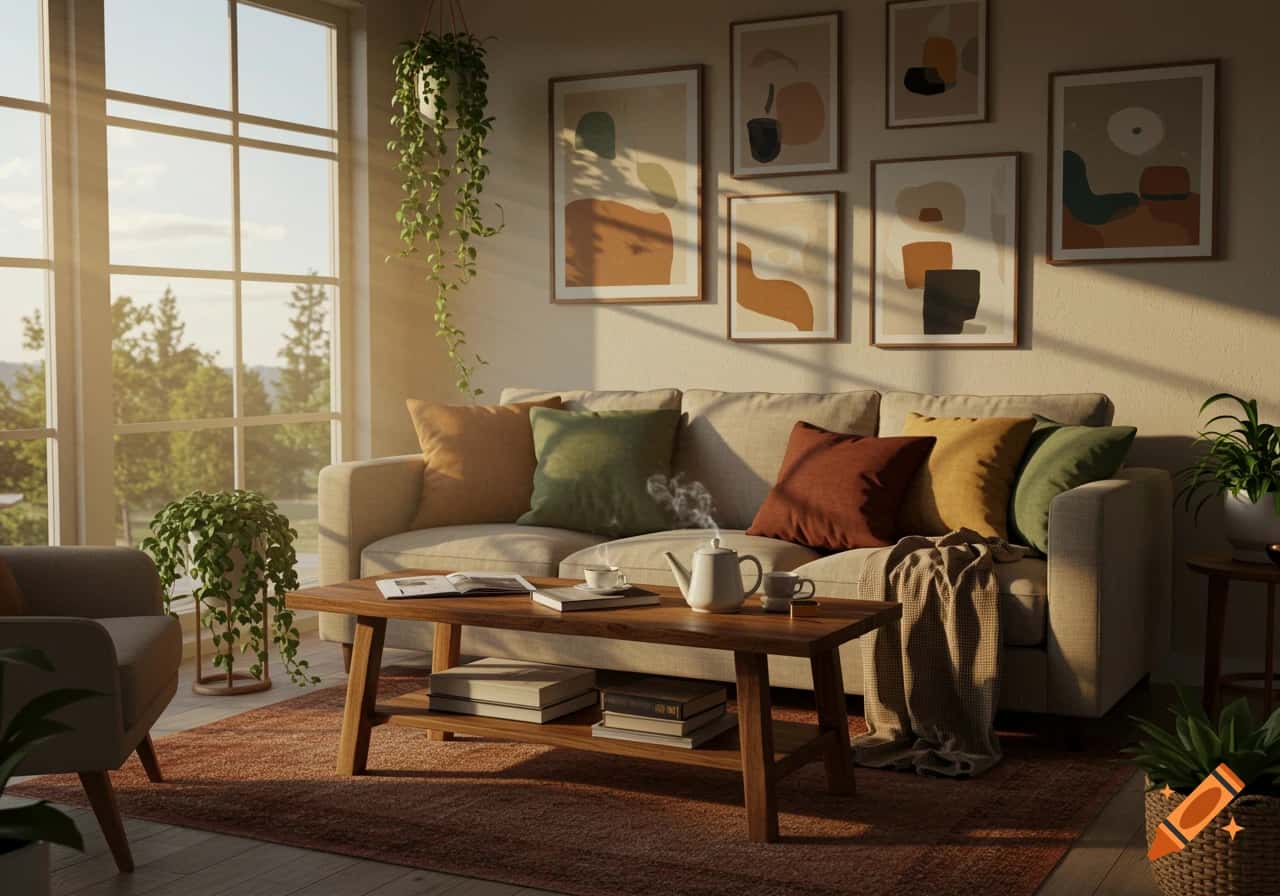
Multi-functional furniture is perfect for small space living room design. Items like storage ottomans, sofa beds, nesting tables, and coffee tables with drawers help save space. These pieces serve more than one purpose, reducing the need for extra furniture. For example, a storage bench can be used for seating and storing blankets. This smart approach keeps the room clutter-free while still meeting daily needs, making the space feel more open and organized.
Smart Furniture Placement Matters
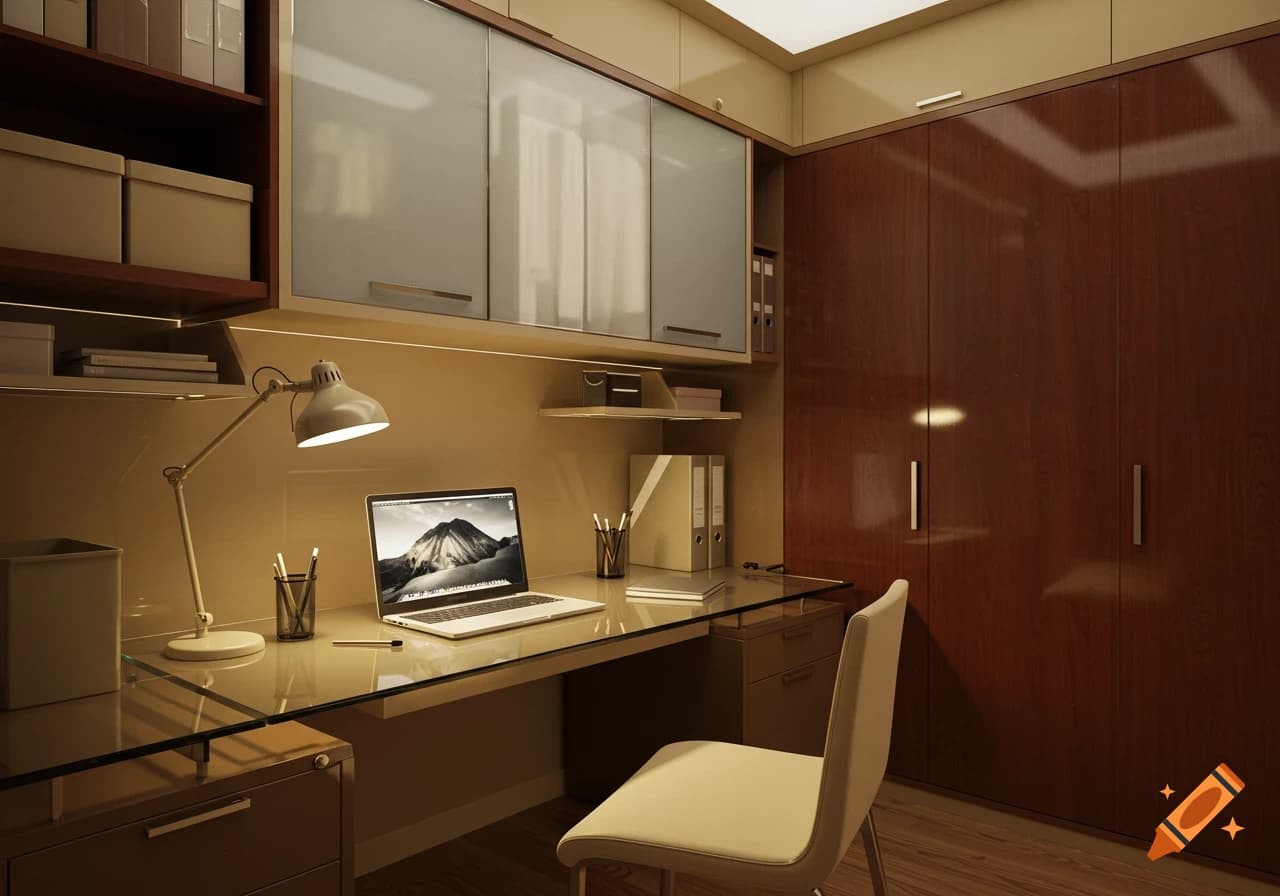
How you arrange furniture can completely change how big your living room feels. Avoid pushing all furniture against the walls, as this can make the room feel boxed in. Instead, create small zones that allow natural flow. Leave clear walking paths to make movement easy. Placing furniture at slight angles can also add depth. A well-planned layout makes the living room feel balanced, open, and comfortable without wasting precious space.
Maximizing Natural Light
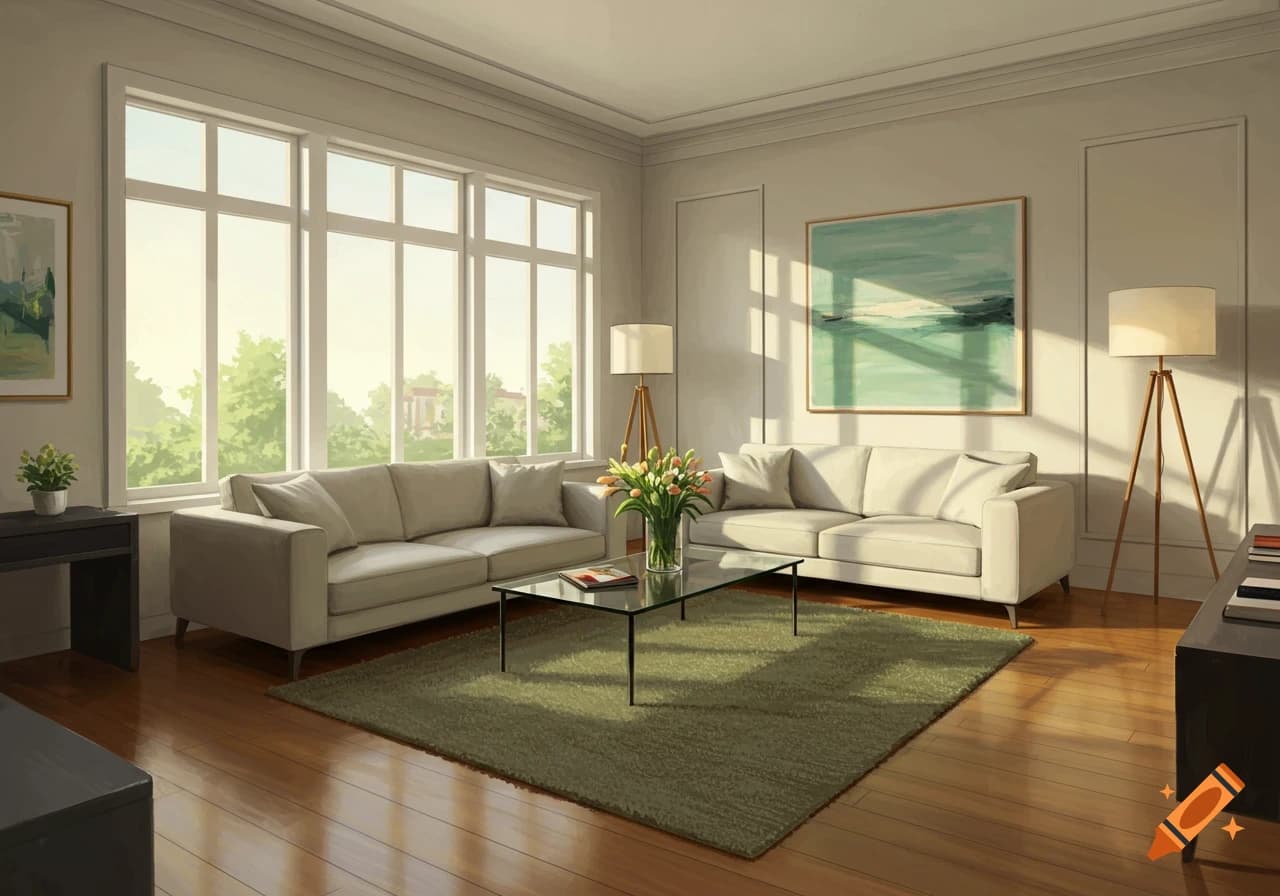
Natural light is a powerful tool in making a small space living room feel bigger. Keep windows clear and avoid heavy curtains. Sheer or light-colored curtains allow sunlight to brighten the room. If privacy is needed, choose blinds that can be fully opened during the day. More light creates a sense of openness and warmth. A bright room always feels larger than a dark one, no matter the size.
Using Mirrors to Create Depth
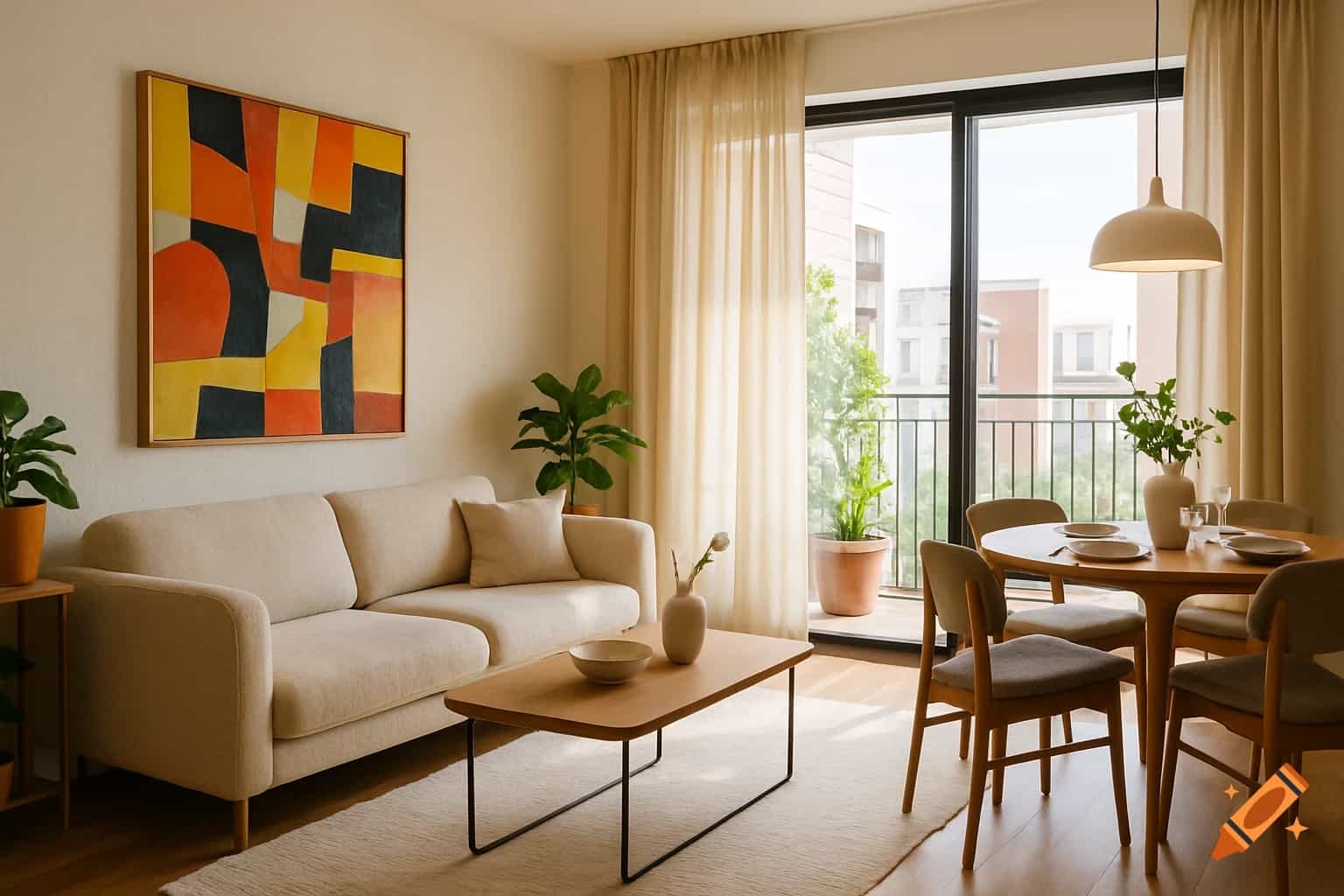
Mirrors are a classic trick for small space living rooms. They reflect light and visually double the size of the room. Placing a large mirror opposite a window helps spread natural light throughout the space. Even decorative mirrors can add depth and interest. Mirrors make walls feel farther away, creating the illusion of a larger room without changing anything physically.
Vertical Space Is Your Best Friend
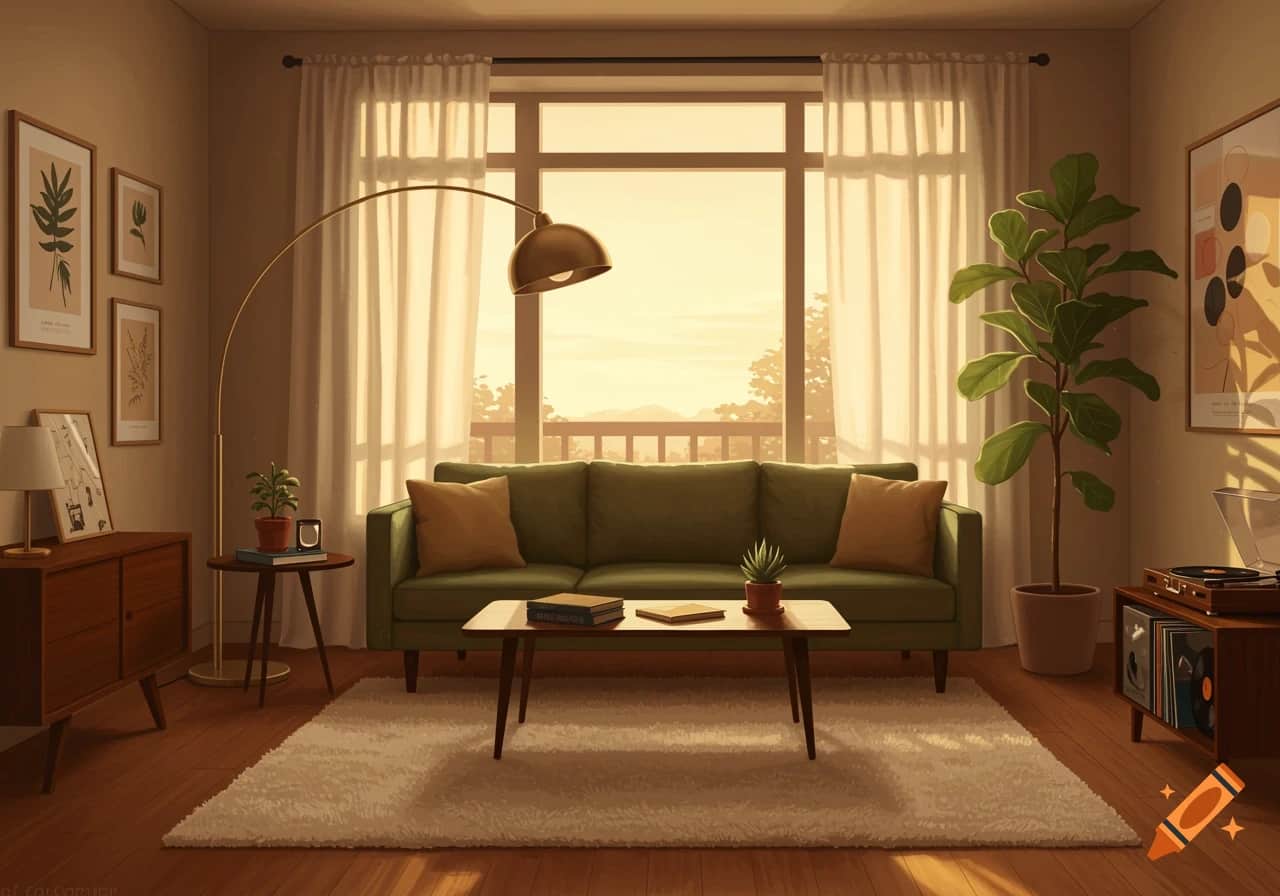
When floor space is limited, look upward. Using vertical space helps keep the room organized without cluttering the floor. Tall shelves, wall-mounted cabinets, and vertical artwork draw the eye upward, making the ceiling feel higher. Floating shelves are especially useful because they provide storage without taking up floor space. This approach keeps the living room open while adding functionality.
Choosing the Right Rug Size
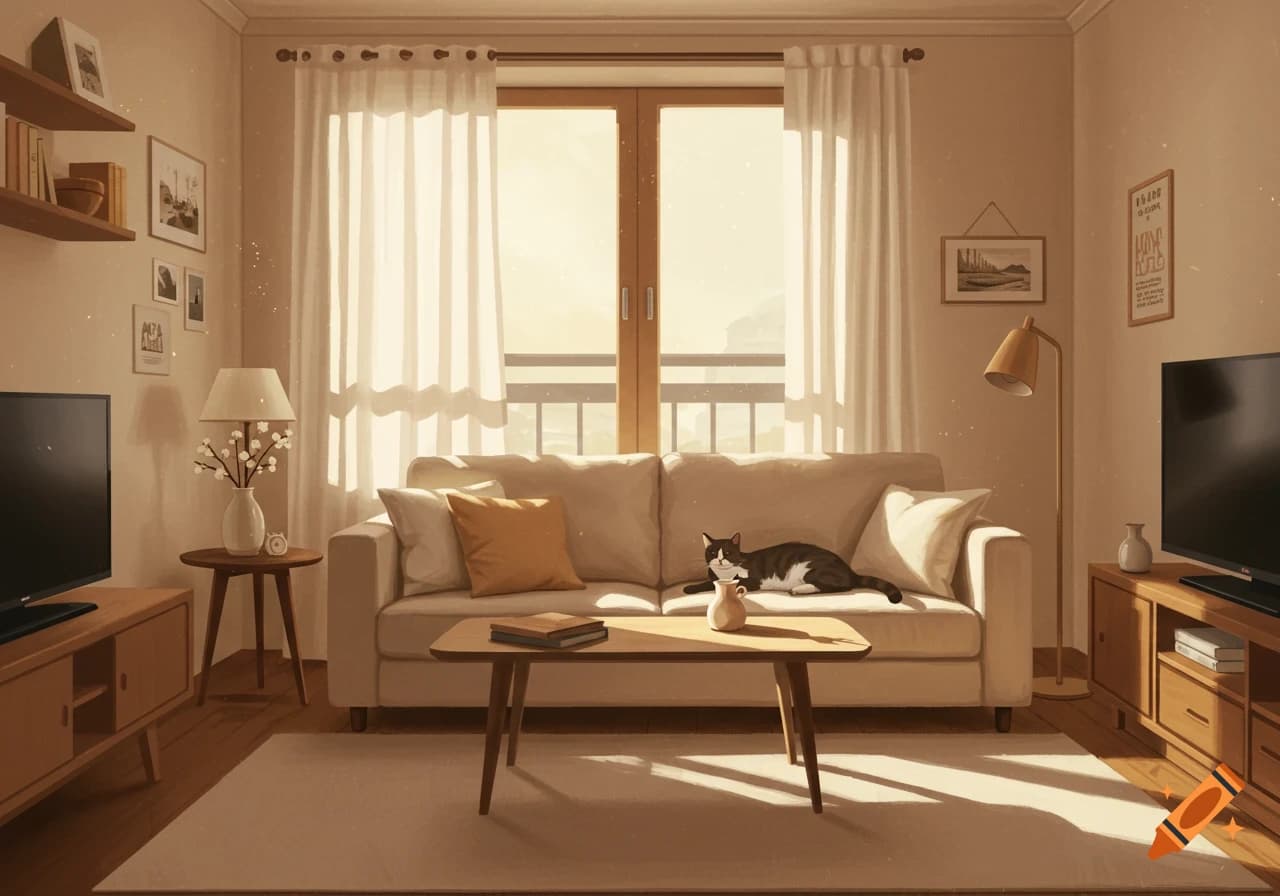
Rugs play an important role in how big a living room feels. A rug that is too small can make the space look broken and cramped. Choose a rug large enough to fit under the front legs of your furniture. Light-colored rugs work best for small spaces, as they help reflect light. A well-chosen rug brings the room together and creates a sense of unity and openness.
Minimal Decor for a Cleaner Look
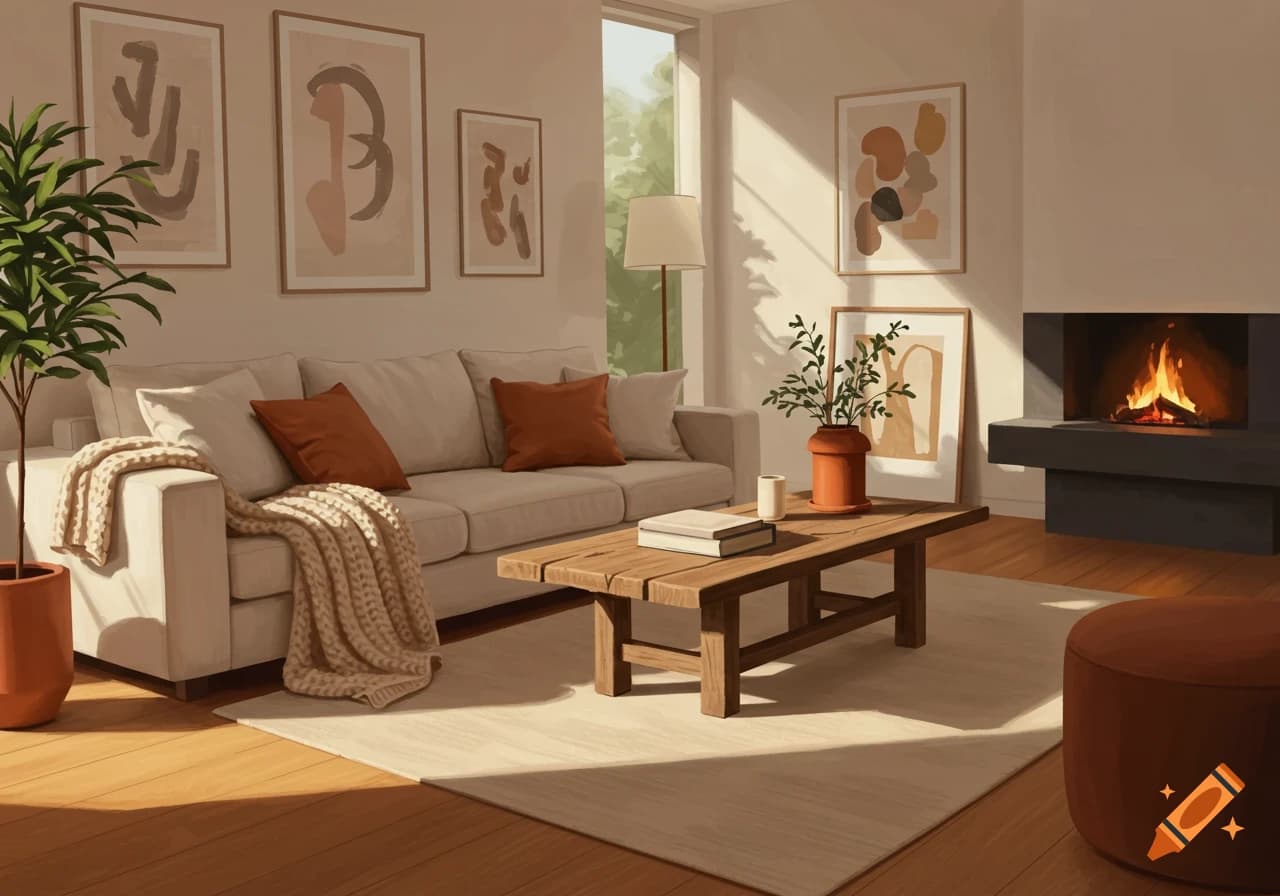
Less is more in a small space living room. Too many decorative items can quickly make the room feel cluttered. Choose a few meaningful decor pieces instead of many small ones. Simple artwork, one or two plants, and clean surfaces keep the space calm and open. A minimal approach allows each item to stand out and helps the room feel bigger and more peaceful.
Using Built-In Storage Solutions
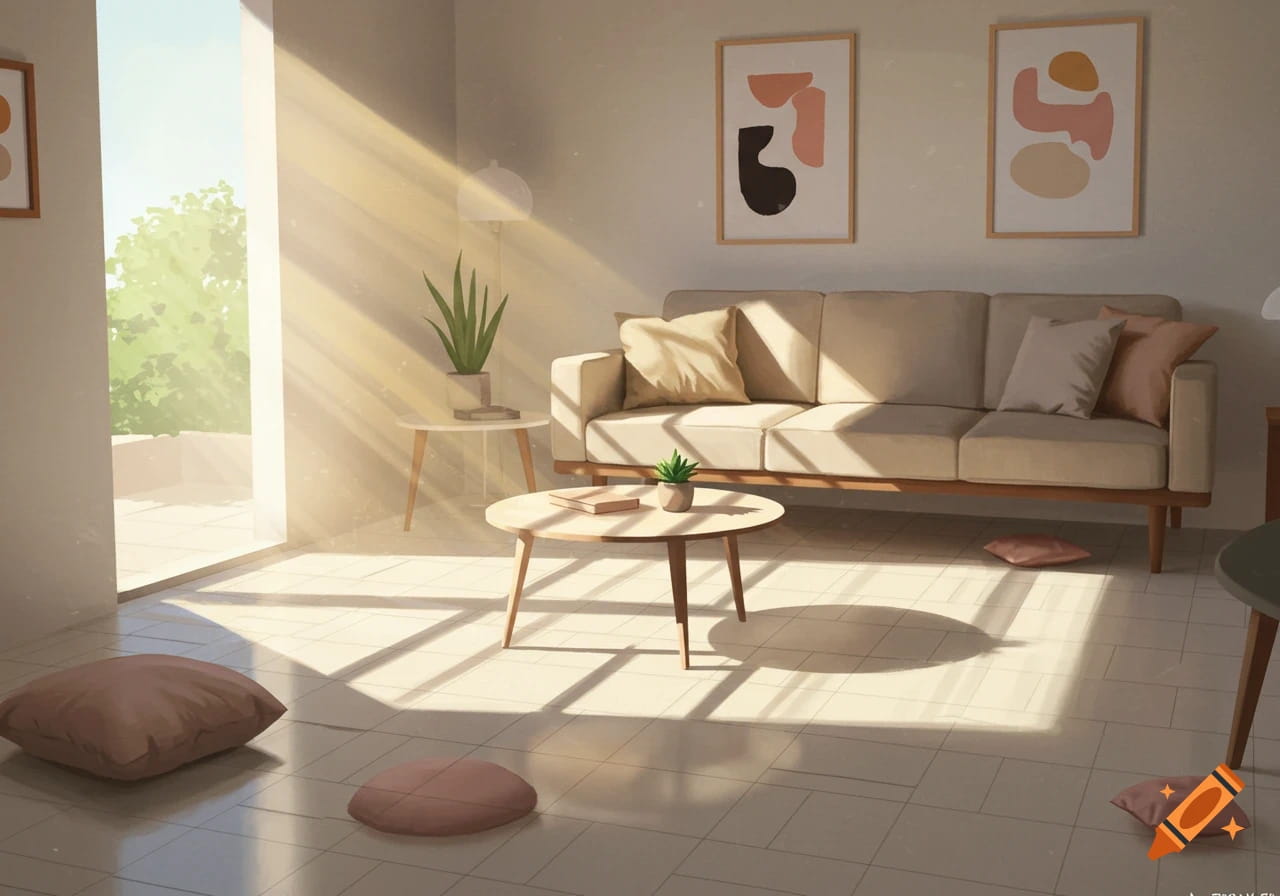
Built-in storage is a great way to maximize space in a small living room. Wall units, built-in shelves, and custom cabinets use space efficiently without adding bulk. These solutions help keep everyday items hidden, reducing visual clutter. A tidy living room always feels more spacious. Built-in storage also adds a clean and modern look to the room.
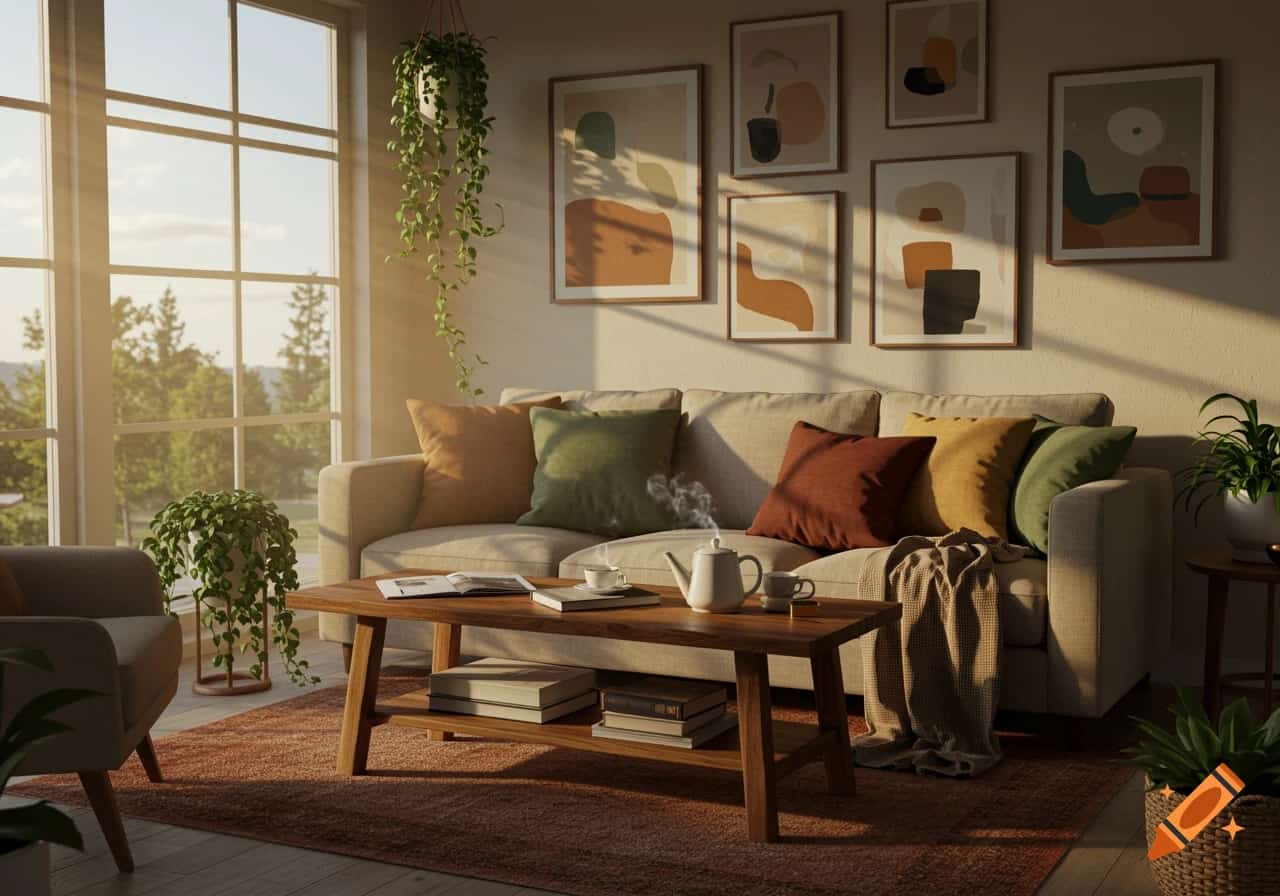
Creating Zones in an Open Small Space
If your small living room is part of an open-plan layout, creating zones helps define the space. Use rugs, lighting, or furniture placement to separate the living area from dining or work spaces. This gives structure to the room and makes it feel organized rather than crowded. Clear zones improve functionality while maintaining an open feel.
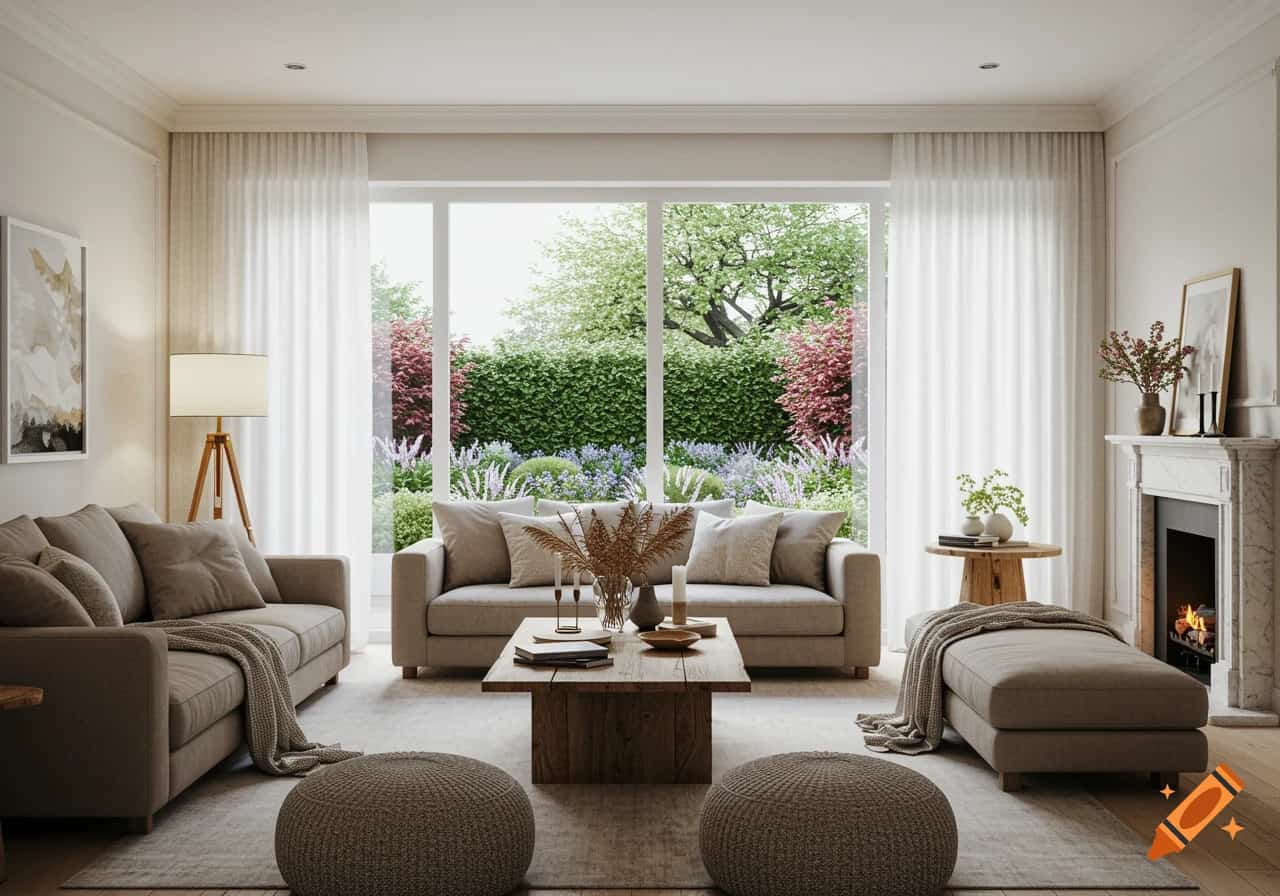
Choosing Light and Airy Curtains
Curtains can either make or break a small space living room. Heavy, dark curtains can close in the room, while light and airy fabrics keep it open. Hang curtains higher than the window frame to create the illusion of taller ceilings. This simple trick adds height and makes the room feel more spacious.
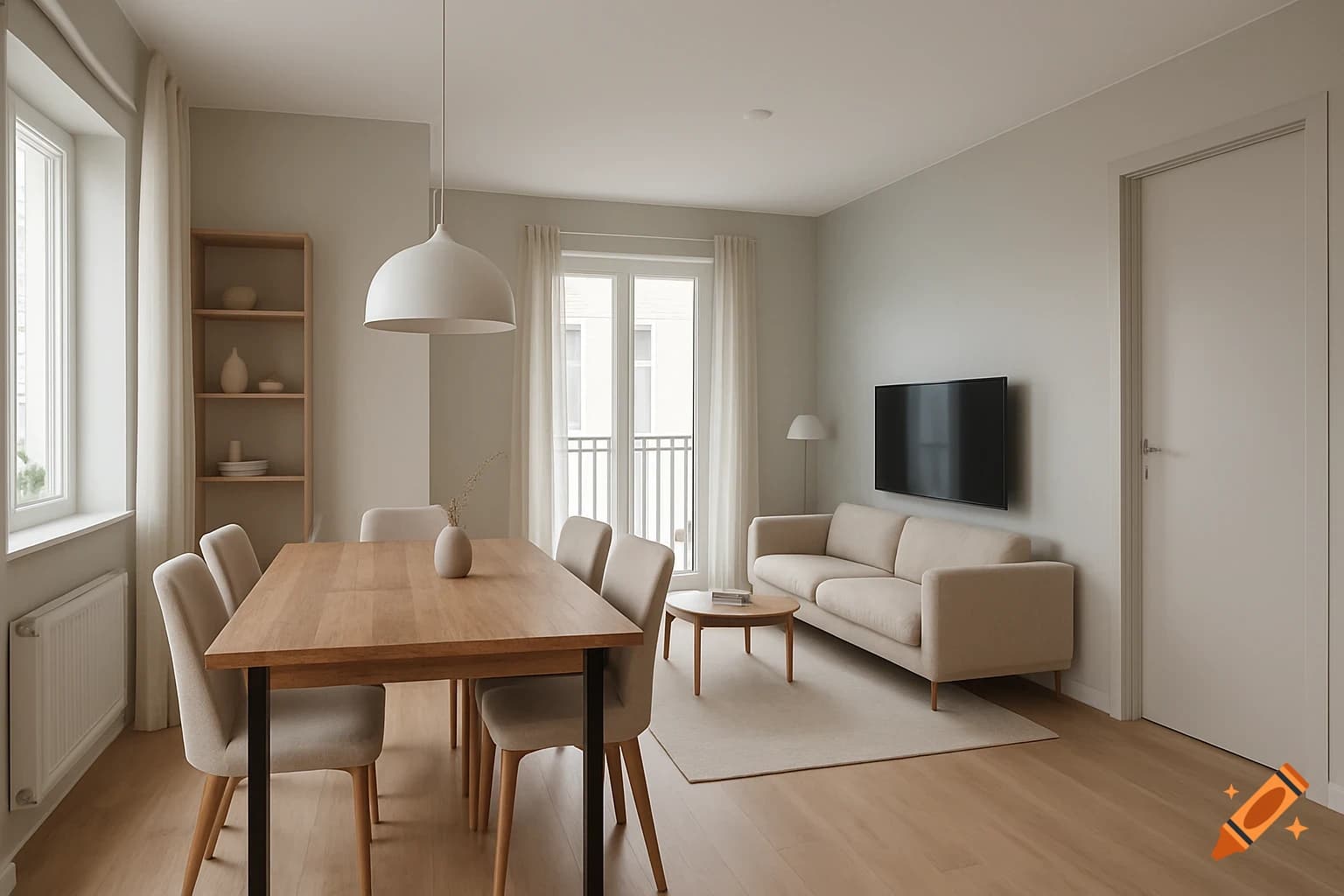
Adding Plants Without Overcrowding
Plants bring life and freshness to a small living room, but too many can make it feel crowded. Choose a few well-placed plants instead. Tall plants in corners draw the eye upward, while small plants on shelves add charm without taking floor space. Greenery adds warmth and balance without overwhelming the room.
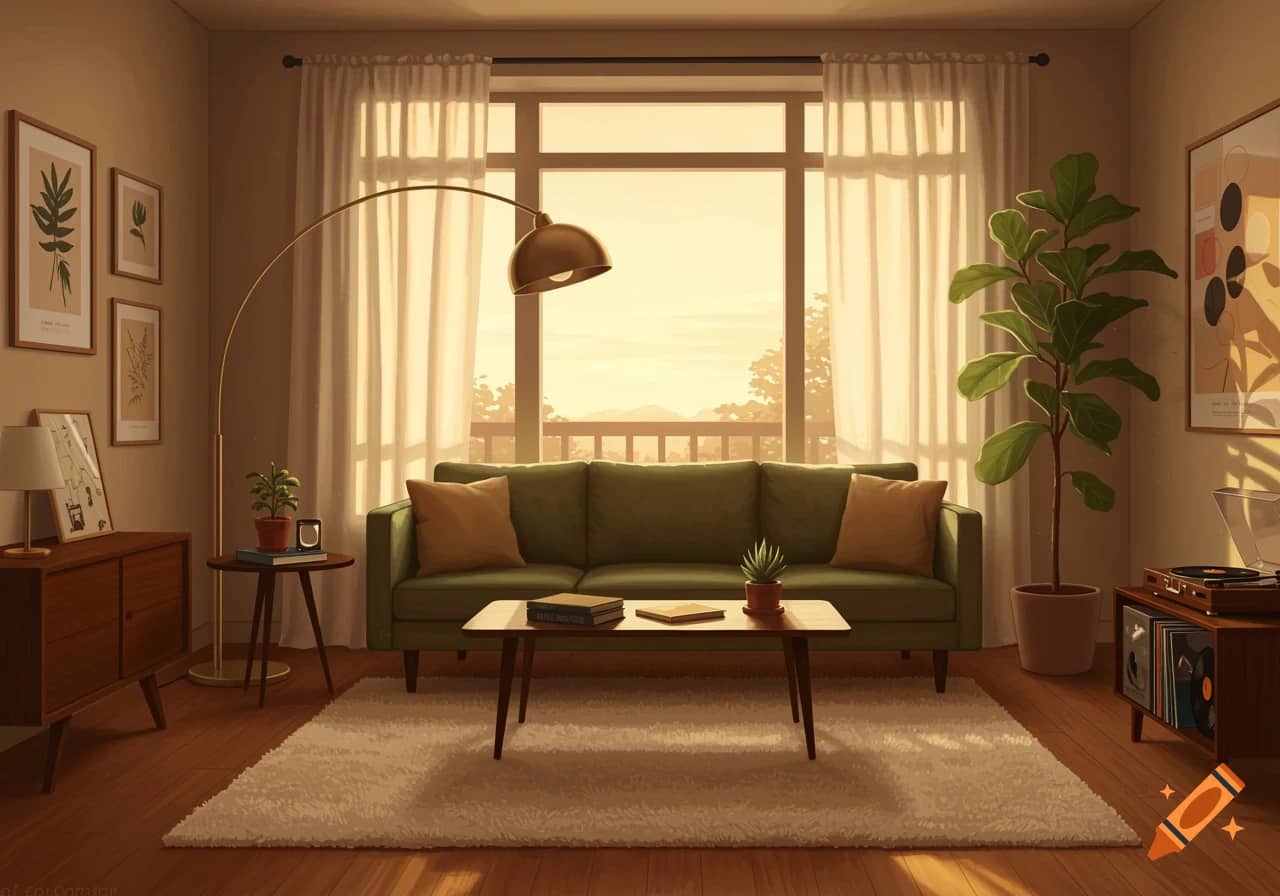
Keeping the Floor Visible
Showing more floor space helps a small living room feel bigger. Furniture with legs allows the floor to be seen, creating a sense of openness. Avoid heavy furniture that sits directly on the floor. The more floor you can visually see, the larger the room appears.
Using One Color Palette Throughout
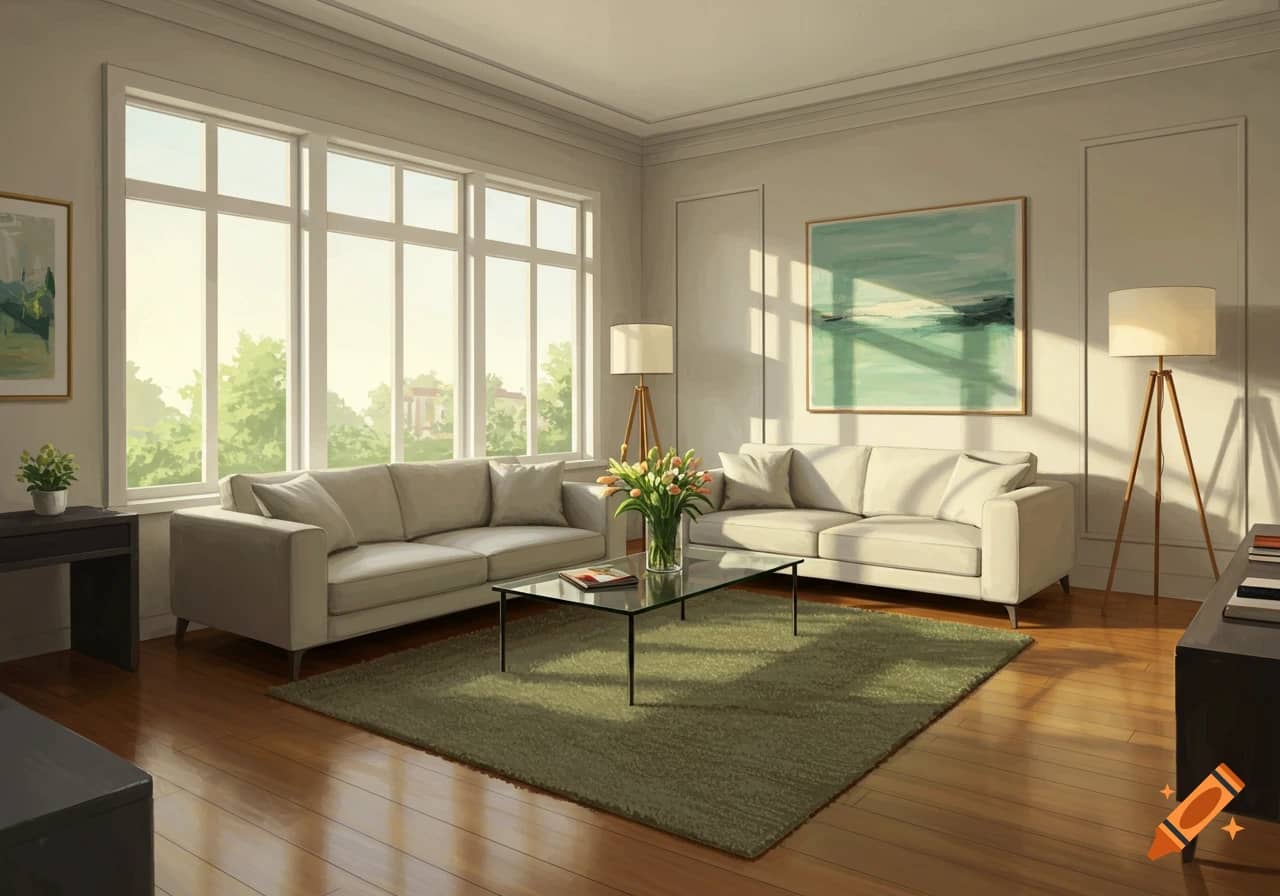
Using a consistent color palette makes a small living room feel more cohesive. Too many contrasting colors can visually break the space. Stick to one main color with a few accent shades. This creates a smooth flow that makes the room feel larger and more harmonious.
Smart Lighting for a Spacious Feel
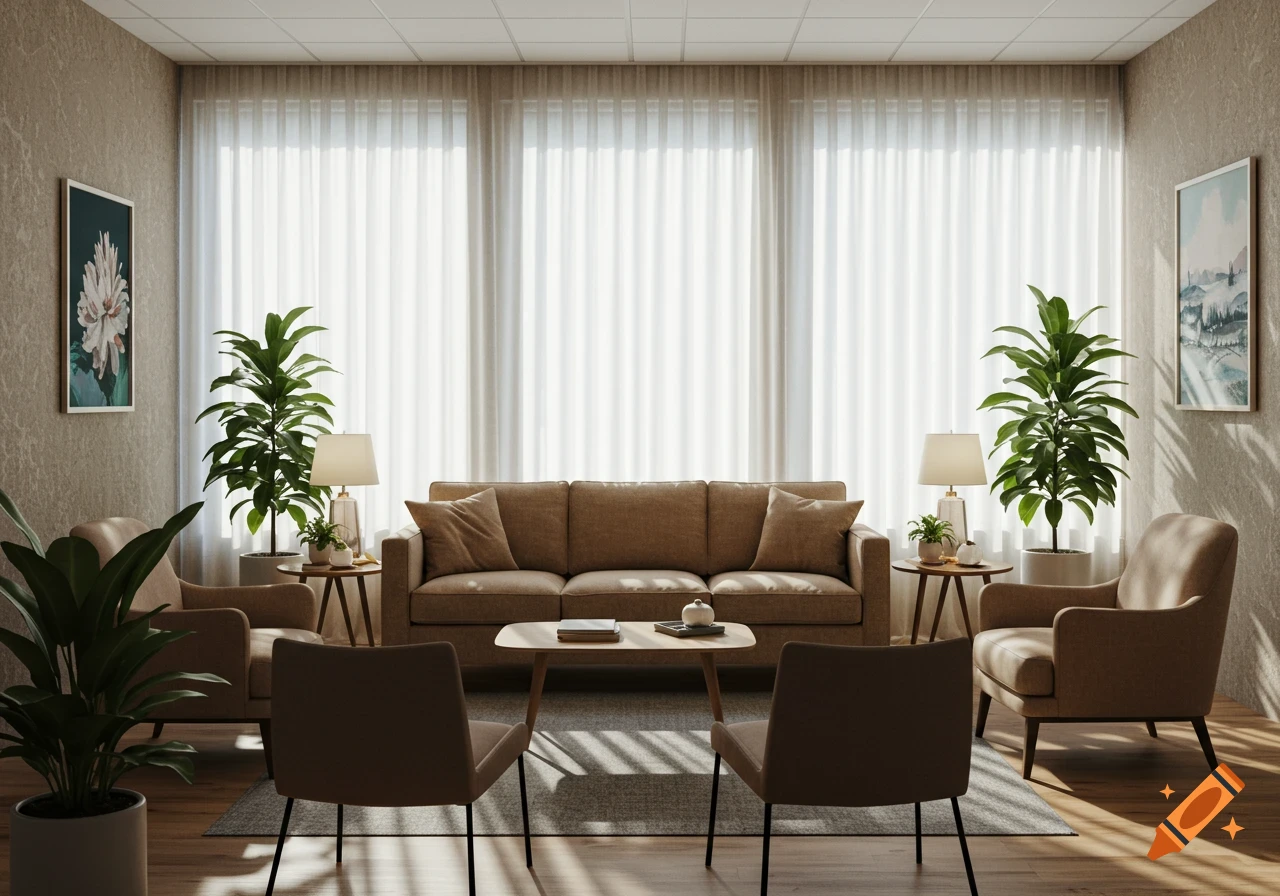
Layered lighting makes a small space living room feel warm and open. Use a mix of ceiling lights, floor lamps, and table lamps. Avoid relying on one harsh light source. Soft lighting in different areas adds depth and dimension, making the room feel larger and more inviting.
Keeping Clutter Under Control
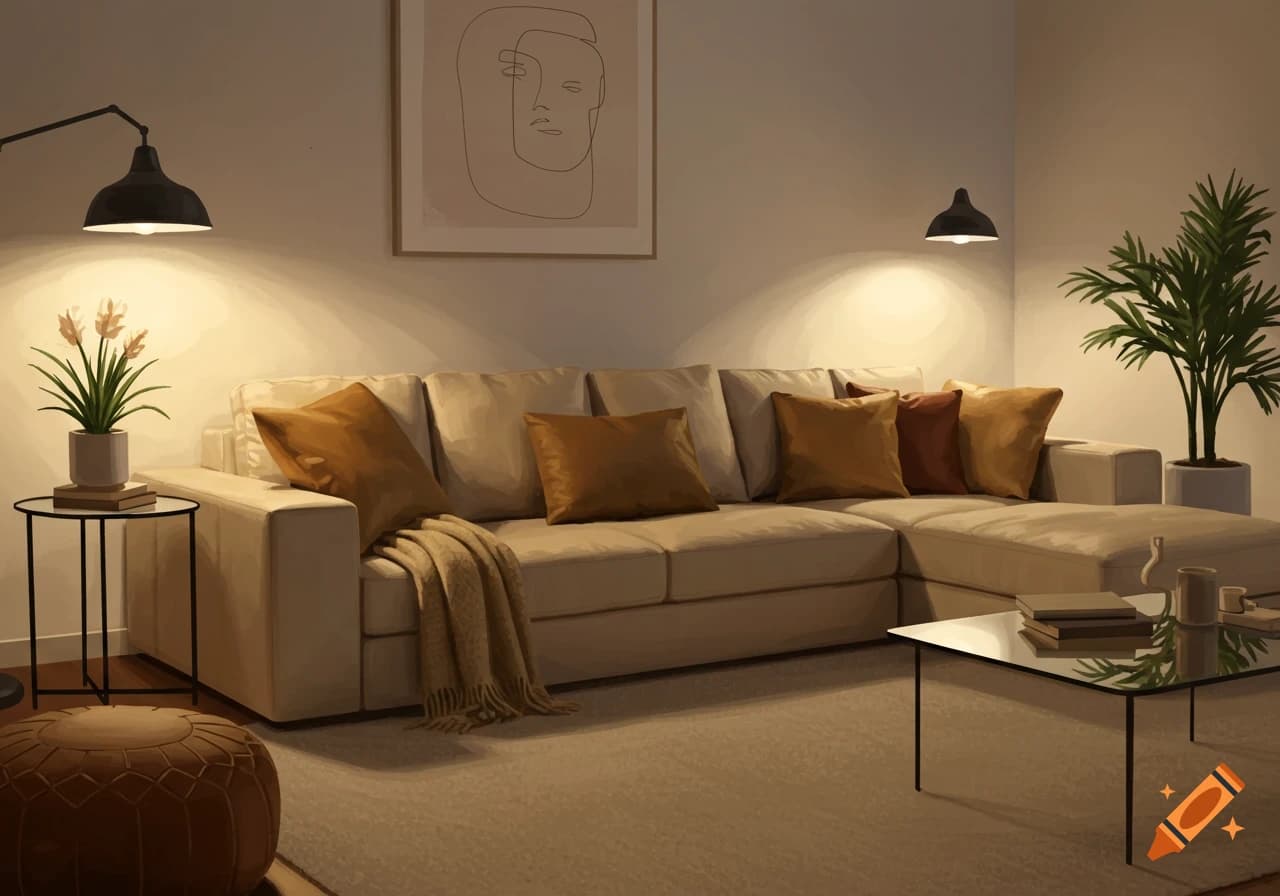
Clutter is the biggest enemy of small spaces. Regularly declutter your living room and keep only what you truly need. Use baskets, storage boxes, and cabinets to hide everyday items. A clean and organized room instantly feels bigger and more relaxing.
Conclusion
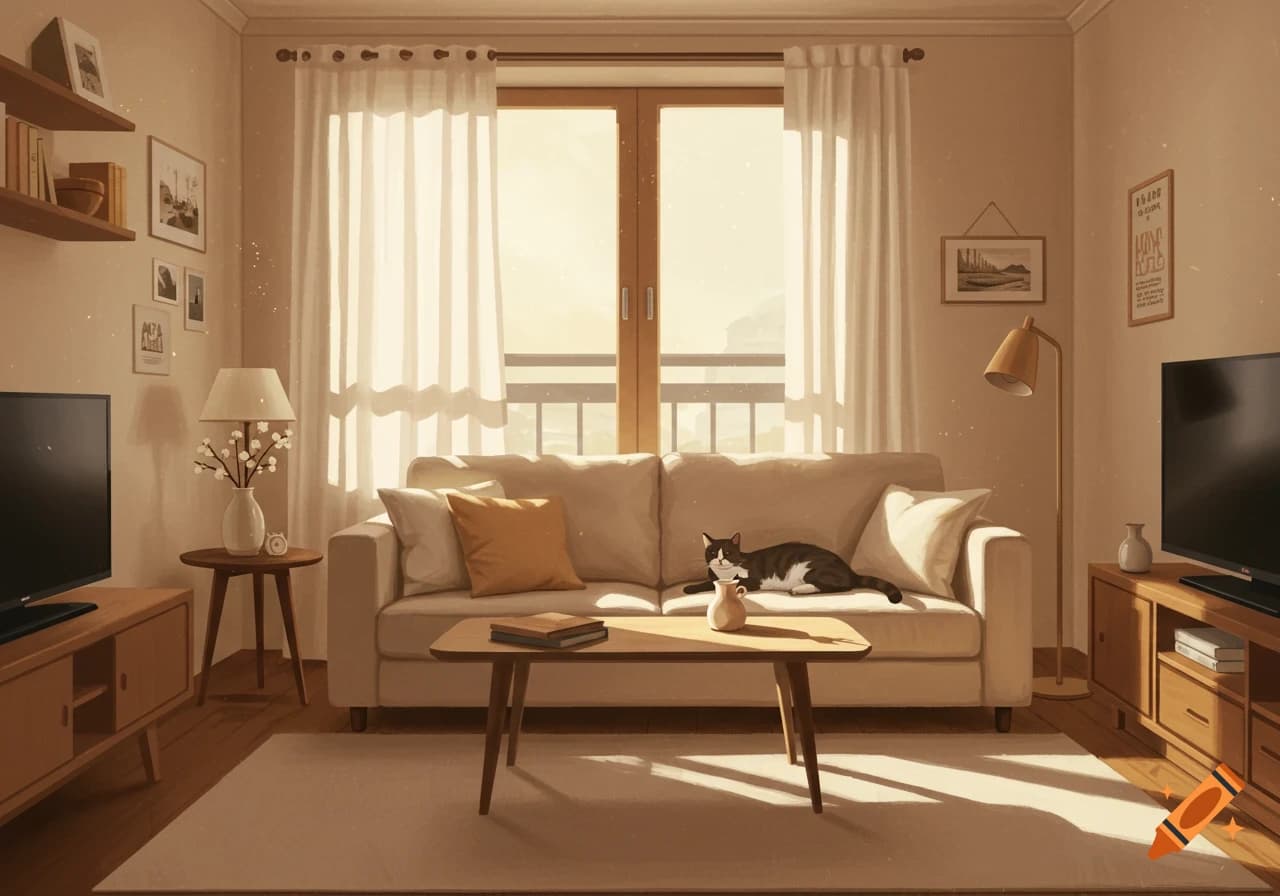
A small space living room can feel bigger, brighter, and more comfortable with the right design choices. Light colors, smart furniture, good lighting, and minimal decor all work together to create an open and welcoming space. By using vertical storage, mirrors, and multi-functional furniture, you can make the most of every inch. Small living rooms may have limited space, but with thoughtful planning, they can offer big comfort, style, and functionality for everyday life.
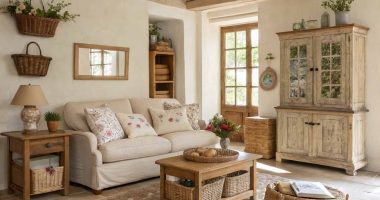
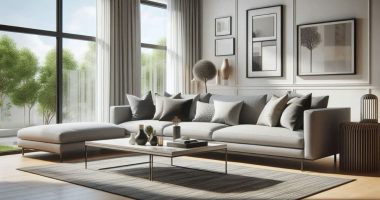
Image Prompt: Final styled small living room that feels open, bright, and cozy.