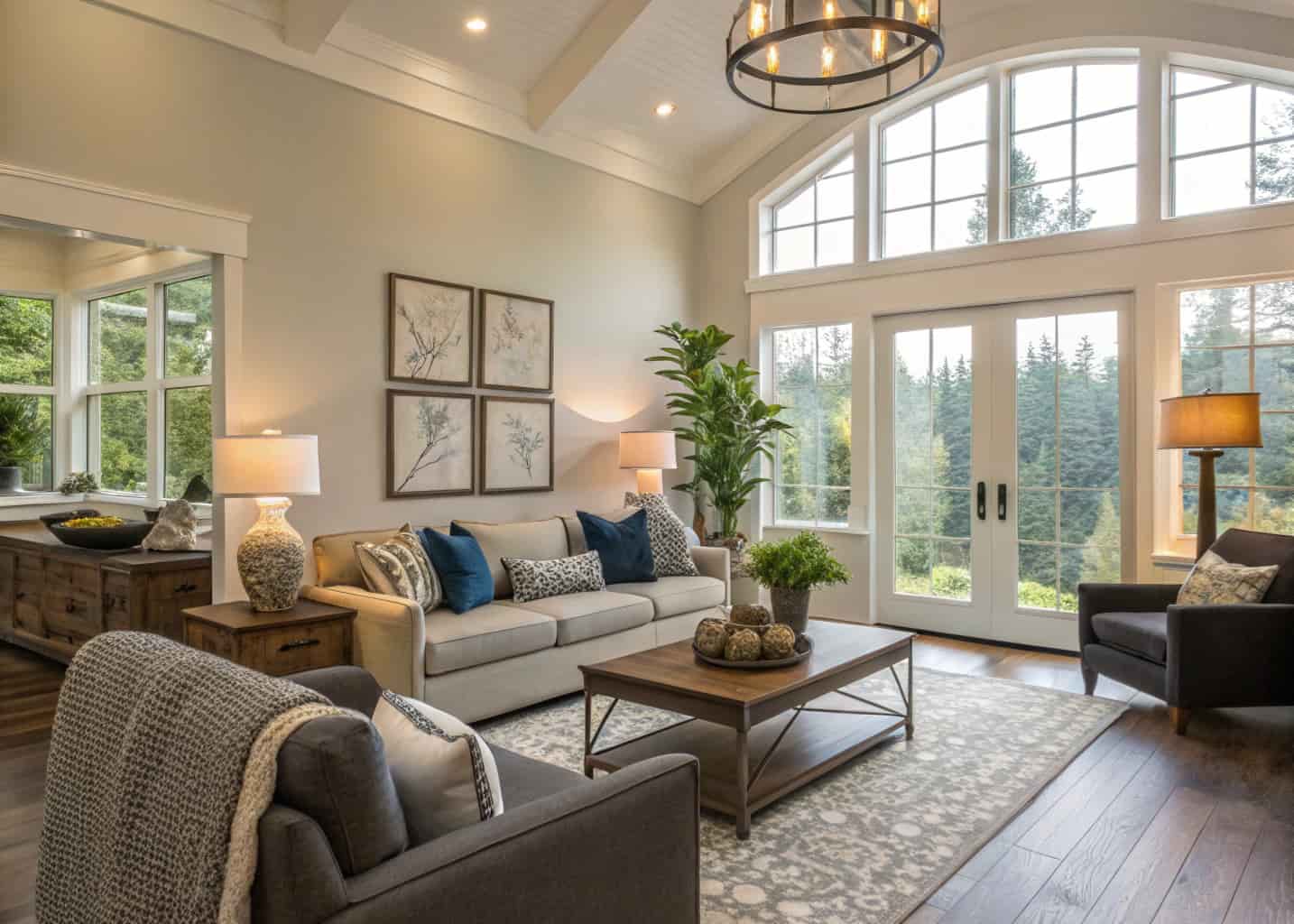
1. Embrace a Minimalist Approach
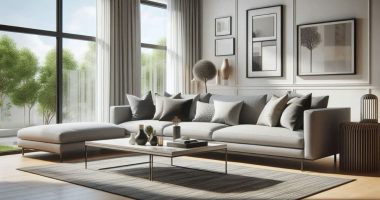
A minimalist interior design focuses on simplicity, functionality, and clean lines. By removing unnecessary clutter, your home instantly feels more spacious and serene. Choose furniture with sleek designs and neutral tones, and add subtle decorative elements like a small plant or a piece of art. Lighting plays a key role in minimalism—opt for natural light during the day and soft, warm lights in the evening. Minimalist spaces not only look stylish but also promote mental clarity and relaxation. Start with one room, like your living area, and gradually extend the approach throughout your home.
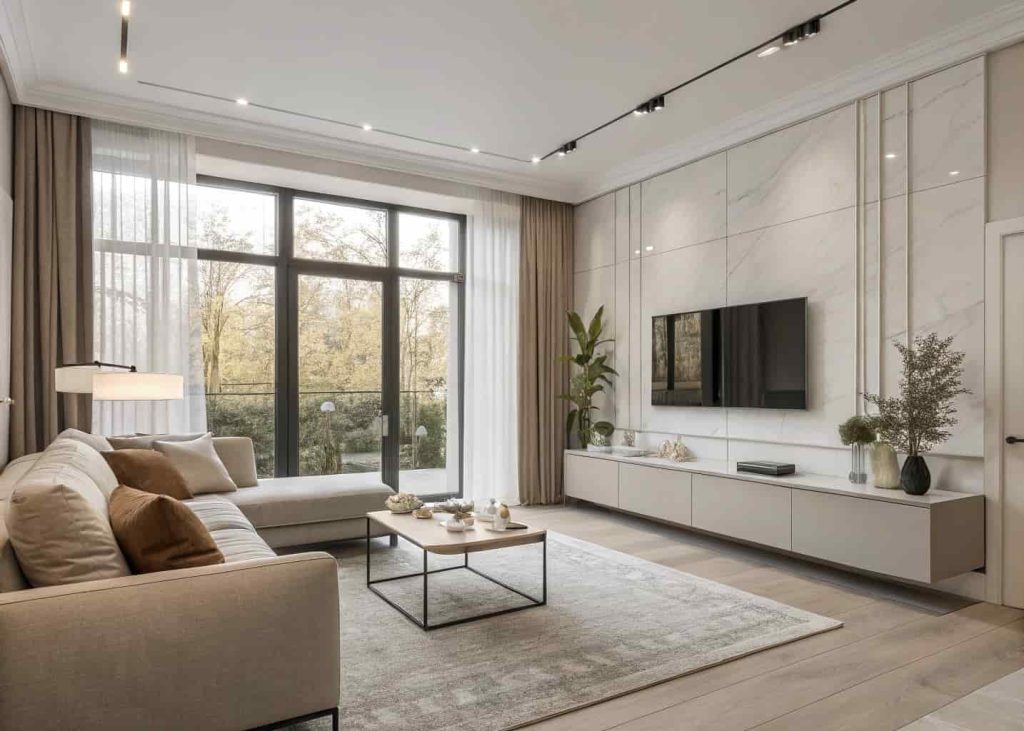
2. Use Bold Accent Colors
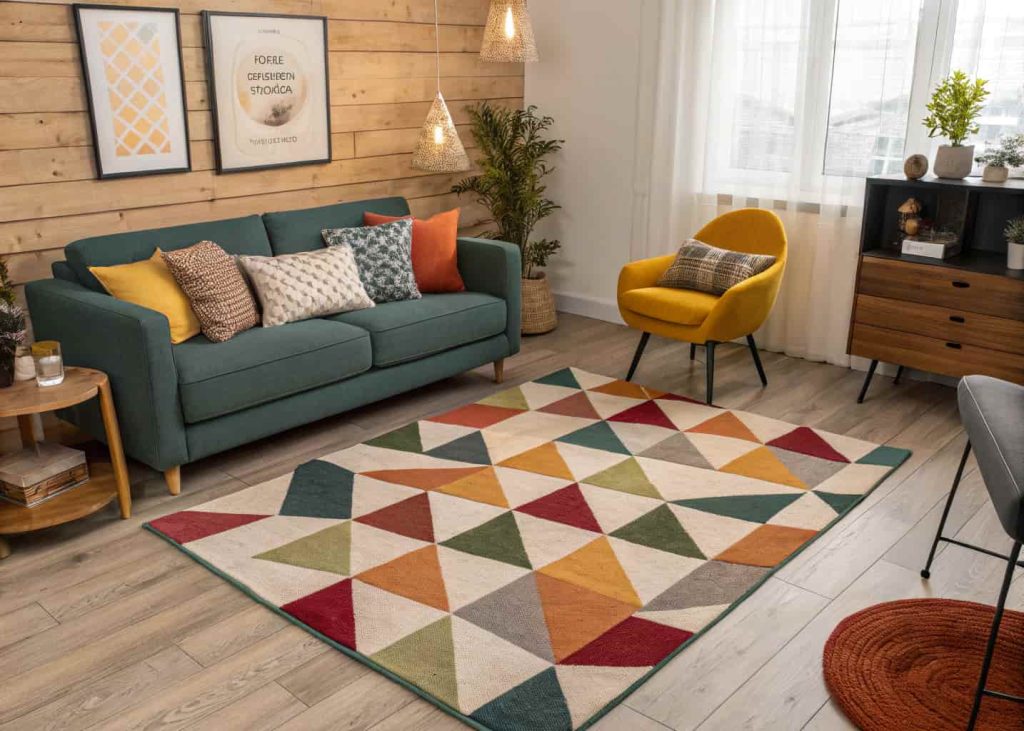
Adding bold accent colors is an easy way to refresh a room without a full renovation. Choose one wall to paint or add vibrant furniture like a mustard yellow sofa or teal armchair. Accessories such as cushions, rugs, and wall art can also introduce pops of color. Make sure to balance bold tones with neutral shades so the space doesn’t feel overwhelming. Experimenting with color gives your interior personality and creates visual interest. It’s a fun and cost-effective way to express creativity while transforming a simple room into a stylish space.
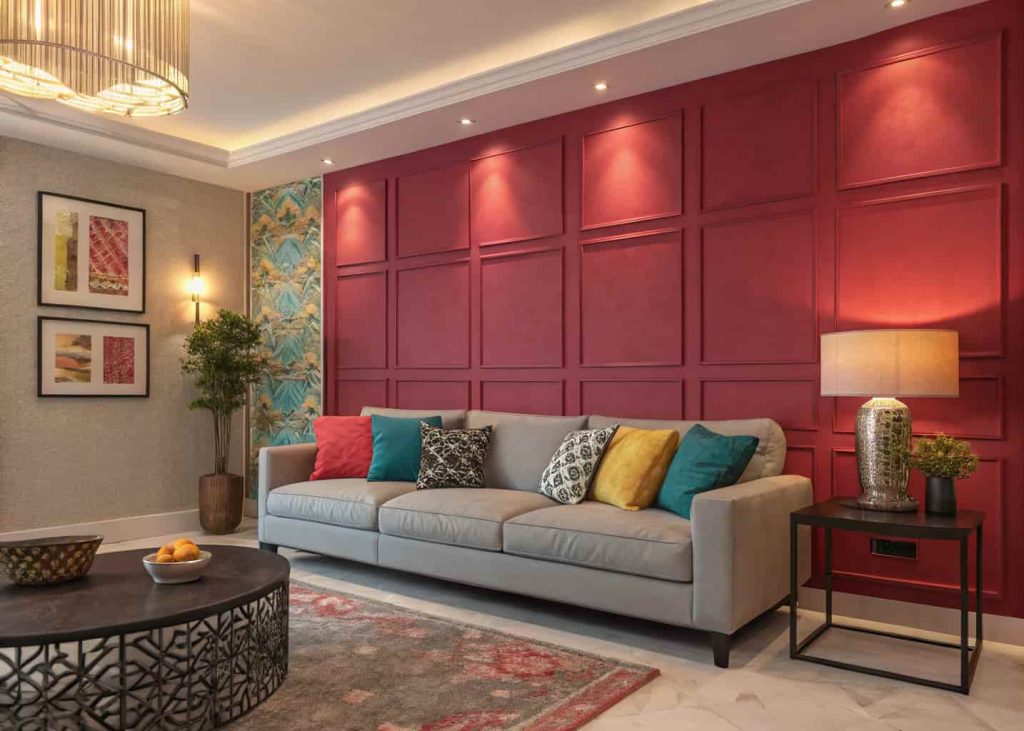
3. Mix Textures for Depth
Texture adds richness and warmth to any interior design. Combine soft fabrics like velvet cushions with natural materials such as wooden tables or jute rugs. Layering different textures creates a visually engaging space and makes it feel inviting. Don’t be afraid to mix smooth, rough, shiny, and matte surfaces. For example, a sleek marble countertop paired with a chunky knitted throw instantly elevates a room’s style. This technique works in every room—from bedrooms and living areas to kitchens and bathrooms—bringing balance and comfort to your home environment.
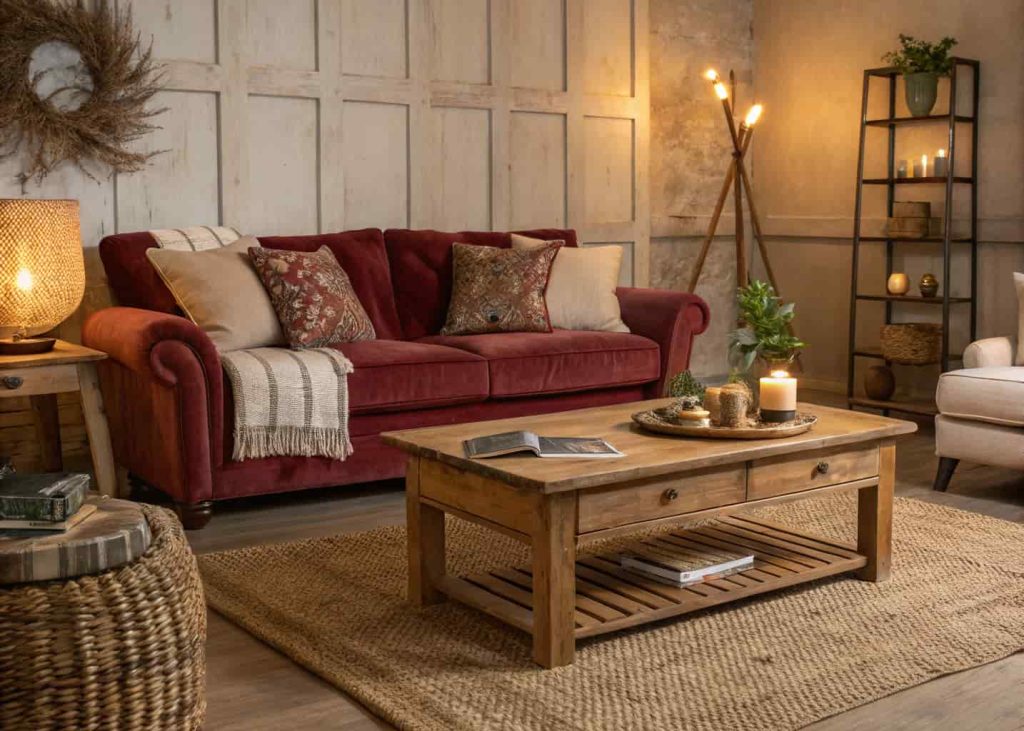
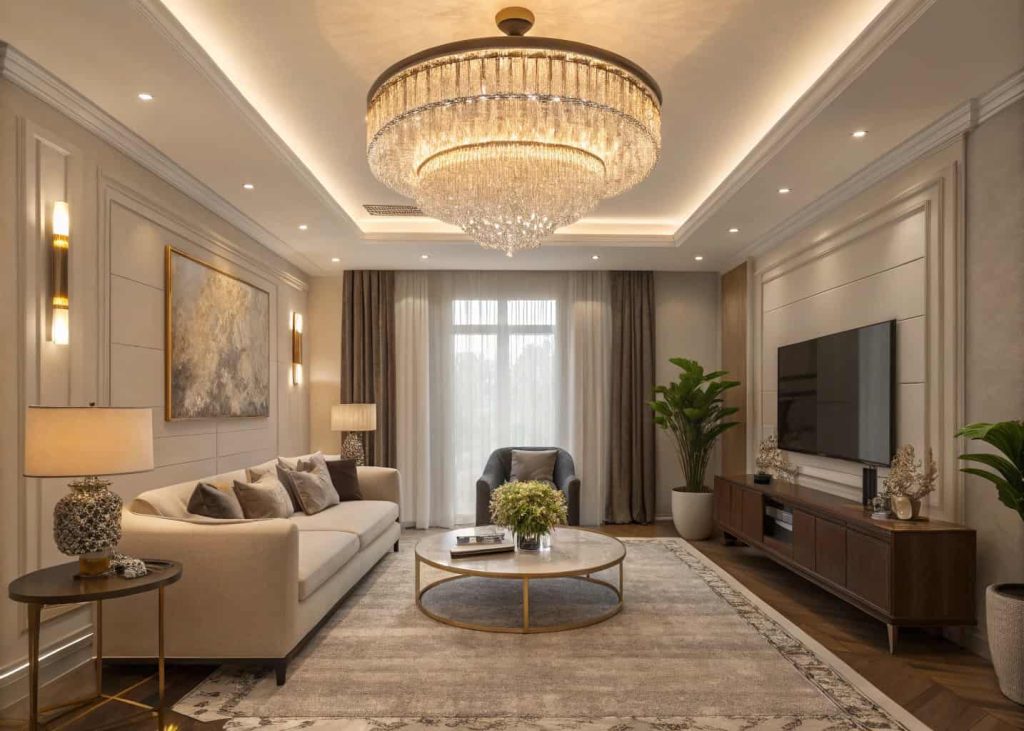
4. Incorporate Statement Lighting
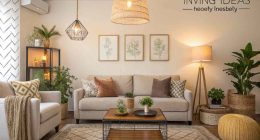
Lighting is a game-changer in interior design. Statement lighting fixtures, such as chandeliers, pendant lights, or artistic floor lamps, instantly elevate your space. Beyond aesthetics, lighting influences mood—soft, warm lights create a cozy vibe, while bright lights energize a room. Mix ambient, task, and accent lighting for the perfect layered effect. Even in small spaces, creative lighting solutions can transform the look and feel. Choose fixtures that complement your overall style, whether modern, rustic, or industrial, and make your home feel both functional and elegant.
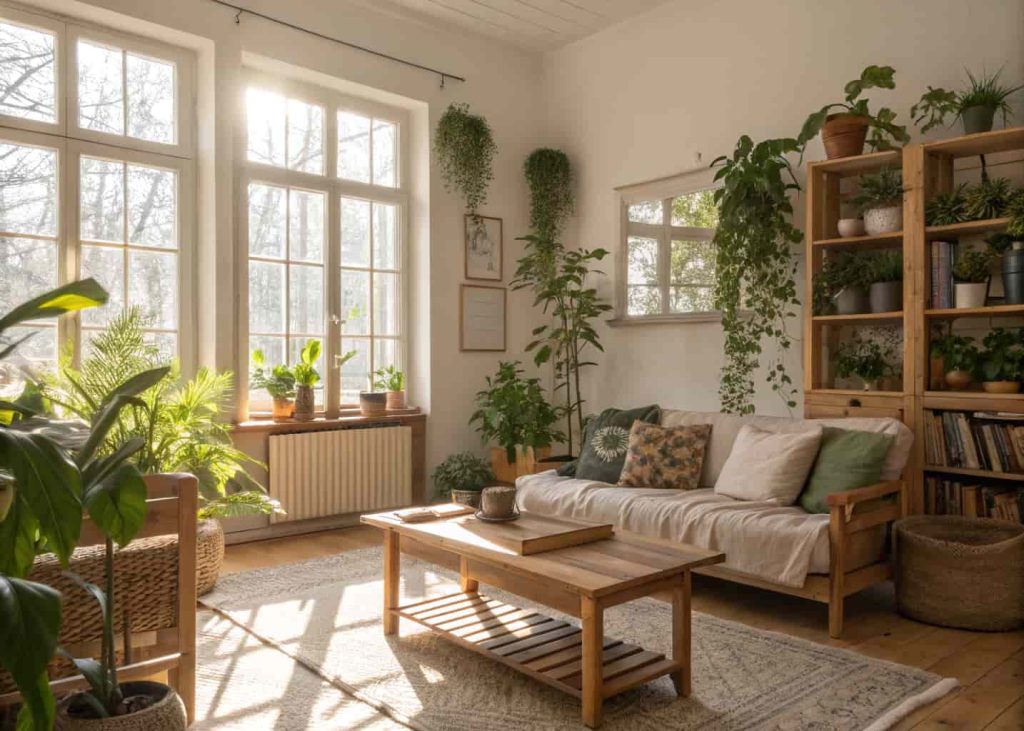
5. Bring Nature Indoors
Plants instantly breathe life into any interior design. From small potted succulents to large indoor trees, greenery adds freshness, color, and a sense of calm. Plants also improve air quality and make a space feel more inviting. Consider hanging planters, vertical gardens, or simple tabletop arrangements to integrate nature seamlessly. Pair plants with natural materials like wood and stone for a balanced, earthy feel. This simple addition can transform even the most neutral room into a vibrant, lively space, connecting your home to the beauty of the outdoors.
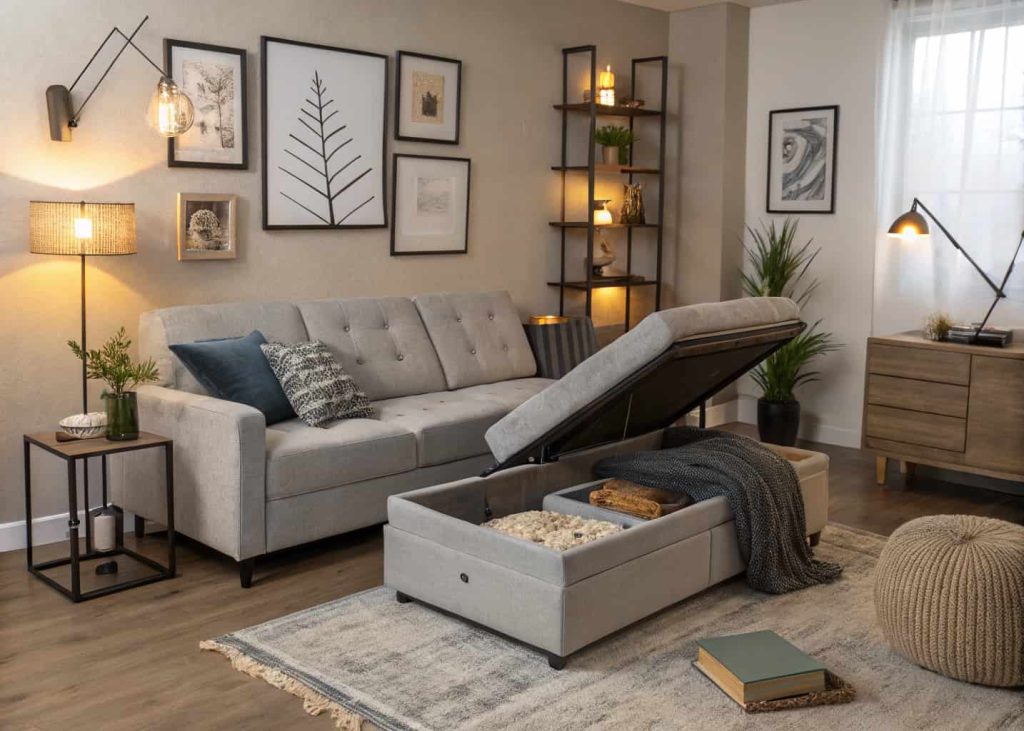
6. Choose Multi-Functional Furniture
Modern homes benefit from furniture that serves multiple purposes. Sofa beds, ottomans with storage, or foldable tables maximize space and add practicality. Multi-functional furniture is ideal for smaller apartments or rooms where flexibility is key. It ensures your home remains organized and clutter-free while maintaining style. Look for pieces with hidden compartments or modular designs that can adapt to different needs. This approach keeps interiors neat, enhances functionality, and allows you to enjoy a comfortable, stylish environment without overcrowding your space.
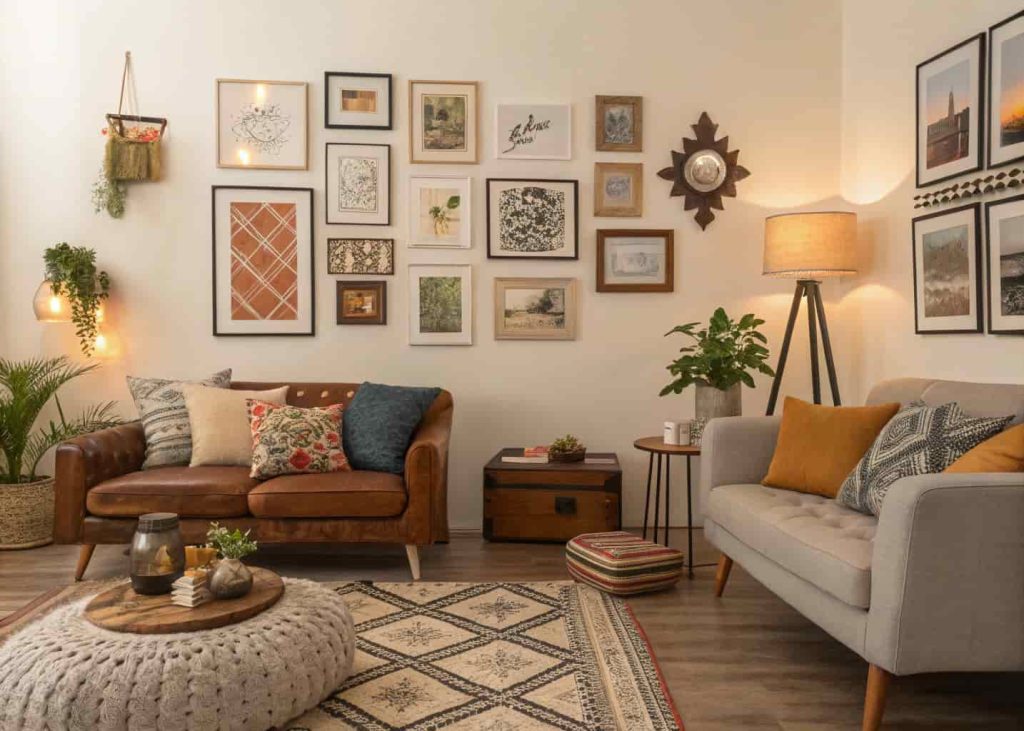
7. Integrate Art and Personal Touches
Artwork transforms a plain space into a personal statement. Hang paintings, framed photos, or wall sculptures to reflect your personality and style. Consider creating a gallery wall with a mix of prints and family photos. Even small decorative objects like ceramics, books, or handmade crafts add warmth and individuality. Personalized décor ensures your home feels lived-in, welcoming, and uniquely yours. It’s a simple way to make every room memorable, turning functional spaces into visually compelling environments that tell a story about who you are.
8. Opt for Open Spaces
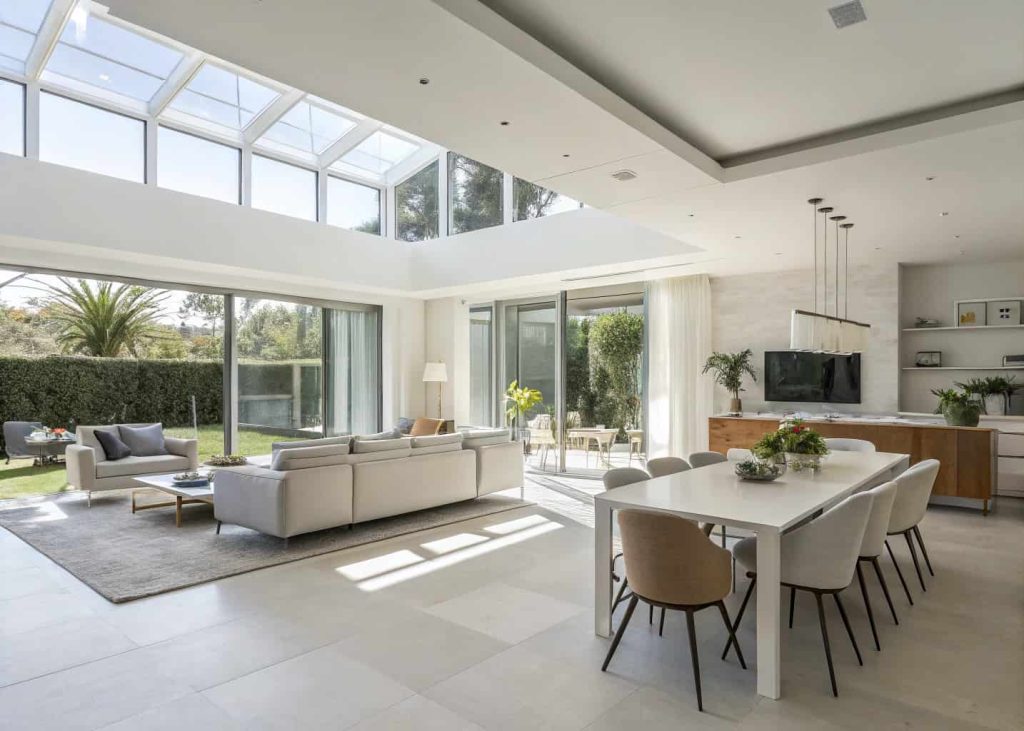
Open layouts are perfect for creating a sense of flow and spaciousness. Removing unnecessary partitions and using furniture to define areas can make your home feel larger and more inviting. Open spaces encourage social interaction and natural light distribution, enhancing the overall ambiance. Combine this with cohesive color schemes and decor to maintain harmony. Even small homes can benefit from visual openness by using mirrors, low furniture, and light wall colors. Open layouts create freedom, modernity, and a welcoming environment for both residents and guests.
9. Experiment with Patterns
Patterns in interior design add visual interest and energy. Consider geometric wallpapers, striped rugs, or patterned cushions to make a statement. Mixing subtle and bold patterns can create depth and playfulness, but balance is key. Avoid overloading a room with too many clashing designs—stick to a color palette for harmony. Patterns work well in accent areas like a feature wall or a small corner, instantly elevating a space without major renovations. They give rooms character and reflect creativity, making interiors feel lively and dynamic.
10. Highlight Architectural Features
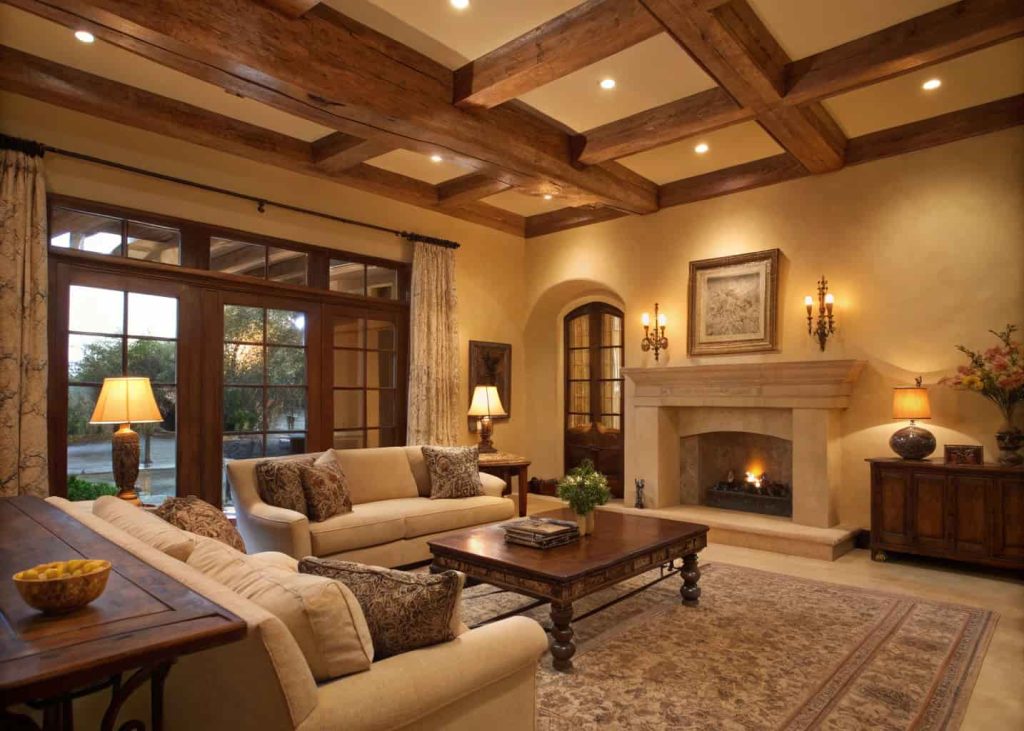
Emphasizing architectural details like exposed beams, molding, or built-in shelving adds character to any home. Instead of covering them up, showcase these features with paint contrasts, lighting, or decor placement. Unique architectural elements can define a room and become focal points. Even small details, like window trims or door frames, contribute to a polished, intentional design. Highlighting these aspects turns ordinary spaces into extraordinary ones, celebrating the home’s structure while enhancing its aesthetic appeal.
11. Layer Rugs for Comfort
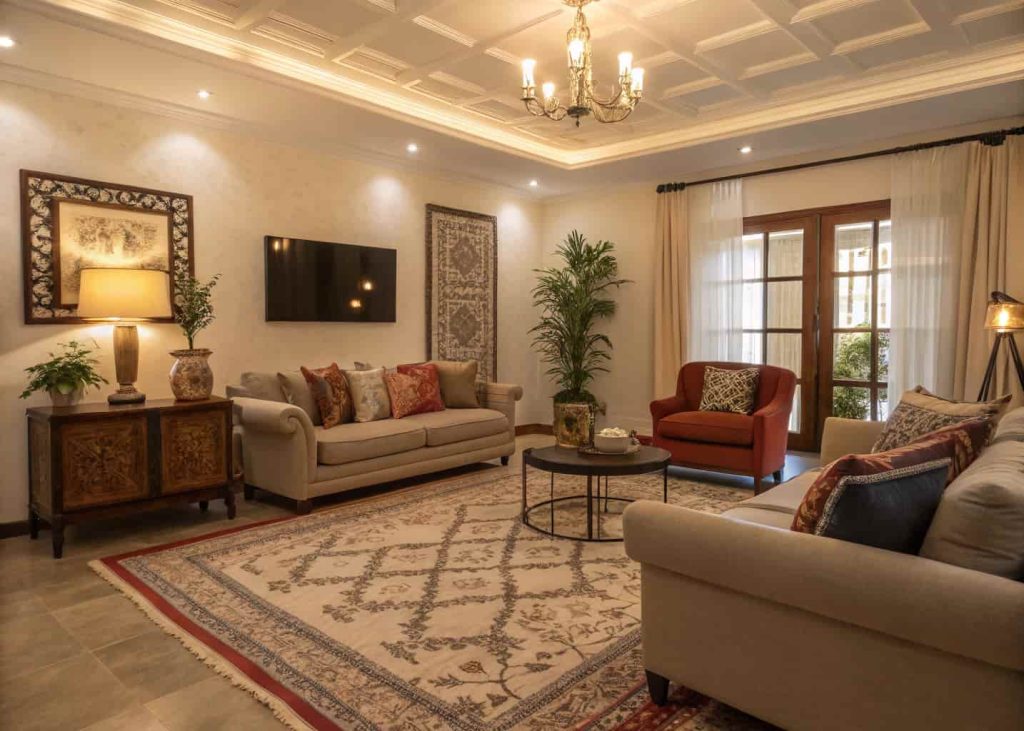
Layering rugs adds warmth, texture, and style. Combine a large neutral rug with smaller patterned or textured rugs on top to create a cozy, inviting floor space. This technique defines zones in open layouts and adds visual interest. Mix materials like wool, jute, or cotton for depth. Layered rugs also soften hardwood or tile floors, making spaces feel more intimate. It’s an affordable way to elevate interior design while adding comfort and personality to your home.
12. Play with Mirrors
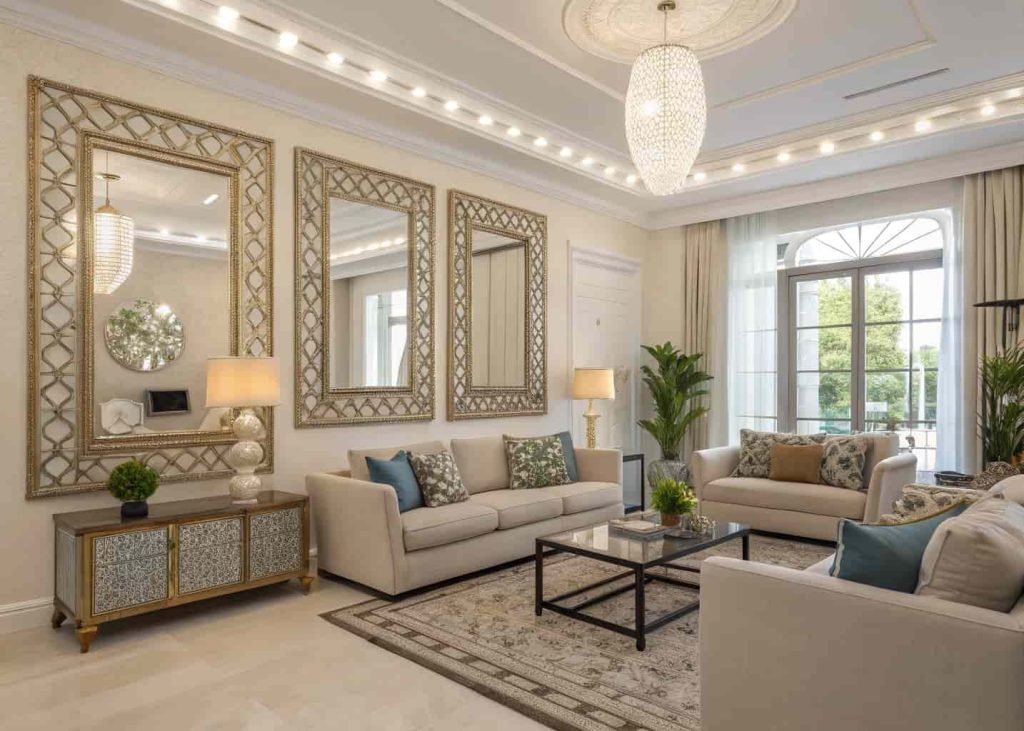
Mirrors enhance interior design by reflecting light, making rooms appear larger and brighter. Large floor mirrors or mirrored wall panels create a sense of depth and elegance. Strategically place mirrors opposite windows to maximize natural light. Beyond functionality, mirrors act as stylish décor elements, complementing furniture and wall designs. In small spaces, mirrors can significantly open up the area, giving the illusion of more space while maintaining a chic, modern aesthetic.
13. Add Cozy Textiles
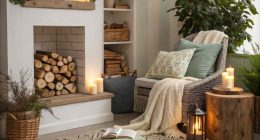
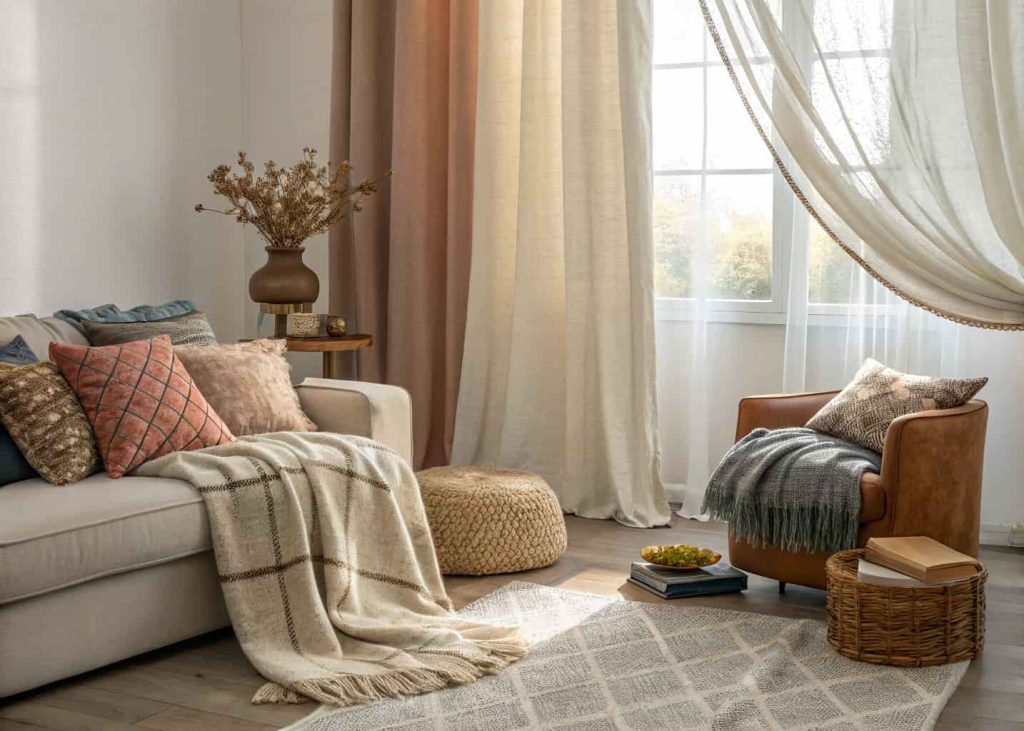
Soft textiles like cushions, throws, and curtains make your home warm and inviting. Layering fabrics adds comfort, color, and texture, transforming sterile rooms into cozy havens. Choose materials that complement your overall interior style—linen, velvet, wool, or cotton. Textiles also allow seasonal updates, easily switching colors or textures to refresh a room. They provide both aesthetic appeal and practical warmth, creating spaces where people naturally want to relax and spend time.
14. Incorporate Vintage or Antique Pieces
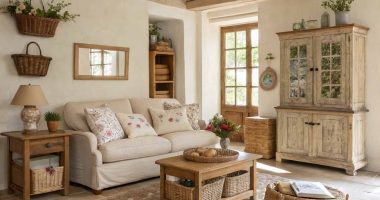
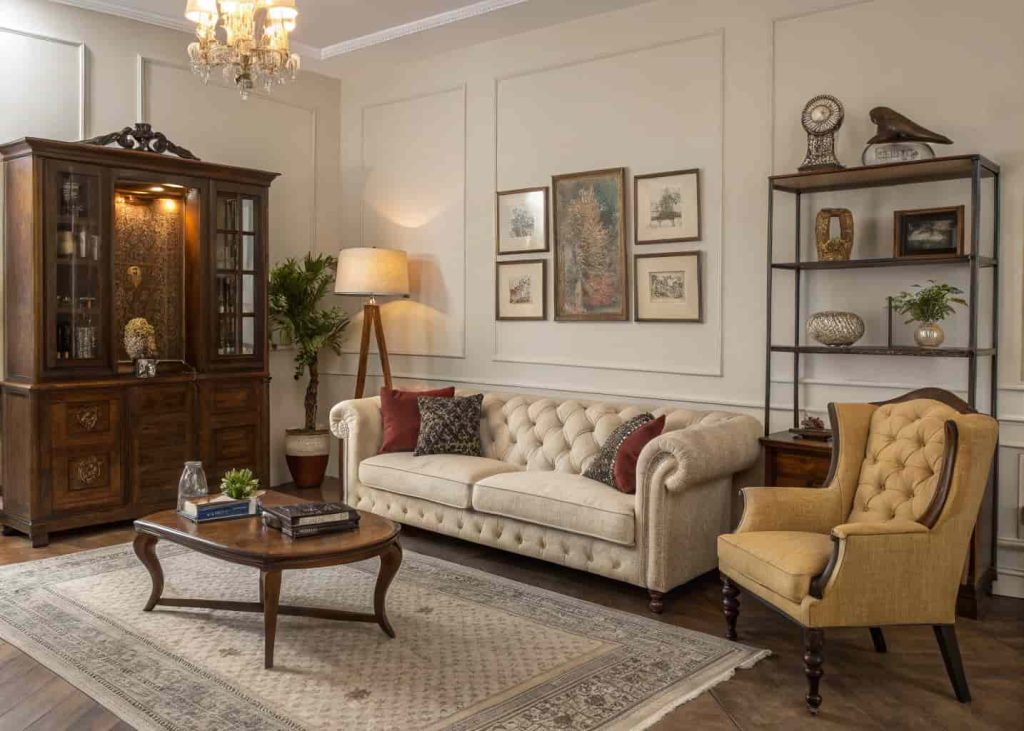
Adding vintage or antique furniture gives character and a story to your home. Whether it’s an old wooden chest, a retro chair, or an antique mirror, these pieces bring charm and uniqueness. Mix them with modern furniture for contrast and balance. Vintage décor adds personality, warmth, and a sense of history, making your space memorable. Even a single statement antique item can elevate the entire room’s interior design, giving it elegance and individuality.
15. Personalize Your Space
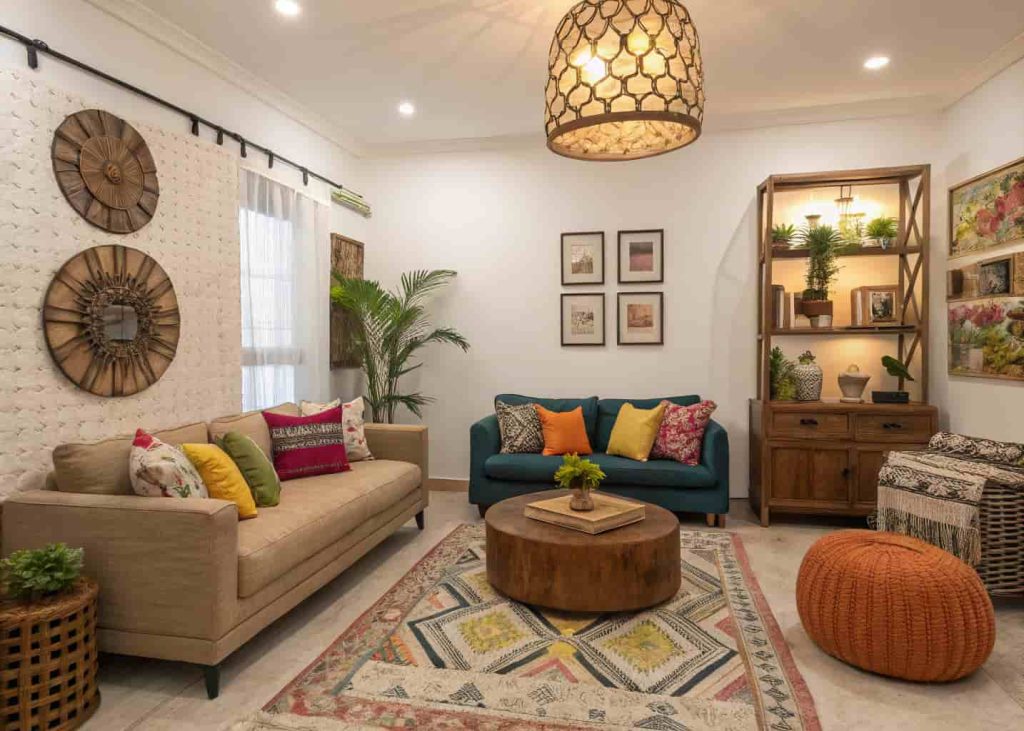
Ultimately, interior design is about creating a home that reflects you. Combine all these ideas—color, texture, lighting, art, and personal touches—to make each room meaningful. Display memories, favorite books, and travel souvenirs. Use your creativity to mix styles and experiment until it feels right. A personalized home not only looks beautiful but also feels comforting and welcoming. It’s the combination of design knowledge and personal expression that transforms a house into a true home.
Conclusion:
Transforming your home beautifully doesn’t require a full renovation. By embracing minimalist designs, bold colors, textures, lighting, and personal touches, you can create stylish, cozy, and functional spaces. These 15 interior design ideas provide inspiration to refresh your home step by step, making it a space that truly reflects your personality and style.