Front Yard Landscaping Ideas is the first thing people see when they pull up to your home. A beautiful, well-kept garden does not have to mean hours of backbreaking work every weekend. With the right plants, smart design choices, and a little planning upfront, you can create a stunning front yard that practically takes care of itself. These 16 ideas will help you build a garden that looks amazing all year round — without the constant effort.
1 Use Native Plants for Effortless Beauty
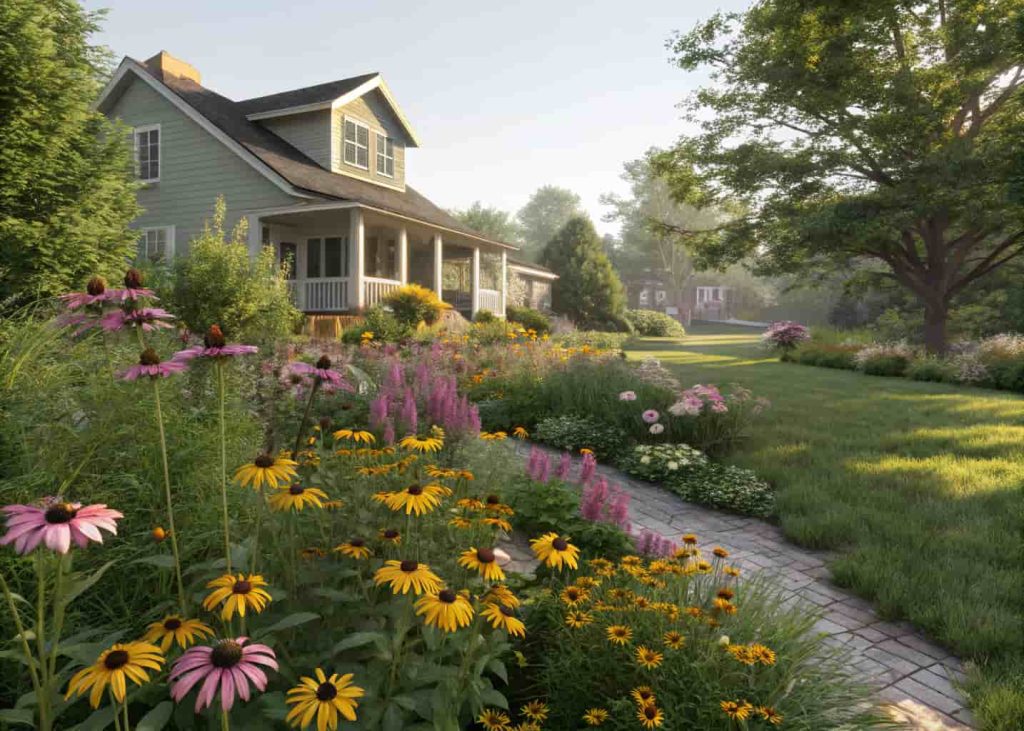
Native plants are hands-down the smartest choice for a low-maintenance front yard. They have evolved to thrive in your local climate, which means they need very little water, fertilizer, or attention once they get established. Plants like black-eyed Susans, coneflowers, and native grasses look gorgeous while supporting local pollinators like bees and butterflies. Since they are already adapted to your region’s rainfall patterns and soil conditions, you spend far less time fighting nature and more time enjoying a yard that genuinely works with your local environment. It is one of the best long-term decisions any homeowner can make for their outdoor space.
2 Install a Mulch Bed to Cut Down on Weeding
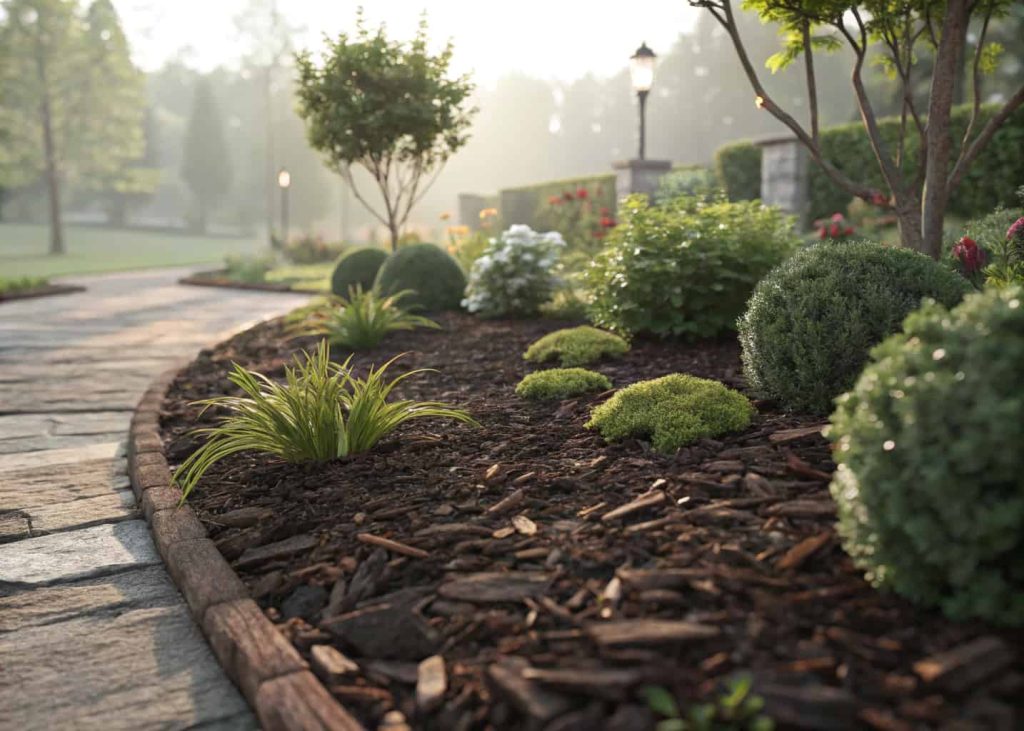
If there is one thing that turns gardening into a chore, it is constant weeding. A thick layer of mulch — about 3 inches deep — around your plants solves this problem beautifully. Mulch blocks sunlight from reaching weed seeds, so they cannot germinate and take over. At the same time, mulch locks in soil moisture, which means you water less often, especially during hot summer months. Wood chip mulch, shredded bark, or even rubber mulch all work well and give your garden beds a clean, polished look. Refresh the mulch once a year and you will dramatically reduce the maintenance your front yard demands from you throughout the entire season.
3 Plant Ornamental Grasses for Year-Round Interest
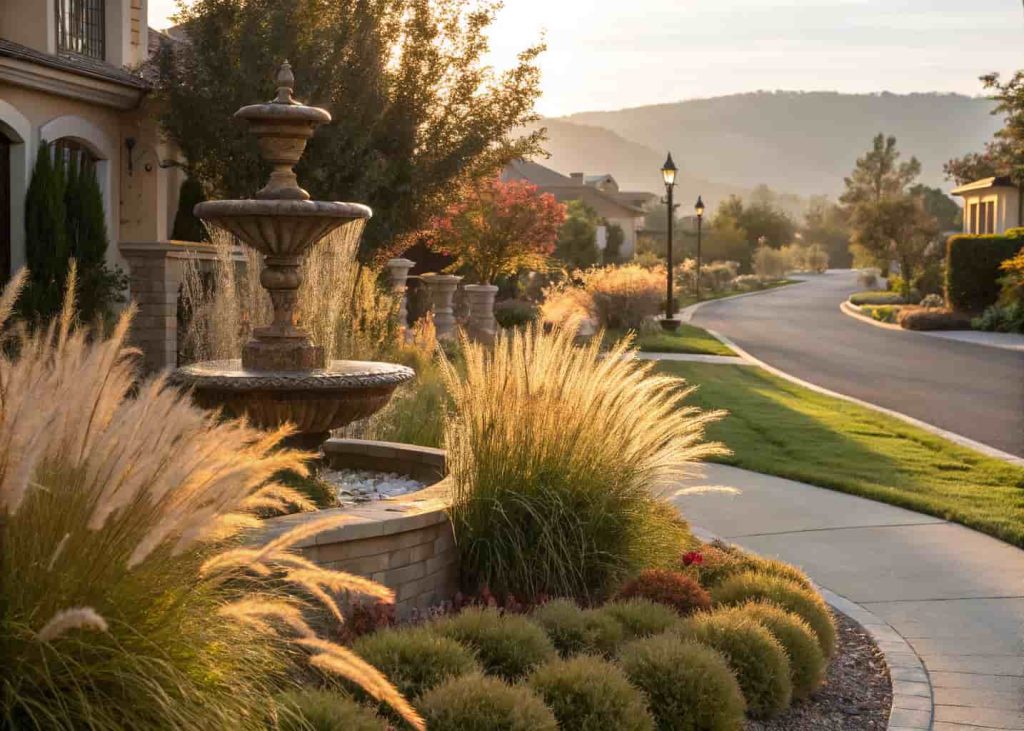
Ornamental grasses are some of the most underrated plants in landscaping. Varieties like feather reed grass, blue oat grass, and fountain grass grow beautifully without much attention. They do not need frequent watering, rarely attract pests, and look stunning in every season — swaying gracefully in summer breezes and providing golden texture in winter. Most ornamental grasses only need to be cut back once a year in late winter before new growth begins. They are incredibly versatile and can work as borders, focal points, or mass plantings. For homeowners who want a dramatic, sculptural look in the front yard with almost zero effort, ornamental grasses are a perfect solution every time.
4 Add Ground Cover Plants Instead of Grass
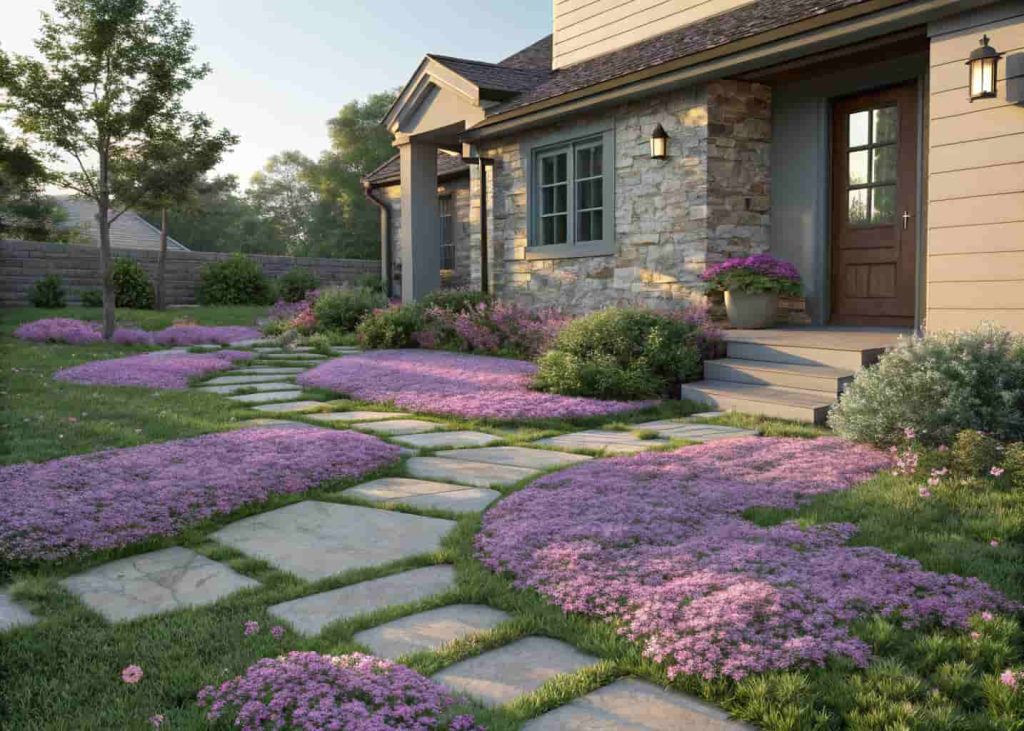
Traditional grass lawns need mowing, edging, watering, and fertilizing — a never-ending cycle of upkeep. Replacing sections of lawn with ground cover plants is a game-changer for busy homeowners. Creeping thyme, pachysandra, sedum, and sweet woodruff spread on their own to fill empty spaces, suppressing weeds as they go. Many ground covers also bloom at some point in the season, adding color without any extra planting effort. They handle foot traffic reasonably well, handle drought better than most grasses, and require essentially zero mowing. Over time, they actually improve the soil structure underneath them. Swapping even part of your lawn for ground cover can significantly reduce the time you spend maintaining your front yard.
5 Set Up a Drip Irrigation System
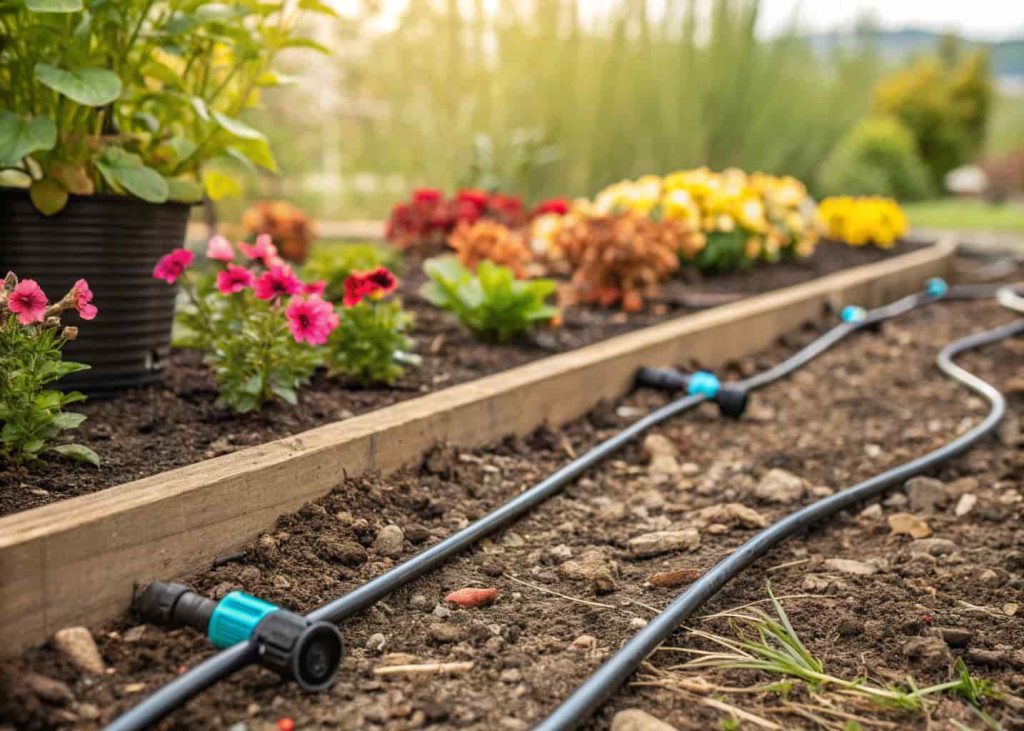
Watering by hand or using sprinklers wastes a surprising amount of water and your time. A drip irrigation system delivers water directly to the roots of your plants through small tubes and emitters, which means almost no evaporation and no overwatering. Once it is installed and connected to a timer, you can essentially forget about watering for the entire season. Plants stay consistently hydrated, which keeps them healthier and more resistant to disease. Drip systems are especially effective when paired with mulch beds. The initial installation takes a few hours, but after that, it saves you enormous amounts of time every single week. For a truly low-maintenance front yard, drip irrigation is one of the best investments you will ever make.
6 Choose Drought-Tolerant Plants
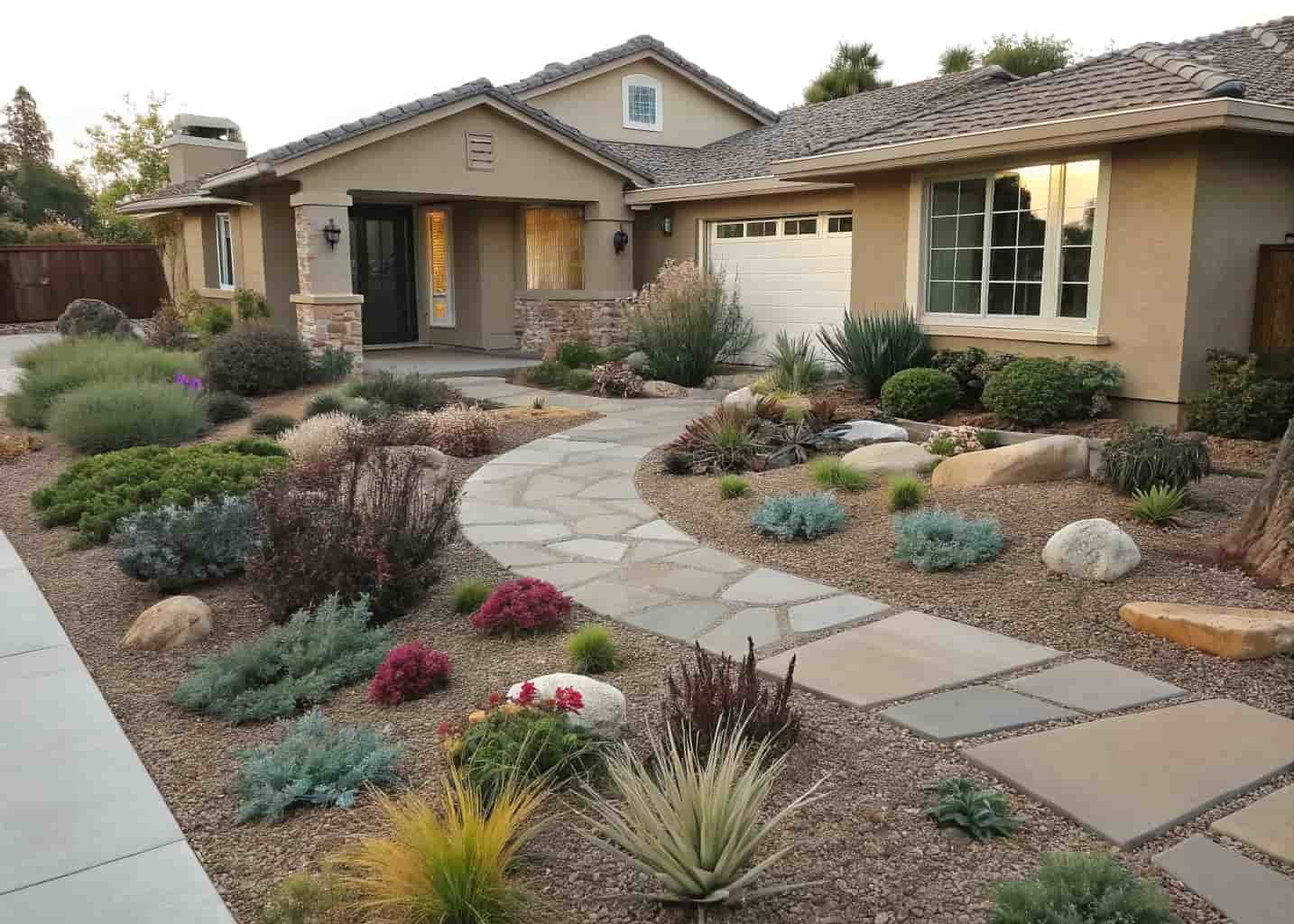
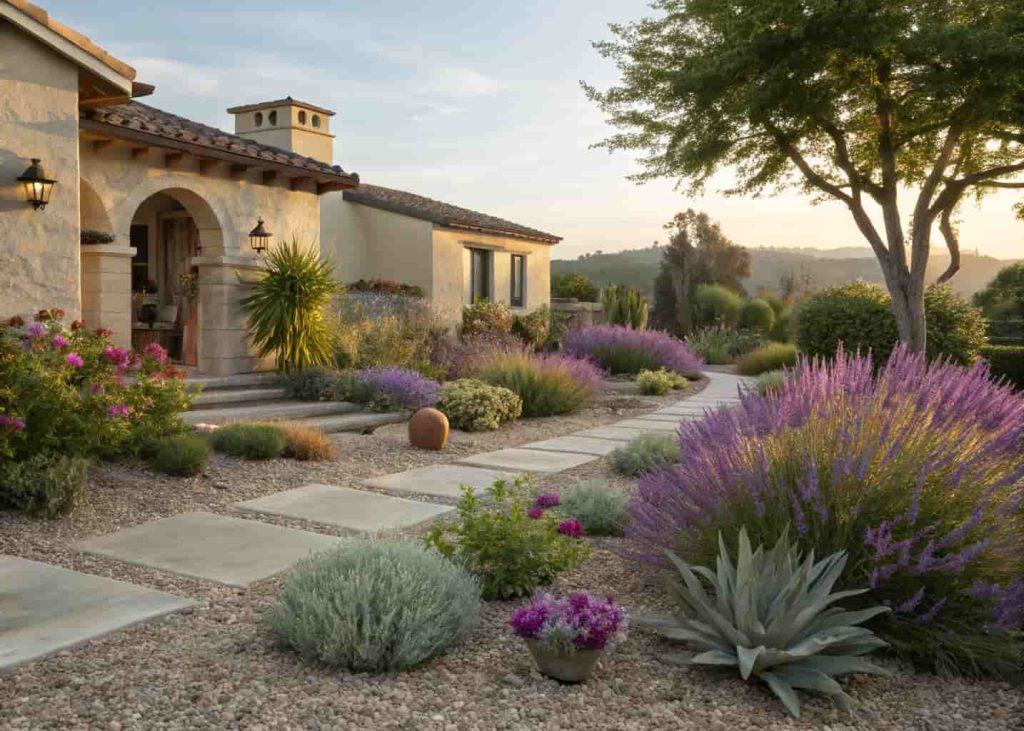
Drought-tolerant plants are ideal for homeowners who forget to water or live in regions with hot, dry summers. Plants like lavender, Russian sage, yarrow, agave, and stonecrop look incredible and are nearly impossible to kill once established. They have deep root systems that seek out underground moisture, making them incredibly resilient during dry spells. Many drought-tolerant plants also happen to be extremely fragrant or strikingly architectural, so they add personality and beauty to your front yard without demanding constant care. Pair them with gravel or rock mulch to reduce water loss even further. The result is a front yard that looks like it took tremendous effort when in reality, it mostly takes care of itself season after season without much intervention.
7 Create a Rock Garden for Zero-Water Landscaping
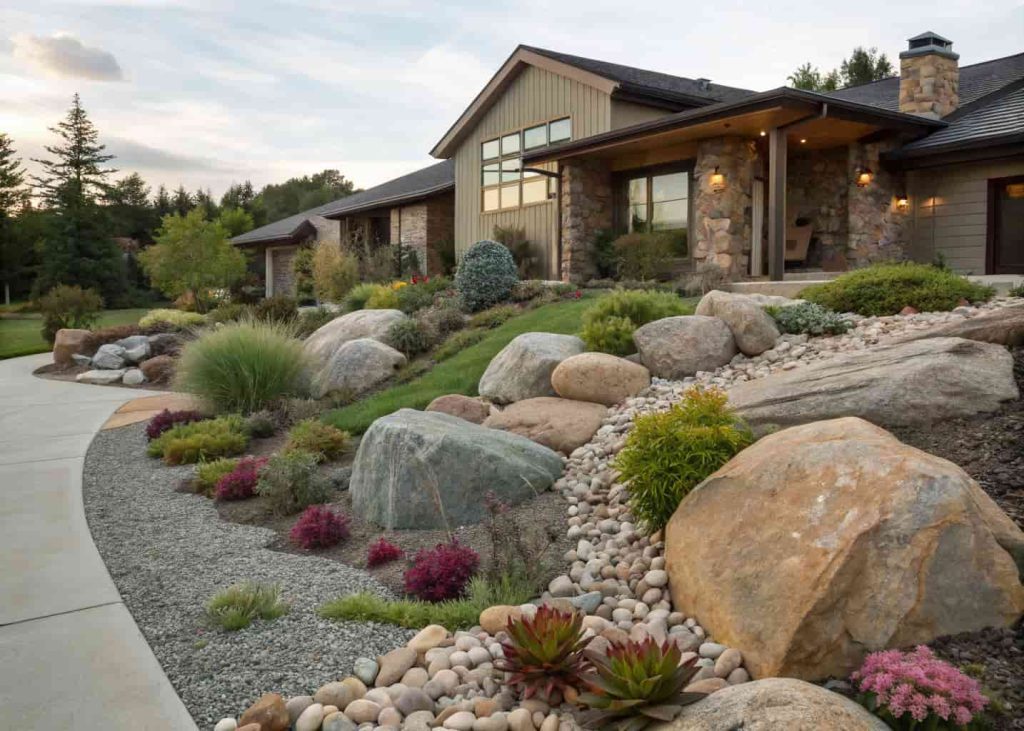
Rock gardens have surged in popularity precisely because they require almost no maintenance at all. By combining decorative boulders, river stones, and gravel with drought-tolerant alpine plants, succulents, or ornamental grasses, you create a front yard that looks artistic and intentional while needing almost no water or upkeep. Rocks do not grow, do not need trimming, and actually help retain soil moisture underneath them. A well-designed rock garden can be absolutely stunning, with pockets of color from hardy plants nestled between stones. It is especially perfect for slopes or areas where growing grass is difficult. Once set up, the only real maintenance is occasionally pulling a few stray weeds that find their way between the rocks.
8 Plant Evergreen Shrubs as Foundation Plantings
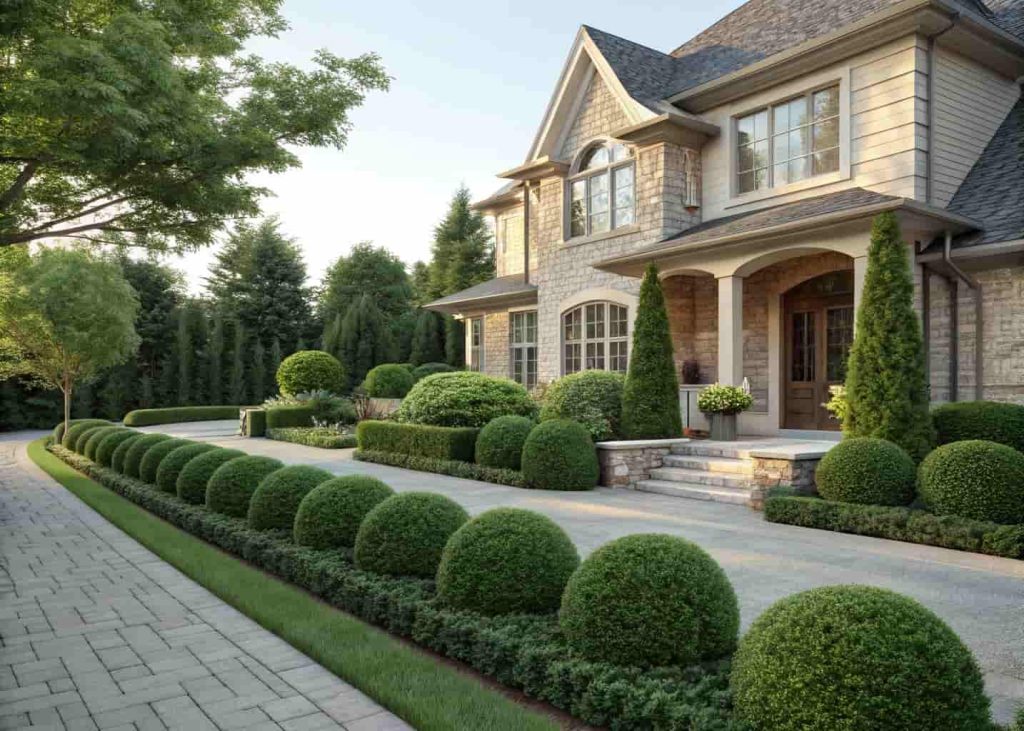
Evergreen shrubs are the ultimate backbone of a low-maintenance front yard. Plants like boxwood, holly, yew, and inkberry look great all year, provide structure to your landscaping, and need very little care beyond an annual trim. Foundation plantings — shrubs placed along the base of your home — frame the house beautifully and give the entire yard a neat, finished appearance even when nothing else is in bloom. Evergreens also help with insulation, providing a wind buffer in winter and shade in summer. Unlike perennials that die back or annuals that need replanting, evergreen shrubs stay put and stay green through every season. Choose slow-growing varieties and you will barely need to touch them beyond the occasional light shaping once or twice a year.
9 Use Perennials Instead of Annuals
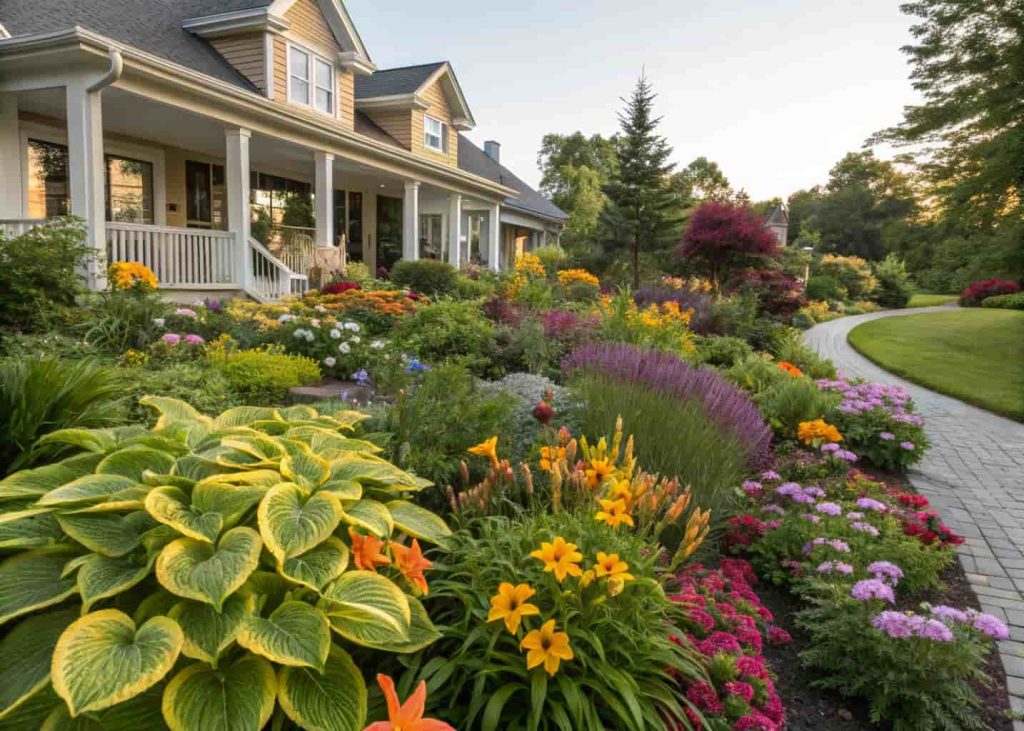
Replanting flowers every single spring is one of the most time-consuming gardening tasks there is. Switching to perennials — plants that come back year after year on their own — completely eliminates that chore. Perennials like daylilies, hostas, salvia, and rudbeckia establish deep root systems over time, becoming more vigorous and fuller with each passing year. You plant them once and they reward you for decades. Many perennials also divide naturally, meaning you can split them and spread them to new areas of your yard for free. The garden essentially expands and improves itself without you having to buy new plants. Over time, a well-chosen mix of perennials creates a dynamic, layered front yard that blooms in waves from early spring all the way through late autumn.
10 Add a Defined Pathway to Reduce Lawn Area
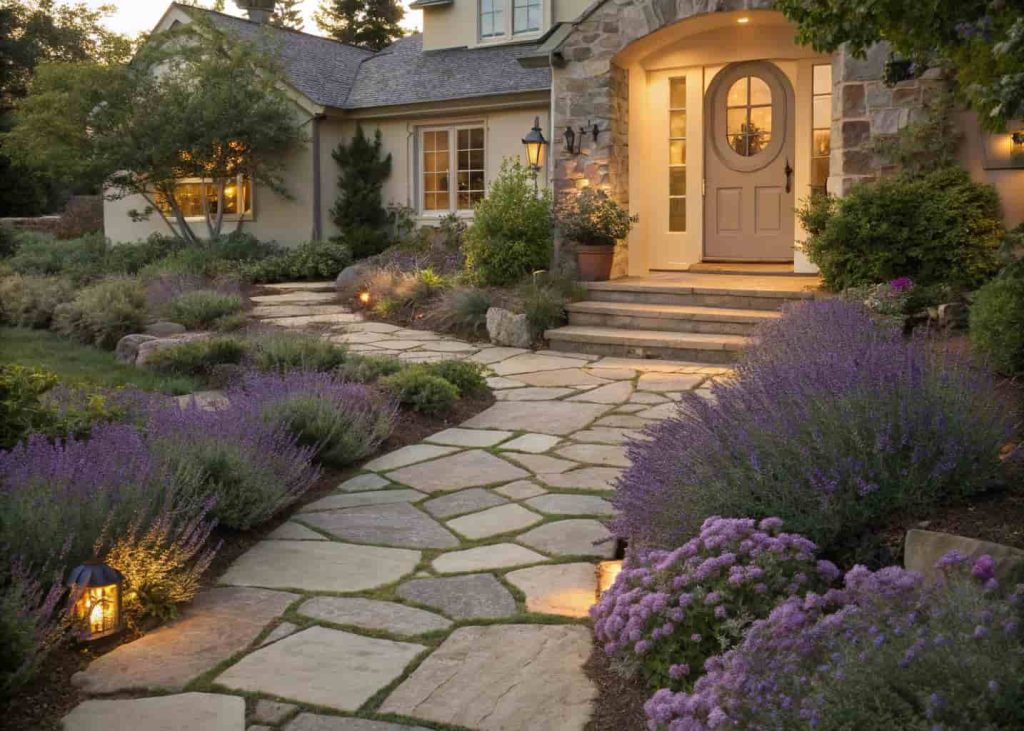
A well-designed pathway does more than guide guests to your front door — it actually reduces the amount of grass or garden bed you need to maintain. Pathways made from flagstone, brick, concrete pavers, or stepping stones are permanent, maintenance-free features that add tremendous curb appeal. Lining the pathway with low-growing plants like creeping thyme or dwarf lavender adds softness and fragrance without requiring much care. The pathway itself creates a natural visual anchor that makes the rest of your landscaping look intentional and polished. It also reduces soil compaction in your garden beds by keeping foot traffic on a defined surface. A beautiful front path is one of those landscaping upgrades that transforms the entire look of a property immediately.
11 Plant a Privacy Hedge Instead of Building a Fence
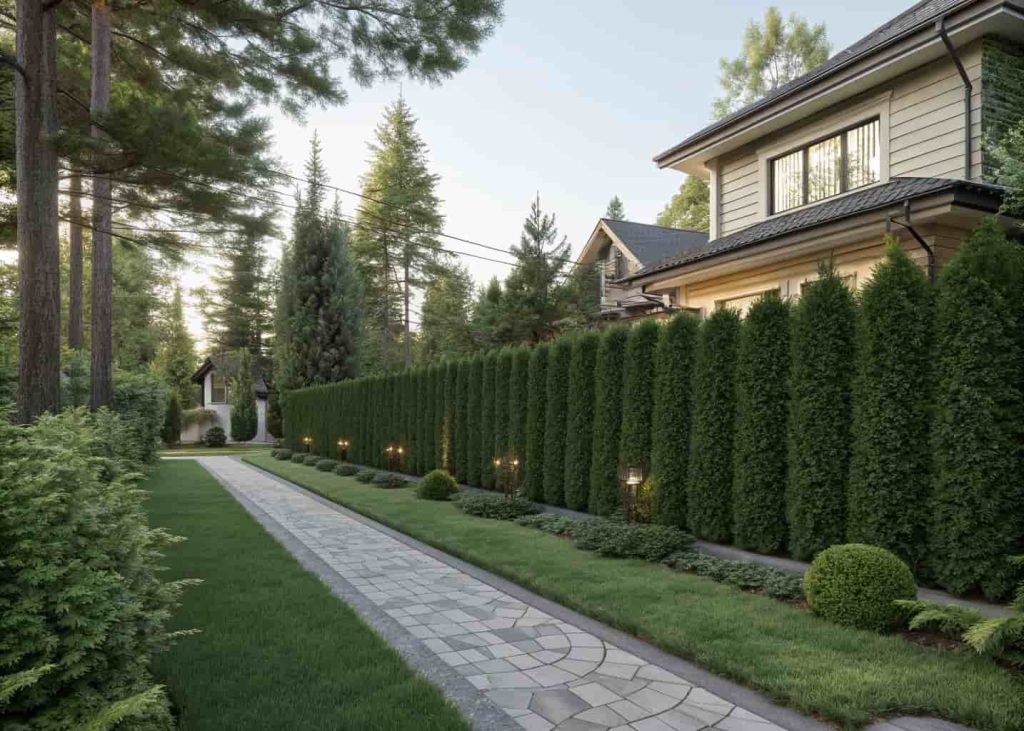
A living privacy hedge is a beautiful, natural alternative to wood or vinyl fencing. Arborvitae, Leyland cypress, and privet grow quickly into dense, green screens that provide privacy, reduce noise, and look far more attractive than any manufactured fence. Once established, most privacy hedges only need one or two trims per year to keep their shape. They also provide habitat for birds and beneficial insects, adding an ecological benefit that fences simply cannot offer. A well-maintained hedge instantly elevates the appearance of your front yard and gives it a sense of established elegance. Choose the right species for your climate and soil and your hedge will be almost completely self-sufficient after the first couple of growing seasons. It is a long-term investment that pays off beautifully.
12 Create a Wildflower Meadow Look
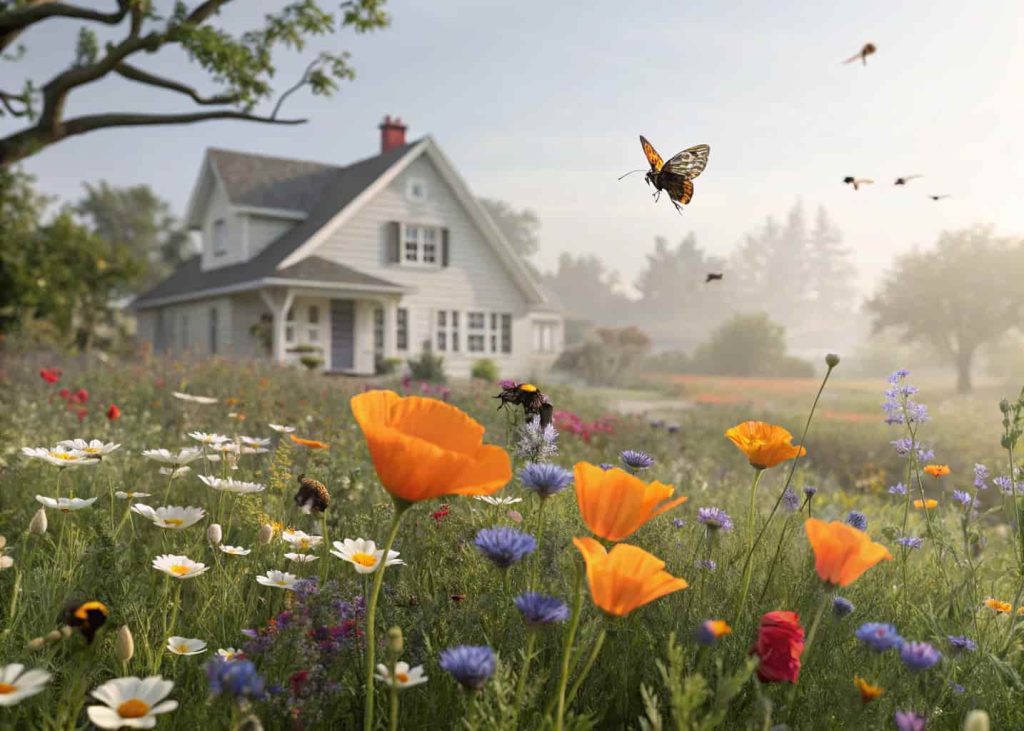
A wildflower meadow-style front yard looks absolutely magical and requires significantly less maintenance than a traditional manicured lawn. By sowing a mix of native annual and perennial wildflowers — like cosmos, California poppy, cornflower, and clover — you create a garden that is alive with color, pollinators, and movement throughout the growing season. Once established, wildflower meadows largely reseed themselves, meaning the garden renews itself year after year with minimal input from you. The only real maintenance is cutting the meadow down once at the end of the season. This style of gardening is also incredibly eco-friendly, supporting pollinators and reducing chemical use. Just make sure to check local regulations, as some areas have rules about front yard wildflower gardens before you plant.
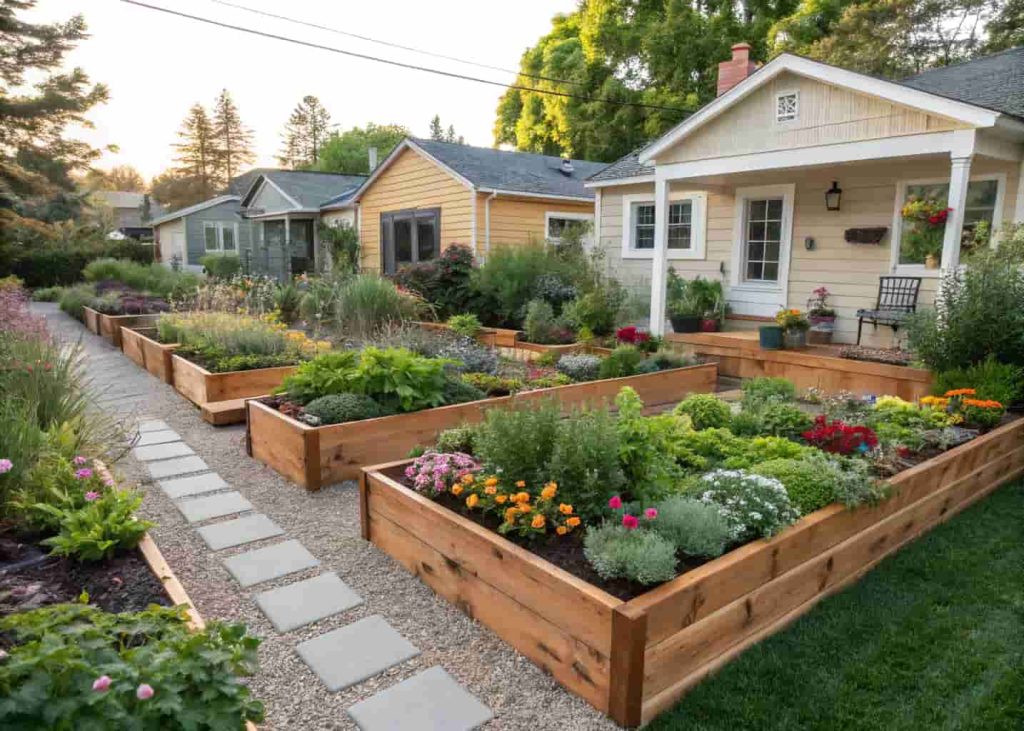
13 Install Raised Garden Beds for Neat, Contained Planting
Raised garden beds give your front yard a structured, polished look while making gardening dramatically easier. Because the soil in raised beds drains well and warms up faster in spring, plants thrive more vigorously than they do in ordinary ground-level beds. The contained design also means weeds have a much harder time invading from surrounding lawn areas. Raised beds look clean and intentional even when plants are between growing cycles. You can fill them with high-quality soil mix tailored to whatever you are growing, eliminating the need to struggle with poor native soil. Build them from cedar, redwood, or composite lumber for longevity. A few well-placed raised beds along the front of your property can completely transform its appearance while making your whole gardening routine far simpler and more enjoyable.
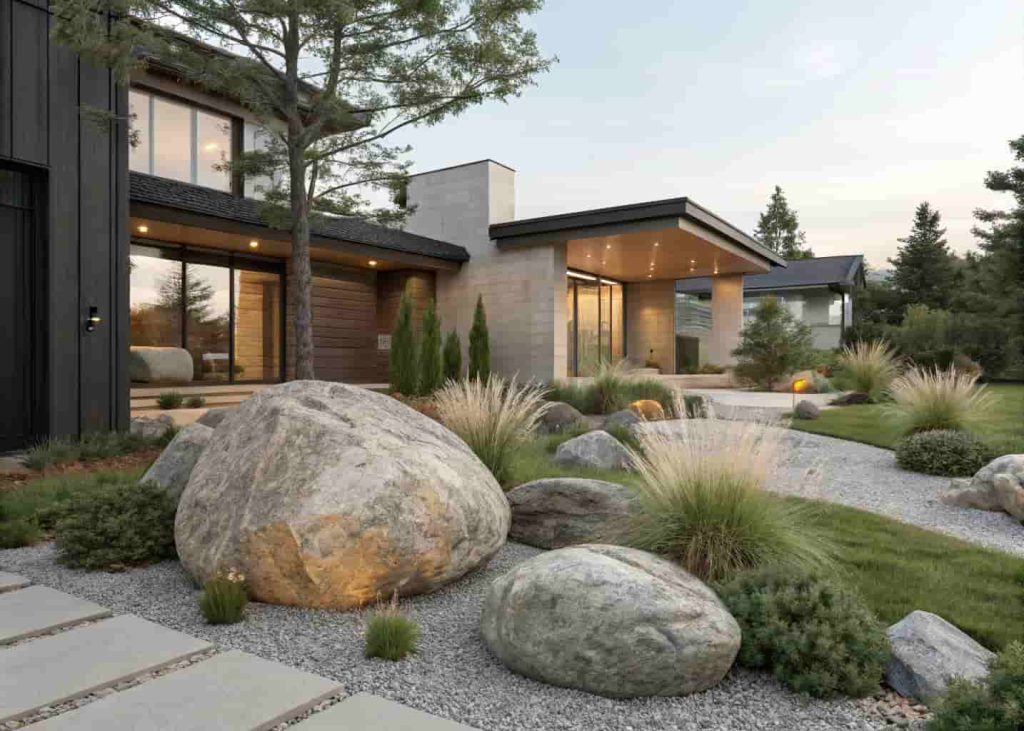
14 Use Decorative Boulders as Focal Points
Large decorative boulders add instant drama and structure to a front yard without requiring any ongoing care whatsoever. A well-placed boulder — especially when surrounded by ornamental grasses or low-growing ground cover — becomes a natural focal point that draws the eye and anchors the overall design. Boulders work particularly well in modern or naturalistic garden styles and can be used to define different zones within your yard. They also help prevent soil erosion on slopes. Unlike most landscaping elements, boulders never need watering, trimming, or replacing. Once they are set in place, they are there forever, looking beautiful through every season and every weather condition. Combining a few boulders of different sizes creates a naturalistic, artistic composition that gives your front yard a sense of permanence and quiet confidence.
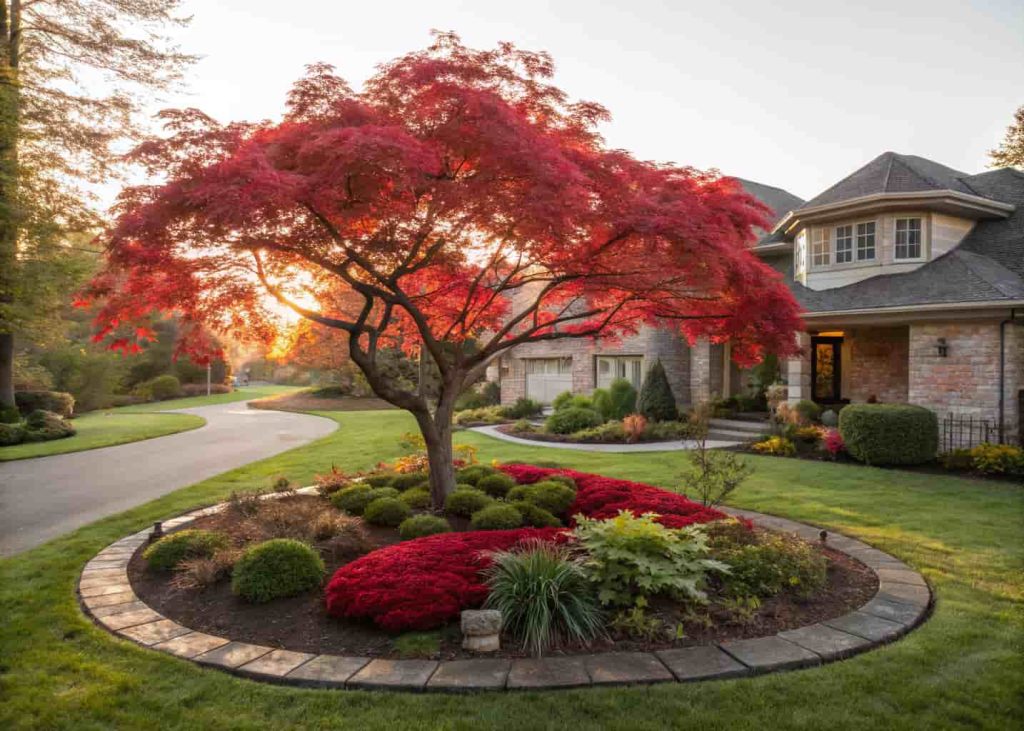
15 Plant a Small Ornamental Tree as a Centerpiece
A single, well-chosen ornamental tree can completely transform the look of a front yard, providing shade, seasonal interest, and vertical height that ties the whole landscape together. Japanese maple, serviceberry, crape myrtle, and dwarf apple trees are all excellent choices that stay compact and require little pruning. Many ornamental trees offer multiple seasons of interest — spring flowers, summer foliage, autumn color, and attractive winter branch structure — making them extraordinary value for a one-time planting. Choose a spot with enough room for the tree to grow to its mature size without crowding your home or driveway. Pair it with a ring of mulch and low-growing perennials underneath and you have a centerpiece that will grow more beautiful with each passing year, completely on its own terms.
16 Design with Symmetry for a Clean, Structured Look
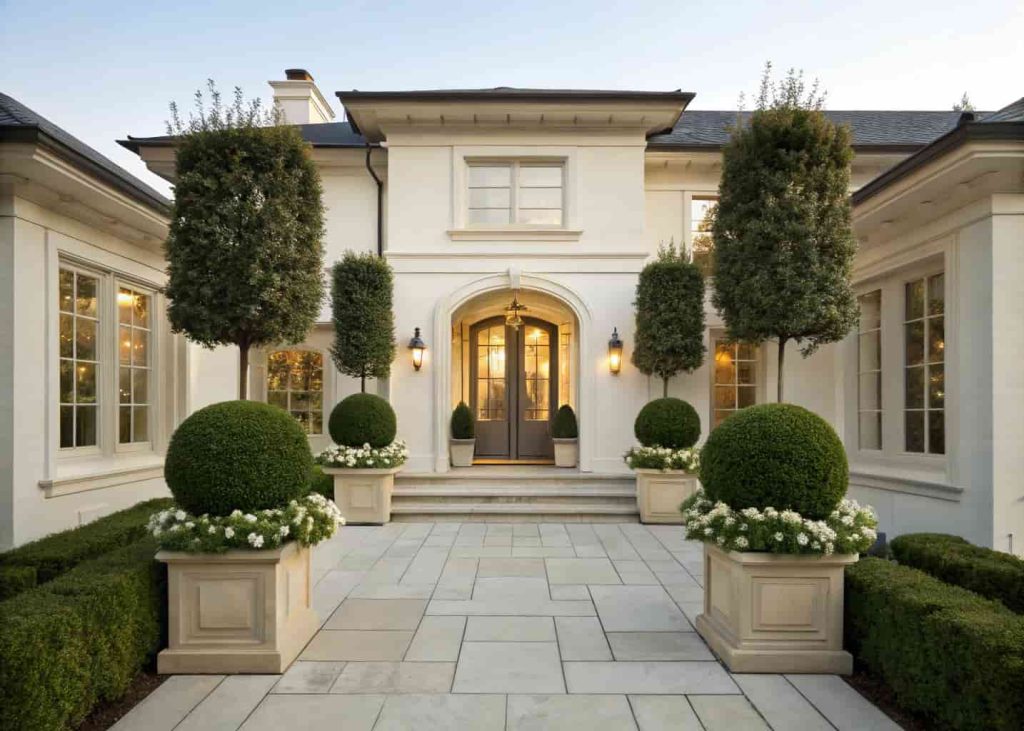
Symmetrical landscaping — placing matching plants, containers, or garden features on both sides of your front path or entry — creates a sense of order and elegance that makes a front yard look intentional and well-maintained even when it is relatively simple. Matching boxwood topiaries flanking a front door, identical ornamental grasses on either side of a pathway, or paired container planters with seasonal blooms all create powerful visual impact with very little plant material. Symmetry is also forgiving — because each side mirrors the other, the design has a built-in coherence that even a beginner can achieve. It photographs beautifully and gives your home a sense of traditional curb appeal. For a clean, structured front yard that always looks sharp, symmetry is one of the most reliable design principles you can use.
Conclusion: Your Low-Maintenance Dream Yard Is Closer Than You Think
Creating a stunning front yard does not have to mean sacrificing your weekends to endless upkeep. The secret is making smart choices upfront — the right plants, the right materials, and the right design approach. Whether you start with something as simple as adding a thick layer of mulch or go bigger with a full native plant overhaul, every one of these 16 ideas moves you closer to a front yard that looks beautiful, supports your local ecosystem, and gives you back your free time. Pick one or two ideas that excite you the most and start there. Over time, as you layer in more of these low-maintenance strategies, your front yard will become the envy of the entire neighborhood — and the best part is, you will barely have to lift a finger to keep it that way.