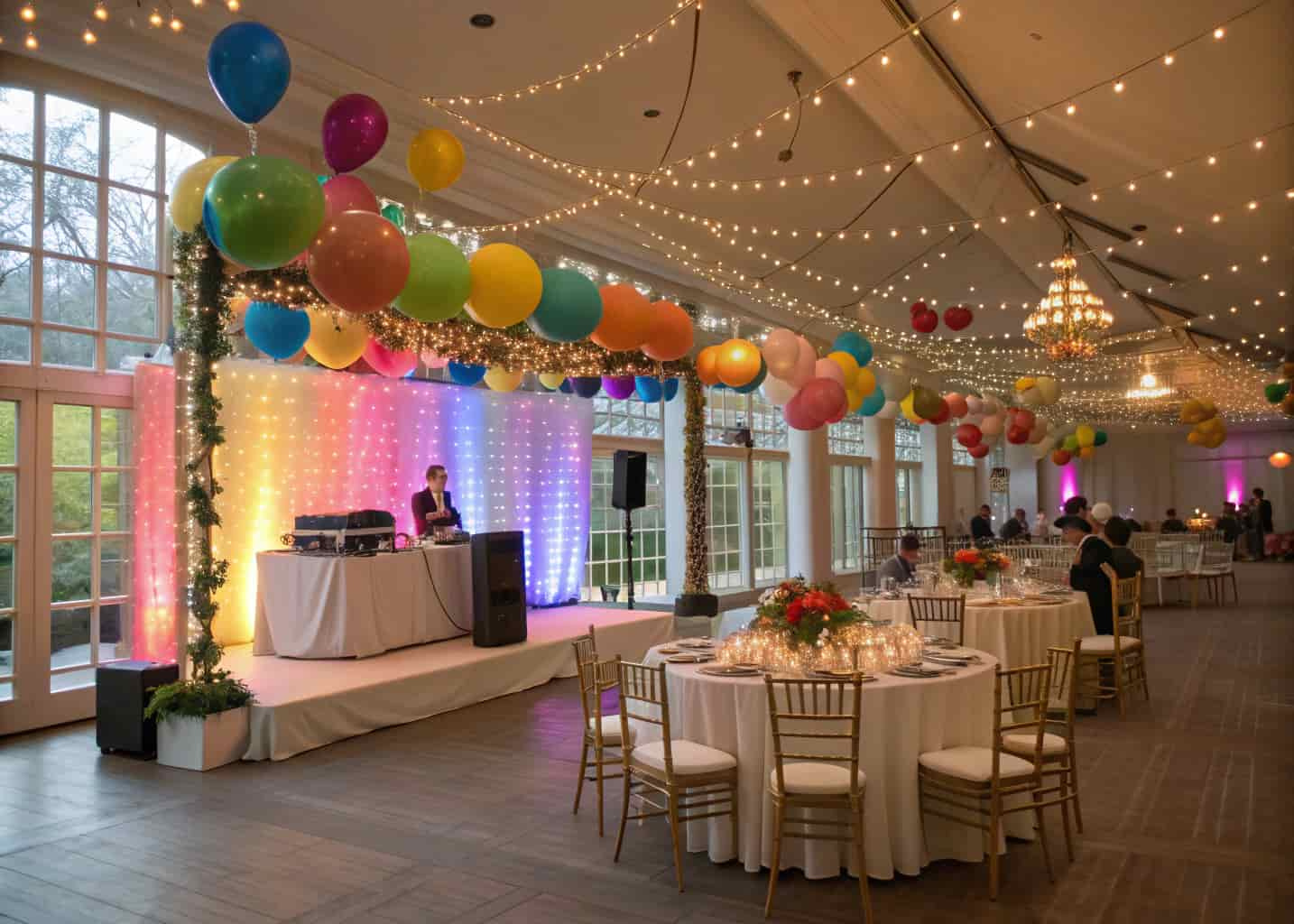
1. Start with a Theme
Event Planning Choosing a theme sets the tone for your event and makes it more memorable. Whether it’s a tropical luau, 80s retro, or elegant black-tie gathering, a theme guides your decorations, music, and even food. A theme also helps guests get excited and immerse themselves in the experience. You can add small touches like themed invitations, party favors, or matching dress codes. Remember, your theme doesn’t have to be expensive—creative ideas like DIY decorations or color-coordinated settings can make a big impact. Starting with a clear theme also simplifies decision-making for every aspect of the event, from tablescapes to entertainment.
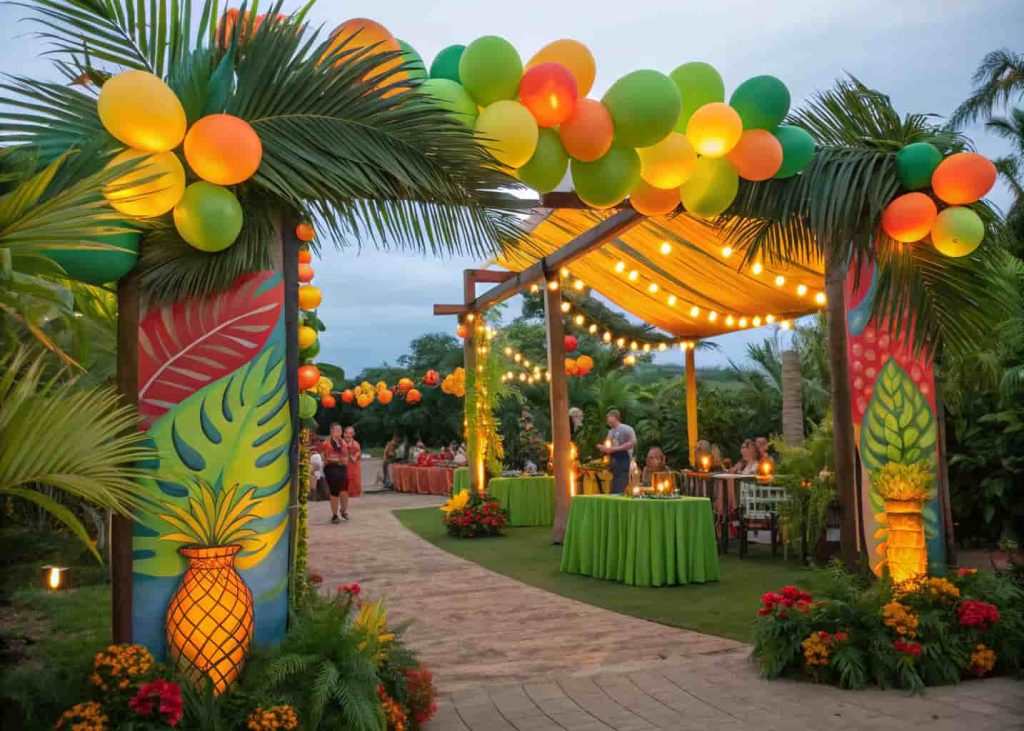
2. Create a Guest List Wisely
The guest list can make or break your event. Start by deciding on the size of your gathering—intimate or large. Consider who will get along and ensure there’s a mix of personalities for lively interactions. Send invitations early, either digitally or traditionally, depending on your audience. For larger events, grouping guests by interest can spark connections. Keep track of RSVPs to plan seating, food, and activities efficiently. A well-thought-out guest list avoids overcrowding and ensures everyone feels comfortable. Remember, it’s not about inviting everyone you know—it’s about inviting the right people to create a fun, memorable atmosphere.
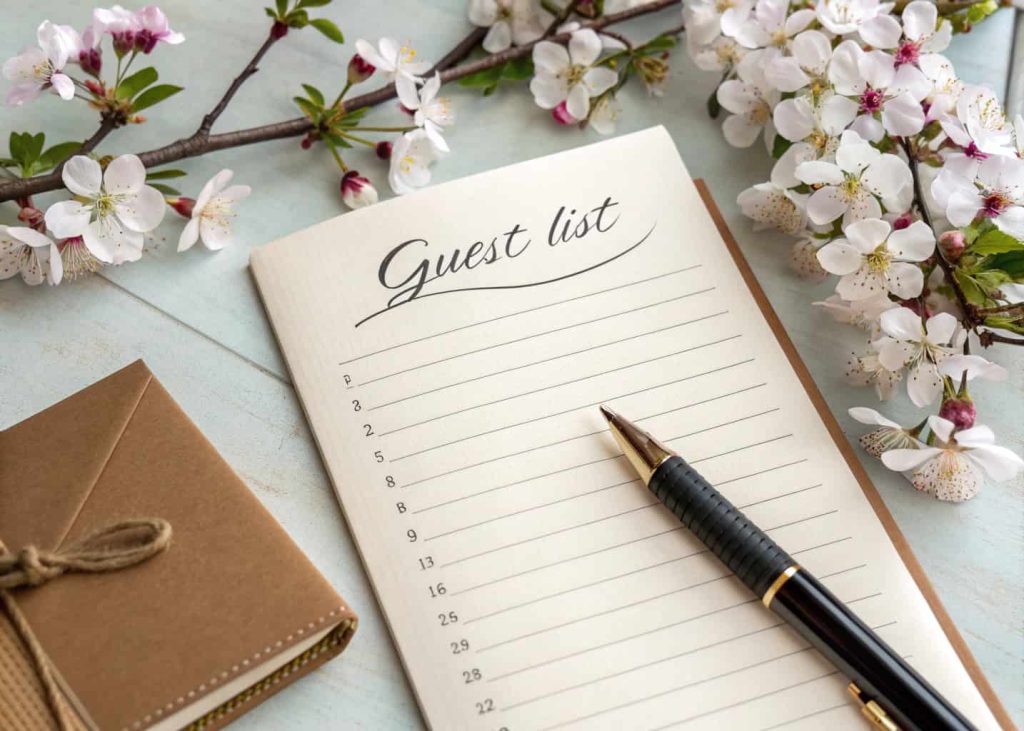
3. Plan a Budget
A budget is the backbone of any successful event. Start by listing essentials: venue, food, decorations, entertainment, and photography. Allocate funds based on priority; for example, food may take a bigger portion than decorations. Always include a 10-15% buffer for unexpected costs. Keeping track of every expense avoids last-minute stress and overspending. You can save by DIYing decorations, borrowing items, or choosing seasonal food options. A clear budget allows you to make smarter decisions while keeping your event stylish and enjoyable. Remember, planning financially doesn’t mean limiting creativity—it means you can focus on what truly makes the event memorable.
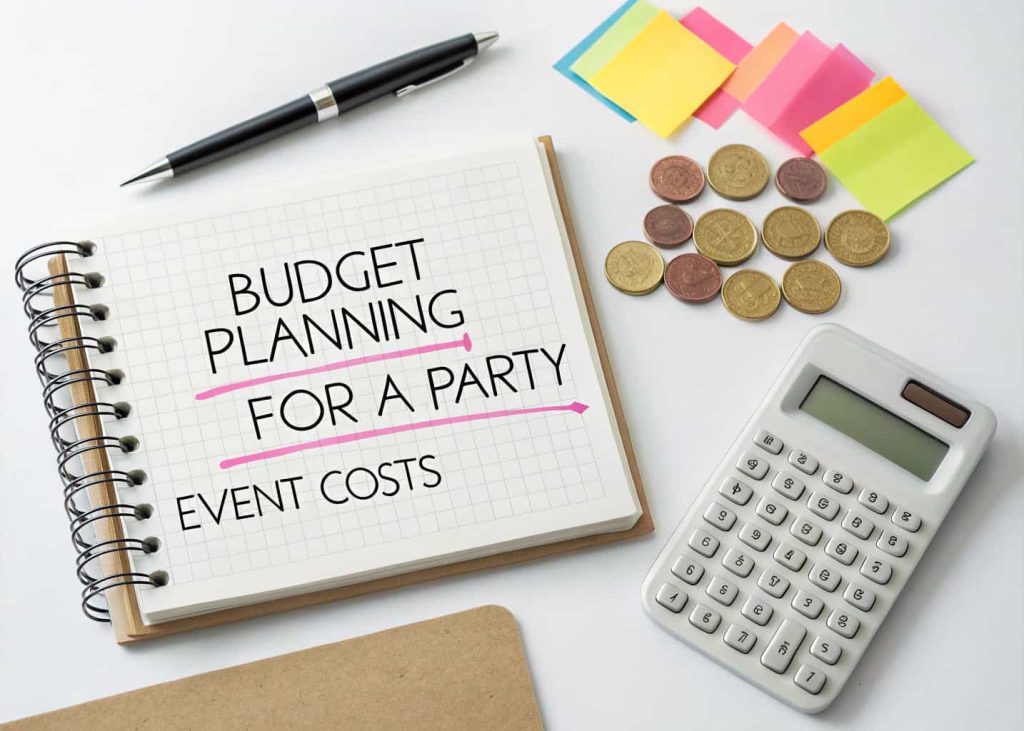
4. Choose the Perfect Venue
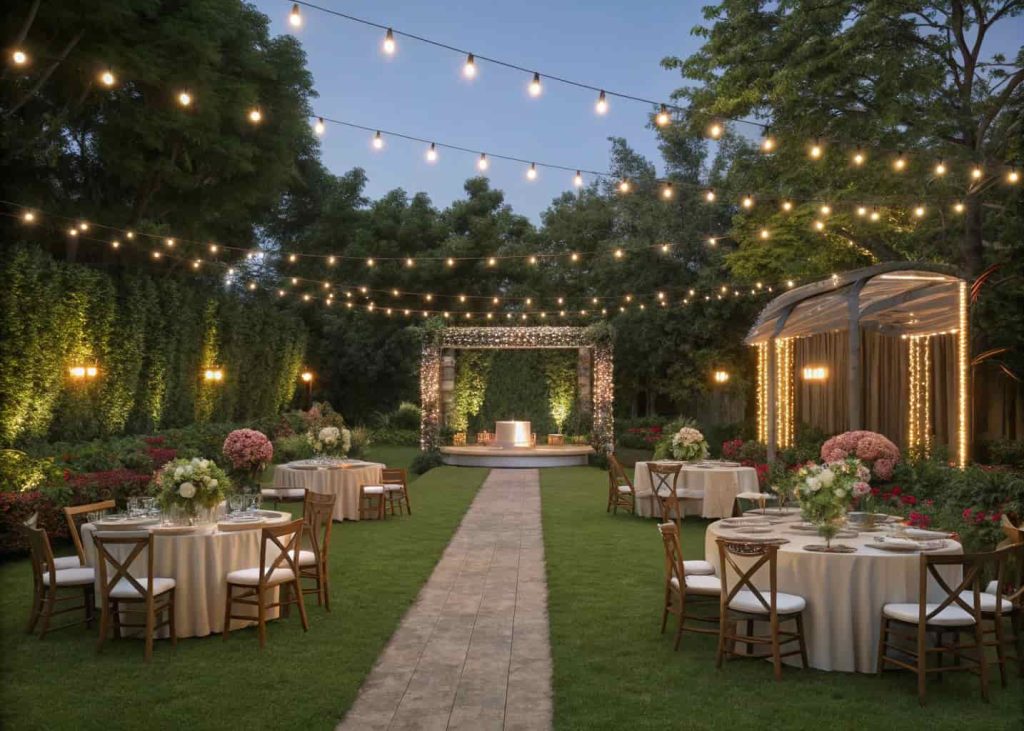
The venue shapes the mood of your event. Whether it’s an outdoor garden, banquet hall, or cozy home, pick a space that fits your theme and guest list. Consider accessibility, parking, and seating arrangements. If hosting outdoors, have a backup plan for weather changes. The right venue creates the perfect backdrop for photos and memories. Sometimes, the space itself inspires decorations and activities. Booking early ensures availability and might even get you discounts. The venue isn’t just a location—it’s part of the experience. A well-chosen venue leaves guests impressed and sets the stage for an unforgettable event.
5. Send Creative Invitations
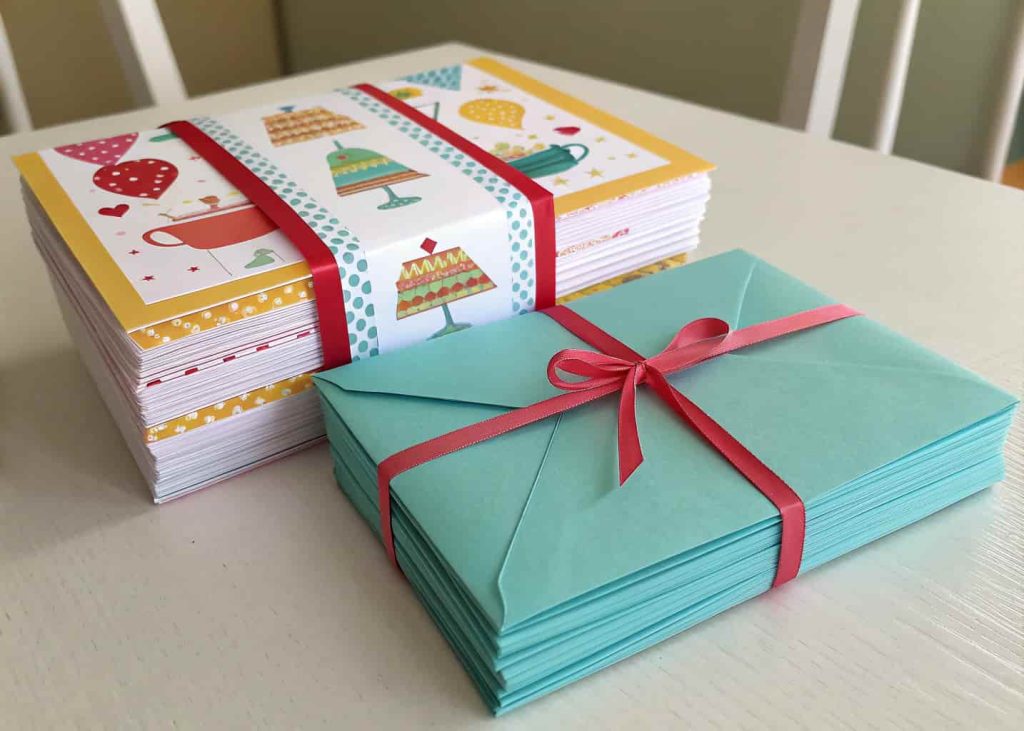
Invitations are the first impression of your event. Make them exciting, clear, and themed. You can use digital invitations with animated graphics or handmade cards for a personal touch. Include essential details: date, time, venue, dress code, and RSVP instructions. Fun touches like personalized messages, quirky designs, or small attachments (like confetti) make guests feel special. Invitations set expectations and can build anticipation for the event. Sending them on time ensures guests plan accordingly and increases attendance. Remember, a well-designed invitation is the first step in making your event memorable before it even begins.
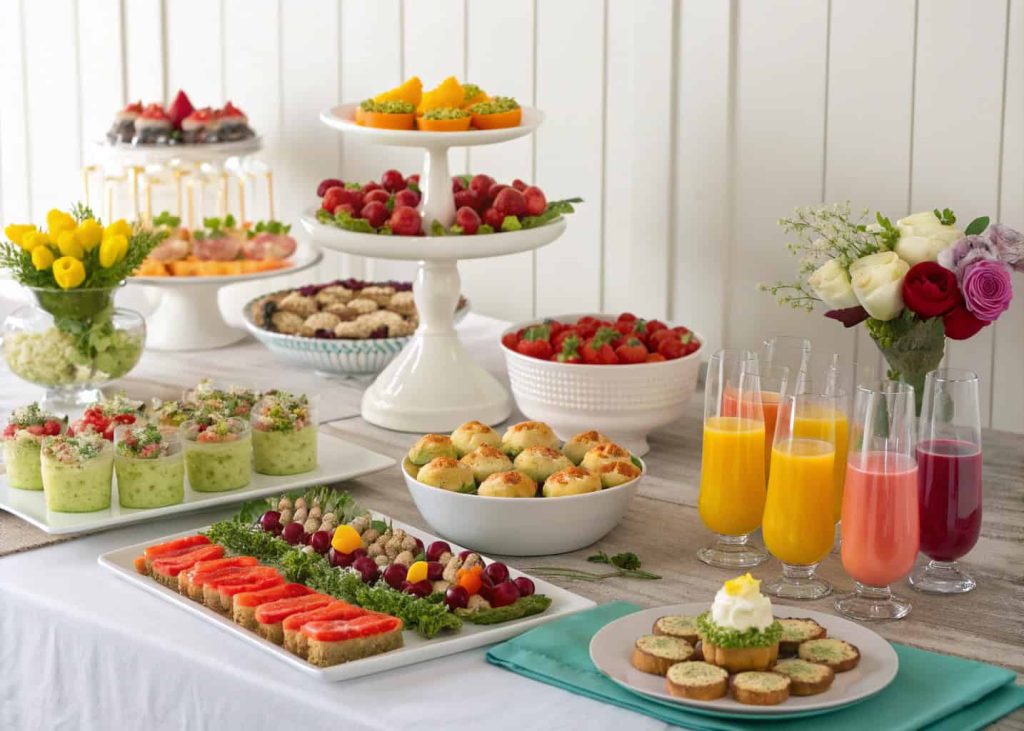
Food and drinks can elevate your event experience. Consider dietary restrictions, seasonal ingredients, and presentation. Finger foods and small bites are ideal for mingling, while a sit-down meal works for formal events. Drinks can be themed cocktails, mocktails, or a simple beverage bar. Don’t forget desserts—they leave a lasting impression. You can also add interactive elements like a DIY taco station or a cupcake-decorating corner. A well-planned menu reflects thoughtfulness and enhances the party atmosphere. Guests remember unique flavors, creative setups, and delicious treats long after the event ends.
7. Decorate Creatively
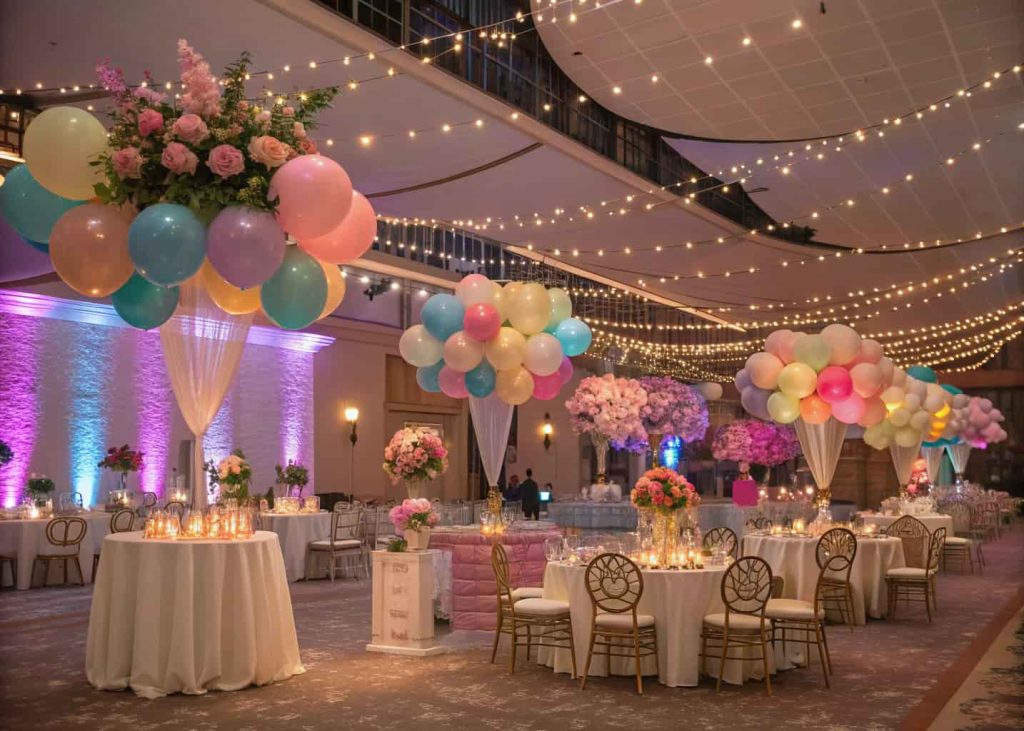
Decorations transform any space and reinforce your theme. Use balloons, banners, fairy lights, or flowers to create a visually appealing atmosphere. DIY decorations save money and add a personal touch. Focus on key areas like entrances, tables, and photo corners. Coordinating colors, textures, and lighting makes your event feel cohesive and stylish. Even small details, like personalized napkins or themed centerpieces, leave a big impact. Creative decor doesn’t have to be expensive—it’s about thoughtful planning and presentation. The right decorations make guests feel immersed in your event and help create lasting memories.
8. Plan Activities and Entertainment
Entertainment keeps guests engaged and energized. Depending on your event, you can include live music, DJs, games, or performances. For casual parties, interactive games or a photo booth are great for fun memories. For formal gatherings, speeches, performances, or a slideshow may suit better. Schedule activities strategically—too many can feel rushed, too few can cause boredom. Tailor entertainment to your guest preferences for maximum enjoyment. Thoughtful planning of entertainment ensures everyone has a great time and your event stands out as lively and unforgettable.

9. Personalize the Experience
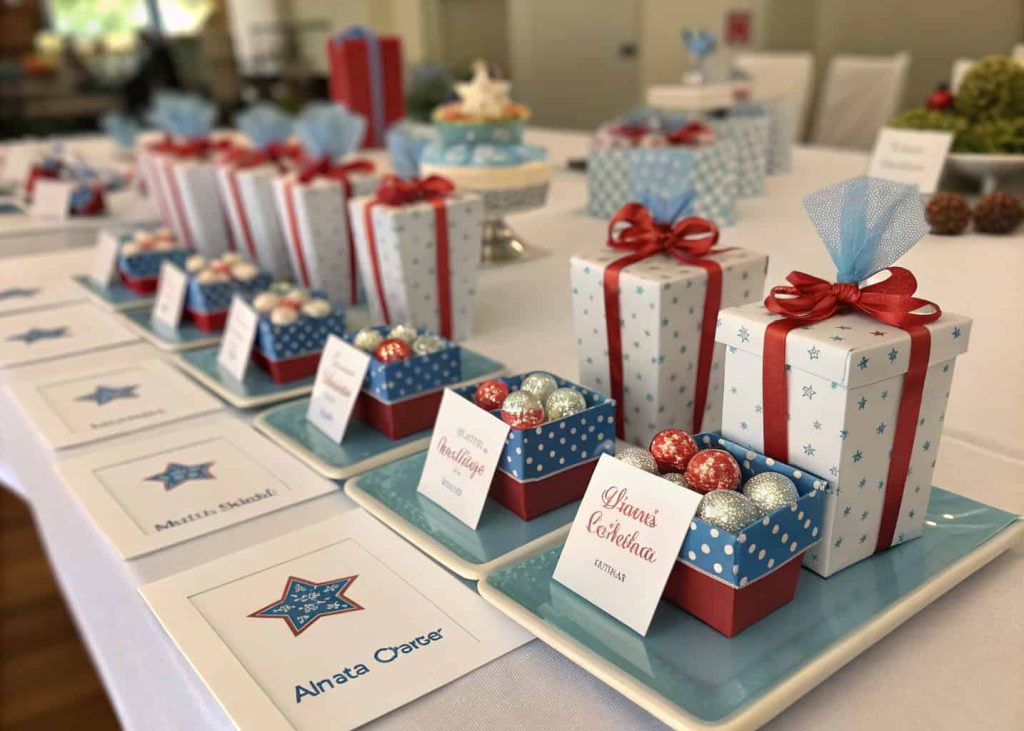
Adding personal touches makes guests feel valued. Custom favors, name cards, or a themed playlist show attention to detail. Consider personalized messages for milestones or achievements if it’s a celebration. Tailoring experiences to your audience creates emotional connections and lasting memories. Even small gestures, like favorite snacks or customized decorations, make a big difference. Personalization shows thoughtfulness and makes your event unique. Guests remember these details long after the party ends, helping your event stand out as one they truly enjoyed and cherished.
10. Capture the Memories
Photos and videos preserve your event moments. Hire a professional photographer or set up a DIY photo corner with props. Encourage guests to take candid shots and share them on social media. Consider creating a short highlight video after the event. Good photography captures the energy, smiles, and special moments, keeping memories alive. Even simple smartphone photos can document the experience. Sharing these memories strengthens connections and helps guests relive the fun. Capturing your event ensures that the effort you put into planning isn’t forgotten and your party is remembered fondly.

11. Manage Time Efficiently
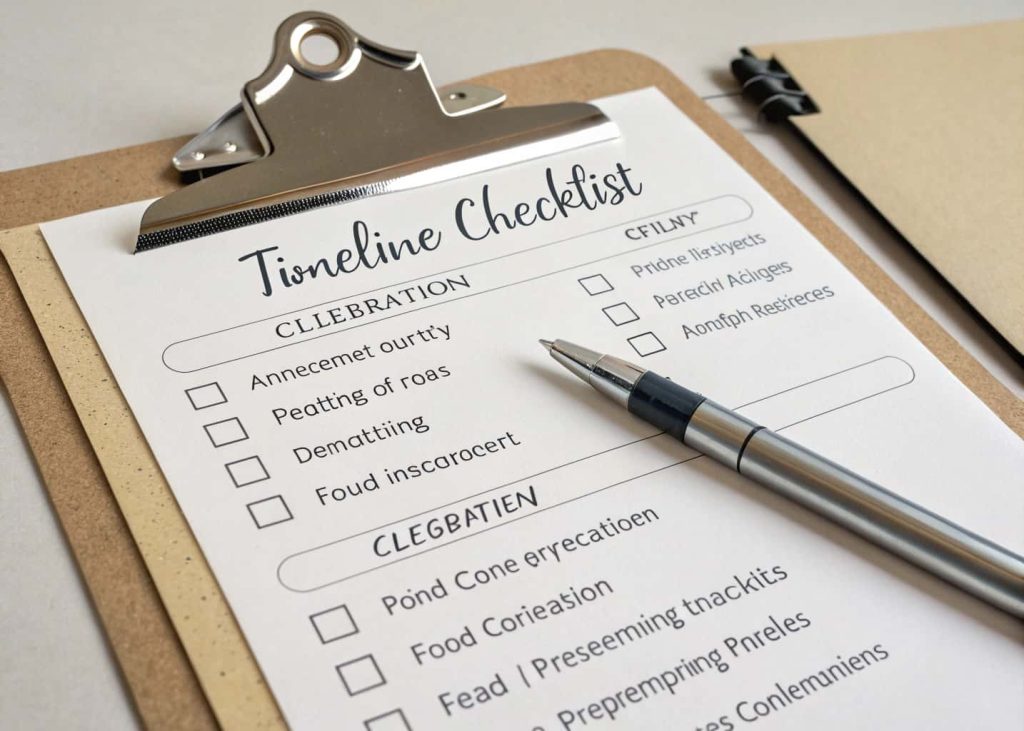
A well-timed event keeps everything running smoothly. Create a schedule for activities, meals, and speeches. Allow some flexibility for delays but keep a general timeline. Assign someone to oversee timing so nothing overlaps or drags on. Managing time ensures guests stay engaged and the event feels organized. Overcrowding or extended idle periods can lead to boredom. Efficient timing also helps caterers, entertainers, and staff perform seamlessly. Planning your schedule carefully contributes to a smooth flow and leaves a positive impression on attendees.
12. Have a Backup Plan
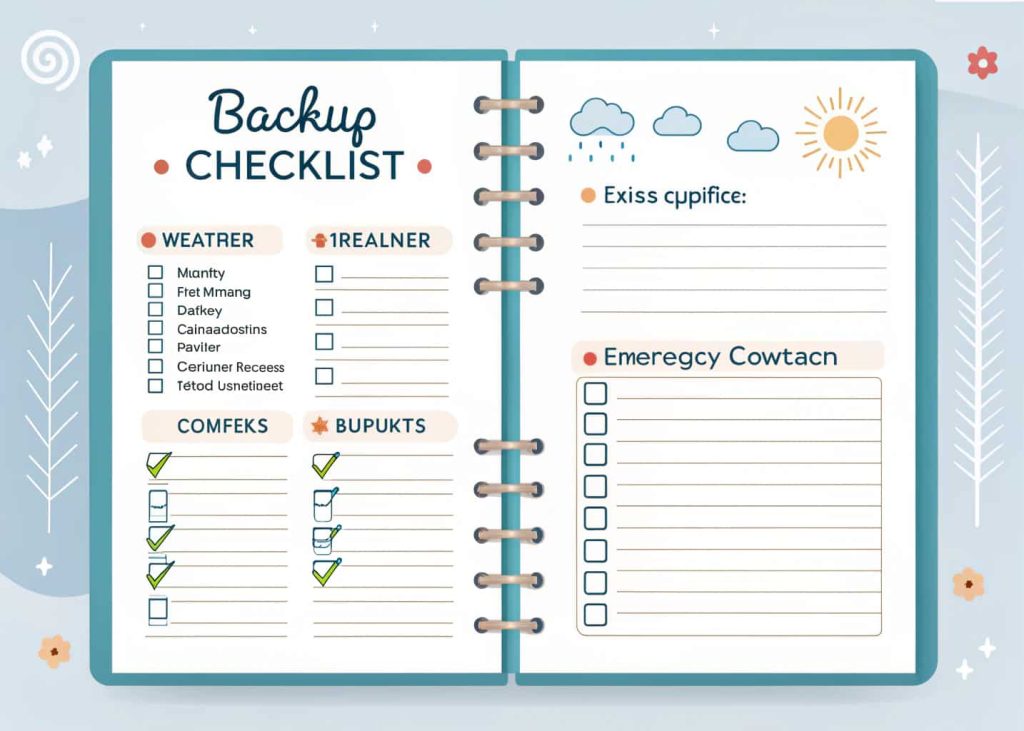
Unexpected issues can arise, especially for outdoor events. Always prepare a backup for weather, technical problems, or last-minute cancellations. Have extra supplies, alternate venues, or contingency options ready. Communicate plans to key team members or helpers. Being prepared reduces stress and ensures the event continues smoothly despite hiccups. A solid backup plan shows professionalism and thoughtful planning. Guests notice when events are seamless, even if challenges arise behind the scenes. Preparing for the unexpected keeps your event enjoyable and stress-free.
13. End with a Memorable Closing
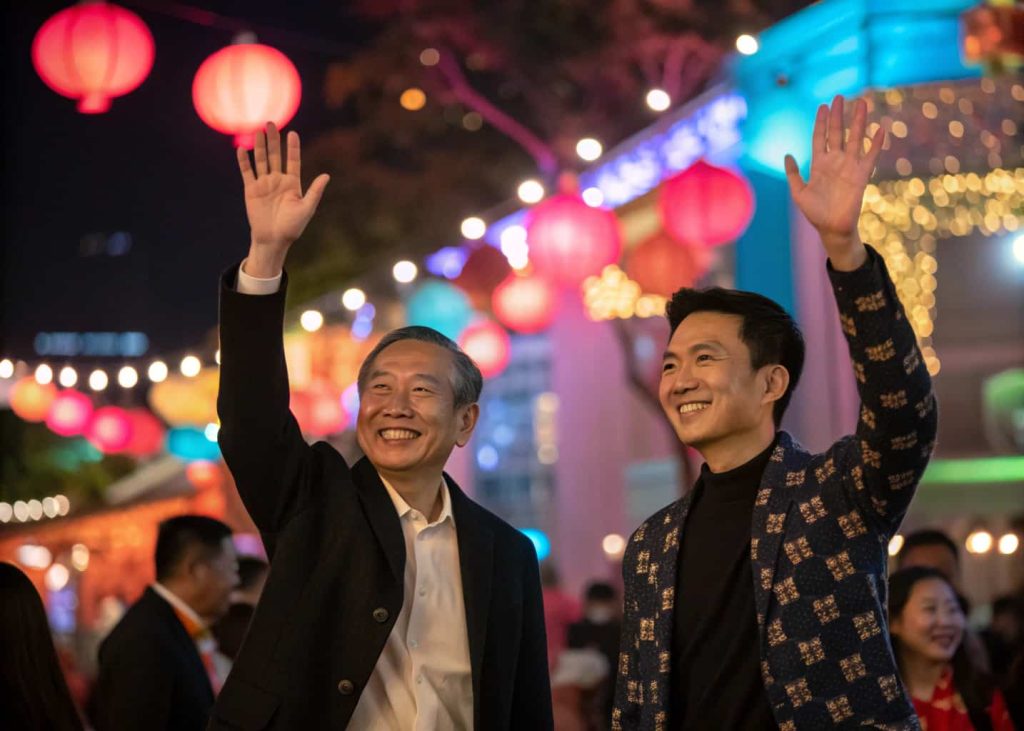
How an event ends leaves a lasting impression. Plan a final toast, giveaway, or group photo. Thank guests personally or with a small token of appreciation. Ending on a high note ensures guests leave with positive memories. Music, lights, or a farewell activity can create a magical conclusion. A memorable closing ties together all elements of your event, making it feel complete and well thought out. It’s the final touch that guests remember, encouraging them to talk about your event and look forward to the next one.
Conclusion
Planning a memorable event is about combining creativity, organization, and thoughtful touches. From setting a theme and creating a guest list to choosing a venue, menu, and entertainment, every detail contributes to the overall experience. Personalization, effective timing, and capturing memories ensure your event stands out in guests’ minds. Preparing for the unexpected and ending on a high note leaves a lasting impression. With careful planning, creativity, and attention to detail, your event can be both stress-free and unforgettable, giving guests memories they will cherish for years.