Table of Contents Hide
- 1. Simple Wooden Box Hood
- 2. Farmhouse Wooden Hood
- 3. Reclaimed Wood Hood
- 4. Modern Wooden Hood
- 5. Decorative Trim Hood
- 6. Curved Wooden Hood
- 7. Wooden Hood with Shelf
- 8. Two-Tone Wooden Hood
- 9. Shiplap Wooden Hood
- 10. Industrial Wooden Hood
- 11. Floating Wooden Hood
- 12. Beamed Wooden Hood
- 13. Custom Carved Wooden Hood
- Conclusion
Wooden range hoods are an excellent way to add warmth, texture, and style to your kitchen. Unlike plain metal hoods, wood brings natural beauty and a cozy feel to the cooking space. Wooden hoods can match cabinets, complement farmhouse or modern kitchens, and create a custom look without spending a fortune. Whether you choose reclaimed wood, smooth plywood, or decorative molding, the possibilities are endless. These hood designs not only look stylish but also act as a focal point in the kitchen. With DIY options and ready-made solutions, everyone can find a wooden range hood design that suits their style and budget. A wooden range hood instantly elevates the kitchen’s aesthetic while keeping it inviting and functional.
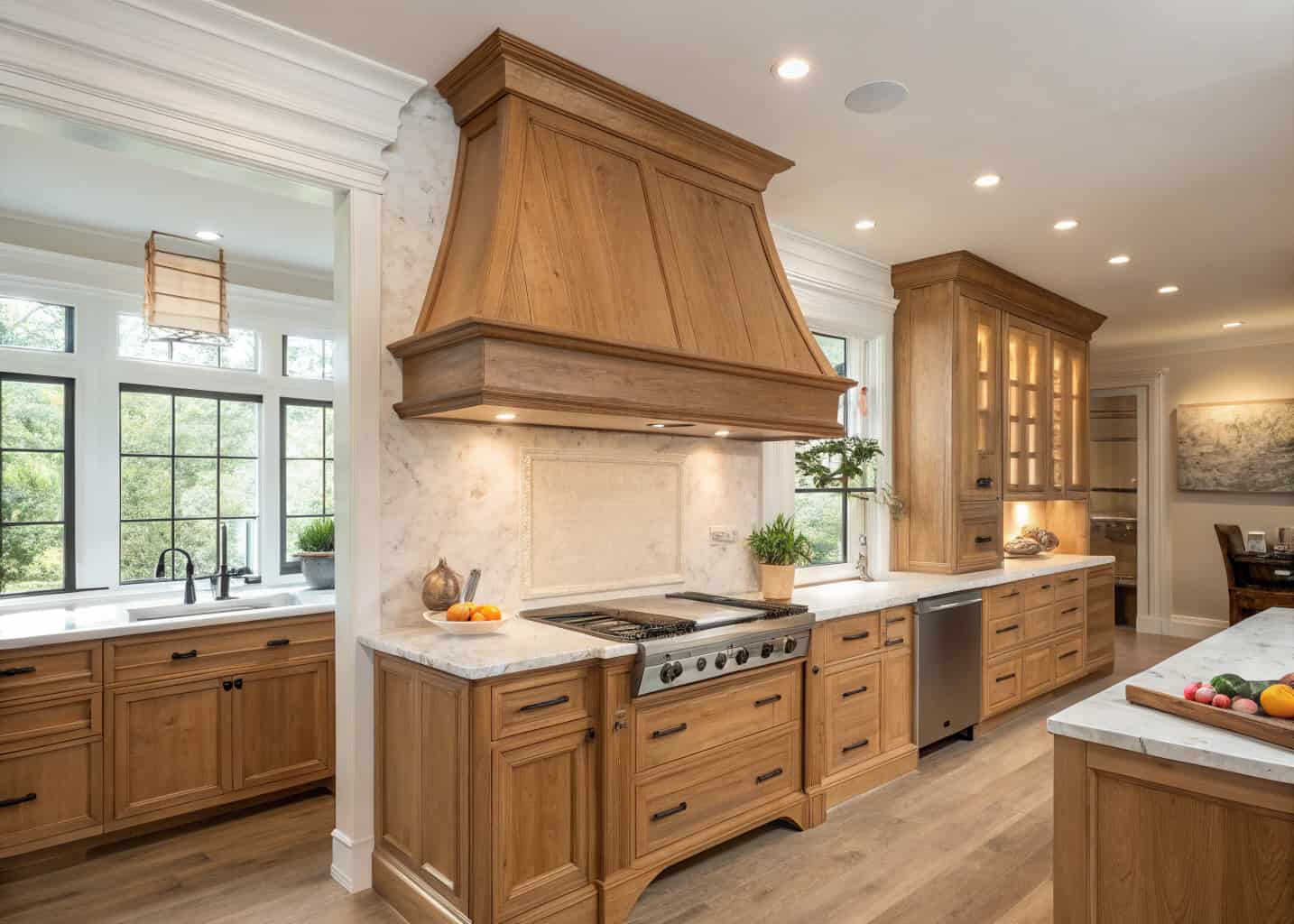
1. Simple Wooden Box Hood
A simple wooden box hood is one of the easiest ways to upgrade your kitchen. It involves building a rectangular wooden frame to cover the metal range hood. The wood can be stained or painted to match cabinets or walls. This style works in both modern and farmhouse kitchens because it is clean, functional, and budget-friendly. The design hides the plain metal vent and makes the kitchen look more polished. You can also add simple molding or trim to enhance the look. This project is perfect for beginners who want a quick DIY upgrade. A simple wooden box hood proves that even minimal designs can make a big impact.
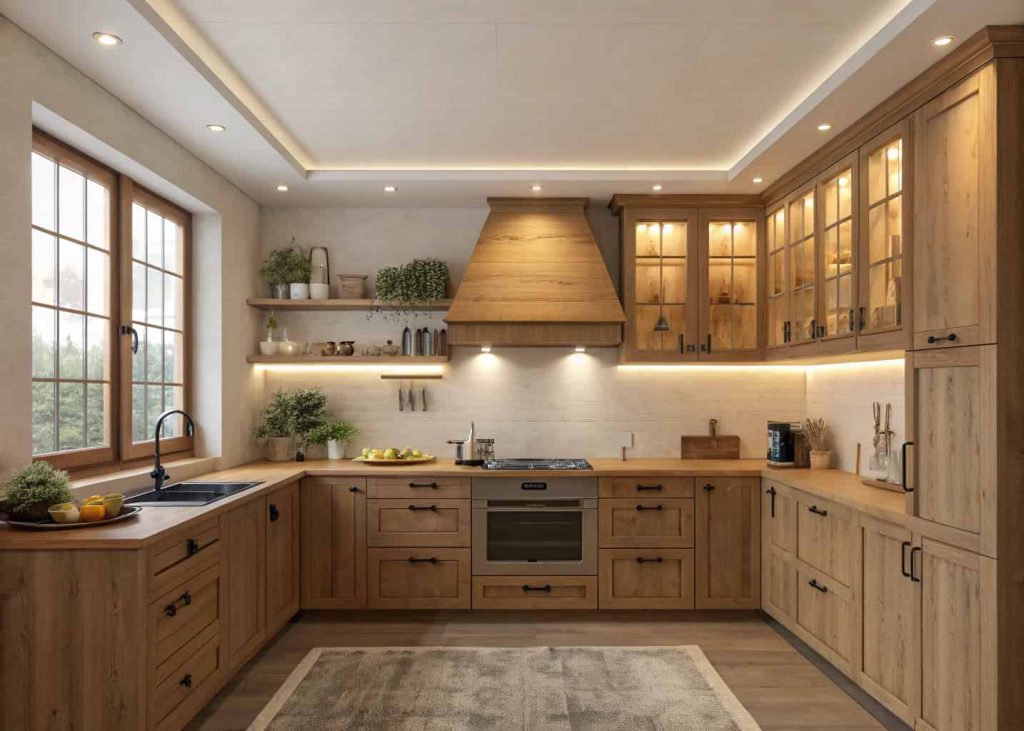
2. Farmhouse Wooden Hood
A farmhouse wooden range hood is perfect for creating a rustic, cozy kitchen vibe. Usually, it uses shiplap boards or reclaimed wood to give a natural and textured look. Painting the hood white or off-white complements the farmhouse style and brightens the space. Adding decorative trim or corbels enhances the rustic charm. This design works well with wooden shelves, farmhouse sinks, and vintage decor. Even though it looks custom, it can be built on a budget with locally available materials. A farmhouse wooden hood blends beautifully with rustic or neutral kitchen themes, creating an inviting and warm atmosphere. It is both functional and a striking design feature.
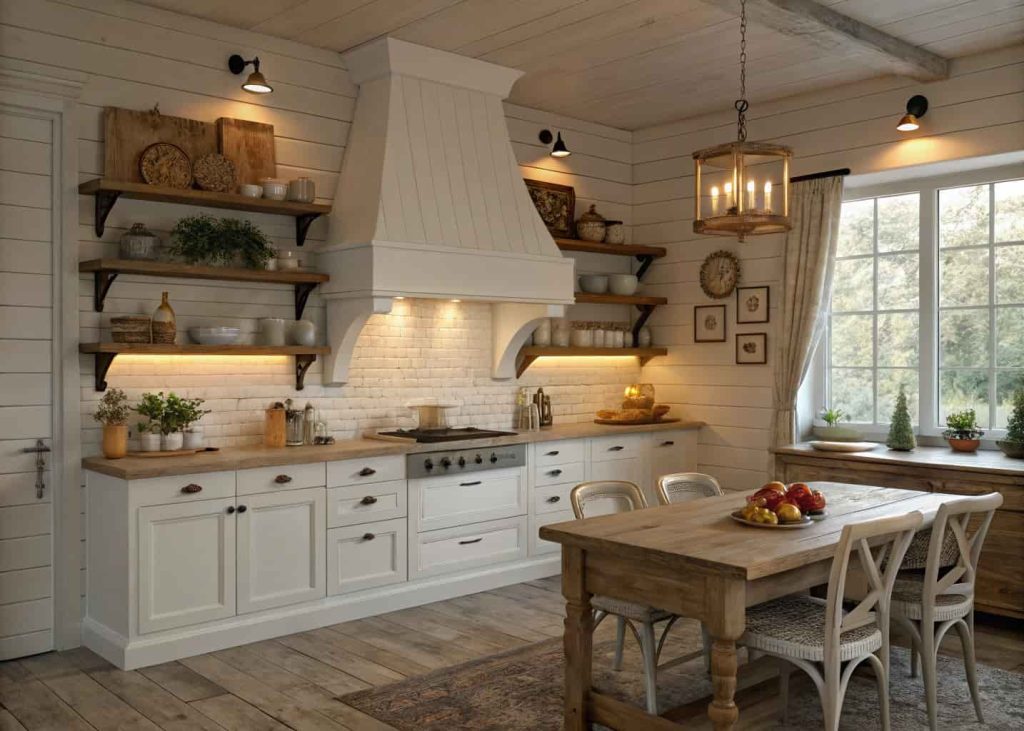
3. Reclaimed Wood Hood
Using reclaimed wood for your range hood is an eco-friendly and stylish choice. Old wood from furniture, pallets, or barns has natural textures, knots, and character that new wood cannot match. Reclaimed wood can be stained to enhance its rustic beauty or left natural for a weathered look. This style adds warmth and personality to the kitchen while giving your space a unique story. It works well in farmhouse, industrial, or rustic kitchens. The hood becomes a centerpiece, drawing attention to its texture and details. Reclaimed wood is also cost-effective if sourced locally. It’s a sustainable way to achieve a high-end, custom look without breaking the budget.
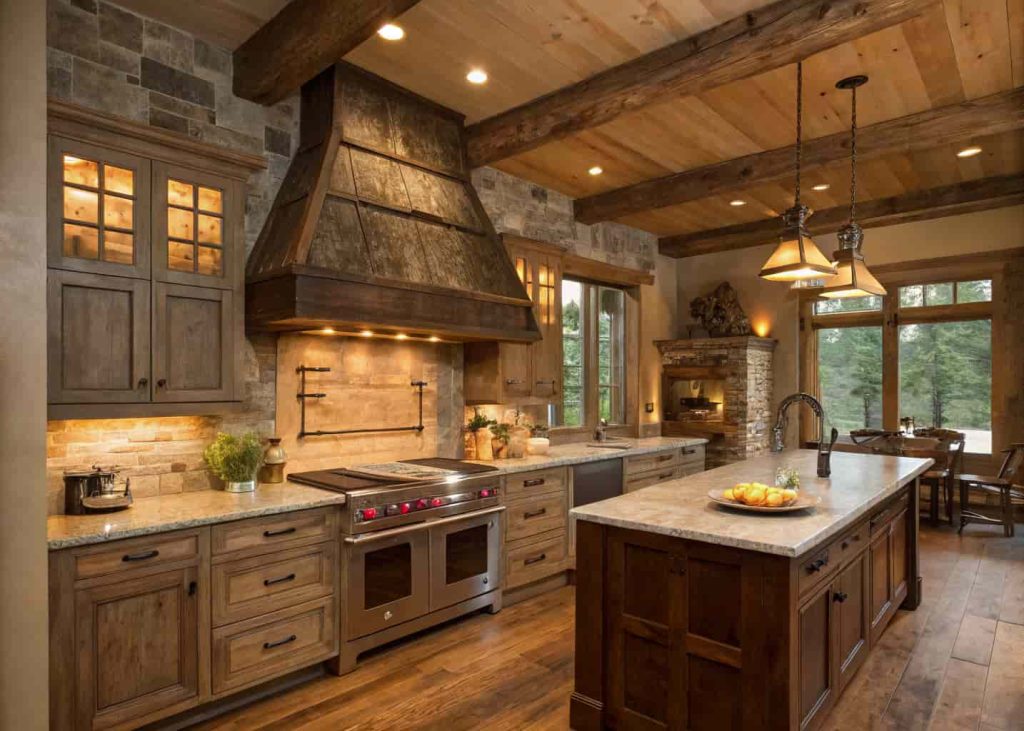
4. Modern Wooden Hood
A modern wooden range hood uses smooth surfaces, clean lines, and neutral colors to create a minimalist and sleek kitchen look. Materials like MDF or plywood are often used for a polished finish. You can paint it white, gray, or black to match modern cabinetry. The design focuses on simplicity, keeping the kitchen organized and visually clean. This style works perfectly in contemporary kitchens, where minimalism and subtle textures are key. Even with a simple rectangular frame, the hood adds elegance and warmth. Modern wooden hoods are ideal for those who want a stylish upgrade without overcomplicating the design. They offer a natural touch in otherwise sleek spaces.
5. Decorative Trim Hood
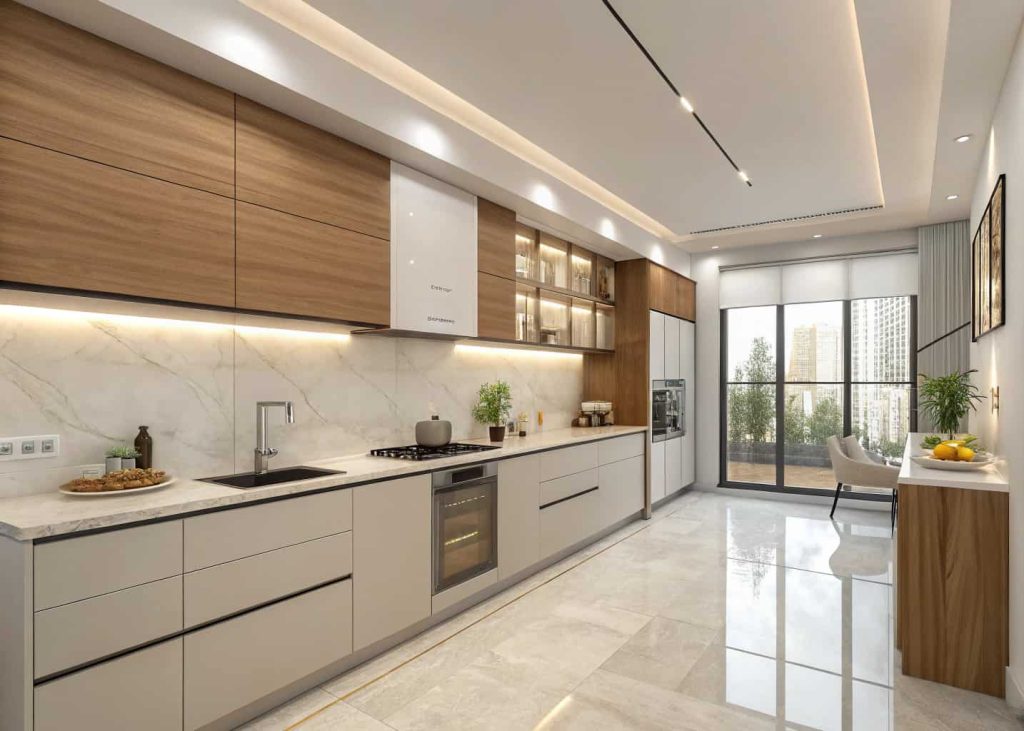
Adding decorative trim to a wooden range hood makes it look more custom and elegant. Trim or molding adds depth and architectural detail to a simple box hood. You can match the trim with cabinet designs for a cohesive look. This style works well in traditional, transitional, or classic kitchens. Painting the hood in a soft neutral color enhances the decorative details and brightens the kitchen. Decorative trim is an affordable upgrade because small molding pieces can be purchased from local hardware stores. A well-designed hood with trim instantly becomes a statement piece in your kitchen. It combines functionality with aesthetic appeal and adds a polished look to the space.
6. Curved Wooden Hood
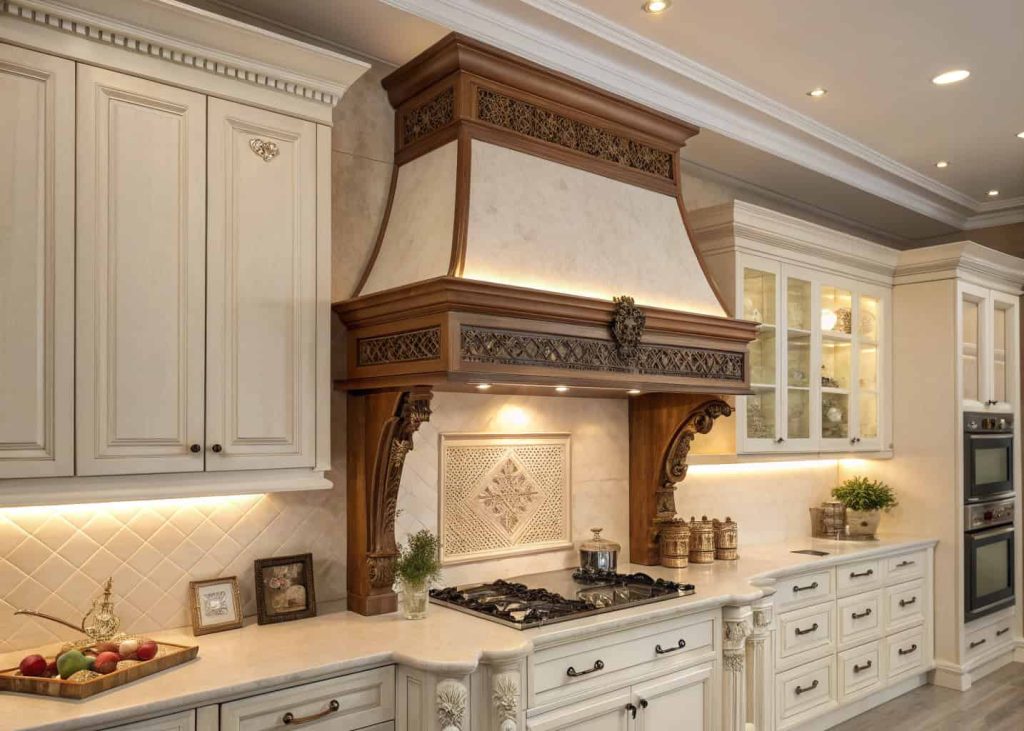
A curved wooden range hood adds softness and elegance to the kitchen design. Unlike straight-lined hoods, curves make the hood look custom and sophisticated. Flexible plywood or thin wood panels can be used to create the curved shape. After forming the frame, it can be painted or stained to match the kitchen cabinets. This style works in Mediterranean, traditional, or transitional kitchens. A curved hood creates visual interest and makes the kitchen feel more luxurious without a high budget. Even a small curve at the bottom of the hood adds elegance. This design is perfect for those who want a standout feature above their stove.
7. Wooden Hood with Shelf
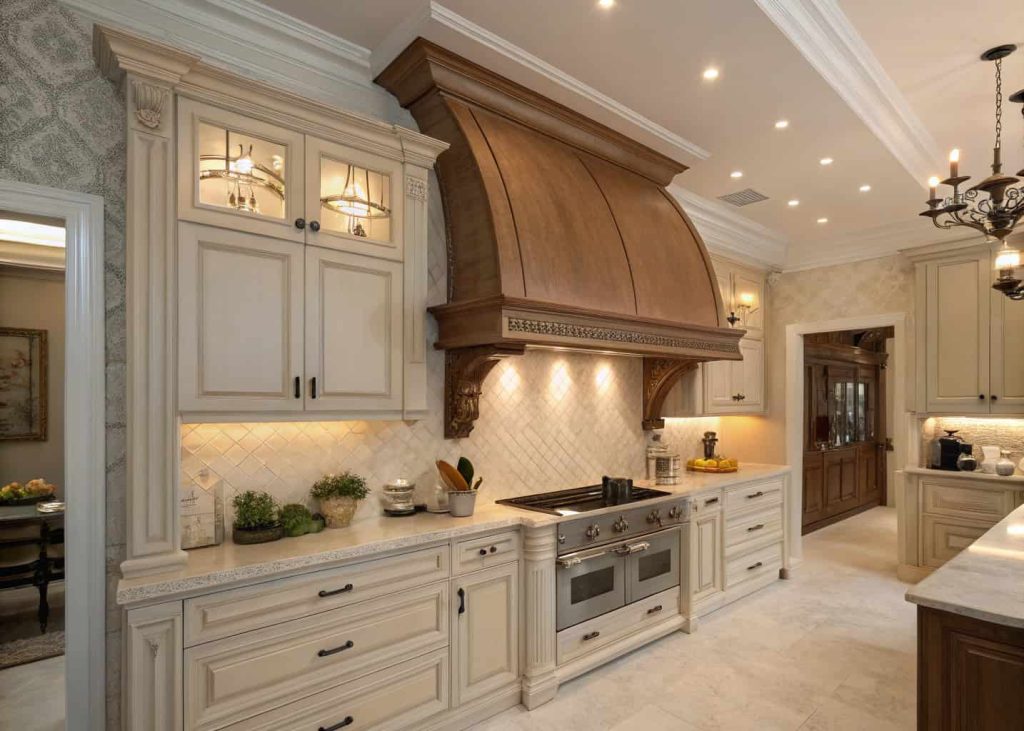
A wooden hood with a shelf adds both style and functionality. The shelf can display decor items, small plants, or kitchen essentials. It combines warmth from the wood with practicality for daily use. The design works well in farmhouse and rustic kitchens. You can stain or paint the wood to match your cabinets, creating a cohesive look. Adding a small ledge makes the hood versatile and visually appealing. This style draws attention to the cooking area while giving you extra storage or display space. It’s a simple upgrade that brings personality and charm to your kitchen design.
8. Two-Tone Wooden Hood
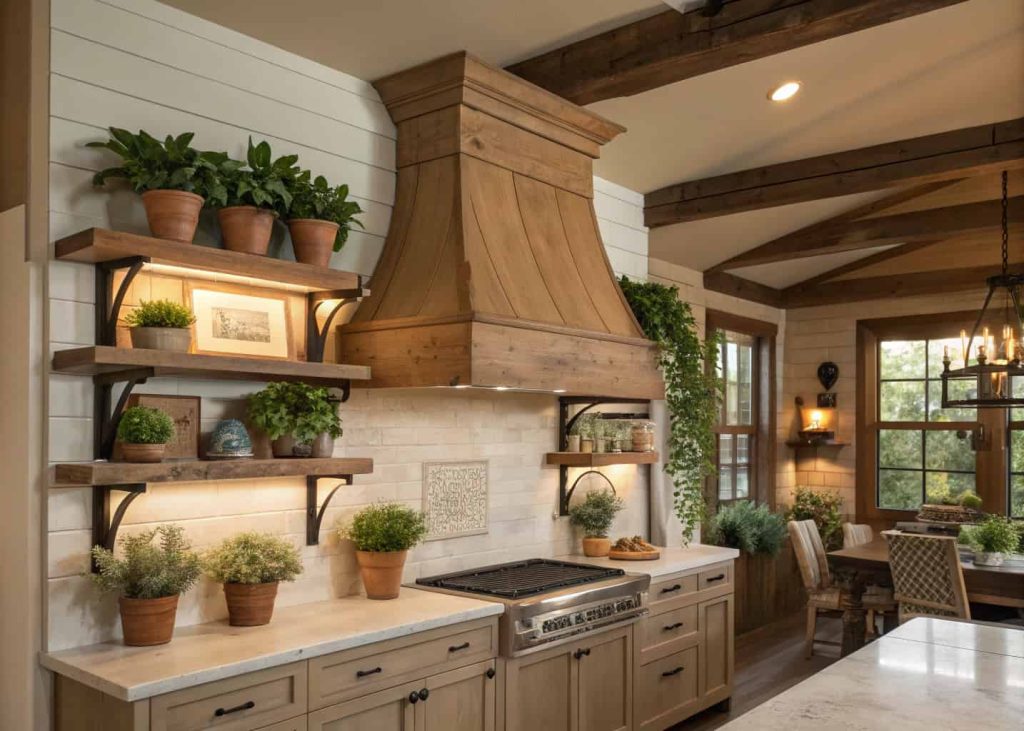
A two-tone wooden range hood combines two wood finishes or paint colors to create a unique, modern look. For example, a natural wood front panel with painted sides adds contrast and visual interest. This design works in contemporary or transitional kitchens. Two-tone hoods make the kitchen feel more dynamic and custom. You can match one tone with cabinets and the other with countertops or walls. This simple design trick transforms a basic hood into a standout feature. Even beginners can attempt this style with basic painting and woodworking skills. A two-tone wooden hood adds depth, texture, and personality to your kitchen space.
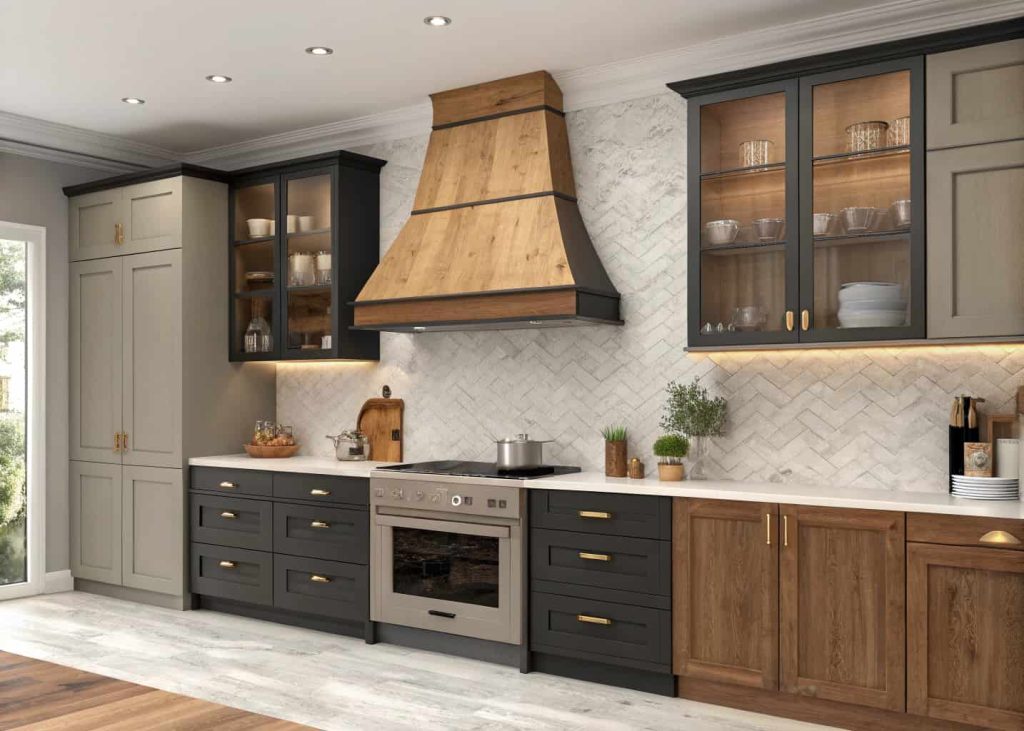
9. Shiplap Wooden Hood
A shiplap hood creates texture and charm in the kitchen. Horizontal wooden boards are installed with small gaps to create a classic look. Painted white or beige, it brightens the space and gives a farmhouse or coastal feel. Shiplap hoods are perfect for kitchens that need a touch of rustic charm without looking heavy. They are easy to build with affordable wood panels and basic tools. This design creates a focal point while keeping the kitchen airy and inviting. Shiplap also complements open shelves and wooden accents in the kitchen. It’s a timeless style that works in both small and large spaces.
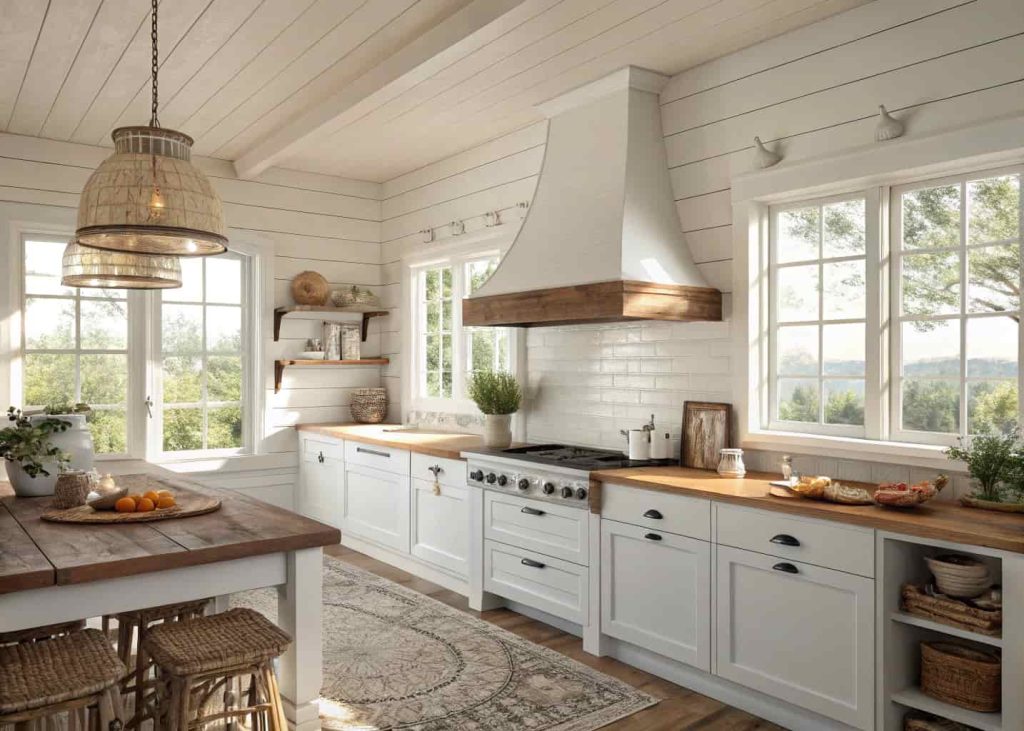
10. Industrial Wooden Hood
Combine wood with metal accents to create an industrial wooden range hood. Wood adds warmth, while metal gives a sleek, modern touch. This style works in loft kitchens, contemporary spaces, or mixed-material designs. Metal strips, screws, or vent covers complement the wooden structure. Even with simple materials, the combination looks high-end and custom. Industrial wooden hoods add character and personality to your kitchen while keeping it functional. They are perfect for those who want a bold yet cozy design. The natural wood balances the industrial elements, making the space inviting.
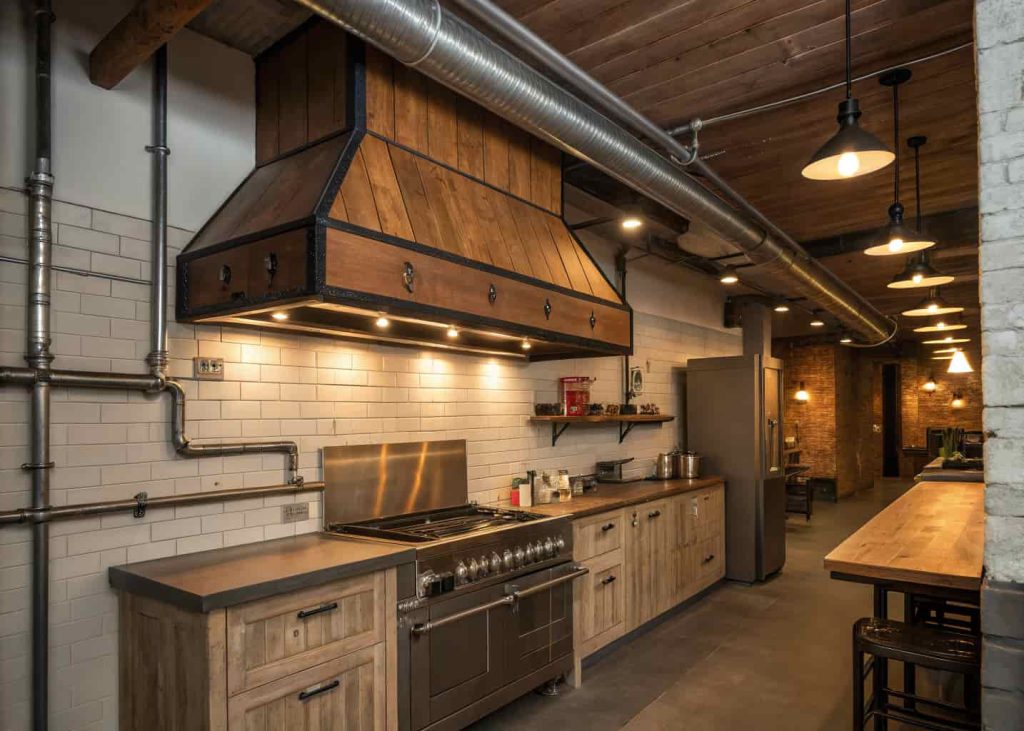
11. Floating Wooden Hood
A floating wooden range hood appears light and modern, giving the illusion that it’s detached from the ceiling. This design uses hidden supports or a minimal frame to create a floating effect. It works well in contemporary kitchens with high ceilings. The hood can be painted or stained in a natural wood finish. Floating hoods are stylish and make the kitchen feel more open. Even small kitchens can benefit from this illusion of space. It’s a creative design that makes the cooking area feel airy and elegant while keeping a warm wooden accent.
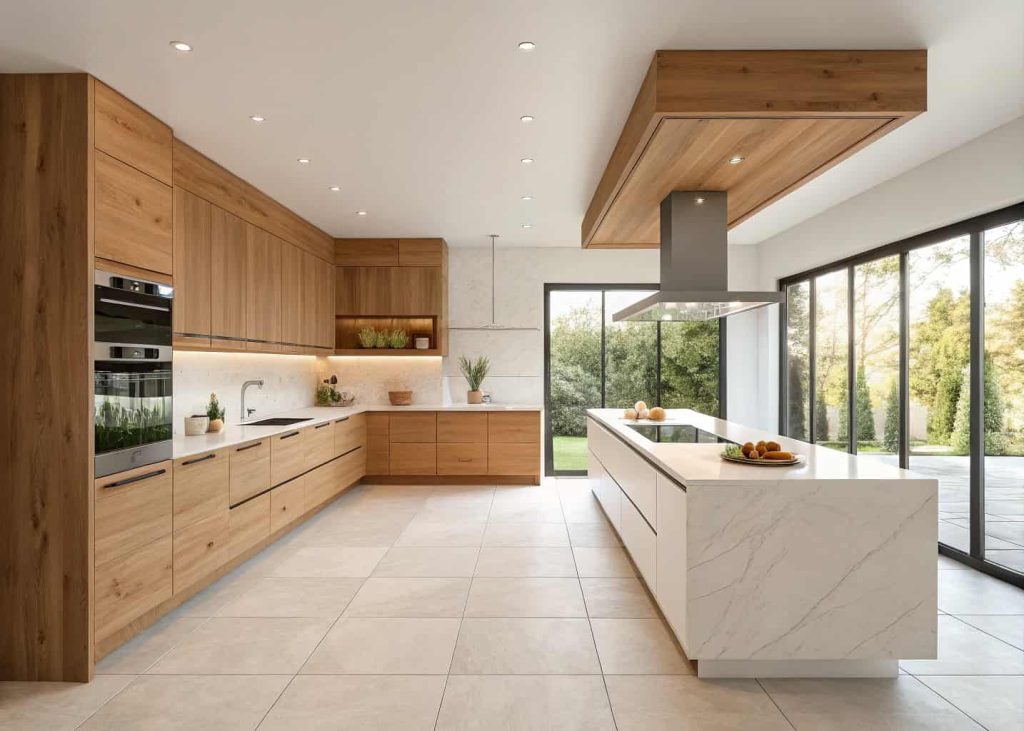
12. Beamed Wooden Hood
Adding wooden beams to a range hood gives it a bold, rustic statement. The beams can be decorative or structural, depending on the style. This design works in large kitchens with open layouts or vaulted ceilings. Beamed hoods bring architectural interest and a cozy farmhouse feeling. Wood stains or finishes can match cabinets or ceiling beams. Even though it looks high-end, it can be built affordably using simple timber. The combination of beams and natural wood adds depth, texture, and character. This style makes the kitchen feel welcoming while highlighting the cooking area as a focal point.
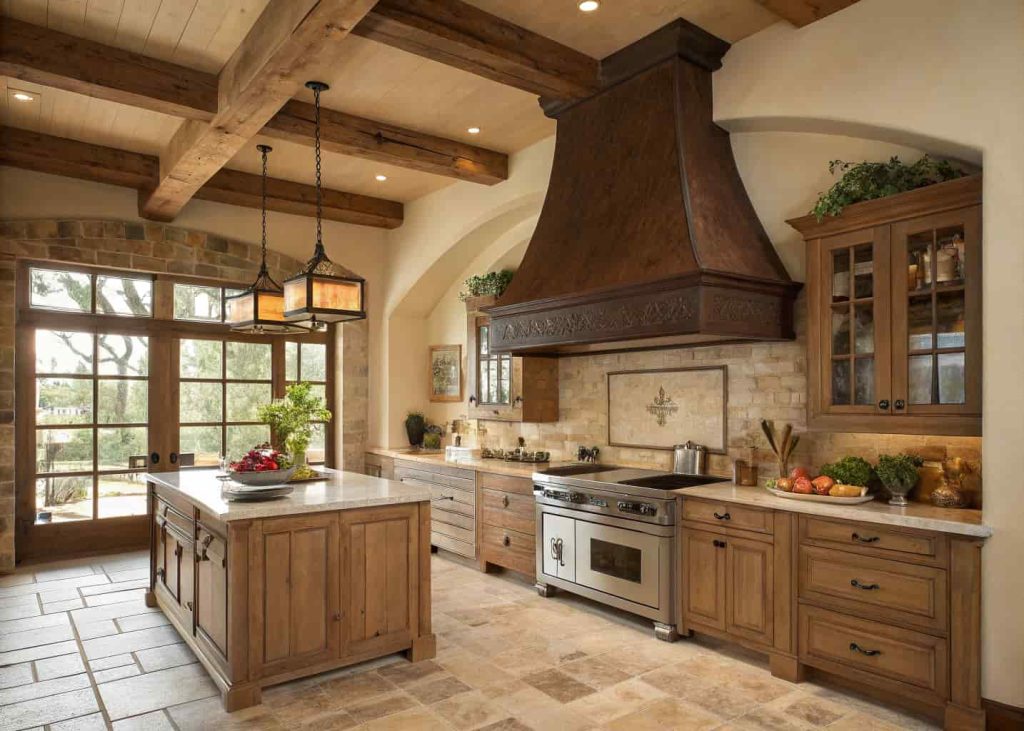
13. Custom Carved Wooden Hood
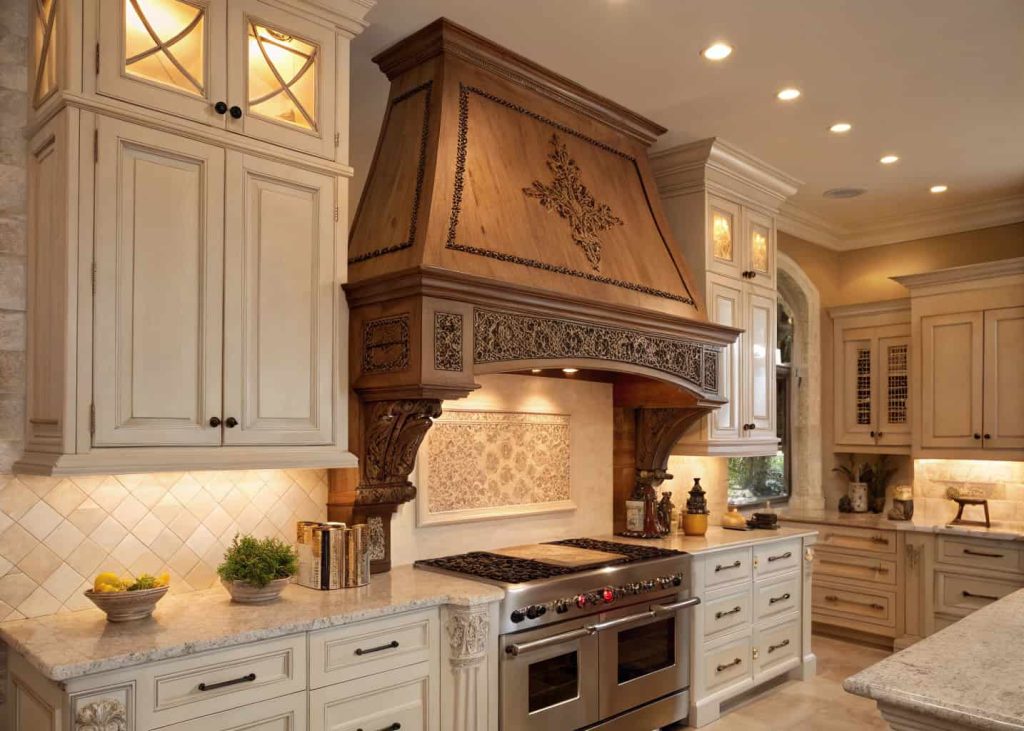
A custom carved wooden range hood is perfect for adding intricate design and elegance. Carvings can be simple patterns or detailed motifs depending on your style. This hood style works well in traditional, Mediterranean, or luxury kitchens. While slightly more advanced, you can achieve the look using pre-carved panels or DIY carving kits. The carved details give a high-end, custom feel to the kitchen. You can stain or paint the wood to complement cabinets. A carved wooden hood becomes a showpiece, combining functionality with art. This style is ideal for homeowners who want their kitchen to feel unique and luxurious.
Conclusion
Wooden range hoods are versatile, stylish, and budget-friendly ways to transform your kitchen. From simple box designs to carved masterpieces, there’s a wooden hood for every kitchen style—farmhouse, modern, industrial, or classic. They add warmth, texture, and personality while hiding plain metal vents. DIY options allow you to customize the design, color, and finish according to your space. Wooden range hoods also serve as focal points, making the kitchen feel cozy and inviting. Whether you choose reclaimed wood, shiplap, or decorative trim, a wooden range hood is an investment in both style and functionality, turning your kitchen into a beautiful, welcoming space.